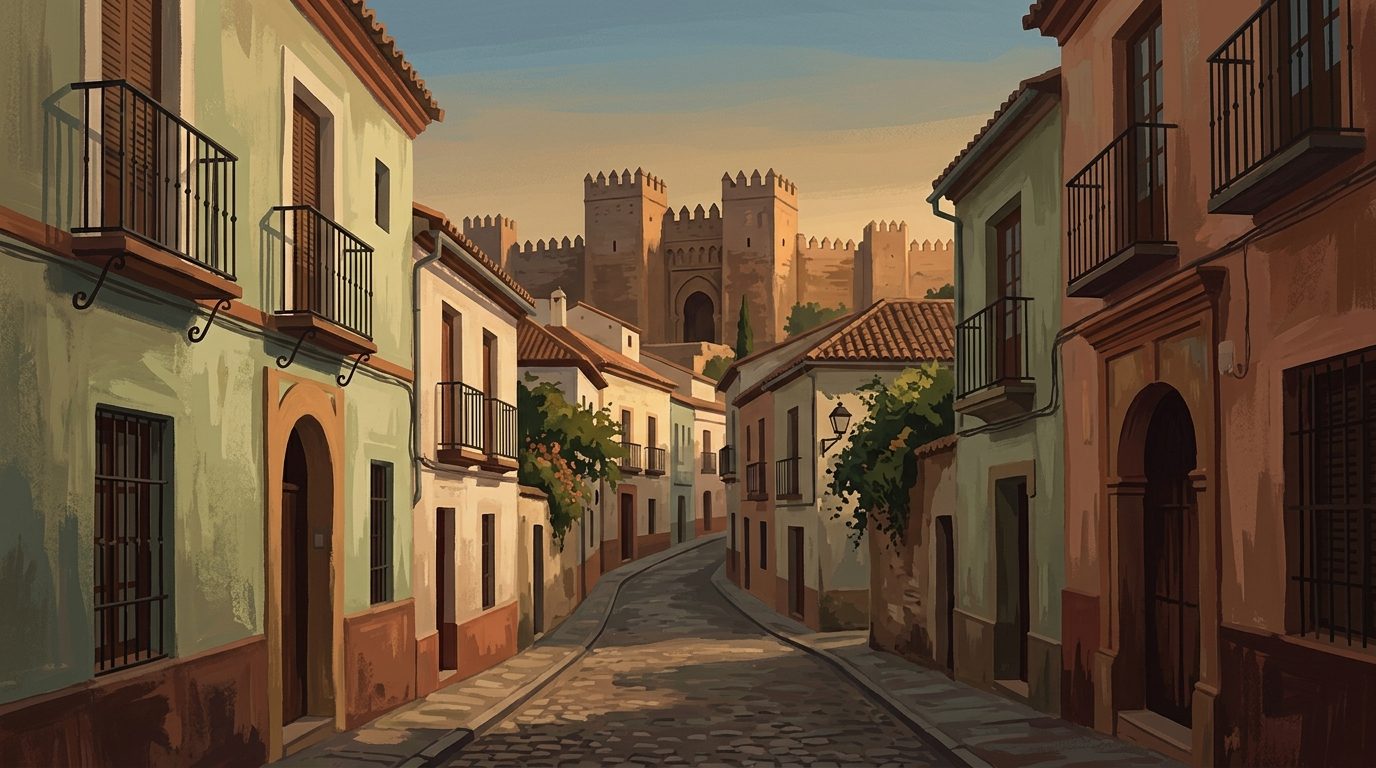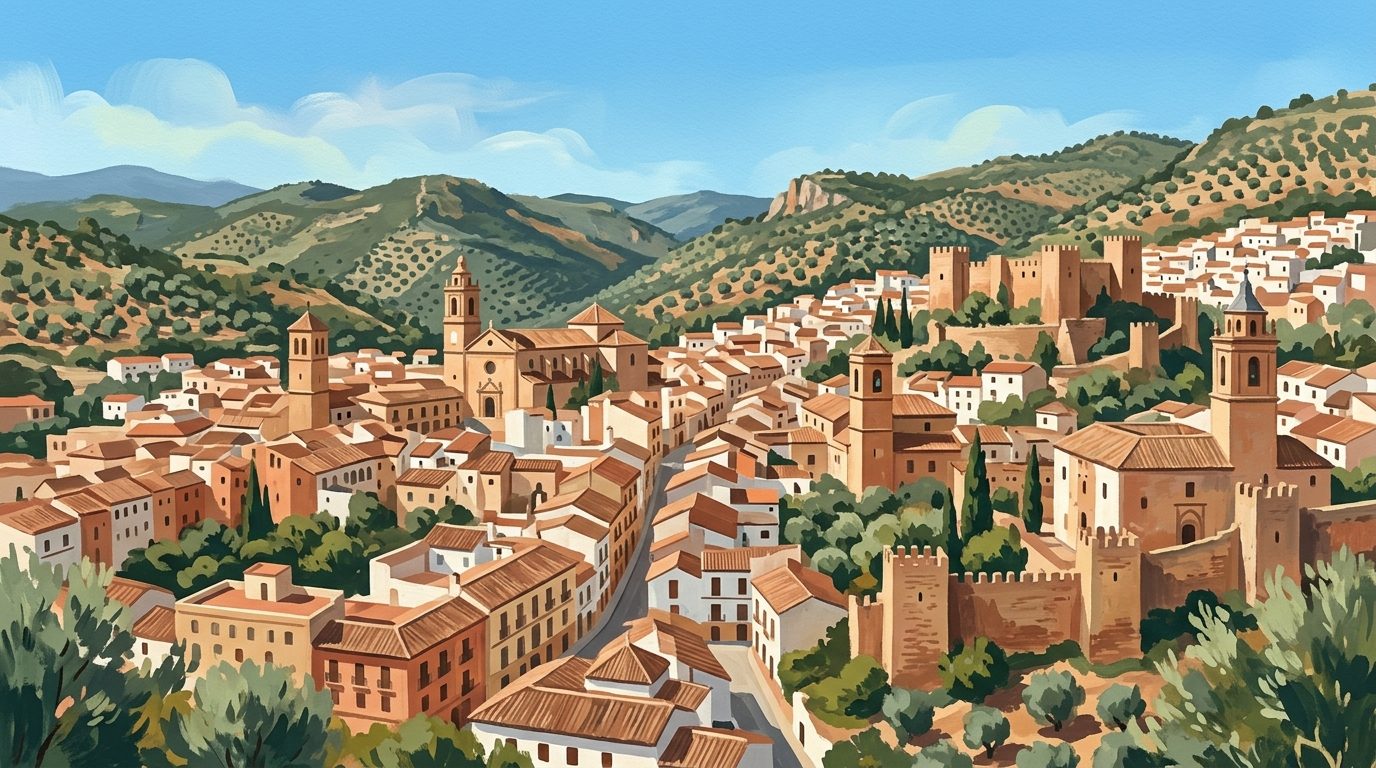
Cabra is a distinguished market town that serves as the geographical heart of Andalucía, famous for its unique red marble and a sanctuary with views across five provinces. It offers a sophisticated blend of Baroque architecture and rugged mountain landscapes within the Sierras Subbéticas Natural Park.
Cabra occupies a privileged position where the olive-covered plains of the Campiña meet the limestone peaks of the Subbética Cordobesa. While many travellers pass through on their way to the more famous Priego de Córdoba, Cabra rewards those who stop with a surprising sense of grandeur. It is a town defined by its geology; the local 'mármol rojo' (red marble) is found throughout its churches and palaces, while the limestone massif behind the town provides some of the most dramatic viewpoints in the region.
Known as the 'City of Water' due to the springs that rise at the Fuente del Río, Cabra has a long history that predates the Romans. It was a significant Visigothic bishopric and later a key frontier town during the Reconquista. Today, it remains a working agricultural centre where the rhythms of the olive harvest and local festivals dictate the pace of life. Its streets are wide and airy, and its Baroque heritage is among the most impressive in the province of Córdoba.
Exploring the 'Baroque Mosque' and Beyond
Iglesia de Nuestra Señora de la Asunción y Ángeles
The crown of Cabra’s religious architecture is the Parish Church of the Assumption and Angels. It is frequently referred to as the 'Mezquita del Barroco' (Baroque Mosque), not because it was a repurposed mosque, though it stands on the site of one, but because of its internal layout. The church features five naves and a forest of forty-four columns made of polished local red marble. The contrast between the brilliant white-washed walls and the deep, veined crimson of the stone is striking. Look for the main altarpiece, a masterwork by Melchor de Aguirre, which further showcases the local marble in an intricate display of Baroque craftsmanship.
The Archaeological Museum and the Mithras
Housed in the former Bank of Spain building, a handsome structure on Calle Martín Belda, the Municipal Archaeological Museum is one of the oldest in the province. Its most significant exhibit is the 'Mithras of Cabra'. This second-century Roman sculpture depicts the god Mithras sacrificing a bull, a central icon of the Mithraic mysteries. While the original is kept in the provincial museum in Córdoba, the high-quality replica here provides a fascinating insight into the Roman villa culture that once dominated this landscape. The museum also contains a collection of Tartessian pottery and Roman mosaics found in the nearby Villa del Mitra.
The Barrio de la Villa and the Castle
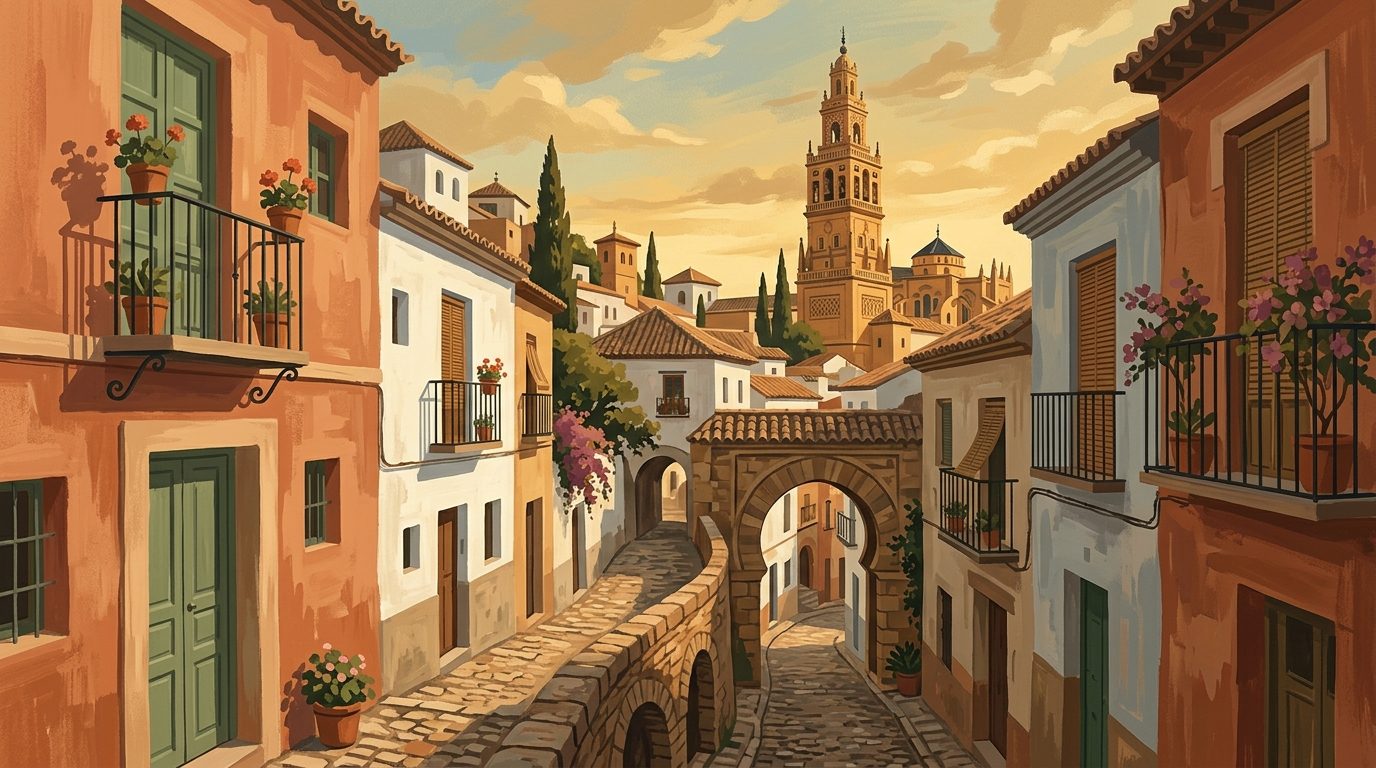
The oldest part of Cabra is the Barrio de la Villa, a medieval quarter that retains its defensive walls. Adjacent to the Iglesia de la Asunción, you will find the Castle of the Counts of Cabra. Although much of the current structure serves as a school (the Colegio de las Escolapias), the exterior walls and the keep remain as reminders of the town’s strategic importance. Walking through the narrow, flower-filled alleys of the Villa feels worlds away from the wider avenues of the 19th-century expansion, offering a glimpse into the town's Moorish origins.
Into the Sierras Subbéticas
Santuario de la Virgen de la Sierra
To truly understand Cabra’s location, you must drive or hike the 12 kilometres up to the Santuario de Nuestra Señora de la Sierra. Perched atop the Picacho peak at 1,217 metres, this sanctuary is known as the 'Balcony of Andalucía'. On a clear day, the view extends across the provinces of Córdoba, Granada, Málaga, Jaén, and Sevilla. The sanctuary itself is a simple, white-washed building that houses the image of the town’s patron saint, a 14th-century Gothic carving. The road up is steep and winding, but the panoramic vista across the limestone crags and olive groves is the highlight of any visit.
Santa Rita Visitor Centre
Located on the road between Cabra and Priego de Córdoba (A-339), the Santa Rita Visitor Centre is the primary gateway to the Sierras Subbéticas Natural Park. The centre provides detailed information on the Geopark's unique karst topography and the vultures that circle the peaks. It is the starting point for several well-marked hiking trails, including the route to the summit of the Picacho. For those interested in the local flora, the centre maintains a botanical garden featuring species native to these limestone mountains.
Fuente del Río
At the edge of the town lies the Fuente del Río, a natural spring where the River Cabra emerges from the rock. This area has been landscaped into a tranquil park, combining stone channels, waterfalls, and shaded groves. It is a popular spot for locals to escape the summer heat. In the centre of the spring, there is a monument to the Roman god of the river, underlining the town's long-standing relationship with its water source.
Practical Information
Getting There: Cabra is located 72km south of Córdoba city. The easiest way to arrive is by car via the A-45 motorway, taking the A-318 exit. Regular bus services operated by Carrera (now part of the ALSA group) and Autocares Pérez Cubero connect Cabra with Córdoba, Lucena, and Priego de Córdoba (check operator websites before travelling).
Parking: Avoid driving into the narrow streets of the Barrio de la Villa. Instead, use the large free parking areas at Parking Tejera or Parking Junquillo, both within a five-minute walk of the historic centre.
Opening Times:
- Iglesia de la Asunción: Generally open for visits Monday to Saturday 10:00 to 13:00 and 18:00 to 20:00, though these times often shift during religious festivals or summer months. Sundays are reserved for services. Admission is free, though a small donation is appreciated.
- Museo Arqueológico Municipal: Tuesday to Saturday 10:00 to 14:00 and 17:00 to 20:00 (winter) or 18:00 to 21:00 (summer). Sundays 10:00 to 14:00. Closed Mondays. Ticket price: €2.00 (check on the official tourism website before travelling).
- Santa Rita Visitor Centre: Usually open 10:00 to 14:00 and 16:00 to 18:00 (later in summer). Check local listings as times can vary seasonally.
Where to Eat Nearby
For traditional flavours, Mesón San Rodrigo, located near the Fuente del Río, is excellent for local specialities such as pavo con fideos (turkey with noodles) or flamenquín. In the town centre, Restaurante Juanito offers a more formal setting and is widely respected for its creative use of local extra virgin olive oil and Montilla-Moriles wines. If you prefer a casual experience, Bar El Paseo on the main promenade serves generous tapas; look for the gachas if you are visiting in the cooler months. The local goat’s cheese from the Subbética mountains is a staple and should be sampled wherever possible.
Where to Stay
Hotel MS Fuente Las Piedras is the most comfortable option, located on the outskirts with a swimming pool and modern rooms, perfect for those exploring the natural park. For a more central experience, Hotel Villa de Cabra offers functional accommodation within walking distance of the red marble columns of the Asunción church. If you prefer a rural setting, several casas rurales are available near the Santa Rita visitor centre, providing direct access to the mountain trails.