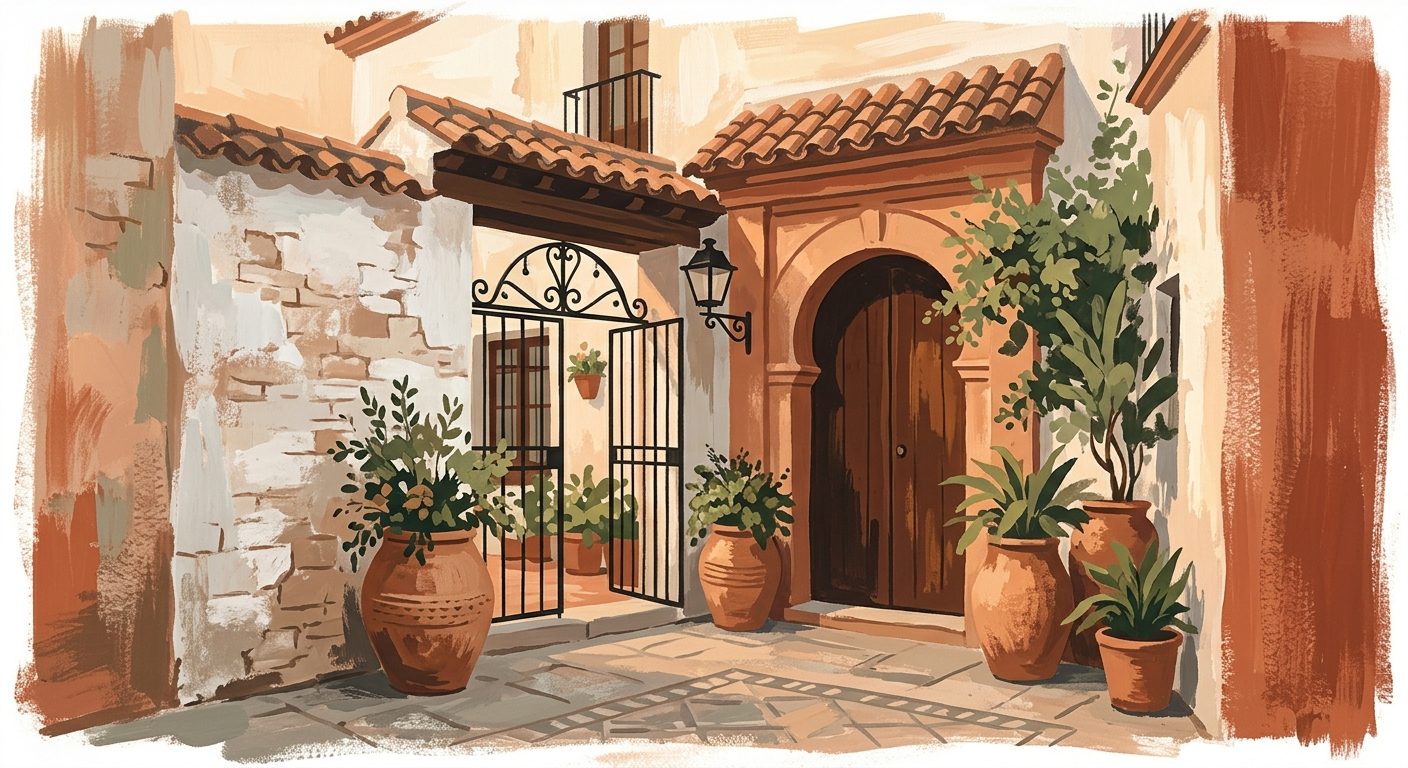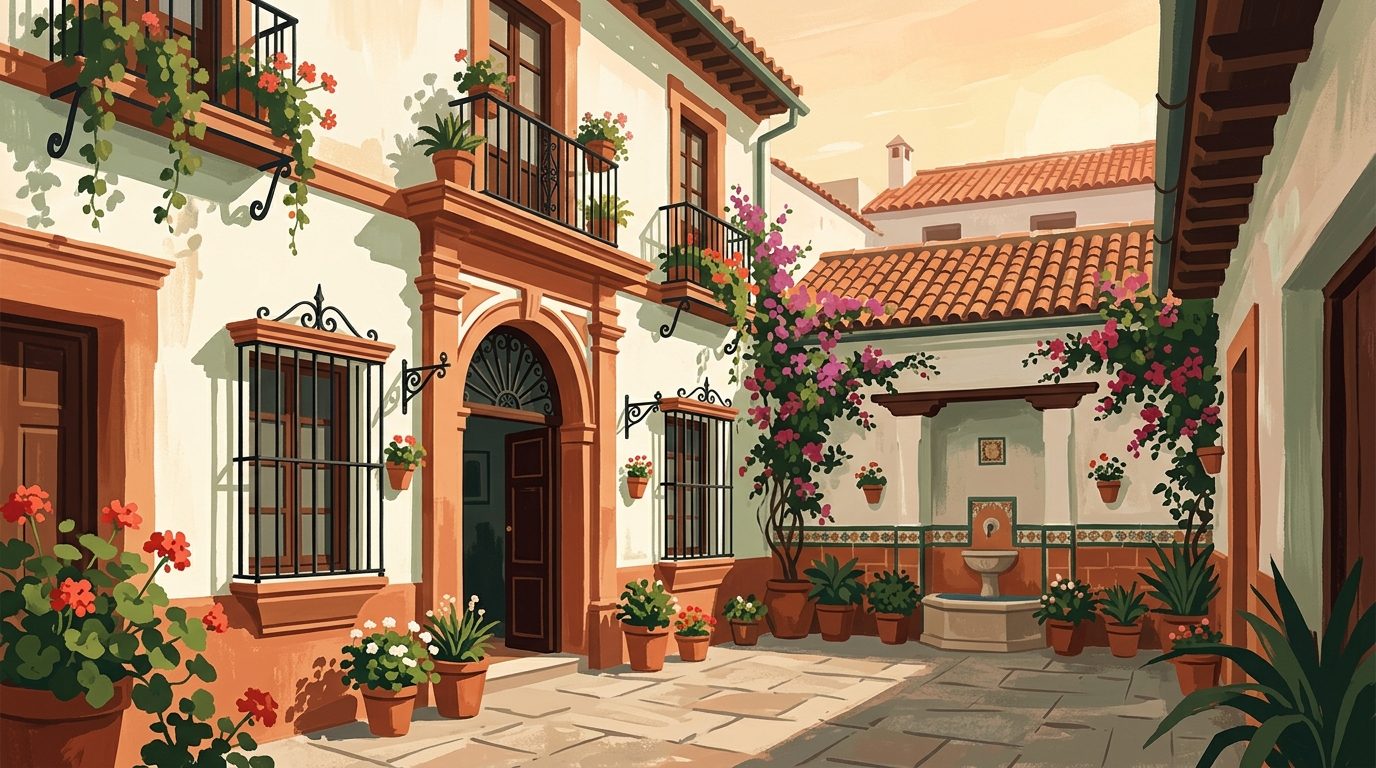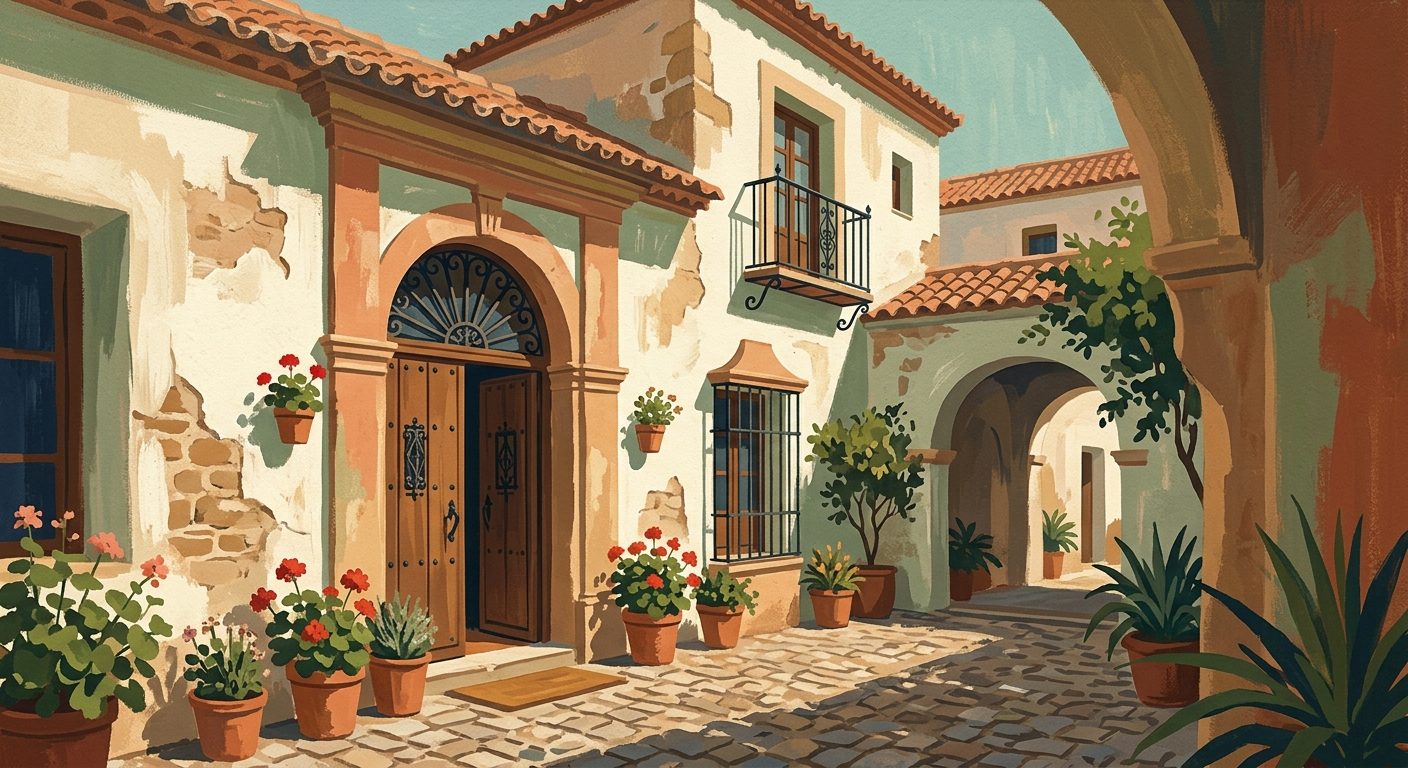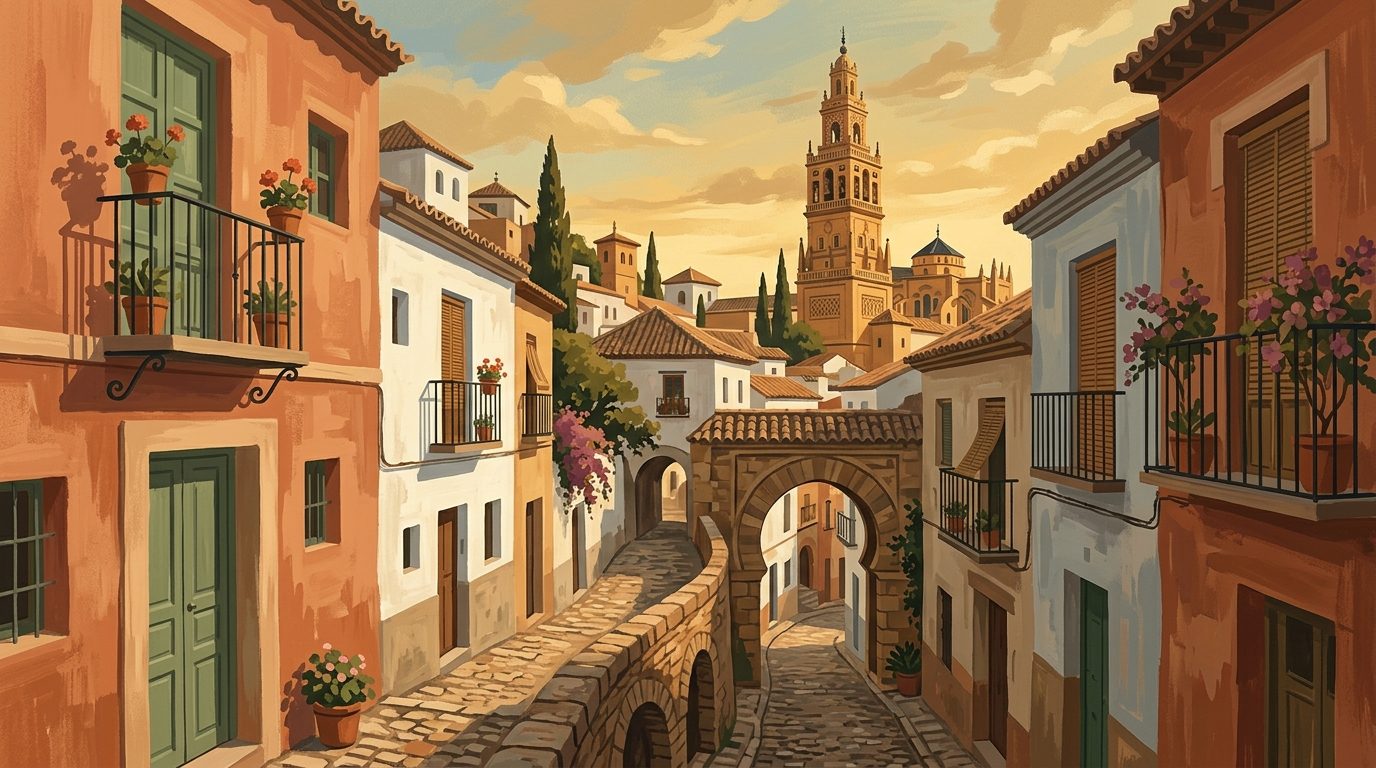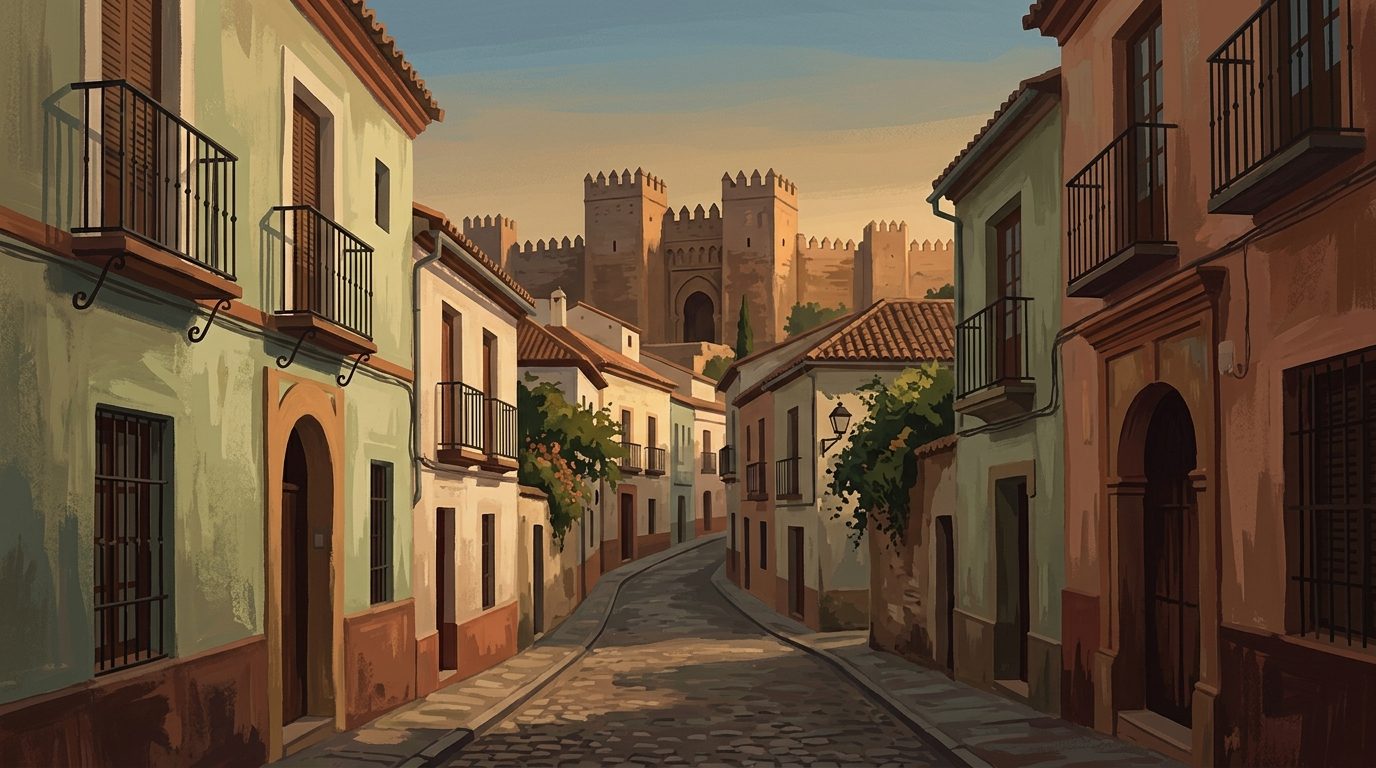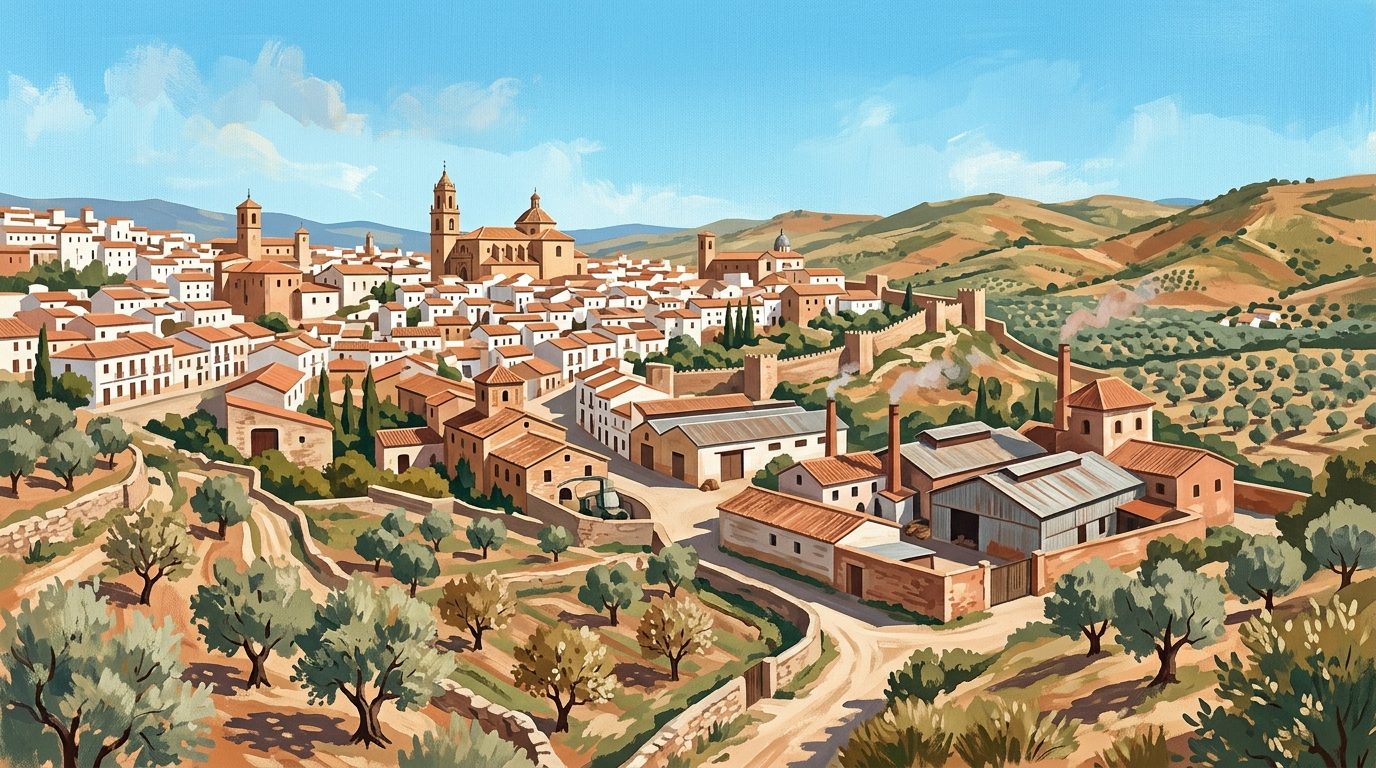
Lucena stands as a reminder of Andalucía's complex past, where the legacy of a medieval Jewish academy meets a modern industrial spirit. Known historically as the Pearl of Sepharad, it offers a fascinating alternative to the usual tourist trail in the Subbética Cordobesa.
While many visitors to the province of Córdoba focus solely on the capital or the white-washed hills of the Subbética, Lucena remains a town that requires a slightly deeper look to appreciate. It is one of the largest municipalities in the region, driven by a productive furniture industry and vast olive groves. However, beneath its industrious exterior lies a historical importance that once made it a rival to Córdoba and Sevilla. During the 9th and 12th centuries, Lucena (then known as Eliossana) was the only city in Al-Andalus inhabited almost exclusively by Jews. It became a renowned centre for learning, home to a prestigious Talmudic school that attracted scholars from across the Mediterranean.
Today, Lucena balances this ancient identity with a collection of Baroque architectural triumphs. Walking through its streets, you move between medieval fortresses that held captive kings and quiet courtyards where traditional potters still shape the clay of the region. It is a place of transit and trade, but for the traveller who stops to explore, it reveals a layer of Andalucían history that is often overlooked in the broader narrative of the Reconquista.
What to See & Do
The Castillo del Moral and Archaeological Museum
Standing in the heart of the town, the Castillo del Moral is a fortress with layers of history dating back to the 11th century. Originally built as a defensive structure for the Jewish city, it was later expanded by the Christian lords after the conquest. Its most famous historical footnote occurred in 1483, following the Battle of Martín González. The last Nasrid King of Granada, Boabdil, was captured and imprisoned within the castle’s Octagonal Tower before being transferred to Porcuna.
The interior now houses the Municipal Archaeological and Ethnological Museum. The displays are well-organised, taking you from the Palaeolithic era through to the Roman and Visigothic periods. The sections dedicated to the Sephardic era are particularly enlightening, providing context for the town's unique status during the Caliphate. The castle’s walls and towers offer the best vantage point for understanding the layout of the old town and the surrounding countryside.
The Jewish Necropolis
Discovered by accident in 2006 during the construction of a new road, the Jewish Necropolis of Lucena is the largest and best-preserved in Spain. Archaeologists unearthed 346 graves dating from the 11th century, providing physical evidence of the town’s prominence as the "City of Scholars." The site is significant not just for its scale, but for the burial rites observed here, which strictly followed Jewish law.
The visitor centre at the necropolis explains the complex funerary rituals and the high social standing of the individuals buried here. It is a sobering, quiet space that connects the modern town directly to its Eliossana roots. To visit, it is usually necessary to book a guided slot through the local tourism office, as access is controlled to protect the site.
Iglesia de San Mateo and the Baroque Sagrario
The Iglesia de San Mateo is the town's principal church, built over the site of a former mosque. While the exterior and the main nave are impressive examples of Gothic-Renaissance transition, the real reason to visit is tucked away at the back. The Sagrario (Tabernacle Chapel) is widely considered one of the pinnacles of Andalucían Baroque architecture.
Designed by Leonardo de Figueroa and completed by local masters like Francisco Javier Pedraxas, the chapel is a dizzying explosion of white plasterwork, intricate carvings, and theological symbolism. The use of light and the sheer density of the ornamentation create an atmosphere of ethereal movement. It serves as a stark contrast to the more sombre Gothic elements of the main church and highlights the immense wealth that flowed through Lucena in the 18th century.
The Pottery Tradition in Barrio de Santiago
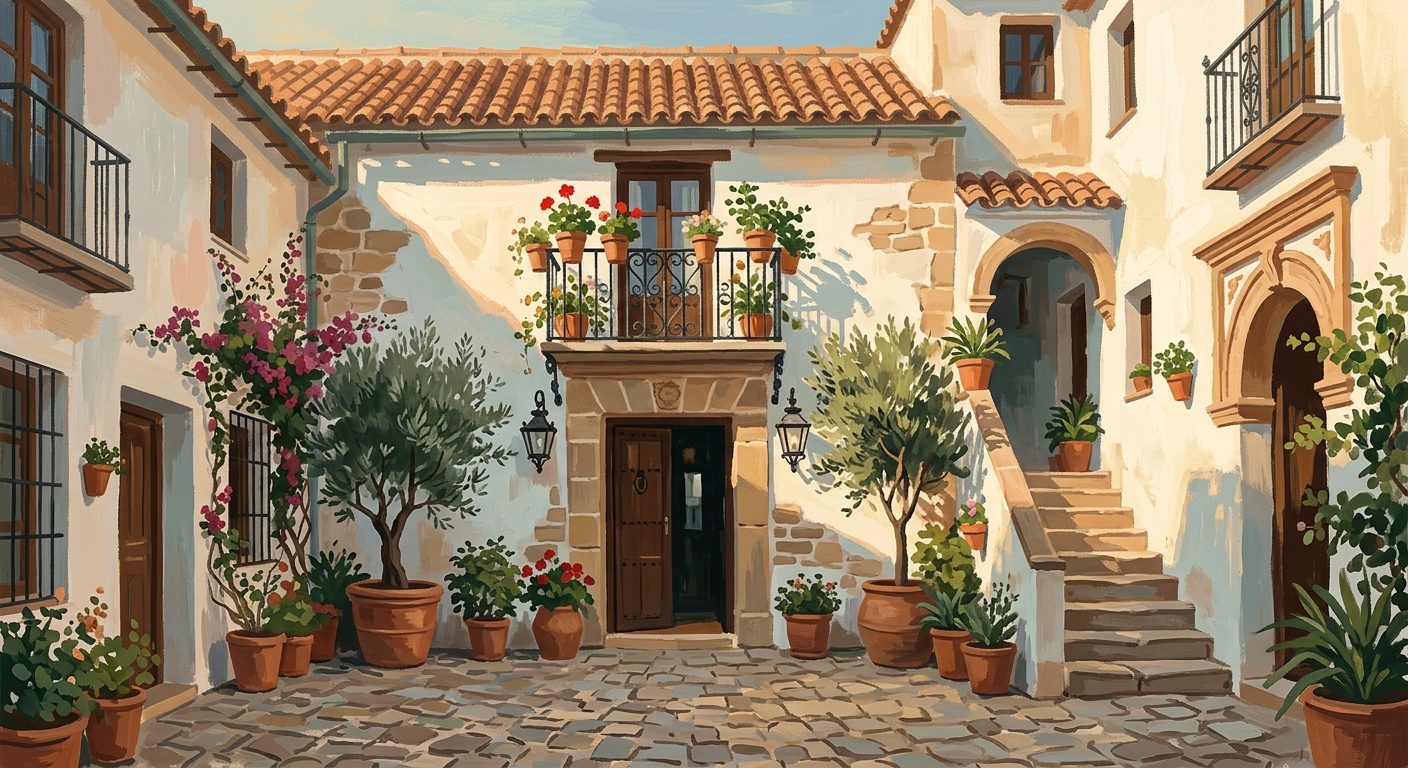
Lucena has long been famous for its ceramics, specifically the production of large tinajas (enormous earthenware jars) used for storing olive oil and wine. While the industry has modernised, the Barrio de Santiago remains the traditional heart of the potters' craft. You can still find workshops where artisans use local clay to create functional and decorative pieces. Visiting these workshops allows you to see the process of glazing and firing that has changed little over the centuries. Look for the distinct green and ochre tones that are traditional to the area.
Santuario de Nuestra Señora de Araceli
Located six kilometres outside the town on the summit of the Sierra de Aras, this sanctuary is the spiritual home of Lucena. The climb to the top is worth the effort for the views alone; on clear days, it is said you can see five different provinces. The interior of the sanctuary is another Baroque triumph, featuring a highly ornate altar and the image of the Virgin of Araceli, the patron saint of the town and of the Andalucían countryside. The silence and the altitude provide a refreshing break from the activity of the town below.
Practical Information
Opening Times:
The Castillo del Moral and Archaeological Museum are generally open Tuesday to Saturday from 10:00 to 14:00 and 17:00 to 20:00 (winter) or 18:00 to 21:00 (summer). Sundays are morning only (10:00 to 14:00). It is closed on Mondays. (Check on the operator's website before travelling, as split municipal schedules frequently fluctuate, especially during the June transition to summer hours.) The Jewish Necropolis requires a pre-booked guided tour, which can be arranged via the official tourism portal (turlucena.com) or in person at the tourist office located in the castle.
Ticket Prices:
Entry to the Castillo del Moral is approximately €3.50. Combined tickets that include the Jewish Necropolis and other Baroque sites usually cost around €12.00, offering better value if you plan to see everything.
How to Get There:
Lucena is situated on the A-45 motorway, making it a 45-minute drive from Córdoba and about an hour from Málaga. There are frequent bus services operated by ALSA connecting Lucena to both cities. The bus station is located on the edge of the town centre, about a 15-minute walk from the castle.
Parking:
The town centre has narrow streets where parking is difficult. It is best to use the large underground car park at Plaza Nueva, which is centrally located right next to the San Mateo church and the town hall.
Where to Eat Nearby
For a traditional taste of the region, Mesón Casa del Mar is a reliable choice. Despite the name, they serve excellent local meats and the bolo lucentino, a local speciality made with minced meat, breadcrumbs, eggs, and spices, typically served in a rich sauce.
Restaurante Tres Culturas, located near the castle, pays homage to the town's Jewish, Christian, and Muslim history through its menu. Try their Sephardic-influenced dishes, such as lamb with honey and dried fruits. For something more informal, the tapas bars around Plaza Nueva are the local choice for a glass of Montilla-Moriles wine and a plate of locally cured olives.
Where to Stay
For a stay with character, Hotel Santo Domingo is the premier option in Lucena. This four-star hotel is housed in a beautifully restored 18th-century convent. It retains the original cloisters and a quiet, contemplative atmosphere right in the centre of town. The rooms are spacious, blending traditional wooden beams with modern comforts. Alternatively, several rural guesthouses on the slopes of the Sierra de Aras offer more peace and easier access to the hiking trails of the Subbética mountains.