Leave the city of Córdoba behind for a landscape defined by craggy karst ridges, white villages clinging to cliffs, and some of the world's finest olive oils. This is the Subbética, where the air is thinner, the olive groves are steeper, and the pace of life follows the slow turn of the agricultural seasons.
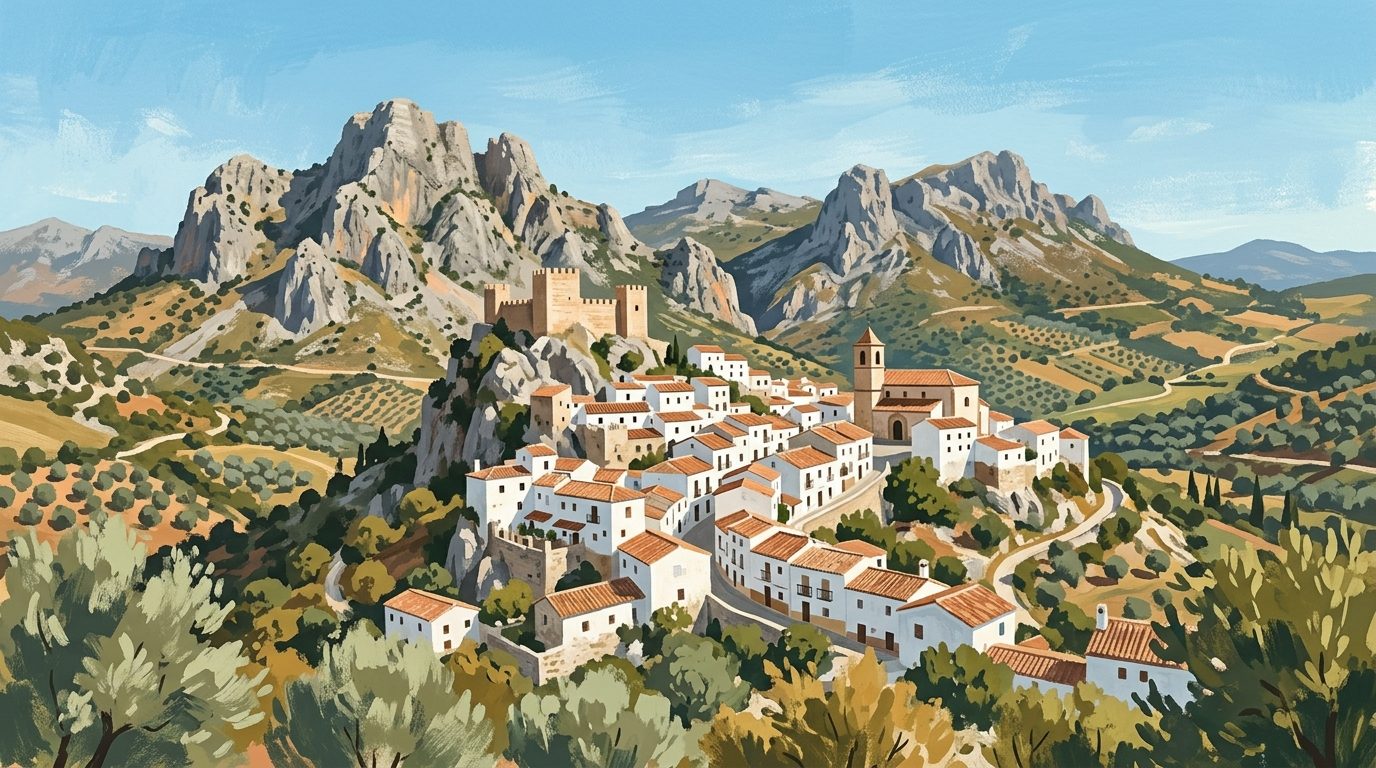
Most visitors to Córdoba never venture south of the city limits, missing out on the rugged Sierras Subbéticas Natural Park. This is a region of dramatic geological contrasts, where the soft, rolling silver-green of the olive sea meets the harsh, bleached-white limestone of the peaks. It is a UNESCO Global Geopark, a title earned through its fascinating Jurassic fossils and labyrinthine cave systems, but for the locals, it is simply home: a place of Baroque churches, intense Holy Week traditions, and a culinary identity built entirely around the Aceite de Oliva Virgen Extra (Extra Virgin Olive Oil).
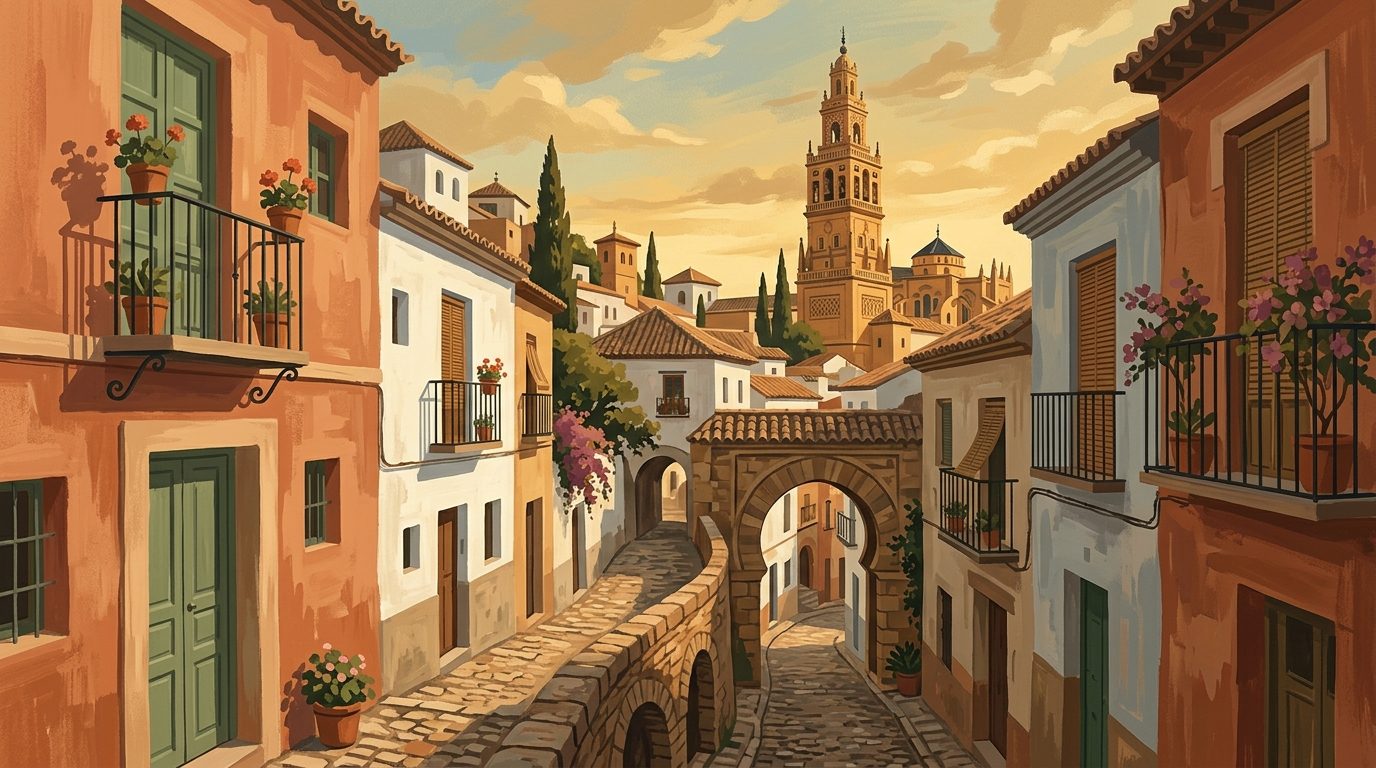
As you drive through the region, the roads wind between outcrops of grey rock and deep river valleys. You will find that the character of the towns changes subtly as you move. From the aristocratic elegance of Priego de Córdoba to the vertiginous, whitewashed simplicity of Zuheros, the Subbética offers a sense of isolation that is increasingly rare in southern Spain. It is a place for hikers who want to summit the 1,570-metre Pico de la Tiñosa, for cyclists tackling the 128-kilometre Vía Verde del Aceite (Olive Oil Greenway), and for anyone who appreciates the quiet gravity of a mountain sunset over a glass of Montilla-Moriles wine.
Priego de Córdoba: The Baroque Capital
The elegance of the water and the word
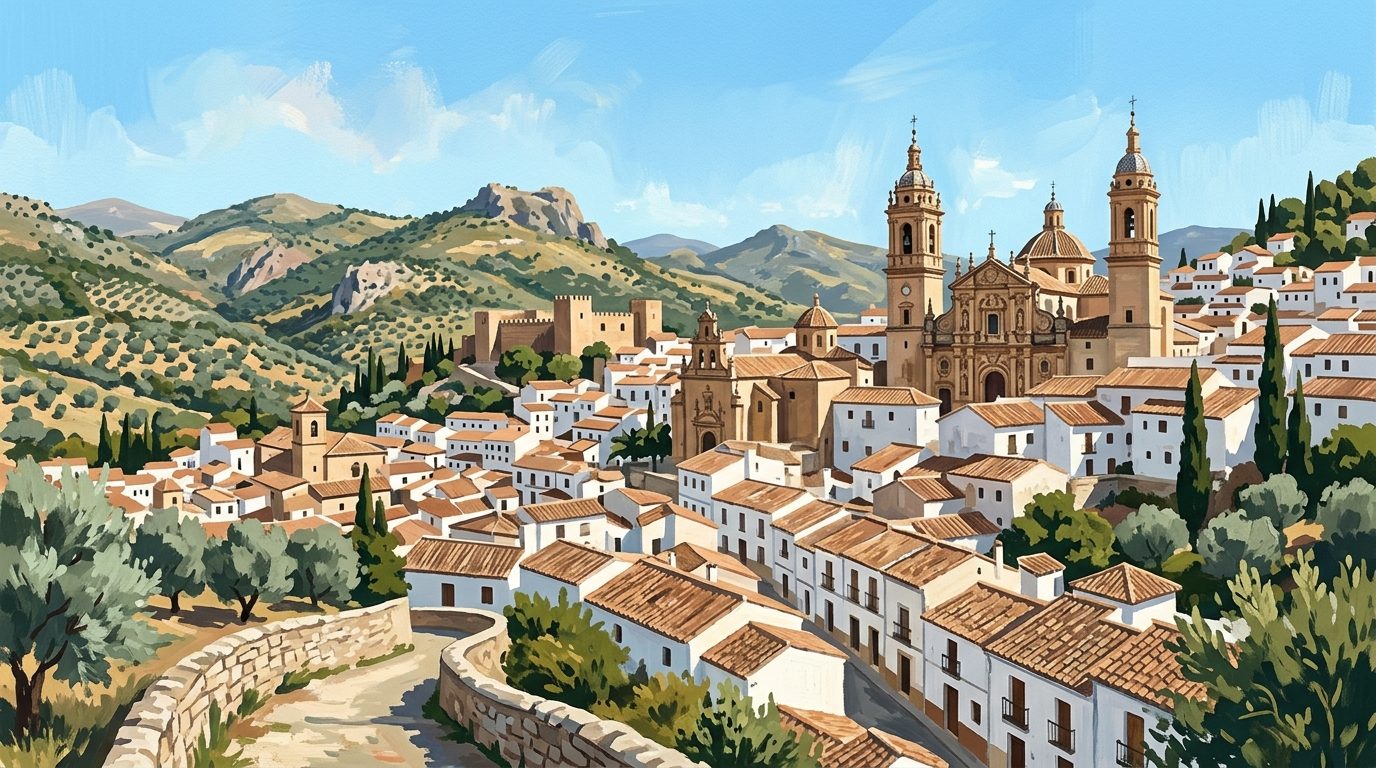
Priego de Córdoba is often called the "Capital of the Baroque", and it only takes a walk to the Iglesia de la Asunción to understand why. The Sagrario (tabernacle) inside is a dizzying masterpiece of white plasterwork, swirling with such intricate detail that it feels more like lace than stone. It is one of the finest examples of the style in Spain, yet it remains relatively uncrowded. After the cool silence of the church, walk towards the Fuente del Rey. This massive 16th-century fountain features 139 water spouts and three tiered pools, presided over by sculptures of Neptune and Amphitrite. It is the town's pride, a reminder of the abundance of natural springs in these mountains.
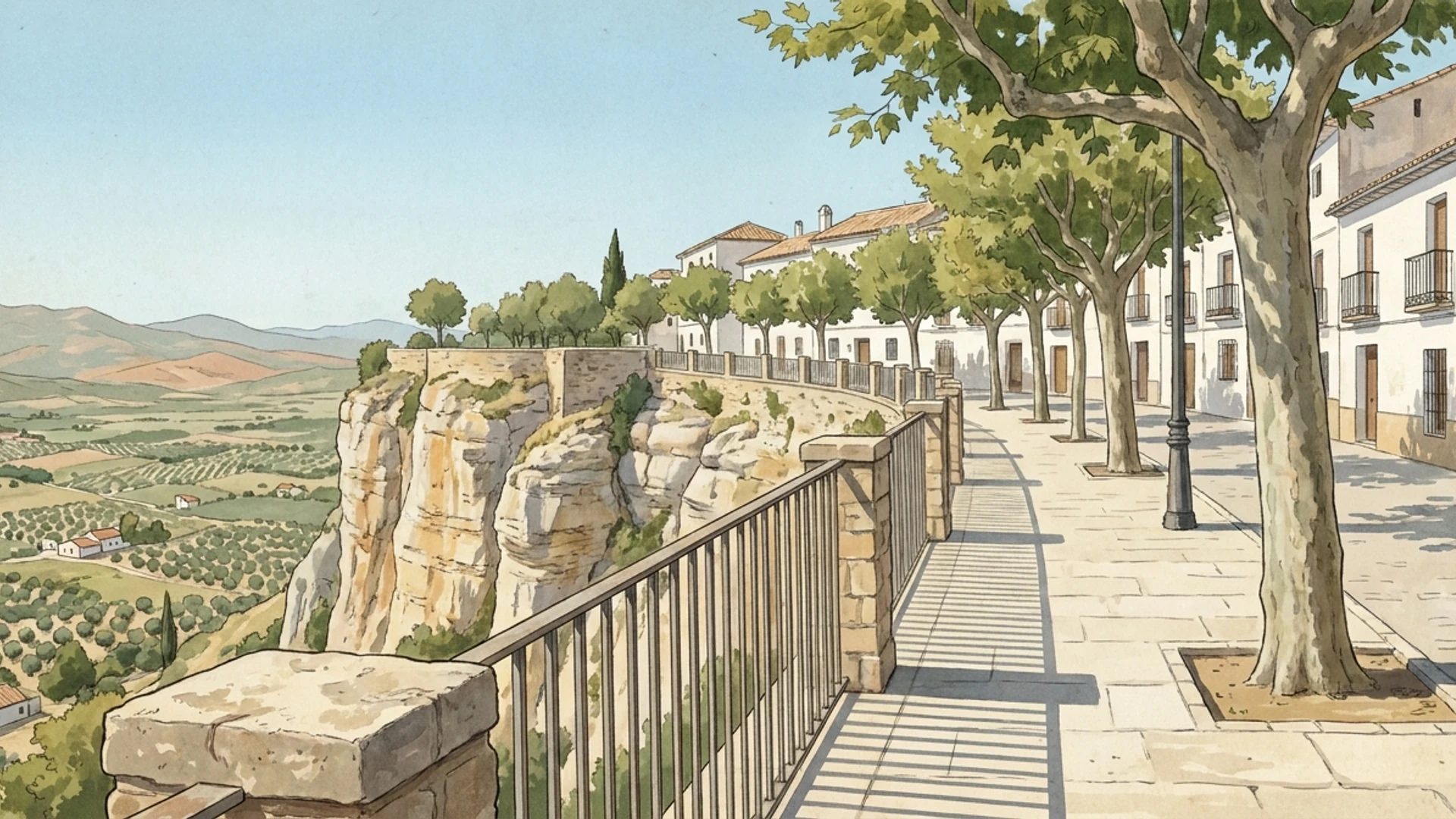
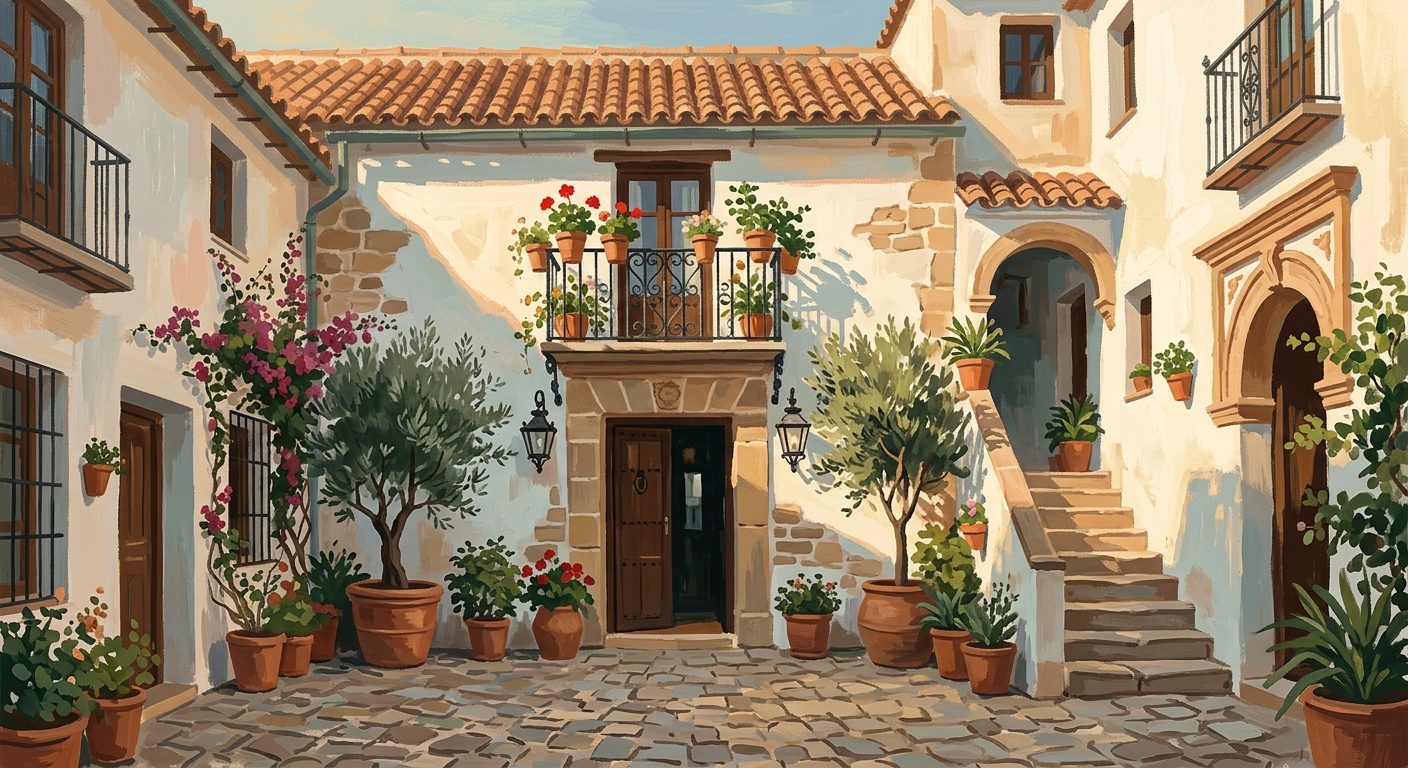
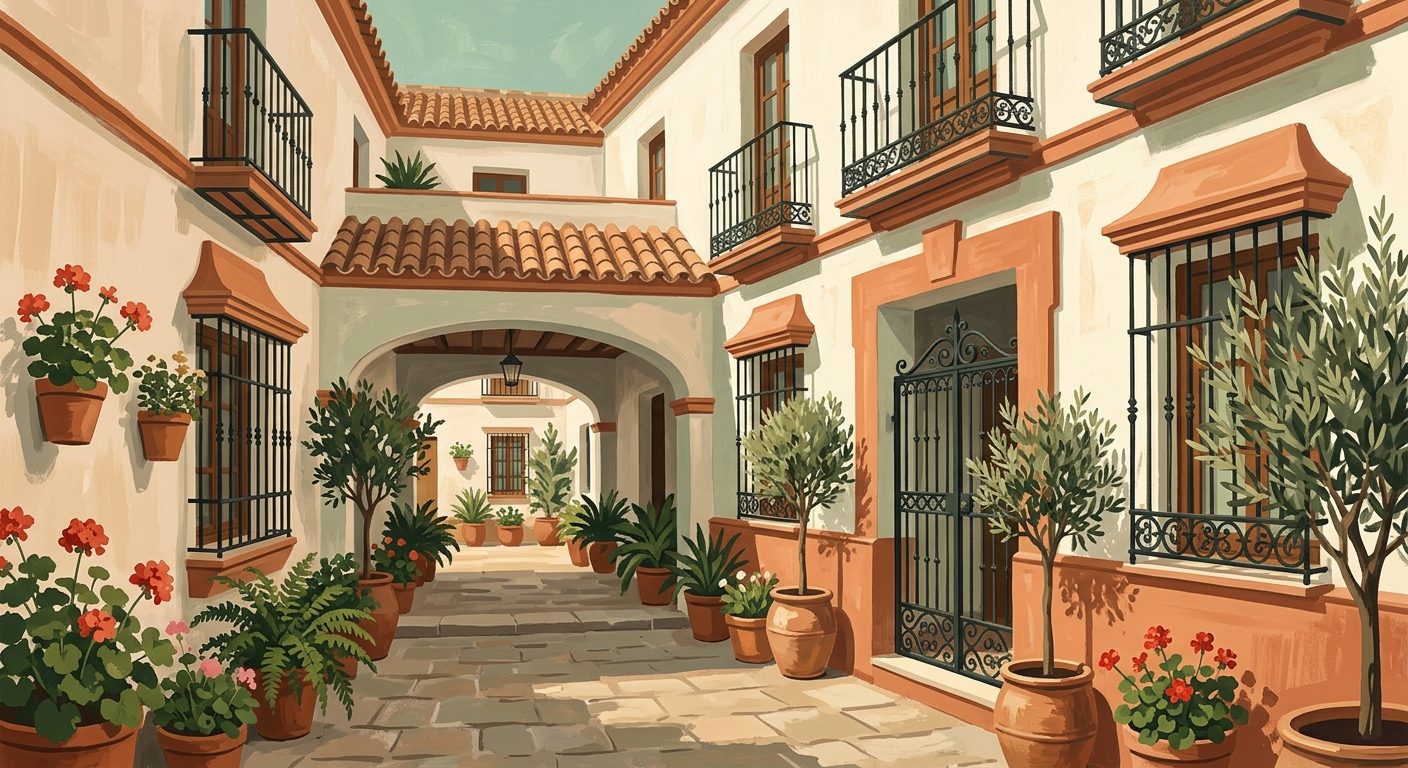
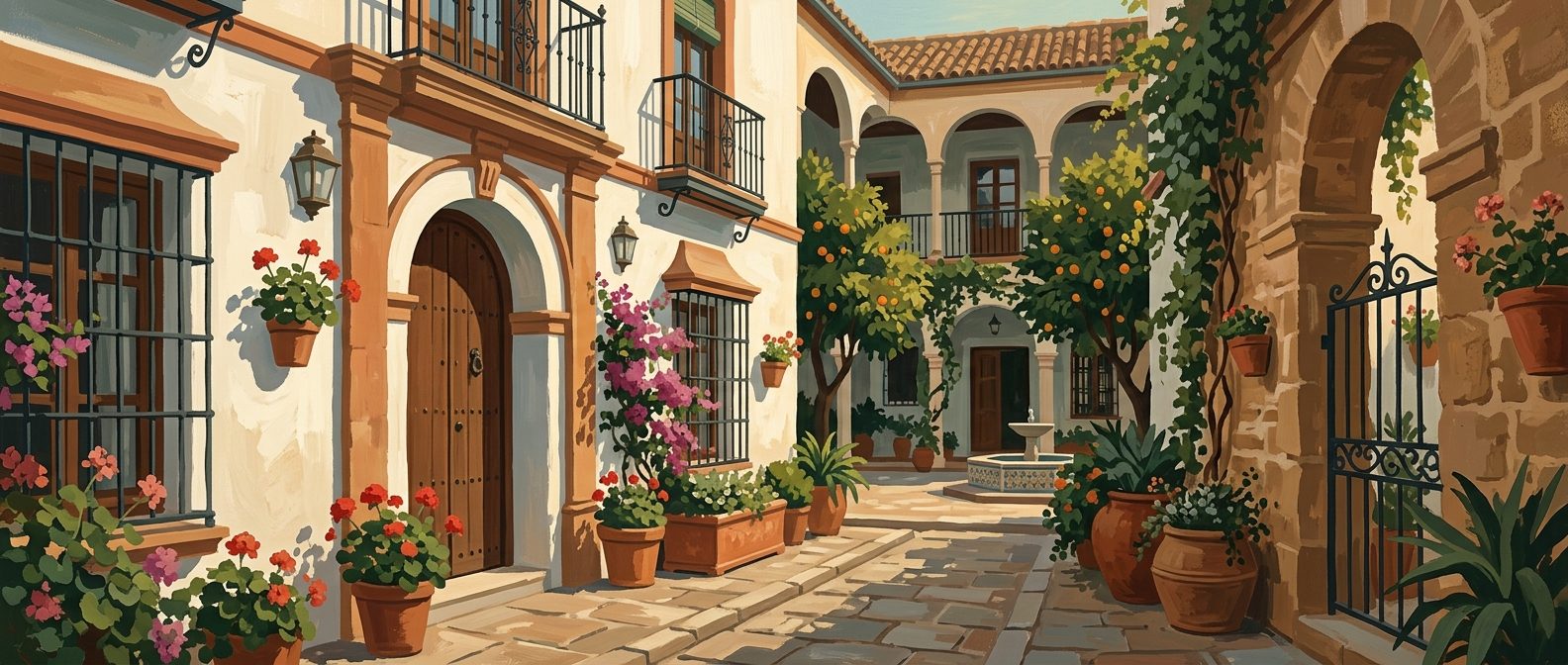
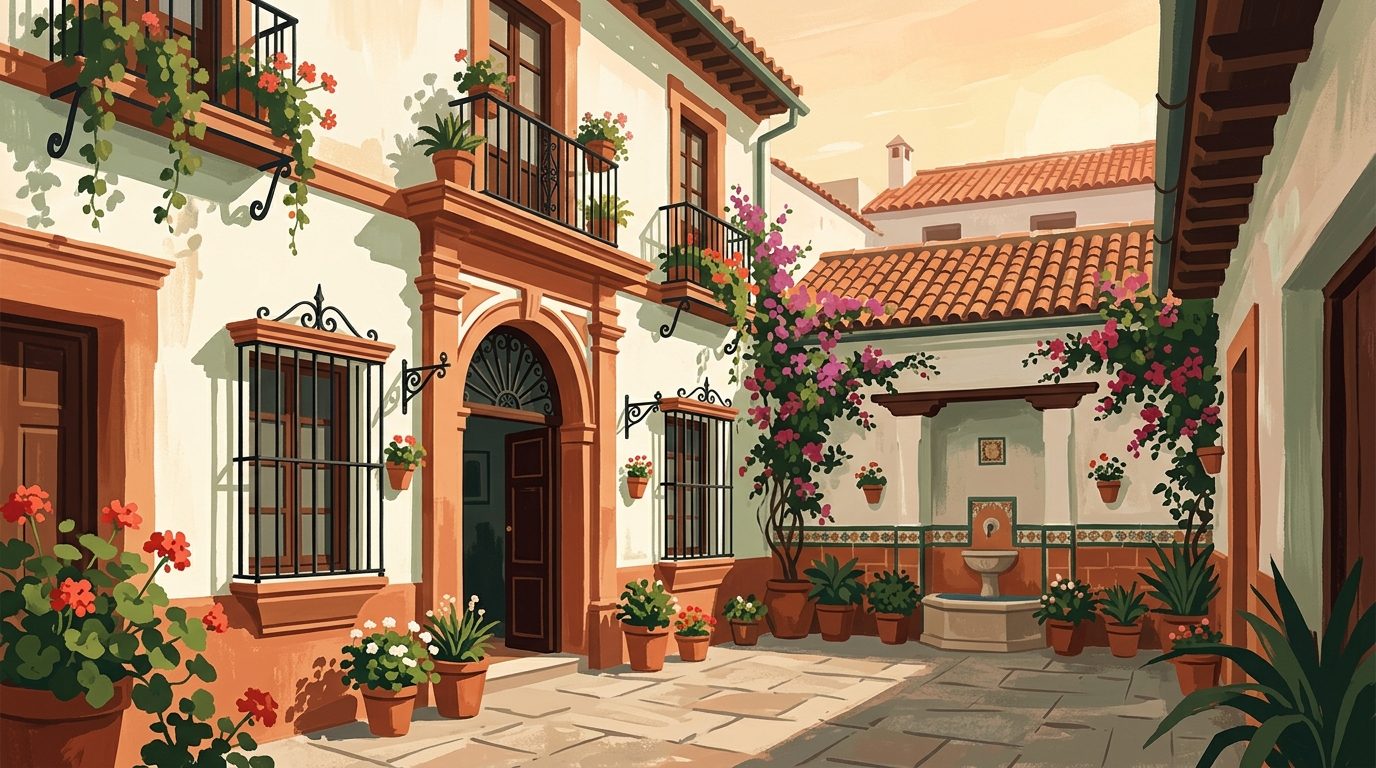
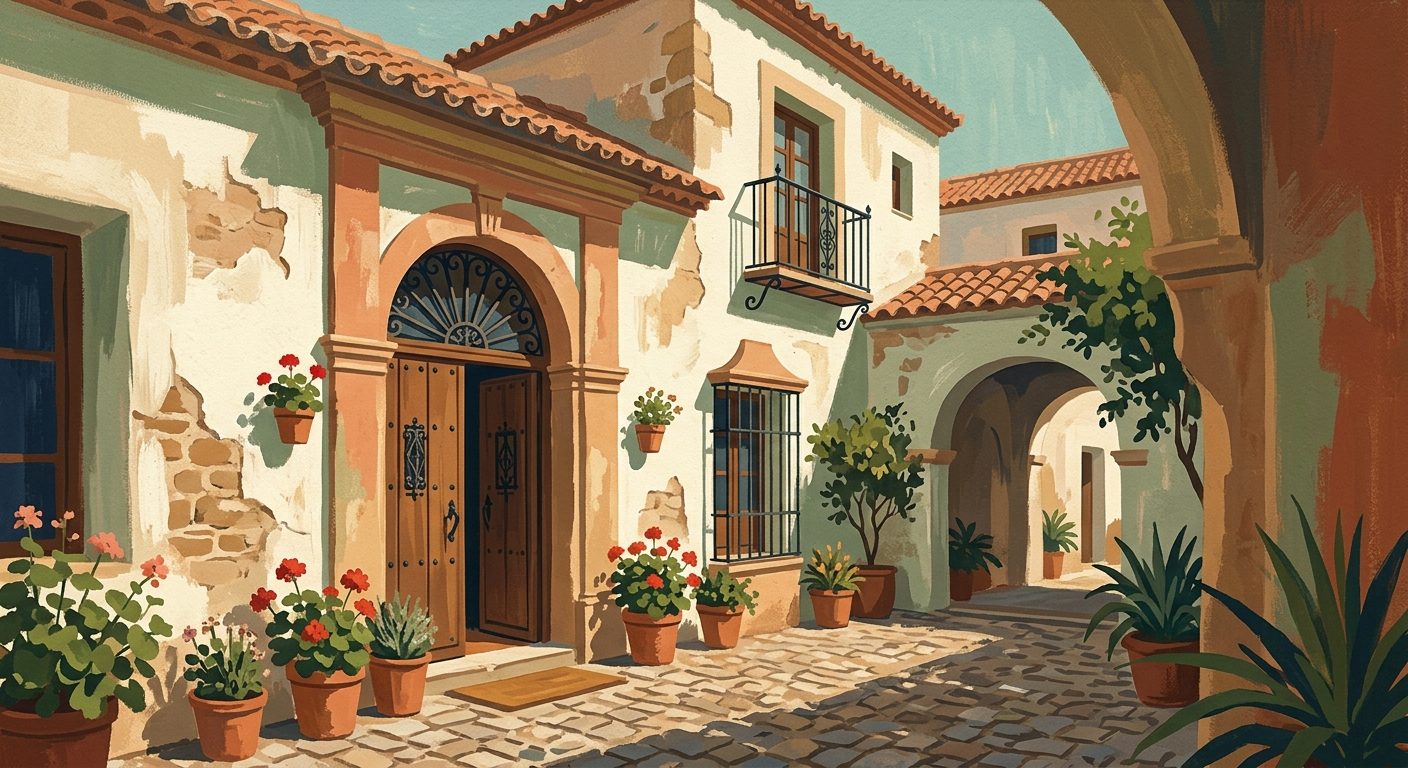
The oldest part of town is the Barrio de la Villa. It is a maze of narrow, winding alleys where the residents compete to have the most flower-laden balconies in the province. Every whitewashed wall is punctuated by bright blue pots filled with geraniums and carnations. Follow the smell of jasmine to the Balcón del Adarve, a natural terrace that runs along the edge of the historic quarter. From here, the town simply stops, dropping away into a steep ravine that opens up into a panoramic view of the river and the endless olive groves beyond. For a mid-morning break, find a spot near the Plaza de la Constitución and order a tostada with local oil (specifically look for the D.O.P. Priego de Córdoba label, which is consistently ranked among the best in the world).
Read the full Priego de Córdoba guide →
Zuheros: The Cliff-Edge Village
Caves, cheese, and canyons
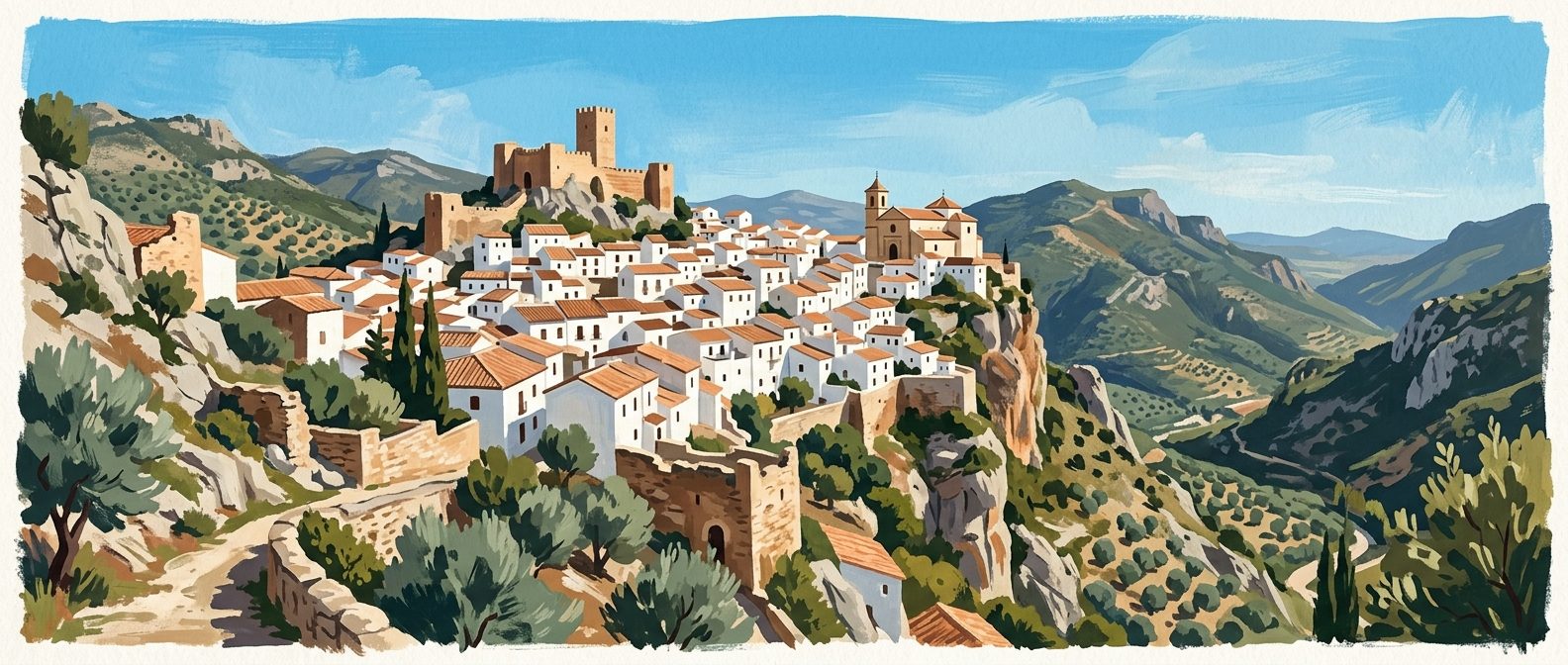
If Priego is the elegant aristocrat, Zuheros is the rugged mountaineer. This tiny village of fewer than 700 people is pinned against a massive limestone cliff, its white houses seemingly stacked on top of one another. The most striking feature is the 9th-century castle ruins, built directly into the rock face. A walk through the village is short but steep, leading you through quiet plazas where the only sound is the wind whistling through the Bailón River canyon. Zuheros is the gateway to some of the park's best hiking; the trail through the Cañón del Río Bailón offers a perspective of the sheer scale of these mountains, where griffon vultures circle the thermal currents overhead.
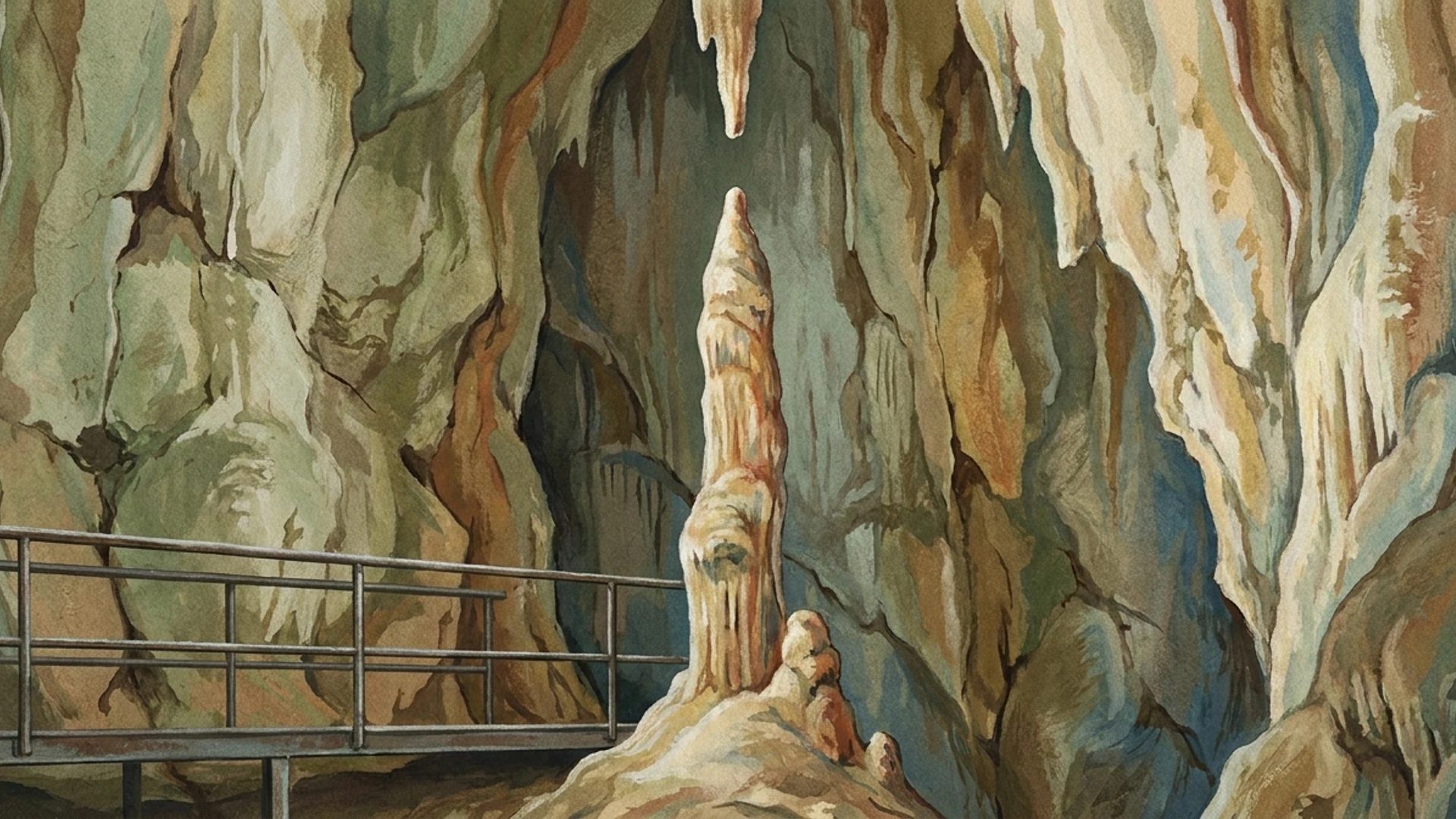
Just four kilometres above the village sits the Cueva de los Murciélagos (Bat Cave). This isn't just a natural cavern; it is a significant archaeological site with Neolithic paintings and evidence of human habitation dating back tens of thousands of years. The guided tour takes you deep into the mountain, down hundreds of steps into chambers filled with stalactites and stalagmites. Back in the village, make sure to visit the local artisan cheese shop, Los Balanchares (Quesería de Zuheros). Their goat cheese is famous across Andalucía. If you visit in September, the Fiesta del Queso (Cheese Festival) transforms the village into a tasting floor for hundreds of varieties from across the country. It is a busy time, but the atmosphere is unbeatable.
Cabra: The Gateway to the Peaks
Water gardens and high sanctuaries
Cabra sits at the very heart of the geographic centre of Andalucía. It is a town defined by its relationship with the surrounding mountains and its geological heritage. Start at the Fuente del Río, where the river Cabra rises from the earth in a series of waterfalls and stone-lined pools. It is a shaded, cool spot used by locals for generations to escape the summer heat. From here, the road begins a steep, winding ascent to the Santuario de la Virgen de la Sierra. This white chapel sits atop the Picacho at 1,217 metres. On a clear day, the view from the 'Balcony of Andalucía' stretches across the entire province, and you can occasionally see the snow-capped peaks of the Sierra Nevada to the south.
The town centre itself is built from local mármol rojo (red marble), which gives the paving and many of the buildings a distinct rosy hue. Visit the Iglesia de San Juan Bautista, one of the oldest churches in the region, which dates back to the Visigothic period. Cabra also houses the Centro de Interpretación del Geoparque, which is essential for understanding the prehistoric history of the Subbética. It explains how this entire mountain range was once the floor of the Tethys Ocean, which is why you can still find fossilised ammonites in the rocks as you hike. For a local bite, head to the market area and try the gachas, a traditional flour-based dish that is the ultimate mountain comfort food.
Lucena: The Pearl of Sepharad
Jewels, giants, and Jewish history
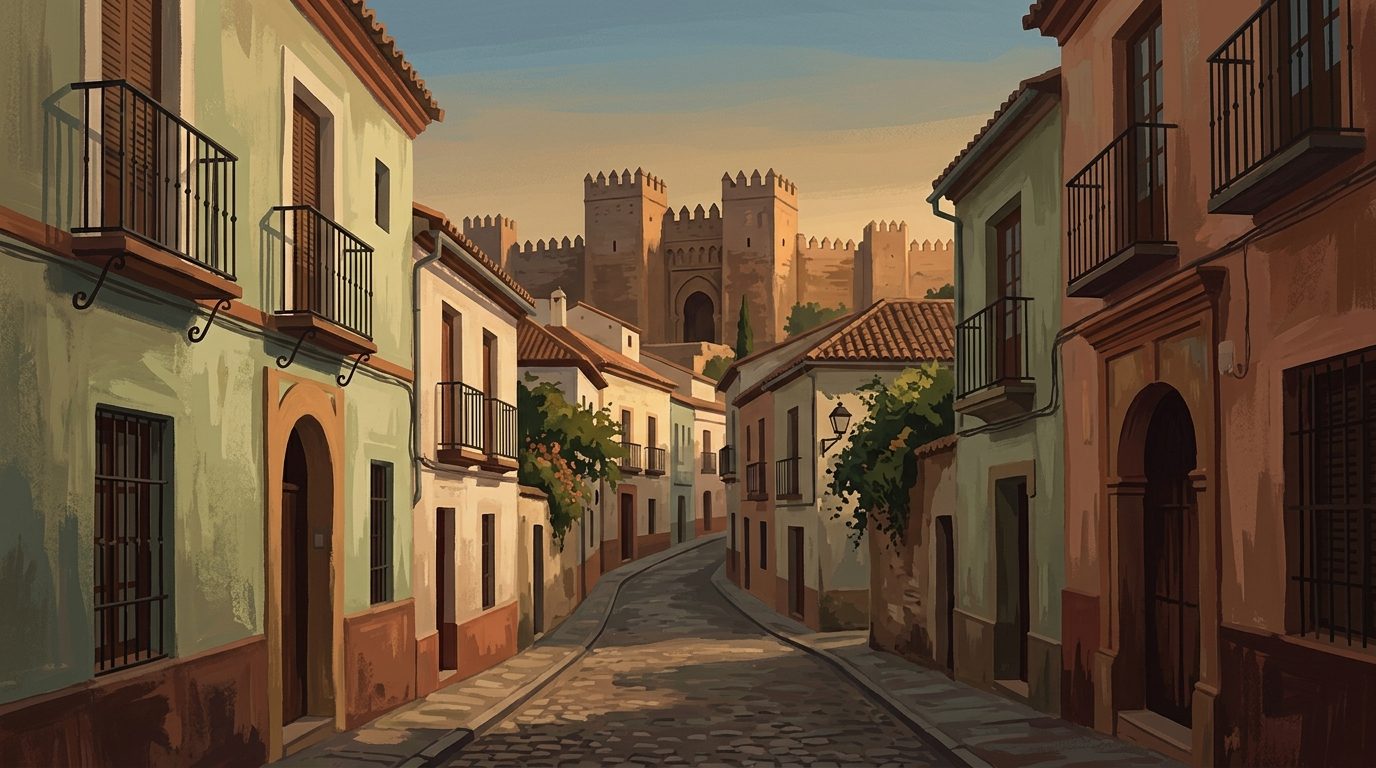
Lucena is the largest town in the Subbética and has a character entirely different from its mountain neighbours. Known in the Middle Ages as Eliossana, it was a major Jewish city, a centre of learning that rivalled Córdoba and Granada. Today, you can visit the Necrópolis Judía (Jewish Necropolis), discovered accidentally during roadworks in 2006. It is the largest of its kind in Spain, with over 300 tombs dating back to the 11th century. The Castillo del Moral, right in the centre of town, is where Boabdil, the last Moorish king of Granada, was once held prisoner. It now houses the municipal archaeological museum, which provides a thorough timeline of the town's diverse history.
Beyond its history, Lucena is an industrious place, known for its bronze work and furniture making. However, for the best view, you must drive six kilometres out of town to the Santuario de Nuestra Señora de Araceli. Perched on a limestone summit, the sanctuary offers a view that reportedly covers five different provinces. It is a place of deep pilgrimage for the local Lucentinos. In town, the food scene is robust. Look for the local finos and amontillados from the nearby Montilla-Moriles vineyards. Lucena is also famous for bollos de aceite (sweet olive oil buns) and turrolate, a curious and delicious cross between nougat and chocolate that is often given as a gift during local festivities.
Eating & Drinking in Subbética Cordobesa
The cuisine of the Subbética is unpretentious, seasonal, and entirely reliant on the quality of the olive oil produced in the valleys. In Priego, the flamenquín (a roll of pork loin and jamón, breaded and fried) is a staple, but it is the breakfast that really shines. Ask for a mollete (a soft white roll) toasted with tomate rallado (grated tomato) and a generous dousing of Venta del Barón or Knolive oil. For a formal meal, Restaurante La Ribera in Priego or Zuhayra in Zuheros offer menus that highlight local game and mountain vegetables.
Don't overlook the local sweets. The region has a strong tradition of convent baking, particularly around Christmas, when pestiños (honey-coated fritters) and polvorones (almond shortbread) appear in every bakery window. In Lucena and Cabra, the influence of the nearby wine region is evident. Most bars will serve a glass of vino de tinaja, a young, unfiltered wine kept in large clay jars. It is light, fruity, and pairs perfectly with a plate of bacalao con naranja (cod with orange), a traditional Lenten dish that combines salty fish with the citrus groves found in the lower valleys.
Where to Stay
For those who want to be in the heart of the action, Casa Baños de la Villa in Priego de Córdoba is a standout. It is a boutique hotel with a beautiful Arab-style hammam, perfect for relaxing after a day of hiking. In Zuheros, Hotel Hacienda Minerva is a converted 19th-century olive oil mill. It retains many of the original grinding stones and wooden beams, offering a rustic but luxurious stay overlooking the Vía Verde. If you prefer something more secluded, the area is packed with casas rurales (country houses). Cortijo El Criadero near Lucena offers a true rural experience among the olives. For a unique stay, look for apartments within the Barrio de la Villa in Priego, where you can wake up to the sound of church bells and the smell of fresh bread from the local panadería.
Getting There & Around
The Subbética is best explored by car. The A-45 motorway connects Córdoba to Málaga, passing right by Lucena and providing the main artery into the region. From Córdoba city, it is a 50-minute drive to Lucena or an hour to Priego. Public transport exists but is infrequent; buses run by the ALSA or Carrera companies connect the main towns (check current schedules at the Lucena or Cabra bus stations), but reaching the trailheads or the smaller sanctuaries requires your own wheels. Parking in the older parts of Priego or Zuheros can be challenging, so look for designated public car parks on the outskirts of the historic centres and walk in.
Best Time to Visit
Spring (April to June) is undoubtedly the best time to visit. The mountains are green, the wildflowers are out in force, and the temperatures are ideal for hiking. It is also the season of many local romerías (pilgrimages). Autumn (October and November) is also pleasant, as the olive harvest begins and the air turns crisp. Avoid the height of summer if you plan on being active; temperatures in July and August frequently top 35°C, making the limestone slopes feel like an oven. Winter is cold but bright, often with clear blue skies perfect for photography.