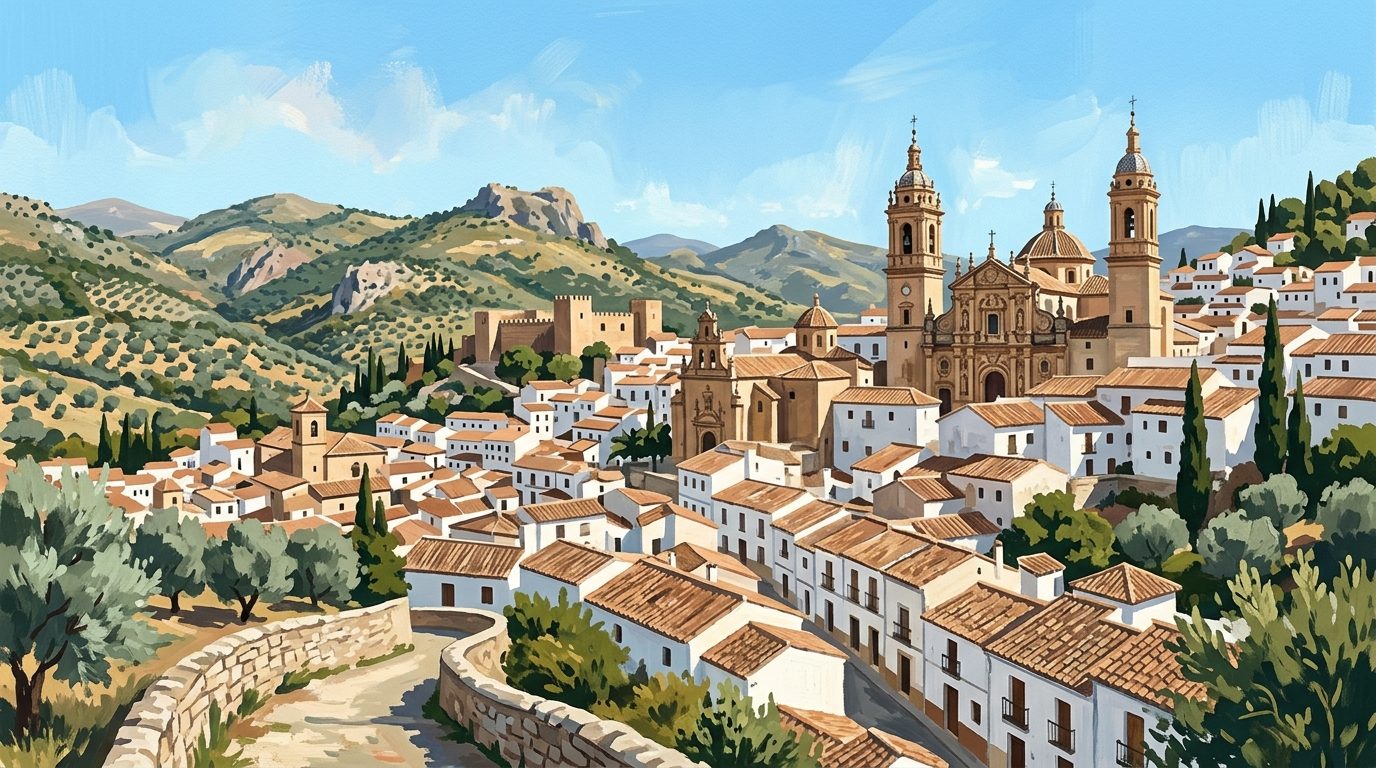
Positioned atop a natural plateau in the southern reaches of Córdoba province, Priego de Córdoba is a place where the sound of rushing water meets the silence of flower-lined medieval alleys. It serves as both the cradle of the Cordoban Baroque and the undisputed capital of the world's most awarded extra virgin olive oil.
Priego de Córdoba is a town that feels both grand and intimate. Located within the Sierras Subbéticas Natural Park, it rose to prominence during the 18th century as a centre of the silk trade. This industrial success funded an architectural boom that transformed local churches into some of the most intricate examples of Baroque and Rococo art in Europe. Today, the town remains a sophisticated destination, free from the heavy footfall of coastal resorts, offering a blend of Andalucían tradition and monumental elegance.
As you explore the streets, the presence of water is constant. The town sits upon a series of natural springs, a feature that has defined its layout and character for centuries. Whitewashed passages of the for wandering the narrowMoorish quarter or standing before a neoclassical fountain with over a hundred spouts, Priego feels like a living museum of water and stone.
What to See & Do
The Barrio de la Villa
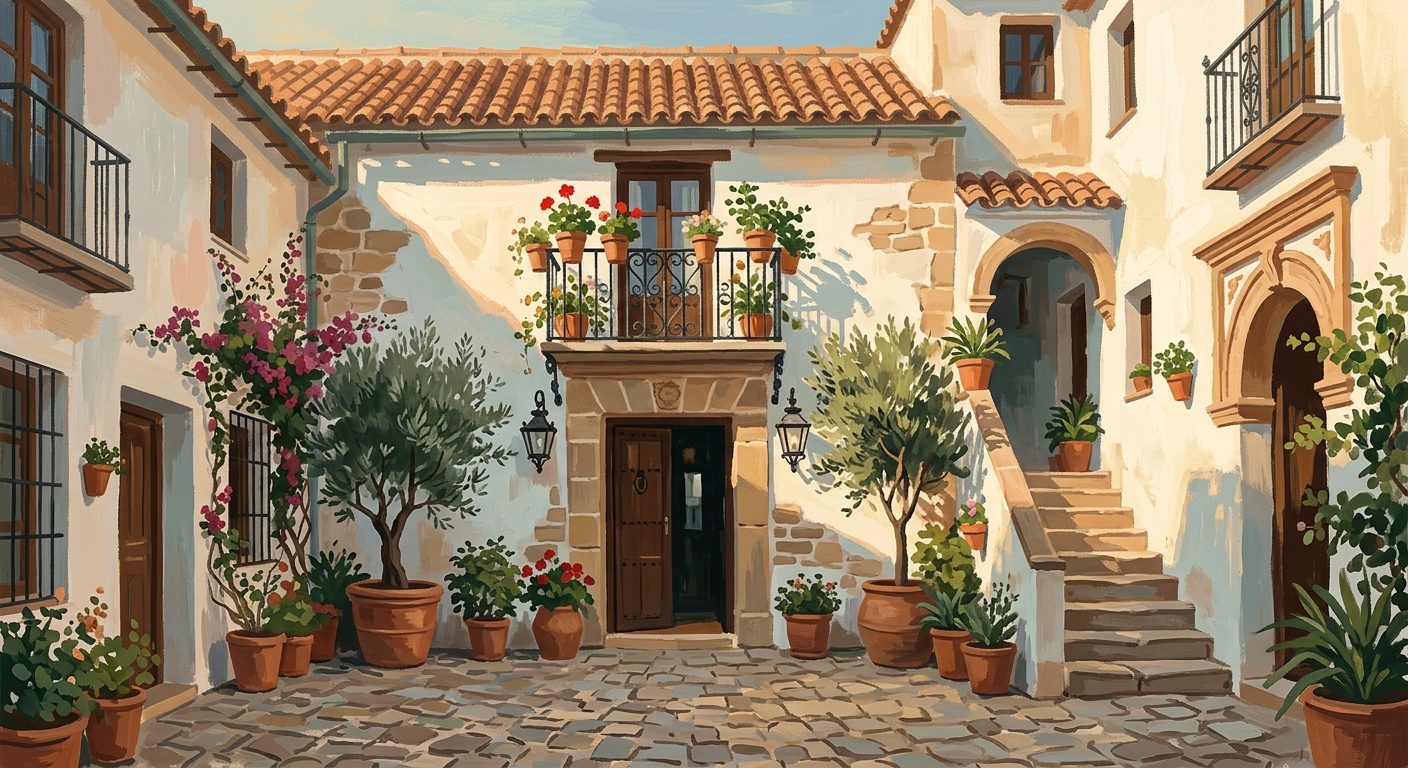
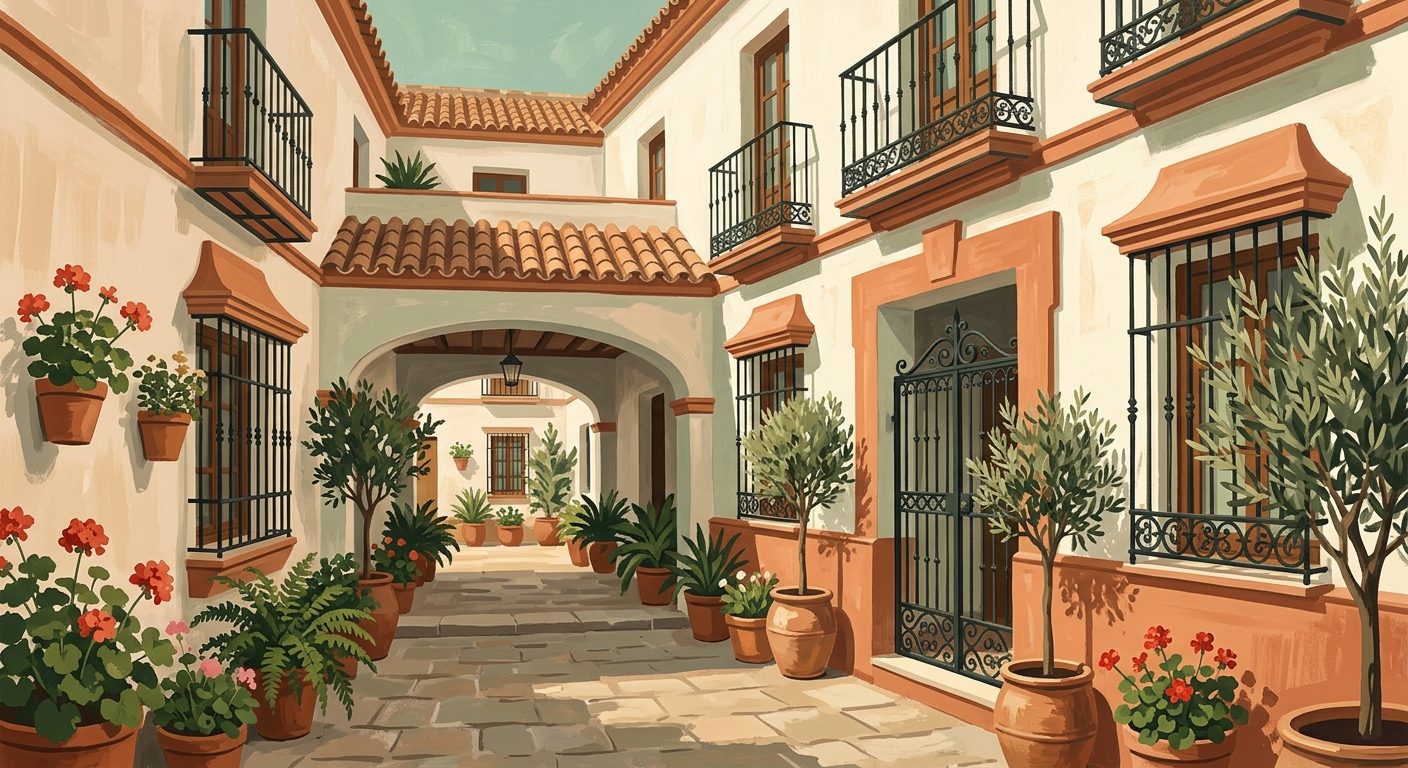
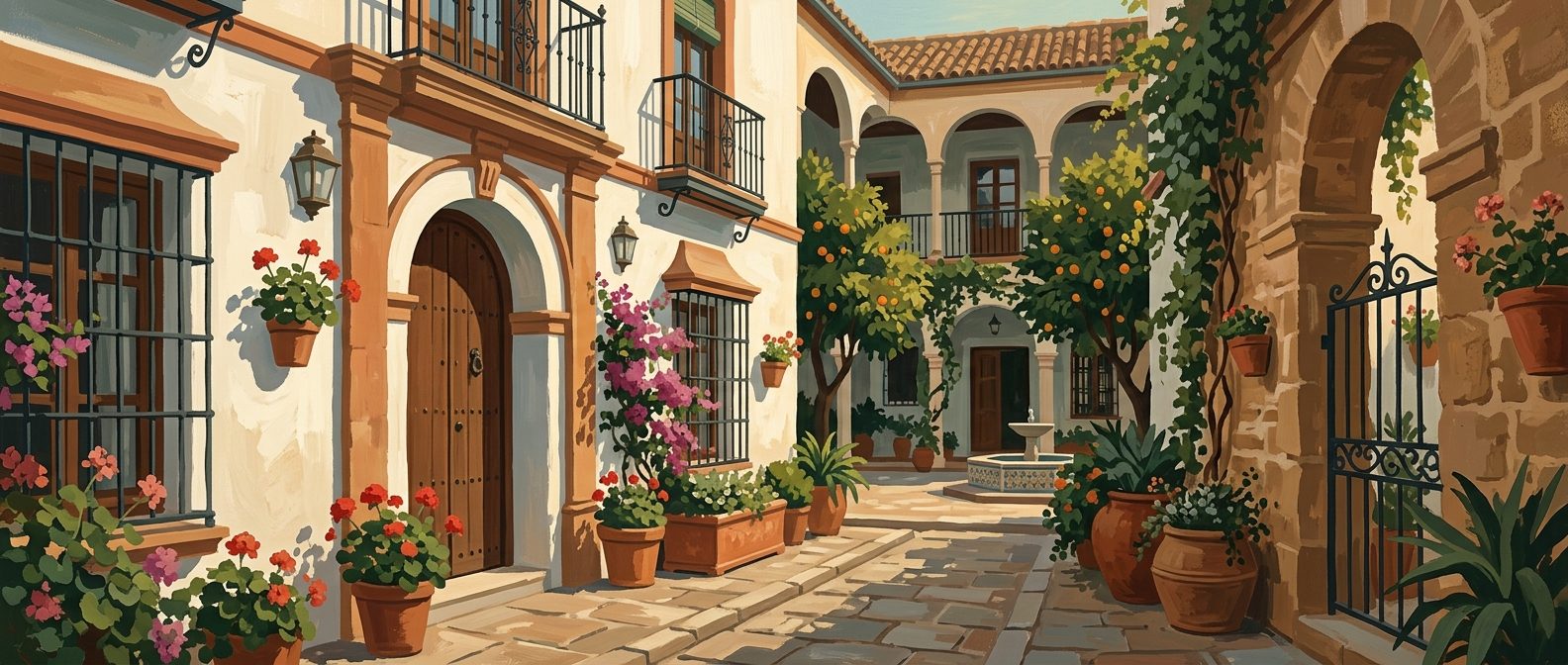
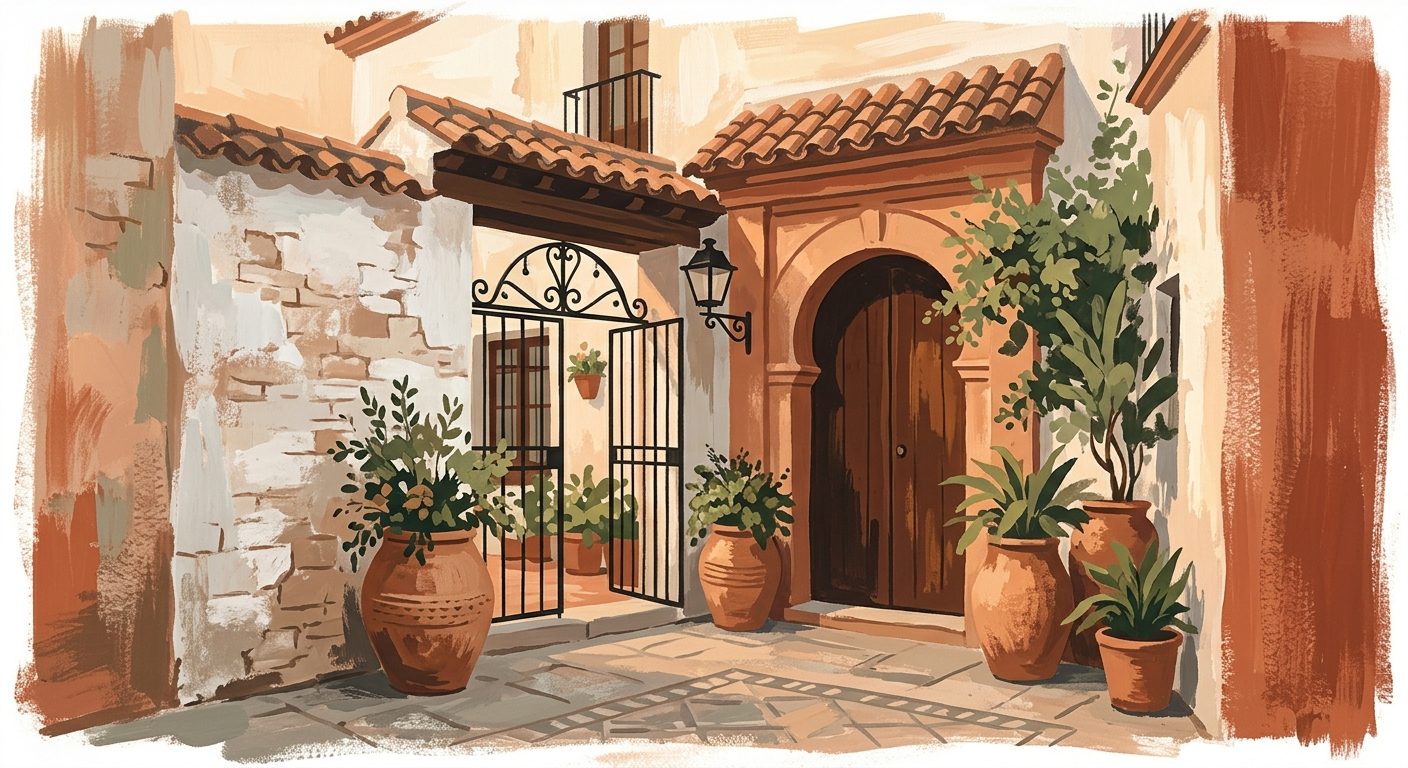
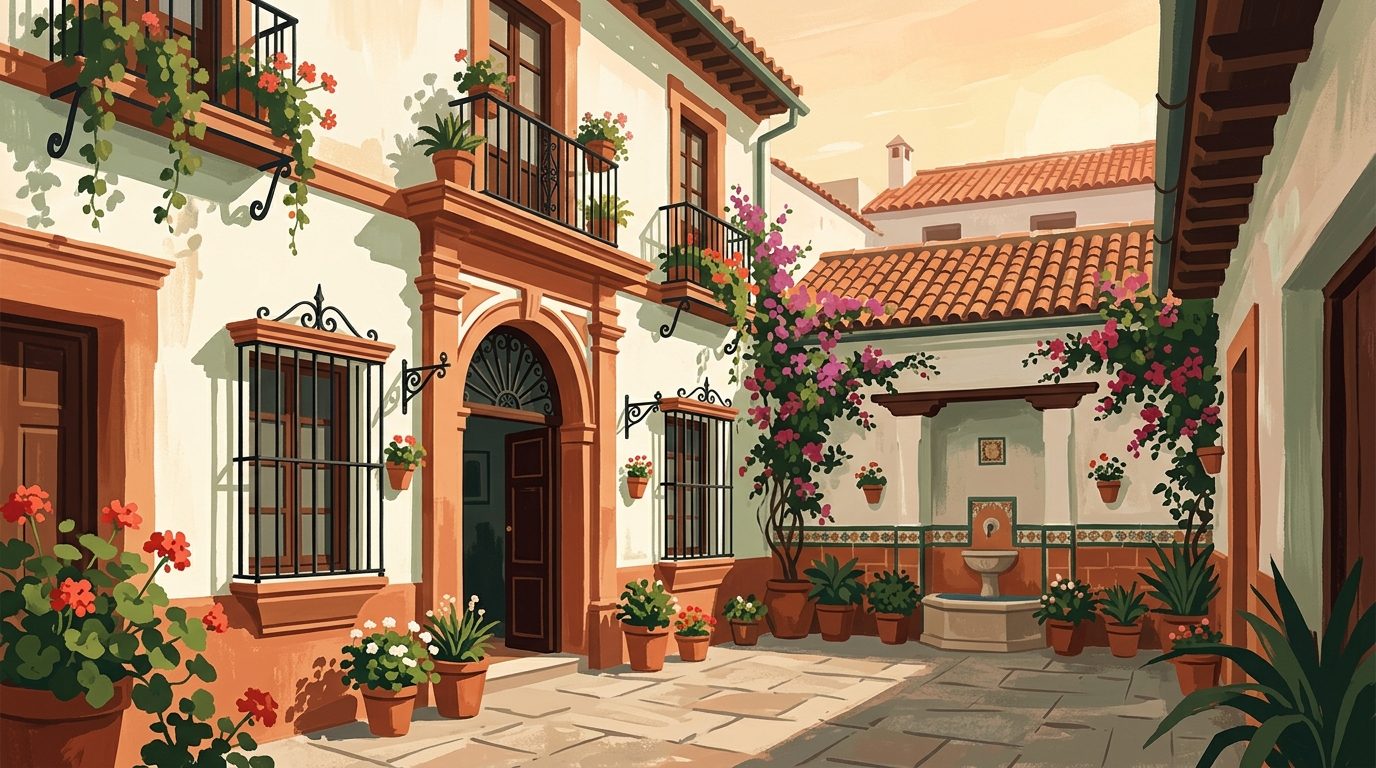
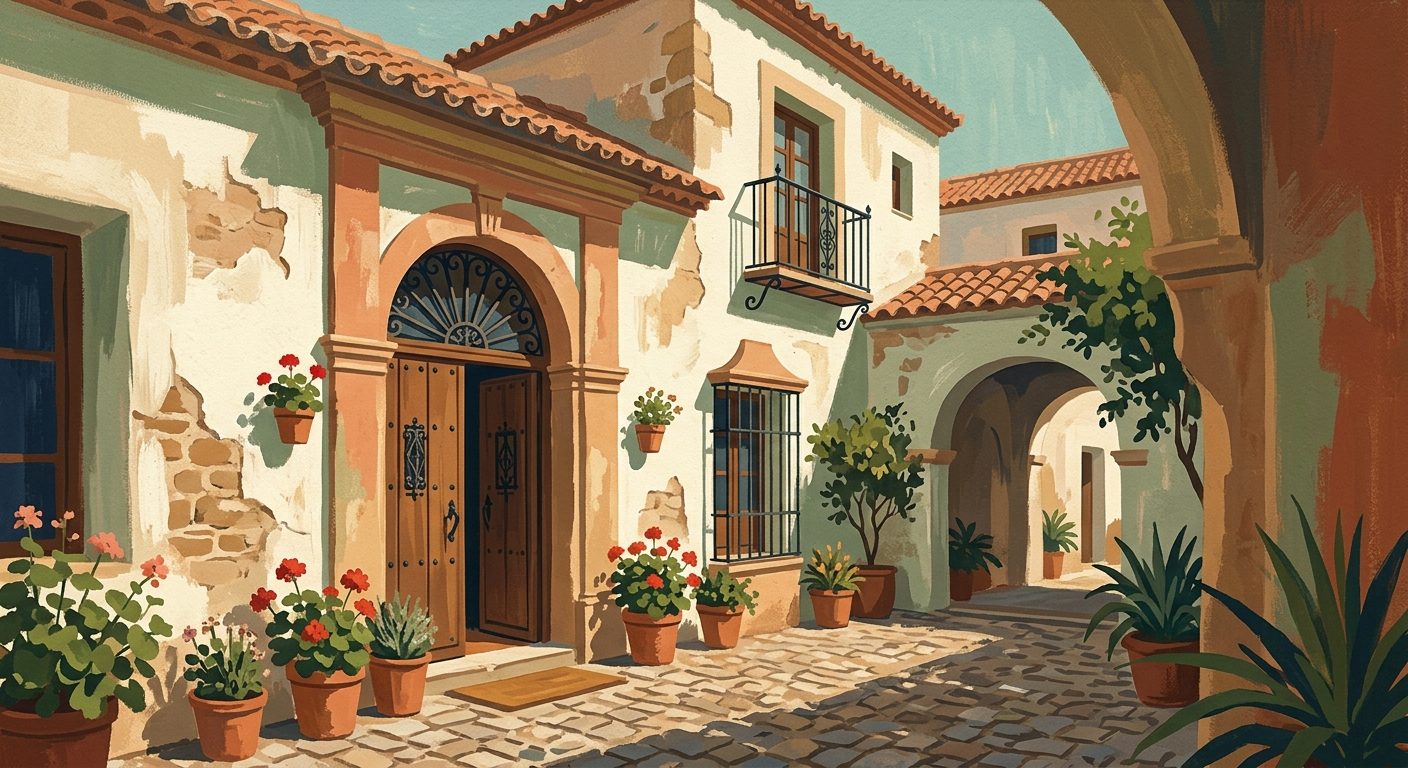
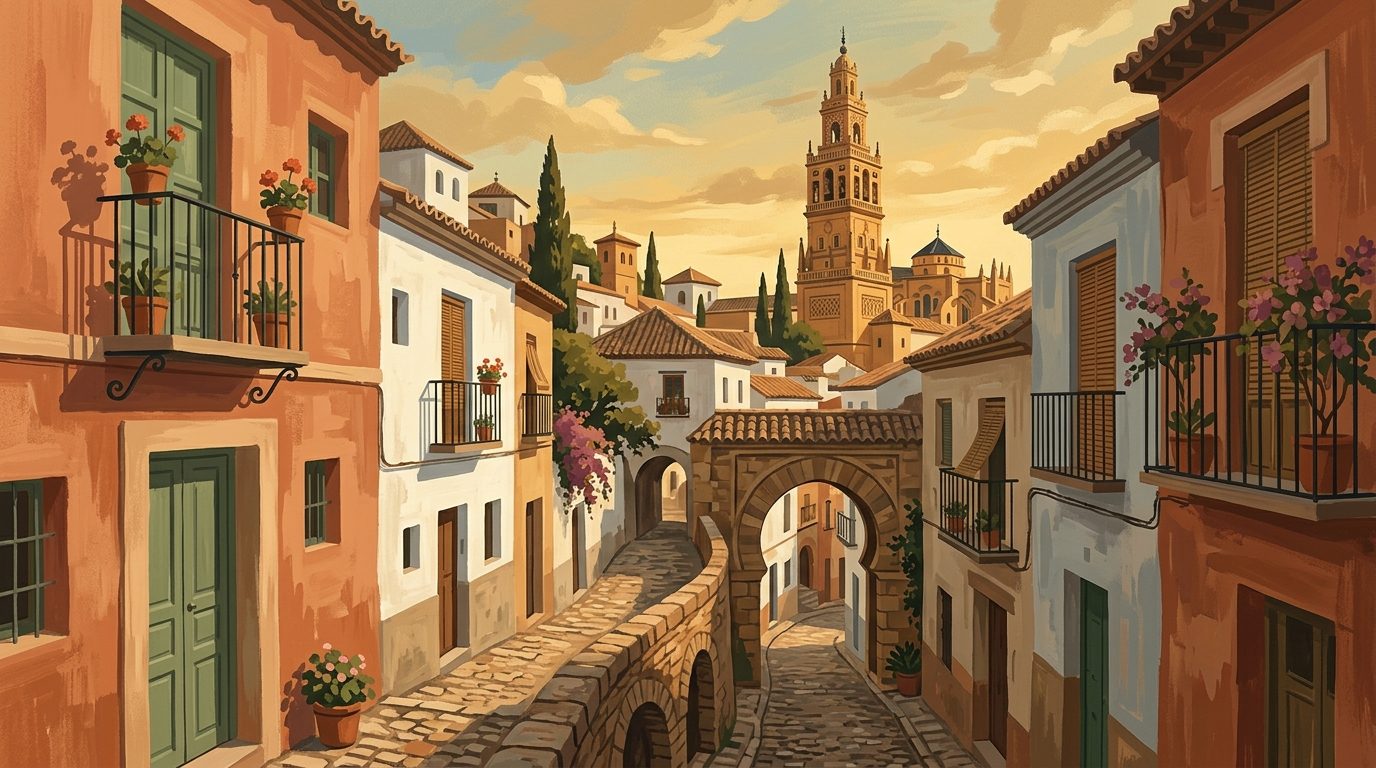
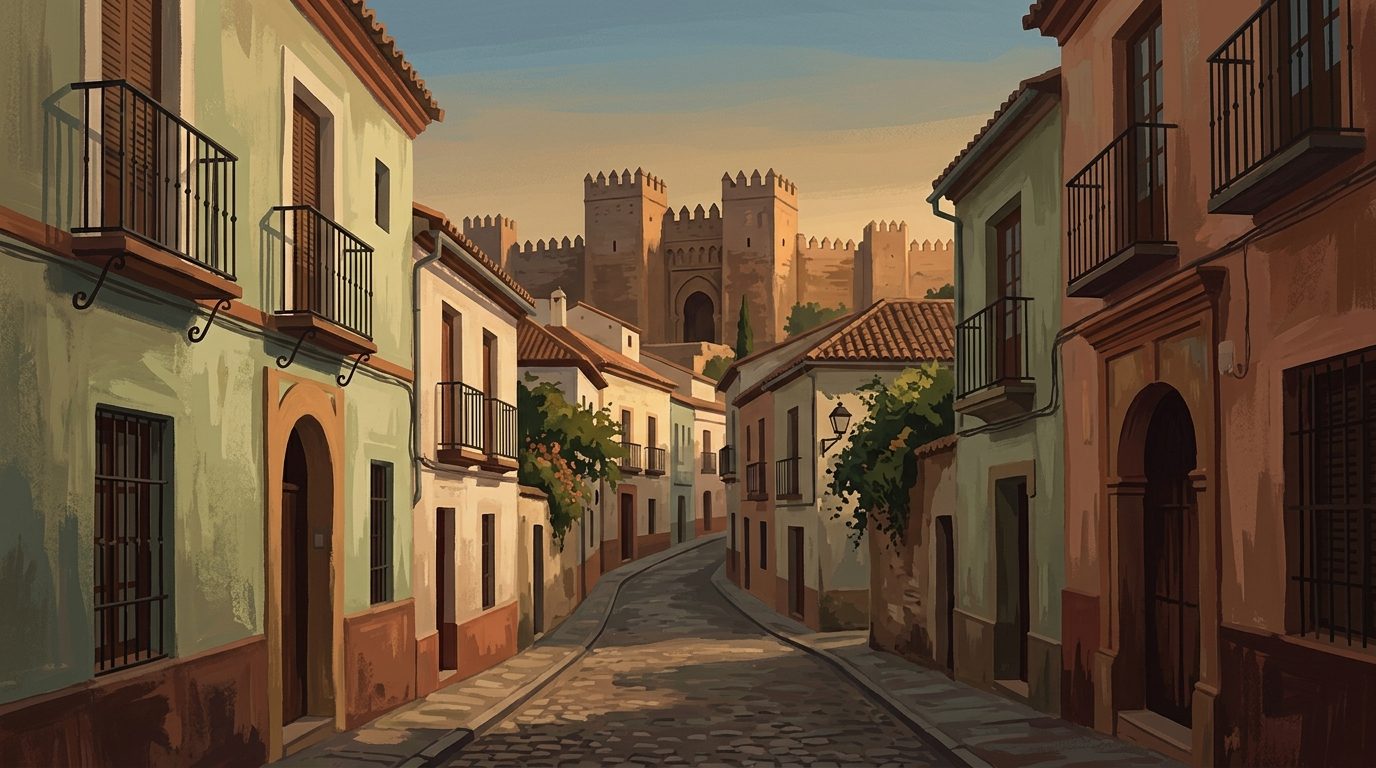
The historical heart of Priego is the Barrio de la Villa, a medieval quarter with roots in the Moorish period. Its layout is a labyrinth of narrow, winding streets where the walls are almost entirely obscured by hundreds of ceramic pots filled with geraniums and petunias. The Plaza de San Antonio is the centrepiece of this district, a tiny, quiet square that feels removed from the modern world. Exploring this area on foot is essential for understanding the town's origins before the Baroque period took hold.
Balcón del Adarve
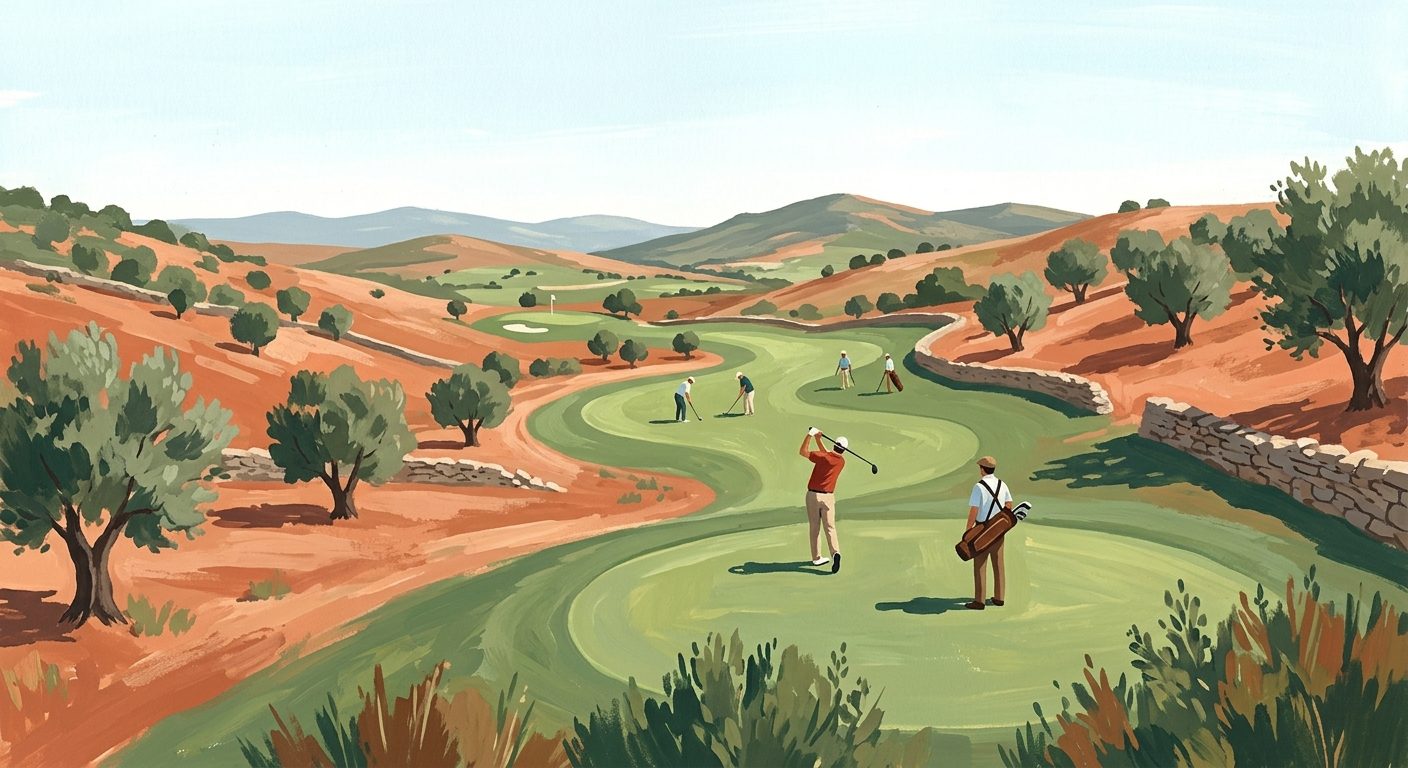
Directly bordering the Barrio de la Villa is the Balcón del Adarve. This natural balcony follows the curve of the old town walls, offering a sheer 55-metre drop to the plains below. From here, the views across the Subbética mountain range and the endless silver-green olive groves are spectacular. It is a popular spot for an evening stroll, as the sunset illuminates the peaks of the Sierra de la Horconera in the distance.
Fuente del Rey and Fuente de la Salud
The Fuente del Rey is perhaps the town's most famous landmark. Designed in 1803, this neoclassical and Baroque masterpiece features 139 water spouts and three tiered pools. At its centre, a marble sculpture of Neptune and Amphitrite rides a chariot pulled by sea horses. Immediately adjacent is the Fuente de la Salud, a 16th-century Mannerist fountain built on the spot where King Alfonso XI allegedly encamped during the Reconquista. The sheer volume of water flowing through these structures is a reminder of the town's natural wealth.
The Cradle of the Baroque
To see why Priego is called the capital of the Baroque, you must step inside the Iglesia de Nuestra Señora de la Asunción. While the exterior is relatively restrained, the Sagrario (tabernacle) is a masterpiece of Spanish Rococo. Designed by Francisco Javier Pedraxas in the late 18th century, the white plasterwork is so intricate it resembles fine lace. Other notable religious buildings include the Iglesia de la Aurora, with its beautifully decorated facade, and the Iglesia de San Francisco, which features a similarly stunning Baroque chapel.
The Castle
The 13th-century castle is a reformed Islamic fortress that stands near the entrance to the Barrio de la Villa. Its most striking feature is the Torre del Homenaje (Keep), a 30-metre-high tower that has been declared a National Monument. Visitors can climb to the top for a panoramic view of the town's tiled roofs and the surrounding countryside.
Practical Information
Tourist Office: Located at Plaza de la Constitución, 3. It is open Monday to Friday from 10:00 to 14:00 and 16:30 to 19:00. On Saturdays, it closes slightly earlier in the evening (18:30), and on Sundays, it is open from 10:00 to 14:00. Information is free, and the staff provide excellent maps for a self-guided walking tour.
Tickets and Prices: Most of the town's fountains and the Balcón del Adarve are public spaces and free to visit. The Sagrario at the Iglesia de la Asunción typically charges a small maintenance fee of approximately €2. The Castle is open for visits (typically 11:00 to 14:00 and 16:00 to 18:30; summer hours starting in late June may extend evening openings) with tickets priced at around €1.50 (check on the operator's website before travelling).
How to Get There: Priego de Córdoba is about 100km from Córdoba city and 80km from Granada. If driving from Córdoba, take the N-432 followed by the A-339. Public transport is provided by the bus company Cosmenbus (check current timetables at cosmenbus.com), which runs several daily services between Córdoba and Priego, taking approximately 1 hour and 45 minutes.
Parking: The historic centre has very narrow streets, many of which are pedestrianised. It is best to use the underground car park at Plaza de la Constitución or the public parking area on Calle Cardenal Cisneros. Both are within a five-minute walk of the main sights.
Where to Eat Nearby
Priego is the centre of a world-class olive oil region, so expect the local liquid gold to be the star of every meal. For a traditional experience, La Pianola Casa Pepe on Calle Obispo Caballero is a local favourite, serving hearty portions of rabo de toro (oxtail) and flamenquín. For something slightly more modern, La Ribera near the Plaza de Andalucía offers excellent fresh local produce and creative tapas. Be sure to try remojón prieguense, a salad made with oranges, cod, and plenty of local oil, and finish your meal with a turrolate, a unique local chocolate and almond bar.
Where to Stay
For a stay that reflects the town's history, the Hotel Museo Patria Chica is an excellent choice. This boutique hotel is housed in a restored mansion and features original architectural details. Alternatively, Hospedería San Francisco provides a unique atmosphere as it is located within a former 16th-century convent. If you prefer a more rural setting, several cortijos on the outskirts of town offer peaceful accommodation among the olive trees while remaining only a short drive from the historic centre.