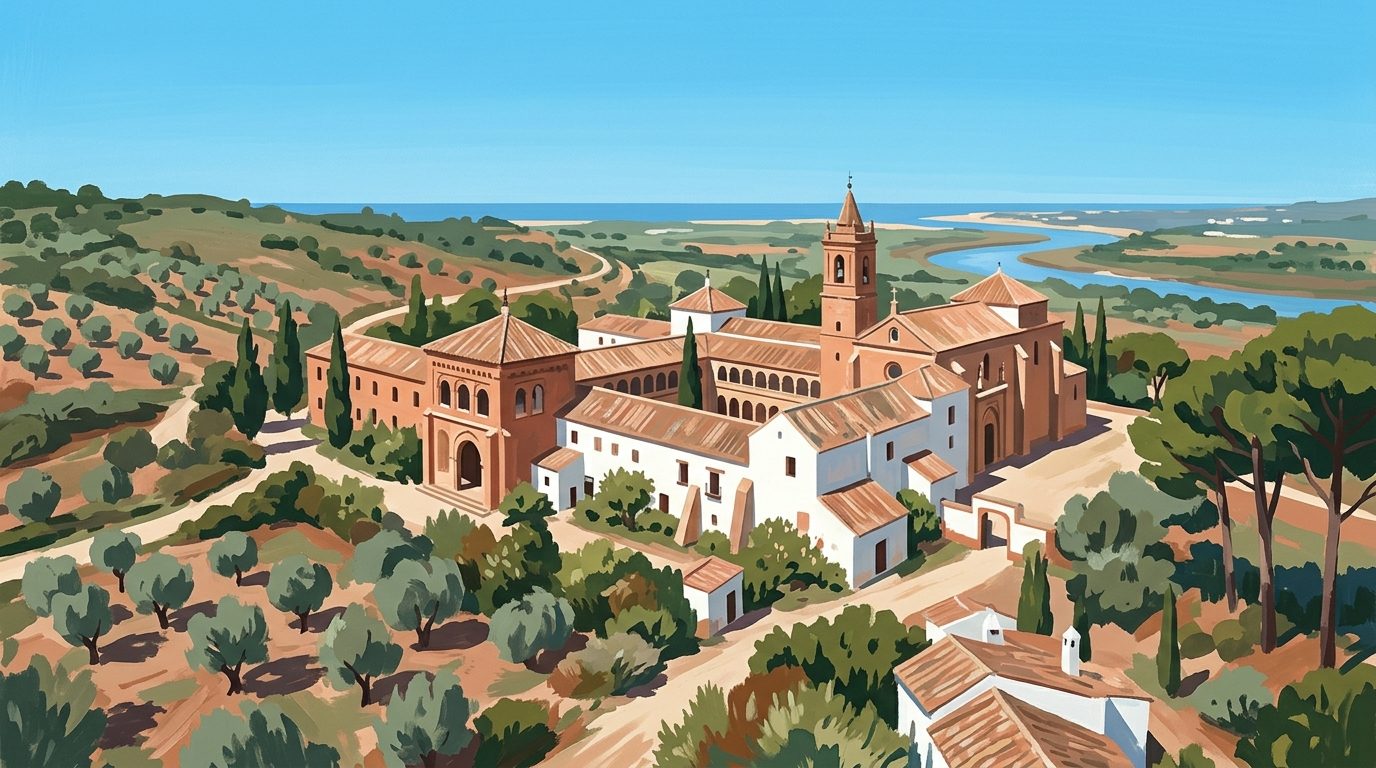
On a low hill overlooking the confluence of the Tinto and Odiel rivers, this modest Franciscan monastery provided the sanctuary Christopher Columbus needed to plan his first voyage. It remains one of the most significant historical sites in Andalucía, offering a quiet, contemplative look at the origins of global exploration.
It is easy to underestimate the importance of the Monasterio de Santa María de la Rábida when you first arrive. Unlike the soaring cathedrals of Sevilla or Granada, this is a place of human scale: a sequence of whitewashed walls, small gardens, and shaded brick cloisters. Yet, it was within these quiet rooms in 1485 that a dejected and penniless Christopher Columbus found the allies he needed to change the map of the world. After his plans were rejected by the Portuguese King, Columbus arrived at the monastery gates seeking food and shelter for his young son. The Franciscan friars, particularly Juan Pérez and Antonio de Marchena, saw merit in his theories and used their influence at the Spanish court to secure him an audience with Queen Isabella.
Located in the municipality of Palos de la Frontera, just a short drive from Huelva city, La Rábida is the starting point of the Lugares Colombinos (Columbus Sites). The atmosphere here is strikingly different from the more commercial tourist hubs of the coast. There is a persistent sense of peace, reinforced by the presence of the Franciscan community that still lives and works within the monastery today. Visitors are invited to step into the 15th century, exploring the rooms where maps were studied, prayers were whispered, and a voyage that defined an era was finally given the green light.
What to See at La Rábida
The monastery is a layering of different eras, with its foundations dating back to a 13th-century Almohad structure. Following the Christian conquest, it was transformed into a Franciscan friary, with much of the current architecture reflecting the Gothic-Mudéjar style of the 14th and 15th centuries.
The Church of Santa María de la Rábida
The heart of the monastery is its small church, built in the early 14th century. The architecture is a fine example of the Mudéjar style, featuring a single nave with a timber-framed ceiling and a Gothic apse. The most significant object inside is the 14th-century alabaster statue of the Virgen de los Milagros (Virgin of Miracles). Legend says the statue was hidden in the sea to protect it during the Moorish occupation and was later recovered by fishermen. Columbus famously prayed before this image before setting sail in 1492. On the right side of the main altar lies the tomb of Martín Alonso Pinzón, the captain of the Pinta, who died shortly after returning from the first voyage.
The Mudéjar Cloister
Dating from the 15th century, the cloister is the most atmospheric part of the building. It is relatively small, with brick arches and a central garden that offers a sense of total seclusion. This space was heavily restored after the devastating Lisbon earthquake of 1755, but it retains its original proportions. Walking through these corridors, you can easily imagine the friars and Columbus pacing the brick floors during their long discussions. Several rooms lead off the cloister, including the historical refectory and the library, which houses documents related to the discovery of the Americas.
The Vázquez Díaz Murals
While the monastery is ancient, one of its most striking features is modern. In 1930, the Huelva-born artist Daniel Vázquez Díaz painted a series of frescoes in the monastery’s Sala de los Frescos. These murals depict the key moments of the discovery: Columbus arriving at the monastery, the help provided by the friars, the construction of the ships, and the eventual landing in the New World. The style is bold and slightly cubist, with a muted colour palette that complements the earthy tones of the monastery walls. These paintings are considered some of the most important 20th-century artworks in the province.
The Gardens and River Views
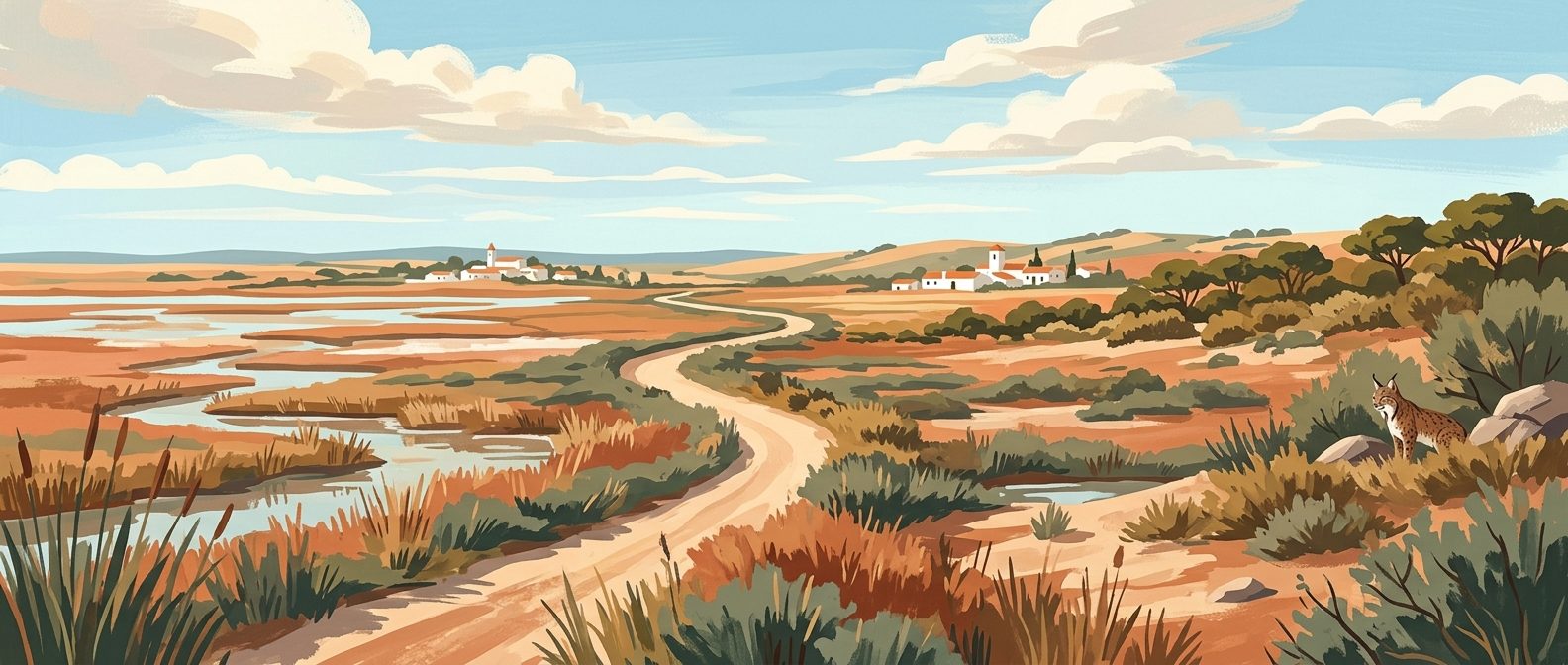
The monastery sits on a site known as the Peña de Saturno. From the grounds, you have commanding views over the Tinto River. The gardens are filled with exotic plants brought back from the Americas over the centuries, creating a botanical link between Huelva and the New World. A large monument to Columbus stands in the plaza outside the monastery, and a short walk down the hill leads you to the Muelle de las Carabelas (a separate attraction with its own ticketing and hours, bookable via the official Diputación de Huelva website), where you can board full-scale replicas of the Niña, Pinta, and Santa María.
Practical Information for Your Visit
To get the most out of your trip, it is useful to know that La Rábida operates on a specific schedule and is best reached by car. Public transport from Huelva is available but infrequent.
- Opening Times: Open Tuesday to Sunday, though hours vary by season and frequently include a mid-day closure between 13:00 and 15:30 or 16:00 depending on the season (check on the operator's website before travelling). The monastery is closed on Mondays and on major public holidays such as Christmas Day and New Year's Day.
- Ticket Prices: General admission is typically around €4.00, with reduced rates for students, pensioners, and large groups. Audio guides are usually included. To verify live prices and opening times, visit the official Diputación de Huelva website.
- Getting There: From Huelva city, take the H-30 and follow signs for Palos de la Frontera and La Rábida. The drive takes approximately 15 minutes. If coming from Sevilla, the A-49 motorway will bring you to the Huelva turn-off.
- Parking: There is a large, free car park directly outside the monastery entrance, with additional spaces near the Muelle de las Carabelas.
Where to Eat Nearby
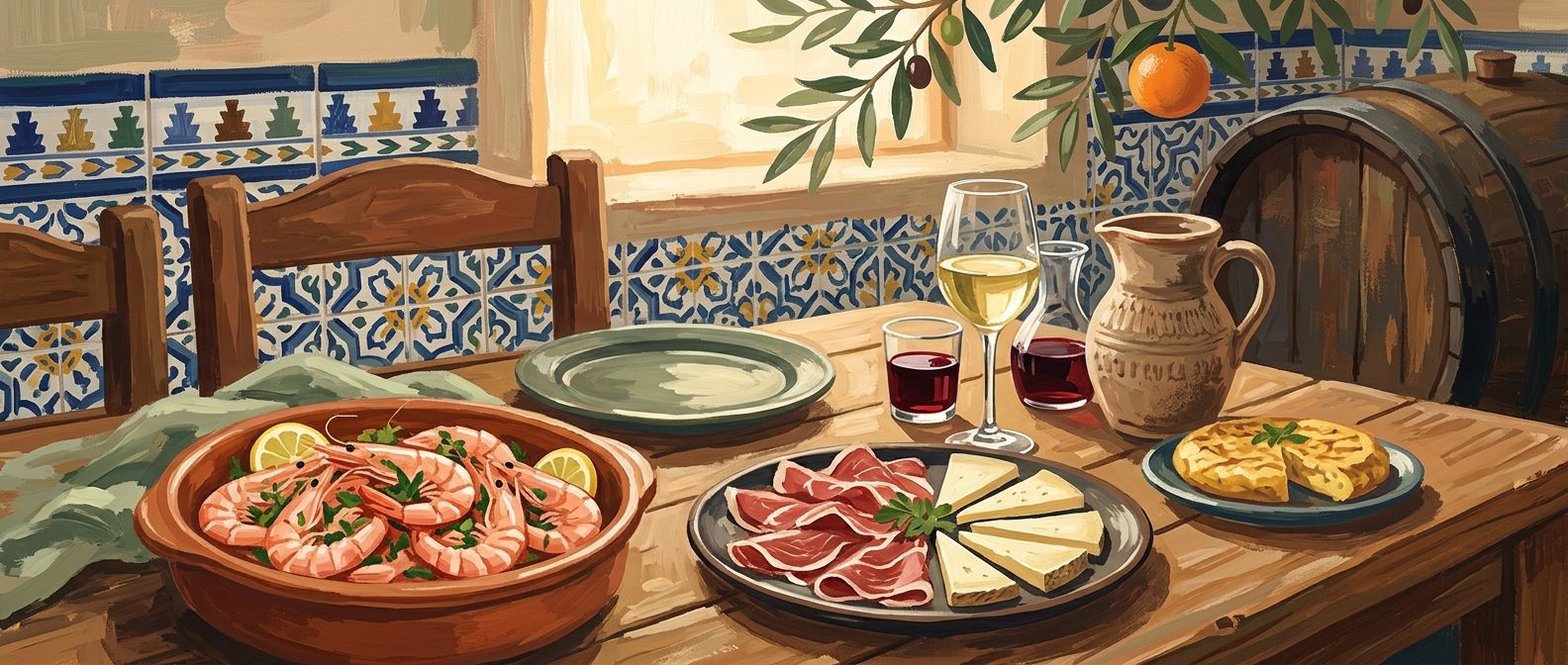
After a morning of historical exploration, you will find several excellent dining options within a short distance of the monastery. For a convenient lunch, Restaurante Los Descubridores is located right in the La Rábida area (check their website or call ahead to verify opening hours before travelling). It specialises in traditional Huelva cuisine, offering fresh seafood from the coast and Iberian pork dishes from the northern mountains. The outdoor terrace is particularly pleasant on a sunny afternoon.
In the nearby town of Palos de la Frontera, Restaurante La Pinta provides a more local feel. It is a fantastic place to sample gambas blancas de Huelva (white prawns) or a hearty serving of arroz marinero (seafood rice). If you prefer to head back towards Huelva city, La Bohemia on Calle Rábida is a local favourite for modern tapas and a lively atmosphere, though it can get quite busy during the weekend lunch rush.
Where to Stay
For those wishing to stay close to the historical sites, Hotel Santa María is located on Avenida de la Rábida, just a kilometre from the monastery (check the operator's website or call ahead before travelling). It is a functional and comfortable choice with views over the estuary. Alternatively, Hotel La Pinta in the centre of Palos de la Frontera offers a more traditional town experience. For more variety and a wider range of services, many visitors choose to base themselves in Huelva city at the Senator Huelva or the NH Luz Huelva.