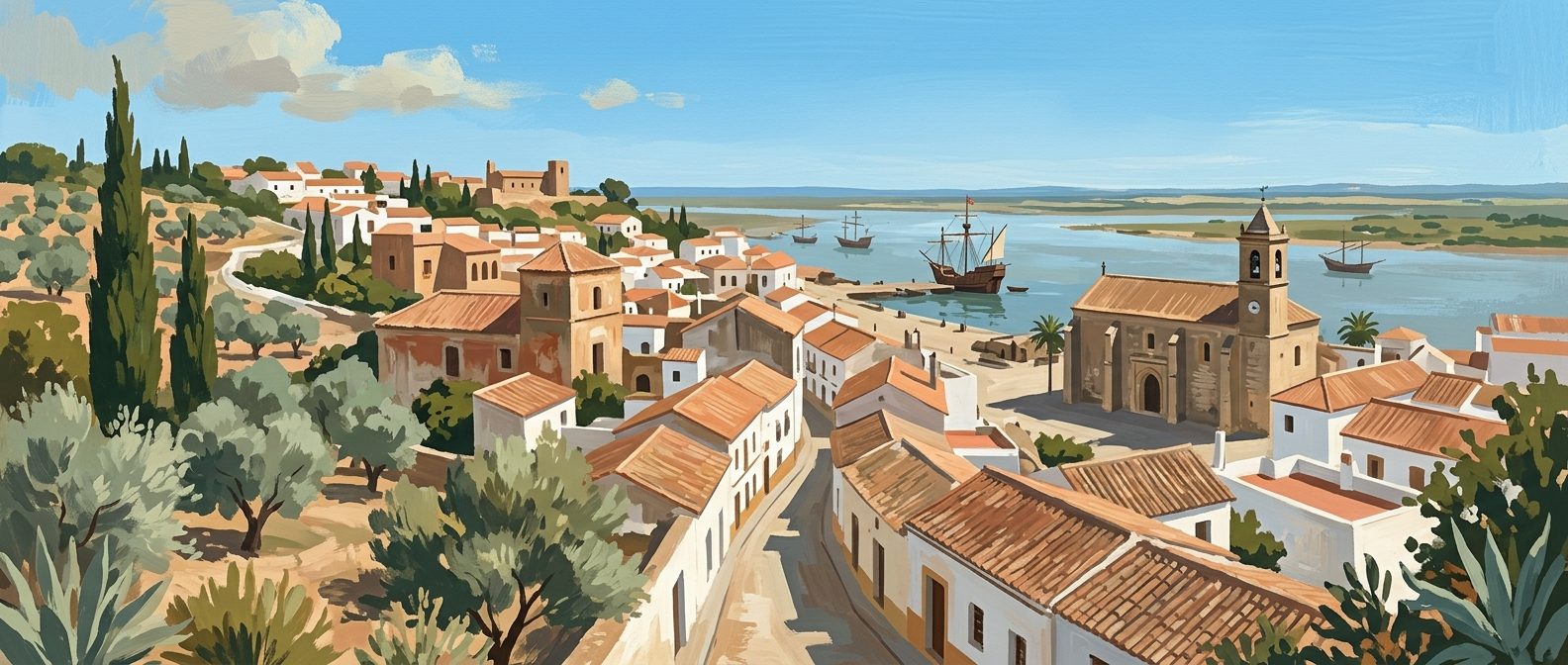
Palos de la Frontera stands as the primary departure point for the 1492 voyage that changed global geography forever. Today, this maritime town combines its significant Atlantic heritage with a modern status as Europe’s leading producer of strawberries.
While many visitors to western Andalucía gravitate towards the wide beaches of Huelva or the marshes of Doñana, Palos de la Frontera offers a different kind of allure. This is a town defined by two very different legacies: the maritime ambition that led Christopher Columbus to the Americas and the vast fields of red fruit that now dominate the local economy. Known formally as the "Cradle of the Discovery of America," Palos is a place where you can stand on the very ground where sailors once prepared for a journey into the absolute unknown.
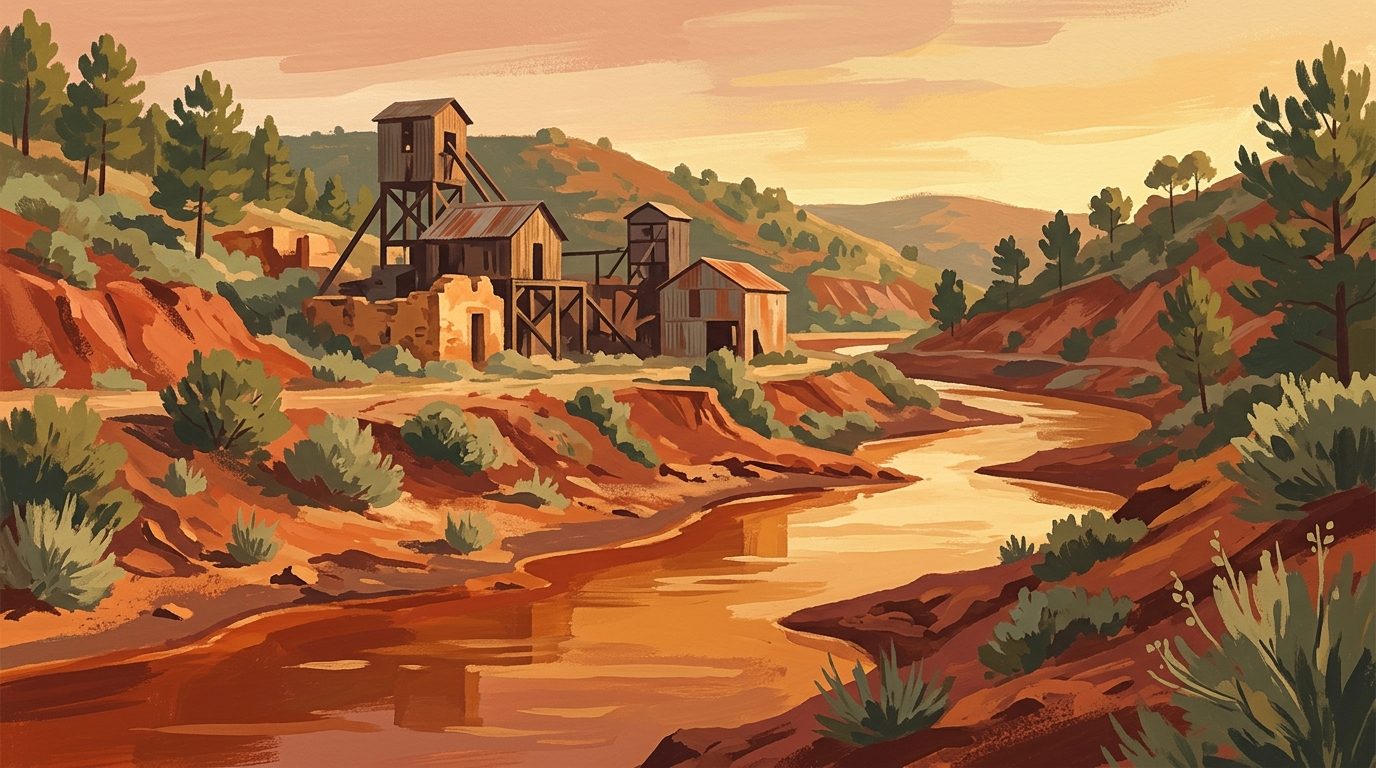
The town itself is located on the left bank of the Río Tinto, just a few miles from the Atlantic coast. Its name, Palos de la Frontera, refers to its historical position on the border with Portugal and the final frontier of the Reconquista against the Kingdom of Granada. While the river has silted up over the centuries, moving the shoreline further away, the town remains deeply connected to the water. A visit here is best approached as a journey through the "Lugares Colombinos", the specific sites where the funding, the crews, and the ships for the first voyage to the New World were secured.
What to See & Do in Palos de la Frontera
Muelle de las Carabelas (Wharf of the Caravels)
Located just outside the town centre at the Paraje de la Rábida, this is arguably the most immersive historical site in the province. Here, you can walk onto full-scale replicas of the three famous ships: the Pinta, the Niña, and the Santa María. Built in 1992 to mark the 500th anniversary of the voyage, these vessels are surprisingly small when viewed in person, giving you a visceral sense of the bravery required to cross the Atlantic in such cramped conditions.
The site includes a museum that explains the daily life of the sailors and a recreation of a 15th-century medieval port. There is also a small "Island of the Encounter" (Isla del Encuentro) that attempts to replicate the indigenous culture of the Taino people whom Columbus met upon his arrival in San Salvador. It is an excellent spot for families, as children are encouraged to explore the decks and holds of the ships.
Monasterio de Santa María de la Rábida
A few minutes from the wharf stands the Franciscan monastery where Columbus stayed while he awaited approval for his voyage. It was here that he found his most important allies: Fray Juan Pérez and Fray Antonio de Marchena, who helped persuade the Catholic Monarchs to back his plan. The monastery itself is a fine example of Gothic-Mudéjar architecture, with a peaceful 15th-century cloister that remains largely unchanged since the time of the discovery.
Inside the monastery, you will find the Chapel of Santa María de la Rábida, where the sailors prayed before departing. The walls are decorated with 20th-century frescoes by Daniel Vázquez Díaz, depicting the various stages of the Columbus story. It remains a working monastery, adding a layer of quiet solemnity to the visit.
Iglesia de San Jorge Mártir
In the heart of the town, the Church of St George the Martyr is where the logistics of the voyage truly began. In May 1492, the royal decree ordering the townspeople of Palos to provide two caravels to Columbus was read aloud in the church square. Many of the sailors who eventually signed on were locals, including the influential Pinzón brothers.
The church features the "Puerta de los Novios," a beautiful brick gateway through which the sailors walked to reach the port on the morning of 3 August 1492. Inside, the building is simple and austere, with a single nave and a fine alabaster image of Saint Anne dating from the 15th century.
La Fontanilla
A short walk from the church brings you to La Fontanilla, a humble brick structure that served as the town’s public fountain in the 15th century. It is historically significant as the place where the ships' crews took on their final supply of fresh water before leaving European shores. Although it now sits in a small park surrounded by modern roads, the well remains a tangible link to the practical preparations of the voyage.
Casa Museo de Martín Alonso Pinzón
While Columbus is the global face of the discovery, in Palos, the local heroes are the Pinzón brothers. Martín Alonso Pinzón was a wealthy and experienced navigator who provided the expertise and the local connections necessary to assemble a crew. His former home has been restored and converted into a museum, showcasing the life of a well-to-do 15th-century maritime family and detailing the critical role the brothers played in the expedition’s success.
Practical Information
Opening Times & Tickets
Muelle de las Carabelas: Open Tuesday to Sunday. As of June 2026, hours are 09:30 to 20:00 (verify exact hours for the current month on the official Diputación de Huelva website before travelling). Tickets cost approximately €3.60 for adults (check the official website for the latest pricing).
Monasterio de la Rábida: Open Tuesday to Sunday from 10:00 to 18:00 (last entry at 17:30). Closed on Mondays. Tickets are approximately €4 for individuals or €8 for a family ticket (check the official monastery website for 2026 updates).
Casa Museo Pinzón: Open Tuesday to Sunday. It is advisable to visit in the morning, as it typically closes between 14:00 and 16:00 (verify current 2026 pricing and exact hours with the Palos de la Frontera Ayuntamiento or Tourism Office before travelling).
Getting There & Parking
Palos de la Frontera is 14km from Huelva city and about 95km from Sevilla. If you are driving from Sevilla, take the A-49 motorway and exit at San Juan del Puerto/Palos/Moguer. There is plenty of free parking at the Muelle de las Carabelas and the Monastery. Within the town centre, parking is available in the streets around the Plaza de Andalucía, though it can be tight during the morning market hours.
By public transport, the Damas bus company operates frequent services (typically Route M-402 or M-403) between Huelva and Palos de la Frontera. The journey takes roughly 20 minutes.
Where to Eat Nearby
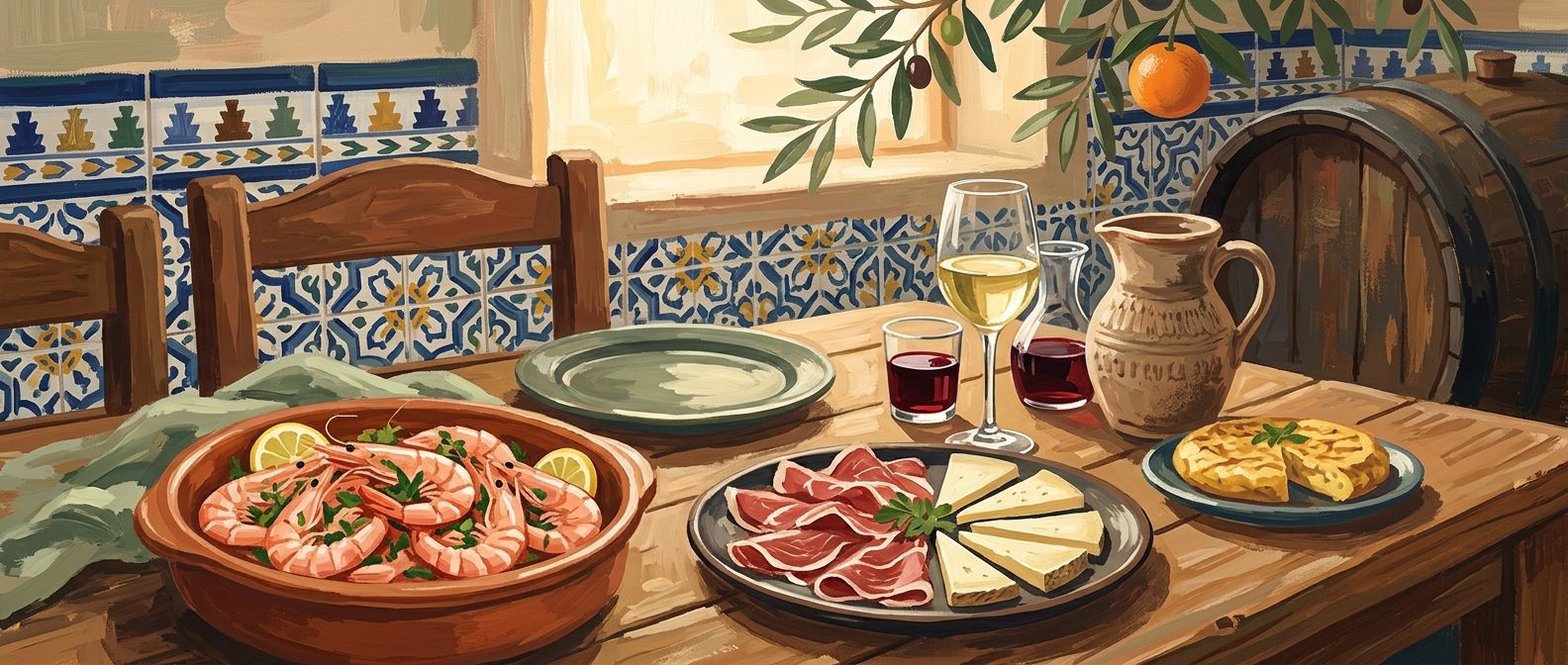
For a sit-down lunch that highlights local seafood, Restaurante El Paraíso on Avenida de América is a reliable choice. They specialise in gambas blancas (white prawns) from the Huelva coast and coquinas (small wedge clams) in garlic and wine. If you prefer a more casual tapas experience, Bar 92 offers a friendly atmosphere and a good range of homemade dishes, often featuring local Iberico pork products. For a treat, try any dessert that uses the local "Fresón de Palos" strawberries, which are at their peak between February and May.
Where to Stay
Palos is a small town, and most visitors choose to stay for just a day. However, for an overnight stop, Hotel La Pinta offers comfortable, traditional accommodation right in the centre of town, making it easy to walk to the Church of San Jorge and the Pinzón Museum. Alternatively, Aliocio Pensión provides a more budget-friendly option. For those seeking more space, many travellers base themselves in the nearby city of Huelva or the coastal resort of Mazagón.