Moguer is the white-washed town where Nobel laureate Juan Ramón Jiménez once wandered with his donkey, Platero, and where Christopher Columbus found both a ship and spiritual sanctuary. It serves as a vital bridge between Spain’s literary prestige and its seafaring legacy during the Age of Discovery.
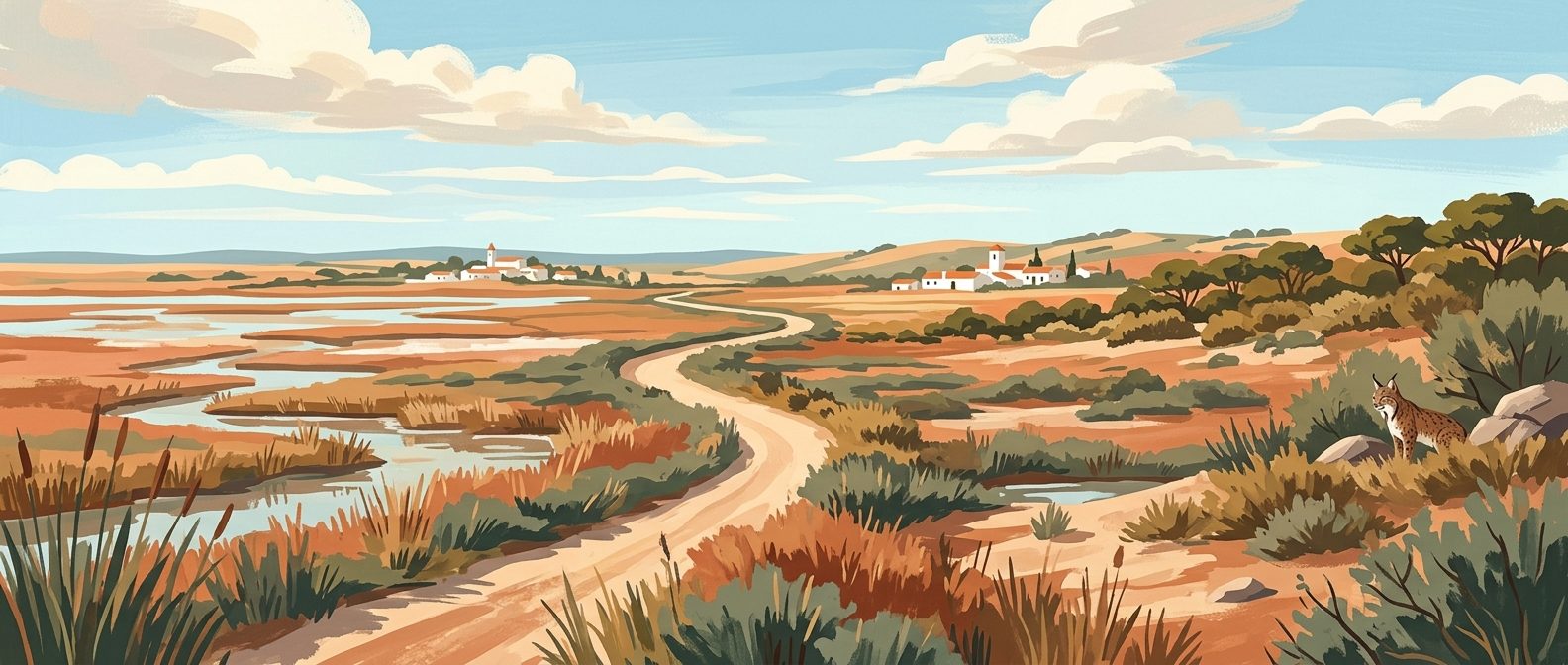
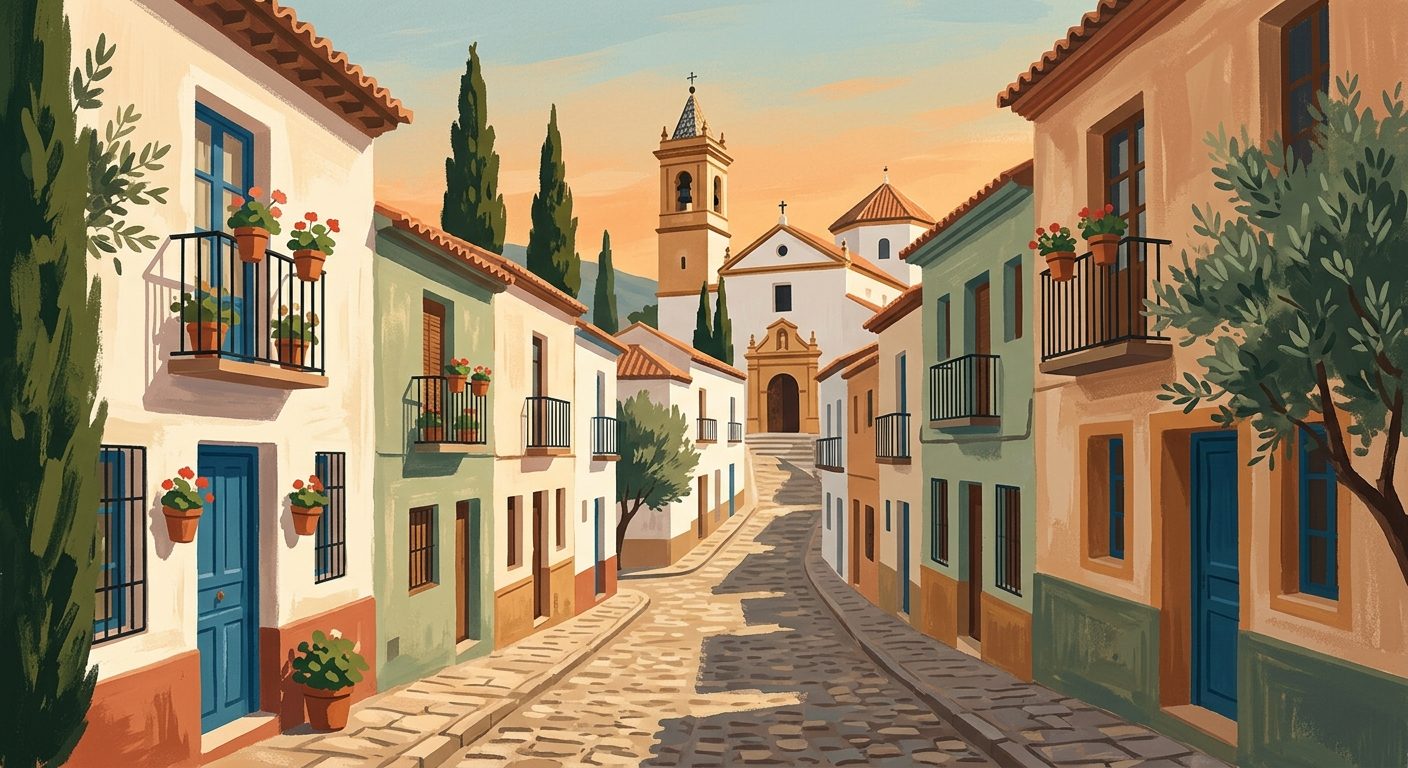
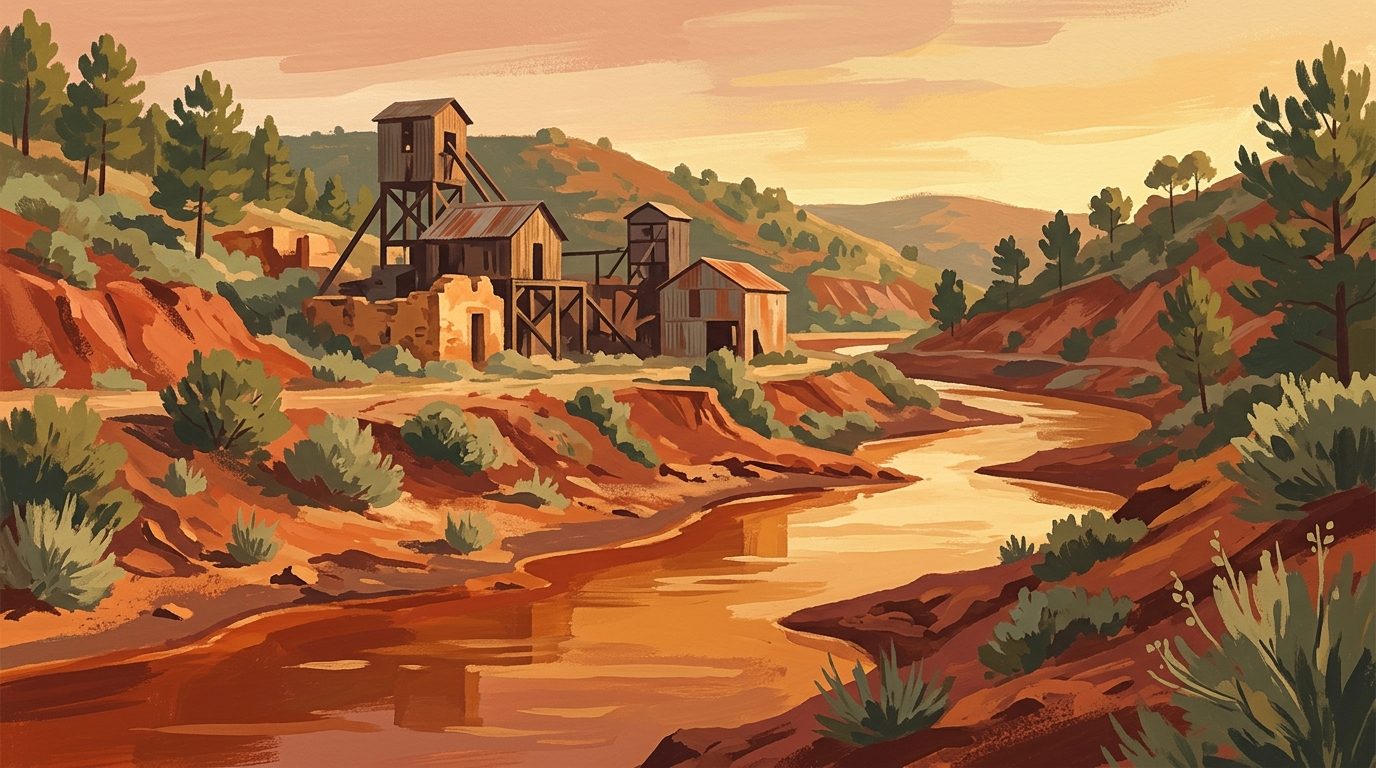
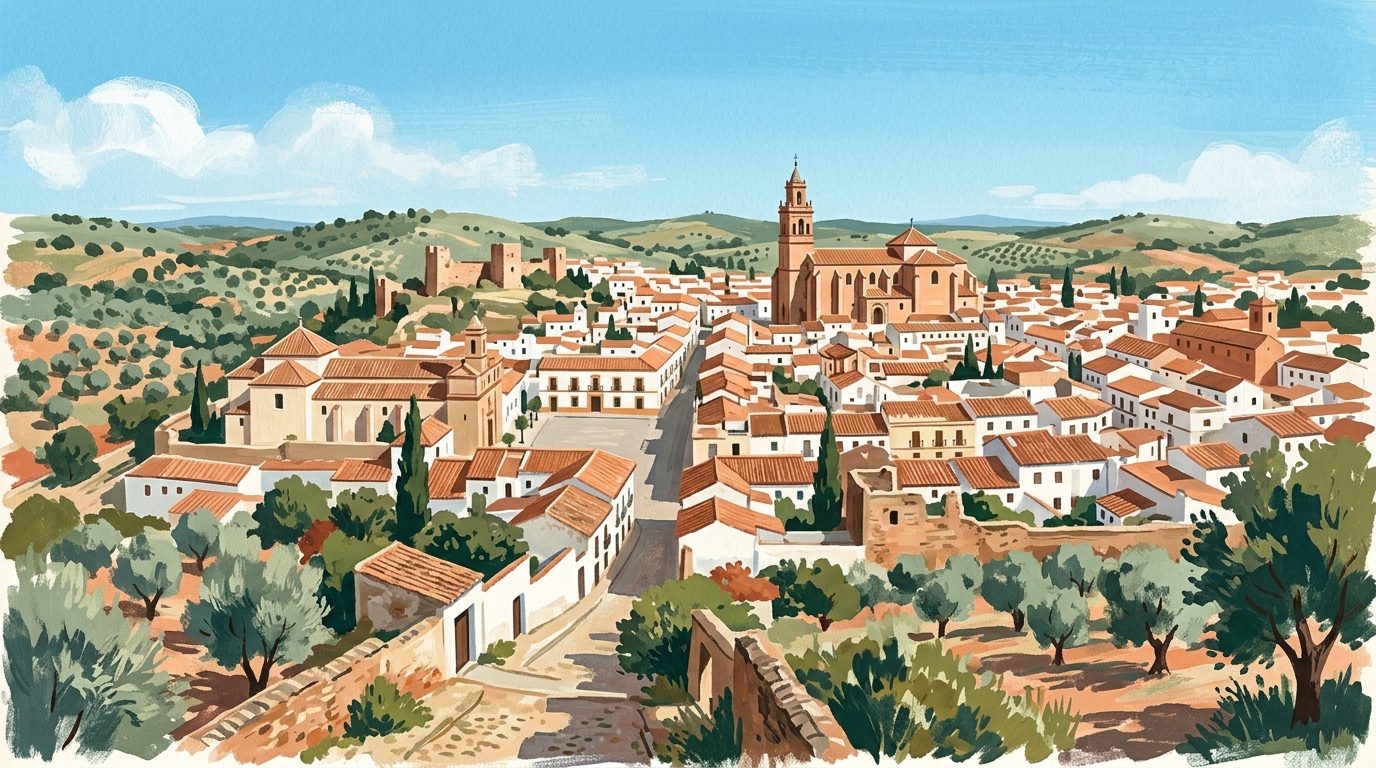
Moguer stands quietly on the banks of the Rio Tinto, a town of low-slung white houses and citrus-scented squares. While it often sits in the shadow of the provincial capital, Huelva, its cultural footprint is immense. This is a place defined by two distinct identities: it is a pillar of the "Lugares Colombinos" (Columbian Places) and the birthplace of the 1956 Nobel Prize-winner for literature, Juan Ramón Jiménez.
Walking through its streets, you are never far from a statue of a donkey or a plaque commemorating a 15th-century navigator. The town was the site where the caravel La Niña was built and where Christopher Columbus sought refuge and support before and after his first voyage to the Americas. Today, it remains an essential stop for anyone interested in the maritime history of the 1490s or the lyrical beauty of Andalucían poetry. The atmosphere here is one of quiet dignity, where the smell of orange blossom in the Plaza del Cabildo mixes with the historical weight of its medieval monasteries.
What to See & Do
Monasterio de Santa Clara
The Monasterio de Santa Clara is the architectural heart of Moguer and perhaps its most significant historical site. Founded in 1337 by Alonso Jofre Tenorio, this Gothic-Mudejar complex is far more than a religious building; it was a diplomatic hub during the late 15th century. The Abbess at the time, Inés Enríquez, was the aunt of King Ferdinand the Catholic and played a decisive role in helping Columbus secure royal approval for his voyage.
The monastery is famously linked to the "Columbian Vote." Upon returning from the New World in 1493, Columbus fulfilled a vow made during a terrifying storm at sea by spending his first night back on Spanish soil in prayer at the monastery's church. Visitors can explore the "Cloister of the Mothers," which is the oldest cloister in Andalucía, featuring simple, elegant arches that date back to the 14th century. The lower choir contains exquisite Nasrid-style stalls, and the church houses the impressive alabaster tombs of the Portocarrero family.
Casa Museo Zenobia y Juan Ramón Jiménez
For literary enthusiasts, this museum is a place of pilgrimage. The house, a classic 18th-century Andalucían residence, was the childhood home of Juan Ramón Jiménez. It was here that he began to form the images of "Platero," the small, silver-grey donkey from his world-famous work Platero y Yo.
The museum is meticulously preserved, containing the author's personal library of thousands of volumes, his original furniture, and the Nobel Prize medal he received in 1956. The house itself, with its traditional central courtyard and bright rooms, offers a glimpse into the life of a wealthy wine-merchant family in the 19th century. To enhance the experience, the town has installed a "Platero Sculpture Route," with several bronze statues of the donkey scattered across different squares, each representing a specific chapter from the book.
Iglesia de Nuestra Señora de la Granada
Often referred to as the "Giralda of Huelva," this church is a landmark that can be seen from the surrounding strawberry fields. After the original Mudejar building was largely destroyed by the Great Lisbon Earthquake of 1755, this neo-classical replacement was built on a scale that mimics a small cathedral. Its tower is a direct nod to Sevilla's famous bell tower, and the interior features five naves and a beautifully light-filled sanctuary that illustrates the town's prosperity during the 18th century.
Convento de San Francisco and the Castle
The Convento de San Francisco, rebuilt after the 1755 earthquake, now houses the municipal archives and a Renaissance cloister that is well worth a quiet walk. Nearby, the remains of the Moguer Castle (Castillo de Moguer) stand as a reminder of the town’s military past. While only parts of the Almohad walls and towers remain, they provide a historic backdrop to the town centre and offer views over the Tinto river towards the old port of La Ribera, where the shipyard once stood.
Practical Information
Opening Times & Prices
- Monasterio de Santa Clara: Open Tuesday to Saturday from 10:00 to 13:00 and 17:15 to 19:00. On Sundays, it opens from 11:00 to 13:00. It is closed on Mondays. Note: Guided tours are usually mandatory and strictly timed; check the latest schedule locally. Entry is approximately €4 and typically includes a guided tour (often in Spanish, but brochures in other languages are available).
- Casa Museo Zenobia y Juan Ramón Jiménez: Open Tuesday to Friday from 10:00 to 14:30 and 16:00 to 20:00. Saturday and Sunday hours are 10:00 to 15:00. Closed on Mondays. Individual entry is €3.50 (check the official website for the latest details).
How to Get There
Moguer is located approximately 19km from Huelva city. By car, take the H-31 and then the A-494 directly into the town. If you are coming from Sevilla, it is roughly an hour's drive via the A-49 motorway. For those using public transport, Damas operates a frequent bus service from Huelva bus station (check current timetables at the station or the Damas website); the journey takes roughly 45 minutes and costs between €2 and €5.
Parking
Driving into the very centre of Moguer is not recommended as the streets are exceptionally narrow and mostly one-way. There is a large, free public car park located near the Felipe Godínez Theatre (Teatro Felipe Godínez) and plenty of spaces near the Plaza del Cabildo or along the perimeter roads that are just a five-minute walk from the main monuments.
Where to Eat Nearby
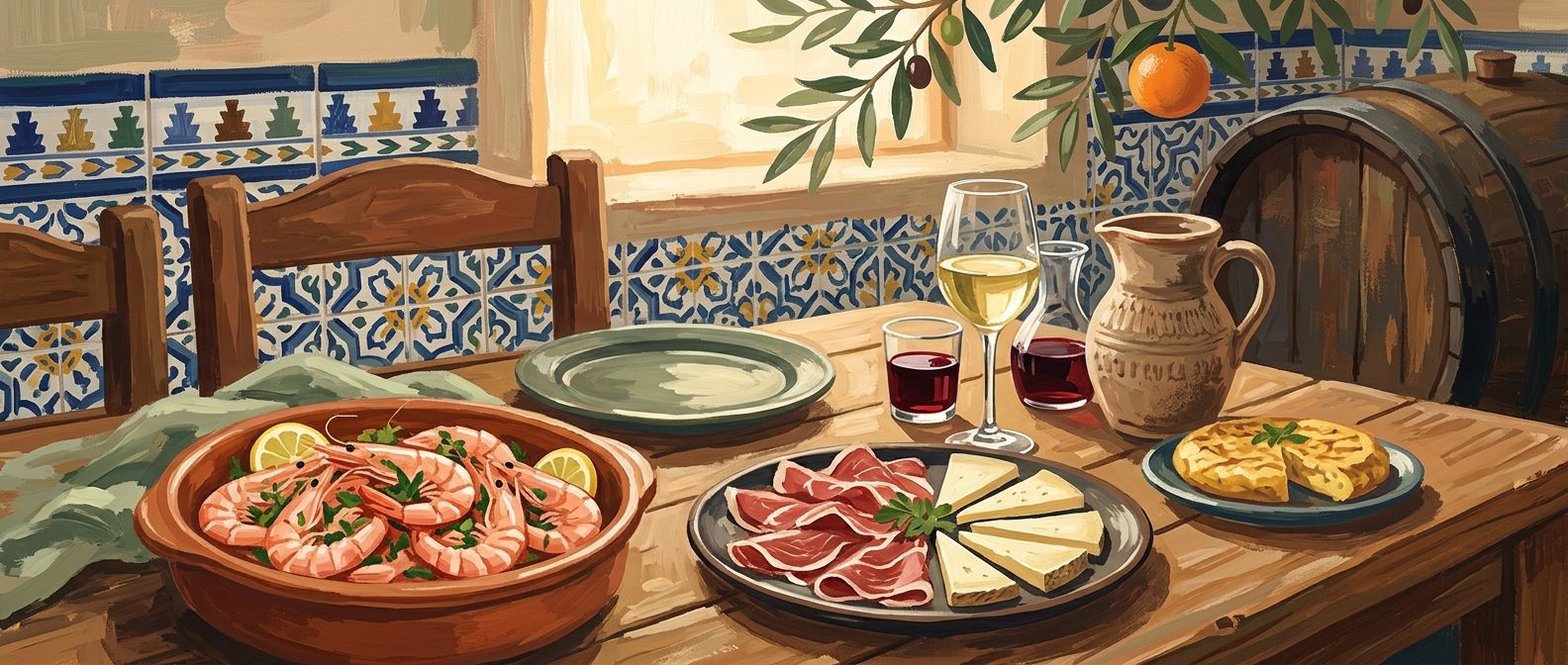
Moguer is famous for its strawberries, but the local gastronomy goes much deeper. Mesón El Lobito on Calle Rábida is a local institution, highly regarded for its large open grill and excellent cuts of Iberian pork, such as presa and secreto. For seafood, La Parrala in the Plaza de las Monjas offers fresh Huelva prawns and chocos (cuttlefish) in a setting right next to the Santa Clara monastery. Finally, a stop at Confitería La Victoria is essential for those with a sweet tooth; their traditional cortadillos and bizcotelas have been local favourites for over a century.
Where to Stay
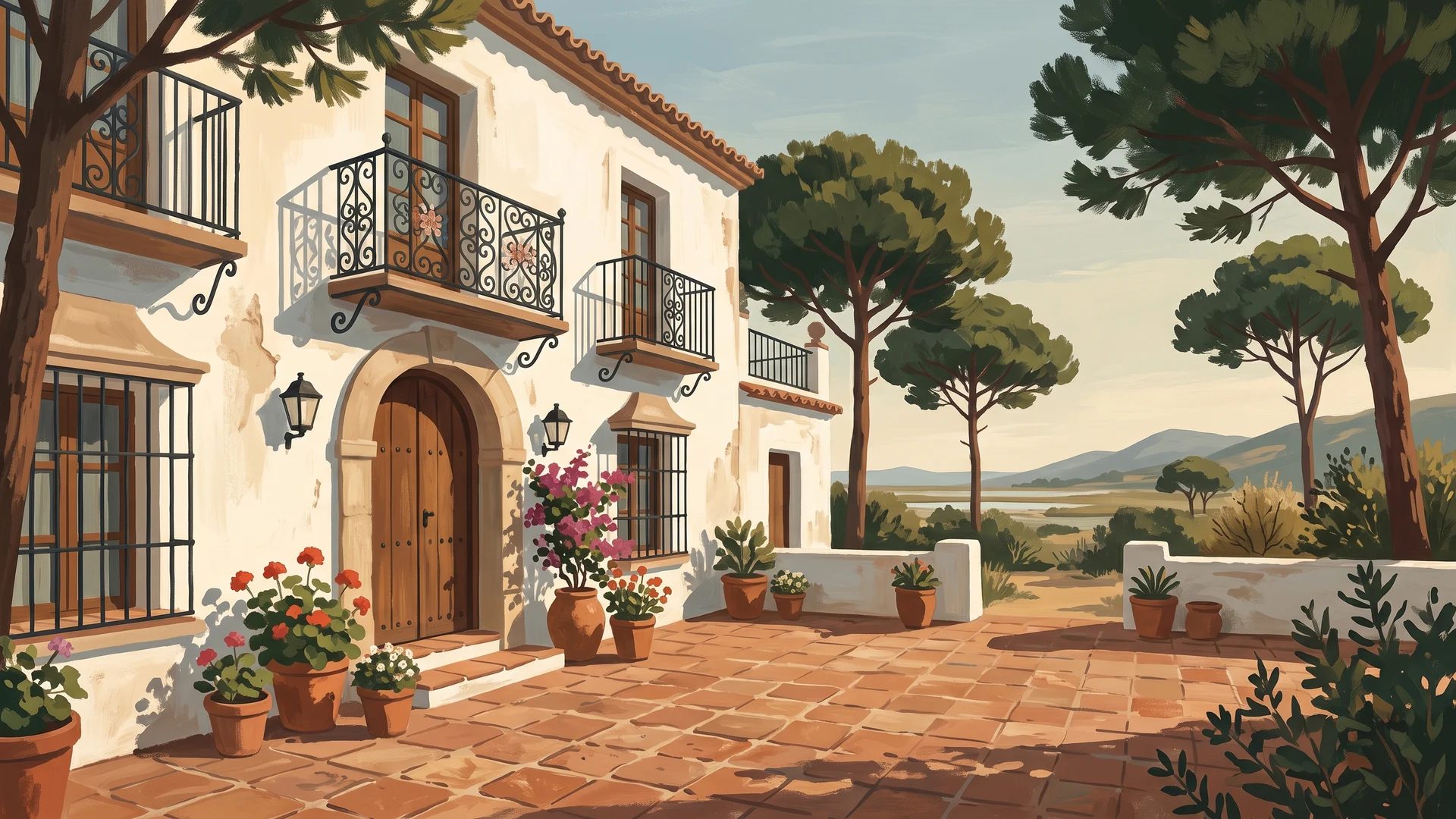
For a stay in the heart of the town, Hotel Plaza Escribano is the top choice. It is a three-star hotel located in a restored building that reflects the traditional Andalucían style, providing easy access to the poet's house and the monastery. If you prefer more modern facilities, Hotel Nazaret de Moguer offers a swimming pool and comfortable rooms on the edge of the historical centre. Both provide an excellent base for exploring the wider Columbus Route, including nearby Palos de la Frontera.