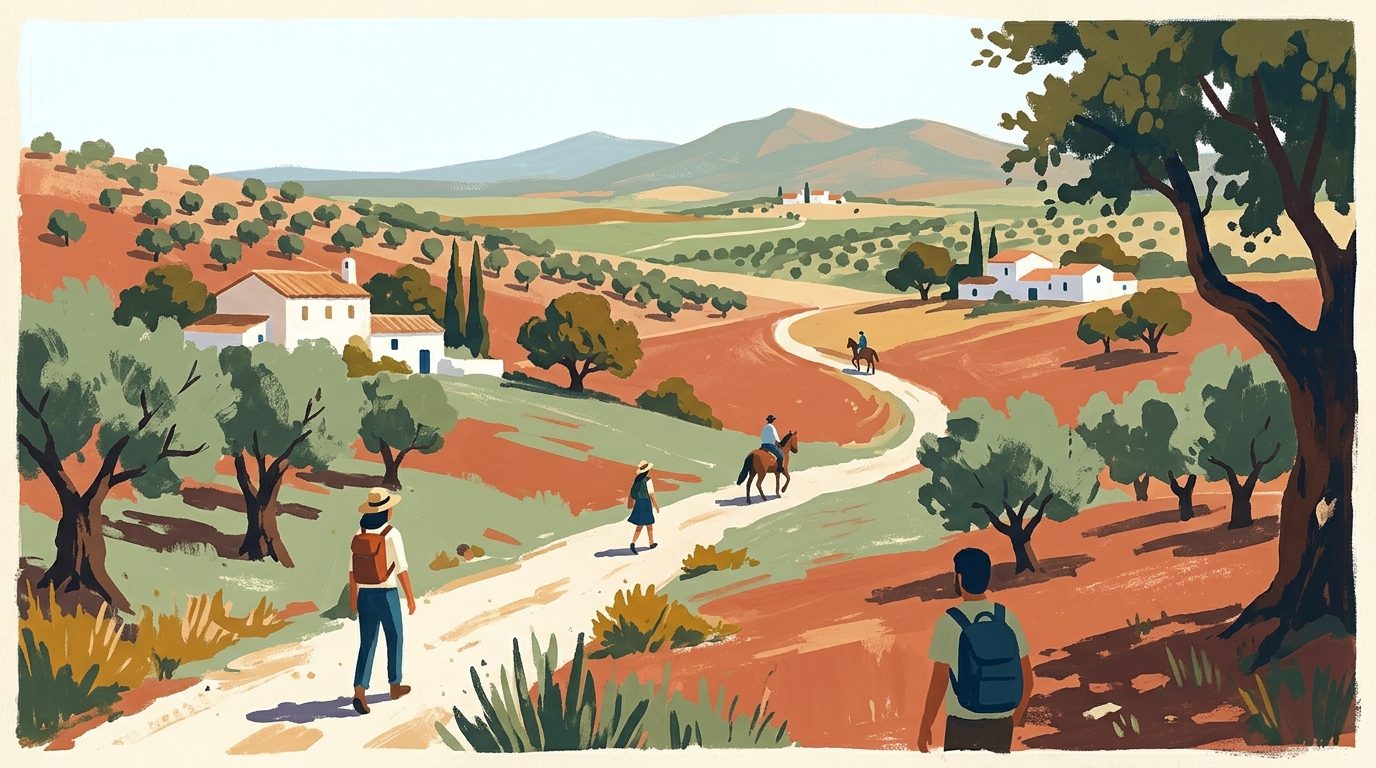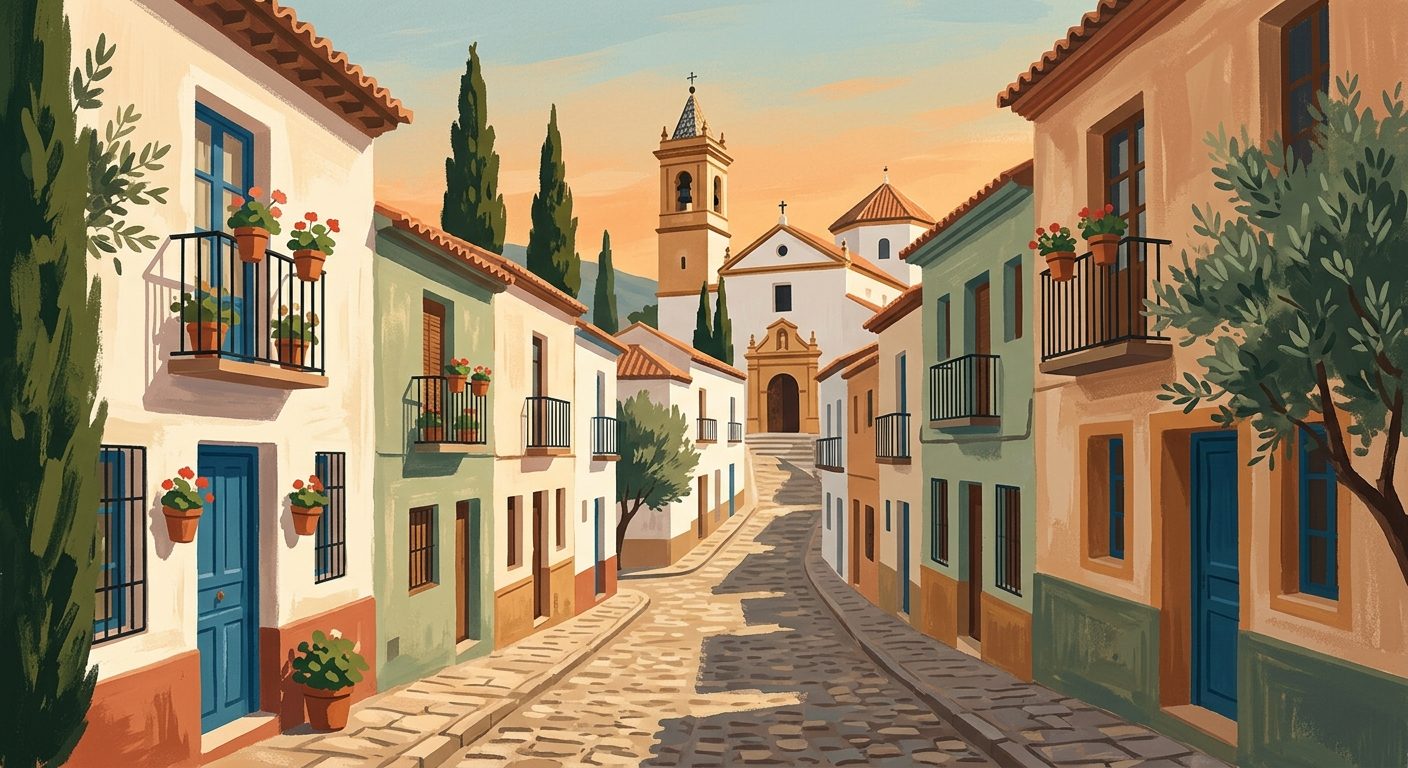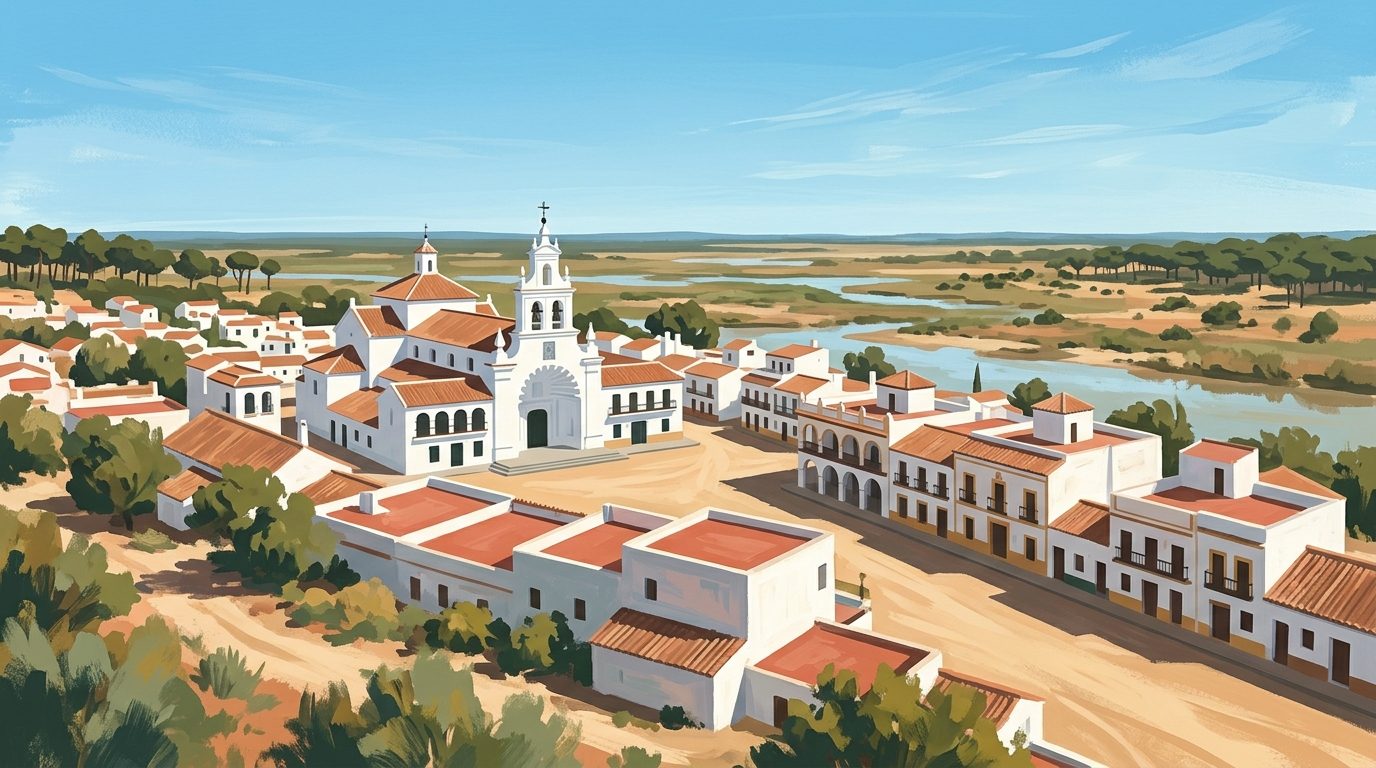
With its unpaved, sandy streets and white-walled houses, El Rocío feels like a scene from a Spanish Western rather than a modern-day village. It remains the spiritual heart of Andalucía, where horse-drawn carriages still take precedence over cars.
To arrive in El Rocío is to step into a different century. Located on the edge of the Doñana National Park in the province of Huelva, this small hamlet is famous across Spain for its lack of tarmac. Instead, every street is made of fine, pale sand, designed to accommodate the thousands of horses that descend upon the village during religious festivities. While it belongs to the municipality of Almonte, El Rocío has a character entirely its own, functioning as a quiet sanctuary for nature lovers for most of the year and a spirited focal point for over a million pilgrims once a year during Pentecost.
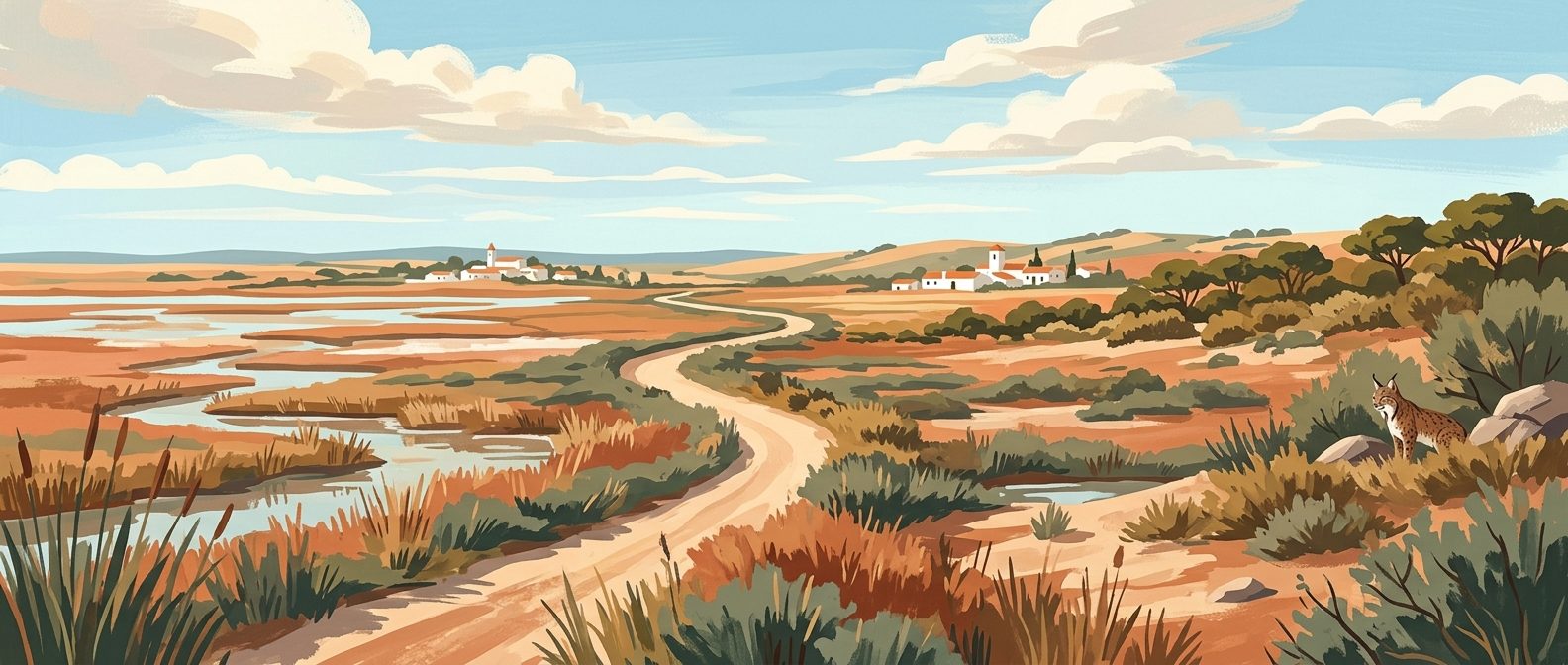
The village overlooks the vast marshes of the Guadalquivir delta, creating a striking visual boundary between human habitation and untamed wilderness. Here, the traditional architecture of the white houses, known as casas de hermandad, lines the wide avenues, each featuring hitching posts for horses rather than parking spaces. If you come for the birdwatching, the horses, or the religious significance, El Rocío offers an experience that is unlike any other in Western Europe.
What to See & Do
Ermita de Nuestra Señora del Rocío
The undisputed heart of the village is the Hermitage, or Ermita. Though the site has been a place of worship since the 13th century, the current building was completed in the late 1960s after the previous structure was damaged by the 1755 Lisbon earthquake. Its brilliant white façade and ornate neo-Baroque details make it an imposing presence at the end of the village. Inside, the focus is on the Virgen del Rocío, also known as the Blanca Paloma (White Dove). The statue is housed behind a spectacular gold-leaf altar, and the interior is often filled with the soft murmur of prayers and the scent of beeswax. Even for non-believers, the scale of devotion shown here is moving to witness.
The Marismas and the Flamingo Lagoon
Just a few metres from the Hermitage, the village ends abruptly at a wooden promenade known as the Paseo Marismeño. This walkway offers a panoramic view of the marismas (marshes). Depending on the season and the rainfall, this area can be a vast sheet of water or a lush green meadow. This is one of the best spots in Europe for spontaneous birdwatching. In the winter and spring, hundreds of Greater Flamingos gather here, their pink plumage contrasting with the blue of the sky. You may also see wild horses and cattle grazing in the shallows, oblivious to the visitors watching from the railings.
Centro Ornitológico Francisco Bernis
For those who want a more structured look at the local wildlife, this ornithological centre is essential. Managed by SEO/BirdLife, it is located at the end of the promenade. The centre is equipped with high-quality telescopes and binoculars that visitors can use to spot more elusive species like the Spanish Imperial Eagle, spoonbills, and various types of herons. The staff are incredibly knowledgeable and can provide the latest sightings and information on the health of the Doñana ecosystem. It provides a quiet, elevated vantage point that is particularly rewarding during the spring migration.
The Hermandad Houses
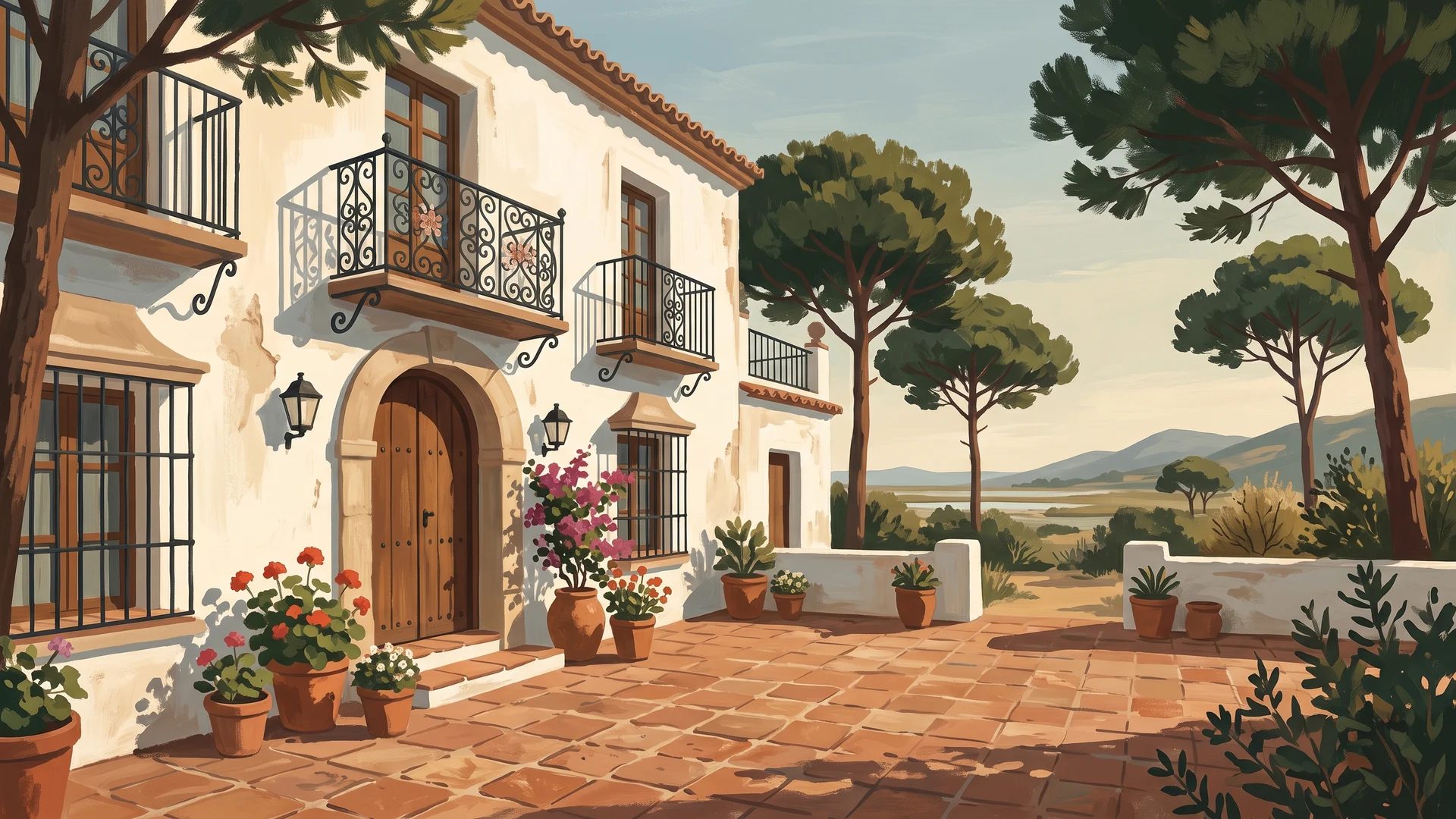
Walking through the streets, you will notice large, grand houses with balconies and massive wooden doors. These are the casas de hermandad, owned by the various religious brotherhoods from across Andalucía and beyond. During the quiet months, they remain shuttered and silent, but they are architectural marvels in their own right. Look for the ceramic tiles on the façades, which indicate which city or town the house belongs to, such as Sevilla, Huelva, or even Madrid. The scale of these buildings reflects the deep-rooted social and religious ties that bind the region to this sandy corner of Huelva.
Doñana National Park Tours
El Rocío serves as one of the primary gateways into the Doñana National Park, a UNESCO World Heritage site. While you can walk along certain marked trails like La Rocina (just 1km from the village), the restricted areas of the park require a guided 4x4 tour. These tours usually depart from nearby visitor centres and take you through the varied ecosystems of the park: the mobile sand dunes, the pine forests, and the marshes. It is the best way to understand the complex biodiversity of the area and, if you are very lucky, catch a glimpse of the rare Iberian Lynx.
Practical Information
Opening Times: The Ermita is generally open daily from 08:30 to 20:00 (sometimes closing briefly in the early afternoon between 14:00 and 16:00 during the winter). Entry to the church is free, though donations are welcomed. The Francisco Bernis Ornithological Centre is managed by SEO/BirdLife; hours vary seasonally and it is advisable to check their latest schedule.
Ticket Prices: Entering the village and the Ermita costs nothing. The Francisco Bernis centre usually charges a nominal fee of around €2 for the use of the facilities and telescopes. Guided 4x4 tours of Doñana start from approximately €35 per person and should be booked in advance via official operators like Doñana Reservas.
How to Get There: From Sevilla, it is an easy 50-minute drive via the A-49 motorway, taking the A-483 exit towards Almonte and Matalascañas. If you are using public transport, the Damas bus company operates a service from Sevilla’s Plaza de Armas station. The journey takes about 1 hour and 35 minutes and costs between €7 and €12 for a one-way ticket (prices subject to seasonal changes).
Parking: Within the village itself, the streets are deep sand. While 4x4 vehicles can navigate them, most cars should be parked in the designated paved areas on the outskirts. There is a large parking area near the Plaza de Doñana and another near the entrance of the village. During the Romería (Pentecost weekend), the village is closed to regular traffic and special parking zones are established at much higher prices.
Where to Eat Nearby
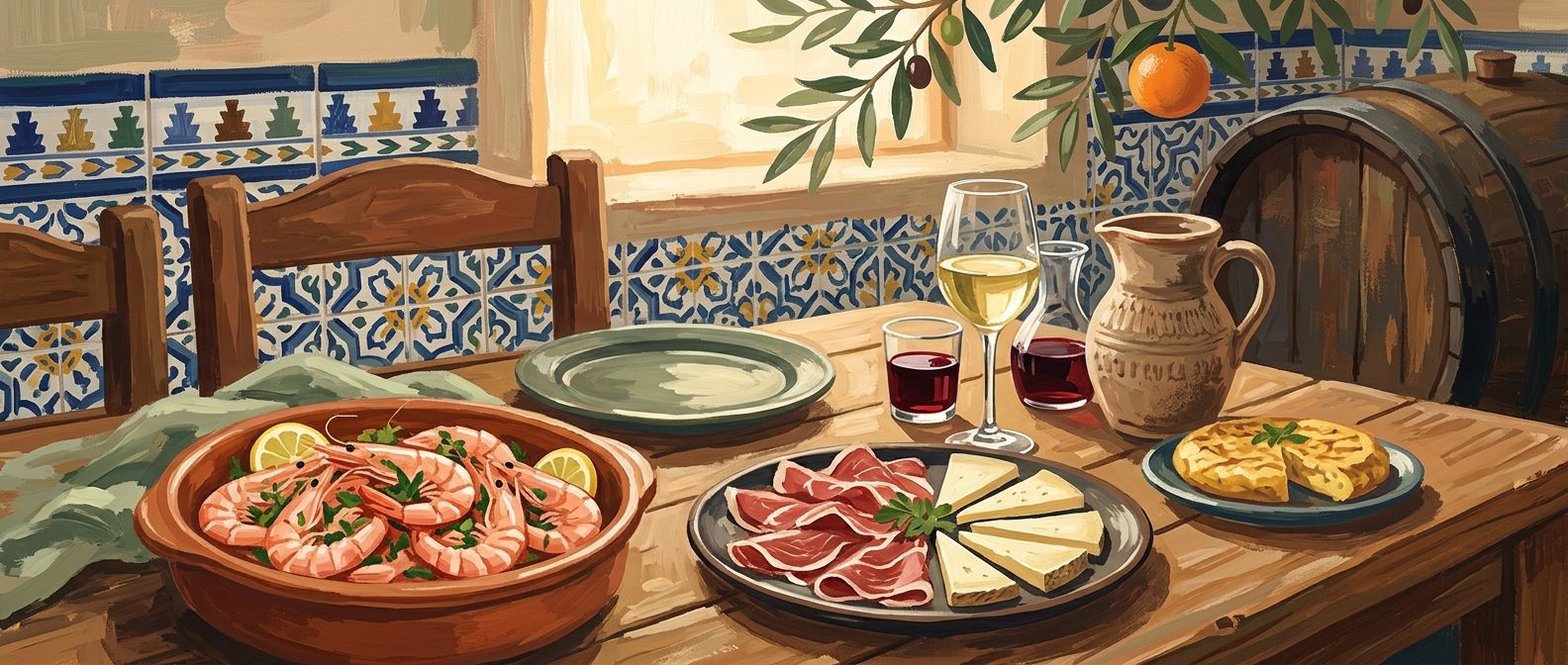
For a meal with an unbeatable view, Aires de Doñana is the premier choice. Situated right on the edge of the marshes, you can enjoy local specialities like Almonte-style lamb or fresh Atlantic fish while watching flamingos just metres away. The terrace is particularly pleasant at sunset. For a more traditional, rustic experience, head to Restaurante Toruño. Located in the heart of the village, it serves hearty portions of Iberian pork and revueltos (scrambled eggs) in a dining room decorated with equestrian motifs. It is popular with locals and pilgrims alike, offering a true taste of the region's agricultural heritage.
Where to Stay
Accommodation in El Rocío is often found in traditional houses converted into guest stays. Hotel La Malvasía offers a touch of luxury with its classic Rociero architecture and refined interior design, providing a peaceful retreat after a day of exploring. Alternatively, Hotel Toruño is a reliable option with many rooms offering direct views over the marshes. The annual Romería takes place over the Pentecost weekend. Be aware that during this period, prices skyrocket and rooms are often booked years in advance, so plan your visit for the quieter shoulder seasons.