Matalascañas is the only point where the developed coast of Huelva meets the strictly protected wilderness of Doñana National Park. It offers a rare opportunity to walk directly from a modern resort onto some of the most remote and beautiful virgin beaches in Europe.
Matalascañas occupies a singular position on the Huelva coastline. While most of the province’s seaside towns are traditional fishing villages that grew into holiday spots, Matalascañas was specifically designed in the 1960s and 70s as a high-capacity tourist centre. However, its architectural style is secondary to its geography. Located within the municipality of Almonte, it is almost entirely surrounded by the Doñana National Park, creating a stark line where the hotels end and the shifting sand dunes begin.
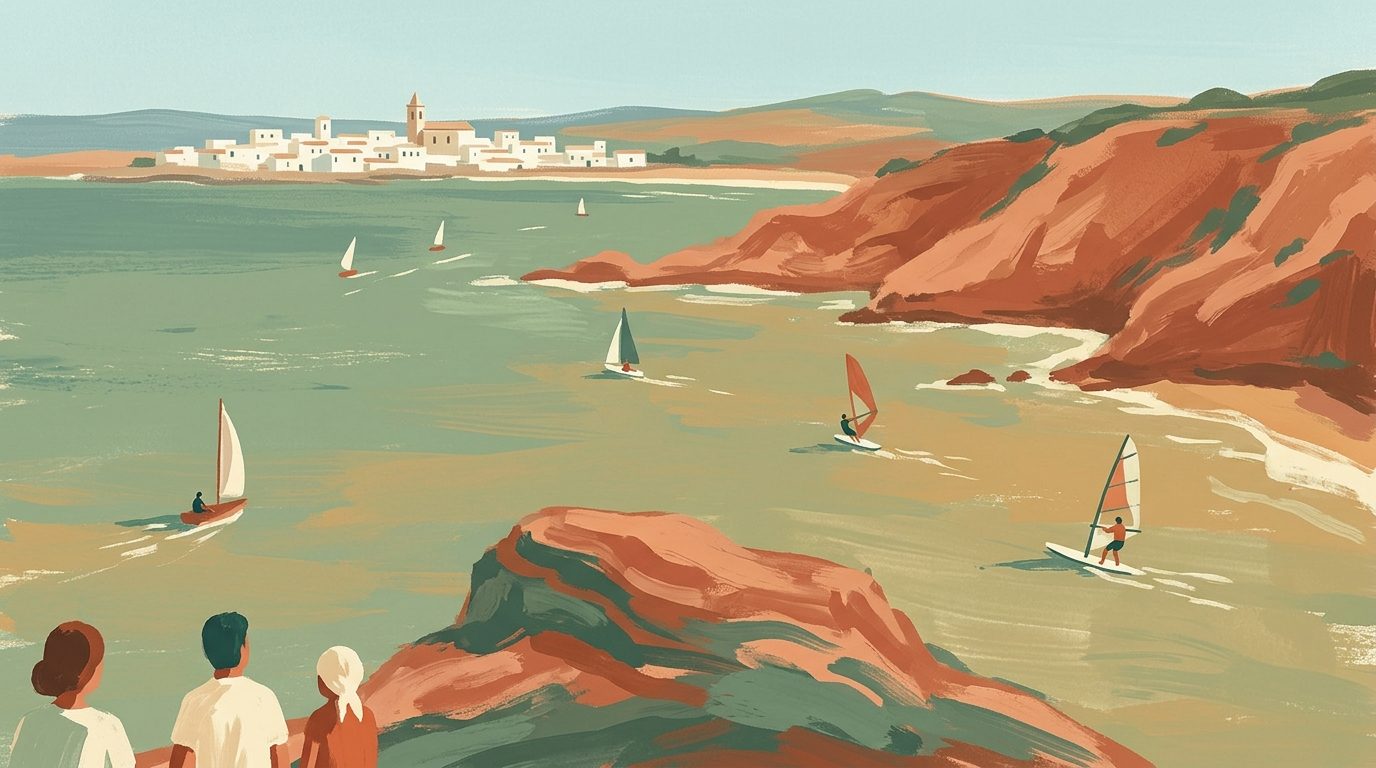
For visitors, this means you get the best of both worlds. You can enjoy the comforts of a sun-lounger and a cold drink at a beach bar, then walk for ten minutes to find yourself in a landscape that looks exactly as it did centuries ago. The resort serves as a practical base for exploring the marshes, forests, and dunes of one of Europe’s most important wetlands, while providing over five kilometres of its own golden sand for those who simply want to soak up the Atlantic sun.
What to See & Do
The Upside-Down Tower (Torre de la Higuera)
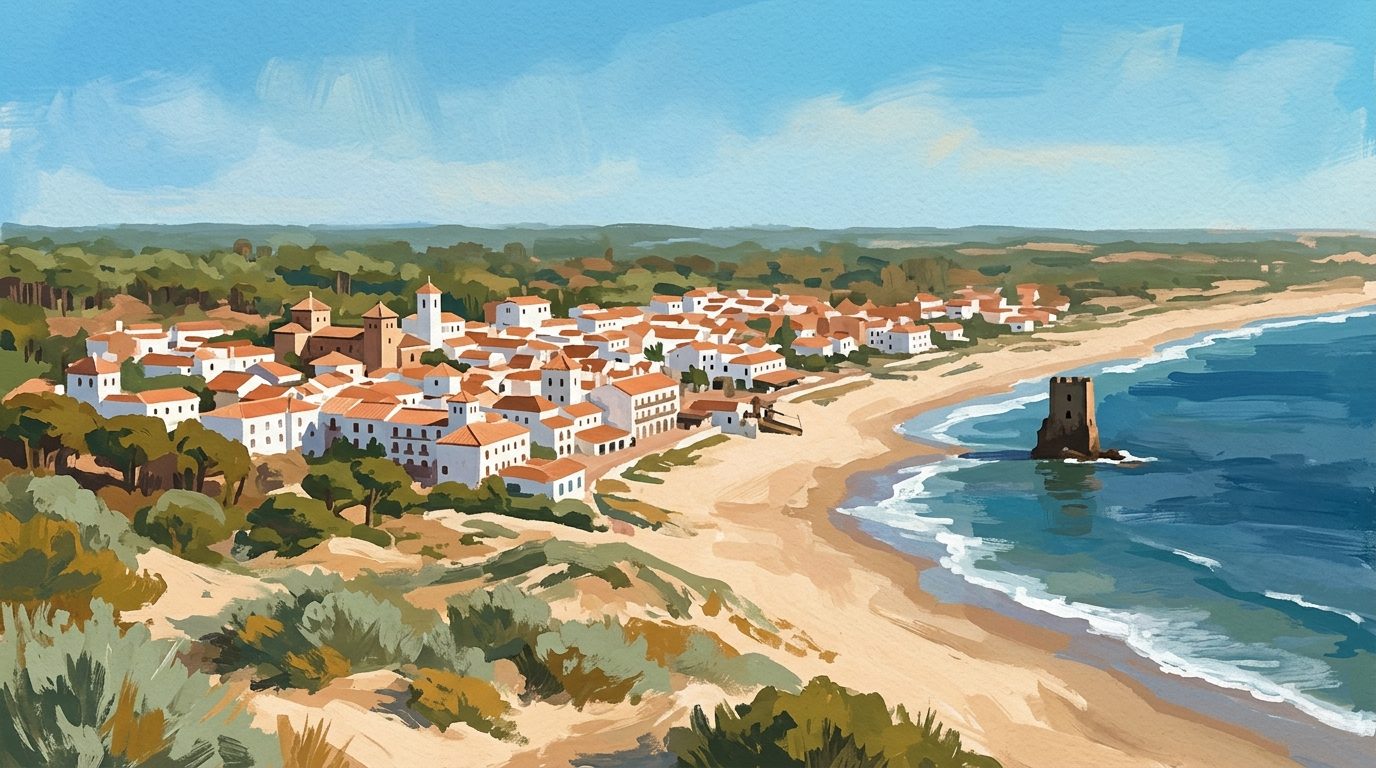
The most famous sight in Matalascañas is not a building, but a ruin. If you look out to sea from the central beach area, you will notice a large, rectangular block of ancient masonry rising from the surf. This is the Torre de la Higuera, a 16th-century watchtower that was part of a defensive line built to warn against Barbary pirate raids. The massive earthquake of 1755 (the same one that devastated Lisbon) toppled the tower, and it has remained half-submerged in the sand ever since. At low tide, it is a favourite spot for photographs, symbolising the power of the Atlantic over human construction.
Playa de Doñana: The Walk into the Wild
If you head east along the shoreline, away from the hotels, you eventually pass a boundary marker that signals the start of the Doñana National Park. Beyond this point, there are no more buildings, roads, or facilities for nearly 30 kilometres until you reach the mouth of the Guadalquivir River. This is Playa de Doñana, one of the longest stretches of virgin beach in Spain. Walking here is a meditative experience; the only sounds are the crashing waves and the wind whistling through the marram grass. It is essential to carry water and sun protection, as there is zero shade or service once you enter the park territory.
The Asperillo Dune System and Cliff Walks
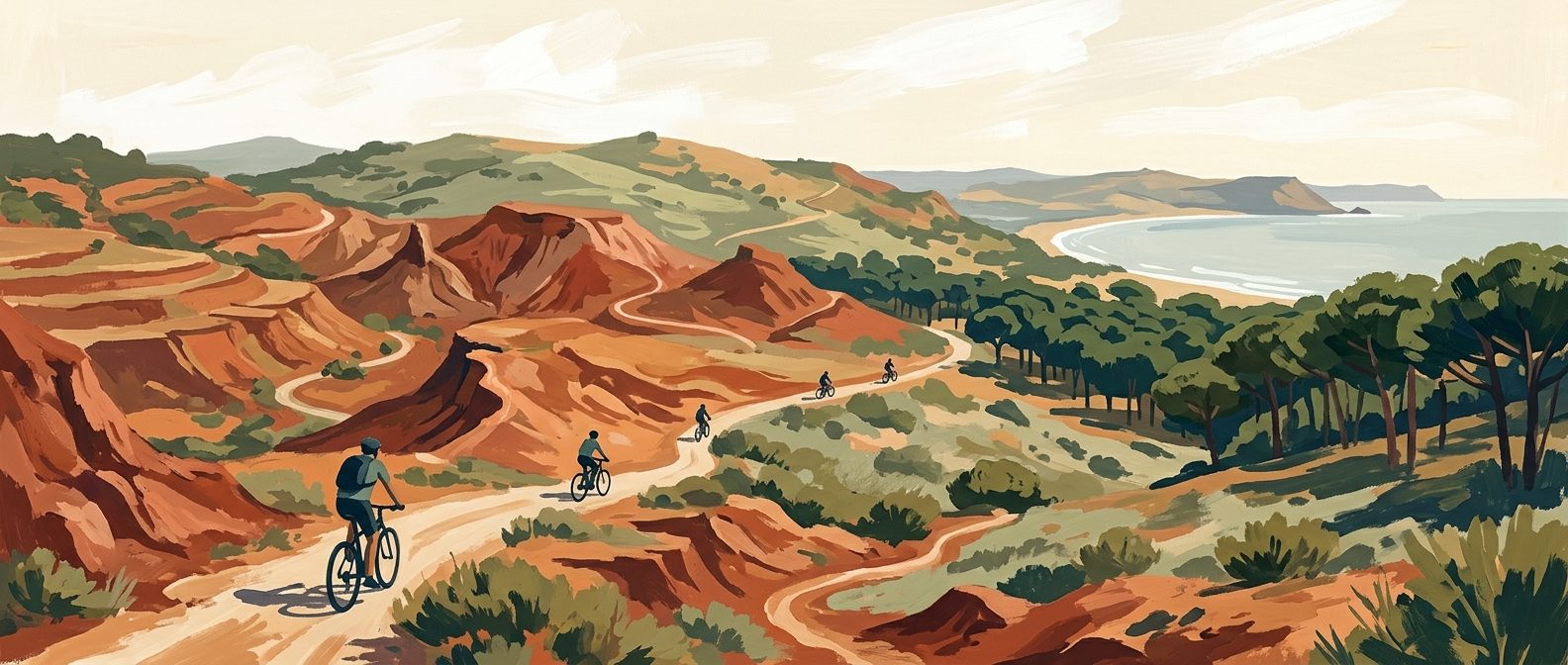
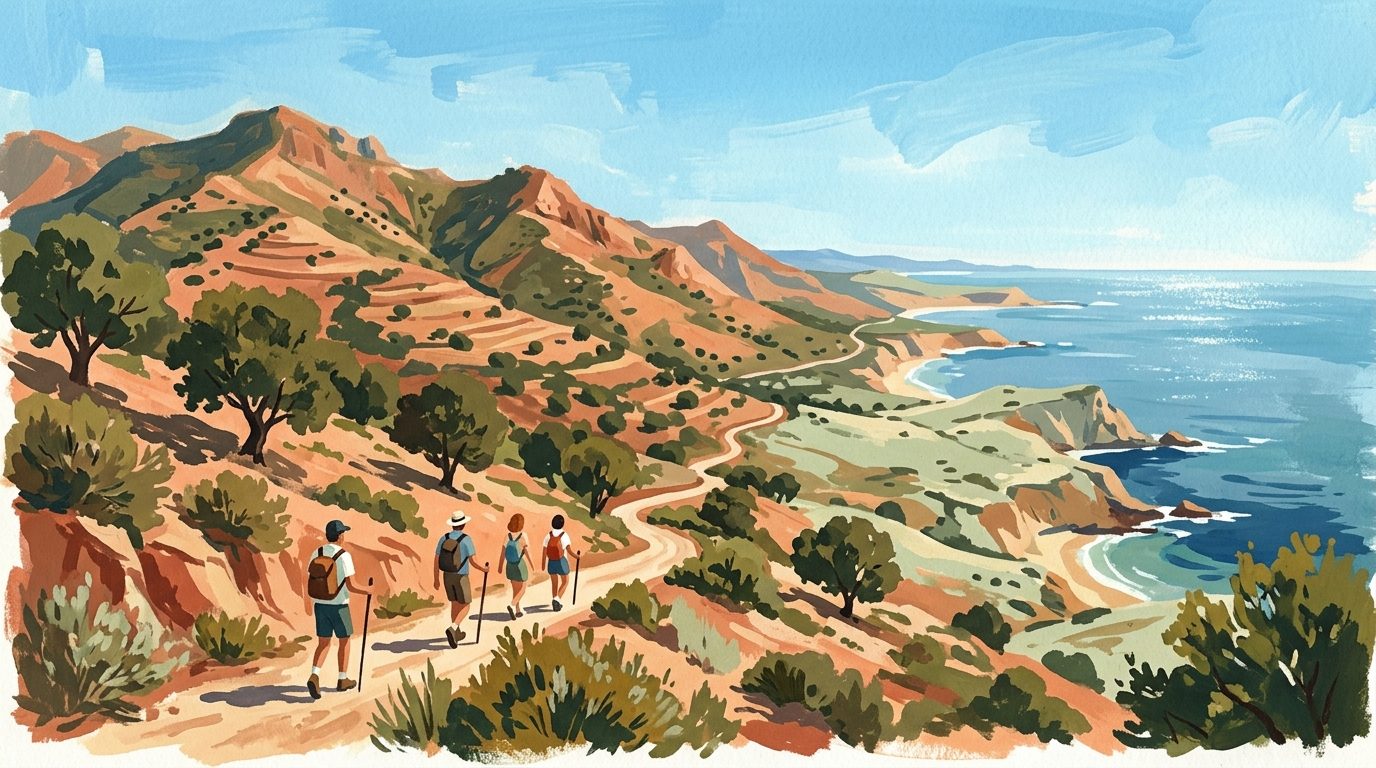
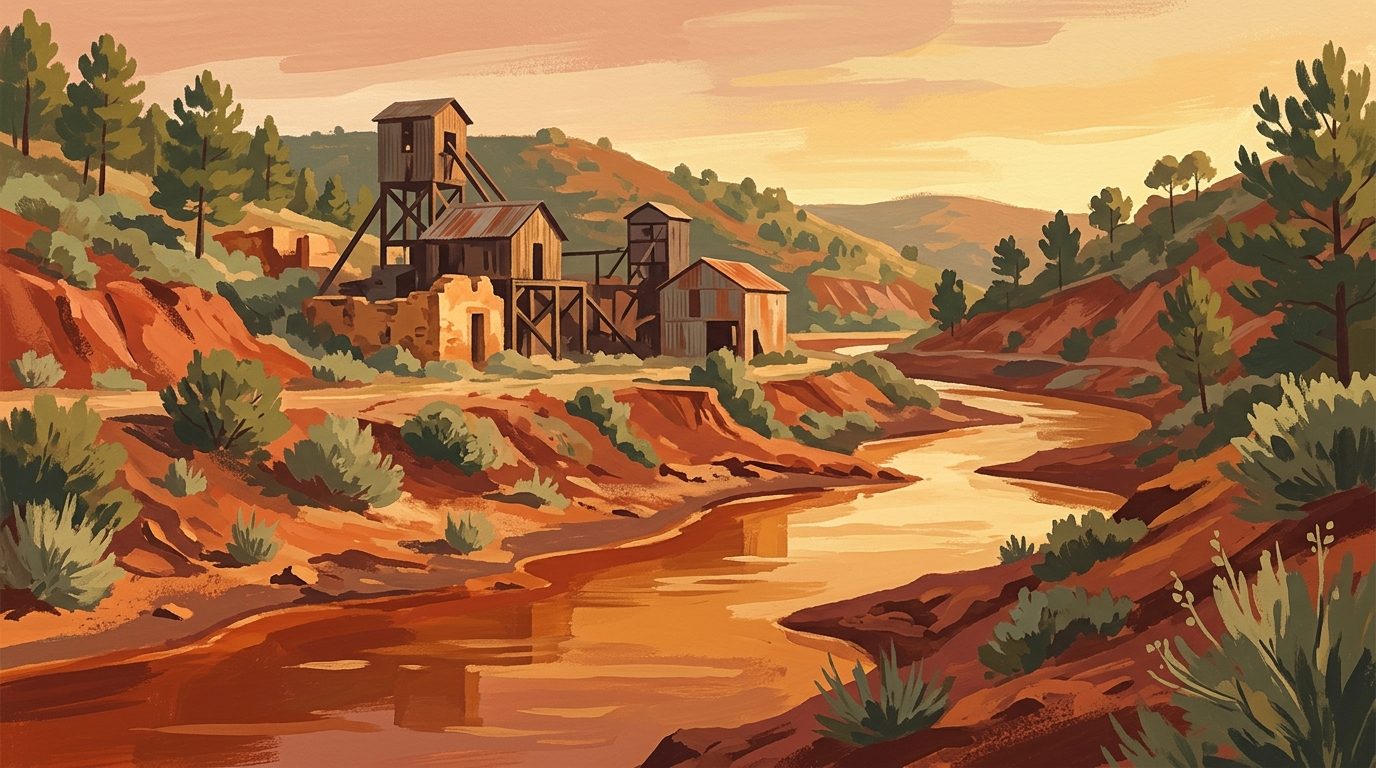
To the west of the town lies the Acantilado del Asperillo, a system of fossilised dunes that form high, orange-hued cliffs. These are some of the highest coastal dunes in Europe. There are several marked walking trails, such as the Sendero del Acantilado del Asperillo, which takes you along the crest of the dunes for spectacular views over the ocean. Another popular spot is the Cuesta de Maneli, located about 15 minutes' drive west of Matalascañas. A wooden boardwalk leads you through a landscape of Mediterranean scrub and pine trees before descending a steep staircase to a quiet, wide beach that feels worlds away from the resort centre.
4x4 Tours of the National Park
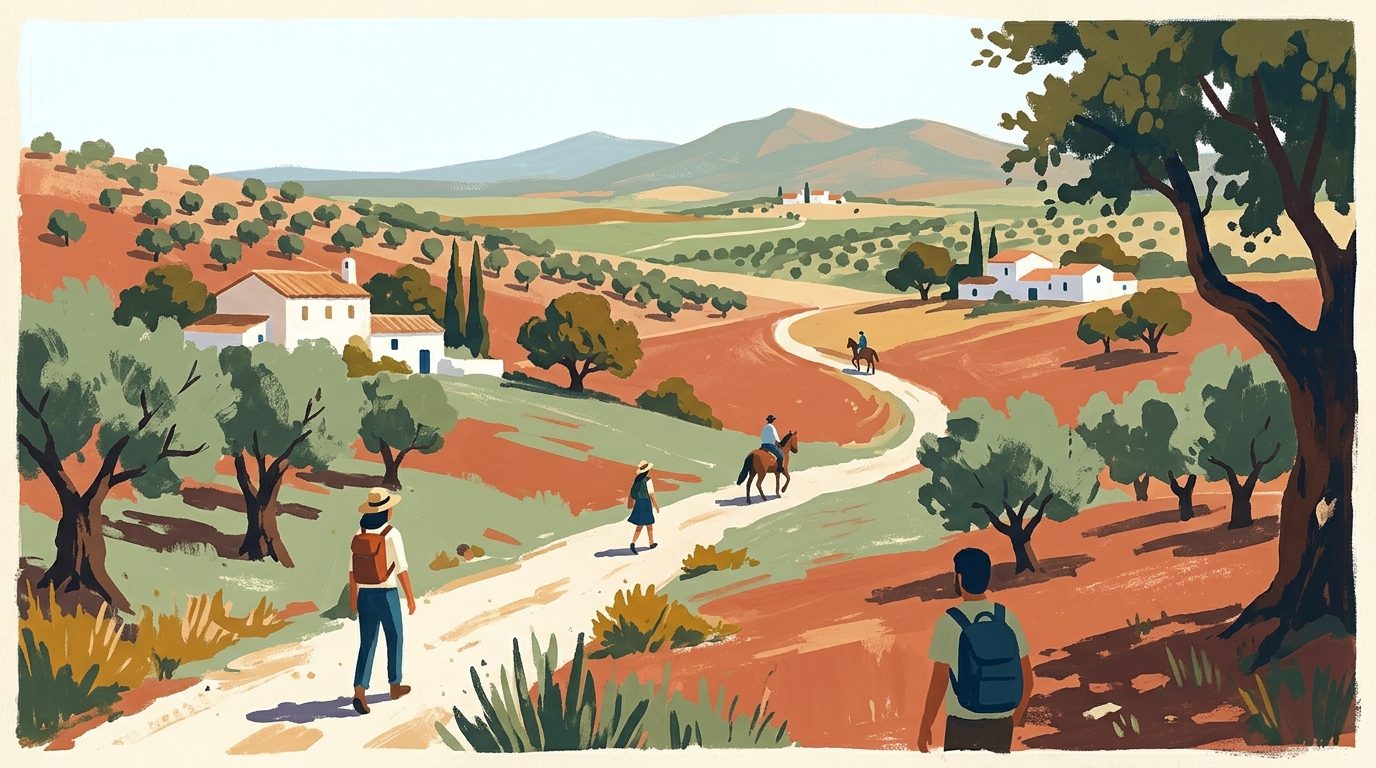
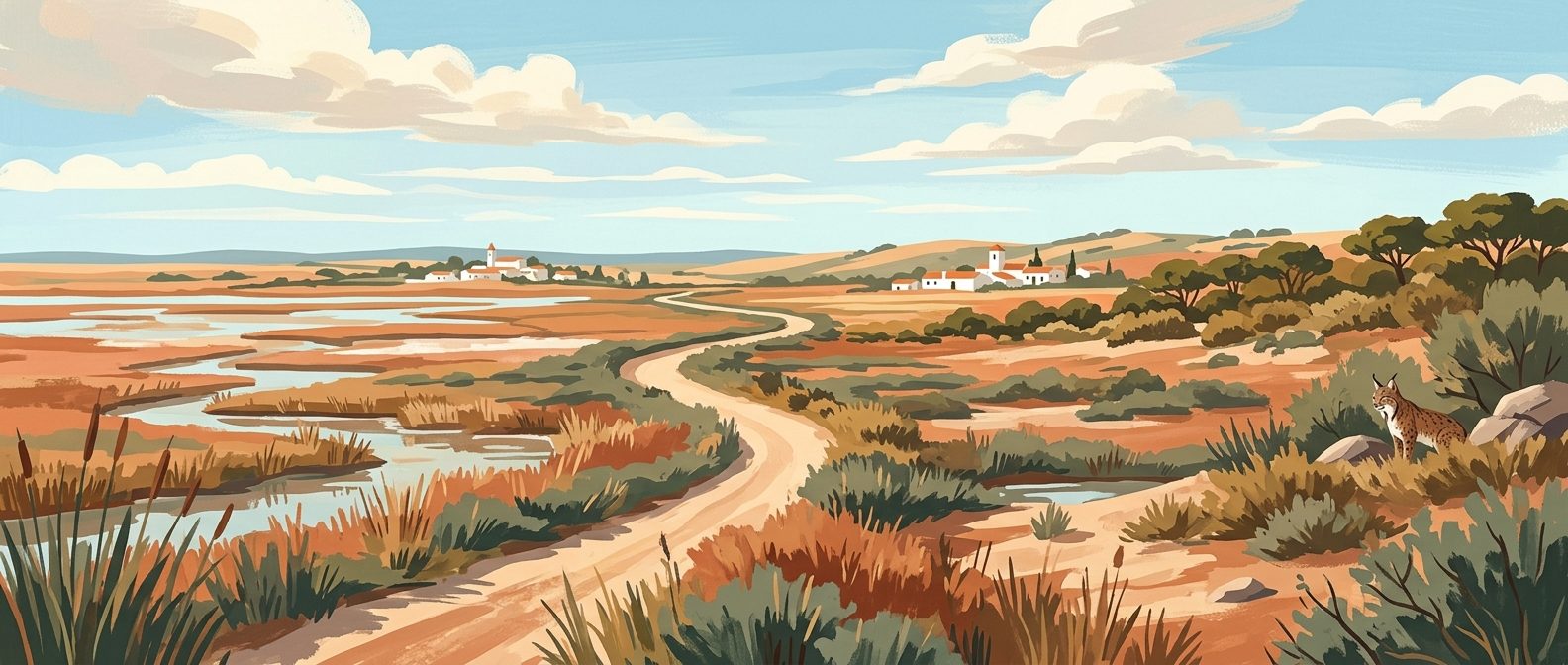
While you can walk along the beach into Doñana, you cannot enter the interior marshes or forests on your own. To see the Iberian lynx, imperial eagles, or the famous wild horses, you must book a guided tour. The El Acebuche Visitor Centre, located just outside Matalascañas, is the main departure point for these excursions. High-clearance 4x4 buses take small groups through the different ecosystems, including the mobile dunes which move several metres every year, gradually burying the pine forests in their path.
Practical Information
Opening Times: The beaches of Matalascañas are public and open year-round. However, the Doñana National Park has restricted access. The El Acebuche Visitor Centre is generally open from 08:00 or 09:00 until sunset. If you plan to visit during the summer months, it is wise to arrive at the beach early, as it is a popular weekend getaway for residents of Sevilla and Huelva.
Prices: Access to the beaches and the dune walking trails is free. If you wish to take a 4x4 guided tour of Doñana, prices for the 'South Route' (departing from El Acebuche) typically cost around €35 per adult and €20 for children under 10 as of early 2026 (check on the operator's website before travelling). It is highly recommended to book these several weeks in advance via the official tour portal, Cooperativa Marismas del Rocío, particularly in spring and autumn.
How to Get There:
- By Car: From Sevilla, take the A-49 motorway towards Huelva, exiting at Almonte/El Rocío (A-483). The drive takes approximately 1 hour and 15 minutes. From Huelva city, take the A-494 coastal road via Mazagón, which offers a scenic route through the pine forests.
- By Bus: The Damas bus company operates regular services from Sevilla’s Plaza de Armas station and Huelva’s main bus terminal. The journey from Sevilla takes about 1 hour 45 minutes to 2 hours, with tickets costing between €10 and €14 as of early 2026 (check on the operator's website before travelling).
Parking: Parking can be a significant challenge during July and August. There is plenty of free street parking in the residential 'sectors' (named Sector A, B, C, etc.), but these fill up by 10:00 at weekends. There are several large, paid car parks near the beachfront and the Gran Hotel del Coto which charge a daily rate of approximately €10 to €15.
Where to Eat Nearby
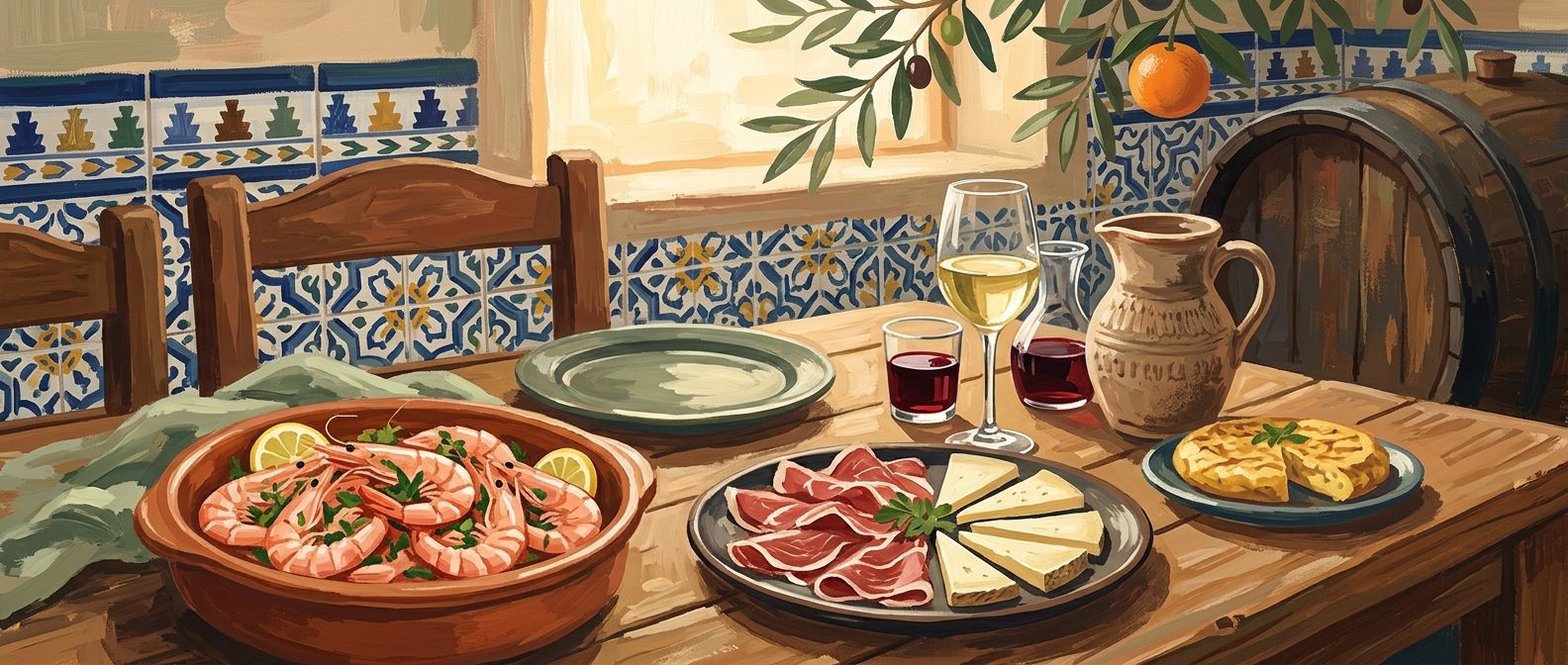
The culinary scene in Matalascañas focuses heavily on the famous white prawns of Huelva (gambas blancas) and fresh Atlantic fish. Alberto’s Restaurante is a local institution located near the waterfront; it is highly regarded for its traditional seafood dishes and views of the ocean from the terrace. Try the 'corvina' (meagre) or the grilled squid.
For a more casual experience, Costaluz Taberna in the Caño Guerrero area is an excellent choice for 'pescaíto frito' (fried fish) and local tapas. It is often filled with Spanish families, which is always a good sign of quality and fair pricing. Be sure to try the local white wine from the nearby Condado de Huelva region, which pairs perfectly with the salty sea air.
Where to Stay
Accommodation ranges from large-scale resorts to smaller hostals. On Hotels Oceanfront is the most modern and stylish option in town, catering primarily to adults with its sleek pool area and beach club. For those who want the quickest access to the National Park, the Gran Hotel del Coto is situated at the very edge of the resort. Its gardens lead directly onto the sands that border the protected Doñana territory, making it ideal for nature lovers and walkers.