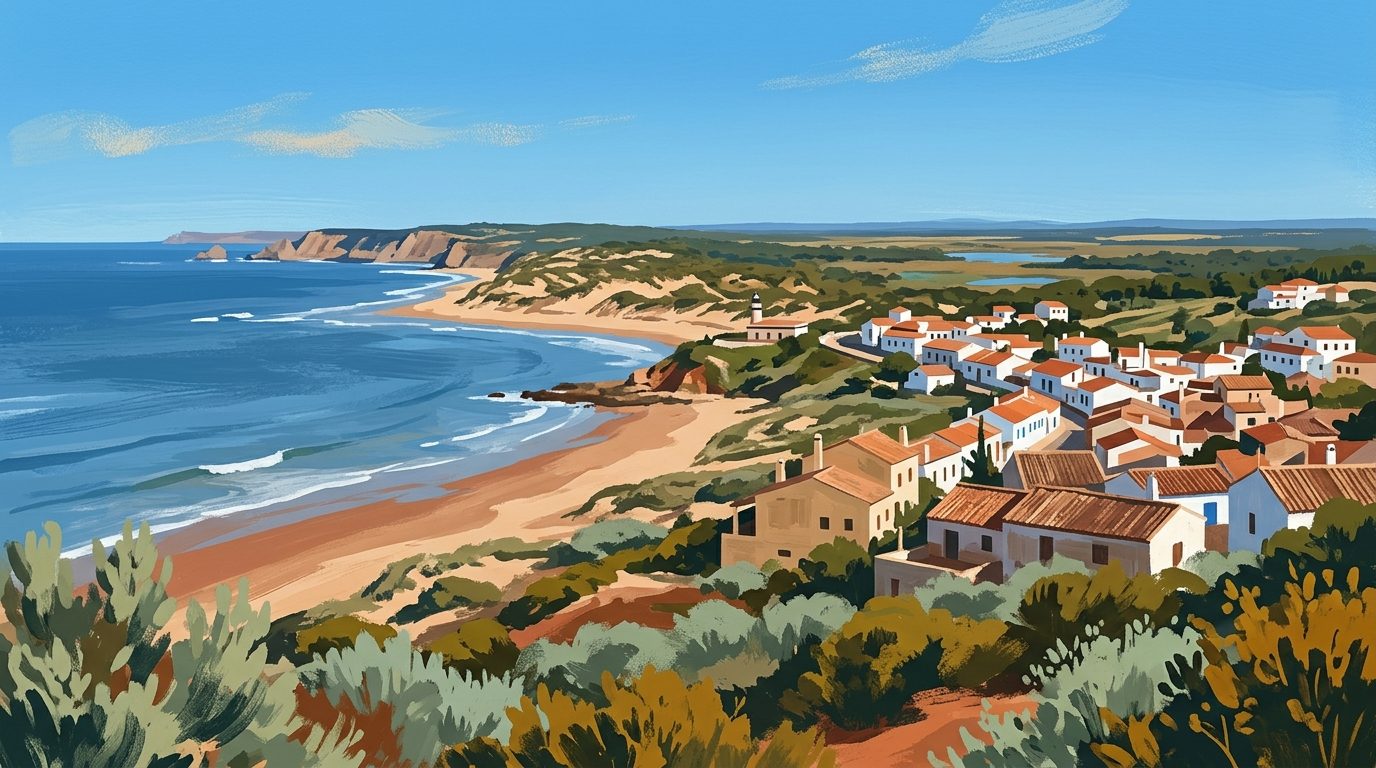
A peaceful alternative to the built-up resorts of the western Costa de la Luz, Mazagón offers vast stretches of golden sand backed by ancient dunes and fragrant umbrella pines. It serves as a gateway to the wilder reaches of the Doñana coastline, where nature remains largely undisturbed.
Mazagón occupies a unique position on the Huelva coastline. Situated at the mouth of the Tinto and Odiel rivers, it marks the point where the industrial landscape of Huelva city gives way to the protected wilderness of the Doñana Natural Space. Unlike the high-rise developments found in the central Costa del Sol, Mazagón has maintained a lower profile, characterised by low-density housing, extensive maritime pine forests, and some of the most impressive geological formations in Andalucía.
The town is shared between two municipalities, Moguer and Palos de la Frontera, and acts as a coastal lungs for the region. Visitors come here not for high-octane nightlife or theme parks, but for the luxury of space. Even in the height of August, a short walk along the shoreline away from the main town centre reveals kilometres of empty sand. It is a place for those who appreciate the scent of sea salt mixed with pine resin, and for those who prefer the sight of sandstone cliffs over concrete skylines.
What to See & Do
The Acantilado del Asperillo
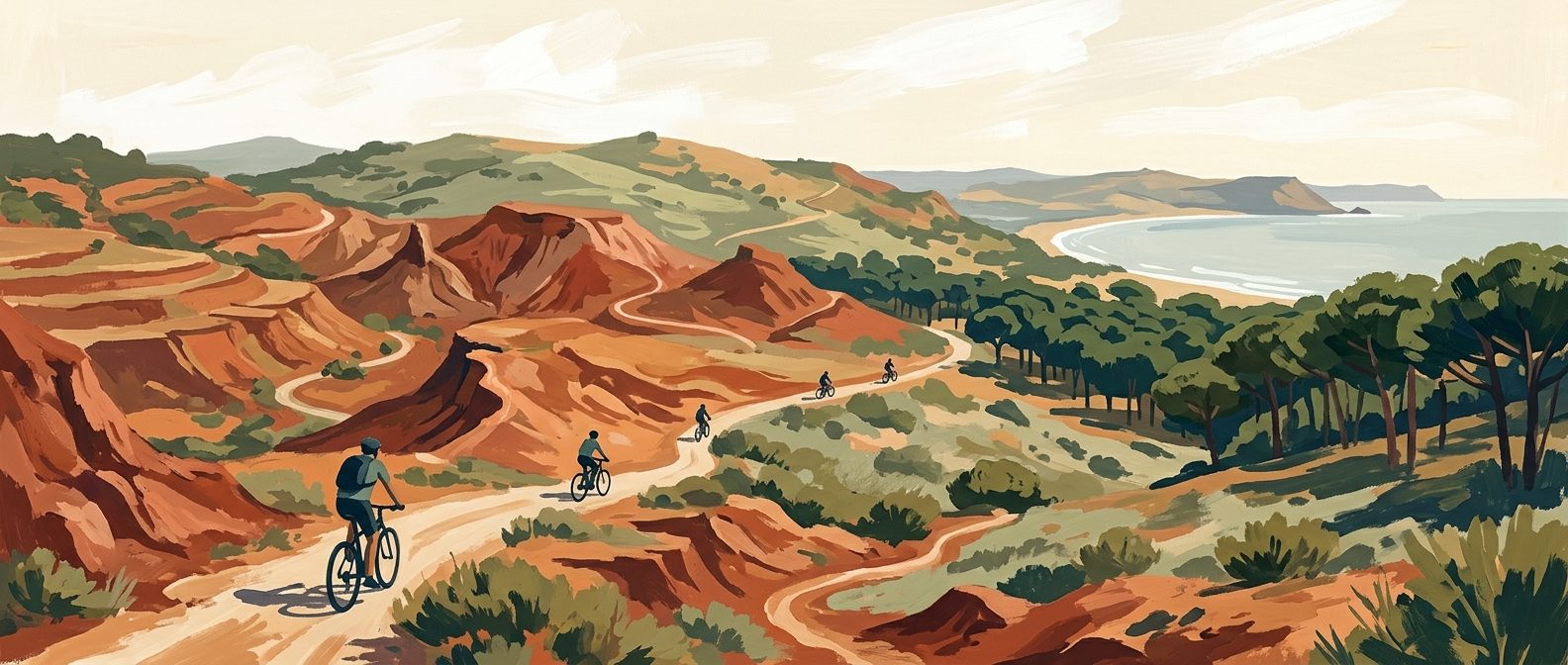
The most striking natural feature of Mazagón is the Acantilado del Asperillo. This is a massive fossil dune system that has hardened over millennia into orange and ochre sandstone cliffs. Rising up to 30 metres above the beach, these cliffs are a protected Natural Monument. They provide a dramatic backdrop to the shoreline and are a reminder of the shifting sands of the Doñana ecosystem. The oxidation of the minerals within the sand gives the cliffs their distinctive fiery hue, which becomes particularly intense during the golden hour before sunset.
Cuesta de Maneli
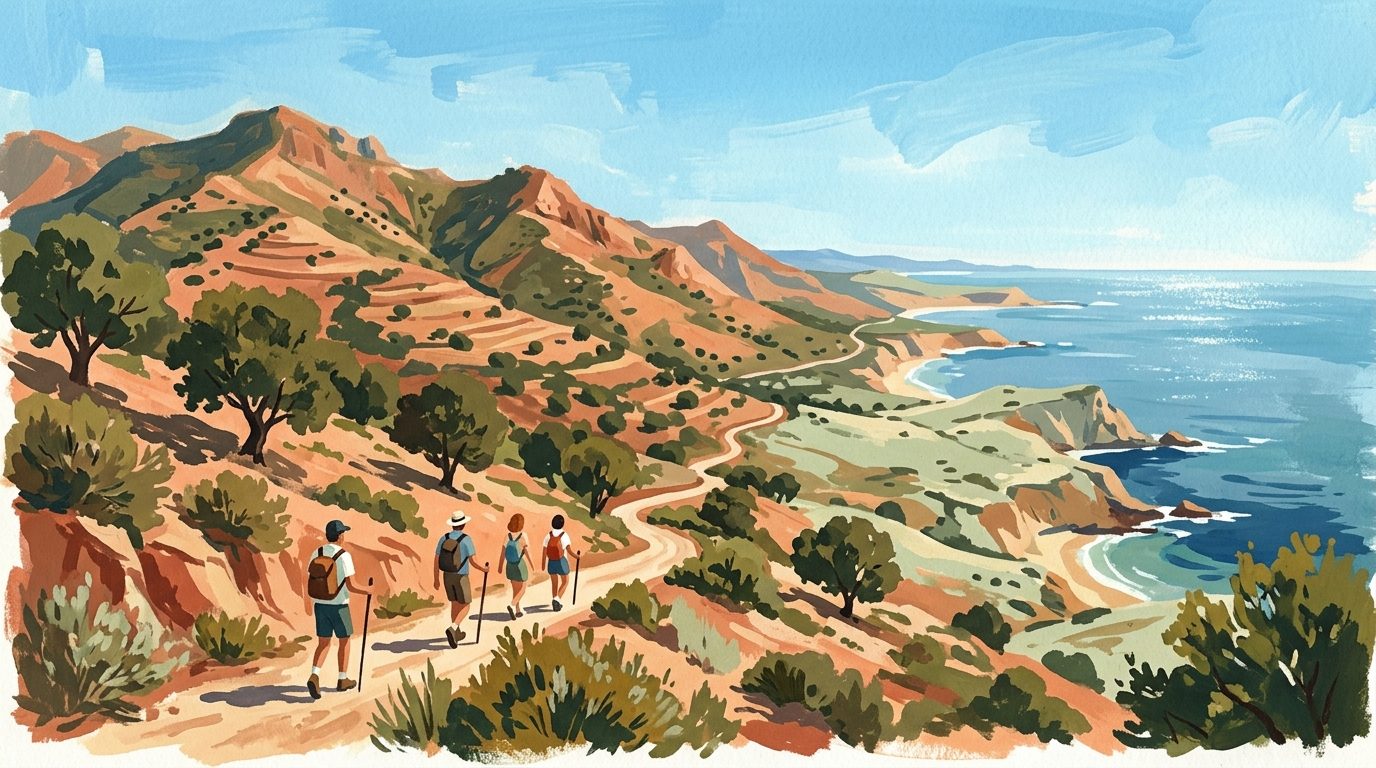
Located a few kilometres east of the town centre along the A-494 road, Cuesta de Maneli is arguably the finest beach experience in the province. To reach the water, you must walk along a 1.2-kilometre wooden boardwalk that snakes through the pine forest and over the dunes. This walk is an experience in itself, allowing you to observe the transition from Mediterranean scrubland to coastal vegetation. At the end of the path, the boardwalk crests over the Asperillo cliff, offering a panoramic view of an endless, wild beach. There are no bars, no sunbeds, and no buildings in sight: just the Atlantic Ocean and the wind.
The Marina and Lighthouse
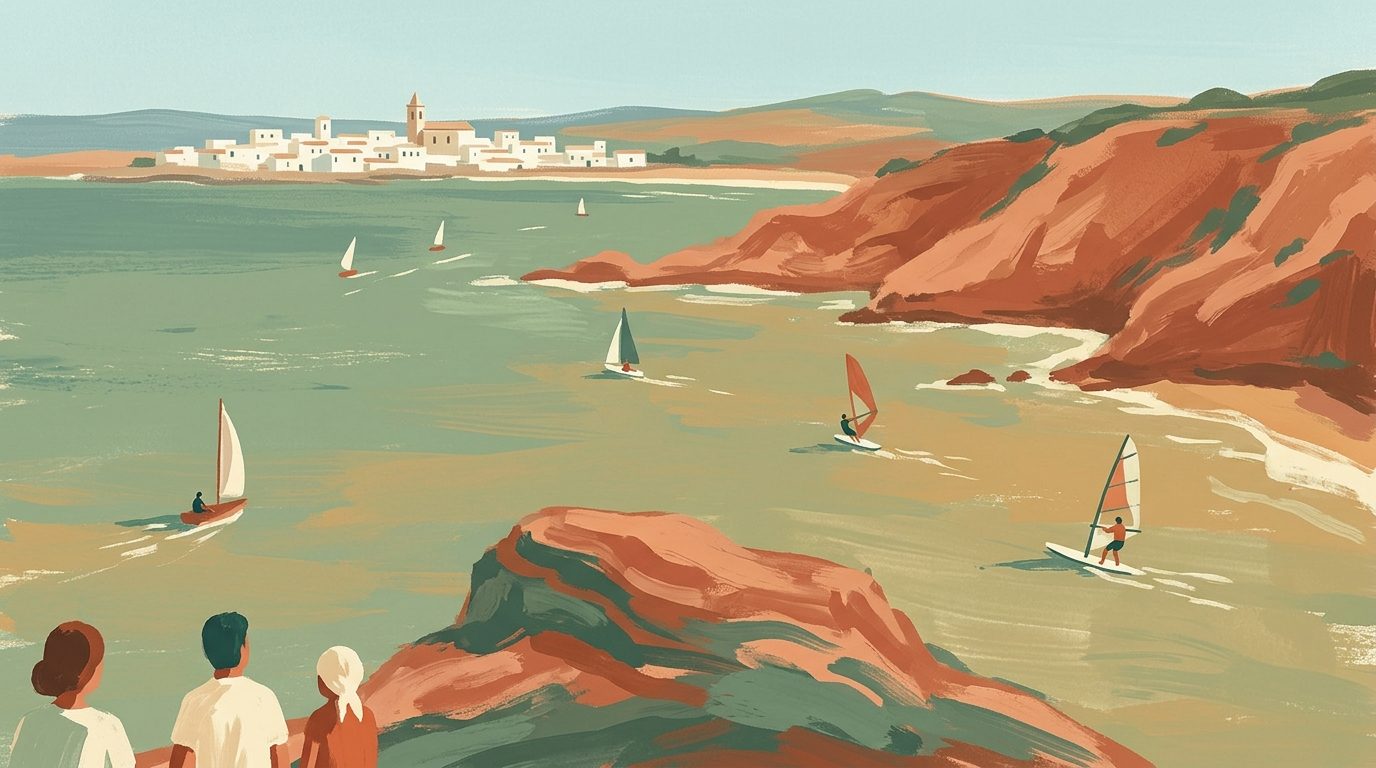
The Puerto Deportivo de Mazagón is the local marina and serves as the social hub for the town. It is an excellent spot for a morning stroll to watch the fishing boats and leisure yachts. Nearby stands the Faro de Mazagón, a sturdy nineteenth-century lighthouse that still guides ships into the Huelva estuary. While the lighthouse interior is generally closed to the public, the surrounding area provides elevated views of the coastline and the massive breakwater that protects the port. The marina area is also the best place to find sailing schools and boat charters if you wish to see the cliffs from the water.
Pinares de Mazagón
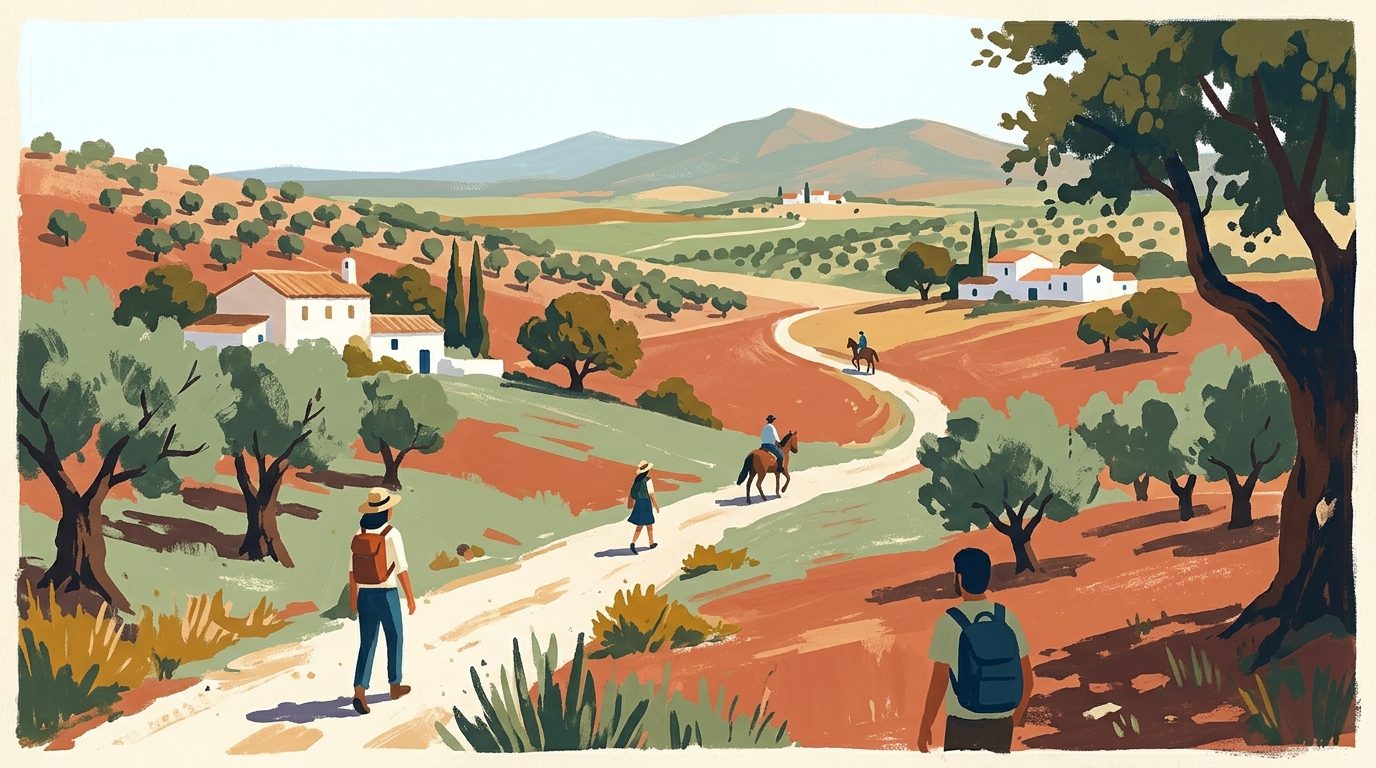
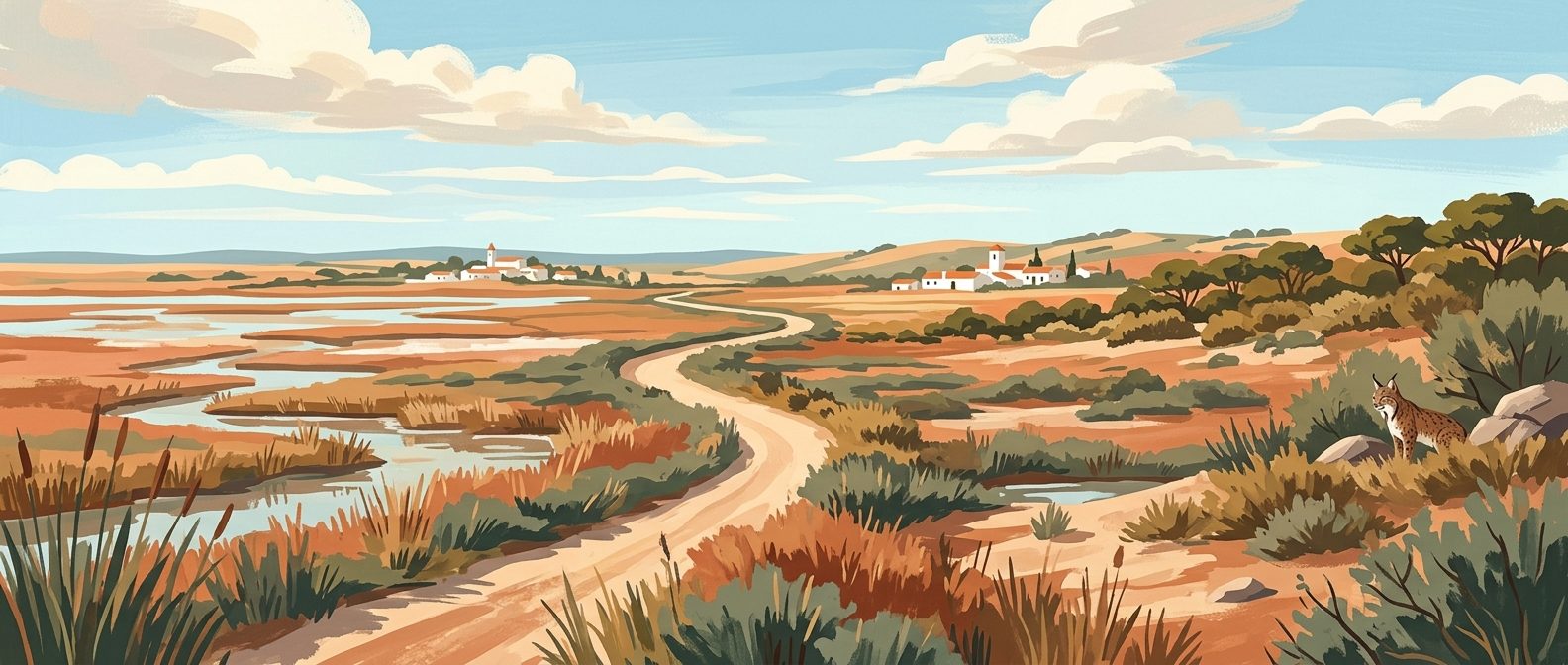
The town is enveloped by the Pinares de Huelva, vast forests of stone pines that were originally planted to stabilise the shifting dunes and provide timber. Today, they offer a cool, shaded environment for hiking and cycling. Several marked trails crisscross the forest, leading away from the coast into the interior of the Doñana Natural Space. These woods are home to diverse birdlife and, though elusive, the Iberian Lynx is known to inhabit the deeper reaches of this territory. The fragrance of the pines, especially after a brief rain shower, is one of the defining sensory experiences of a visit to Mazagón.
Playa del Parador
For those seeking a beach with easier access but still surrounded by nature, Playa del Parador is the ideal choice. Located beneath the state-run Parador hotel, this beach is accessible via a steep but paved ramp. It features the same golden sands and cliff backings as the wilder spots but offers basic seasonal services like lifeguards and a small beach bar (chiringuito). It is particularly popular with families due to the relatively calm waters and the convenience of the nearby car park.
Practical Information
Getting There: Mazagón is approximately 20 kilometres from Huelva city. If driving from Sevilla, take the A-49 motorway towards Huelva and exit onto the H-31, then follow signs for the A-494. The journey from Sevilla takes about 75 minutes. For those using public transport, the Damas bus company (part of the Huelva Transport Consortium) operates a regular service (Lines M-402 and M-403) from Huelva’s main bus station. Tickets cost approximately €2.00 each way (check the consortium website for current fares), and the journey takes roughly 30 to 40 minutes.
Parking: In the town centre, parking can be difficult during summer weekends. However, large designated car parks are available near the marina and at the entrance to the Cuesta de Maneli trail. The Cuesta de Maneli car park charges a small fee (usually around €2.00, subject to change) during the high season to help maintain the boardwalks.
Opening Times & Prices: The beaches and pine forests are public spaces and are open 24 hours a day with no entry fee. The marina is free to wander. Most shops and local services follow the standard Spanish schedule, closing for a siesta between 14:00 and 17:30.
Where to Eat Nearby
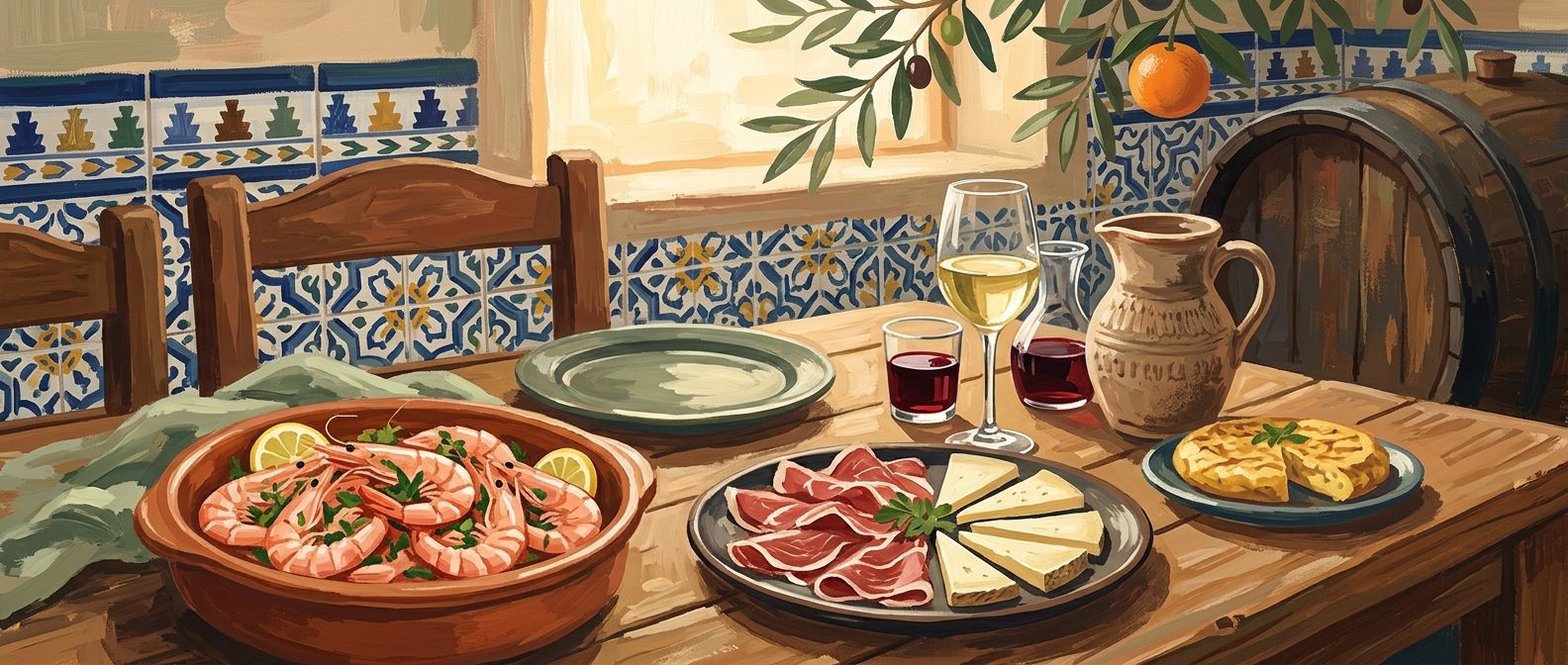
The gastronomy in Mazagón revolves around the daily catch from the Huelva coast. You should prioritise the *Gamba Blanca de Huelva* (white prawns) and *Choco* (cuttlefish), which is so central to the local diet that Huelva residents are nicknamed 'Choceros'.
Restaurante El Choco: Located on Calle El Choco, this is a local institution. It is unpretentious and focuses on exceptionally fresh seafood. Their grilled cuttlefish and fried baby squid are local favourites. Expect to pay around €25 to €35 per person for a full meal.
El Remo: Situated right on the beach, this restaurant offers a more refined dining experience with excellent views of the Atlantic. It is a superb spot for trying *Urta a la Roteña* (sea bream) or local red tuna. Their terrace is highly sought after during sunset.
Where to Stay
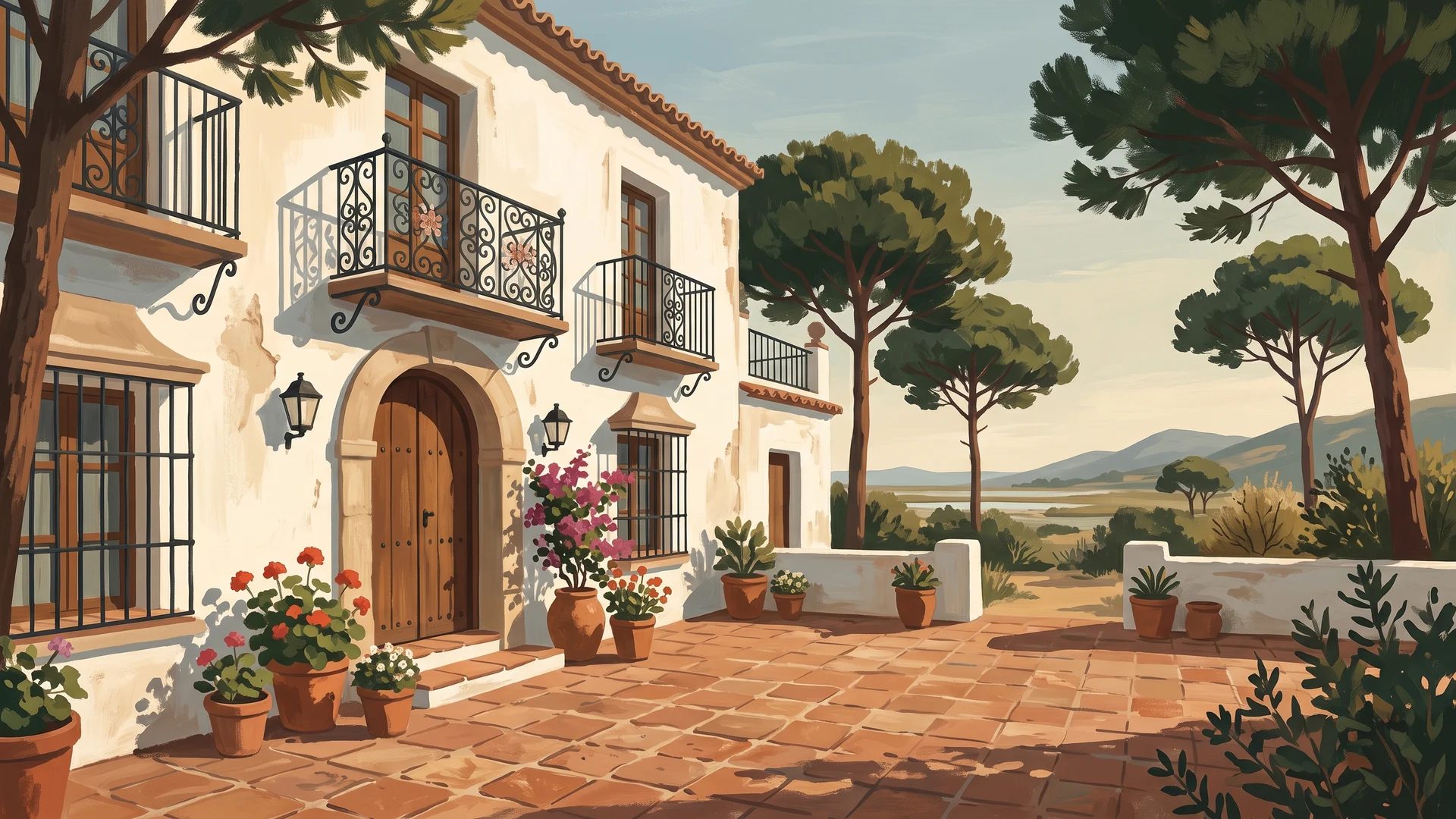
The standout accommodation is the Parador de Mazagón. This state-run hotel is situated within the Doñana Natural Space on a bluff overlooking the ocean. It offers direct beach access, a swimming pool, and gardens filled with native plants. For a more central, budget-friendly option, Hotel Mazagón offers comfortable rooms and a large water park area, making it a popular choice for families who want to be within walking distance of the marina and town restaurants.