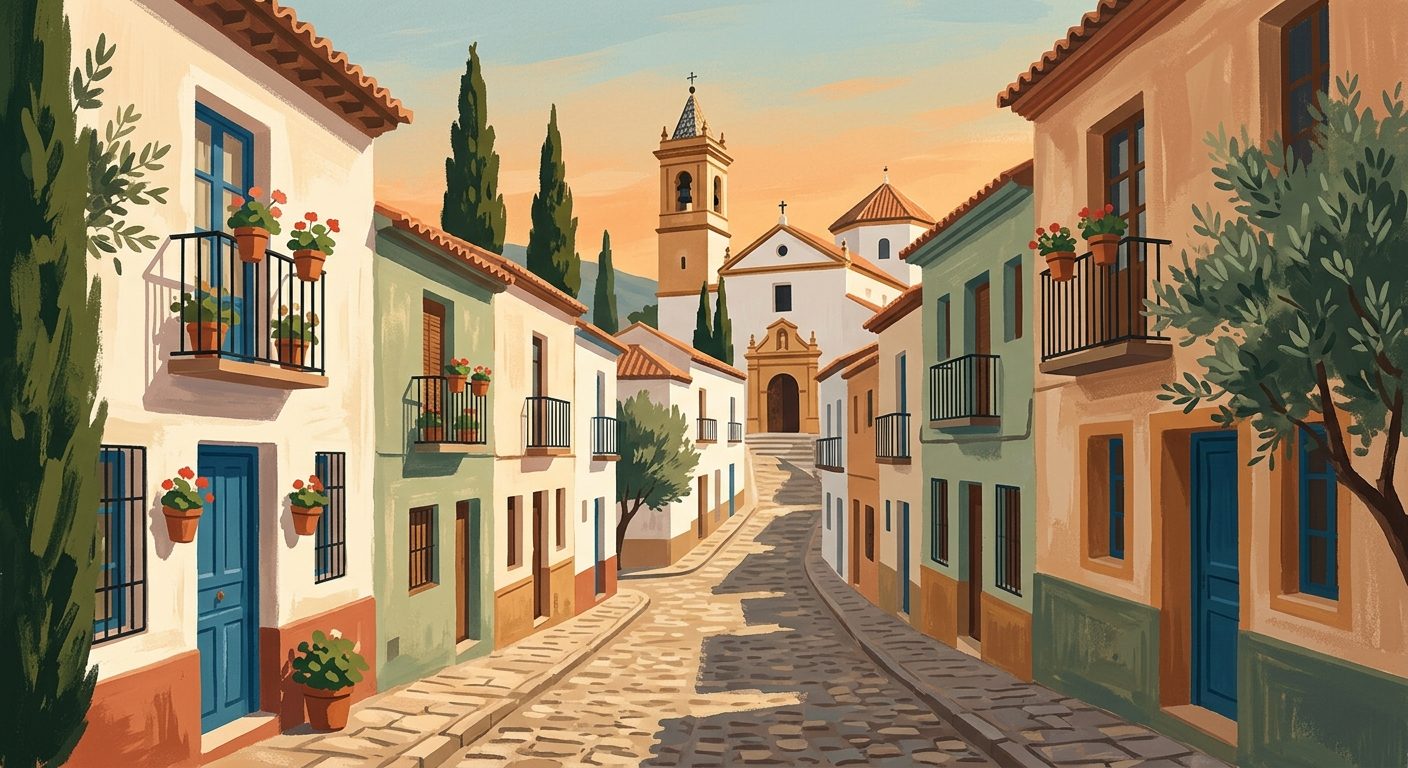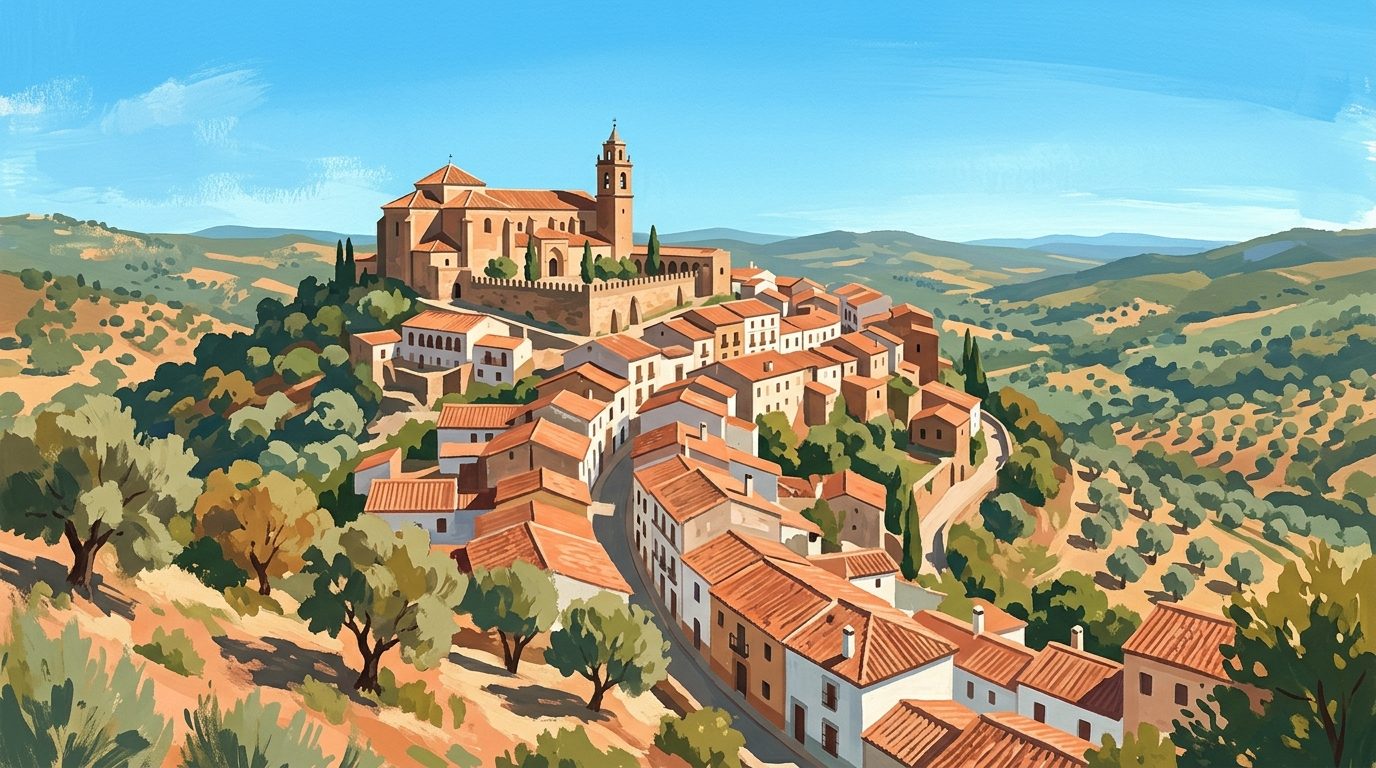
Standing atop a rugged ridge in the Sierra de Aracena, Almonaster la Real holds one of Spain’s rarest architectural survivors: a tenth-century rural mosque. This quiet village invites you to step through centuries of history, from Roman foundations to the distinctive Gothic-Manueline flourishes of its parish church.
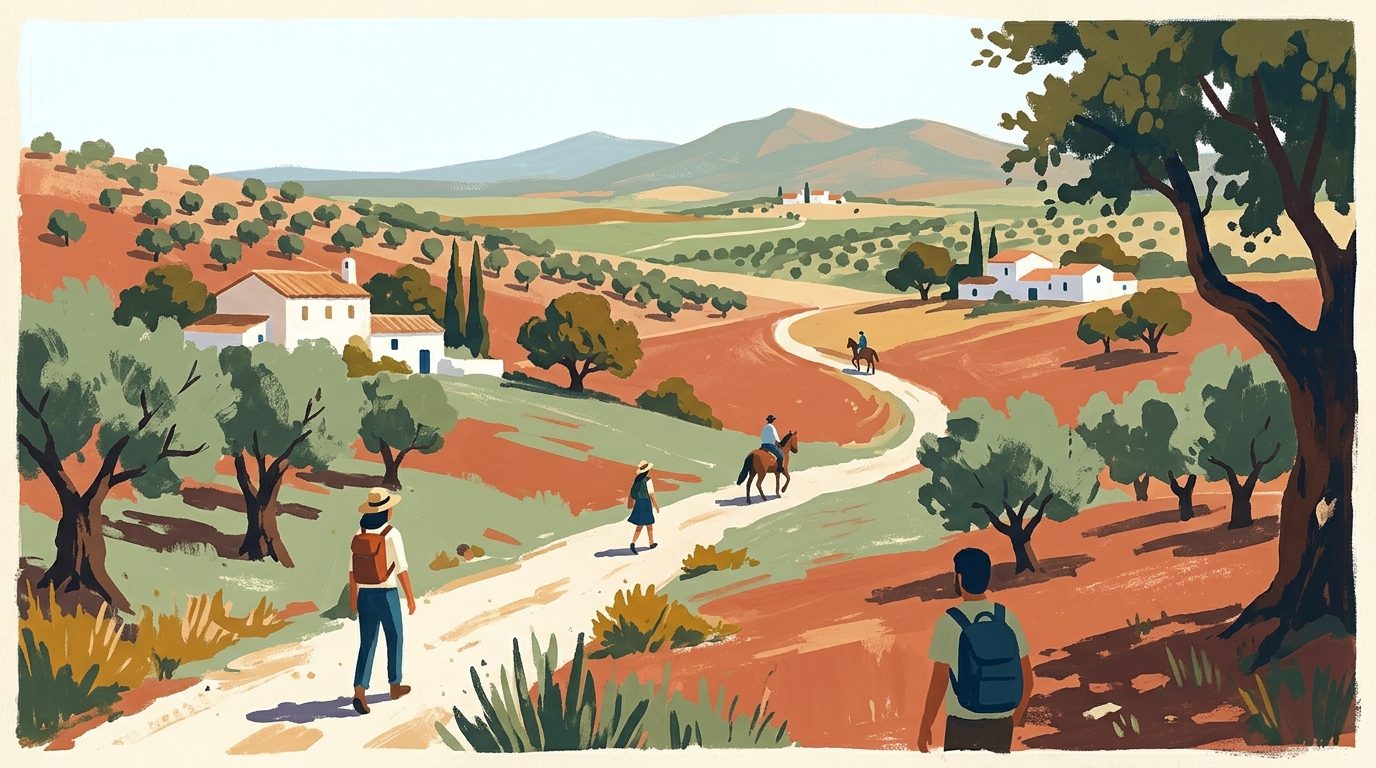
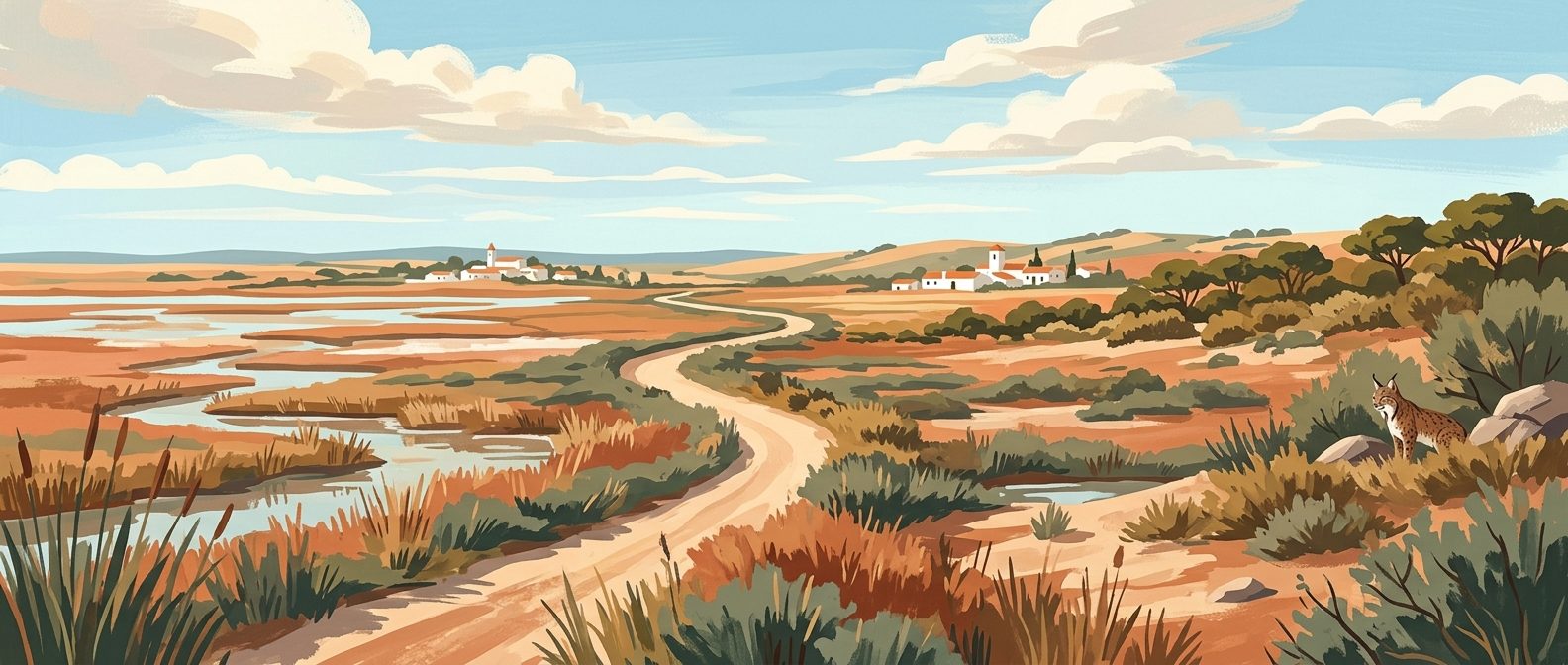
Approaching Almonaster la Real involves a winding journey through the dense cork oak and chestnut forests of the Sierra de Aracena y Picos de Aroche. As the road turns, the village reveals itself, topped by a fortress that has guarded this frontier for over a millennium. Unlike many mountain villages that have been modernised beyond recognition, Almonaster retains an architectural integrity that feels both ancient and lived-in. It is a place where the sounds of the forest, the rustle of leaves and the distant bells of grazing livestock, still define the atmosphere.
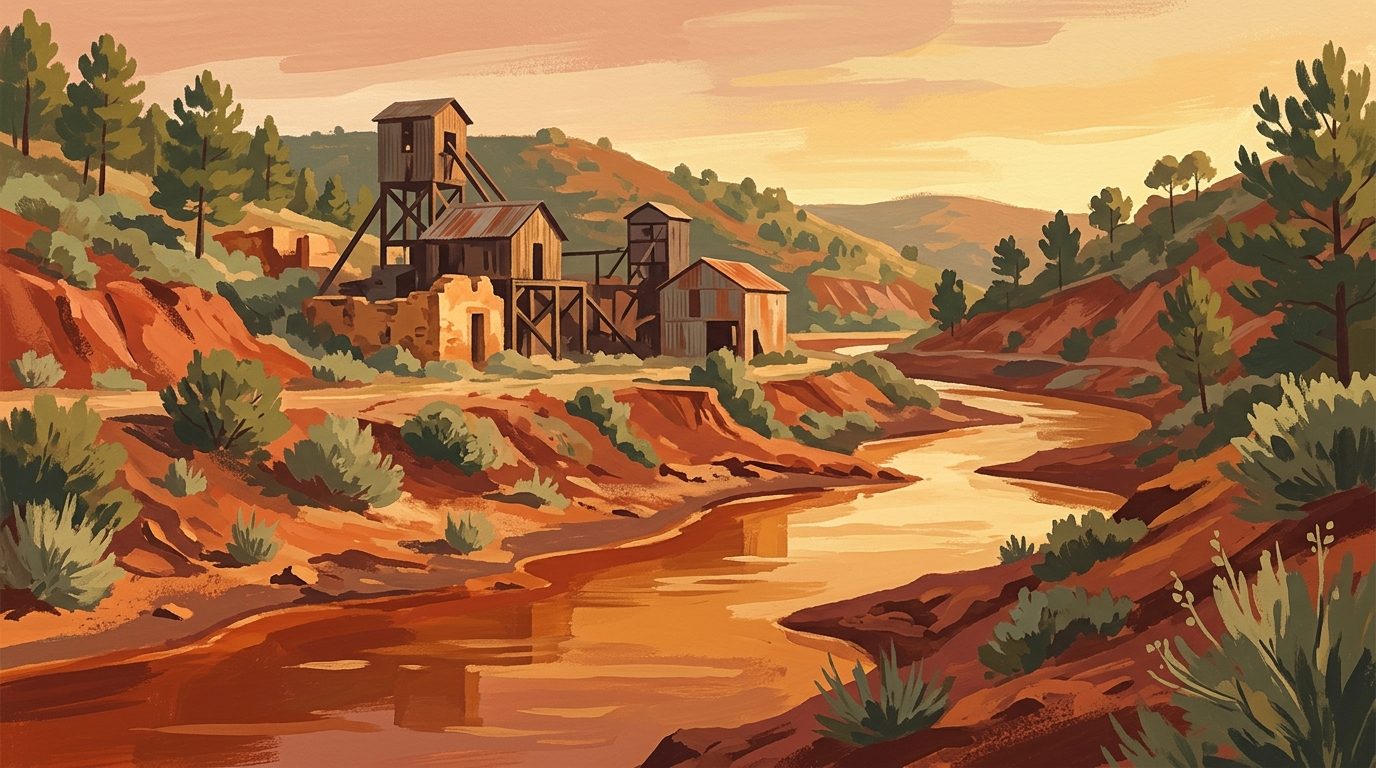
The village is situated in the north-western corner of Huelva province, a region defined by its slate hills and high rainfall, which keeps the landscape startlingly green for much of the year. While many visitors flock to the larger town of Aracena for its caves, those who continue west to Almonaster find a more contemplative experience. The village is a layering of cultures; Roman stones support Visigothic carvings, which in turn frame Islamic arches and Christian altars. It is this physical continuity of history that makes Almonaster one of the most significant cultural sites in Andalucía.
What to See & Do
The Tenth-Century Mezquita
The crown of the village is the mosque (Mezquita), situated within the walls of the old castle at the highest point of the hill. Constructed during the reign of Abd al-Rahman III in the 10th century, it is one of the few surviving examples of a rural mosque in the Iberian Peninsula. Its survival is largely due to its conversion into a Christian chapel, the Ermita de la Concepción, following the Reconquista.
Inside, the prayer hall is divided into five small naves by rows of arches. Look closely at the columns and capitals; many were scavenged from a previous Roman villa and a Visigothic church that once occupied this site. The mihrab, the niche indicating the direction of Mecca, remains intact, though it has lost its original decorative tiling. The silence inside is profound, and the play of light through the small windows creates an atmosphere of deep antiquity. Outside, the courtyard (sahn) still contains the original cistern used for ritual ablutions.
The Fortress and Bullring
Surrounding the mosque are the remains of the Moorish fortress walls. Within these same defensive walls, you will find one of the most unusual bullrings in Spain. Built in the 1820s using stone from the castle ruins, the bullring is integrated directly into the ancient fortifications. It is a humble, circular space with stone tiers that look out over the surrounding valley. Even if you have no interest in bullfighting, the architectural fusion of a medieval fortress, a 1,000-year-old mosque, and a 19th-century bullring is remarkable. The views from the ramparts extend across the village rooftops to the peaks of the Sierra, providing an excellent vantage point for photographers.
The Church of San Martín
Down in the village centre stands the Parish Church of San Martín. Started in the 14th century and completed in the 16th, it represents a transition from Gothic to Renaissance styles. The most striking feature is the "Puerta del Perdón" (Door of Forgiveness). This portal is designed in the Manueline style, a highly decorative Portuguese Gothic, which is extremely rare to find on the Spanish side of the border. It features ornate stone carvings of seafaring motifs and botanical elements, reflecting the close proximity and historical links with neighbouring Portugal. The interior is spacious and cool, housing several important religious artworks and a distinctive ribbed vault over the main altar.
Cerro de San Cristóbal
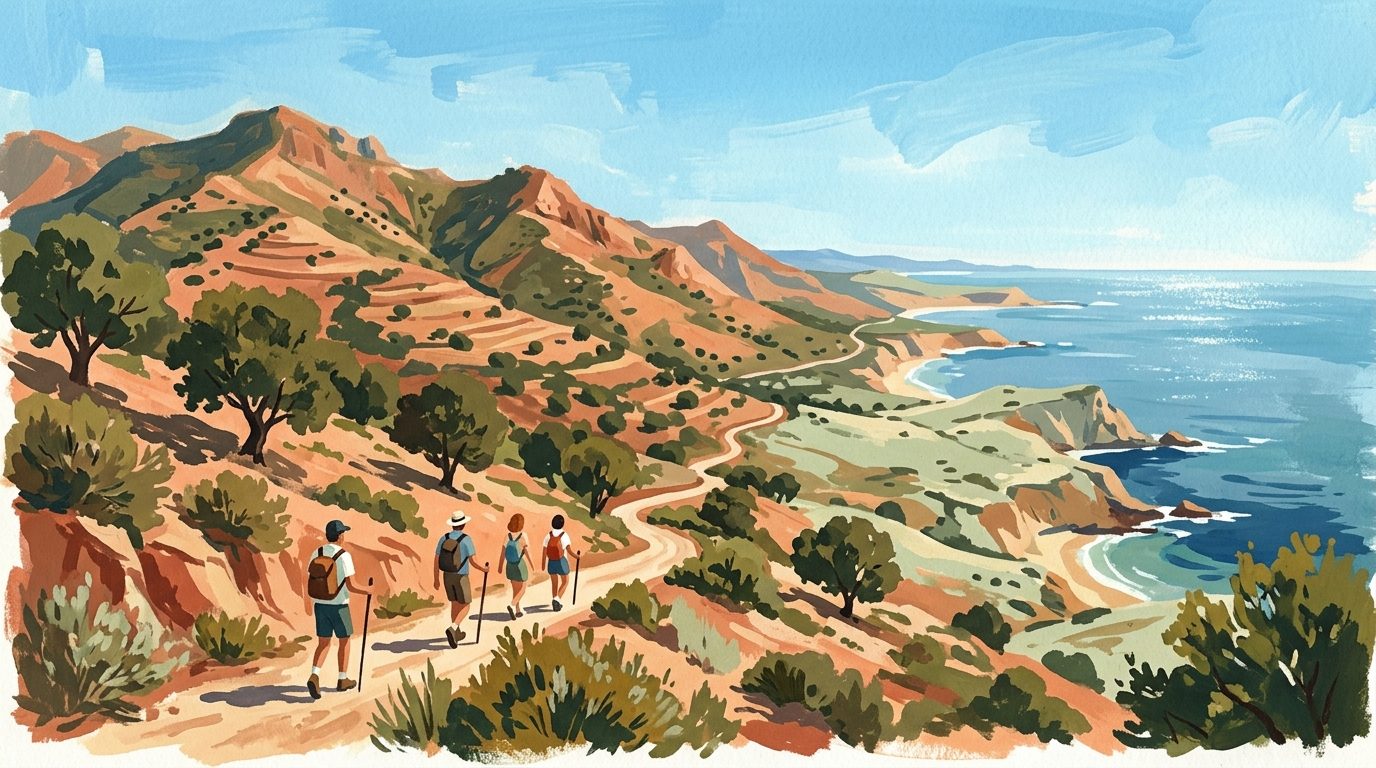
For those who enjoy walking, the ascent to the Cerro de San Cristóbal is the essential outdoor activity. You can drive to the top, but the old stone path (calzada) offers a better sense of the landscape. At 916 metres, it is one of the highest points in the province. On a clear day, the panorama stretches as far as the mines of Riotinto to the south and the Portuguese border to the west. The hillside is covered in ancient chestnut trees, which turn a deep gold in autumn, making this one of the most scenic times to visit.
Practical Information
Opening Times & Tickets
The Mezquita is generally open Tuesday to Sunday. From October to March, hours are usually 10:00 to 14:00 and 16:00 to 18:00. In the summer months (April to September), the afternoon opening shifts later, typically 17:00 to 19:00. Entry to the mosque and castle grounds typically carries a small fee for non-residents to support the upkeep of the site (check the official town hall website for current prices and opening hours before travelling). The Church of San Martín is typically open during morning hours and before evening mass.
How to Get There
The easiest way to reach Almonaster la Real is by car. From Sevilla, take the N-433 towards Portugal, passing through Aracena and Galaroza. Turn south onto the HU-8105, which leads directly into the village. The drive takes approximately 90 to 100 minutes depending on mountain traffic. From Huelva city, take the N-435 north towards Badajoz, then follow signs for Almonaster. Public transport is limited; there are occasional buses from Aracena, but they are infrequent and not well-suited for a day trip.
Parking
The village streets are narrow and steep, making navigation difficult for larger vehicles. It is best to park in the designated area at the entrance of the village (near the health centre) or follow the signs to the car park located just below the castle and mosque. From there, it is a short but steep walk up to the historical site.
Where to Eat Nearby
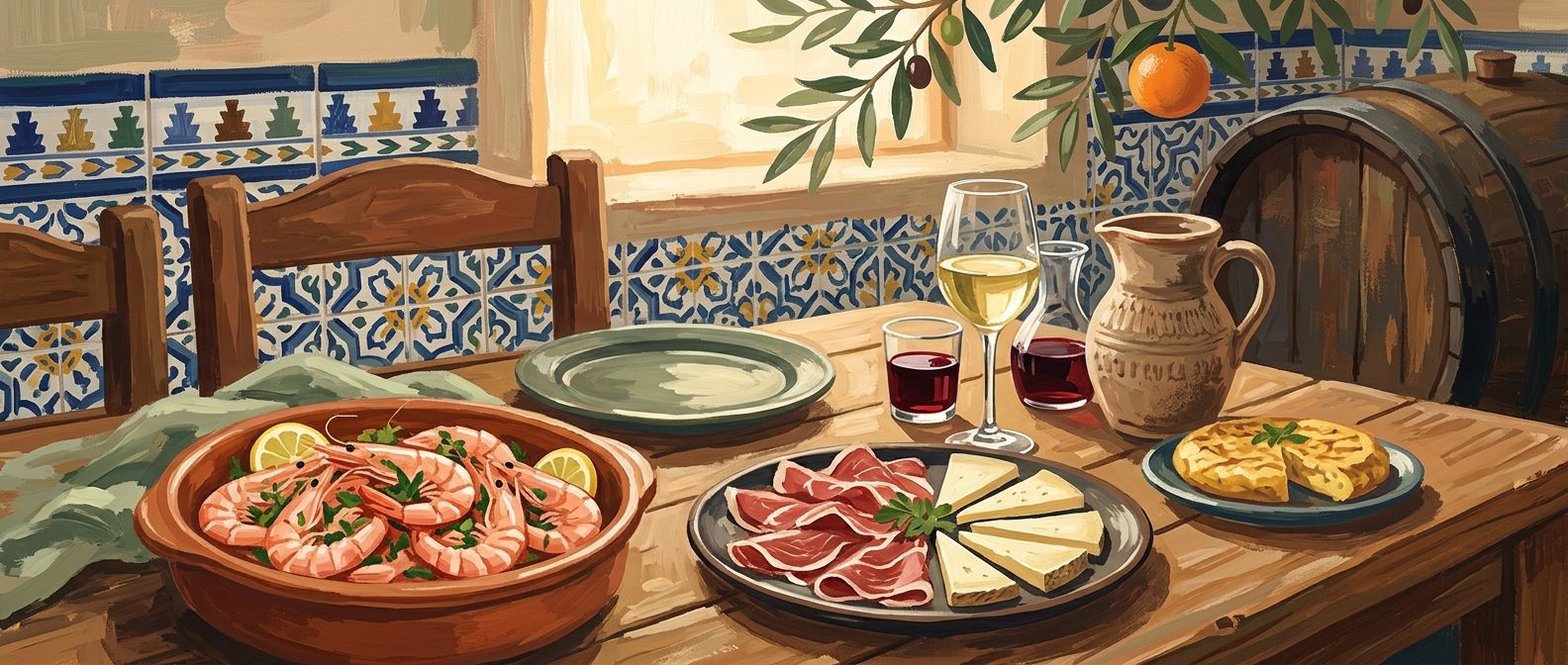
The local cuisine revolves around the Iberian pig, which grazes on acorns in the surrounding dehesas. Restaurante El Camino, located on the edge of the village, is a local favourite for grilled meats, particularly secreto ibérico and presa. Their stews, often featuring wild mushrooms (tanas or boletos) in the autumn, are excellent. Another reliable choice is Mesón La Mezquita, situated near the base of the castle hill. It offers traditional mountain dishes like migas (fried breadcrumbs with garlic and peppers) and local goat’s cheese. For a quick snack, try the local honey and chestnuts sold in the small shops near the plaza.
Where to Stay
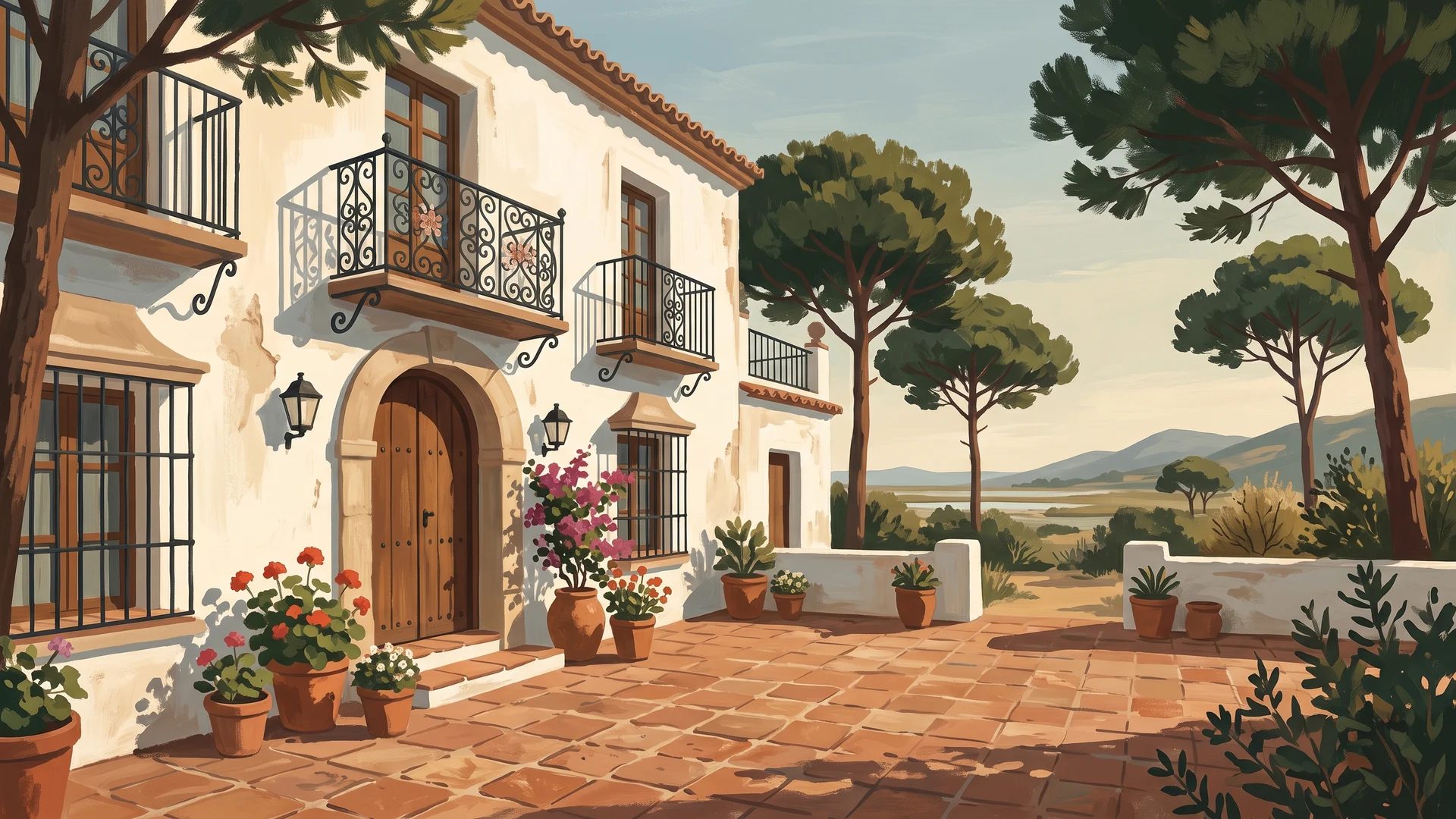
Almonaster is best experienced by staying overnight to enjoy the quiet evening air. Hotel Rural Casa García is a traditional establishment offering comfortable rooms and a courtyard, located right in the heart of the village. There are also several high-quality rural houses (casas rurales) available for rent, such as La Tahona, which provides a more independent stay. For those seeking more modern amenities, the nearby town of Aracena has a wider range of larger hotels, though it lacks Almonaster's specific historical stillness.