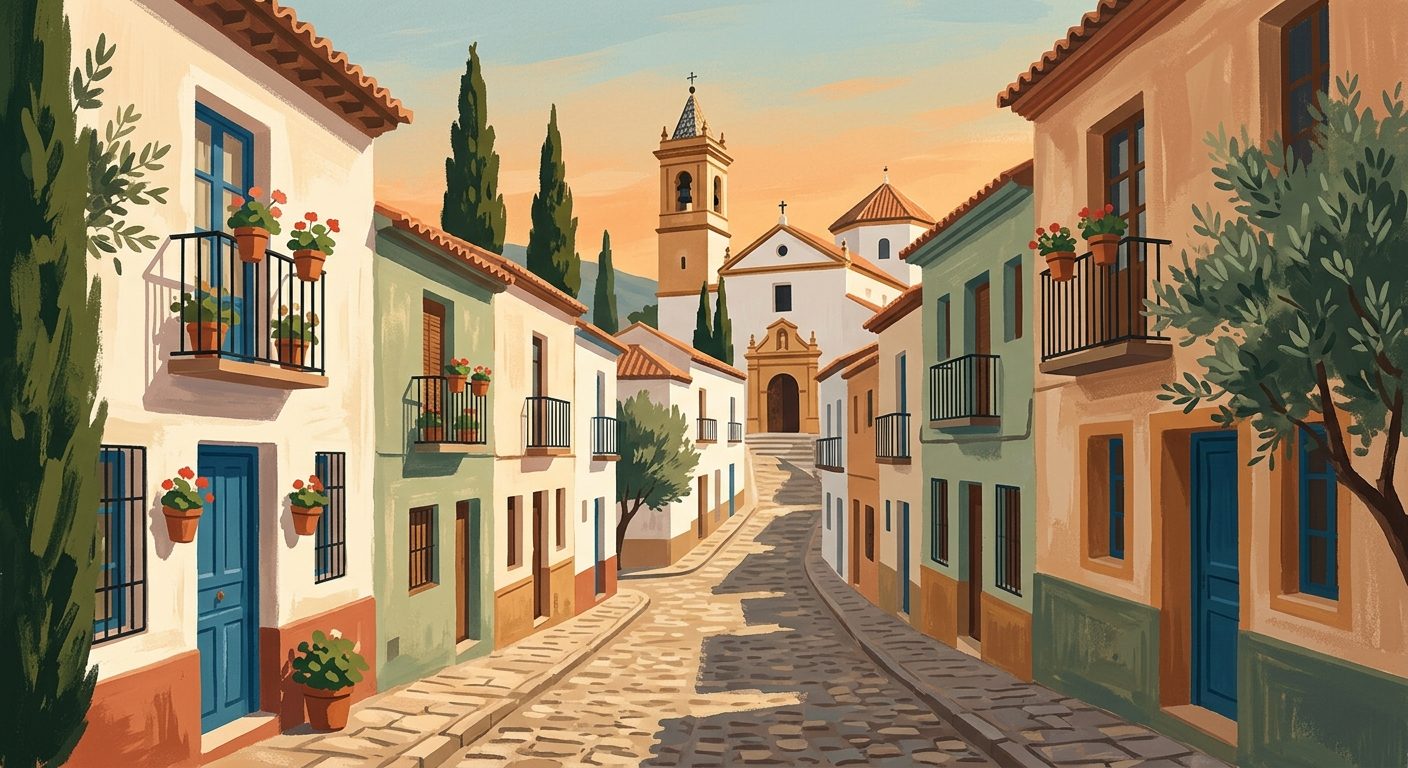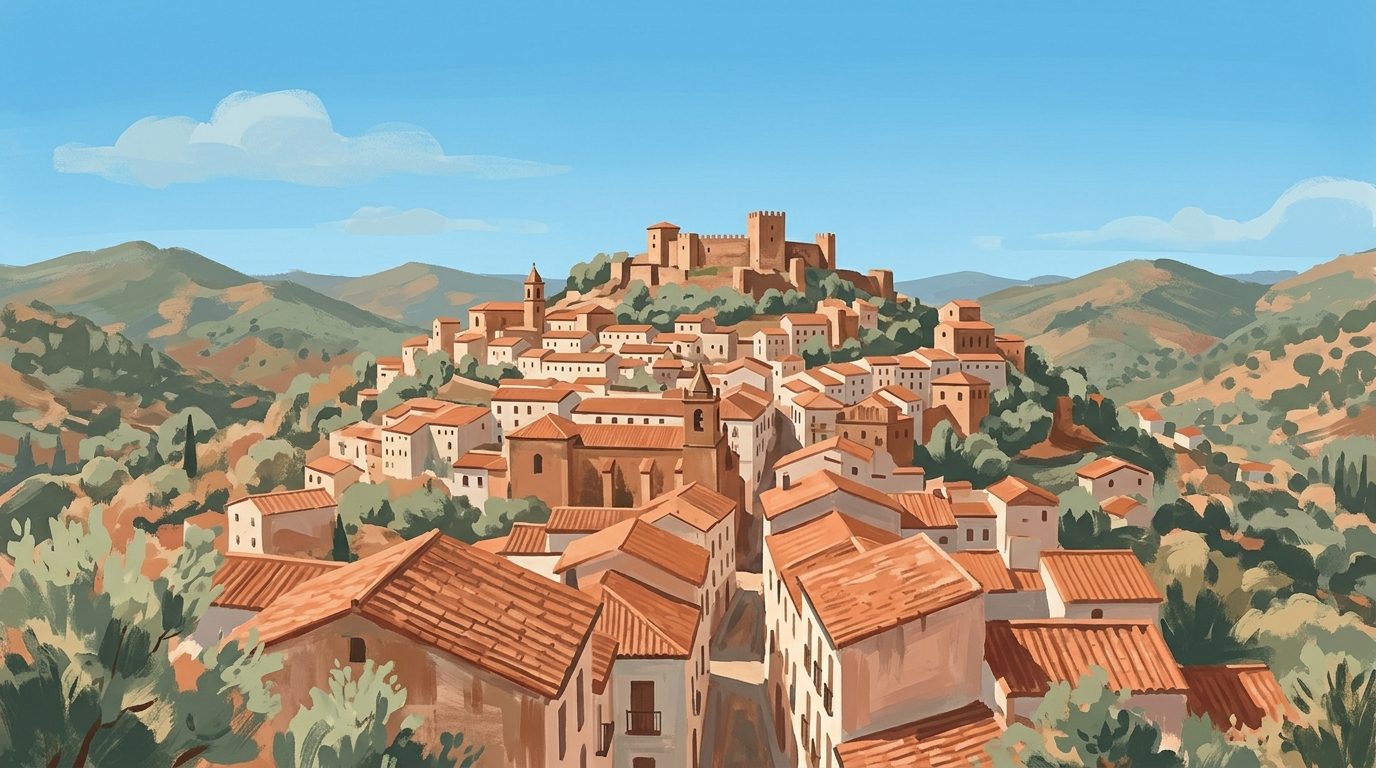
Aracena stands as the administrative and cultural heart of Huelva’s northern mountain range, famous for its underground water-formed caves and world-class cured ham. Above ground, the town is a network of whitewashed streets that climb towards a medieval fortress, while below lies a subterranean world of limestone formations.
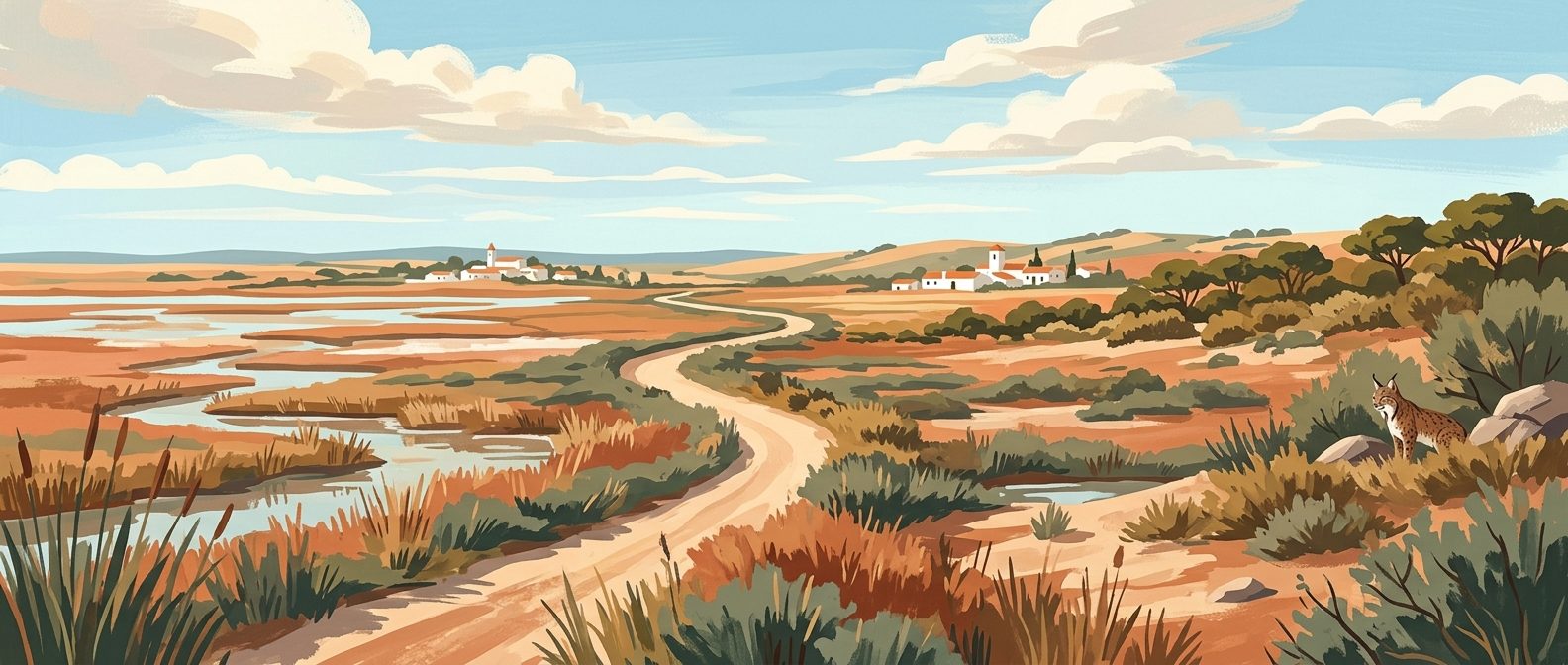
Aracena serves as the primary hub of the Sierra de Aracena y Picos de Aroche Natural Park. Unlike the arid plains of the south, this region of Huelva is defined by dense forests of chestnut, cork oak, and holm oak. The town sits at the foot of a hill topped by a fortified church, but its identity is tied as much to what lies beneath the surface as to its mountain peaks. Life here follows the rhythm of the seasons: autumn brings a flurry of activity as foragers head into the woods for wild mushrooms, and winter marks the matanza or traditional pig slaughter that produces the region’s legendary cured meats.
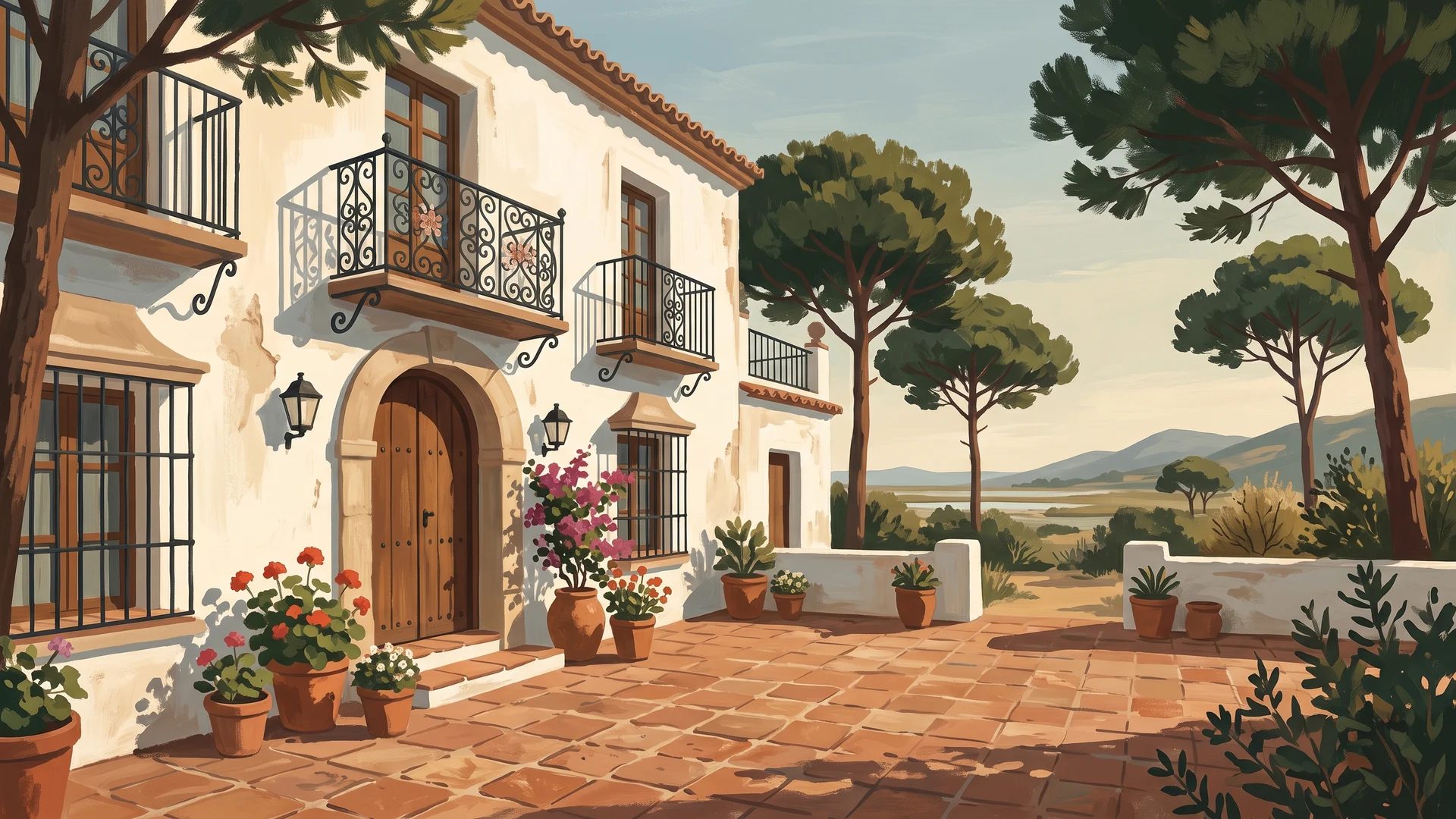
The town itself is a collection of bright white houses, many of which date back to the 16th century, arranged around terracotta-tiled squares. It manages to feel both like a lived-in agricultural centre and a sophisticated retreat for those seeking fresh air and high-quality gastronomy. For anyone exploring the vast limestone galleries of the Gruta de las Maravillas or sampling 100% ibérico ham in a local tavern, Aracena offers a grounded, authentic experience of the Andalucían highlands.
What to See & Do
Gruta de las Maravillas
The "Grotto of Wonders" is the town’s most significant attraction and one of the most spectacular show caves in Europe. Discovered in the late 19th century and opened to the public in 1914, it was the first cave of its kind to be commercialised in Spain. The entrance is located right in the centre of the town, which is unusual for such a large geological feature. The subterranean complex was formed over millions of years by the action of water on the limestone and marble of the hill.
A guided tour takes you through a circular route of about 1,200 metres, split across two levels. You will move through various chambers with evocative names like the "Hall of the Great Lake" and "God’s Cathedral". The formations are startling: huge stalactites and stalagmites are reflected in crystal-clear turquoise pools. The humidity is high, and the temperature remains a constant 16 to 19 degrees Celsius year-round, providing a cool respite during the summer months.
The Castle and Priory Church
Looking up from anywhere in the town, your eyes are drawn to the Cerro del Castillo. This hilltop features the ruins of a 13th-century fortress and the church of Nuestra Señora del Mayor Dolor. The castle was built over an earlier Almohad fortification during the Reconquista, commissioned by the Portuguese Order of the Hospital before the territory was ceded to the Crown of Castile. Today, visitors can walk along the restored curtain walls and explore the keep, which provides panoramic views over the red-tiled roofs of the town and the surrounding undulating hills of the Sierra.
Adjacent to the castle ruins is the Priory Church, a fine example of Gothic-Mudéjar architecture. Its most striking feature is the brick tower, which is decorated with Sebka patterns similar to those on the Giralda in Sevilla. Inside, the church houses three naves and a beautiful vaulted ceiling, serving as the home for the town’s patron saint.
Museo del Jamón
Aracena is a sanctuary for lovers of Jamón Ibérico de Bellota. The Museum of Ham acts as an interpretation centre for the local ecosystem and the traditional methods of curing ham. It explains the relationship between the Dehesa, the managed oak forest landscape, and the Pata Negra pigs that roam freely here eating acorns. The museum details the biology of the pig, the historical evolution of the industry, and the precise conditions required in the drying rooms. It is an informative precursor to a tasting session in any of the local butcher shops or restaurants.
The Mushroom Route and Hiking
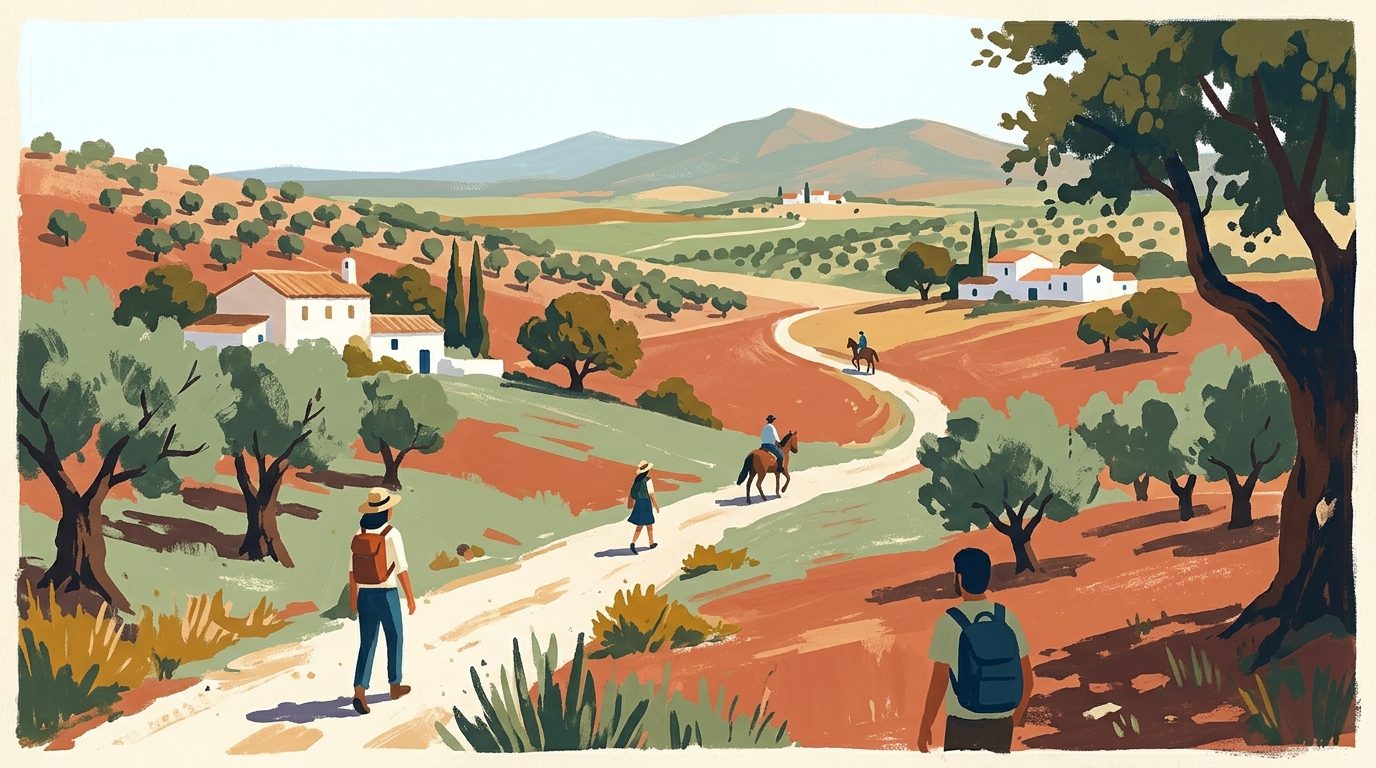
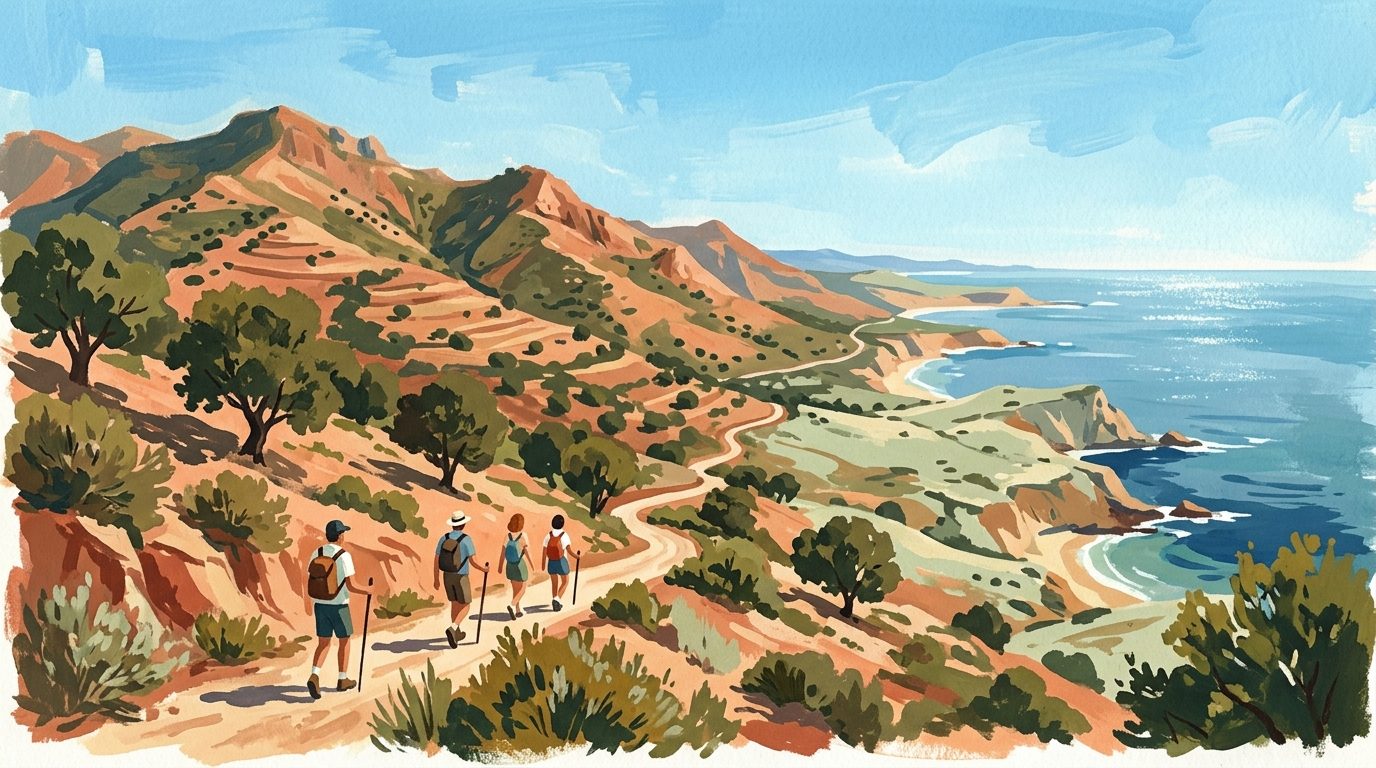
The region is a mycological paradise. If you visit between October and December, the focus shifts to the local mushroom varieties, such as the Boletus edulis and the highly prized Amanita caesarea. Aracena has its own mycological centre which helps visitors identify different species. Numerous hiking trails branch out from the town, such as the path to the village of Linares de la Sierra or the circular route to Los Marinos. These trails take you through groves of centuries-old chestnut trees and past dry-stone walls that have stood for generations.
Practical Information
Opening Times & Ticket Prices
Gruta de las Maravillas: Open daily from 10:00 to 13:30 and 15:00 to 18:00. Tickets are approximately €10.50 for adults and €7.50 for children (6 to 12 years). It is highly recommended to book tickets online in advance via the official Aracena Tourism portal, as group sizes are limited and sessions often sell out, particularly on weekends and bank holidays.
Castillo de Aracena: Open daily with guided tours at set intervals, usually starting around 11:30. Entry is roughly €2.50, or included in a combined ticket with the cave and museum.
Museo del Jamón: Usually open from 11:00 to 14:00 and 15:30 to 19:30. Entry costs around €3.50.
How to Get There
Aracena is located roughly 90 kilometres north of Sevilla. If driving, take the A-66 (Ruta de la Plata) north and then follow the N-433 which leads directly into the mountains. The drive takes about an hour and fifteen minutes. From Huelva city, it is approximately 100 kilometres via the N-435. Public transport is available via the Damas bus company (check schedules at damas-sa.es), which runs several daily services from Sevilla’s Plaza de Armas bus station.
Parking
Parking in the very centre of the town can be difficult due to the narrow streets. There is a large, well-signposted public car park near the entrance to the Gruta de las Maravillas. If that is full, look for spaces along the Avenida de Huelva or near the fairgrounds (Recinto Ferial) on the edge of town, which is a short walk from the main sites.
Where to Eat Nearby
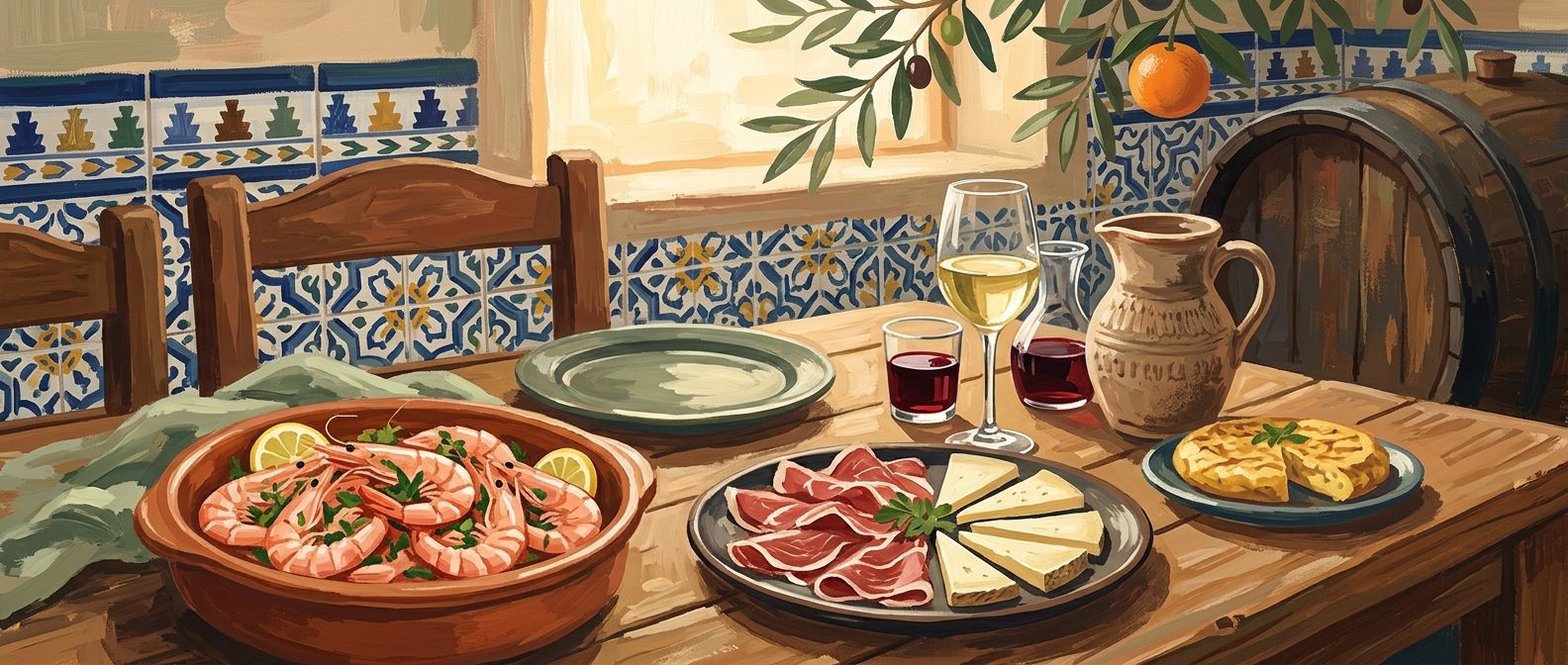
Dining in Aracena revolves around the product of the Iberian pig and seasonal mushrooms. Restaurante Montecruz, located near the cave entrance, is a local institution known for its game dishes and creative use of mushrooms; the wild boar stew is particularly recommended. For a more traditional experience, Restaurante Casas in the Plaza Alta offers a range of grilled meats and excellent plates of acorn-fed ham. If you prefer a tapas-style lunch, Sussurro provides a more contemporary take on local ingredients in a relaxed atmosphere. Always look for secretos or presas on the menu: these are specific cuts of Iberian pork that are best enjoyed grilled with a pinch of sea salt.
Where to Stay
For a unique stay, the Hotel Convento Aracena & Spa is a converted 17th-century convent located at the foot of the castle hill. It retains original features like stone cloisters and vaulted ceilings while offering a modern spa and pool. Alternatively, Hotel Barceló Aracena provides a more contemporary setting on the outskirts of town with excellent views of the sierra. For those seeking independence, numerous rural villas and small guest houses are available throughout the town, offering a more residential experience of mountain life.