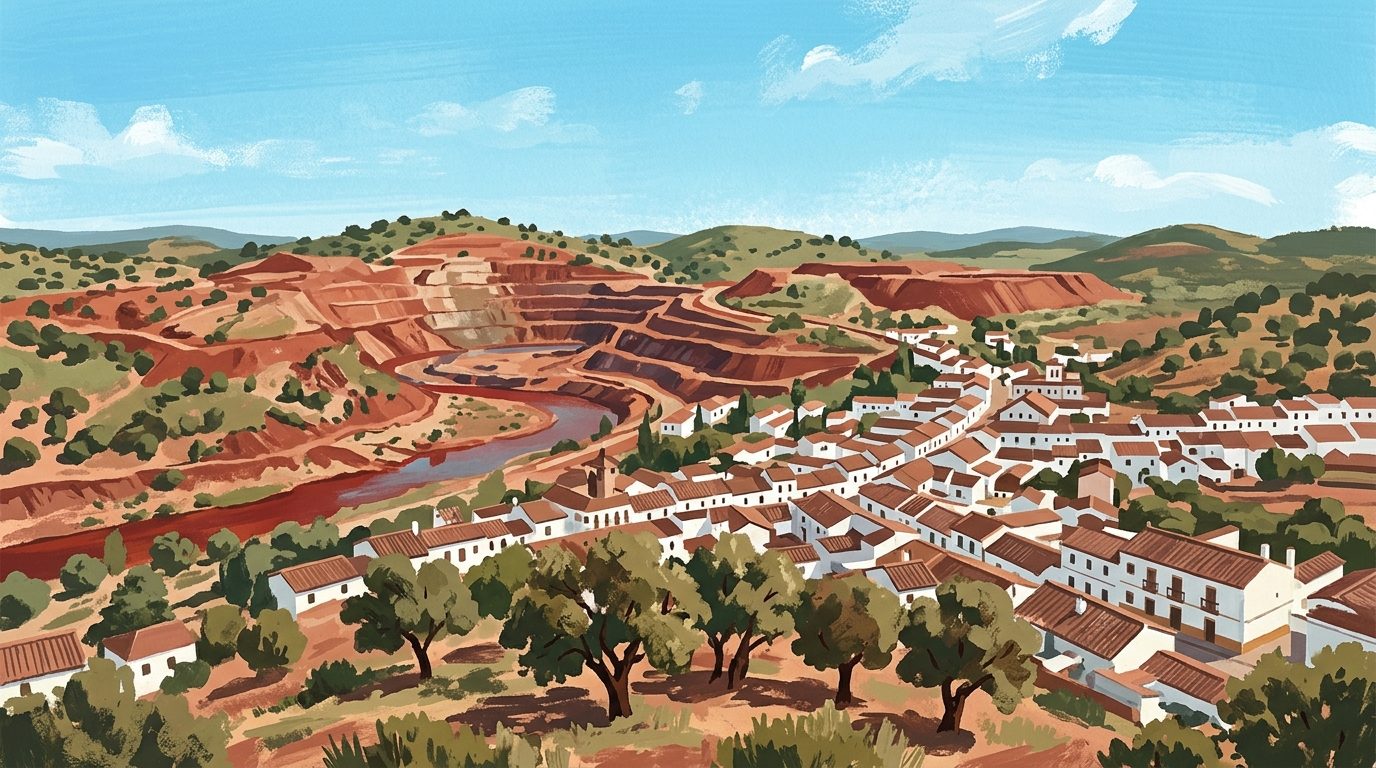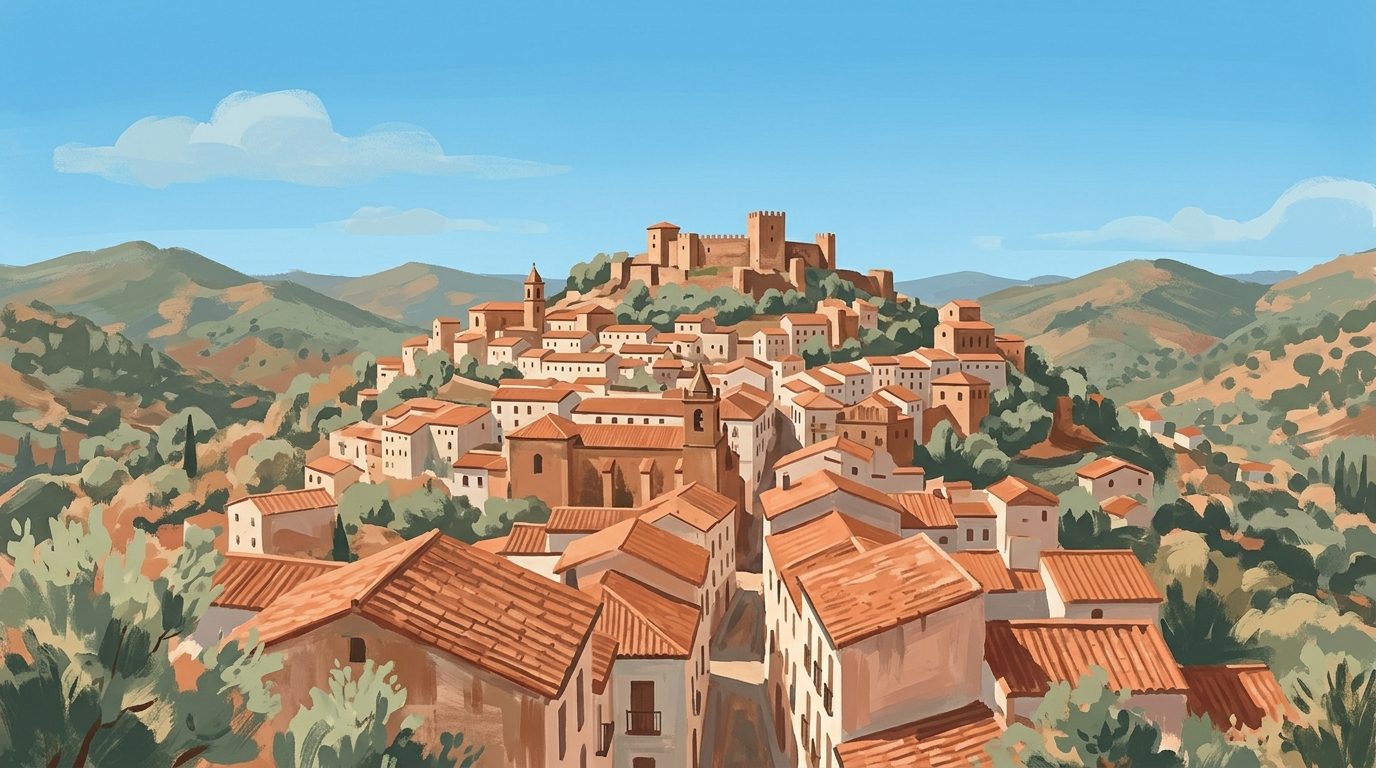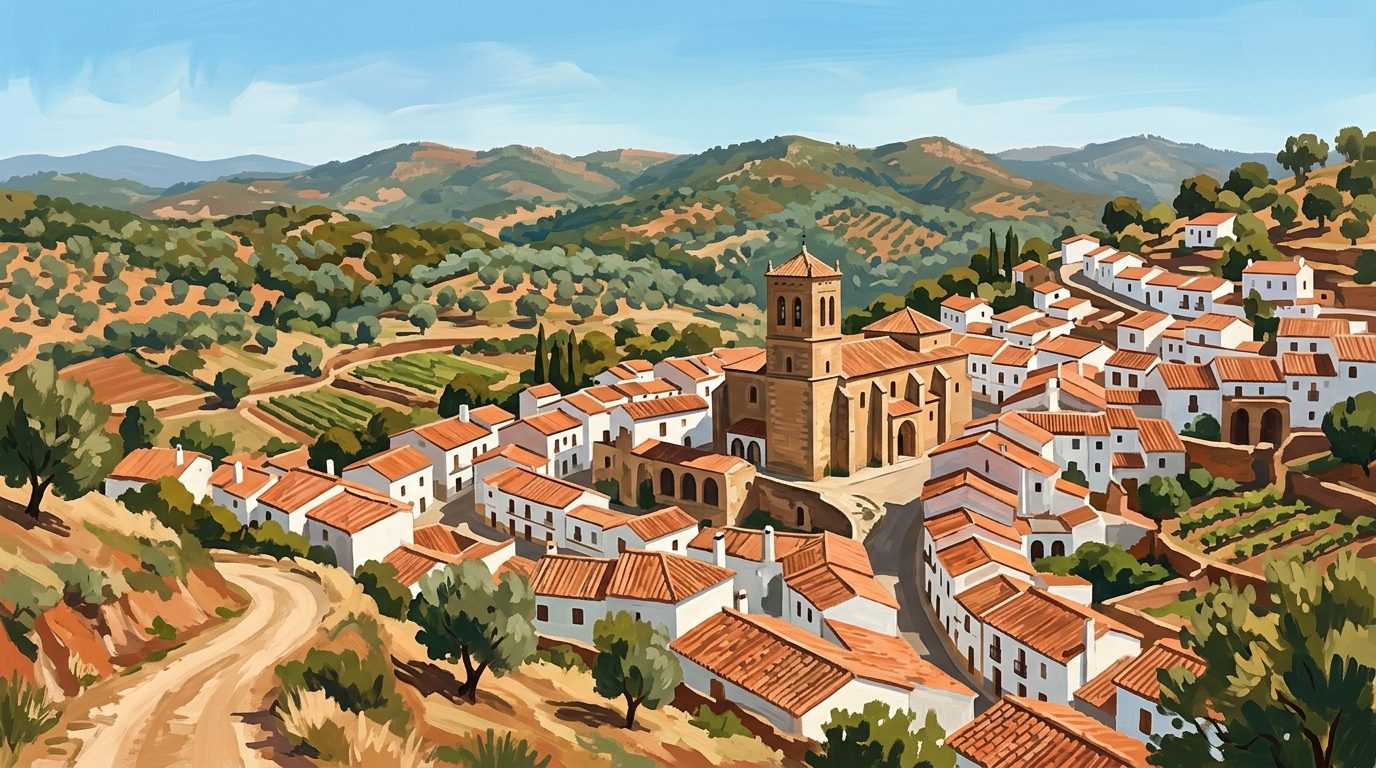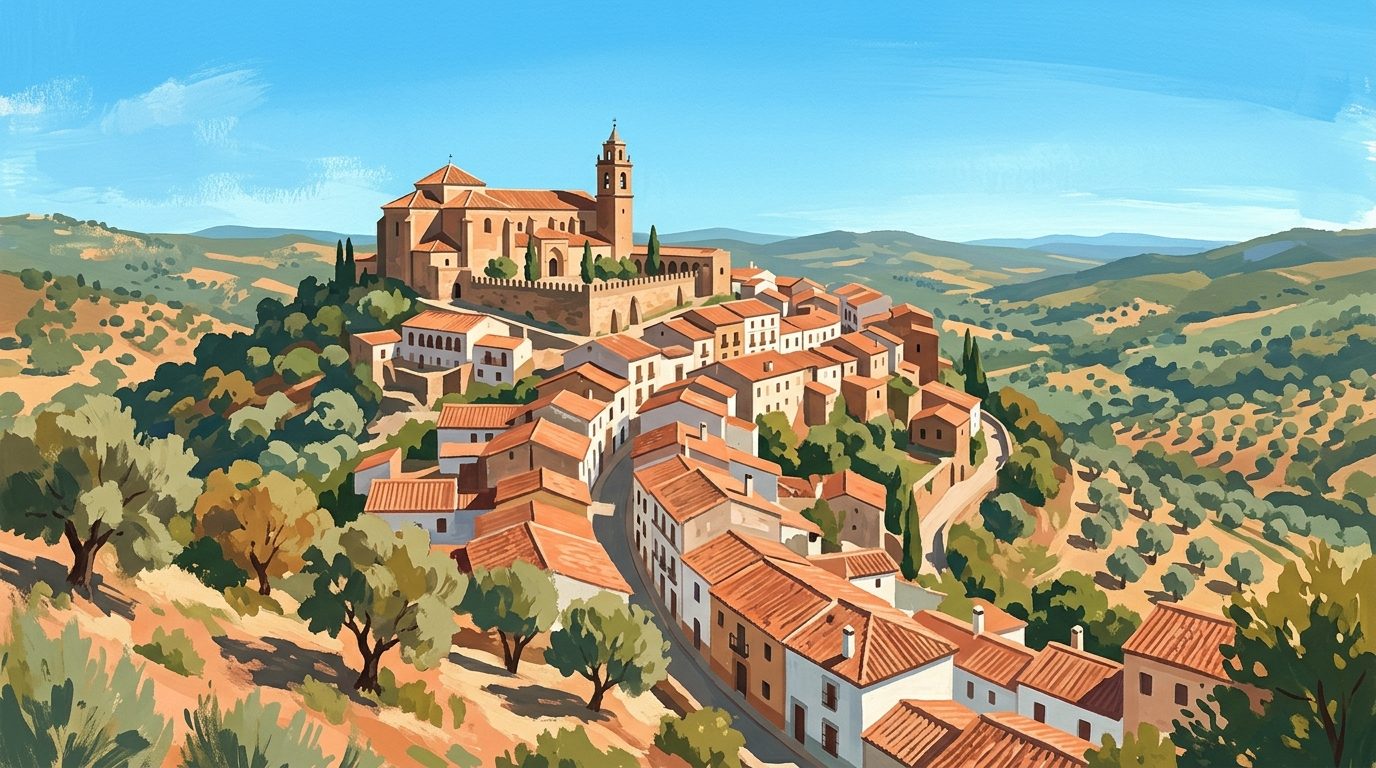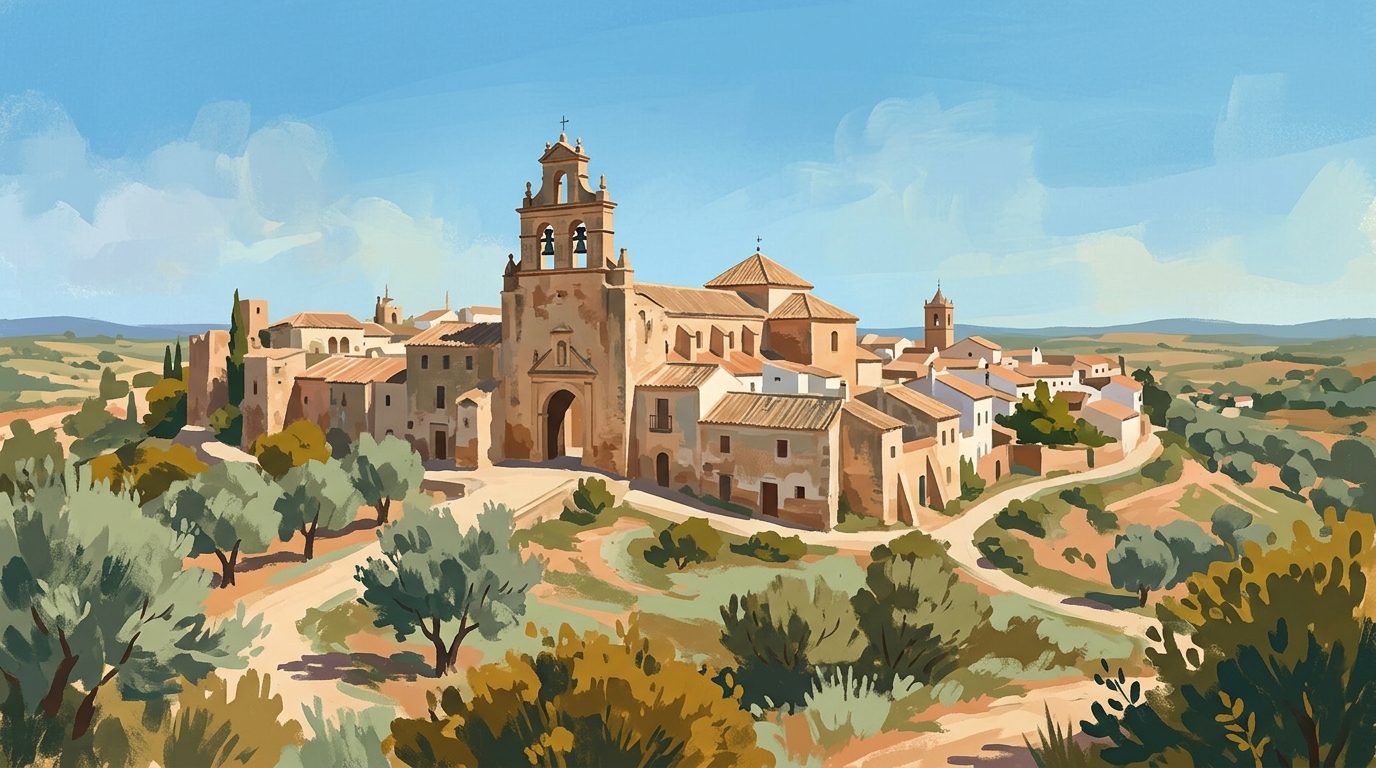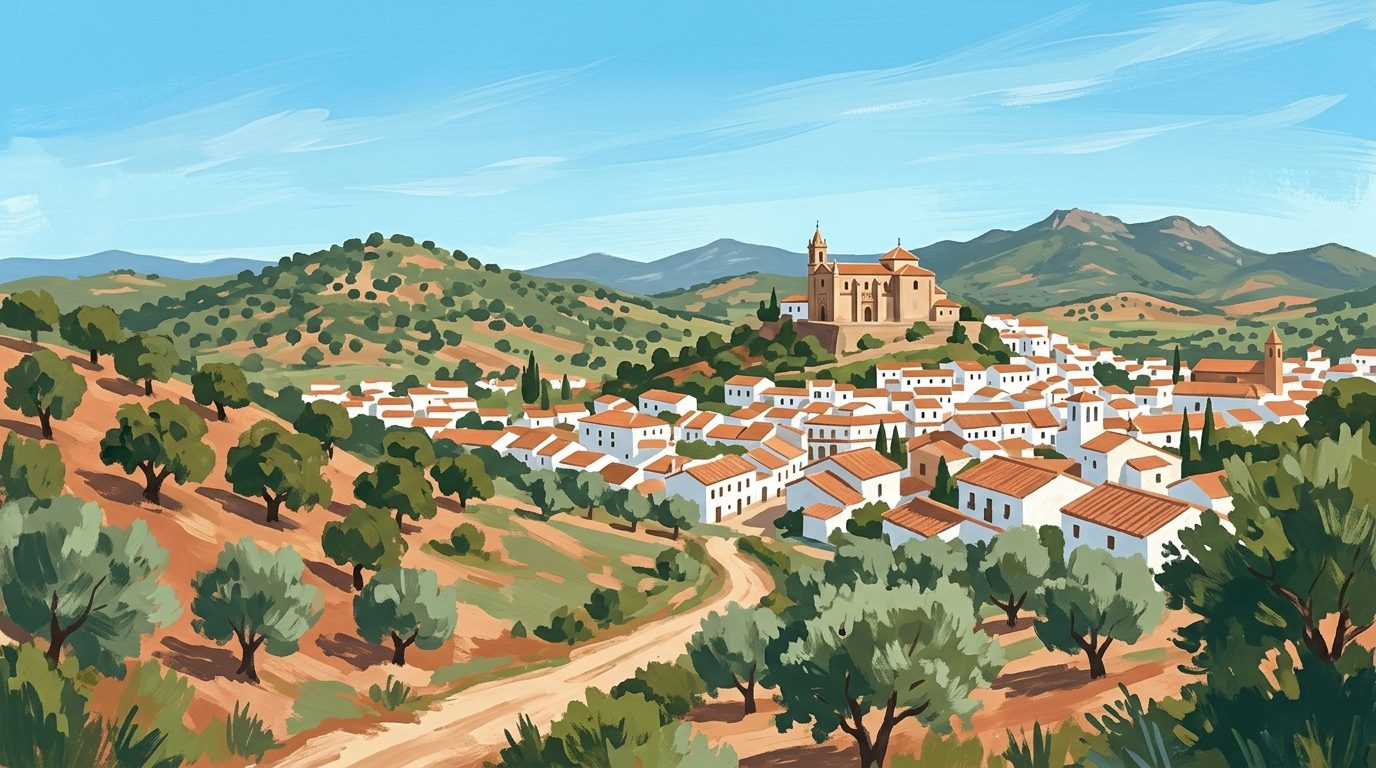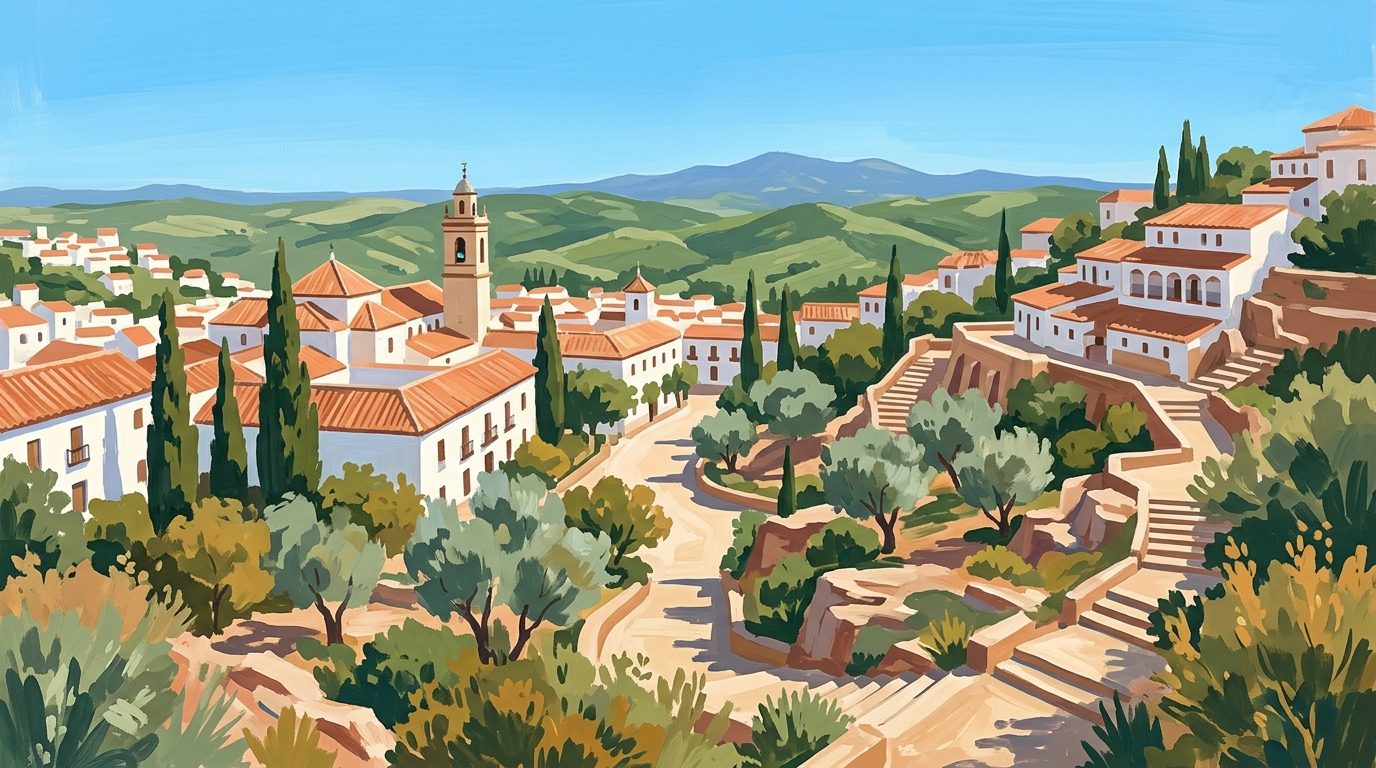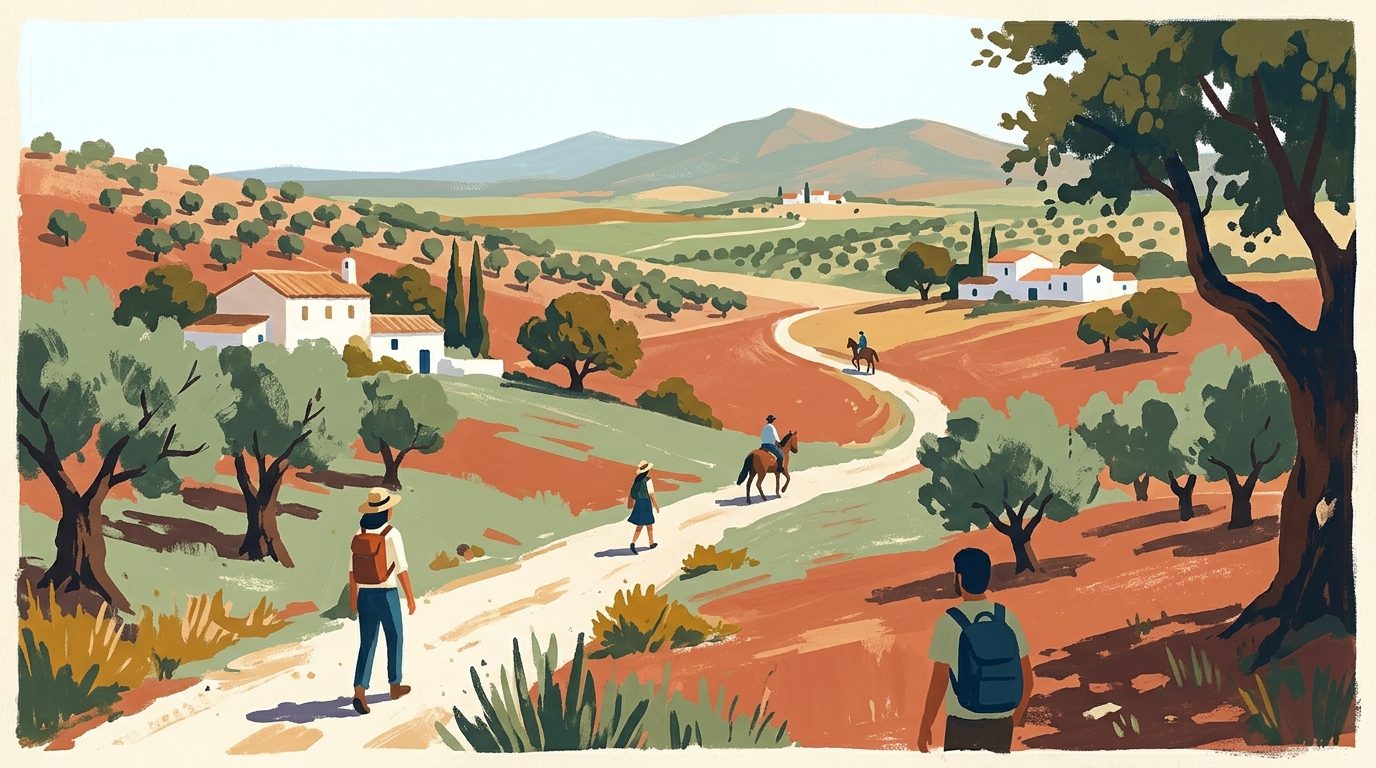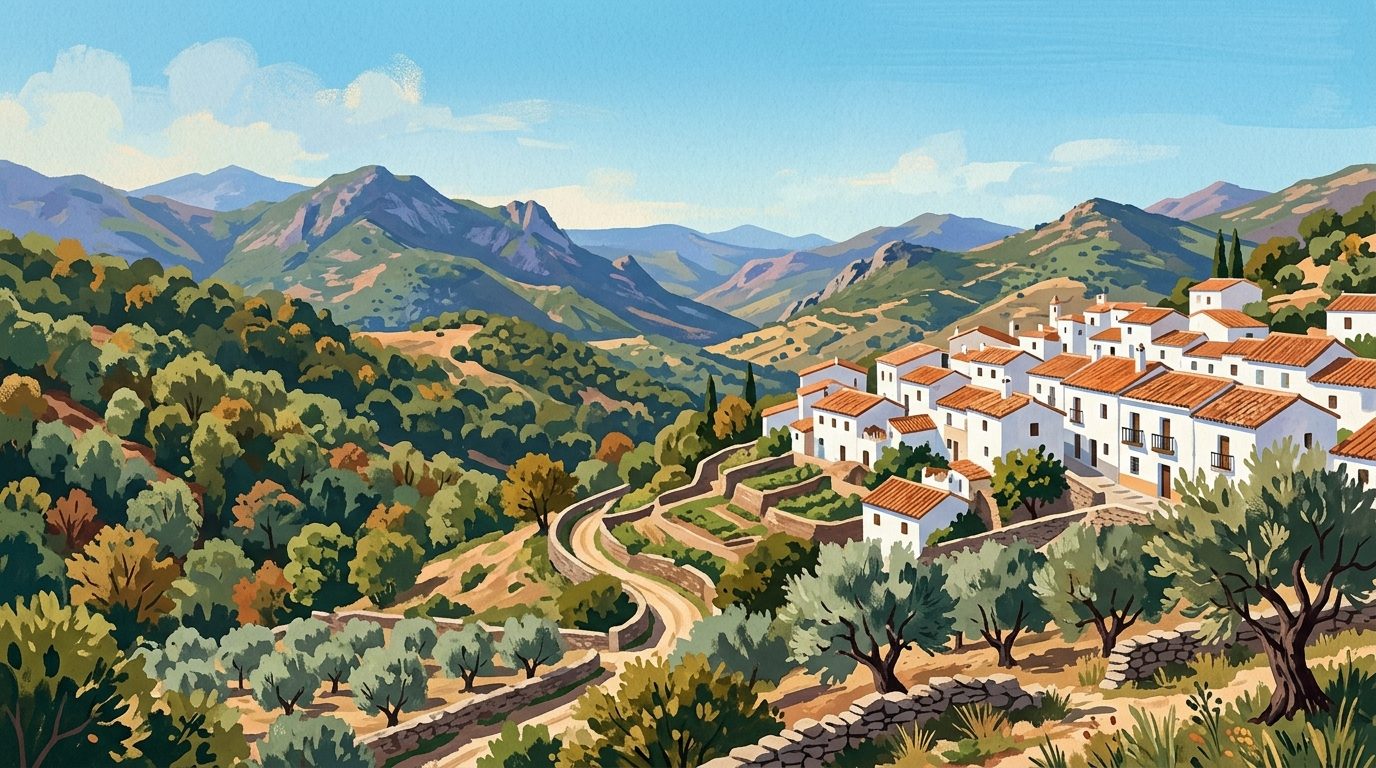
Beyond the dry heat of the Guadalquivir valley, these hills offer a cooler, greener landscape defined by ancient holm oaks and the scent of woodsmoke. This is the spiritual home of Spain’s finest Iberian ham, where life moves at the pace of the foraging pigs and the changing seasons.
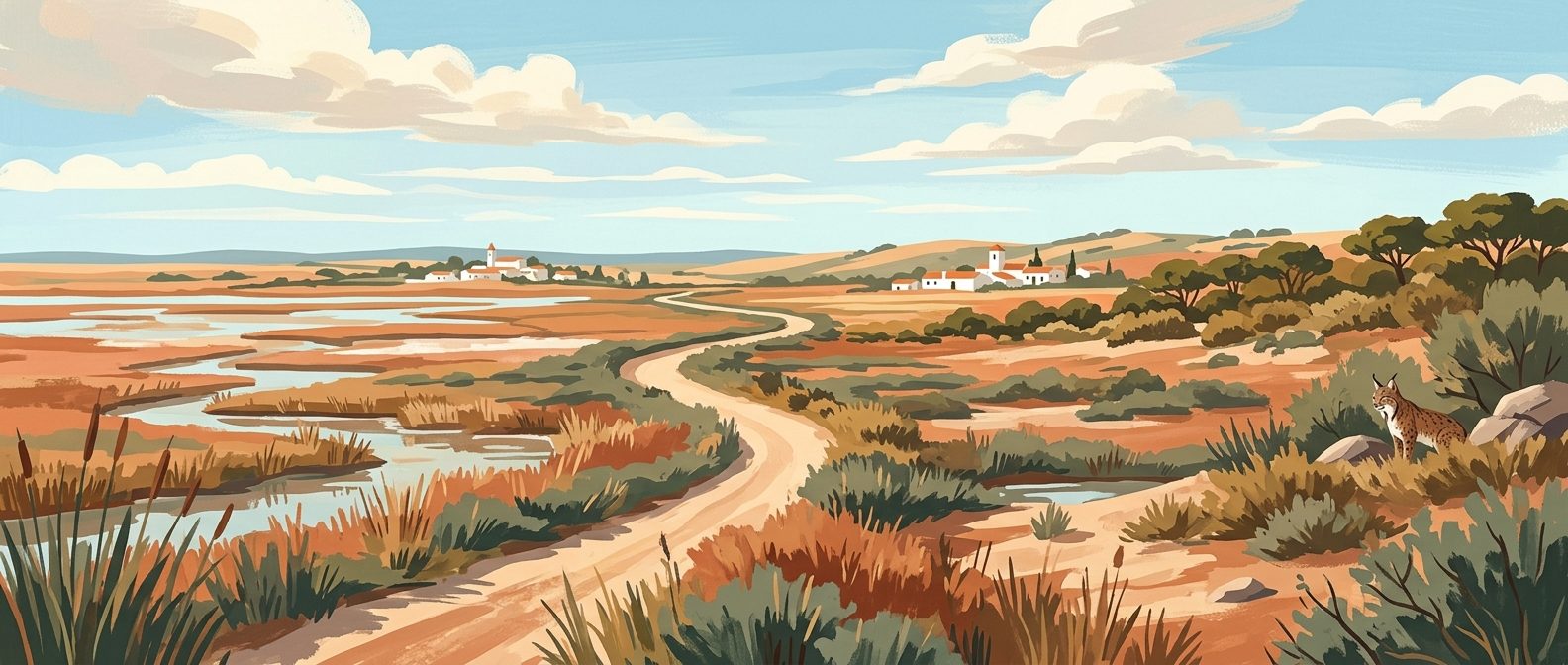
To cross into the Sierra de Aracena y Picos de Aroche, in the northern reaches of Huelva province, is to enter a version of Andalucía that many visitors never realise exists. This is not the land of parched plains or sun-bleached coasts; it is a high, verdant territory of 186,000 hectares, where the Atlantic influence brings enough rain to sustain vast castañares (chestnut groves) and dehesas (wooded pastures). It is a landscape that feels tactile and old, where the stone walls are covered in moss and the air smells of curing pork and damp earth.
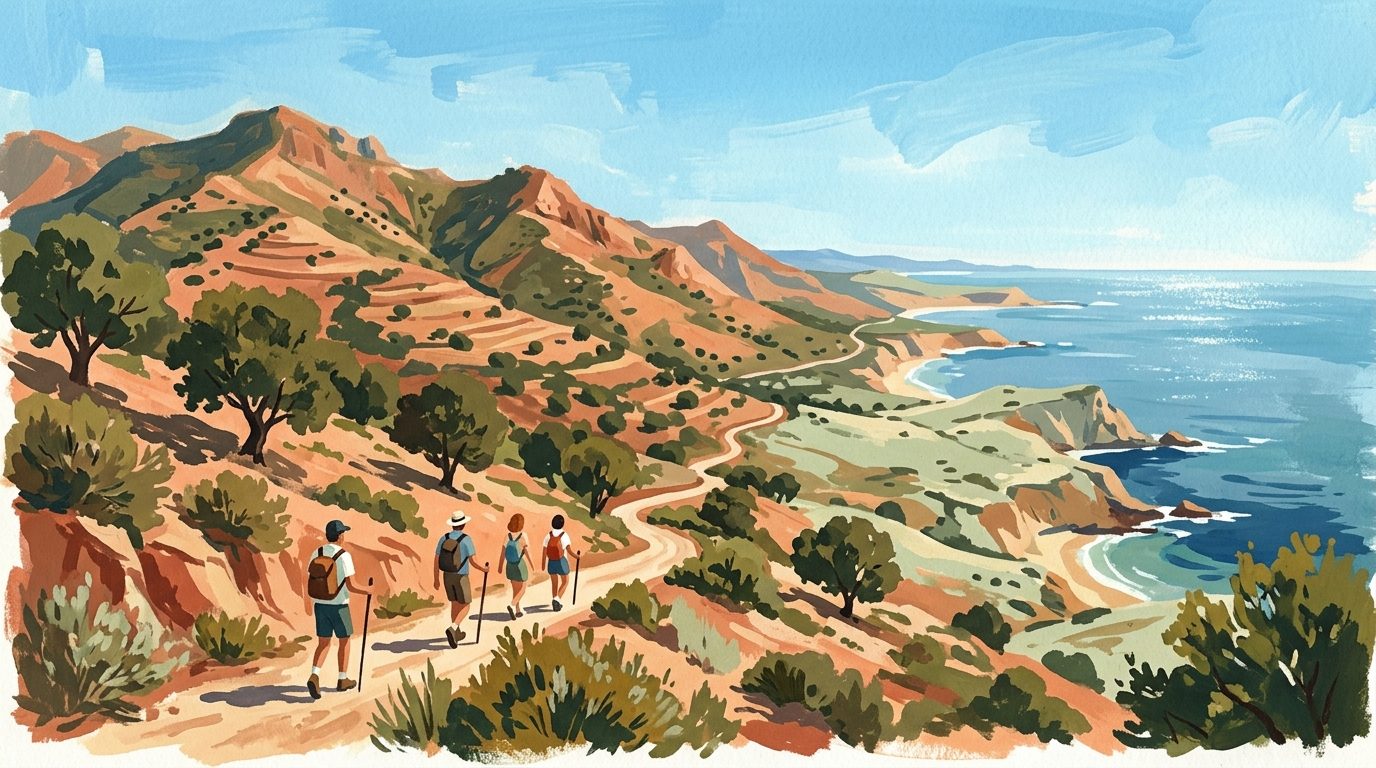
Life here revolves around the Cerdo Ibérico (Iberian pig). These dark-skinned animals roam freely beneath holm and cork oaks, vacuuming up acorns during the montanera (the fattening season from October to February). This cycle dictates the local economy, the gastronomy, and even the pace of the villages. While the area is popular with Sevillanos escaping the city heat on weekends, it remains largely overlooked by international travellers. Those who do venture here find a network of senderos (trails) connecting white villages that have remained architecturally pure, largely because the rugged geography has kept modernisation at arm's length. For visitors coming for the world-class hiking or the legendary Jamón Ibérico de Bellota (acorn-fed Iberian ham), this corner of the Huelva mountains demands a slower, more observant kind of travel.
Places to Explore
Aracena
Aracena is the administrative and social hub of the region, yet it retains the character of a large village rather than a town. The skyline is dominated by the 13th-century Templar castle and the Mudéjar-style church of Nuestra Señora del Mayor Dolor. However, the town's most famous attraction lies directly beneath your feet. The Gruta de las Maravillas (Grotto of Wonders) is an extraordinary subterranean system of limestone caverns. Discovered by a shepherd in the late 19th century, it was the first cave in Spain to open to the public in 1914. The 1,200-metre walk through the complex reveals vast turquoise lakes and intricate formations of stalactites that look like frozen curtains.
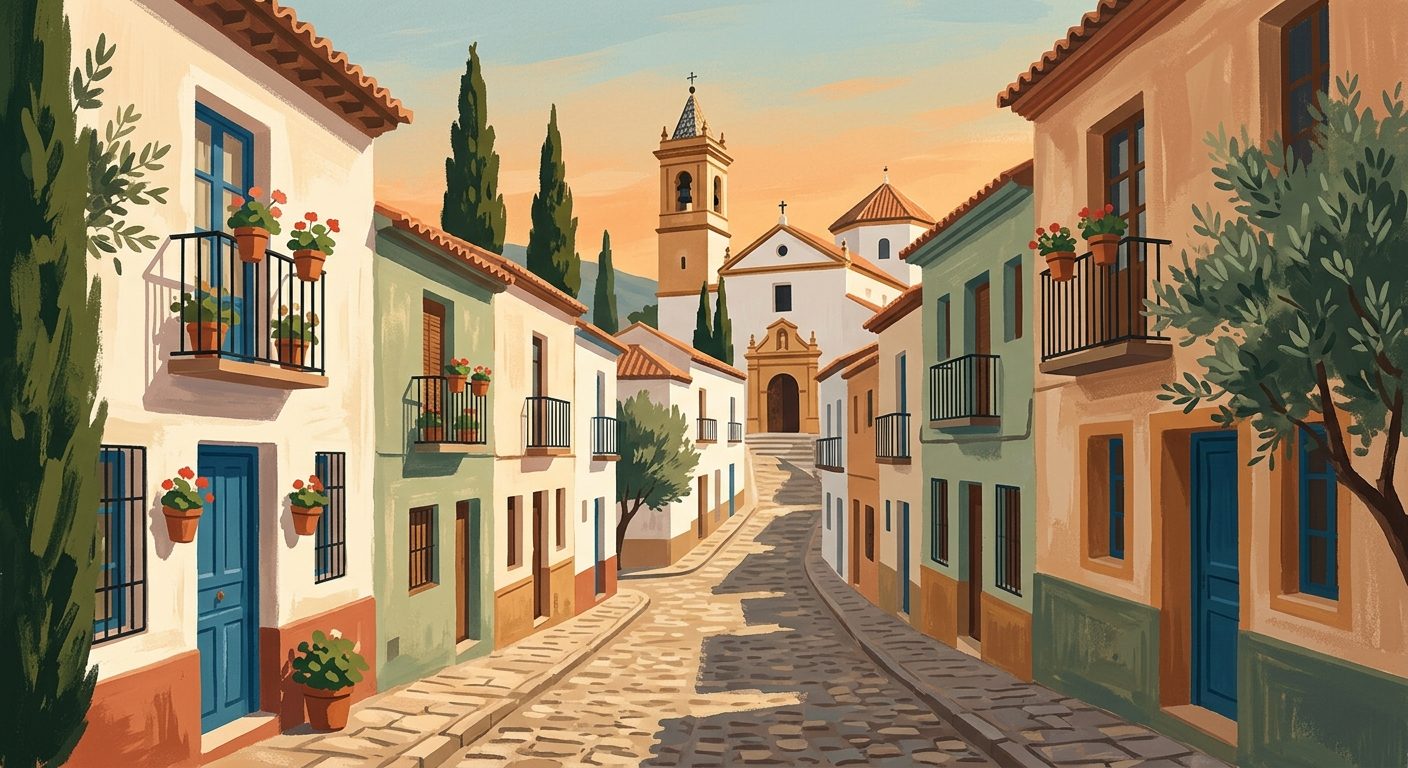
Above ground, the focus shifts to the Plaza Alta. This was once the centre of town life and houses the Renaissance-style Cabildo Viejo (the old town hall). For a true local experience, visit Confitería Rufino. This legendary pastry shop has been serving the town since 1875. Order their yemas (sweet egg-yolk treats) or a bizcotela and take them to a bench in the Plaza de la Gruta to watch the evening paseo (traditional walk). Aracena serves as the perfect base for exploring the wider park, offering the best range of services without losing its mountain identity. It is a place of white walls, cobbled inclines, and a quiet, dignified atmosphere that sets the tone for the entire region.
Jabugo
The name Jabugo is synonymous with luxury throughout the Spanish-speaking world. This small village, situated at an altitude of 658 metres, is the epicentre of the ham industry. It is not a place of grand monuments; rather, the village itself is a monument to a single culinary craft. The main square, Plaza del Jamón, is where you will find the Centro de Innovación y Promoción del Ibérico, housed in the circular 'El Tiro' building designed by Aníbal González. This is the place to understand the rigorous standards that govern the Denominación de Origen Protegida (DOP) Jabugo.
A visit here is incomplete without touring one of the bodegas (curing cellars). Cinco Jotas (5J) is the most famous, where you can walk through dark, temperature-controlled halls where tens of thousands of hams hang from the ceiling, slowly curing in the mountain air. The guides explain how the meat is salted, washed, and aged for up to three years. The village is surprisingly modest given its global reputation, but that is part of its charm. Lunch at Bodega El Chorrito is a ritual for many; here, the ham is carved with surgical precision, and the pluma (a prized, tender cut of the loin) is grilled over charcoal. It is a village that lives and breathes its heritage, unpretentious and deeply proud of its role as the world's larder.
Almonaster la Real
Almonaster la Real is arguably the most beautiful village in the province, a small cluster of stone houses tucked into a valley under the shadow of the Cerro de San Cristóbal. Its crowning glory is the 10th-century Mezquita (mosque), one of the few surviving rural mosques in Spain. Built during the Caliphate of Córdoba on the site of a 5th-century Visigothic basilica, it is a remarkable architectural hybrid. Inside, the forest of columns and the brick arches create an atmosphere of profound stillness. The surrounding murallas (walls) offer a viewpoint across the peaks of the Sierra, a sight that is particularly evocative at sunset.
Beyond the mosque, Almonaster is a village for walking. The Roman bridge over the Arroyo del Valle and the numerous fuentes (springs) that trickle through the streets give the town a constant soundtrack of running water. The hiking trails leading out of the village are some of the best in the park. One of the most rewarding routes connects Almonaster with the tiny hamlets of Calabazares and El Collado, passing through cork forests where you can see the red, stripped trunks of trees that have recently had their bark harvested. It is a place that feels disconnected from the modern world, where the traditions of the romería (pilgrimage) and the annual Cruces de Mayo festival are still the most important dates on the calendar.
Read the full Almonaster la Real guide →
Eating & Drinking in Sierra de Aracena y Picos de Aroche
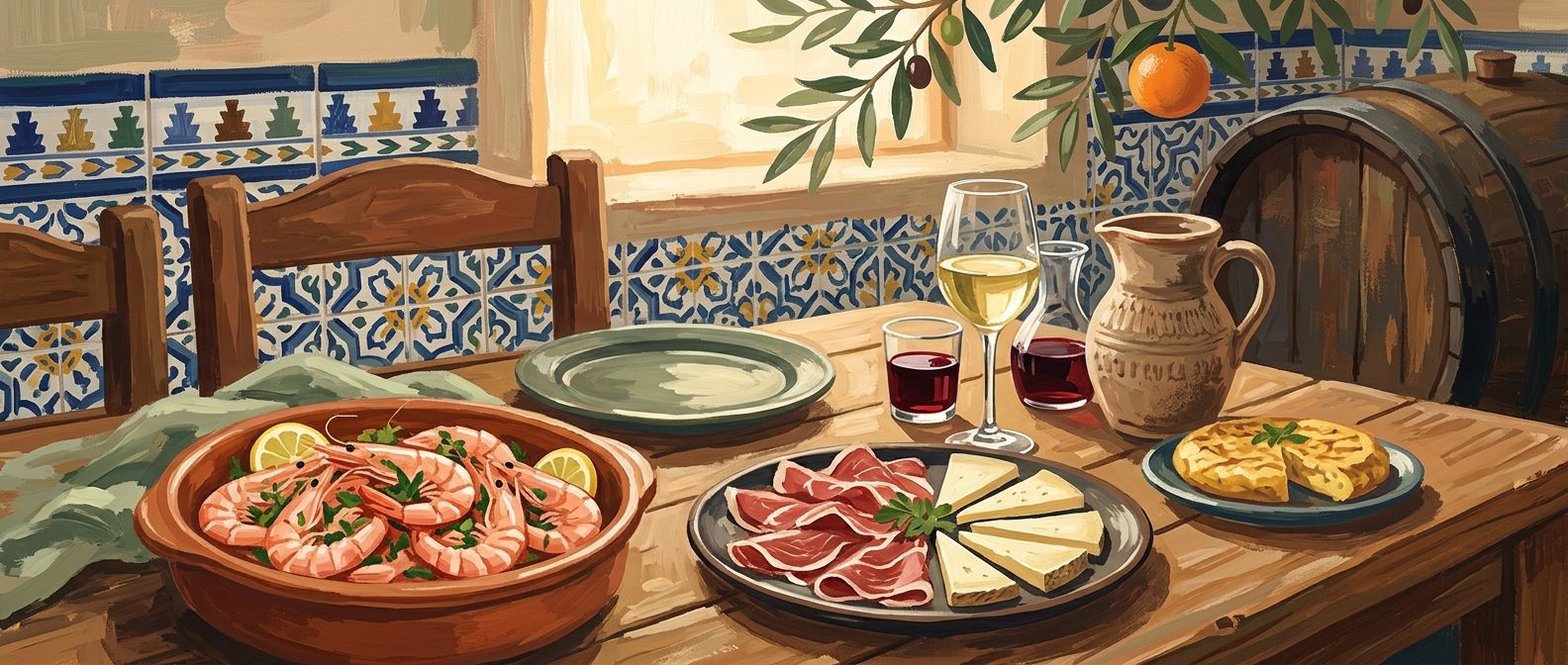
Gastronomy in this region is defined by the matanza (the traditional pig slaughter) and the seasonal bounty of the forest. While the Jamón Ibérico de Bellota is the undisputed star, you should also seek out the fresh cuts of pork that rarely make it to the coast. Look for presa, secreto, and pluma on the menu; these are fatty, marbled cuts that are best enjoyed a la brasa (grilled over charcoal). In the autumn, the focus shifts to setas (wild mushrooms). The Sierra is a mycologist’s dream, producing varieties like the gurumelo (Amanita ponderosa), which has a meaty texture and earthy flavour, and the tanilla (Amanita caesarea).
For a memorable meal, head to Restaurante Arrieros in the tiny village of Linares de la Sierra. They specialise in transforming these local staples into refined dishes, such as their cream of chestnut soup or pork loin stuffed with mushrooms. In Aracena, Restaurante Casas is a reliable spot for traditional stews like caldereta de cordero (lamb stew). To drink, look for the local must (young wine) or the chestnut liqueurs produced in the area. The local honey and goat cheeses from artisan producers in Aracena or nearby Cortegana are also exceptional. Dining here is an unhurried affair, where the quality of the raw ingredients is allowed to shine without unnecessary embellishment.
Where to Stay
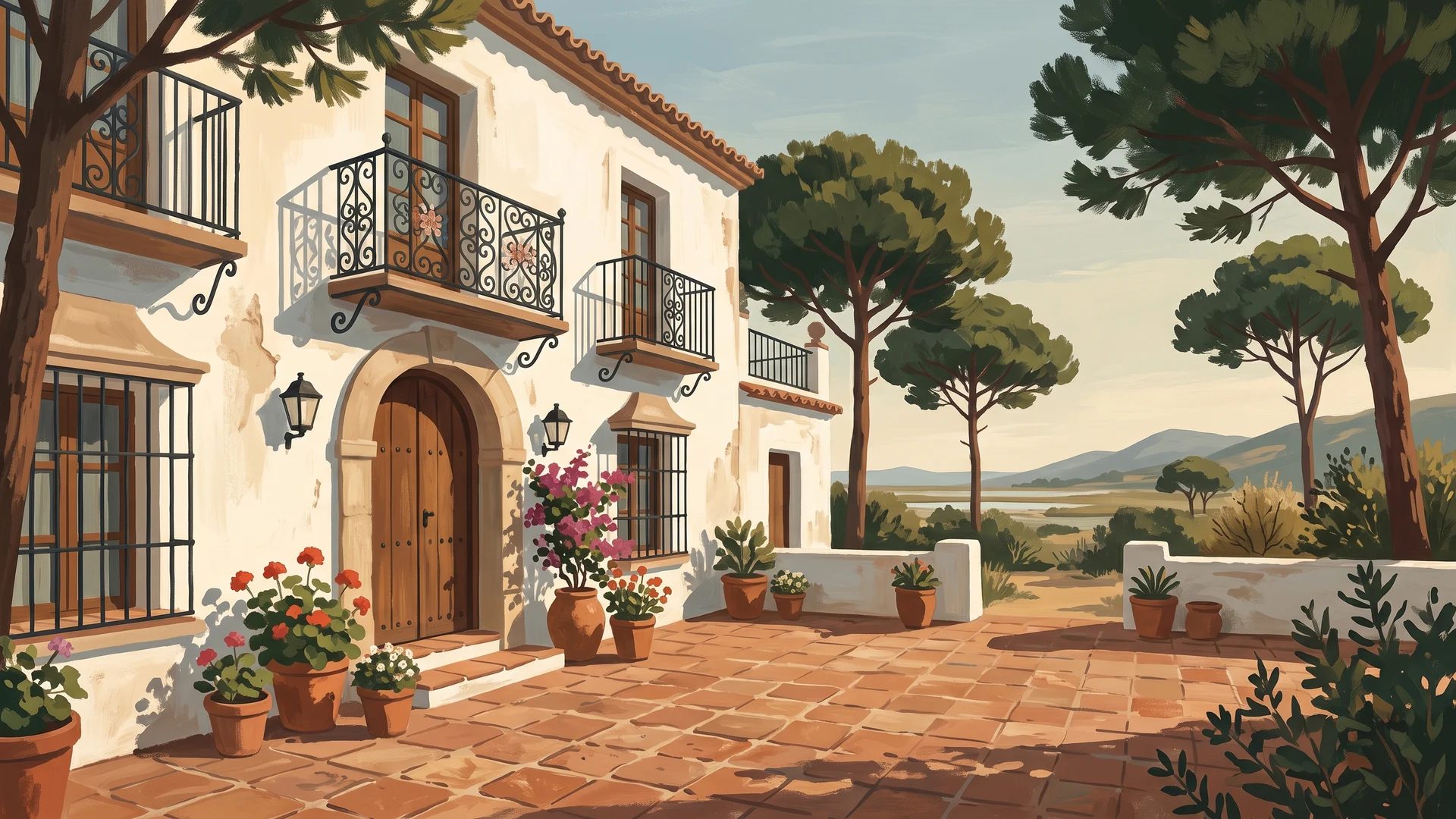
Accommodation in the Sierra ranges from grand converted convents to rustic casas rurales (country houses). For a touch of history, the Hotel Convento Aracena & Spa is a 17th-century convent expertly restored into a boutique hotel. It retains the original cloisters and offers a thermal spa that is perfect after a day of hiking. If you prefer something more secluded, Finca Valbono, just outside Aracena, offers both hotel rooms and independent cottages set within a large estate of cork and holm oaks. It is ideal for those who want to wake up to the sound of sheep bells and birdlife.
In Almonaster la Real, small guesthouses like Hotel Luz Almonaster offer a more intimate experience within the village's narrow streets. For those looking for a truly rural retreat, Linares de la Sierra has several beautifully restored village houses. Staying in these smaller villages allows you to experience the deep silence of the Sierra nights, a rarity in modern Andalucía. Many of the larger properties offer storage for hiking gear and maps of the local trail network.
Getting There & Around
Public transport in the Sierra is limited, making a car essential for exploring the smaller villages and trailheads. From Sevilla, it is a straightforward 90-minute drive north on the N-433, which winds through spectacular scenery as you climb into the hills. From Huelva city, the drive takes about an hour and fifteen minutes via the N-435. Be prepared for narrow, twisting roads between villages like Alájar and Linares de la Sierra. Parking in the centre of the white villages can be tight; it is usually best to park on the outskirts and walk in. If you are reliant on buses, Damas runs a service from Sevilla’s Plaza de Armas to Aracena, but connections to smaller hamlets are infrequent.
Best Time to Visit
Autumn is undoubtedly the most spectacular season in the Sierra de Aracena. From late October to December, the chestnut forests turn lively shades of copper and gold, and the smell of roasting chestnuts fills the village squares. This is also the peak time for mushroom foraging and the start of the pork season. Spring, from April to June, is equally beautiful when the wildflowers carpet the dehesas and the temperatures are ideal for hiking. Summer remains cooler than the lowlands but can still be hot during the day; however, the nights are refreshingly crisp. Winter is cold and often misty, providing a cosy atmosphere best enjoyed by a roaring fireplace with a glass of local wine.