
Route
Best Time to Visit Andalucía
Deciding when to visit southern Spain dictates everything from the price of your cortado to whether you can comfortably hike the Sierra de Grazalema or face 45°C afternoons in Córdoba. This guide cuts through the averages to tell you exactly what each month feels like on the ground.
By Dan · Updated 7 June 2026 · 10 min read
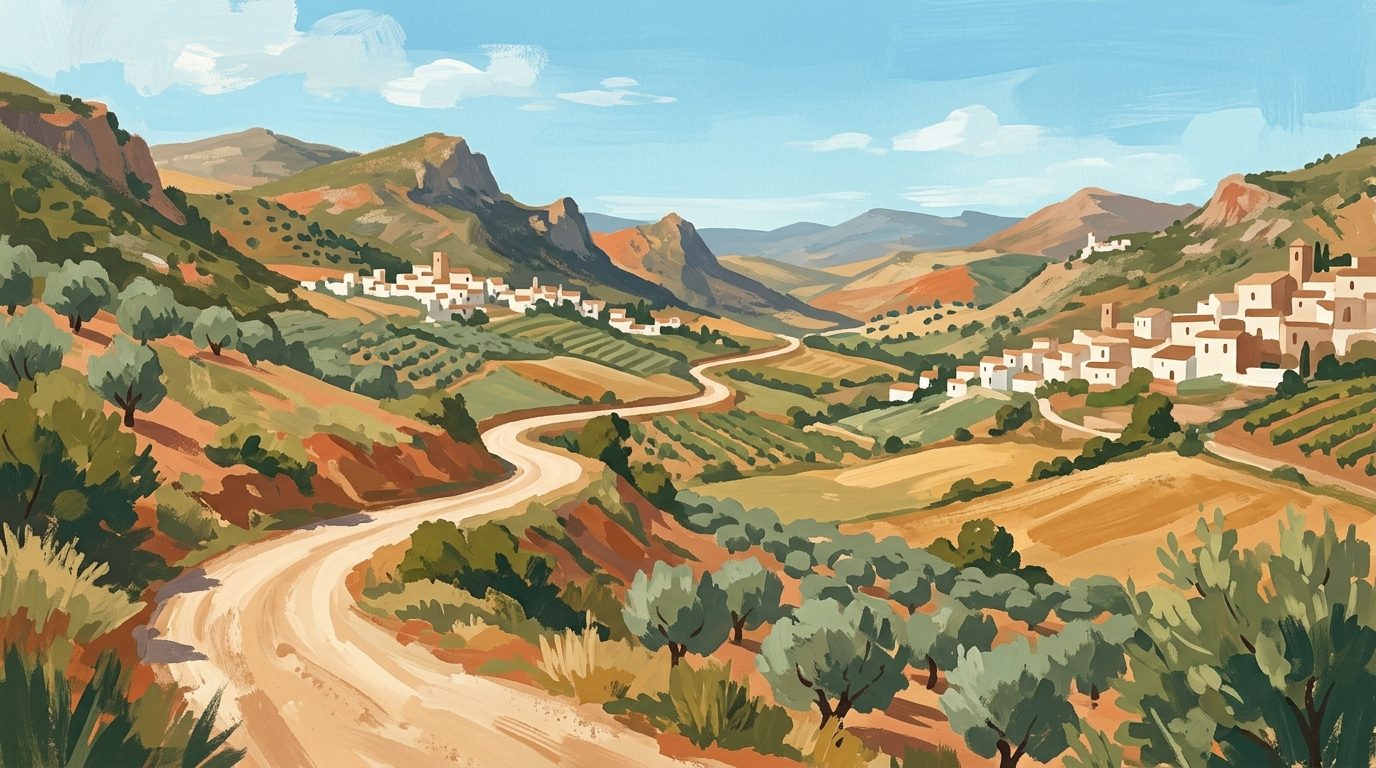
Deciding when to visit southern Spain dictates everything from the price of your morning cortado to whether you can comfortably hike the Sierra de Grazalema or face 45°C afternoons in Córdoba. This guide cuts through the averages to tell you exactly what each month feels like on the ground.
Timing your trip to southern Spain is the single most critical decision you will make during the planning process. Andalucía is vast (larger than Austria) and its mountainous topography creates dramatic, highly localised microclimates. You can literally shovel snow off your rental car in the high passes of the Sierra Nevada and sit on a sun-drenched beach in Málaga on the exact same afternoon.
I have driven the baking tarmac of the N-IV through the Guadalquivir valley in August, gripping the steering wheel while the dashboard thermometer read 46°C, and I have shivered through damp January nights in poorly insulated rural fincas. The region is utterly transformed by the calendar. The scent of orange blossom (azahar) defines April in Sevilla, while the heavy aroma of roasting chestnuts and woodsmoke characterises November in the mountain villages of the Alpujarras.
There is no universally perfect time to visit. Your ideal window depends entirely on your intentions. If you want to drive the white villages and hike the limestone peaks of Cádiz, August is an objectively terrible choice. If you want to join the late-night outdoor dining culture of the Costa de la Luz, February will leave you disappointed. Below is the unvarnished reality of what each season actually brings, including the weather anomalies, the shifting crowd dynamics, and the exact times of year you should avoid certain provinces entirely.
The Short Answer: When Should You Go?
If you are planning a comprehensive road trip that encompasses cities, rural roads, and coastal stretches, the supreme windows are mid-April to late May, and late September to early November. During these weeks, the daylight hours are generous, the extreme heat has either not arrived or finally broken, and regional life operates outdoors in village squares and city plazas.
Month-by-Month Breakdown
January and February: Winter Sun and Olive Harvests
Winter in Andalucía offers some of the brightest, sharpest light in Europe. While northern Europe deals with grey skies, the provinces of Málaga, Almería, and Cádiz often see unbroken sunshine. However, the warmth is strictly solar; step into the shade of a narrow alleyway in Granada, and the temperature immediately plummets. Daytime highs on the coast hover around 16°C, while inland cities like Jaén and Granada regularly drop below freezing at night.
This is the season of the olive harvest. Driving the A-316 through Jaén, you will see endless rows of silver-green trees dotted with workers shaking branches onto massive nets. It is also the peak of the ski season in the Sierra Nevada. You can base yourself in the ski station of Pradollano and tackle the slopes of the Veleta peak in the morning, before driving down the twisting A-395 to eat tapas in Granada by evening.
The Warning: Spanish buildings are designed to keep heat out, not in. Stone floors and lack of central heating mean that rented apartments can feel colder indoors than it is outside. Pack thick socks, thermal sleepwear, and ensure your accommodation has guaranteed, adequate heating: a single plug-in radiator will not suffice for a rural house in the Sierra de Aracena.
March and April: Orange Blossom and Holy Week
Spring arrives forcefully. By late March, the almond blossoms of winter give way to wild orchids and poppies lining the rural roads. The scent of azahar (orange blossom) is inescapable in the streets of Sevilla and Córdoba. Weather during these months is notoriously volatile; you might experience a week of pristine 25°C sunshine, or face torrential downpours that wash mud across the mountain roads.
April is dominated by Semana Santa (Holy Week). If you are visiting during this time, planning is everything. The historic centres of Sevilla, Málaga, and Granada are effectively closed to traffic (always check specific dates as these fluctuate annually with the lunar calendar) as immense, heavy floats depicting religious scenes are carried through the streets by thousands of penitents. The atmosphere is deeply moving, but the logistics are exceptionally difficult. Hotels triple their rates, restaurants require reservations days in advance, and simple tasks like crossing the city centre can take hours due to the processions.
The Warning: If you are driving between towns during April, remain vigilant for sudden fog, particularly on the A-397 road winding up from San Pedro de Alcántara to Ronda. The coastal humidity hits the cold mountain air, reducing visibility to less than five metres.
May and June: Fiestas and Rising Thermometers
May is arguably the most spectacular month to be in Andalucía. The landscape is still green from the spring rains, the days are long, and the temperature sits comfortably in the mid-to-high twenties. This is festival season. Jerez hosts its Feria del Caballo (Horse Fair), typically in early to mid-May, where the sheer volume of sherry consumed defies logic, and Córdoba opens its private, flower-filled courtyards for the Festival de los Patios.
By June, the reality of the impending summer sets in. The coastal resorts begin to fill up with domestic tourists coming down from Madrid. The water temperature of the Mediterranean finally becomes pleasant enough for swimming without a wetsuit. Inland, however, the thermometer climbs rapidly. By the final week of June, Sevilla and Córdoba are routinely hitting 35°C by early afternoon, signalling the end of comfortable city sightseeing.
Insider Tip: Late May is the ideal time to drive the Atlantic coast. Take the N-340 from Tarifa up to Cadiz. The brutal Levante wind has usually died down, and you can enjoy the vast, empty beaches of Bolonia and Zahara de los Atunes before the summer crowds arrive.
July and August: The Furnace and the Coast
Let us be entirely honest: inland Andalucía in July and August is a furnace. The Guadalquivir Valley, encompassing Sevilla, Córdoba, and towns like Écija (known locally as the 'frying pan of Spain'), regularly endures temperatures of 42°C to 45°C. Walking across the Puente Romano in Córdoba at 3:00 PM is an exercise in extreme discomfort, and potentially dangerous. The streets empty completely between 2:00 PM and 8:30 PM. Local life shifts to the night; children play in the plazas at midnight, and dinners begin at 10:30 PM.
If you visit during these months, you must adapt to the local rhythm or you will be miserable. Confine your daytime activities to the coast. The Costa de la Luz (Cádiz and Huelva) is your best refuge, as the Atlantic ocean provides cooling breezes. Base yourself in towns like Conil de la Frontera or Vejer de la Frontera.
The Warning: Do not attempt inland hiking during July and August. Popular routes like the Caminito del Rey become punishing endurance tests, and the emergency services are routinely called out to rescue tourists suffering from severe heatstroke in the Torcal de Antequera.
September and October: The Golden Shoulder Season
September still feels like high summer across much of the region, but the extreme spikes in temperature begin to soften. The sea is at its absolute warmest, having absorbed the intense summer sun for three months. This is an exceptional time for coastal road trips, particularly along the winding N-340 east of Málaga towards Nerja and the rugged cliffs of the Maro-Cerro Gordo natural area.
September is also the time of the vendimia (grape harvest). Make time for a detour to Jerez de la Frontera or the Montilla-Moriles wine region south of Córdoba to witness the harvest.
By October, the heat breaks. The first substantial rains arrive, washing the dust off the olive groves and turning the scorched earth a deep brown. Late October is the premier window for hiking in the Sierra de Grazalema. Driving the perilous, hairpin-laden CA-9104 up to the Puerto de las Palomas viewpoint offers some of the most dramatic driving conditions in southern Spain, with vultures circling the limestone crags directly above your vehicle.
November and December: Autumn Rain and Christmas Markets
Late autumn brings heavy, sustained rainfall to specific pockets of the region. The Sierra de Grazalema famously holds the title for the highest annual rainfall in Spain, catching the wet Atlantic weather systems. However, this rain brings culinary rewards. When the rain falls, rural bars serve migas (a heavy, comforting dish of fried breadcrumbs, garlic, and chorizo), and the mountain villages of the Valle del Genal fill with the smoke of roasting chestnuts.
December is surprisingly animated. While you will not find the snowy, glühwein-soaked markets of Germany, cities like Málaga stage spectacular light displays. The switch-on of the Christmas lights on Calle Larios draws tens of thousands of people. The weather remains mild enough that you can eat roasted almonds from a street vendor while wearing only a light jacket.
Festivals That Dictate Your Dates (and Budget)
The Andalucían calendar is anchored by several massive events that will fundamentally alter your trip. You must deliberately plan to either attend them, or avoid the respective cities entirely.
- Carnival in Cádiz (February): For two weeks, the ancient port city of Cádiz gives itself over to satirical choirs, street drinking, and elaborate costumes. Finding a parking space anywhere on the peninsula is impossible. You must book accommodation six months in advance.
- Semana Santa (March and April): Celebrated region-wide, but the most intense, overwhelming spectacles are in Sevilla, Málaga, and Granada. Expect major disruptions to public transport, closed roads, and premium pricing.
- Feria de Abril (April and May): Sevilla's massive spring fair. It is deeply traditional, visually stunning, and highly exclusive (most of the 'casetas', or tents, are strictly private). Hotel prices reach their absolute peak of the year during this week.
- Romeria de El Rocío (May and June): Over a million pilgrims converge on a tiny, sandy village in Huelva. The roads leading through the Doñana National Park become clogged with horses, ox-drawn carts, and 4x4s. Avoid driving in western Huelva during this week unless you are participating.
Regional Micro-Climates: Where to Go When
Applying a blanket weather forecast to Andalucía is a guaranteed way to pack the wrong clothing. We strongly recommend checking highly localised reports via AEMET (the Spanish Meteorological Agency) before travelling. The region is cleanly divided into four distinct climatic zones.
The High Sierras (Granada, Jaén, Inland Cádiz)
Encompassing the Sierra Nevada, the Cazorla Natural Park, and the Grazalema range. These areas experience extreme shifts. Winter brings heavy snow to Granada and Jaén, requiring snow chains on rural roads like the A-319. Summer days are intensely hot, but the altitude means nights drop to a highly comfortable 15°C. The optimal times for driving and hiking here are May and October.
The Guadalquivir Valley (Sevilla, Córdoba)
This low-lying basin traps the heat. From mid-June to mid-September, it is exceptionally arid and punishingly hot. However, this exact geography makes it the most appealing destination in Spain during November, February, and March, when the cities enjoy crisp, bright days of 18°C while the rest of Europe freezes.
Costa del Sol and Tropical (Málaga, Granada Coast)
Sheltered by mountain ranges to the north, this stretch of coastline enjoys Europe's most stable year-round climate. Even in January, you will see locals and tourists drinking coffee outside on the beachfront promenades of Estepona and Almuñécar. Summer is humid and extremely busy, with the AP-7 toll road experiencing heavy congestion on weekends.
Costa de la Luz (Cádiz, Huelva)
Facing the Atlantic, this coast is entirely dictated by the wind. The Poniente brings cool, pleasant air from the ocean, while the Levante blows hot and fierce from the east, sandblasting anyone foolish enough to sit on the beach. It is significantly cooler than the Mediterranean coast in summer, making it the preferred July and August escape for Spaniards from Sevilla and Madrid.
Practical Information: Planning Your Timing
Booking Timelines
Your timeline for booking depends heavily on the season. If you are targeting the absolute peak windows of late April, May, and October, you need to secure your car hire and rural accommodation (casas rurales) at least four months in advance. Vehicles with automatic transmissions are in short supply in regional depots like Granada or Jerez airports, and will sell out by March for the summer season.
If you plan to attend a major festival, specifically Semana Santa or the Cádiz Carnival, six to eight months is the minimum lead time for decent accommodation within walking distance of the historic centres. Conversely, if you are planning a road trip through the inland provinces in November or February, you can effectively book as you go, finding excellent rates at last-minute notice.
What to Pack by Season
Winter (December to February): A thick, windproof coat for the evenings, sunglasses, heavy knitwear, and critically, warm indoor clothing and slippers. Spanish tile floors are unforgivingly cold in January.
Spring and Autumn (March to May, October to November): The ultimate layering seasons. You will need a t-shirt at 2:00 PM and a proper jacket by 9:00 PM. A compact, lightweight rain shell is essential, particularly if driving through the western mountains.
Summer (June to September): Linen, loose cotton, a wide-brimmed hat, and high-factor sunscreen. Leave the jeans at home; you will regret wearing denim in Sevilla in July. Pack a lightweight jumper purely for heavily air-conditioned museums and high-speed AVE trains.
Last reviewed: 21 June 2026 · Editorial policy
Related guides
Cádiz in February (Carnaval)
February transforms the oldest city in the West into a theatre of satire, where the Atlantic breeze carries the sound of copper whistles and witty choruses.
6 min read
Málaga in November: A Guide to the Season of Calm and Light
Experience the calm of Málaga in November, from the traditional chestnut festivals in the mountains to the spectacular Christmas light switch-on in the city.
6 min read
Málaga in December: Winter Light and Festive Traditions
Málaga transforms into a city of light and social warmth during December, offering a mild escape from the harsh northern European winter.
7 min read
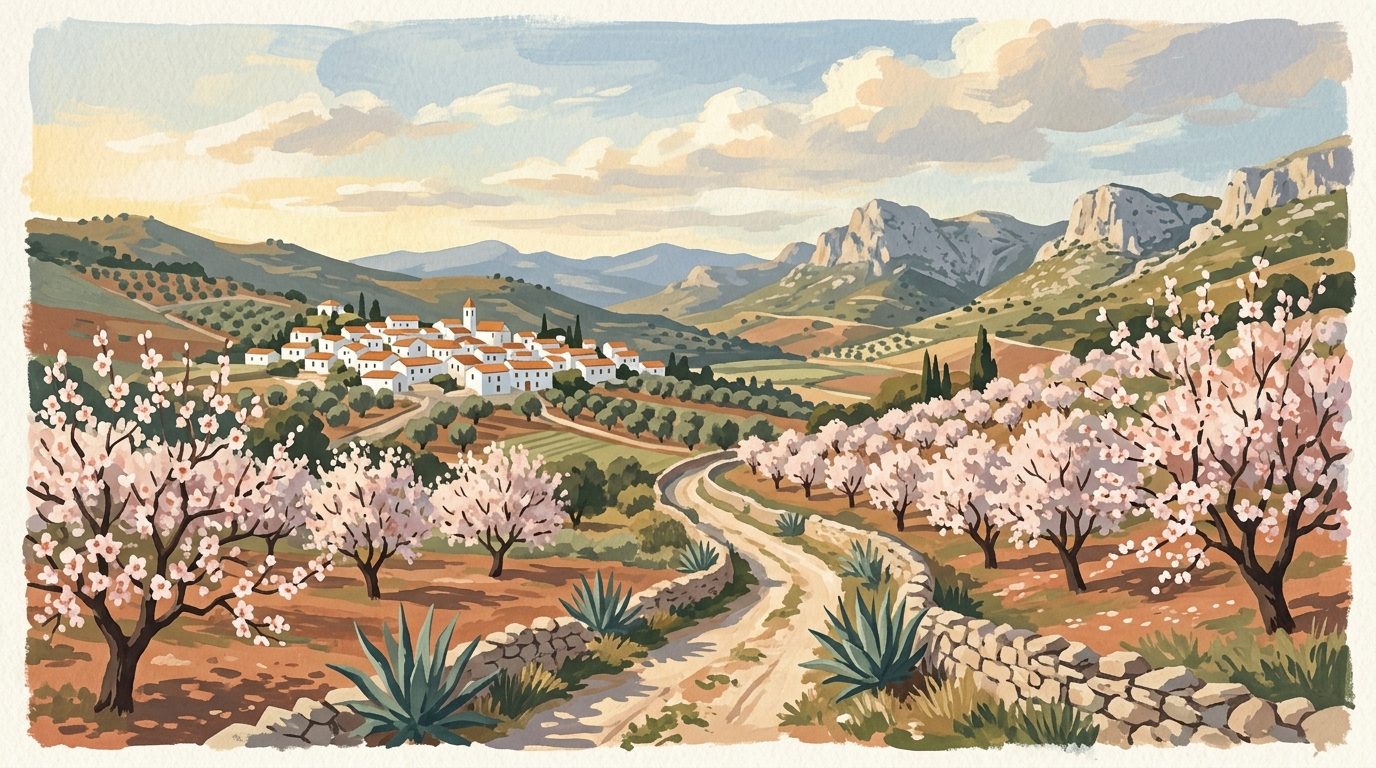
Málaga in February: Almond Blossom and Winter Sun
February in Málaga province offers a quiet transition, where the scent of almond blossom fills the air and the city streets remain peaceful before the spring rush.
7 min read
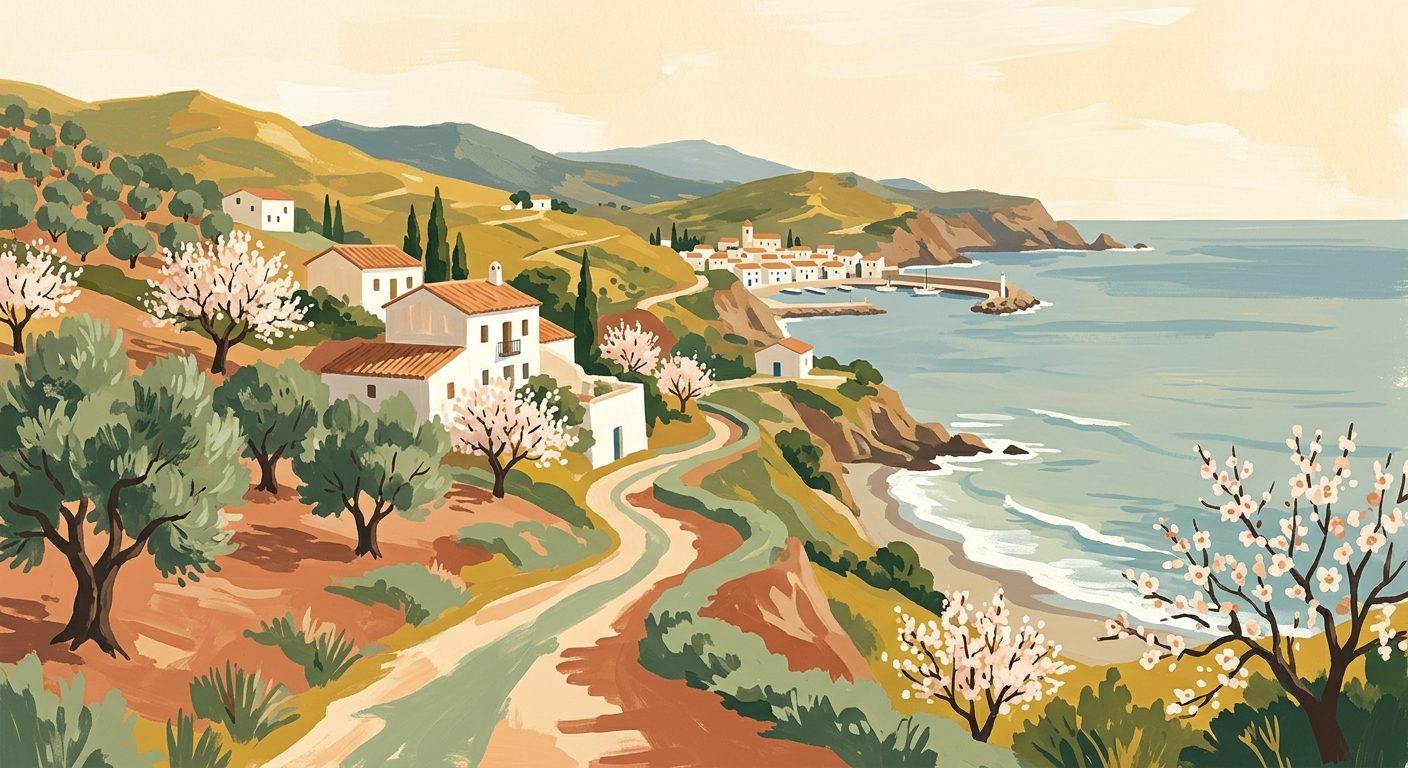
Málaga in March: Spring Arrivals and Coastal Calm
March in Málaga offers a serene transition as the province awakens with orange blossom scents, early spring sunshine, and the anticipation of Easter traditions.
6 min read
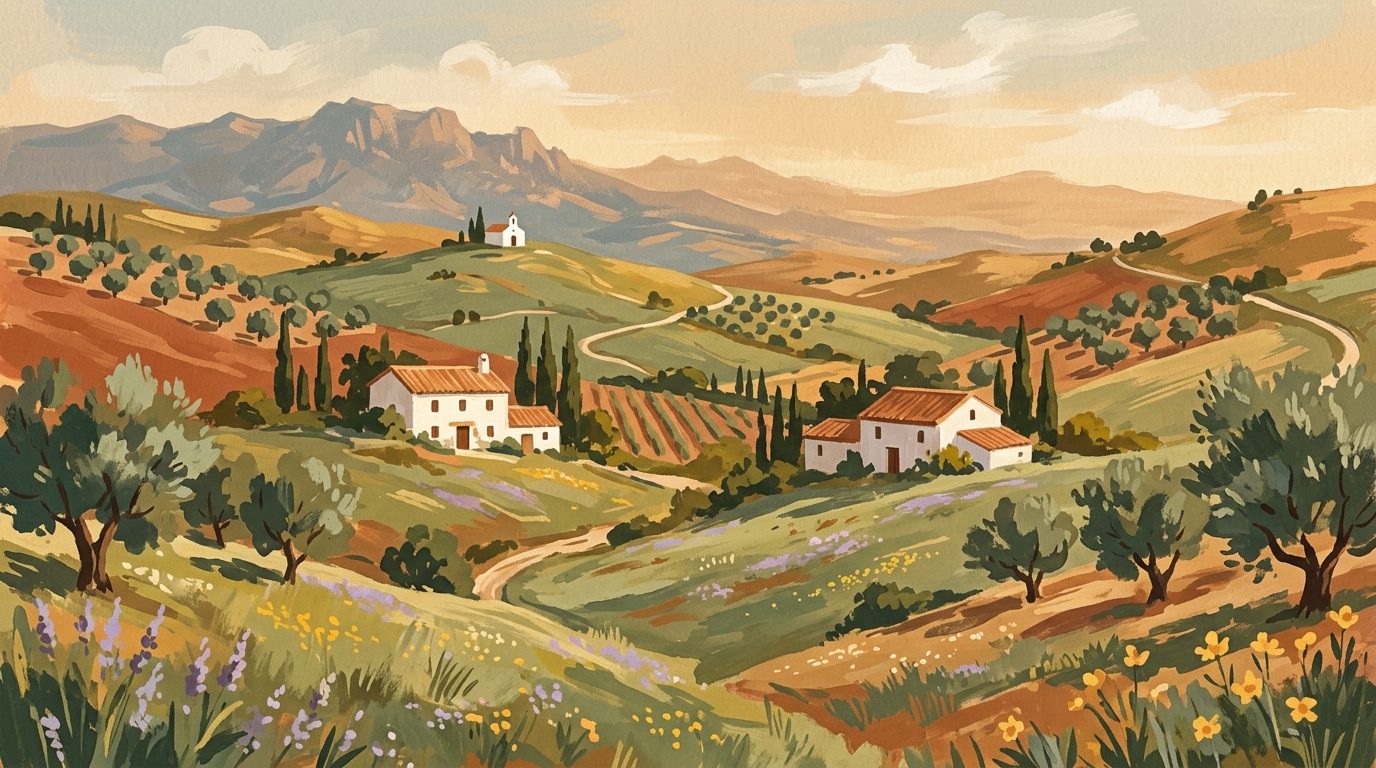
Andalucía in April
April brings the intoxicating scent of orange blossom and the dramatic spectacle of Semana Santa to Andalucía, offering the perfect balance of warm weather and cultural depth.
7 min read
More guides
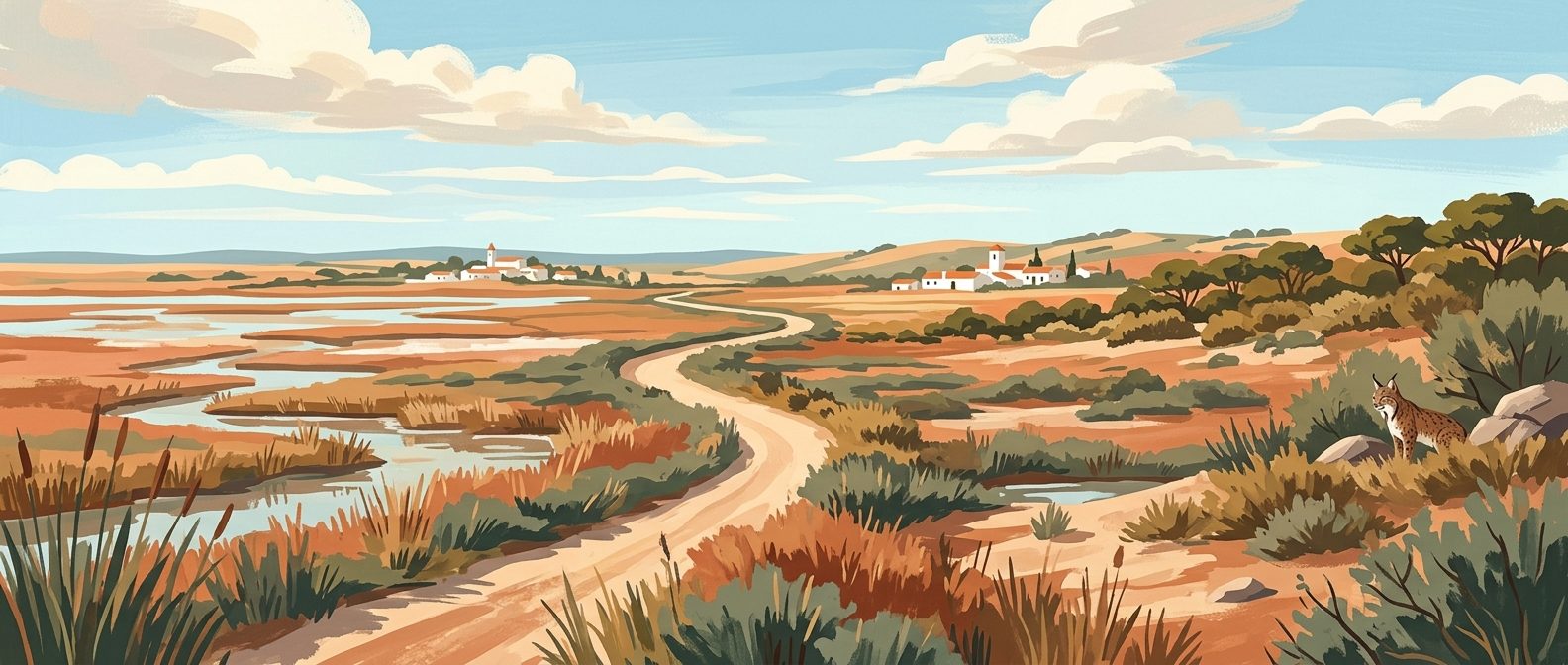
Doñana National Park Guide: Marshes, Lynx, and Restricted Zones
A shifting landscape of tidal marshes, ancient pine forests, and wind-sculpted dunes, Doñana is Europe's most crucial wetland reserve. Navigating its restricted zones requires planning, but the reward is encountering Iberian lynx and thousands of migratory flamingos in total wilderness.
9 min read
Walking the GR7 in Andalucía: The Ultimate Guide to Spain's Great Southern Trail
Leave the crowds behind and tackle Spain's greatest long-distance trail. From navigating faded waymarks to crossing the high Alpujarras, here is exactly how to walk the GR7 in Andalucía.
11 min read
The Ultimate Andalucía Photography Route: Chasing Light Across Southern Spain
Forget the bleached-out midday snaps and crowded tourist viewpoints; photographing southern Spain requires an obsession with timing and terrain. This comprehensive route guides you to the exact coordinates and precise hours needed to capture the region's finest architectural geometry and dramatic geology.
9 min read
Roman Andalucía Heritage Trail
Before the Moorish emirs reshaped southern Spain, this territory was the fiercely wealthy Roman province of Baetica, a crucial supplier of olive oil and emperors to the empire. This seven-day route traces the classical footprint across Andalucía, leading you from coastal fish-salting ruins and lonely mountain amphitheatres to the architectural remnants that bridged the fall of Rome and the rise of Al-Andalus.
9 min read
The Alpujarras Complete Guide: High Altitudes and Moorish Footpaths
South of the Sierra Nevada, the Alpujarras is a high-altitude network of steep ravines, ancient irrigation channels, and white villages clinging to the mountainside. This guide covers how to navigate the hairpin bends, where to find the best hiking trails, and which village suits your basecamp needs.
9 min read
The Ultimate Jamón Ibérico Route: Through Huelva and Córdoba
Tracking down the world's finest ham is an exercise in geography, patience, and appetite. This three-day drive through the ancient oak forests of Huelva and Córdoba takes you straight to the source of authentic Jamón 100% Ibérico de Bellota.
9 min read
Best Weekend Breaks in Andalucía
When you live in southern Spain, the temptation is to spend every weekend repeating the same comfortable Sunday routines. These seven targeted 48-hour itineraries bypass the obvious tourist traps, giving residents and expats a genuine excuse to pack a weekend bag and drive somewhere entirely new.
11 min read
One Week in Andalucía Itinerary: The Classic Triangle & Ronda
Seven days in southern Spain is just enough time to trace the defining Moorish capitals and mountain roads of Andalucía. This itinerary strips away the coastal sprawl to focus entirely on the essential cities of Málaga, Granada, Córdoba, and Sevilla, returning via the dramatic mountain gorge of Ronda.
9 min read
Budget Backpacker Guide to Andalucía
Andalucía on a shoestring is entirely possible if you know where to eat, how to travel, and which timing tricks unlock the region's monuments for free. Taking this approach strips away the tourist premium to show you exactly how to backpack southern Spain on less than €50 a day.
10 min read
Newsletter
More stories from Andalucía
Weekly notes, seasonal picks, and the next guides worth bookmarking.