
Route
Semana Santa Guide: Decoding Andalucía's Most Intense Week
Holy Week in Andalucía is a profound sensory experience of heavy incense, brass bands, and thousands of shuffling feet. This guide decodes the intricate schedules, unwritten rules, and distinct regional styles of Spain’s most intense cultural phenomenon.
By Dan · Updated 7 June 2026 · 9 min read
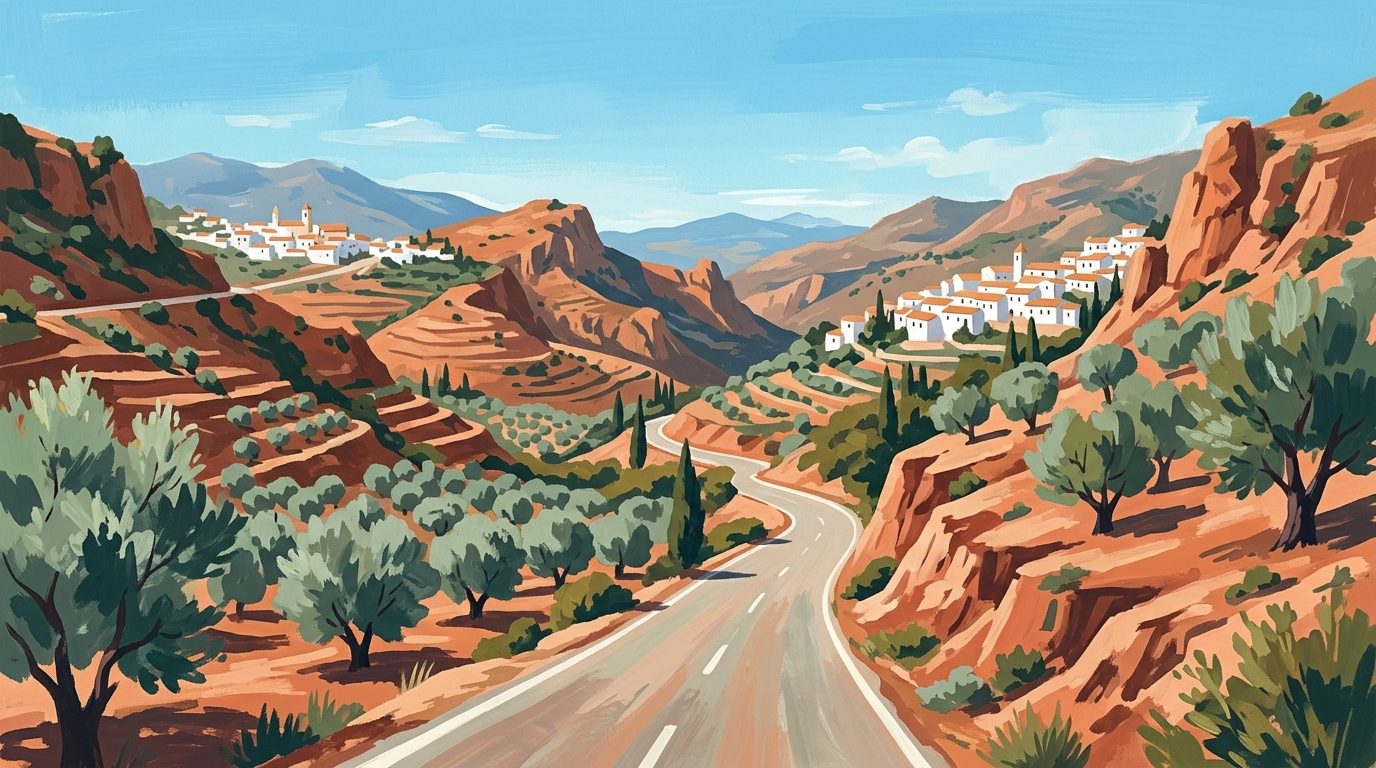
Holy Week in Andalucía is not merely a religious event; it is a profound sensory experience of heavy incense, mournful brass bands, and thousands of shuffling feet. This guide decodes the intricate schedules, unwritten rules, and distinct regional styles to help you navigate Spain's most intense cultural phenomenon.
The first indication that you have arrived during Semana Santa is the smell. Long before you see a single conical hood or hear the strike of a snare drum, the heavy, sweet scent of frankincense mingling with the spring bloom of orange trees (azahar) hits the back of your throat. Soon after, the low, rhythmic shuffle of esparto-soled shoes on cobblestones begins to echo down the narrow alleys.
First-time visitors invariably underestimate the sheer gravity, scale, and logistical dominance of Semana Santa in southern Spain. It is entirely inaccurate to view these as mere parades. They are deeply serious public acts of penance, fierce neighbourhood pride, and centuries of tradition that consume the entire region from Palm Sunday (Domingo de Ramos) to Easter Sunday (Domingo de Resurrección). Whole city centres are shut down to traffic; public transport is rerouted; daily life bends entirely to the rhythm of the brotherhoods (hermandades).
Yet, the experience varies wildly depending on exactly where you stand. The absolute silence of a midnight procession in Granada feels a universe away from the kinetic, brass-led fervour of Málaga, or the strict, tightly choreographed emotional weight of Sevilla. Navigating this week requires stamina, serious advance planning, and an understanding of the unwritten rules of the street.
Understanding the Anatomy of a Procession
Before stepping into the crowds, it is vital to understand what you are actually watching. A single brotherhood's procession can take anywhere from thirty minutes to three hours to pass a single point, often involving thousands of participants.
The procession is always led by the Cruz de Guía (Guiding Cross). This is your marker; when you see the silver or wooden cross approach, the procession has officially arrived. Following the cross are the Nazarenos, the penitents wearing the iconic capirote (conical hood) and long tunics. The hood is designed to ensure the wearer's identity remains anonymous before God. Depending on the brotherhood, they may carry long wax candles (cirios), wooden crosses, or walk completely barefoot, sometimes dragging chains.
Behind the ranks of Nazarenos come the Acólitos, swinging thuribles billowing thick clouds of incense, signalling the arrival of the float. In most of Andalucía, the float is called a paso. In Málaga, it is a trono. The first float typically depicts a scene from the Passion of Christ (the Cristo or Misterio), while the second float invariably carries a weeping Virgin Mary (the Virgen or Palio), shielded by an ornate canopy.
The manner in which these colossal structures are carried defines the regional style, and following the float, you will often find a large brass band (unless it is a hermandad de silencio, in which case the only sound is the shuffling of feet and the occasional mournful choral piece).
Sevilla: The Epicentre of Tradition
Sevilla sets the absolute standard for Semana Santa. The city possesses over sixty brotherhoods, and the choreography here is extraordinarily refined. In Sevilla, the pasos are carried by costaleros (sack men), who support the immense weight on the C7 vertebra of their necks. They are completely hidden beneath the velvet skirts of the float, guided solely by the voice of the capataz (foreman) and the strike of his ceremonial knocker (the llamador) against the silver frame.
The absolute pinnacle of the week is La Madrugá, the deeply intense night spanning Maundy Thursday into Good Friday. Over 500,000 people flood the streets to watch the city's most venerated images: El Gran Poder, La Macarena, and Esperanza de Triana. The contrast between the severe, absolute silence of El Silencio (where all streetlights are extinguished as the cross passes) and the roaring, applause-heavy reception of La Macarena is profound.
Where to stand: Avoid the official route (Carrera Oficial) around Calle Sierpes and the Cathedral unless you have a seated ticket, which are passed down through families and nearly impossible to acquire. Instead, catch the processions in their home neighbourhoods. Watching the Esperanza de Triana cross the Puente de Isabel II (Triana Bridge) as dawn breaks on Friday morning is essential viewing. To secure a high vantage point away from the crushing crowds, strongly consider arranging a private balcony rental well in advance. For the 2027 season (21 to 28 March), you must book at least eight months ahead; centrally located options like Hotel Casa del Poeta place you right in the Barrio Santa Cruz, though be prepared for restricted access during procession hours.
Málaga: Sheer Scale and Military Precision
If Sevilla is intimate and enclosed, Málaga is spectacularly expansive. Here, the floats are known as tronos, and they are so colossal they simply cannot fit through narrow alleys. Instead of hiding underneath, the carriers, known as hombres de trono, wear robes and carry the structure on their shoulders using four immense external poles. A single trono can weigh over 5,000 kilos and require up to 250 men and women to lift.
The atmosphere in Málaga is noticeably less solemn and far more celebratory. The military plays a crucial role here, most notably on Maundy Thursday with the arrival of the Spanish Legion. The troops disembark at the port and march through the city holding the Cristo de la Buena Muerte (Christ of the Good Death) aloft on one arm, singing their roaring, fast-paced anthem, El Novio de la Muerte.
Where to stand: The Alameda Principal offers a wide avenue to appreciate the sheer scale of the tronos, but for a truly local experience, position yourself near the Tribuna de los Pobres (the Grandstand of the Poor) at the end of Calle Carretería. There are no seats here; people sit on the steps, and the tronos are often raised and swayed to the roaring approval of the crowds. Taking a guided Semana Santa walking tour early in the week is highly recommended to understand the distinct layout of Málaga's brotherhoods.
Granada: Bonfires and Absolute Silence
Granada presents a visually arresting backdrop. Watching a carved wooden Christ pass beneath the illuminated walls of the Alhambra is a sight that sears itself into your memory. The terrain here is punishing. The cobbled, deeply steep streets of the Albayzín and Sacromonte neighbourhoods require the carriers to possess astonishing physical endurance.
The defining moment of Granada's week occurs on Holy Wednesday night with the procession of the Cristo de los Gitanos (Christ of the Gypsies). As the procession slowly climbs the steep Cuesta del Chapiz towards the Sacromonte abbey, the local gitano community lights massive bonfires (fogatas) along the hillsides. Spontaneous saetas (flamenco-infused verses of mourning) are sung from the balconies as the smoke thickens.
In stark contrast, Thursday night belongs to the Cristo del Silencio. As this procession winds through the lower Albayzín and along the Carrera del Darro, the public streetlights are completely switched off. The only illumination comes from the Nazarenos' candles, and the only sound is a single, solitary drumbeat marking the pace.
Where to stay: To fully immerse yourself in the nocturnal processions, look for boutique cave accommodations in the Sacromonte or a restored carmen in the Albayzín. You will be directly on the procession routes, bypassing the need to fight your way up the hill from the modern centre.
Córdoba and Cádiz: Unique Atmospheres
While Sevilla, Málaga, and Granada draw the largest international crowds, Córdoba and Cádiz present profoundly distinct experiences that reward the dedicated traveller.
In Córdoba, the defining feature is the Mezquita-Catedral. The official route for all brotherhoods requires them to cross the Roman Bridge, pass through the Puerta del Puente, and enter the magnificent Patio de los Naranjos (Courtyard of the Orange Trees) before moving inside the former mosque itself. Watching a deeply Catholic procession of penance march through the horseshoe arches of a 10th-century Islamic prayer hall is an architectural and cultural collision you will not find anywhere else in Europe.
Cádiz, jutting out into the Atlantic, offers a salt-tinged, breezy alternative. The coastal light changes the entire aesthetic of the wood and silver floats. Here, the carriers are called horquilleros, named after the horquilla (a wooden staff with a metal fork) they use to rest the heavy carrying poles. They walk with a distinctive side-to-side sway, rhythmically striking their metal forks against the pavement, creating a metallic clanking that echoes off the seawalls.
The Unwritten Rules of the Street
Attending Semana Santa requires severe patience and a strict adherence to local etiquette. You are stepping into an event that locals take incredibly seriously.
- Crossing the Line: Never casually break through the line of Nazarenos. If you must cross the street, look for a gap, make eye contact with a senior member of the brotherhood (often walking alongside without a hood), and ask politely to pass.
- The Wax Hazard: Over the course of the week, the sheer volume of melting candles creates a thick layer of dried wax on the cobblestones. By Good Friday, the streets are effectively skating rinks. Wear shoes with heavy rubber traction; absolutely no leather soles or heels.
- Navigating the Crush: If you suffer from claustrophobia, you must plan your routes meticulously. It is very easy to turn a corner and find yourself trapped in an alley behind a procession for two hours, completely unable to move backward or forward. Familiarise yourself with side streets.
- Silence vs Applause: Pay attention to the crowd. If a brotherhood is silent, you must be entirely silent. Do not speak, do not use flash photography, and put your phone on silent. Conversely, when a popular Virgin Mary executes a difficult turn in a lively neighbourhood, expect roaring applause and cheering.
Practical Information for Your Trip
When to Arrive
The most intense days are Wednesday, Thursday, and Friday. If it is your first time, arriving on Palm Sunday (21 March 2027) allows you to ease into the atmosphere before the massive crowds arrive for the final triduum. Be aware that rain is the great enemy of Semana Santa. The floats are highly valuable antiques; if there is a threat of heavy rain, brotherhoods will cancel their processions and remain in their churches, leading to widespread tears among the participants.
Digital Tracking
Do not attempt to navigate without local apps. In Sevilla, download El Llamador (produced by Canal Sur Radio). In Málaga, use El Penitente. These apps provide real-time GPS tracking of the Cruz de Guía and the final float, meaning you can precisely intercept a procession rather than standing blindly on a street corner. (Check your app store for the 2027 versions a few weeks before travelling.)
What to Eat
Restaurants along the procession routes will be impossibly crowded, and many bars remove their seating entirely to pack in more standing patrons. Be prepared to eat at odd hours. This is the season for specific Lenten cuisine. Prioritise finding torrijas, thick slices of bread soaked in milk or sweet wine, deep-fried in olive oil, and soaked in honey or coated in cinnamon sugar. You will also find potaje de vigilia (a heavy stew of chickpeas, spinach, and salt cod) on nearly every traditional menu, providing vital sustenance for the long nights of standing.
Getting Around
Do not rent a car if you are staying inside the historic centre of any of these cities; you will be physically unable to reach your accommodation. Rely entirely on the high-speed AVE train network, which connects Sevilla, Córdoba, and Málaga with exceptional efficiency. Book your train tickets at least two months in advance, as domestic travel peaks sharply during this week.
Semana Santa is demanding, exhausting, and often overwhelming. Yet, if you prepare correctly, wear the right shoes, and respect the rhythms of the street, it offers an unparalleled window into the soul of Andalucía.
Last reviewed: 21 June 2026 · Editorial policy
Related guides
Corpus Christi in Granada: The Definitive Guide
In Granada, Corpus Christi is far more than a solemn religious observance. It is the city's largest annual festival, combining the scent of fresh rosemary crushed underfoot during the sacred Thursday procession with the unapologetic joy of the week-long public feria in Almanjáyar.
10 min read
Semana Santa in Sevilla: A First-Timer's Guide
Semana Santa in Sevilla is an intense expression of faith, art and civic identity. Unlike other cities, the spectacular wooden floats are carried from below by hidden costaleros, moving to the slow beat of mourning marches or absolute silence.
8 min read
Semana Santa in Córdoba: The Definitive Guide
During Semana Santa in Córdoba, the air smells of orange blossom and incense as penitential floats pass beneath the candy-striped arches of the Mezquita.
8 min read
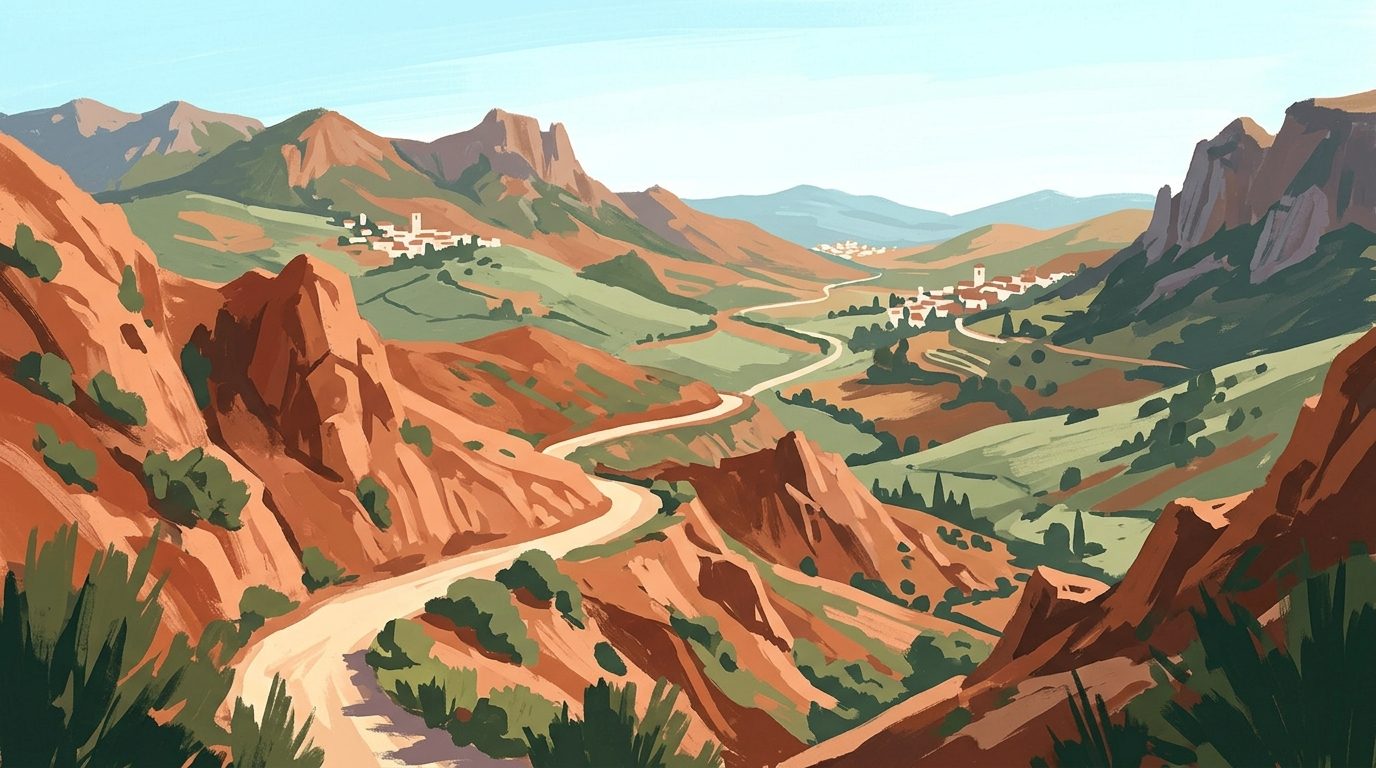
Flamenco Origins & Best Shows: A Journey Through the Heart of Andalucía
True flamenco is rarely found on a brightly lit stage accompanying a three-course dinner; it lives in the breathless silence of a cramped sherry tavern and the rhythmic agony of a soleá sung at midnight. To understand this complex art form, you have to trace its steps through the gitano quarters of Sevilla, Jerez, and the caves of Granada.
9 min read
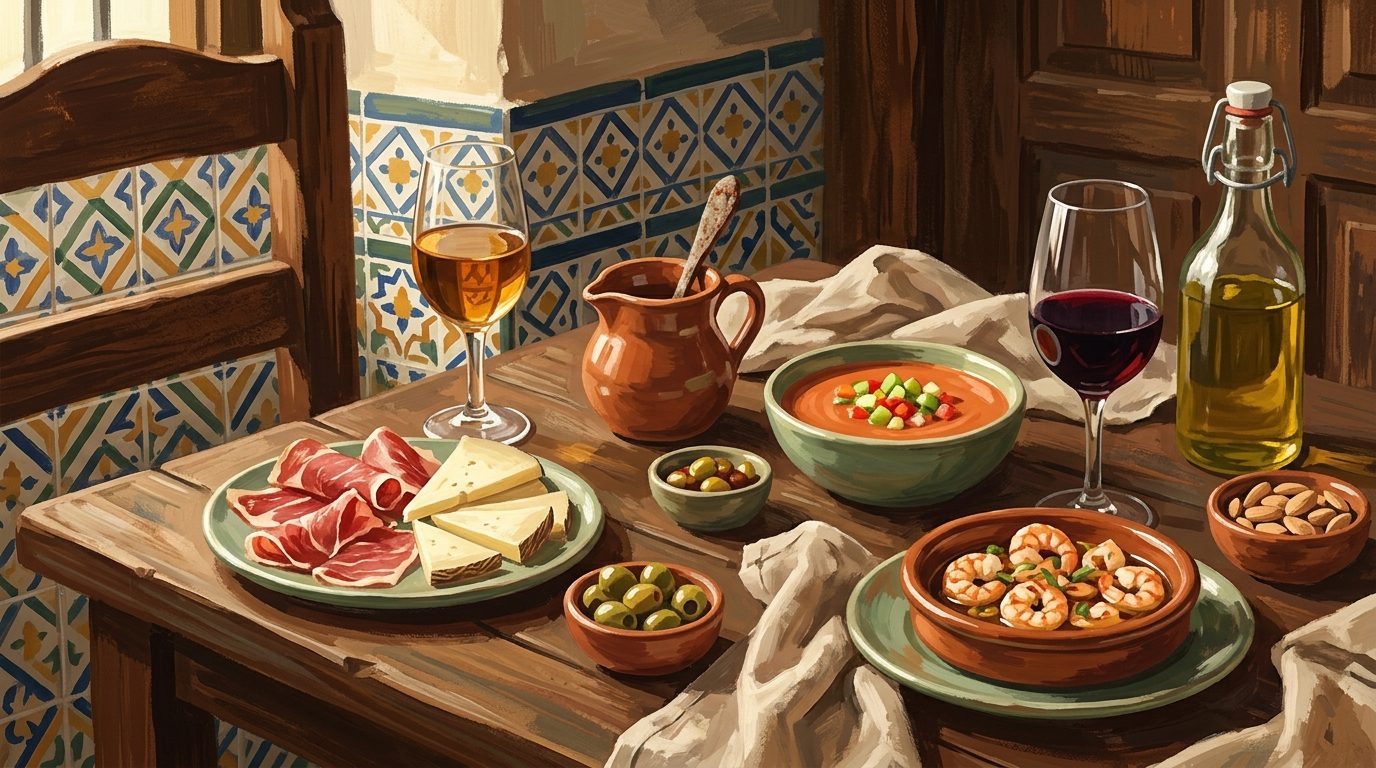
A Calendar of Flavour: The Best Food Festivals in Andalucía
From the smoky beach fires of Málaga to the prestigious ham auctions in Huelva, Andalucía’s food festivals offer a seat at the table of the region’s most authentic traditions.
7 min read
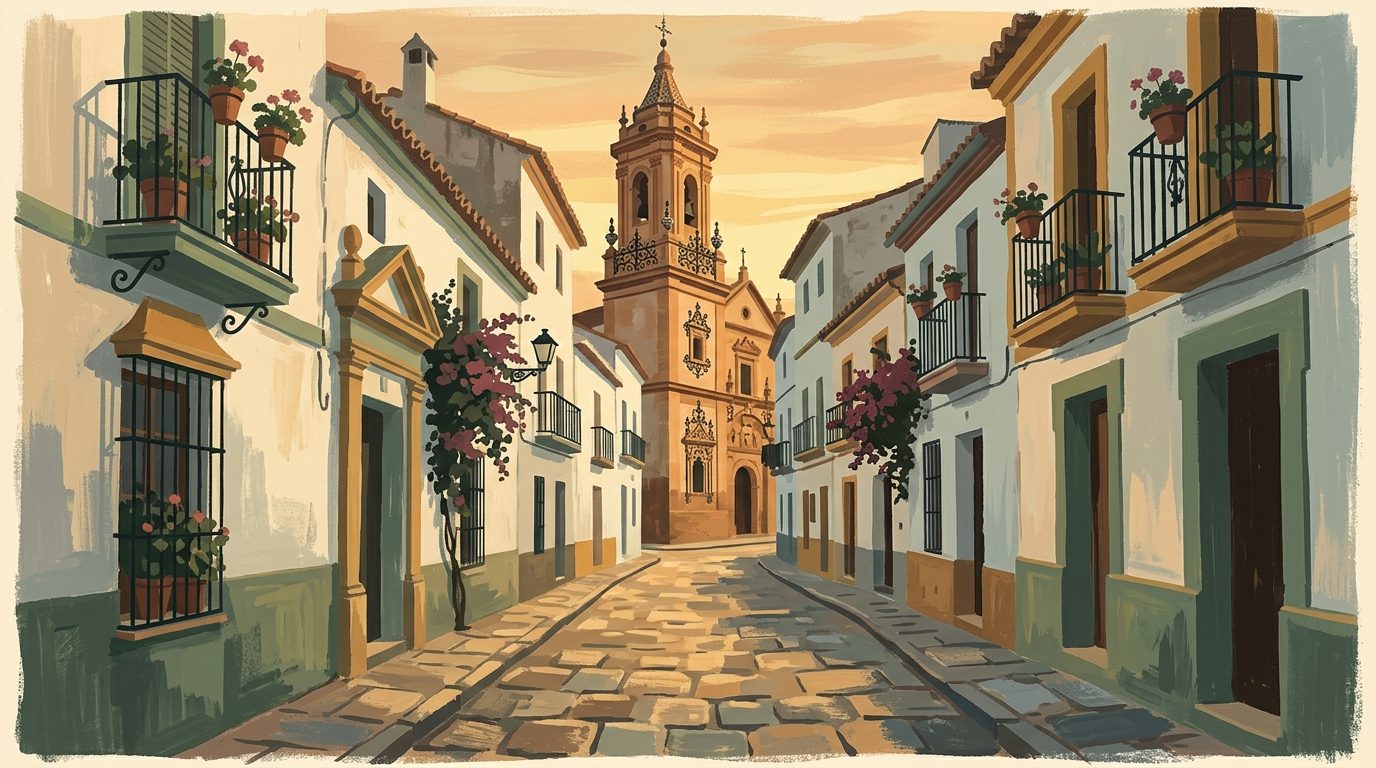
The Sound of Silence: Inside Semana Santa
The drumbeat hits the sternum first, a rhythmic thud that vibrates through the marrow before the ear registers the sound. Then comes the silence: a heavy, suffocating quiet.
7 min read
More guides
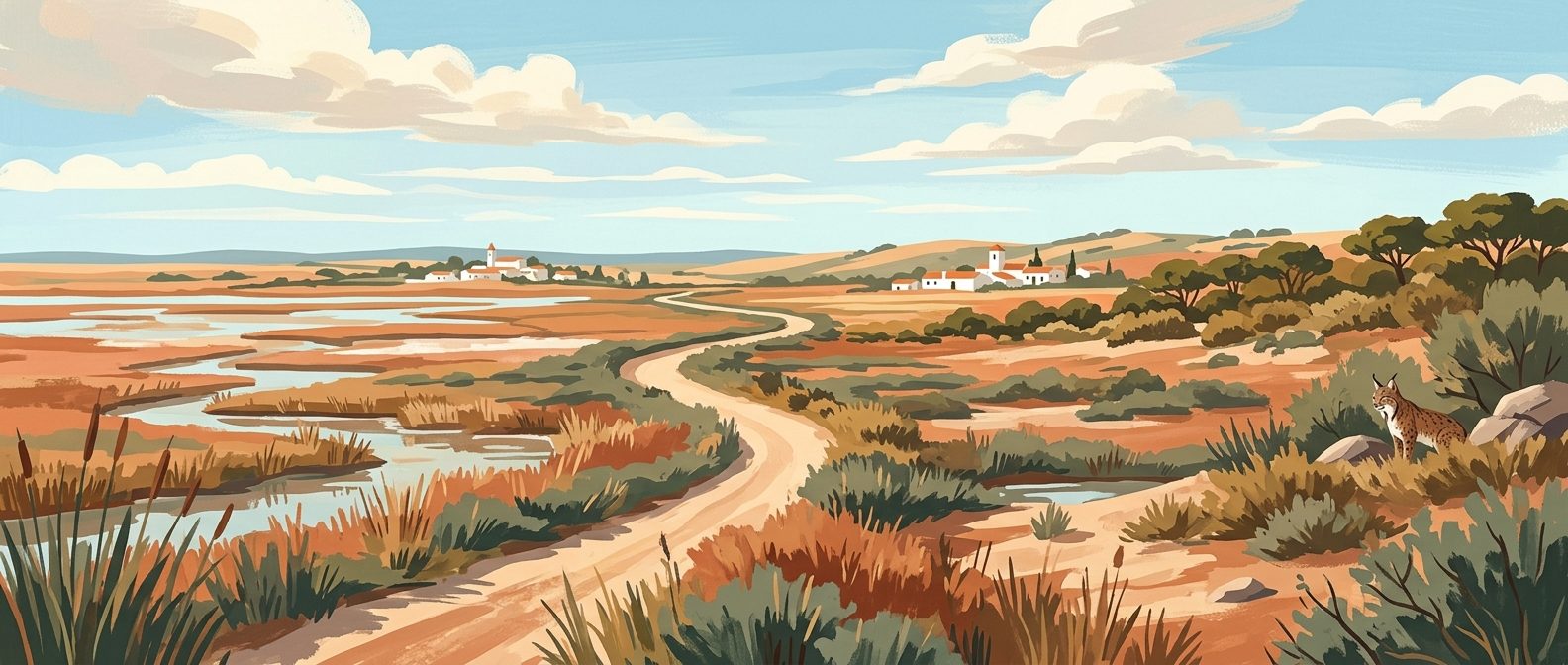
Doñana National Park Guide: Marshes, Lynx, and Restricted Zones
A shifting landscape of tidal marshes, ancient pine forests, and wind-sculpted dunes, Doñana is Europe's most crucial wetland reserve. Navigating its restricted zones requires planning, but the reward is encountering Iberian lynx and thousands of migratory flamingos in total wilderness.
9 min read
Walking the GR7 in Andalucía: The Ultimate Guide to Spain's Great Southern Trail
Leave the crowds behind and tackle Spain's greatest long-distance trail. From navigating faded waymarks to crossing the high Alpujarras, here is exactly how to walk the GR7 in Andalucía.
11 min read
The Ultimate Andalucía Photography Route: Chasing Light Across Southern Spain
Forget the bleached-out midday snaps and crowded tourist viewpoints; photographing southern Spain requires an obsession with timing and terrain. This comprehensive route guides you to the exact coordinates and precise hours needed to capture the region's finest architectural geometry and dramatic geology.
9 min read
Roman Andalucía Heritage Trail
Before the Moorish emirs reshaped southern Spain, this territory was the fiercely wealthy Roman province of Baetica, a crucial supplier of olive oil and emperors to the empire. This seven-day route traces the classical footprint across Andalucía, leading you from coastal fish-salting ruins and lonely mountain amphitheatres to the architectural remnants that bridged the fall of Rome and the rise of Al-Andalus.
9 min read
The Alpujarras Complete Guide: High Altitudes and Moorish Footpaths
South of the Sierra Nevada, the Alpujarras is a high-altitude network of steep ravines, ancient irrigation channels, and white villages clinging to the mountainside. This guide covers how to navigate the hairpin bends, where to find the best hiking trails, and which village suits your basecamp needs.
9 min read
The Ultimate Jamón Ibérico Route: Through Huelva and Córdoba
Tracking down the world's finest ham is an exercise in geography, patience, and appetite. This three-day drive through the ancient oak forests of Huelva and Córdoba takes you straight to the source of authentic Jamón 100% Ibérico de Bellota.
9 min read
Best Weekend Breaks in Andalucía
When you live in southern Spain, the temptation is to spend every weekend repeating the same comfortable Sunday routines. These seven targeted 48-hour itineraries bypass the obvious tourist traps, giving residents and expats a genuine excuse to pack a weekend bag and drive somewhere entirely new.
11 min read
One Week in Andalucía Itinerary: The Classic Triangle & Ronda
Seven days in southern Spain is just enough time to trace the defining Moorish capitals and mountain roads of Andalucía. This itinerary strips away the coastal sprawl to focus entirely on the essential cities of Málaga, Granada, Córdoba, and Sevilla, returning via the dramatic mountain gorge of Ronda.
9 min read
Budget Backpacker Guide to Andalucía
Andalucía on a shoestring is entirely possible if you know where to eat, how to travel, and which timing tricks unlock the region's monuments for free. Taking this approach strips away the tourist premium to show you exactly how to backpack southern Spain on less than €50 a day.
10 min read
Newsletter
More stories from Andalucía
Weekly notes, seasonal picks, and the next guides worth bookmarking.