
Route · Sevilla
Feria de Abril Complete Guide: Surviving and Thriving in Sevilla's Greatest Week
Sevilla’s Feria de Abril is notoriously impenetrable for outsiders, a closed-doors celebration of Andalucían high society and endless rebujito. These insights strip away the confusion, detailing exactly how to navigate the public casetas, master the unforgiving dress code, and survive a week on the sand of Los Remedios.
By Dan · Updated 20 June 2026 · 10 min read
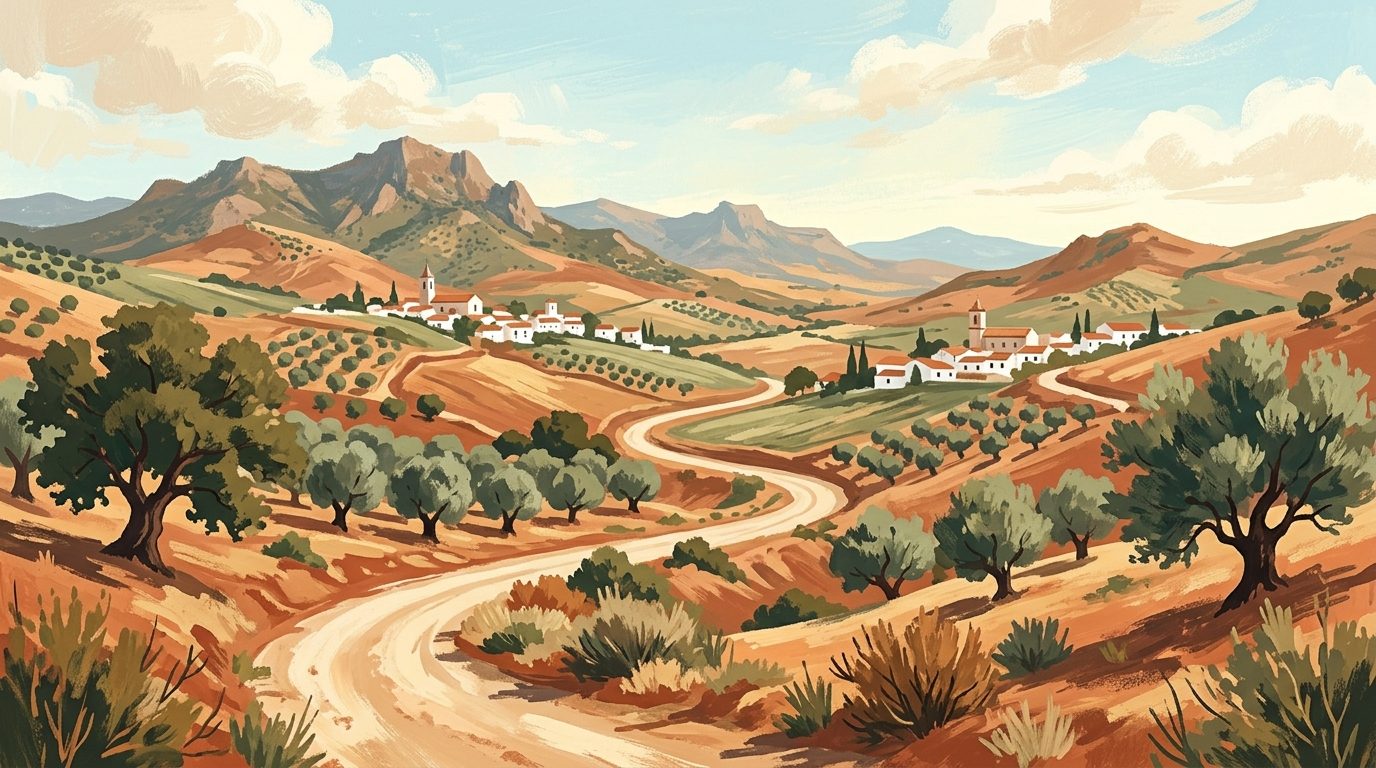
Sevilla’s Feria de Abril is notoriously impenetrable for outsiders, a closed-doors celebration of Andalucían high society and endless rebujito. These insights strip away the confusion, detailing exactly how to navigate the public casetas, master the unforgiving dress code, and survive a week on the yellow sand of Los Remedios.
Sevilla’s Feria de Abril is frequently misunderstood by outsiders. Visitors arrive expecting a civic festival, a public street party where everyone is freely welcomed and the alcohol flows on every corner. The reality is altogether more complex, deeply traditional, and famously cliquey. This is, at its core, a private party comprising over a thousand individual marquees (casetas), the vast majority of which require a personal invitation, a familial connection, or a paid membership to enter.
But do not let the exclusivity deter you. The Feria remains one of the most spectacular social events in Europe. For seven days, a temporary city of canvas and wood is erected in the Los Remedios neighbourhood. The streets are paved with yellow albero sand, the same sand used in bullrings, which will inevitably coat your shoes and the hem of your trousers. Between midday and late afternoon, the avenues are commandeered by horse-drawn carriages (coches de caballos) carrying impeccably dressed families. By night, the volume rises, the sherry flows freely, and impromptu Sevillanas break out until dawn.
The origins of the event are thoroughly pragmatic. In 1847, two businessmen, one Basque and one Catalan, petitioned the city council to host an agricultural and cattle fair. The local aristocracy attended to buy livestock, bringing small tents to shelter from the sun and offering wine to prospective buyers. Over the decades, the cattle disappeared, the tents became elaborate semi-permanent structures with wooden facades, and the commercial transaction morphed into pure celebration. Today, the Real de la Feria covers 275,000 square metres, its grid of temporary streets named entirely after legendary bullfighters like Juan Belmonte and Joselito el Gallo.
Attending the Feria without a strategy often results in a frustrating experience: wandering dusty streets, peering into private parties, and struggling to find a drink. The following advice provides the tactical knowledge required to penetrate Sevilla’s greatest social occasion.
The Schedule: How the Week Unfolds
The Feria follows a predictable, escalating rhythm. Technically, the event begins at midnight on Saturday with the Alumbrado, the ceremonial switching on of the hundreds of thousands of lightbulbs that illuminate the massive main gateway (Portada) and the streets of the Real. Traditionally, this is preceded by the Pescaíto dinner, a closed, members-only meal of fried fish served inside the casetas on Saturday evening.
If you arrive on Sunday or Monday, you will find the crowds slightly more manageable, predominantly filled with locals setting the pace for the week. By Wednesday, a public holiday in Sevilla, the density of the crowd becomes suffocating. Foreigners and Spaniards from other provinces descend on the city, and navigation through the main avenues becomes a slow, shoulder-to-shoulder shuffle.
Each day follows a distinct timeline. From 1:00 PM to 8:00 PM, the Paseo de Caballos takes place. The streets fill with riders (jinetes) and elaborate carriages. This is the time to stroll, admire the equine spectacle, and retreat inside for a late, long lunch. At 8:00 PM, a strict curfew removes the horses from the streets. The atmosphere immediately shifts. The daytime crowd, heavy on families, thins out, replaced by teenagers and younger adults. The music inside the casetas switches from traditional rumbas and live flamenco guitars to an eclectic mix of 80s Spanish pop, reggaeton, and relentless Sevillanas.
The week concludes on the following Saturday at midnight with a massive fireworks display over the Guadalquivir River, signalling a collective, exhausted retreat to normality.
Casetas: The Public vs. Private Divide
The single most important fact to understand about the Feria is the distinction between public and private casetas. Of the approximately 1,050 marquees, roughly 15 are completely public. The rest are fiercely guarded by men in suits at the door, asking for your invitation.
Securing an Invitation
If you have a contact in Sevilla, now is the time to call in a favour. The easiest way into a private caseta is to be invited by a member (socio). If you are travelling with a high-end concierge service or staying in a luxury property, ask the concierge desk directly; many hold corporate memberships or have arrangements with specific casetas. Your hotel concierge often facilitates access for premium guests, though this comes at a steep premium. Alternatively, some specialised local operators offer guided tours that include entry and lunch in a private caseta, which provides an excellent, stress-free introduction to the mechanics of the event.
Navigating the Public Casetas
If you are relying on the public marquees, your experience will be different but entirely valid. The public casetas are large, loud, and run by political parties, trade unions, or local districts (distritos). You do not need to share their politics to enter; you only need patience to queue for the bar.
The most accessible and atmospheric public options are usually those run by the districts, such as the Caseta del Distrito Casco Antiguo. They feature live music stages and massive bars. The food and drink operate on a ticket system: you queue at a central till, pay for your items, receive paper chits, and then negotiate your way to the bar to exchange them for plates of jamón and jugs of rebujito. Be prepared for slow service and aggressive elbowing; assertiveness at the bar is a requirement, not a character flaw. In recent years, the city council has also erected a specific tourist marquee, complete with multi-lingual menus and dedicated hosts. While it provides a highly sanitised version of the experience, it lacks the ferocious authenticity of a district tent at midnight.
What to Wear: The Unforgiving Dress Code
The Feria is an exercise in extreme formality. Dressing poorly is the fastest way to be identified as an outsider and, in many private casetas, completely denied entry.
For Women
The traditional traje de flamenca is the standard attire. This is the only regional dress in Spain that evolves with high fashion, with new trends dictating sleeve length, skirt volume, and fabric patterns each year. If you wish to wear one, do not buy a cheap polyester imitation from a souvenir shop on the fringes of the cathedral. Instead, rent a high-quality dress. Several boutiques in the Arenal and Alfalfa neighbourhoods offer weekend rentals.
When wearing the traje, the accessories are entirely non-negotiable. Hair must be tied back tightly in a bun, never worn loose. A large artificial flower is pinned at the exact top of the head, not tucked behind the ear. Large hoop earrings (argollas), a fringed shawl (mantoncillo) pinned securely to the neckline with a brooch, and comfortable wedge espadrilles (essential for walking on the sand) complete the uniform.
If you choose not to wear traditional dress, aim for wedding-guest formality. A midi dress, tailored trousers, and an elegant blouse are appropriate. Flat, closed-toe shoes are strongly recommended due to the dust. Avoid jeans, trainers, and anything overly casual at all costs.
For Men
The rule for men is punishingly simple: a suit and tie. Despite temperatures regularly exceeding 30°C by late April, local men do not discard their jackets. A lightweight linen or tropical wool suit in navy, grey, or beige is standard. The tie is mandatory for entry into most private casetas after sunset. Footwear must be leather dress shoes (loafers, oxfords, or brogues). Trainers, polo shirts, and shorts are completely unacceptable and will bar you from entering even the public district casetas after a certain hour.
Eating and Drinking: Surviving on Rebujito and Jamón
Gastronomy at the Feria is built for endurance, not finesse. The goal is to keep the alcohol absorbed and energy levels high over a ten-hour shift.
The Drinks
The undisputed fuel of the week is rebujito. This is a mixture of Manzanilla or Fino sherry and Sprite or 7Up, served in a one-litre glass jug (jarra) with plenty of ice and a sprig of spearmint (hierbabuena). It is served with small, disposable plastic cups, meant to be shared constantly among your group. It tastes incredibly light and refreshing, which makes it dangerously deceptive. Pacing is crucial; the fortified sherry base will severely punish overindulgence under the afternoon sun. Interspersing the sherry with small glasses of Cruzcampo beer (cañas) is standard practice.
The Food
Food is ordered in raciones (large plates designed to be shared in the centre of the table). The standard order includes plates of jamón ibérico de bellota, aged Manchego cheese, and gambas cocidas (cold boiled prawns from Huelva). Hot food consists of pescaíto frito (mixed fried fish including adobo, calamares, and boquerones), croquetas, and heavily seasoned montaditos (small toasted sandwiches), often filled with pork loin (lomo) and green peppers.
As the night wears into the early hours of the morning, heavy eating resumes. Around 2:00 AM, many casetas bring out large pots of caldo con hierbabuena, a rich, restorative chicken and pork broth served in small cups with a sprig of mint. It is designed to settle the stomach and fortify the body against the dropping temperatures.
If you make it to the closure of the casetas around 4:00 AM, the migration begins towards the Calle del Infierno. This is the colossal amusement park adjoining the casetas. Beyond the deafening mechanical rides and neon lights, the perimeter is lined with late-night food stalls selling buñuelos and churros con chocolate. Eating a plate of greasy, sugar-coated churros before finding a taxi home is an institutionalised ritual.
The Dance: Navigating Sevillanas
You cannot fully grasp the Feria without understanding Sevillanas. It is the soundtrack of the week, playing on a relentless loop in every caseta, bar, and corner of the grounds. Sevillanas is a highly structured folk dance, completely distinct from purely improvised Flamenco. It is divided into four strict parts (coplas), each telling a sequential story of meeting, courtship, disagreement, and reconciliation.
The dance is deeply social. Couples face each other, executing precise footwork, turns, and arm movements. You will see young children dancing flawlessly alongside septuagenarians. If you do not know the steps, do not attempt a parody on the dancefloor; it is considered disrespectful. Instead, watch, clap in time (the rhythm is essentially a 3/4 time signature), and appreciate the intergenerational spectacle.
If you want to participate, book a private lesson a few days before the Feria begins. Many dance schools in Triana and Macarena offer crash courses specifically designed for foreigners, teaching you enough basic footwork to survive the first two coplas.
Practical Information
When to Go
The 2026 event has now concluded. The 2027 Feria de Abril is expected to take place from Sunday 18 April to Saturday 24 April 2027 (to be confirmed by the Ayuntamiento), as exact dates shift annually depending on the timing of Semana Santa (typically falling two clear weeks after Easter Sunday; check the official Visita Sevilla website before travelling). When attending, the afternoon (from 2:00 PM to 6:00 PM) is best for photography, observing the horses, and enjoying a marginally more relaxed atmosphere. The evening (after 9:00 PM) is purely for drinking, eating, and dancing in tight quarters.
Getting There
The Feria grounds in Los Remedios are vast, and the surrounding streets are entirely closed to unauthorised traffic. Do not attempt to drive. Taxis and Ubers operate at a premium and have designated drop-off points that still involve significant walks through heavy crowds. The most efficient method is the Sevilla Metro. Alight at either Plaza de Cuba or Parque de los Príncipes, both of which are a ten-minute walk to the main gateway. Alternatively, special circular bus routes (Especial Feria) depart constantly from the Prado de San Sebastián transport hub.
Costs and Payment
Be prepared to spend money. The Feria is an expensive undertaking. While entry to the grounds and public casetas is entirely free, consumption is not. A one-litre jarra of rebujito will cost between €12 and €18, while a high-quality plate of jamón can easily exceed €25. In public casetas, you generally need cash to purchase the drink and food tickets at the central booth, though card machines are slowly becoming more prevalent. In a private caseta, visitors do not usually pay, as the hosting member picks up the tab at the end of the week. If someone invites you into their private marquee, it is polite to insist on paying for at least one round of drinks, though your offer will likely be refused.
Accommodation
Book your accommodation at least eight months in advance. Prices quadruple during this week, and availability vanishes entirely by January. Staying in Los Remedios or Triana allows you to walk to the grounds, avoiding the brutal transport queues at 4:00 AM. A luxury hotel on the riverfront offers excellent proximity and rooftop views over the river, while accommodation in the historic centre keeps you distanced from the madness when you require a quiet retreat.
Toilets and Safety
Public casetas have their own toilets, which degrade rapidly in quality and cleanliness as the evening progresses. Bring your own tissues and hand sanitiser; both run out by 6:00 PM. In terms of safety, the Feria is heavily policed and generally very safe regarding violent crime. However, the dense crowds around the public bars are prime territory for professional pickpockets. Keep valuables in zipped internal pockets, and if carrying a handbag, ensure it is worn firmly across the body at all times.
Last reviewed: 21 June 2026 · Editorial policy
Related guides
Semana Santa in Sevilla: A First-Timer's Guide
Semana Santa in Sevilla is an intense expression of faith, art and civic identity. Unlike other cities, the spectacular wooden floats are carried from below by hidden costaleros, moving to the slow beat of mourning marches or absolute silence.
8 min read
The Definitive Guide to Feria de Abril in Sevilla
Discover the cultural nuances, strict dress codes, and insider advice for navigating Sevilla's exclusive spring fair like a seasoned local.
9 min read
Semana Santa Guide: Decoding Andalucía's Most Intense Week
Holy Week in Andalucía is a profound sensory experience of heavy incense, brass bands, and thousands of shuffling feet. This guide decodes the intricate schedules, unwritten rules, and distinct regional styles of Spain’s most intense cultural phenomenon.
9 min read
The Wit of the Atlantic: A Guide to the Cádiz Carnival and Local Traditions
Every February, the narrow alleys of Cádiz transform into an open-air theatre where biting satire and local wit take centre stage. This is a celebration that prioritises the power of the word, making it the most intellectual and hilarious festival in Spain.
6 min read
A Calendar of Flavour: The Best Food Festivals in Andalucía
From the smoky beach fires of Málaga to the prestigious ham auctions in Huelva, Andalucía’s food festivals offer a seat at the table of the region’s most authentic traditions.
7 min read
A Guide to the Cruces de Mayo Festival in Córdoba
Discover how Córdoba transforms its historic plazas into flower-draped street parties to celebrate the Cruces de Mayo festival.
8 min read
Newsletter
More stories from Andalucía
Weekly notes, seasonal picks, and the next guides worth bookmarking.