
Route · Granada
Walking the Camino Mozárabe: The Complete Guide from Granada to Córdoba
The Camino Mozárabe traces one of the oldest and quietest pilgrimage routes in Spain, swapping crowded northern trails for endless Andalucían olive groves and sheer-sided ravines. Walking from Granada to Córdoba requires stamina and preparation, but rewards solitary walkers with an unfiltered immersion into rural southern Spain.
By Dan · Updated 14 July 2026 · 10 min read
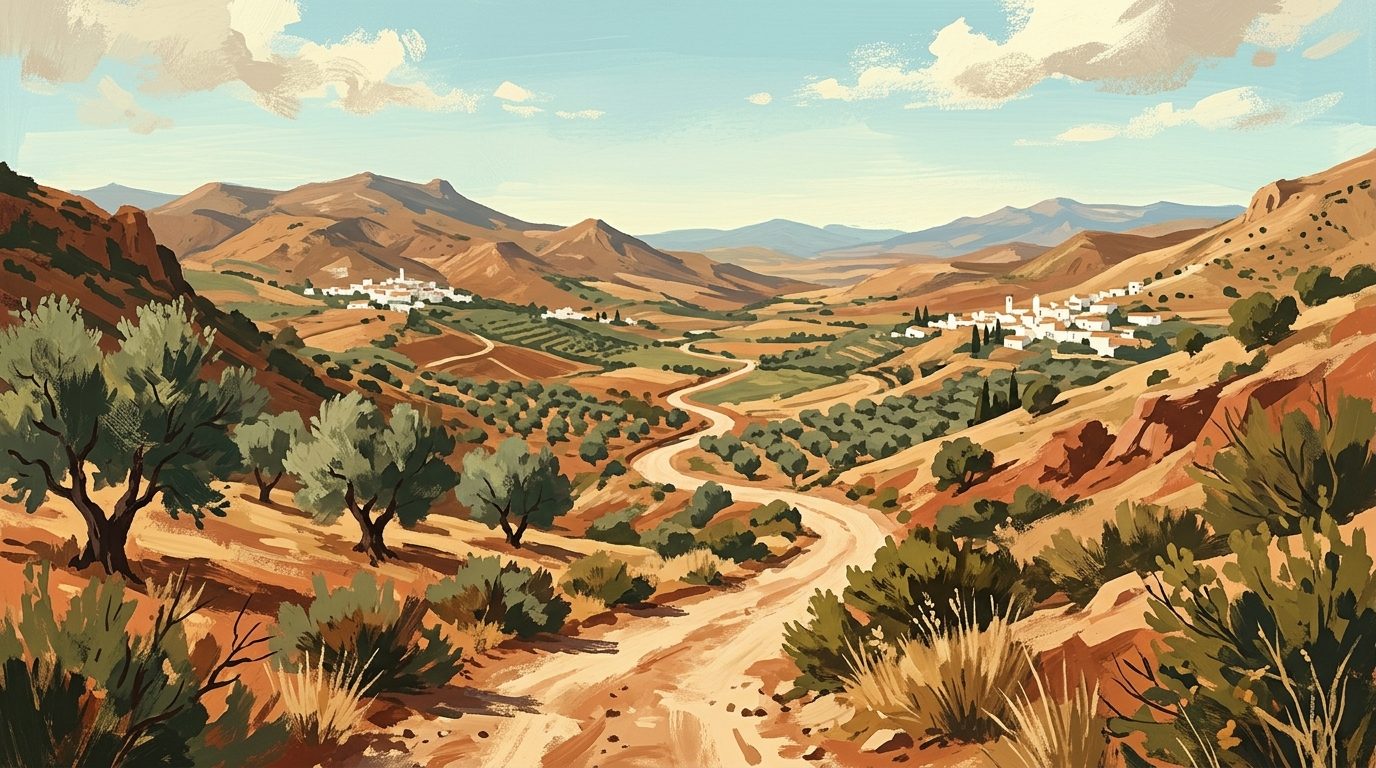
The Camino Mozárabe traces one of the oldest and quietest pilgrimage routes in Spain, swapping crowded northern trails for endless Andalucían olive groves and sheer-sided ravines. Walking from Granada to Córdoba requires stamina and preparation, but rewards solitary walkers with an unfiltered immersion into rural southern Spain.
Most people associate the Camino de Santiago with the rain-swept green hills of Galicia and the heavily trodden footpaths of the Camino Francés. The Camino Mozárabe offers an entirely different proposition. Originating in the deep south, this network of paths was historically used by Mozarabs, Christians living under Moorish rule in Al-Andalus, who journeyed north to the tomb of Saint James.
Today, the section connecting Granada to Córdoba is arguably the most physically demanding and visually arresting stretch of the entire southern route. Over approximately 166 kilometres, divided into eight daily stages, you will walk through the provinces of Granada, Jaén, and Córdoba. It is a route characterised by staggering isolation. You will cross the formidable foothills of the Subbética mountain range, navigate vast oceans of olive trees, and traverse blindingly white dirt tracks that seem to stretch into infinity.
This is not a sanitised hiking experience. You will rarely encounter another walker. You will have to carefully plan your daily water supply, as village fountains frequently run dry. You will navigate the awkward opening hours of rural grocery shops and share dirt tracks with local farmers on tractors. However, if you are looking for an arduous, authentic journey through agricultural Andalucía, far from the coastal resorts, the Granada to Córdoba section of the Camino Mozárabe delivers absolute clarity and profound solitude.
Preparing for the Trail: The Pilgrim Credential
Before leaving Granada, you need a credencial (pilgrim passport). This document is essential; without it, you cannot stay in the municipal albergues (pilgrim hostels) along the route. It also serves as a canvas for the stamps (sellos) you will collect from town halls, bars, and parish churches to prove your progress.
You can obtain your credential from the Asociación de Amigos del Camino de Santiago in Granada. They operate from a small office on Calle San Antón, though their hours are highly irregular. A far more reliable option is to visit the Convento de las Comendadoras de Santiago on Calle Cobertizo de Santo Domingo. Ring the heavy wooden doorbell during morning hours, and one of the nuns will issue your passport for a nominal donation of a few euros. Take this opportunity to buy a scallop shell to attach to your rucksack, the universal symbol of the pilgrim.
The Route: Stage by Stage
The journey from Granada to Córdoba breaks down naturally into eight stages, dictated entirely by the spacing of the towns that offer accommodation. Do not attempt to double up on these stages unless you are an elite distance runner; the terrain is simply too punishing.
Stage 1: Granada to Pinos Puente (19 km)
Leaving any major city on foot is generally an exercise in endurance, and Granada is no exception. The route begins at the Monasterio de las Comendadoras, routing you out of the city centre via the broad Avenida de la Constitución. You will spend the first two hours navigating the suburban sprawl of Maracena and Atarfe. Follow the yellow arrows painted on lampposts and electrical boxes.
Once you clear Atarfe, the concrete gives way to the Vega de Granada, the fertile agricultural plain watered by the Sierra Nevada runoff. The walking here is flat and entirely unshaded. The stage concludes in Pinos Puente, a working agricultural town on the banks of the Río Cubillas. The municipal albergue here is basic; you will likely need to collect the key from the local police station (Policía Local) on Calle Real.
Stage 2: Pinos Puente to Moclín (16 km)
This is a short day on paper, but it involves a brutal ascent. You leave the flat Vega behind and begin climbing into the Sierra de Parapanda foothills. The transition is stark; the noise of the N-432 highway fades, replaced by the sound of partridges in the scrubland.
You will pass through the tiny hamlets of Olivares and Tiena. Fill your water bottles at the bar in Olivares, as the final push to Moclín is a steep, exposed climb on the PR-A 210 dirt track. Moclín itself is a spectacular sight, wrapped around the base of a formidable Moorish fortress. The views back towards the snow-capped peaks of the Sierra Nevada from the sanctuary of the Cristo del Paño are astonishing. Moclín’s municipal albergue is well-maintained, but food options in the village are limited to a couple of small bars that may close without warning.
Stage 3: Moclín to Alcalá la Real (22 km)
Today you cross the provincial border from Granada into Jaén, entering what locals call the mar de olivos (sea of olives). The landscape becomes a hypnotic, repetitive expanse of silver-green foliage. The track undulates constantly.
Around the halfway mark, you will pass the Ermita de las Angustias, a small rural chapel where you can rest in the shade of ancient pine trees. The final five kilometres approach Alcalá la Real. You will see the immense Fortaleza de la Mota, a strategic border castle from the Christian-Moorish wars, looming on the horizon long before you reach the town limits. The walk into Alcalá is a long slog up Avenida de Andalucía. Alcalá is a substantial town, meaning you have excellent options for a hot meal and a private room if you wish to skip the basic pilgrim accommodation.
Stage 4: Alcalá la Real to Alcaudete (24 km)
Leaving Alcalá, you will walk briefly along the hard shoulder of the N-432 before veering off into rural tracks. The route drops down into the valley of the Río San Juan, passing through the sleepy village of Ventas del Carrizal.
The terrain here is deeply entrenched in the olive industry. Depending on the time of year, you will either be walking in absolute silence or navigating around tractors harvesting the fruit. The final approach into Alcaudete is highly memorable; the town spills down a hillside, crowned by the beautifully restored Castillo Calatravo and the Iglesia de Santa María la Mayor. The ascent into the town square is steep, testing your calves at the exact moment you want the day to be over.
Stage 5: Alcaudete to Baena (25 km)
This stage marks your exit from Jaén and your entry into the province of Córdoba. The walking is noticeably easier for the first half of the day, as the Camino merges with the Vía Verde del Aceite, a decommissioned railway line converted into a flat, gravelled cycle and walking path.
You will pass the Laguna del Salobral. For most of the year, this salt lake is a cracked, dry basin, but after heavy spring rains, it occasionally attracts flocks of migratory flamingos. Leaving the Vía Verde, you face a relentless climb through exposed olive groves into Baena. Baena is arguably the olive oil capital of Spain; in November and December, the entire town smells of crushed olives from the active almazaras (mills). The historic centre is a labyrinth of incredibly steep, narrow streets.
Stage 6: Baena to Castro del Río (20 km)
After the physical demands of the previous days, this is a relatively gentle stage. The hills round out, becoming softer and less aggressive. You are walking through the heart of the Campiña cordobesa, where the soil turns a deep, reddish hue.
You will follow the valley of the Río Guadajoz. Shade is almost non-existent today, so an early start is critical. Castro del Río is an interesting architectural stop, noted for its centuries-old tradition of crafting furniture from olive wood. The town square is an excellent place to sit with a cold tinto de verano and get your credential stamped at the ayuntamiento (town hall).
Stage 7: Castro del Río to Santa Cruz (22 km)
This stage presents a tactical choice. Around the halfway point, the route brings you to the base of Espejo, a town perched on a towering, precipitous hill. The official route forces you to climb all the way into Espejo just to descend the other side immediately. Unless you desperately need supplies or a pharmacy, it is highly recommended to take the lower agricultural track that skirts the base of the hill, saving your knees a significant and unnecessary punishment.
The destination, Santa Cruz, is a tiny roadside hamlet rather than a proper town. Services are minimal. The municipal albergue is functional, but you should carry provisions from Castro del Río just in case the single local bar decides not to open.
Stage 8: Santa Cruz to Córdoba (24 km)
The final push. The initial kilometres follow a somewhat tedious path parallel to the N-432 road, before peeling off onto a Roman road known as the Vía Augusta. The landscape flattens out entirely as you enter the Guadalquivir river basin.
The approach into Córdoba is triumphant. Instead of navigating industrial estates, the Camino Mozárabe directs you right to the southern bank of the Guadalquivir. You cross the ancient Puente Romano (Roman Bridge), passing the Calahorra Tower, with the immense walls of the Mezquita-Catedral rising directly in front of you. Present your credential at the cathedral ticket office; pilgrims are often granted discounted or free entry to complete their spiritual or physical journey, though this is at the discretion of the Cabildo and may only apply during early morning hours (check the official Mezquita-Catedral website; free entry is typically restricted to the 08:30 to 09:30 window, Monday to Saturday, and requires silence).
Accommodation on the Mozárabe
Unlike the Camino Francés, where you can stumble into a village every five kilometres and find three private hostels, the Mozárabe requires careful logistics. The Red de Albergues Municipales (network of municipal hostels) exists, but facilities are spartan. You will usually find a room with bunk beds, cold or lukewarm showers, and a kitchen that may lack pots and pans.
To access municipal albergues, you must call ahead. The yellow arrows will guide you to the building, but the door will likely be locked. A sign on the door will list a phone number for the hospitalero, the local police, or a designated nearby bar where the key is kept. Because numbers frequently change, it is highly recommended to consult the official Camino Mozárabe website for the most up-to-date contact list for municipal albergues in places like Pinos Puente, Moclín, and Castro del Río before you set off. Because the route is so quiet, you will rarely share a room with anyone else.
For those who prefer reliable hot water and clean sheets, the larger towns (Alcalá la Real, Alcaudete, Baena, and Córdoba) have excellent, inexpensive hostales (guesthouses) and hotels. Mixing the two styles of accommodation is the best way to maintain your morale over the eight days.
Honest Warnings and Trail Practicalities
When to Walk
Do not attempt this route between June and September. The temperatures in the Jaén and Córdoba provinces regularly exceed 40°C, and there is zero shade among the olive groves. The heat radiating from the white dirt tracks is dangerous. The optimal window is between late February and early May. During the peak summer months of July and August, this route is dangerously hot and walking is strongly discouraged due to the lack of shade and extreme temperatures. October and November are also pleasant, coinciding with the olive harvest, though the days are significantly shorter.
Water and Hydration
You must carry a minimum of three to four litres of water per person each day, especially as temperatures in July and August frequently exceed 40°C. Do not rely on rural fountains (fuentes) marked on maps. Due to ongoing agricultural droughts in southern Spain, the vast majority of these public taps have been shut off or run completely dry. If you see an open bar, buy water. If you see a working tap in a village square, fill every bottle you have.
Navigation
The Asociación de Amigos del Camino does a commendable job of painting yellow arrows on rocks, electricity poles, and olive trunks. However, the fierce Andalucían sun quickly bleaches the paint. Do not rely solely on physical markers. You must download the GPX tracks to your phone (available via the official Camino Mozárabe website, while applications like Wikiloc, Maps.me, or Gronze are also invaluable). Bring a physical power bank to ensure your phone battery survives the long days.
Feral Dogs
Walking through isolated agricultural land means encountering working dogs. Many cortijos (farmhouses) employ large mastiffs to guard machinery and livestock. They are usually chained or fenced behind gates, but occasionally they roam loose. They will bark aggressively to defend their territory. Do not run. Maintain a steady, calm pace, avoid direct eye contact, and continue walking. Carrying a telescopic walking pole is highly recommended, both for the steep descents and to act as a physical barrier between you and an overly curious farm dog.
The Camino Mozárabe from Granada to Córdoba is an exercise in resilience. It strips away the commercial infrastructure found on other Spanish trails, leaving you with raw landscape, immense distances, and a profound sense of accomplishment when you finally set foot on the Roman Bridge in Córdoba.
Last reviewed: 14 July 2026 · Editorial policy
Related guides
A Guide to Nigüelas: The Balcony of the Lecrín Valley
Discover Nigüelas, the highest village in the Lecrín Valley, known for its 15th-century oil mill museum and spectacular mountain hiking trails.
6 min read
Yegen: Following the Footsteps of Gerald Brenan in the Eastern Alpujarra
Discover Yegen, the tranquil Alpujarran village made famous by writer Gerald Brenan, featuring traditional architecture and scenic mountain trails.
5 min read
A Guide to Olvera: The Dramatic Silhouette of the Sierra de Cádiz
Discover Olvera, the dramatic white village of Cádiz known for its spectacular hilltop castle, grand neoclassical church, and the scenic Vía Verde de la Sierra.
6 min read
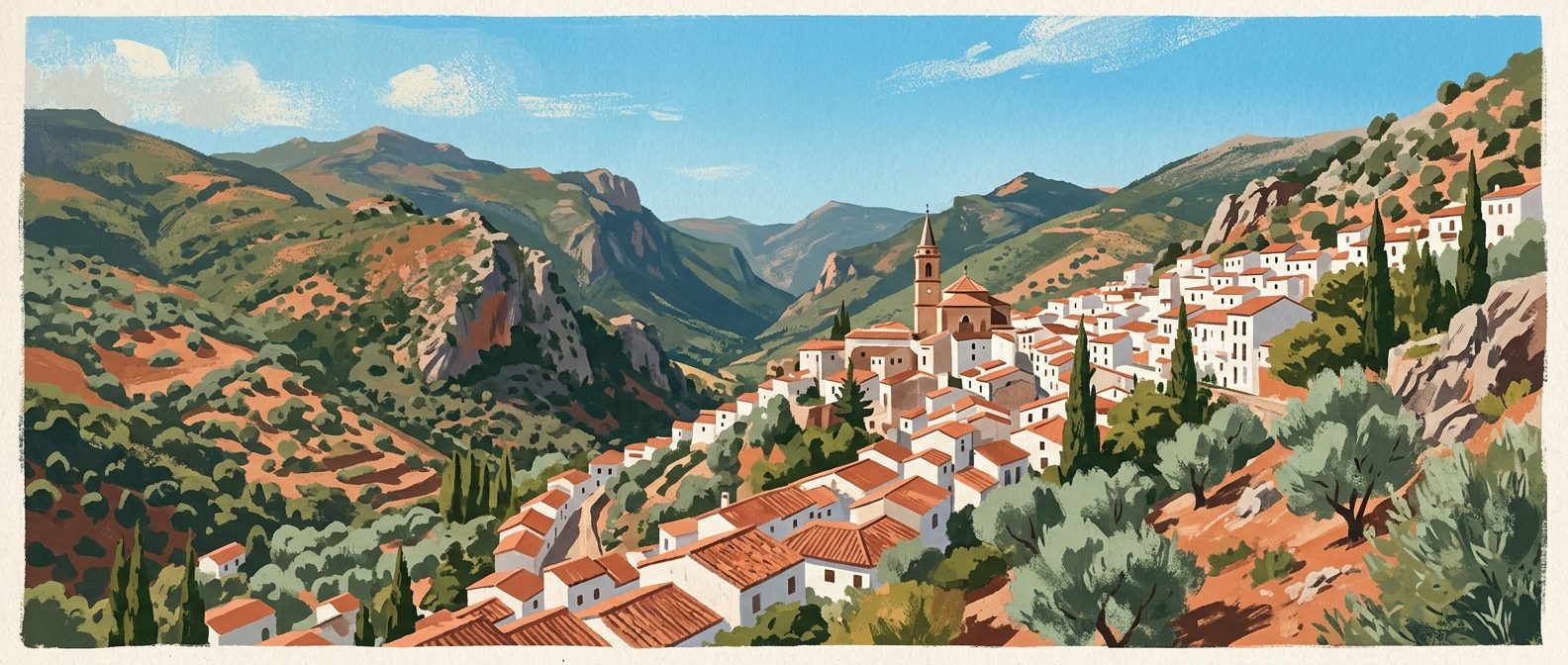
Ubrique: The Industrial Heart of the Sierra de Cádiz
Discover the leather-working capital of Spain, where high-end luxury manufacturing meets ancient Roman ruins and dramatic mountain scenery in the Sierra de Cádiz.
6 min read
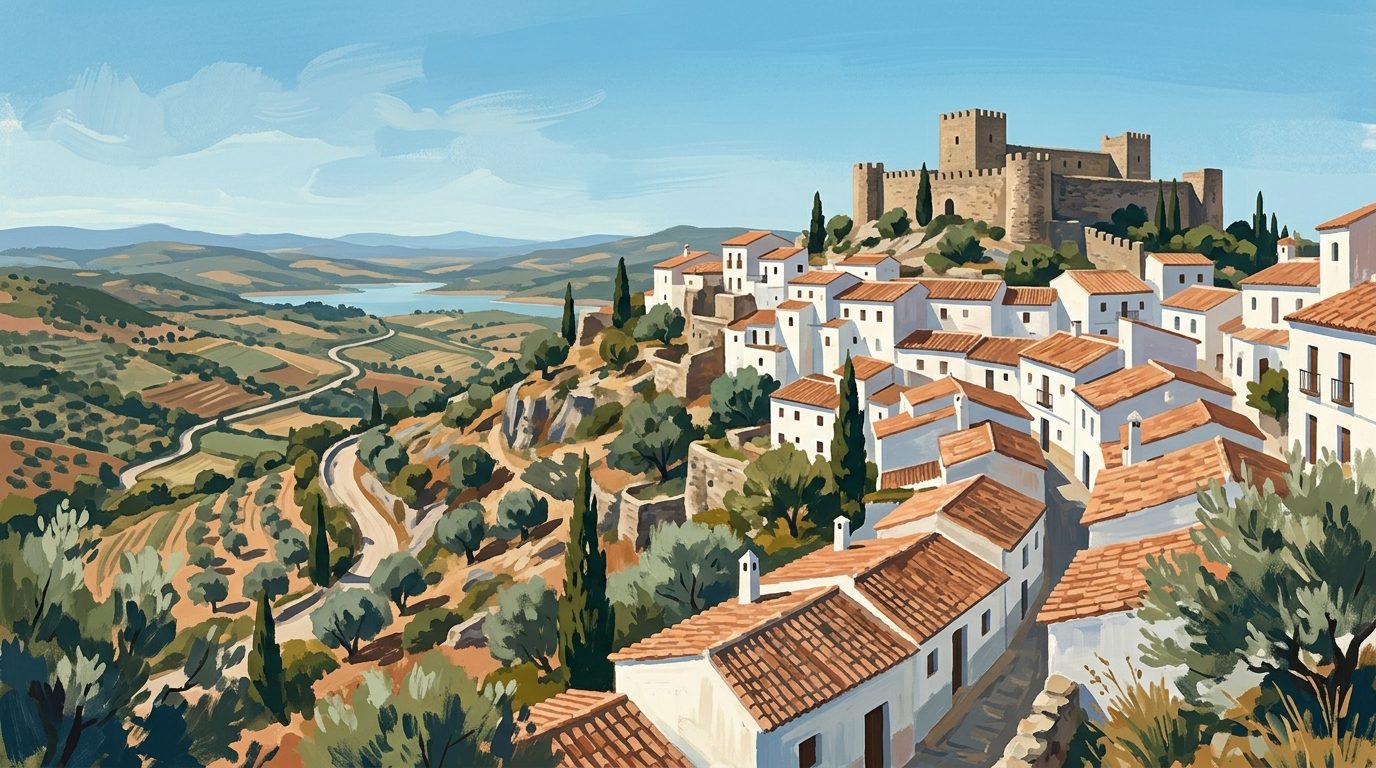
Exploring Castellar de la Frontera: The Fortress Village of Cádiz
Discover Castellar de la Frontera, a unique medieval village contained entirely within a Moorish fortress in the heart of the Alcornocales forest.
5 min read
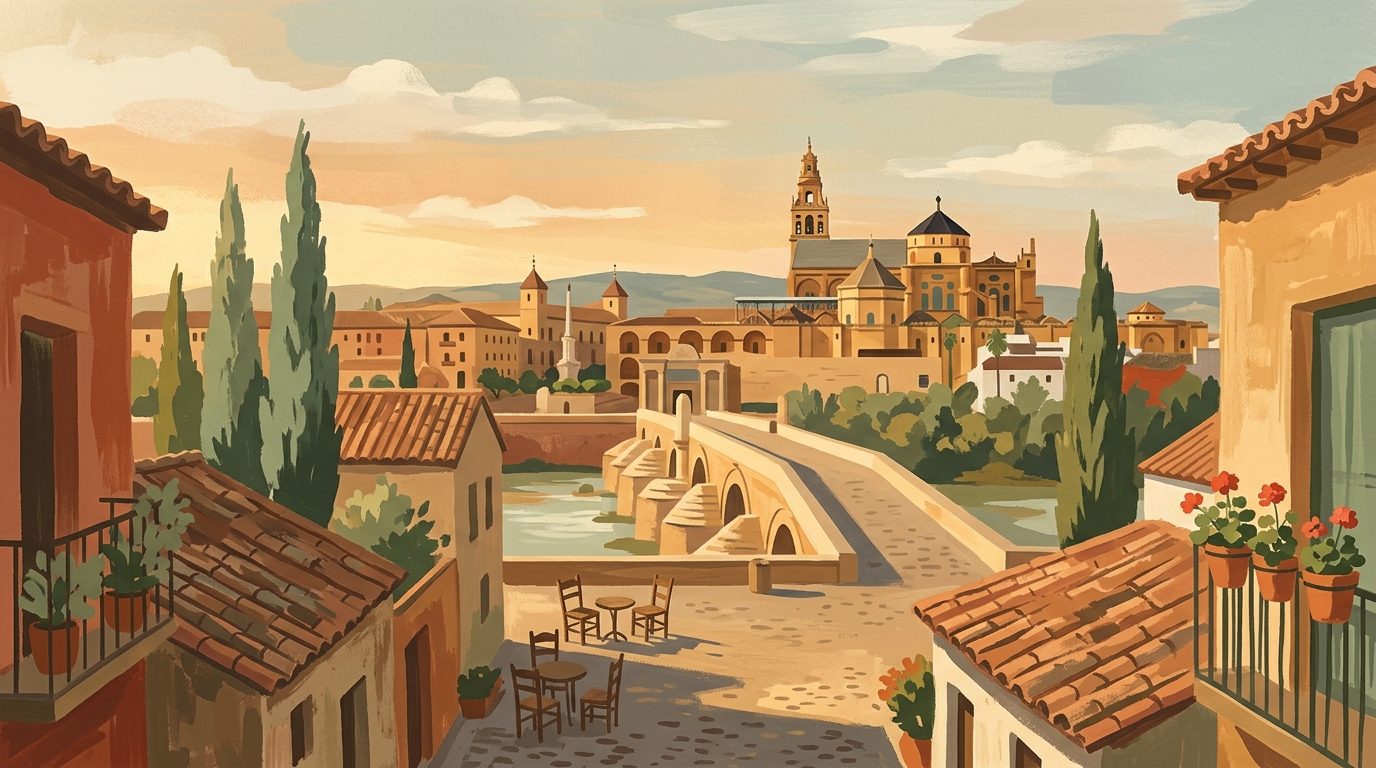
Córdoba in October: A Guide to the Golden Season
October marks the definitive end of the crushing heat in the Guadalquivir valley, replaced by golden light and the first scent of woodsmoke in the mountain villages.
6 min read
More from Granada
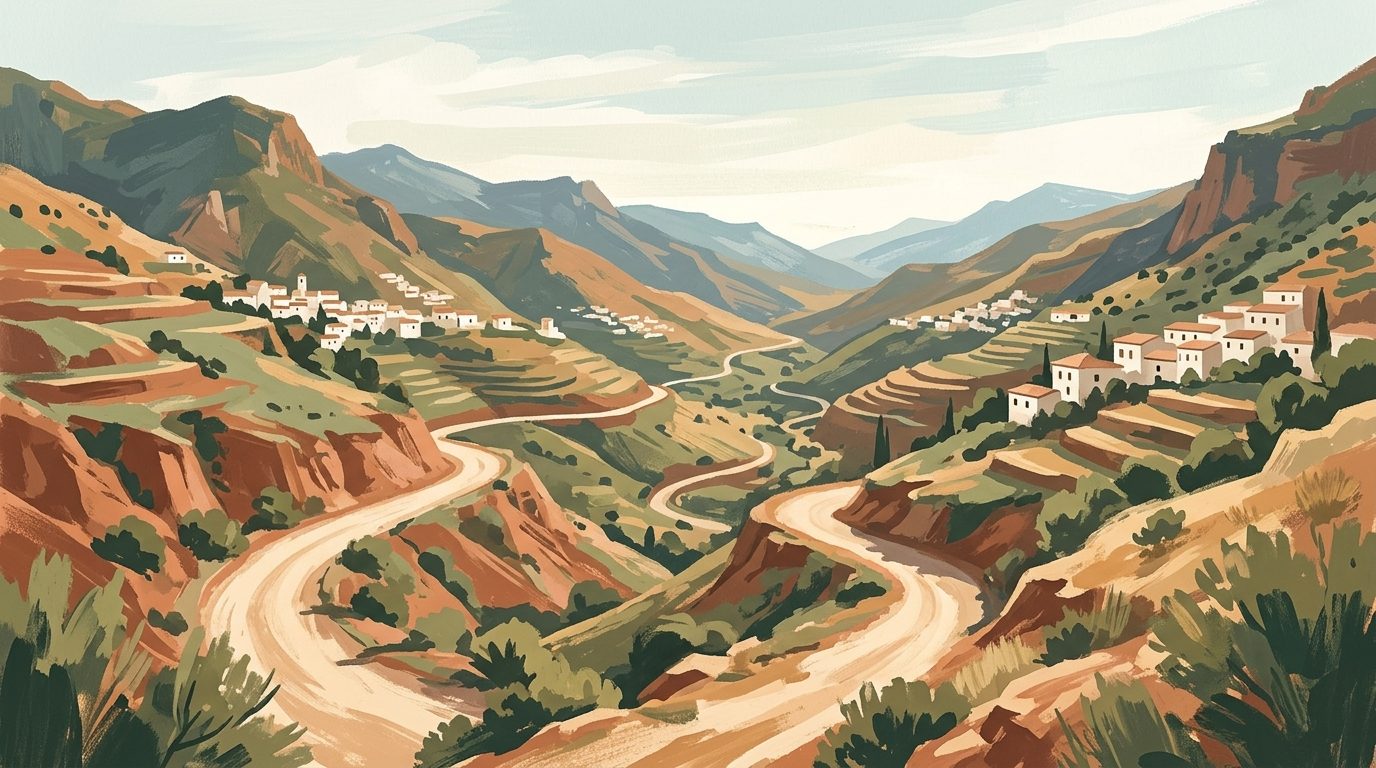
The Alpujarras Complete Guide: High Altitudes and Moorish Footpaths
South of the Sierra Nevada, the Alpujarras is a high-altitude network of steep ravines, ancient irrigation channels, and white villages clinging to the mountainside. This guide covers how to navigate the hairpin bends, where to find the best hiking trails, and which village suits your basecamp needs.
9 min read
Sierra Nevada Skiing Guide: Southern Spain's High-Altitude Pistes
Skiing in the <a href="/granada/sierra-nevada" class="internal-link">Sierra Nevada</a> offers an experience unparalleled in Europe: carving down sun-drenched pistes at 3,000 metres before driving down to the coast for an afternoon on the beach. Here are the best strategies for navigating the peaks of <a href="/granada/sierra-nevada/pradollano" class="internal-link">Pradollano</a>, avoiding the weekend bottlenecks, and finding the quietest red runs above <a href="/granada" class="internal-link">Granada</a>.
9 min read
Newsletter
More stories from Andalucía
Weekly notes, seasonal picks, and the next guides worth bookmarking.