
Route
Tracing the Moorish Heritage Trail Through Andalucía
For eight centuries, Islamic rule shaped the architecture, agriculture, and very soul of the Iberian Peninsula. Tracking this legacy from the coastal fortifications of Almería to the royal palaces of Sevilla offers a profound reading of Al-Andalus at its zenith and its decline.
By Dan · Updated 24 July 2026 · 8 min read
This article contains affiliate links. If you book through them, we may earn a small commission at no extra cost to you.
For eight centuries, Islamic rule shaped the architecture, agriculture, and very soul of the Iberian Peninsula. Tracking this legacy from the coastal fortifications of Almería to the royal palaces of Sevilla offers a profound reading of Al-Andalus at its zenith and its decline.
Start with the water. Long before the Castilian conquest, the Moors transformed the dry, unforgiving Iberian landscape into an agricultural powerhouse using intricate irrigation networks. This absolute mastery of hydraulics is the common thread tying together the sweeping Moorish Heritage Trail across Andalucía. It is visible in the agricultural terraces of the Alpujarras, the reflecting pools of royal courtyards, and the public bathhouses that still stand in narrow urban alleys.
Between 711 and 1492, Al-Andalus evolved through distinct political and aesthetic eras: the Umayyad Caliphate's monumental confidence, the severe military precision of the Almoravids and Almohads, and finally, the delicate, almost fragile beauty of the Nasrid emirate. Understanding this timeline is the key to reading the region's architecture. If you simply visit the major monuments in isolation, you see beautiful tilework; if you follow this trail chronologically, you witness the rise and fall of an entire civilisation.
This nine-day itinerary requires a rental car for the eastern legs, though you will want to abandon it entirely once you reach the tight urban cores of Córdoba and Sevilla. Prepare for early mornings, steep climbs, and a level of architectural detail that demands your full attention.
Stage 1 (Almería): The Coastal Blueprint (Days 1 to 2)
Most travellers begin in Granada, but to understand the sheer military scale of Al-Andalus, you must start on the coast. In 955, Caliph Abd al-Rahman III ordered the construction of a massive citadel overlooking the Mediterranean to protect his fleet. The resulting Alcazaba of Almería is one of the largest Islamic fortresses in Europe, yet it receives a fraction of the footfall of its famous neighbours.
The Experience
Walk up Calle Almanzor just as the gates open at 9:00 AM. The fortress is divided into three distinct enclosures. The first, originally a military camp and refuge for the city's population during sieges, is now a vast, terraced garden. The second enclosure held the palace city, complete with public baths, cisterns, and a mosque. Stand by the reconstructed Muro de la Vela (Wall of the Sail) and look down over the port; the strategic dominance of this position is immediately obvious.
Beyond the Alcazaba, hike up to the Cerro de San Cristóbal to view the Jayrán walls. These 11th-century defensive barriers snake down the barren hillside, demonstrating the stark, pragmatic military architecture of the Taifa kingdoms.
Where to Stay and Eat
Base yourself in the historic centre. Aire de Almería offers a superb location directly above beautifully restored ancient Arab baths, allowing you to experience the thermal bathing culture firsthand. For dinner, head to Casa Puga on Calle Jovellanos, where you can order exceptional cured tuna (mojama), a preservation technique perfected during the Islamic era.
Stage 2 (Granada): The Nasrid Twilight (Days 3 to 4)
Leaving Almería, drive north on the A-92 motorway. The landscape transitions rapidly from the arid badlands of the Tabernas desert into the foothills of the Sierra Nevada. This 160-kilometre drive traces the retreat of the Moorish empire, pushing higher into the mountains where the Nasrid dynasty held out until 1492.
The Alhambra and Generalife
The Alhambra is not a single building, but a fortified palace-city. Your ticket grants you a specific 30-minute window to enter the Palacios Nazaríes. Warning: If you are five minutes late for this slot, the guards will deny you entry, and there is no recourse. Aim to enter the complex via the steep, pedestrian-only Cuesta de Gomérez through the Puerta de las Granadas, arriving at least an hour before your palace time.
Inside the palaces, note the progression of spaces. You move from the semi-public administrative rooms of the Mexuar into the diplomatic showpiece of the Comares Palace, dominated by the reflective pool of the Court of the Myrtles. Finally, you enter the private royal quarters of the Palace of the Lions. Look closely at the stucco walls; the intricate geometric patterns and cursive Arabic calligraphy are largely poetry praising the sultans and God, effectively turning the building into an open book. Booking a knowledgeable local guide is highly recommended here, as the sheer density of historical context is impossible to unpack alone.
The Albaicín
Cross the Darro River into the Albaicín, the city's ancient Islamic quarter. The Carrera del Darro is deeply atmospheric but heavily trafficked. Escape the crowds by climbing up to the Bañuelo, an exquisitely preserved 11th-century bathhouse. Most tourists gather at the Mirador de San Nicolás for sunset views of the Alhambra. Forego this crowded terrace and hike another twenty minutes up to the Mirador de San Miguel Alto; the elevated perspective over both the Alhambra and the sprawling city is superior.
For accommodation, the Parador de Granada places you directly inside the Alhambra complex, occupying a former 15th-century convent built over Nasrid palace ruins.
Stage 3 (Córdoba): The Caliphate's Zenith (Days 5 to 6)
The journey from Granada to Córdoba via the N-432 is a two-and-a-half-hour drive through endless, undulating olive groves, another agricultural legacy of Moorish rule. Córdoba in the 10th century was the most advanced city in Europe, a centre of science, medicine, and philosophy.
The Mezquita-Catedral
The Great Mosque of Córdoba represents the architectural peak of the Umayyad dynasty. To experience the space as intended, vast, quiet, and overwhelming, you should take advantage of the free early entry window. Between 8:30 AM and 9:30 AM, Monday to Saturday, individual visitors can enter without a ticket (check the official Mezquita-Catedral website for current times). At this hour, without the tour groups, the forest of 856 columns and double-tiered red-and-white arches creates a profound sense of infinity.
Pay special attention to the Mihrab, added in the 10th century by Al-Hakam II. The Byzantine glass mosaics flanking the horseshoe arch represent a diplomatic and artistic collaboration between Córdoba and Constantinople. The 16th-century Renaissance cathedral planted violently in the centre of the mosque is jarring, serving as a brutal physical manifestation of the Christian conquest.
Madinat al-Zahra
Eight kilometres west of Córdoba lies the ruined palace-city of Madinat al-Zahra. Built by Abd al-Rahman III in 936 to project absolute authority, it was sacked and destroyed by Berber mercenaries less than 80 years later. Drive to the modern museum at the base of the hill, park, and take the mandatory yellow shuttle bus up to the archaeological site. A guided tour is crucial here; without an expert explaining the strict hierarchical layout of the terraces and the function of the partially restored Salón Rico, the ruins can be difficult to interpret.
Stay within the labyrinthine streets of the Judería. Balcón de Córdoba offers an exclusive, quiet retreat featuring a rooftop terrace with direct views of the Mezquita's bell tower.
Stage 4 (Sevilla): The Almohad Ambition (Days 7 to 9)
Drop your rental car off in Córdoba and take the high-speed AVE train to Sevilla (45 minutes). Attempting to park in Sevilla's Barrio de Santa Cruz is a punishing experience, as the streets were designed for 11th-century pack mules, not modern vehicles. You will invariably get stuck and damage your paintwork.
Sevilla served as a capital for the Almohad dynasty in the 12th century. The Almohads were a fundamentalist Berber movement from North Africa, and their architecture reflects a stark, monumental aesthetic that contrasts sharply with the later delicacy of the Nasrids.
The Giralda and Torre del Oro
The Giralda, now the bell tower of Sevilla's colossal Gothic cathedral, was originally the minaret of the Almohad great mosque. Its design is nearly identical to the Koutoubia Mosque in Marrakech. Instead of stairs, the interior features 35 wide ramps, designed so the muezzin could ride a horse to the top to issue the call to prayer. Walk to the banks of the Guadalquivir River to view the Torre del Oro, a 13th-century military watchtower that once anchored a massive chain strung across the water to prevent enemy ships from sailing upriver.
The Real Alcázar
The Alcázar of Sevilla is an architectural paradox. While it looks quintessentially Moorish, its most famous section, the Palacio de Don Pedro, was actually built in the 1360s, a century after Sevilla fell to Christian forces. Pedro I of Castile hired Muslim craftsmen from Granada and Toledo to build his palace in the Mudéjar style. The result is a fascinating cultural intersection: Islamic geometry and Arabic inscriptions praising God, built for a Christian king.
The queues for the Alcázar in the midday sun are brutal. Secure a pre-booked guided tour to walk the gardens and the Patio de las Doncellas before the ambient temperature and crowd density become unbearable.
Conclude your trail by staying at Hotel Doña María, located mere metres from the Cathedral, providing an immersive base in the very core of the ancient city.
Practical Information
When to Go
Timing is critical. In July and August, temperatures in the Guadalquivir valley (Córdoba and Sevilla) routinely exceed 40°C. Walking through unshaded archaeological sites like Madinat al-Zahra in this heat is dangerous. The optimal windows for this route are mid-October to late November, and March to early May. If you travel in winter, crisp blue skies are common, though Granada's elevation means evening temperatures can drop close to freezing.
Booking Logistics
Spontaneity will ruin this itinerary. Tickets for the Alhambra sell out up to three months in advance; book directly via the official Patronato de la Alhambra website. You must purchase the 'Alhambra General' ticket to access the Nasrid Palaces. Crucially, you are required to bring your original physical passport or national ID card; photocopies and digital images are strictly rejected, and staff will check your document against your ticket name at three separate security cordons (verify the latest ID policy on the official portal before travelling).
Budgeting and Costs
Expect to pay around €120 to €150 per day for a mid-range itinerary (excluding accommodation), factoring in a rental car, fuel, motorway tolls, and monument entries. High-speed rail between Córdoba and Sevilla costs roughly €25 to €40 if booked in advance via Renfe. Tapas culture remains strong in Almería and Granada, where a small plate of food often accompanies a €3 glass of beer or wine, lowering evening dining costs significantly compared to Sevilla.
Last reviewed: 21 June 2026 · Editorial policy
Related guides
Journey Through Time: Unveiling Andalucía's Magnificent Moorish Legacy
Discover the enchanting Moorish legacy of Andalucía, from Granada's Alhambra to Córdoba's Mezquita, and look at the long history of Al-Andalus in southern Spain.
6 min read
The Ghost in the Garden: Searching for the Al-Andalus Within
Eight centuries of Al-Andalus did not vanish in 1492; they simply moved indoors, into the kitchens, and onto the tip of the tongue.
7 min read
The Spanish Inquisition in Andalucía: Orthodoxy and Paranoia
From its very first tribunal in Sevilla to the shadow it cast over centuries of daily life, the Spanish Inquisition demanded absolute religious conformity. Its legacy remains etched in the architecture, archives and even the culinary traditions of southern Spain.
7 min read
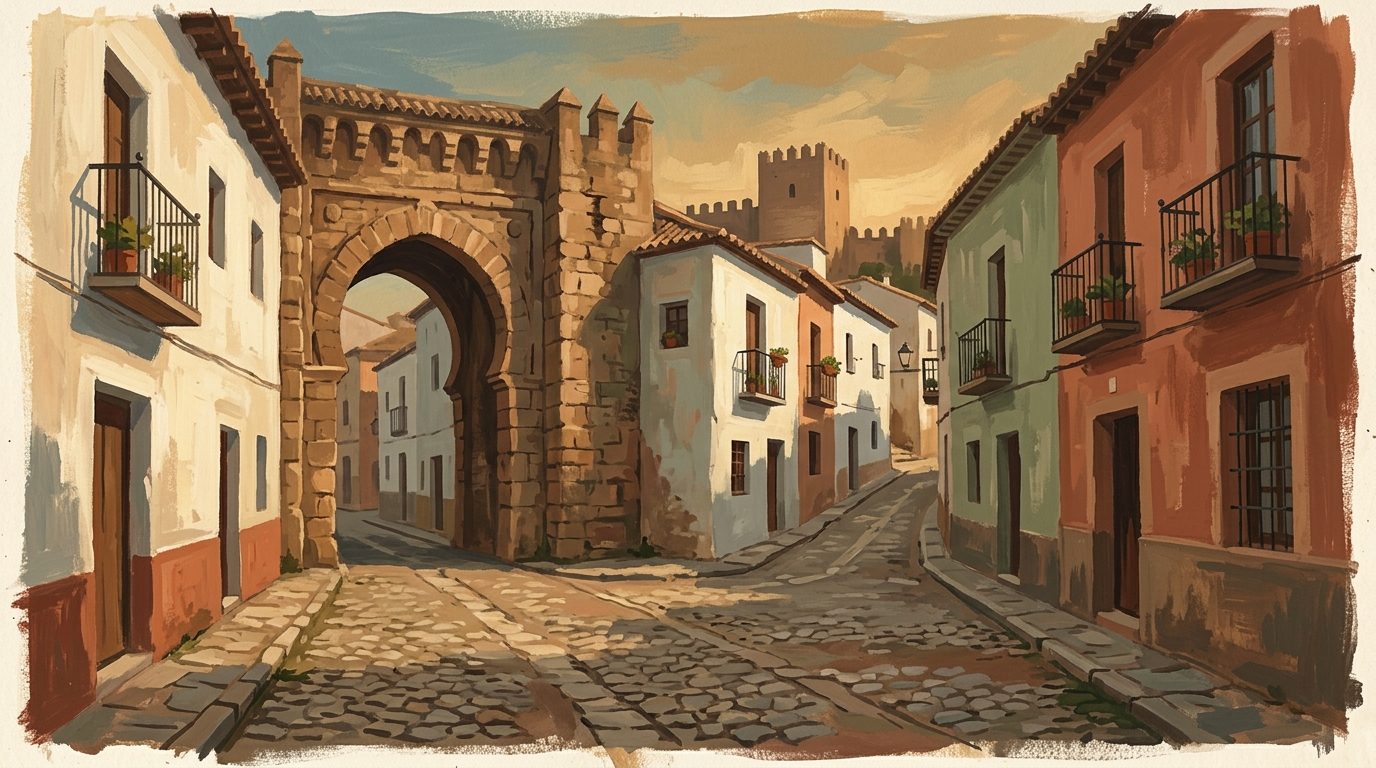
The Reconquista in Andalucía
The centuries-long Christian conquest of southern Iberia redefined the physical and cultural landscape of the peninsula. How did the military campaigns of the northern kingdoms dismantle the Islamic territories of Al-Andalus and forge the modern region of Andalucía?
7 min read
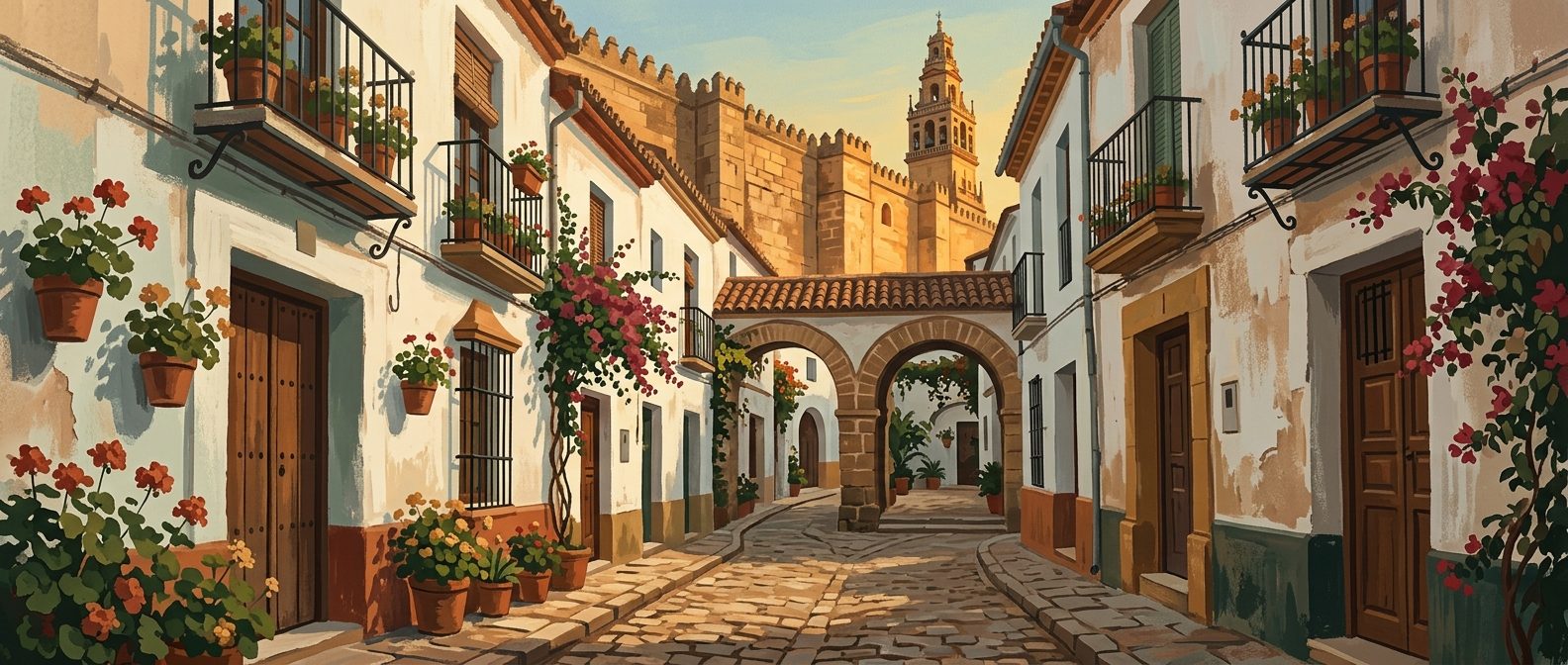
Corduba and Roman Baetica
Discover the political and intellectual might of Corduba, the wealthy administrative capital of Roman Baetica and the birthplace of the philosopher Seneca.
7 min read
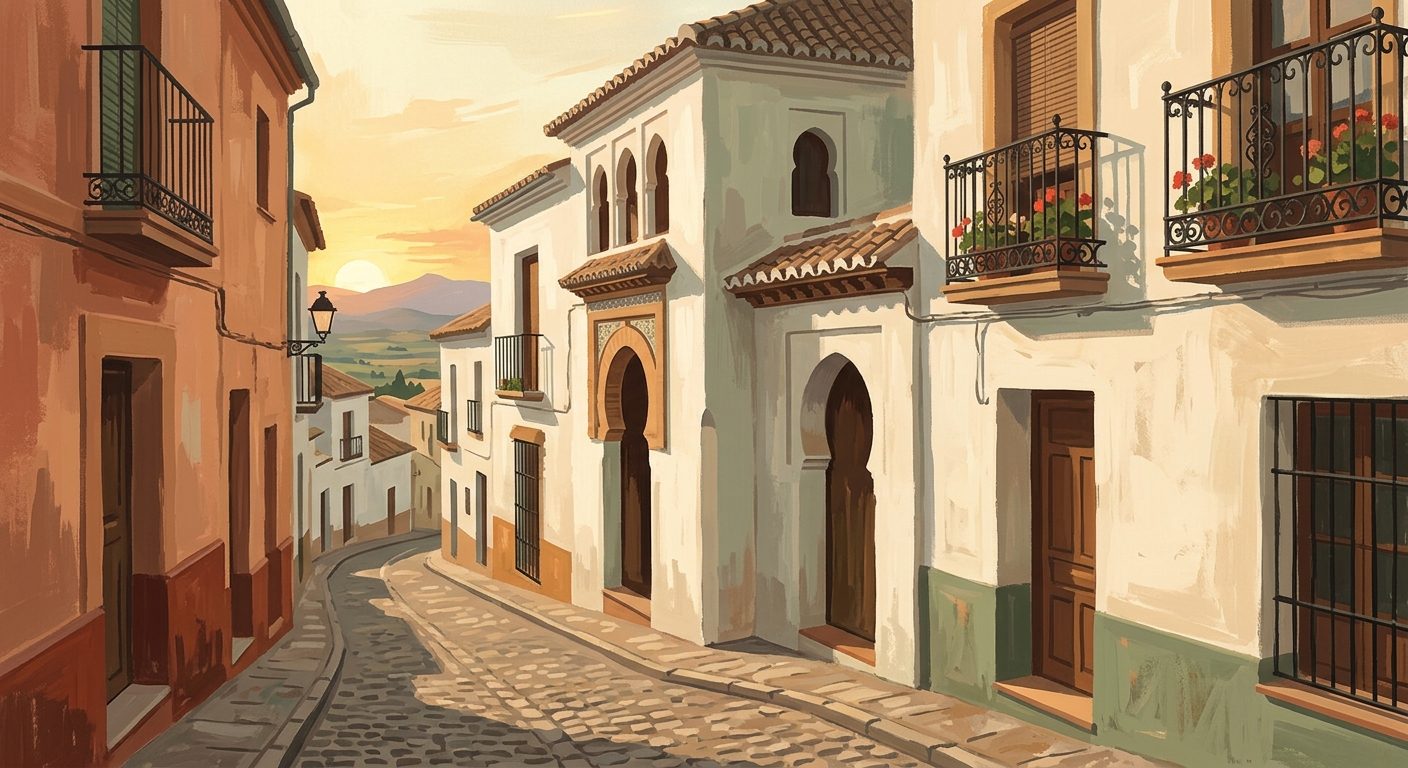
Al-Andalus: Eight Centuries of Moorish Rule in Andalucía
For nearly eight hundred years, Islamic civilisation flourished on the Iberian Peninsula. How did a distant province of the Umayyad empire become a beacon of science, art, and poetry in medieval Europe?
8 min read
More guides
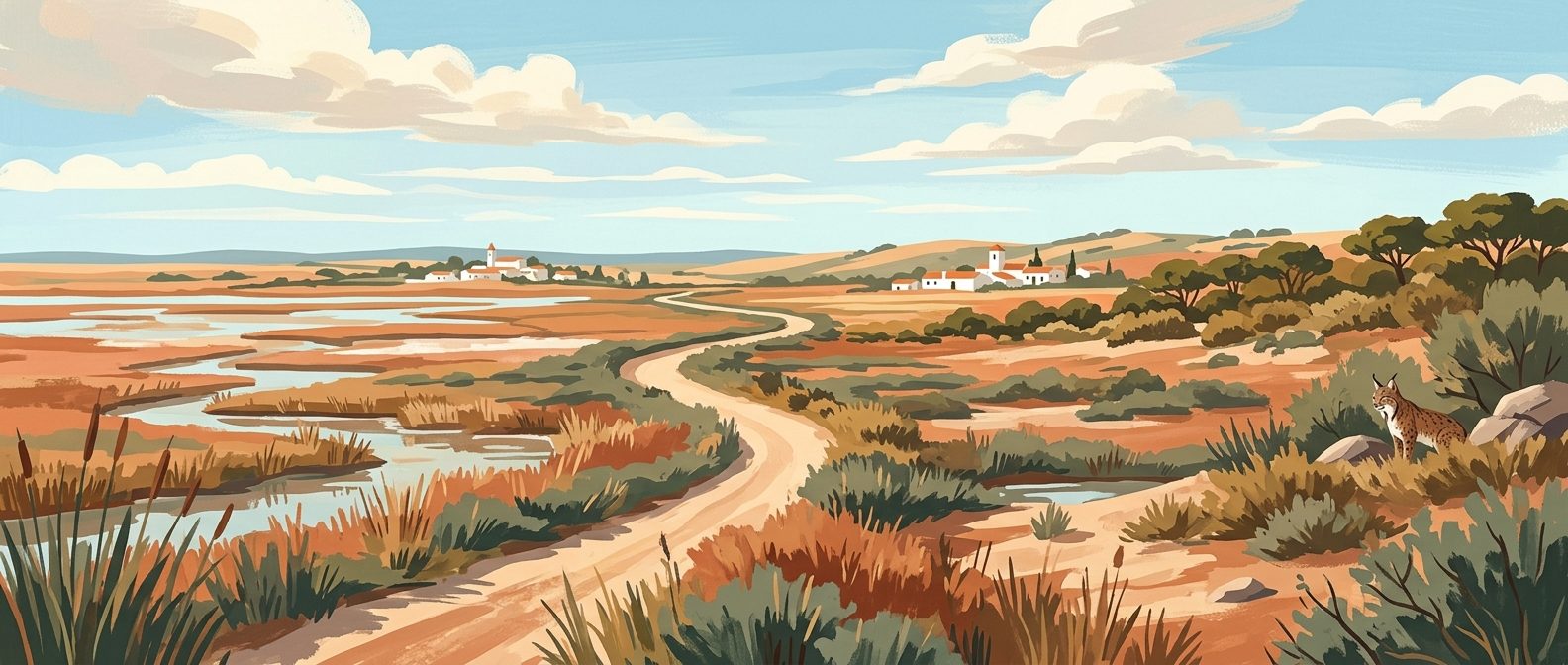
Doñana National Park Guide: Marshes, Lynx, and Restricted Zones
A shifting landscape of tidal marshes, ancient pine forests, and wind-sculpted dunes, Doñana is Europe's most crucial wetland reserve. Navigating its restricted zones requires planning, but the reward is encountering Iberian lynx and thousands of migratory flamingos in total wilderness.
9 min read
Walking the GR7 in Andalucía: The Ultimate Guide to Spain's Great Southern Trail
Leave the crowds behind and tackle Spain's greatest long-distance trail. From navigating faded waymarks to crossing the high Alpujarras, here is exactly how to walk the GR7 in Andalucía.
11 min read
The Ultimate Andalucía Photography Route: Chasing Light Across Southern Spain
Forget the bleached-out midday snaps and crowded tourist viewpoints; photographing southern Spain requires an obsession with timing and terrain. This comprehensive route guides you to the exact coordinates and precise hours needed to capture the region's finest architectural geometry and dramatic geology.
9 min read
Roman Andalucía Heritage Trail
Before the Moorish emirs reshaped southern Spain, this territory was the fiercely wealthy Roman province of Baetica, a crucial supplier of olive oil and emperors to the empire. This seven-day route traces the classical footprint across Andalucía, leading you from coastal fish-salting ruins and lonely mountain amphitheatres to the architectural remnants that bridged the fall of Rome and the rise of Al-Andalus.
9 min read
The Alpujarras Complete Guide: High Altitudes and Moorish Footpaths
South of the Sierra Nevada, the Alpujarras is a high-altitude network of steep ravines, ancient irrigation channels, and white villages clinging to the mountainside. This guide covers how to navigate the hairpin bends, where to find the best hiking trails, and which village suits your basecamp needs.
9 min read
The Ultimate Jamón Ibérico Route: Through Huelva and Córdoba
Tracking down the world's finest ham is an exercise in geography, patience, and appetite. This three-day drive through the ancient oak forests of Huelva and Córdoba takes you straight to the source of authentic Jamón 100% Ibérico de Bellota.
9 min read
Best Weekend Breaks in Andalucía
When you live in southern Spain, the temptation is to spend every weekend repeating the same comfortable Sunday routines. These seven targeted 48-hour itineraries bypass the obvious tourist traps, giving residents and expats a genuine excuse to pack a weekend bag and drive somewhere entirely new.
11 min read
One Week in Andalucía Itinerary: The Classic Triangle & Ronda
Seven days in southern Spain is just enough time to trace the defining Moorish capitals and mountain roads of Andalucía. This itinerary strips away the coastal sprawl to focus entirely on the essential cities of Málaga, Granada, Córdoba, and Sevilla, returning via the dramatic mountain gorge of Ronda.
9 min read
Budget Backpacker Guide to Andalucía
Andalucía on a shoestring is entirely possible if you know where to eat, how to travel, and which timing tricks unlock the region's monuments for free. Taking this approach strips away the tourist premium to show you exactly how to backpack southern Spain on less than €50 a day.
10 min read
Newsletter
More stories from Andalucía
Weekly notes, seasonal picks, and the next guides worth bookmarking.