
Route
Flamenco Origins & Best Shows: A Journey Through the Heart of Andalucía
True flamenco is rarely found on a brightly lit stage accompanying a three-course dinner; it lives in the breathless silence of a cramped sherry tavern and the rhythmic agony of a soleá sung at midnight. To understand this complex art form, you have to trace its steps through the gitano quarters of Sevilla, Jerez, and the caves of Granada.
By Dan · Updated 7 June 2026 · 9 min read
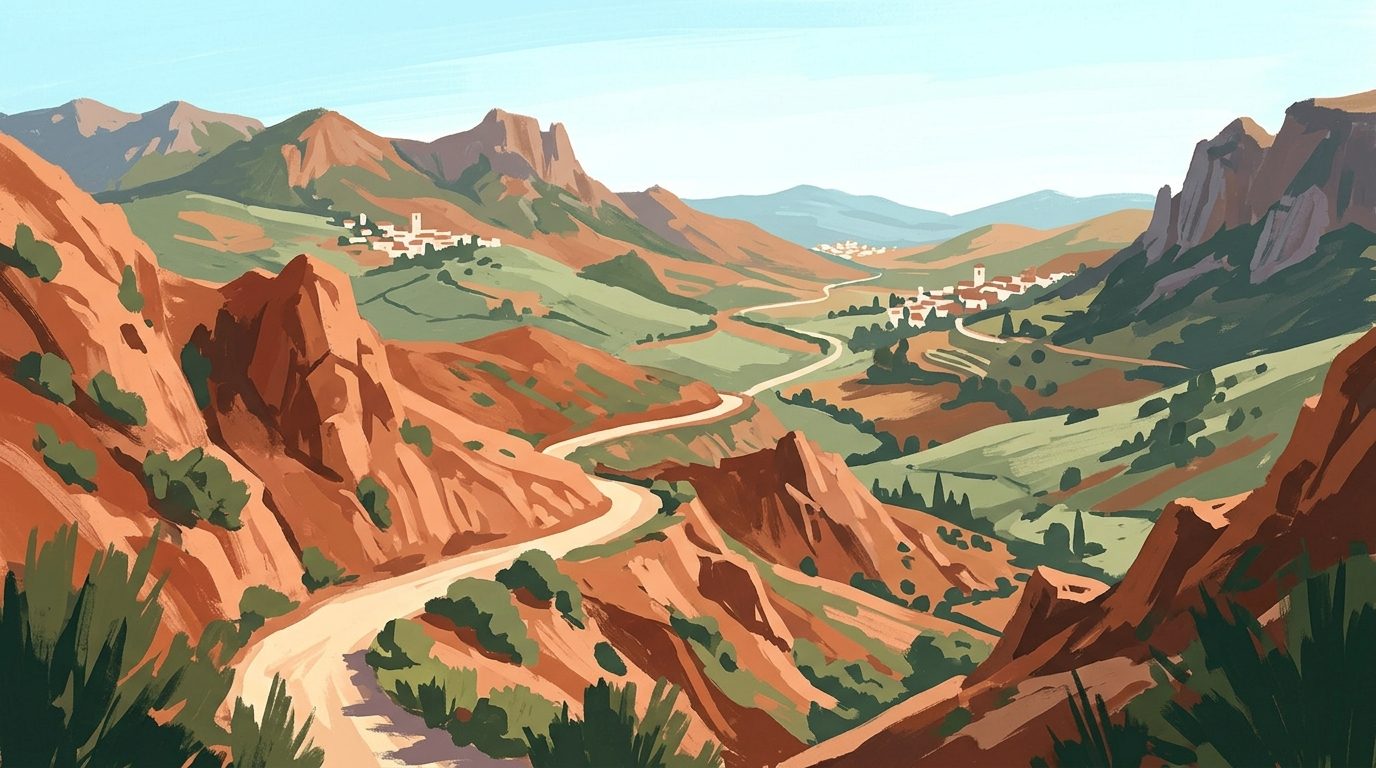
True flamenco is rarely found on a brightly lit stage accompanying a three-course dinner; it lives in the breathless silence of a cramped sherry tavern and the rhythmic agony of a soleá sung at midnight. To understand this complex art form, you have to trace its steps through the gitano quarters of Sevilla, Jerez, and the caves of Granada.
For many visitors to southern Spain, flamenco is a blur of polka-dot dresses, snapping castanets, and sangria. Yet, the commercialisation of this profound art form often obscures its raw, devastating power. To experience authentic flamenco is to bear witness to centuries of marginalisation, survival, and profound emotional expression, all channelled through voice, guitar, and dance.
Flamenco is not simply a performance; it is a vital cultural dialogue. It demands participation through active listening, an understanding of complex rhythms, and a willingness to sit with uncomfortable emotions. The polished, theatrical shows designed for foreign audiences have their place, providing steady work for exceptionally talented artists, but the soul of the music, what the Spanish call duende, frequently emerges in less formal, deeply intimate settings.
This journey bypasses the superficial to explore the geographic and historical roots of flamenco. By tracing a route through the 'Golden Triangle' of Sevilla, Jerez de la Frontera, and Cádiz, before heading east to the distinct cave dwellings of Granada, you will learn how to decode the different styles (palos), understand the etiquette of a performance, and navigate the subtle differences between a commercial tablao, a private peña, and a neighbourhood tabanco. If you want to feel the authentic heartbeat of Andalucía, this is where you begin.
The Anatomy of the Art: Origins and Evolution
To appreciate what you are watching, you must first understand where it came from. Flamenco was forged in the lower basin of the Guadalquivir River, emerging as a distinct art form in the late 18th century, though its roots reach back significantly further. It is the synthesis of multiple cultures that coexisted, and often suffered, in Andalucía.
When the Romani people (gitanos) arrived in Spain in the 15th century, they brought with them rhythms and musical traditions from the Indian subcontinent. In Andalucía, these traditions collided with the pre-existing sounds of the region: Moorish melodies, Sephardic Jewish chants, and local Andalucían folk songs. Marginalised and heavily persecuted by the Spanish Crown over subsequent centuries, the gitano communities poured their collective trauma into their music.
Originally, flamenco consisted solely of cante (song). It was unaccompanied, sung in fields, forges, and prisons. The voice was raw, unpolished, and intensely emotional. The toque (guitar) was added later to provide rhythmic structure and melodic support, followed eventually by the baile (dance), which physically manifests the emotion of the song.
Decoding the Palos: A Guide to Flamenco Styles
Flamenco is not a single type of music; it is an umbrella term encompassing more than fifty distinct styles, known as palos. They are categorised by their rhythmic pattern (compás), their geographic origin, and their emotional weight. Recognising a few key palos will drastically alter how you experience a live show.
Cante Jondo (Deep Song)
This is the most serious and profound category of flamenco, dealing with themes of death, despair, and religious doubt.
- Soleá: Often called the mother of flamenco, the soleá (from soledad, meaning loneliness) is a slow, solemn song built on a complex 12-beat cycle. The dance is regal, focused on intricate arm movements and intense emotional projection.
- Seguiriya: Arguably the darkest of all palos. It is tragic, dissonant, and structurally complex. When a singer performs a seguiriya, you should feel a profound sense of tension in the room.
- Martinete: An unaccompanied style originating from the blacksmiths' forges. Traditionally, the only accompaniment is the striking of a hammer on an anvil.
Cante Chico (Light Song)
These styles are upbeat, festive, and deal with lighter themes of love, humour, and daily life.
- Alegrías: Originating in the coastal city of Cádiz, the alegrías is fast, bright, and performed in a major key. The dancers often wear elaborately frilled dresses with long trains (batas de cola) and perform rapid, joyous footwork.
- Bulerías: The ultimate party style, hailing from Jerez. It is played at a breakneck speed on a 12-beat cycle. At the end of a performance, artists often gather in a semicircle (a fin de fiesta) and take turns dancing short, improvised, and highly competitive solos to a bulería.
The Golden Triangle: Sevilla, Jerez, and Cádiz
While flamenco has spread globally, its creative core remains firmly rooted in western Andalucía. Planning your route through these specific cities provides a masterclass in regional variations.
Sevilla: The Traditional Heart
Sevilla is the commercial and artistic capital of flamenco. Historically, the epicentre was the neighbourhood of Triana, located across the Guadalquivir River. For centuries, gitanos and working-class families lived here in corrales de vecinos, communal courtyard housing where residents shared kitchens, washing facilities, and, crucially, music. Although the gitano population was largely evicted from Triana in the 1950s and 60s, the neighbourhood's legacy remains foundational.
For a reliable, high-quality introduction, Casa de la Memoria (Calle Cuna, 6) is exceptional. Unlike many commercial venues, they do not serve food or drink, ensuring the audience's focus remains entirely on the unamplified performance. Book in advance, as the small 15th-century courtyard fills quickly.
If you are looking for an unfiltered local experience, you must visit a peña. These are private cultural clubs dedicated to the preservation of flamenco. The Peña Cultural Flamenca Torres Macarena (Calle Torrijiano, 29) is one of the most respected in the city. Entry is often free or requires a nominal donation, but you are expected to buy a drink at the bar. Shows here rarely start before 10:30 PM on a Friday or Saturday, and the audience is predominantly composed of knowledgeable locals who will abruptly shush anyone speaking during the performance.
Jerez de la Frontera: The Cradle of Rhythm
If Sevilla is the heart, Jerez is the rhythmic engine. Located an hour south of Sevilla, this sherry-producing city claims to be the true birthplace of flamenco. The action here revolves around two specific neighbourhoods: Barrio de Santiago and Barrio de San Miguel. The style in Jerez is deeply percussive, heavily reliant on the bulería, and intrinsically linked to the city's sherry culture.
The best way to experience flamenco in Jerez is inside a tabanco. These are traditional sherry taverns where wine is poured directly from the barrel. Tabanco El Pasaje (Calle Santa María, 8) is legendary. Arrive at 1:30 PM on a Saturday, order a glass of dry Oloroso and a plate of cured Payoyo cheese, and wait. The performances here are intimate, loud, and completely unpretentious. The singer will often stand just inches from the front row, the guitarist leaning against a chalk-marked sherry cask.
To fully immerse yourself, consider booking a guided sherry and flamenco tour, which provides essential context on how the agricultural cycles of the vineyards historically aligned with local music festivals.
Granada: The Caves of Sacromonte
Moving east to Granada, flamenco takes on a distinctly different form known as the Zambra. Originating in the caves of the Sacromonte neighbourhood, which overlooks the Alhambra, the Zambra is heavily influenced by Moorish traditions. The dance is performed barefoot, often with finger cymbals, and the lines between the audience and the performers blur in the narrow, whitewashed tunnels.
The cave shows can veer into tourist territory, but the setting is undeniable. Walk up the Camino del Sacromonte around 9:00 PM. Cueva de la Rocío, founded by the Maya family in the 1950s, remains one of the most reliable venues for authentic Zambra. The acoustics inside the cave are entirely unique; the percussive footwork echoes off the curved stone ceiling, creating a dense, overwhelming wall of sound. Booking ahead allows you to secure a seat in these tiny, narrow spaces.
For a purer, more academic approach in Granada, the Peña La Platería (Placeta de Toqueros, 7) in the Albayzín district is the oldest flamenco club in Spain, founded in 1949. They host exceptional recitals on Thursday nights, set in a courtyard with spectacular views of the Alhambra.
Tablaos, Peñas, and Tabancos: Navigating the Venues
Knowing where you are going is just as important as knowing what you are watching. Flamenco venues fall into three distinct categories, each offering a drastically different atmosphere.
- The Tablao: A professional venue designed primarily for paying audiences. The name comes from the wooden floorboards (tablas) on which the artists dance. While some include dinner services that can distract from the art, premium tablaos hire the best professional dancers and musicians in the country. Expect to pay between €20 and €35.
- The Peña: A cultural association run by aficionados. Peñas exist to foster community and preserve traditional styles rather than to make a profit. Facilities are often basic (think plastic chairs and fluorescent lighting), but the art is uncompromising. Audiences here understand the compás intimately.
- The Tabanco: Specific to Jerez, these are sherry bars where flamenco happens, sometimes scheduled, sometimes spontaneously. There is rarely an entry fee, but you will stand shoulder-to-shoulder with locals. The focus here is heavily on the song (cante) rather than the dance, due to the lack of space.
The Flamenco Festival Calendar
If you want to plan your itinerary around world-class performances, timing your visit to coincide with a major festival is highly recommended.
La Bienal de Flamenco (Sevilla): Held in September of even-numbered years, this is the most important flamenco festival in the world. It spans a full month, transforming the entire city into a stage. Shows take place in grand theatres like the Teatro de la Maestranza, as well as courtyards and ancient palaces. Securing accommodation early is critical; look for a centrally located apartment or hotel to remain within walking distance of the late-night venues.
Festival de Jerez: Usually held annually in late February and early March (the 2026 edition has concluded; dates for 2027 are typically announced in autumn), this two-week event is heavily focused on dance. It attracts students and professionals from across the globe who come to take daytime masterclasses and attend evening performances at the Teatro Villamarta.
Festival Internacional de Música y Danza de Granada: Taking place in June and July, this broad arts festival always features a strong flamenco programme. The draw here is the locations: performances are frequently staged late at night outdoors in the Generalife gardens of the Alhambra.
Practical Information and Unspoken Rules
Costs and Booking
A standard tablao show lasts roughly an hour and costs €20 to €35. If a venue insists on selling you a mandatory €80 dinner-and-show package, proceed with caution; the food is rarely worth the premium, and the clattering of cutlery detracts from the music. Opt for venues that offer a 'drink and show' ticket. Peñas are usually free, but a donation or purchasing drinks is expected. During major festivals, premium theatre tickets can cost upwards of €60.
The Rules of Engagement: Etiquette
Flamenco demands a specific decorum from its audience. The most critical rule is silence. During a cante jondo, the singer is exposing immense vulnerability. Talking, whispering, or checking your phone is considered deeply disrespectful. The artists rely on the energy of the room; a silent, intensely focused audience elevates the performance.
Furthermore, refrain from clapping along. The rhythmic hand-clapping (palmas) in flamenco is incredibly complex, often involving syncopated off-beats. It is an instrument in its own right, executed by professionals on stage. Well-meaning tourists attempting to clap along inevitably lose the beat, which can physically throw off the dancer or guitarist. Instead, show your appreciation by shouting words of encouragement, like "¡Olé!", "¡Agua!", or "¡Vamos allá!", at the end of a particularly impressive vocal run or footwork sequence.
When to Go
Authentic flamenco happens late. While tourist-focused tablaos run shows at 7:00 PM, the genuinely local events rarely start before 10:00 PM. In the peñas of Sevilla and Jerez, the atmosphere often peaks well past midnight. Adapt to the Andalucían schedule: take a long afternoon siesta, eat dinner at 9:30 PM, and head out into the night ready to be moved.
By approaching this complex, challenging, and profoundly beautiful art form with respect and historical context, you move beyond the role of a passive tourist. You become a participant in an ongoing, centuries-old conversation.
Last reviewed: 21 June 2026 · Editorial policy
Related guides
Semana Santa Guide: Decoding Andalucía's Most Intense Week
Holy Week in Andalucía is a profound sensory experience of heavy incense, brass bands, and thousands of shuffling feet. This guide decodes the intricate schedules, unwritten rules, and distinct regional styles of Spain’s most intense cultural phenomenon.
9 min read
The Sound of Silence: Inside Semana Santa
The drumbeat hits the sternum first, a rhythmic thud that vibrates through the marrow before the ear registers the sound. Then comes the silence: a heavy, suffocating quiet.
7 min read
A Definitive Guide to the Bienal de Flamenco in Sevilla
The Bienal de Flamenco in Sevilla is the global summit of a living art form, transforming palaces and historic theatres into arenas of profound emotion.
9 min read
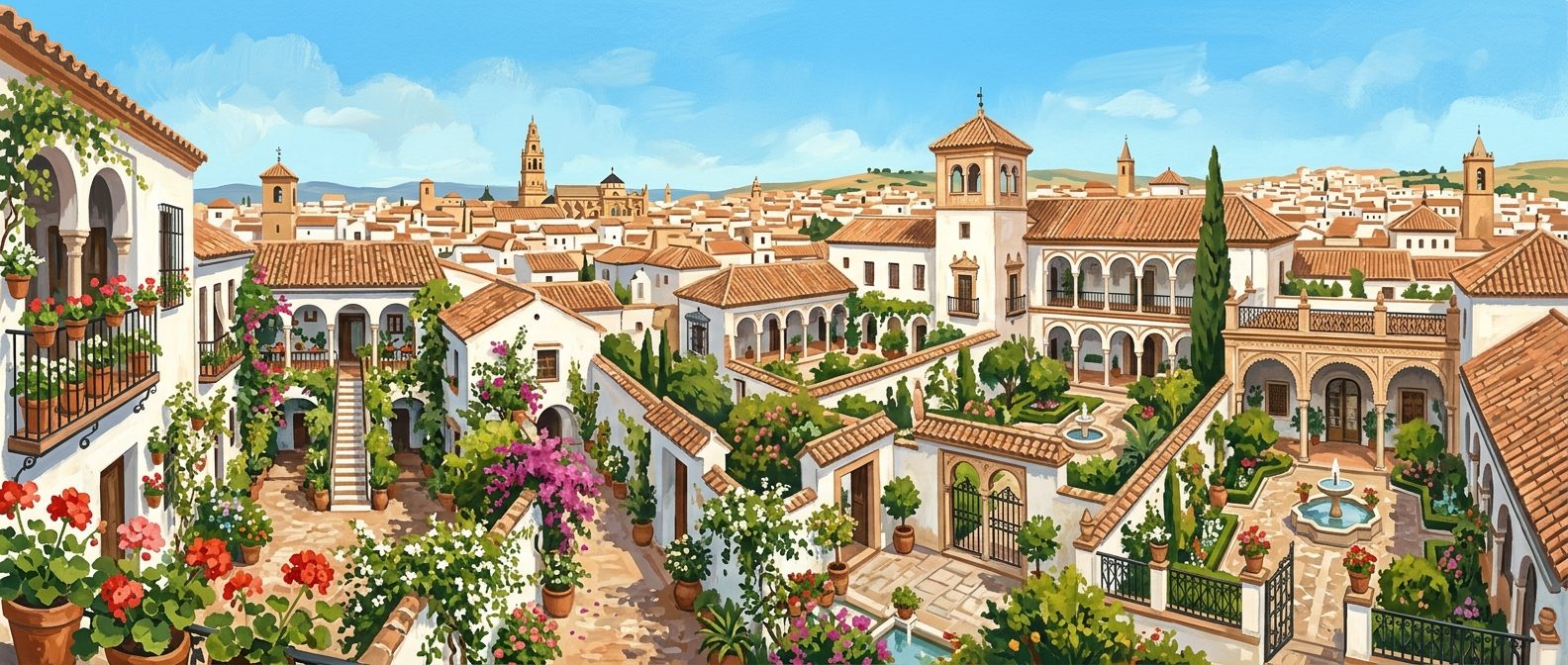
The Floral Courtyards of Córdoba: A Guide to the Patios and Palacio de Viana
Discover the flower-filled courtyards of Córdoba, from the twelve aristocratic patios of the Palacio de Viana to the UNESCO-listed private homes that open their doors during the May Patio Festival.
6 min read
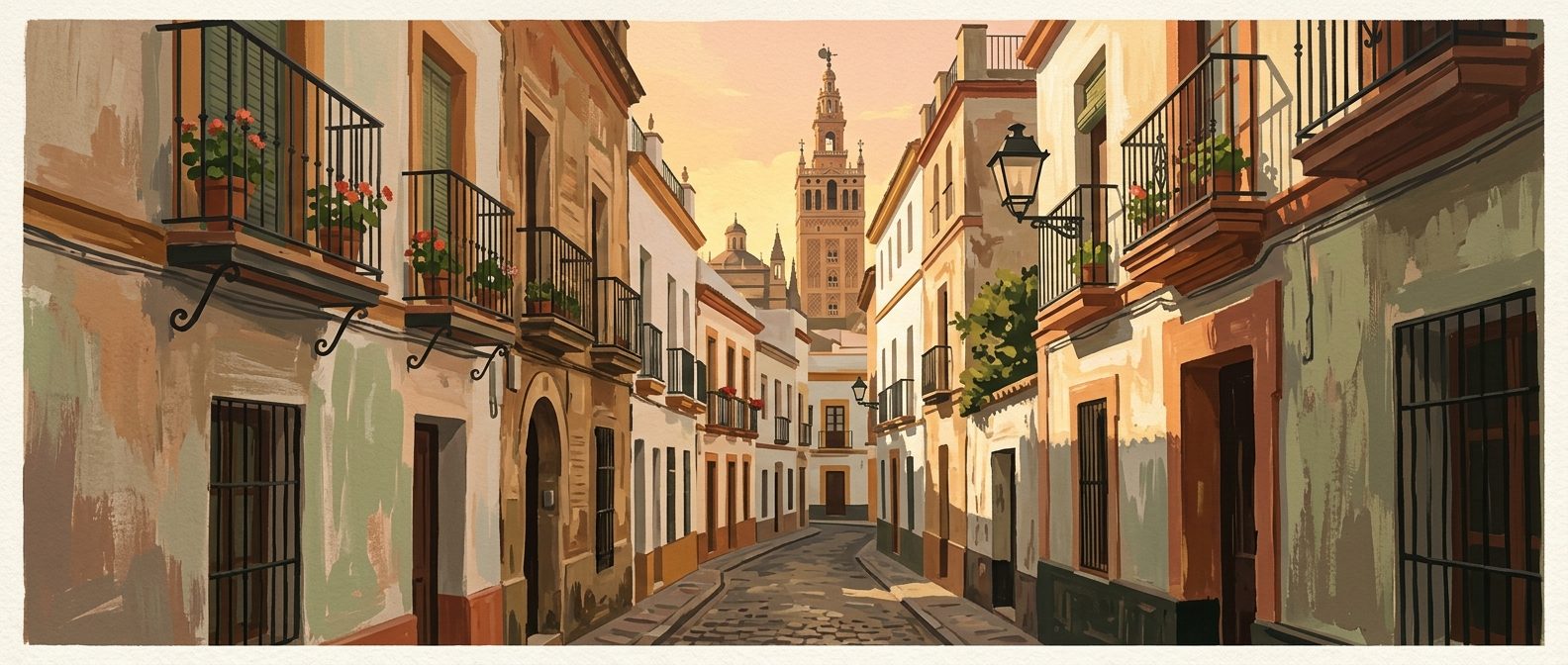
The Siege of the Real: Inside Sevilla’s Private Universe
Beyond the yellow dust of the Real, Sevilla’s great fair is a labyrinth of closed doors where the city’s true social hierarchy is revealed in the clinking of glasses.
8 min read
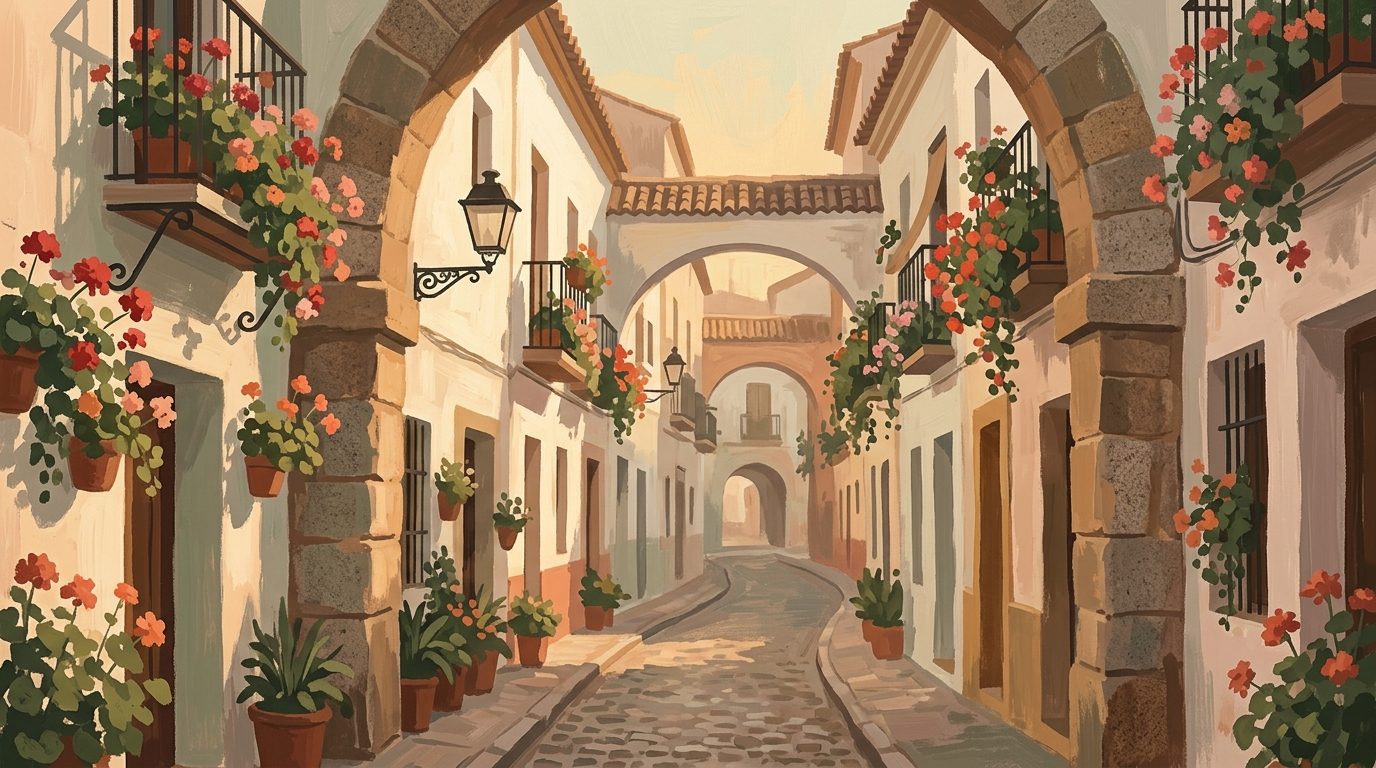
The Granite and the Geranium: The Fragile Geometry of Córdoba’s May
For two weeks in May, Córdoba’s residents throw open the doors of their private courtyards, turning a city of stone into a living, breathing laboratory of botanical obsession.
6 min read
More guides
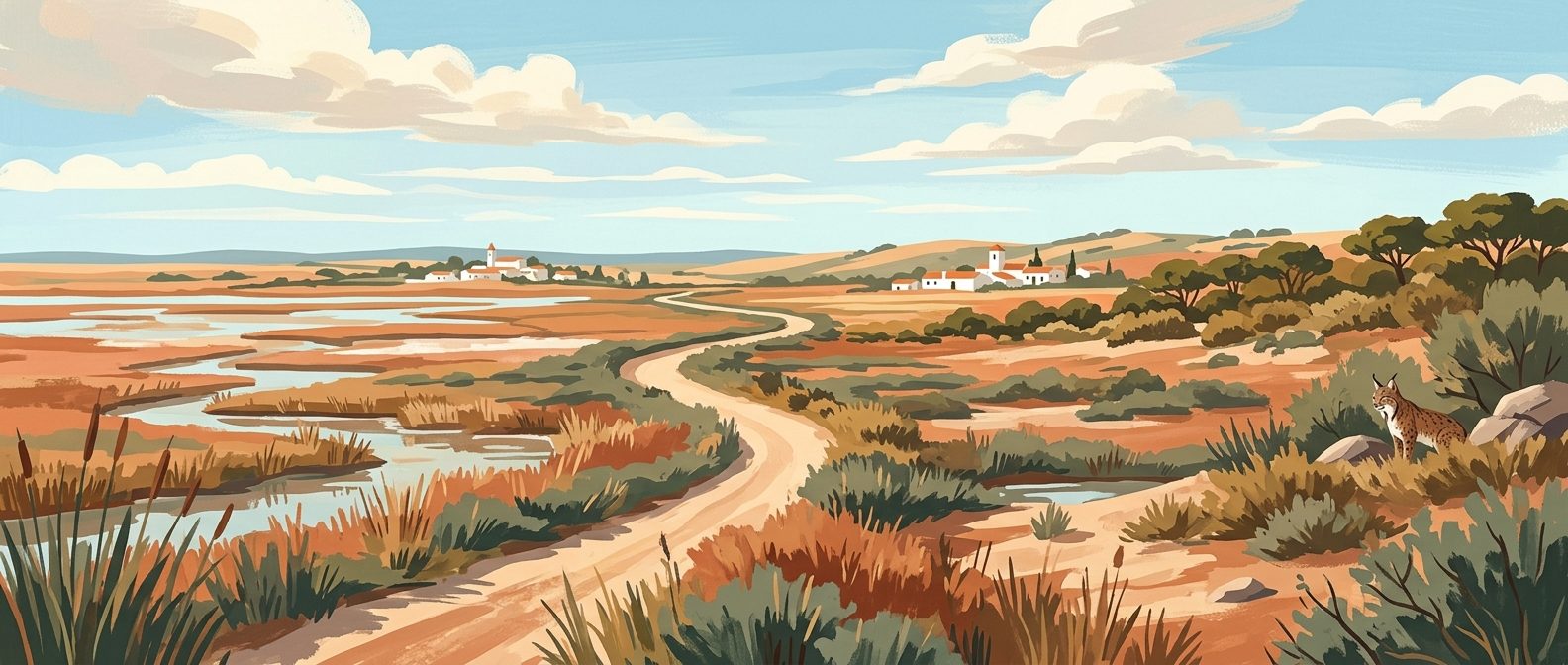
Doñana National Park Guide: Marshes, Lynx, and Restricted Zones
A shifting landscape of tidal marshes, ancient pine forests, and wind-sculpted dunes, Doñana is Europe's most crucial wetland reserve. Navigating its restricted zones requires planning, but the reward is encountering Iberian lynx and thousands of migratory flamingos in total wilderness.
9 min read
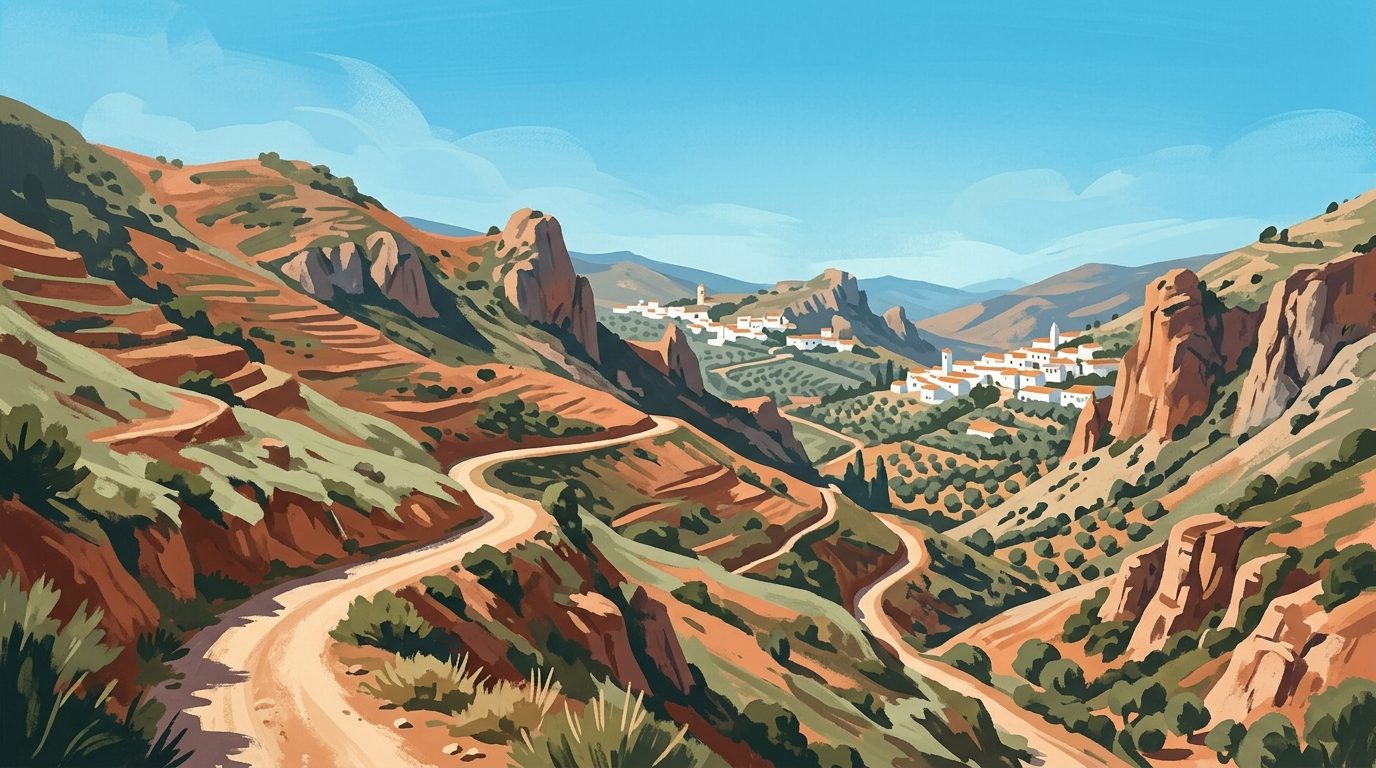
Walking the GR7 in Andalucía: The Ultimate Guide to Spain's Great Southern Trail
Leave the crowds behind and tackle Spain's greatest long-distance trail. From navigating faded waymarks to crossing the high Alpujarras, here is exactly how to walk the GR7 in Andalucía.
11 min read
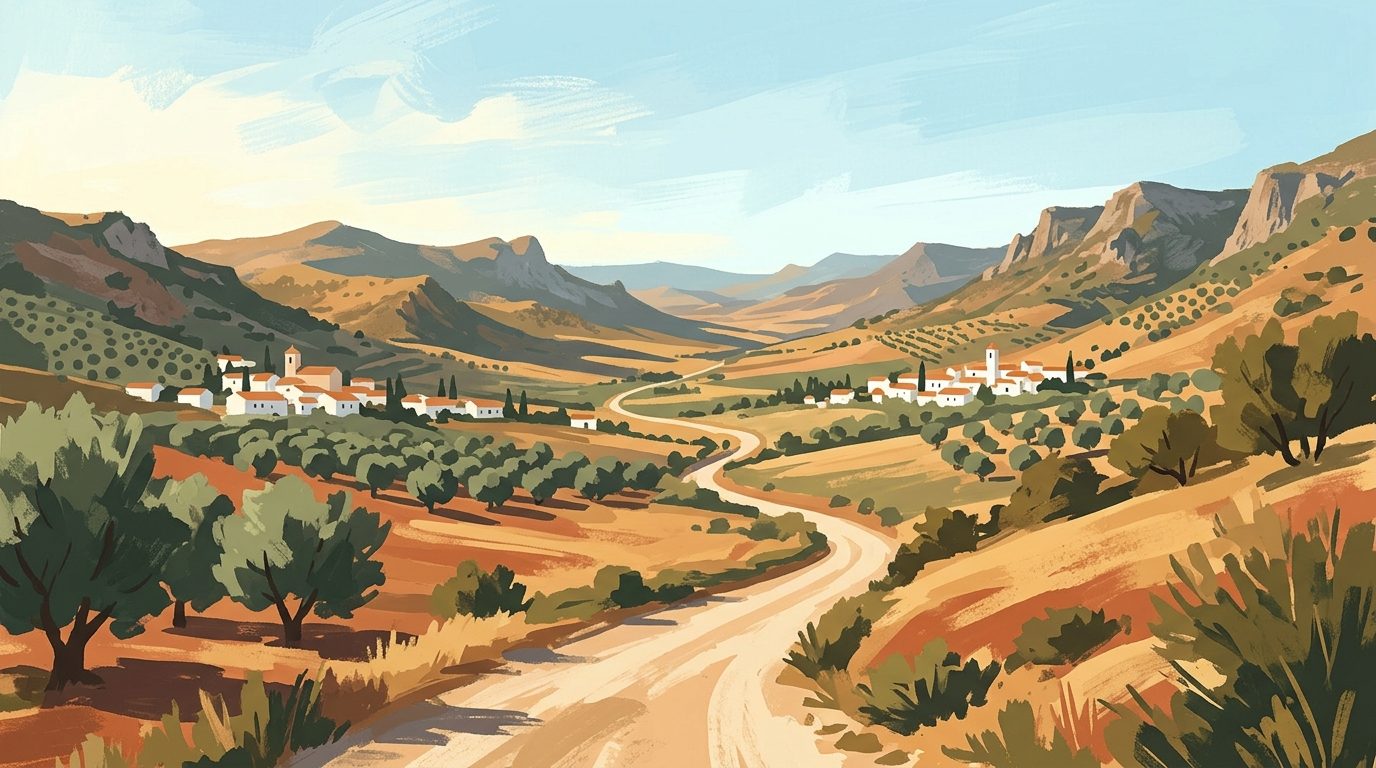
The Ultimate Andalucía Photography Route: Chasing Light Across Southern Spain
Forget the bleached-out midday snaps and crowded tourist viewpoints; photographing southern Spain requires an obsession with timing and terrain. This comprehensive route guides you to the exact coordinates and precise hours needed to capture the region's finest architectural geometry and dramatic geology.
9 min read
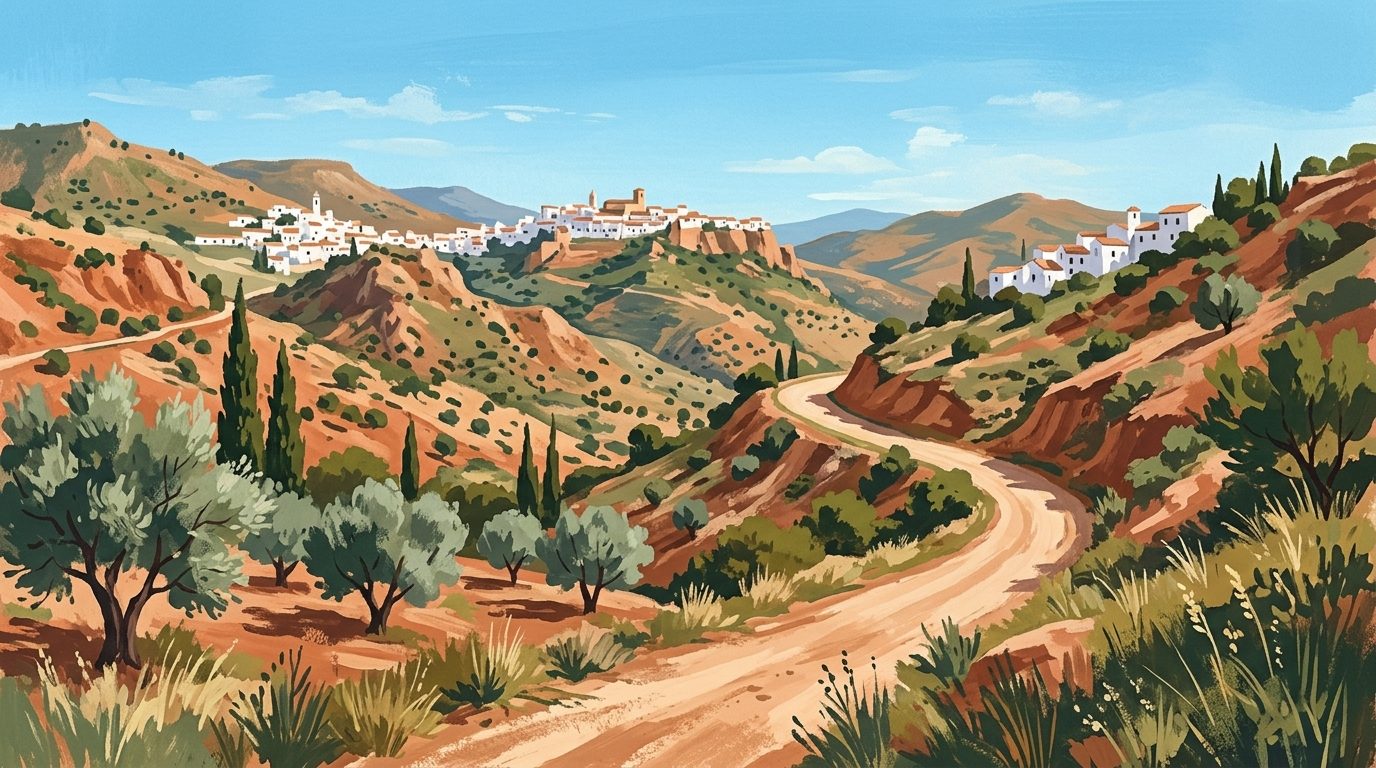
Roman Andalucía Heritage Trail
Before the Moorish emirs reshaped southern Spain, this territory was the fiercely wealthy Roman province of Baetica, a crucial supplier of olive oil and emperors to the empire. This seven-day route traces the classical footprint across Andalucía, leading you from coastal fish-salting ruins and lonely mountain amphitheatres to the architectural remnants that bridged the fall of Rome and the rise of Al-Andalus.
9 min read
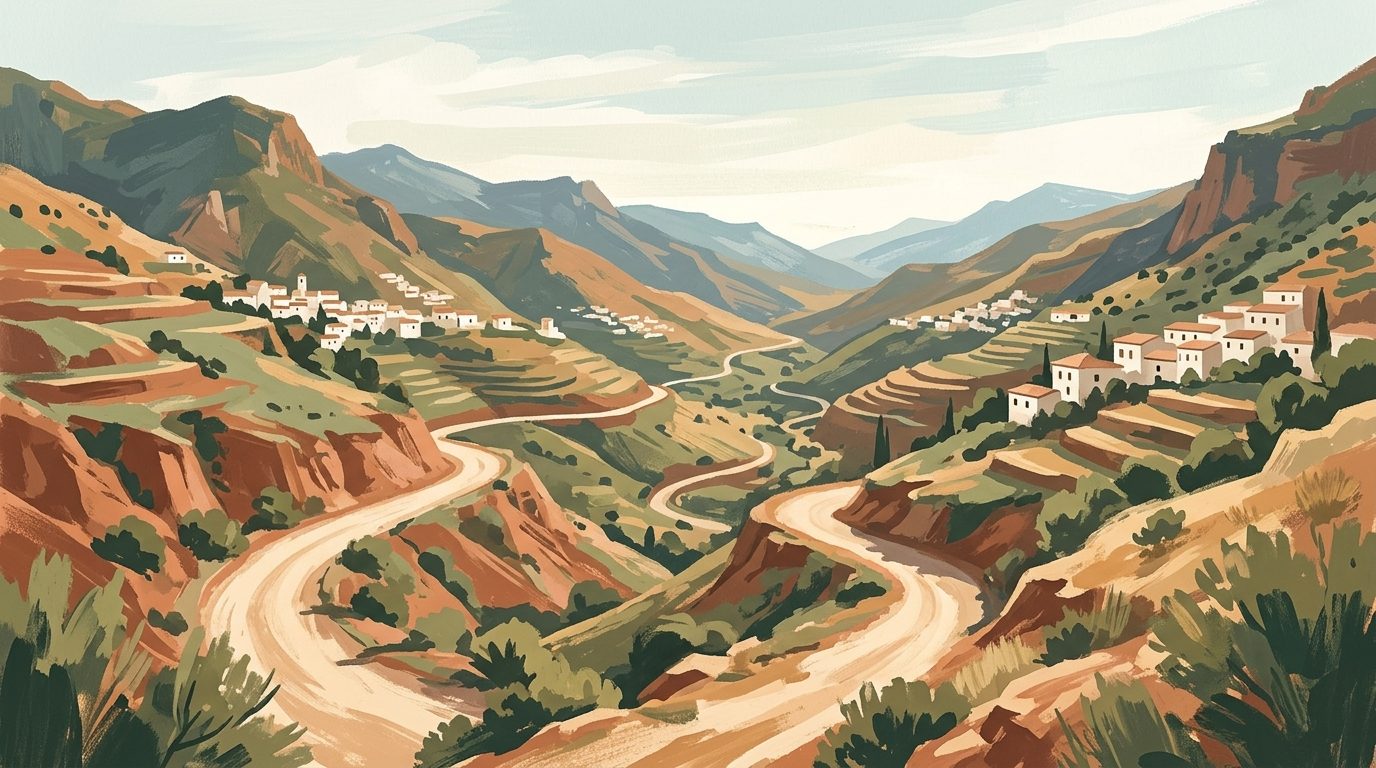
The Alpujarras Complete Guide: High Altitudes and Moorish Footpaths
South of the Sierra Nevada, the Alpujarras is a high-altitude network of steep ravines, ancient irrigation channels, and white villages clinging to the mountainside. This guide covers how to navigate the hairpin bends, where to find the best hiking trails, and which village suits your basecamp needs.
9 min read
The Ultimate Jamón Ibérico Route: Through Huelva and Córdoba
Tracking down the world's finest ham is an exercise in geography, patience, and appetite. This three-day drive through the ancient oak forests of Huelva and Córdoba takes you straight to the source of authentic Jamón 100% Ibérico de Bellota.
9 min read
Best Weekend Breaks in Andalucía
When you live in southern Spain, the temptation is to spend every weekend repeating the same comfortable Sunday routines. These seven targeted 48-hour itineraries bypass the obvious tourist traps, giving residents and expats a genuine excuse to pack a weekend bag and drive somewhere entirely new.
11 min read
One Week in Andalucía Itinerary: The Classic Triangle & Ronda
Seven days in southern Spain is just enough time to trace the defining Moorish capitals and mountain roads of Andalucía. This itinerary strips away the coastal sprawl to focus entirely on the essential cities of Málaga, Granada, Córdoba, and Sevilla, returning via the dramatic mountain gorge of Ronda.
9 min read
Budget Backpacker Guide to Andalucía
Andalucía on a shoestring is entirely possible if you know where to eat, how to travel, and which timing tricks unlock the region's monuments for free. Taking this approach strips away the tourist premium to show you exactly how to backpack southern Spain on less than €50 a day.
10 min read
Newsletter
More stories from Andalucía
Weekly notes, seasonal picks, and the next guides worth bookmarking.