
Route
Mountains & Villages Circuit: High Altitudes to Olive Groves
Leave the coast behind and turn your steering wheel towards the high altitudes, olive-clad valleys, and white-washed mountain settlements of inland Andalucía. This seven-to-ten-day driving circuit connects the dramatic peaks of the Sierra Nevada with the limestone crags of Cazorla and the architectural grandeur of Jaén and Córdoba.
By Dan · Updated 7 June 2026 · 9 min read
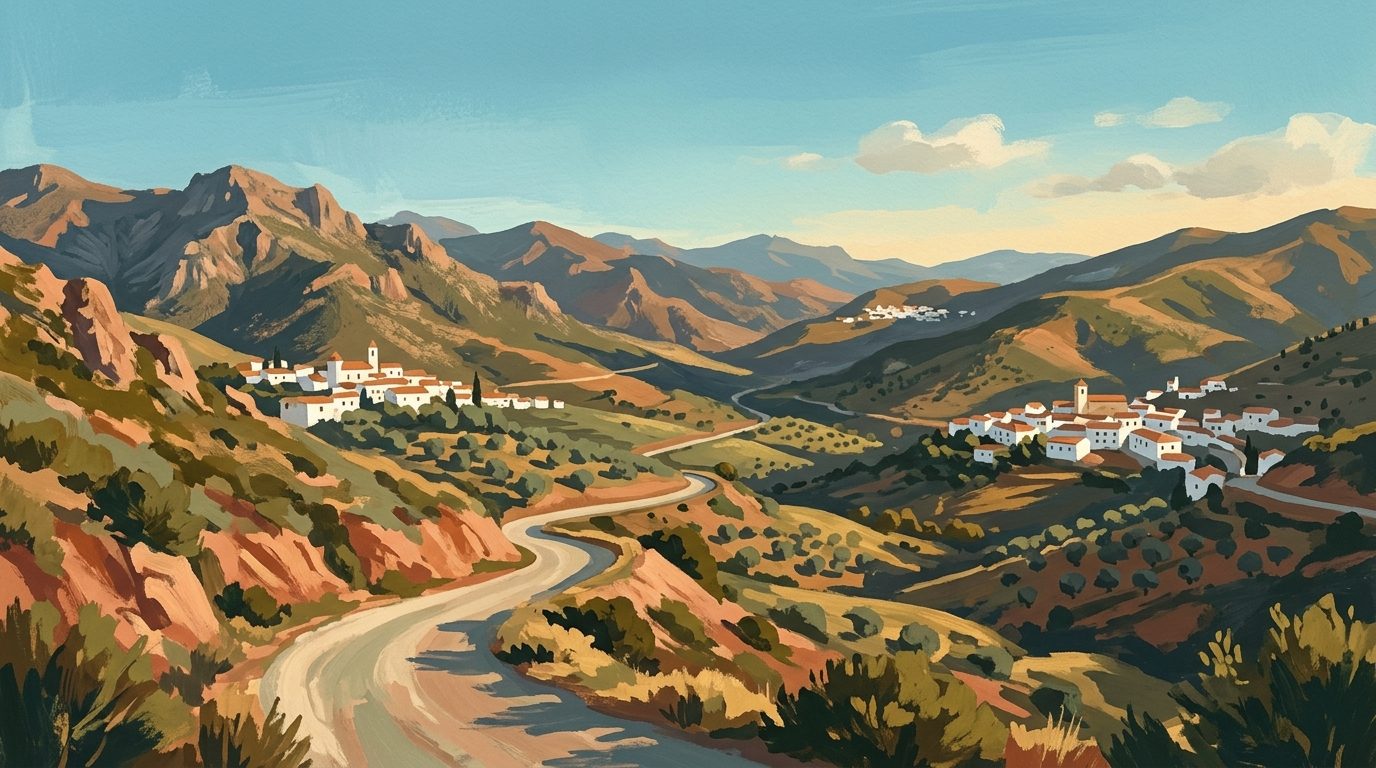
Leave the coast behind and turn your steering wheel towards the high altitudes, olive-clad valleys, and white-washed mountain settlements of inland Andalucía. This seven-to-ten-day driving circuit connects the dramatic peaks of the Sierra Nevada with the limestone crags of Cazorla and the architectural grandeur of Jaén and Córdoba.
Andalucía is frequently defined by its coastline or the monumental trinity of Sevilla, Córdoba, and Granada. Yet, the true character of the south is often found at higher elevations. This circular driving route focuses on three distinct inland provinces, Granada, Jaén, and Córdoba, each offering an entirely different geological and cultural landscape. You will trace the southern flanks of the Iberian Peninsula’s highest peaks in the Alpujarras, cross high mountain passes into the badlands of Guadix, and navigate the vast, forested ravines of the Sierras de Cazorla, Segura y Las Villas. Finally, the route descends into the endless olive groves of Jaén before finishing among the sheer limestone cliffs of the Sierras Subbéticas in Córdoba.
This itinerary requires a confident driver. You will be negotiating blind switchbacks on the A-4132, sharing narrow passes with wild mountain goats, and squeezing a hire car through whitewashed alleys originally built for mules. But the reward is absolute freedom. You can pull over at an unnamed mirador at golden hour, stop for air-cured ham in mainland Spain’s highest village, and wake up to the sound of goat bells rather than traffic.
Forget rushing; this is a journey meant to be taken at 40 kilometres per hour, windows down, with the scent of wild rosemary blowing through the cabin. The circuit spans roughly 500 kilometres and requires a minimum of seven days, though stretching it to ten days allows for longer hikes and slower mornings.
Stage 1: The Alpujarras & Southern Sierra Nevada (Granada)
Days 1 to 2: The Poqueira Gorge and Trevélez
Start your engine in Granada and head south on the A-44 dual carriageway. The transition into the mountains begins at exit 164, where you join the A-348 towards Lanjarón, a town famous across Spain for its spring water. Keep driving until you reach Órgiva, the slightly chaotic, bohemian crossroads of the region, before turning onto the A-4132.
This road demands your full attention. It climbs sharply into the Barranco de Poqueira, a deep gorge scoring the southern face of the Sierra Nevada. Here, you will find Pampaneira, Bubión, and Capileira: three impossibly steep, white villages that look as though they have been poured down the mountainside. The architecture is distinctly Berber, a legacy of the Moorish populations who retreated here in the 16th century. Notice the flat roofs covered in grey launa clay and the distinctive, stout chimney pots.
Spend your first afternoon walking the paths that connect the three villages, listening to the constant rush of snowmelt through the ancient acequias (irrigation channels). Consider booking a traditional weaving workshop in Pampaneira to understand the region’s enduring textile heritage.
On day two, continue east along the A-4132 to Trevélez. Situated at over 1,400 metres, the air here is cold and remarkably dry, the exact conditions required to cure the village’s famous jamón serrano. Join a guided tasting tour of a working ham-curing shed, where thousands of legs hang from the rafters.
Honest Warning: Do not trust your GPS if it directs you to your accommodation’s front door in these villages. It will confidently send you down a 40-degree incline into a cobblestone alley where your hire car will inevitably get stuck. Always park in the designated municipal lots at the top or bottom of the villages and walk.
Stage 2: Over the High Pass to the Badlands (Granada)
Day 3: Puerto de la Ragua to Guadix
Leaving the Alpujarras involves one of the most dramatic drives in Andalucía. Continue east until you reach the village of Cherín, then loop north onto the A-337. This solitary road bisects the Sierra Nevada National Park, climbing relentlessly until it reaches the Puerto de la Ragua pass at 2,000 metres above sea level. The landscape shifts rapidly from Mediterranean almond terraces to dense black pine forests, eventually giving way to bare, windswept alpine ridges. Pull over at the pass, zip up your jacket (the temperature drop here is severe) and look back over the valleys you have just conquered.
The northern descent drops you into the Marquesado del Zenete plateau. At the foot of the mountains sits the Castillo de La Calahorra. From the outside, it is a stark, intimidating medieval fortress built from red stone. Step inside, however, and you will find a delicate, perfectly proportioned Italian Renaissance courtyard, built in 1509 using imported Ligurian marble.
From here, merge onto the A-92 heading north towards Guadix. Within thirty minutes, the alpine peaks vanish, replaced by an alien landscape of eroded, ochre-coloured badlands. Guadix and the neighbouring town of Purullena are famous for their cave dwellings. Over half the population still lives underground, where the temperature remains a steady 18°C to 20°C year-round. Book a night in a luxury cave hotel in the Barrio de las Cuevas; sleeping in a windowless, silent room carved from the earth is an entirely unique experience.
Stage 3: The Deep Wild of Sierra de Cazorla (Jaén)
Days 4 to 5: Limestone Ravines and Pine Forests
Drive north from Guadix on the A-325, passing the brilliant turquoise waters of the Negratín reservoir, before picking up the A-315 into Jaén province. You are entering the Sierras de Cazorla, Segura y Las Villas Natural Park. Covering over 200,000 hectares, this is the largest protected natural area in Spain.
The scale of Cazorla is difficult to comprehend until you are driving through it. Approach via Pozo Alcón, then navigate towards the town of Cazorla to pick up the A-319. This road is the main artery into the park, following the upper reaches of the Guadalquivir river.
Ensure you stop at the Mirador Puerto de las Palomas. The drop from the viewpoint is sheer enough to induce vertigo, and you will frequently find griffon vultures riding the thermals directly below your eye line. Continue down the valley to Arroyo Frío, a useful, if slightly commercialised, base for exploring the park. For genuine isolation, secure a room in a remote rural house further up the valley near the Embalse del Tranco reservoir.
Dedicate day five to the wilderness. Walk the Sendero Cerrada del Utrero, a manageable 45-minute circular route that threads along limestone cliffs past the Linarejos waterfall. For deeper exploration, hire a local guide for a 4x4 wildlife spotting excursion at dawn. The park is heavily populated with Iberian ibex (cabra montés), red deer, and wild boar, which are most active just before the sun clears the ridges.
Honest Warning: The A-319 is essentially 40 kilometres of blind corners and hairpin bends. If you or your passengers suffer from motion sickness, take preventative medication before leaving Cazorla town.
Stage 4: Aristocratic Stone and Endless Olives (Jaén)
Days 6 to 7: Úbeda and Baeza
Descend from the mountains via the A-319, and the landscape instantly flattens into the Mar de Olivos, an ocean of olive trees marching in geometric lines toward the horizon. Take the N-322 to Úbeda, followed by a short hop to its twin town, Baeza.
After days spent in rustic mountain environments, the architectural weight of these two towns is striking. Both hold UNESCO World Heritage status, effectively functioning as open-air museums of the Spanish Renaissance. In the 16th century, local nobility poured immense wealth from agricultural and textile trades into palaces, churches, and public squares, largely enlisting the visionary architect Andrés de Vandelvira.
In Úbeda, the Plaza Vázquez de Molina is essential viewing. Flanked by the Sacra Capilla del Salvador and the Palacio de las Cadenas, the sheer volume of perfectly carved golden sandstone is staggering. Baeza is smaller, quieter, and deeply atmospheric at night. Walk past the Cathedral and the intricate façade of the Palacio de Jabalquinto after dusk, when the cobblestones are illuminated by wrought-iron lanterns.
You cannot leave Jaén without understanding its primary export. The province produces roughly 20% of the world’s olive oil. The dominant olive variety here is Picual, which yields a robust, peppery oil that catches the back of the throat. Book an olive oil mill tour and tasting in Baeza or visit the Museo de la Cultura del Olivo in Hacienda La Laguna nearby to learn the difference between early harvest and standard extraction. For accommodation, treat yourself to a stay in a converted 16th-century Renaissance palace in Úbeda’s historic quarter.
Stage 5: The Subbética Cordobesa (Córdoba)
Days 8 to 9: Priego de Córdoba and Zuheros
Leave Úbeda on the A-316, passing the provincial capital of Jaén, before merging onto the N-432 and finally the A-339. You are now crossing into Córdoba province, specifically the Sierras Subbéticas. This mountain range is defined by dramatic, craggy limestone peaks that jut aggressively out of the surrounding olive groves.
Your first stop is Priego de Córdoba, widely regarded as the capital of Andalucían Baroque. Park near the centre and walk into the Barrio de la Villa. This is a labyrinth of whitewashed walls covered in hundreds of potted geraniums, which eventually opens out onto the Balcón del Adarve, a sheer cliff edge offering panoramic views over the river gorge below.
From Priego, take the A-318 and turn onto the CV-247 towards Zuheros. The approach road is spectacularly narrow, winding its way up to a village that appears glued to the rock face. Zuheros is tiny, immaculately preserved, and crowned by a 9th-century Moorish castle built directly into the limestone spur.
Drive slightly further up the mountain to reach the Cueva de los Murciélagos (Cave of the Bats). Take a guided subterranean tour to see Neolithic cave paintings and immense stalactite formations. In the afternoon, return to the valley floor. Rent bicycles to ride a section of the Vía Verde de la Subbética, a 120-kilometre converted railway line that glides effortlessly past old viaducts and ruined olive mills.
Practical Information for the Circuit
Selecting the Right Hire Car
The temptation when booking a mountain driving trip is to rent a large SUV. Resist this urge. The primary challenge on this route is not off-road capability (the tarmac is generally excellent) but spatial awareness in medieval towns. A standard compact hatchback, such as a VW Golf or Peugeot 308, offers the best compromise. You want enough engine power to comfortably tackle steep gradients without holding up local traffic, but a narrow enough chassis to scrape through Capileira or Priego de Córdoba with your wing mirrors intact. A manual transmission is highly recommended to utilise engine braking on long descents like the Puerto de la Ragua.
When to Drive This Route
Timing is critical. Spring (April to early June) is spectacular; the rivers are swollen with snowmelt, the valleys are intensely green, and the Sierra Nevada peaks are still capped with white. Autumn (late September to November) offers cooler driving conditions, golden foliage in the Alpujarras, and the beginning of the olive harvest in Jaén.
Avoid August entirely. Coastal tourists frequently assume the mountains will offer respite from the heat, but interior basins like Guadix and the lower valleys of Cazorla regularly exceed 38°C in mid-summer. Winter driving is entirely possible and beautifully quiet, but you must carry snow chains or ensure your hire car has winter-rated tyres; passes like the A-337 can close without warning after heavy snowfall. Always check the official RENPA website (Red de Espacios Naturales Protegidos de Andalucía) for up-to-date road closures and park alerts before setting out.
Costs and Booking Advice
Expect to pay between €75 and €130 per night for high-quality rural accommodation (casas rurales) or boutique hotels along the route. Fuel will be a significant daily expense; you will average poor fuel economy while grinding up first-gear inclines in the Alpujarras and Cazorla.
While spontaneity is one of the joys of a road trip, you must book accommodation and guided tours well in advance if your dates coincide with Spanish national holidays (such as Semana Santa, the May Day long weekend, or the October 12th bridge). The Sierra de Cazorla, in particular, is a highly popular domestic destination and rural houses can sell out months ahead. Pack layers regardless of the season; the temperature difference between the sunny plazas of Baeza and the shaded ravines of Capileira is frequently stark.
Last reviewed: 21 June 2026 · Editorial policy
Related guides
The Classic Two-Week Andalucían Road Trip
Fourteen days provides just enough time to experience southern Spain's Moorish capitals, dramatic mountain passes, and Atlantic coastline without spending your entire holiday behind the wheel.
9 min read
Motorcycle Touring in Andalucía: The Ultimate Rider's Guide
Forget the motorways; Andalucía’s true character is carved into its mountain passes, where immaculate asphalt drapes across deep ravines and high-altitude plateaus. This is a landscape built for motorcycles, offering thousands of kilometres of technical riding.
9 min read
Walking the GR7 in Andalucía: The Ultimate Guide to Spain's Great Southern Trail
Leave the crowds behind and tackle Spain's greatest long-distance trail. From navigating faded waymarks to crossing the high Alpujarras, here is exactly how to walk the GR7 in Andalucía.
11 min read
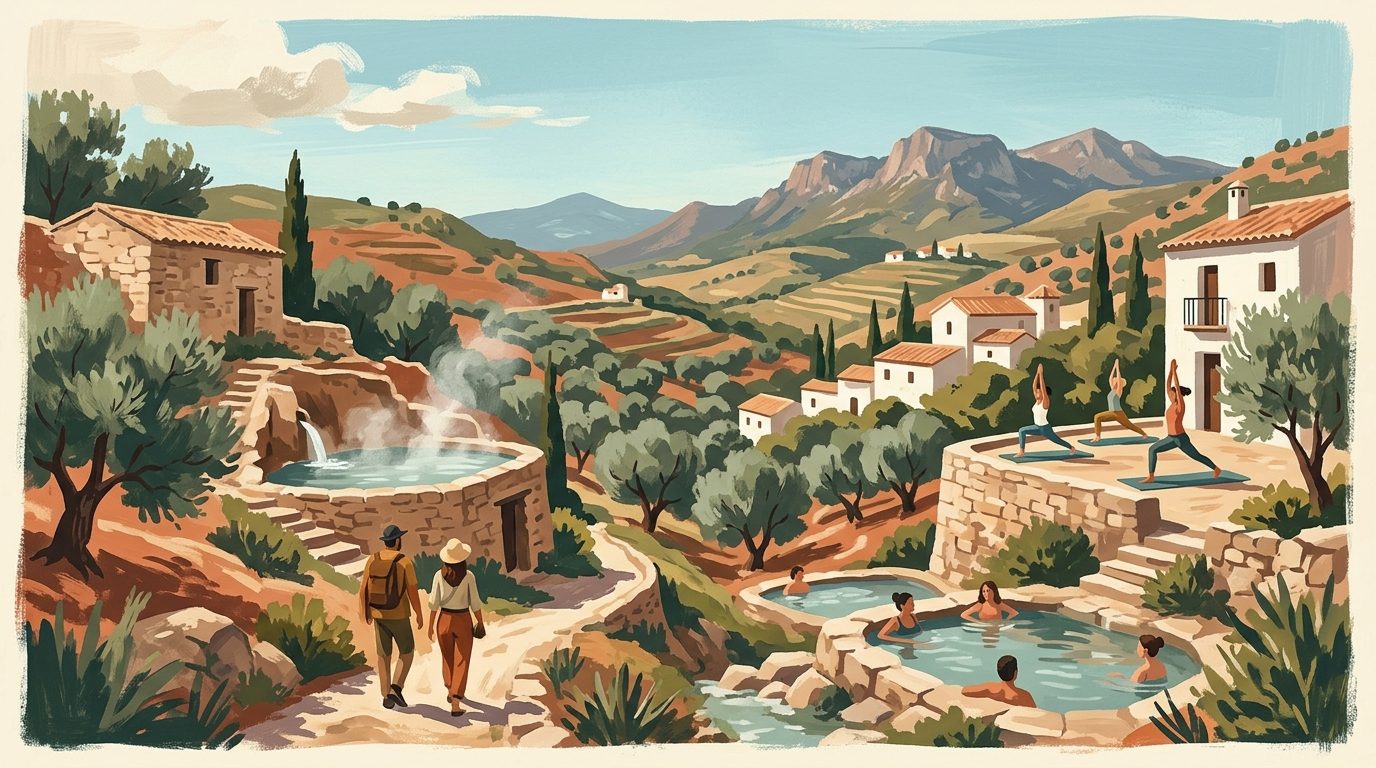
Restorative Andalucía: A Guide to Thermal Springs, Yoga, and Natural Wellness
Discover the restorative power of Southern Spain, from the ancient Arab baths of Granada to the healing mineral springs of the Alpujarra mountains.
7 min read
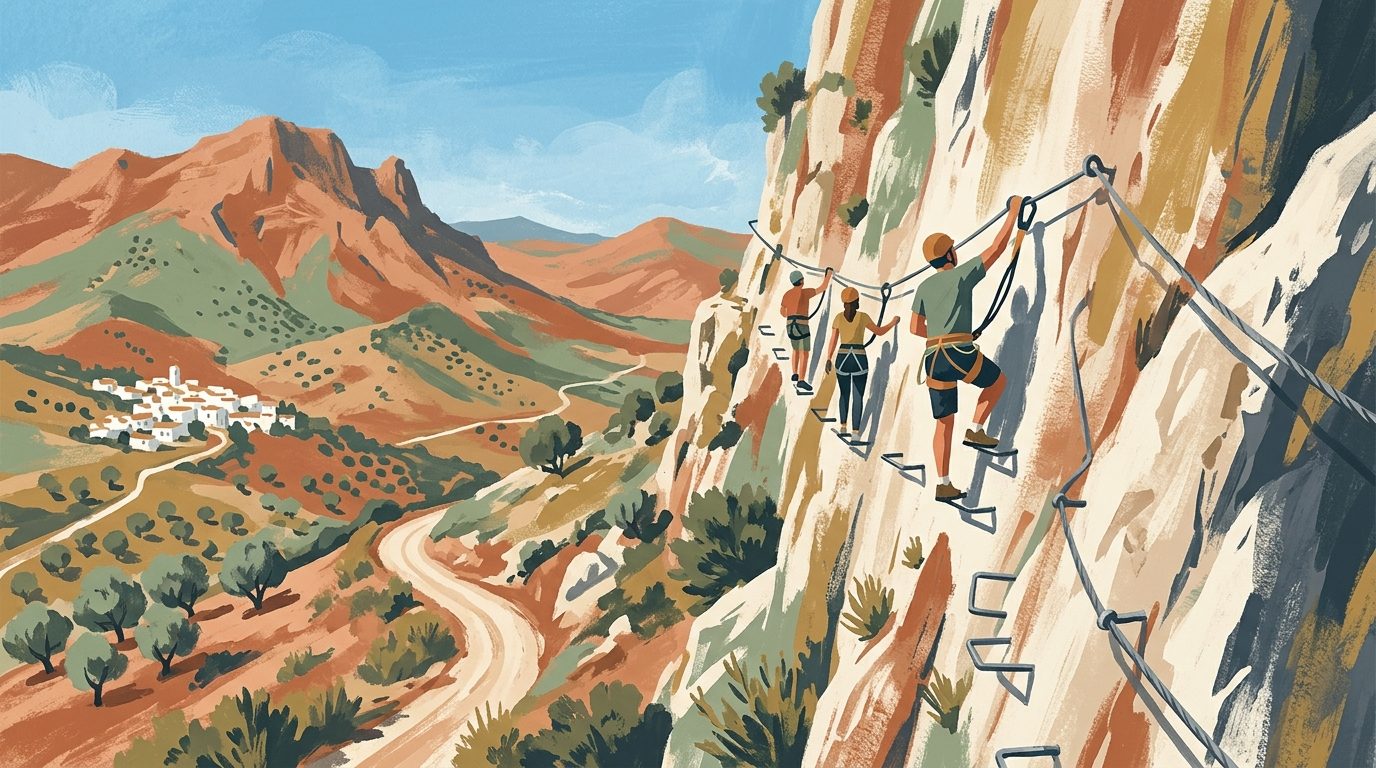
A Guide to the Best Via Ferrata Routes in Andalucía
Discover the best via ferrata routes in Andalucía, from the iconic cliffs of Ronda to the high-wire bridges of Comares and El Chorro.
6 min read
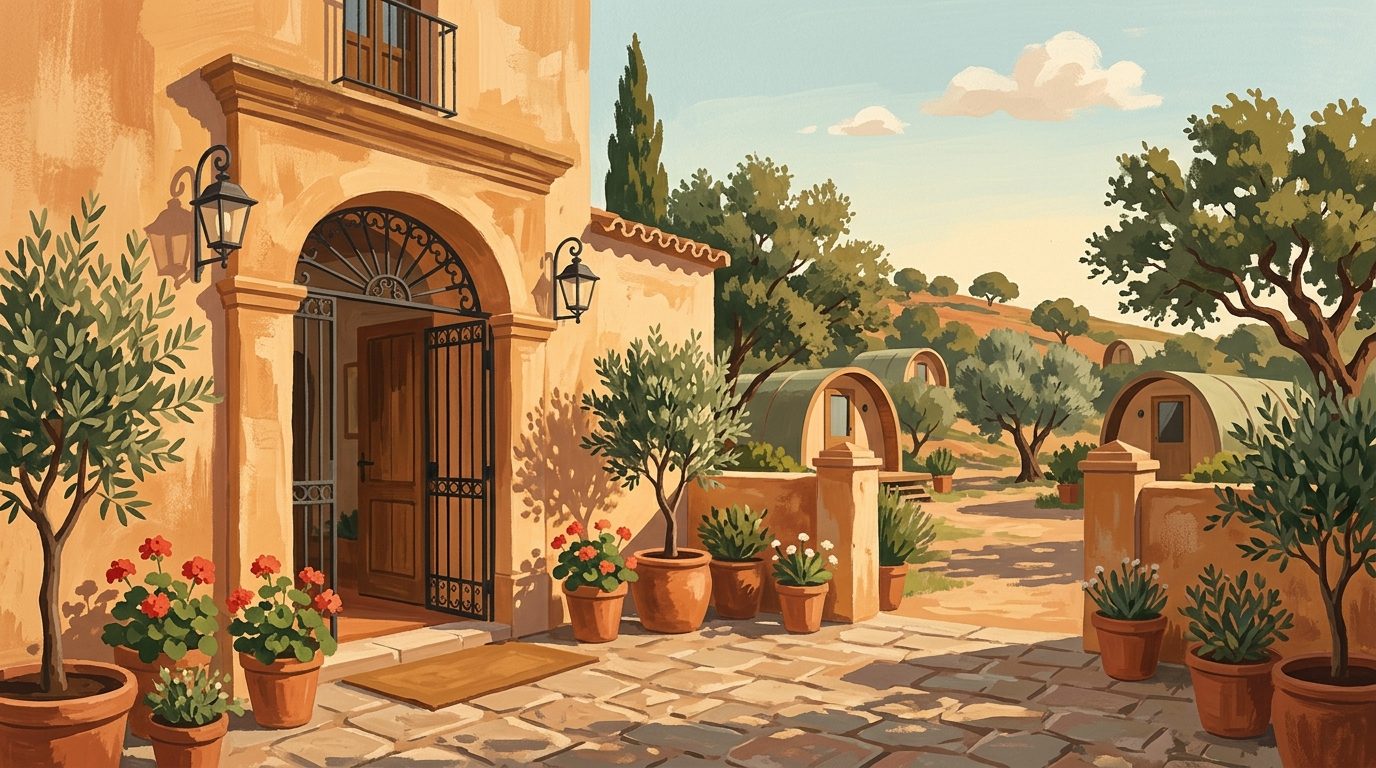
Glamping and Eco-Pods in Andalucía: Where to Stay Under the Stars
A practical guide to glamping in Andalucía, with verified yurts, cabins, campsite tents and cave stays plus comfort, eco and protected-space checks.
3 min read
More guides
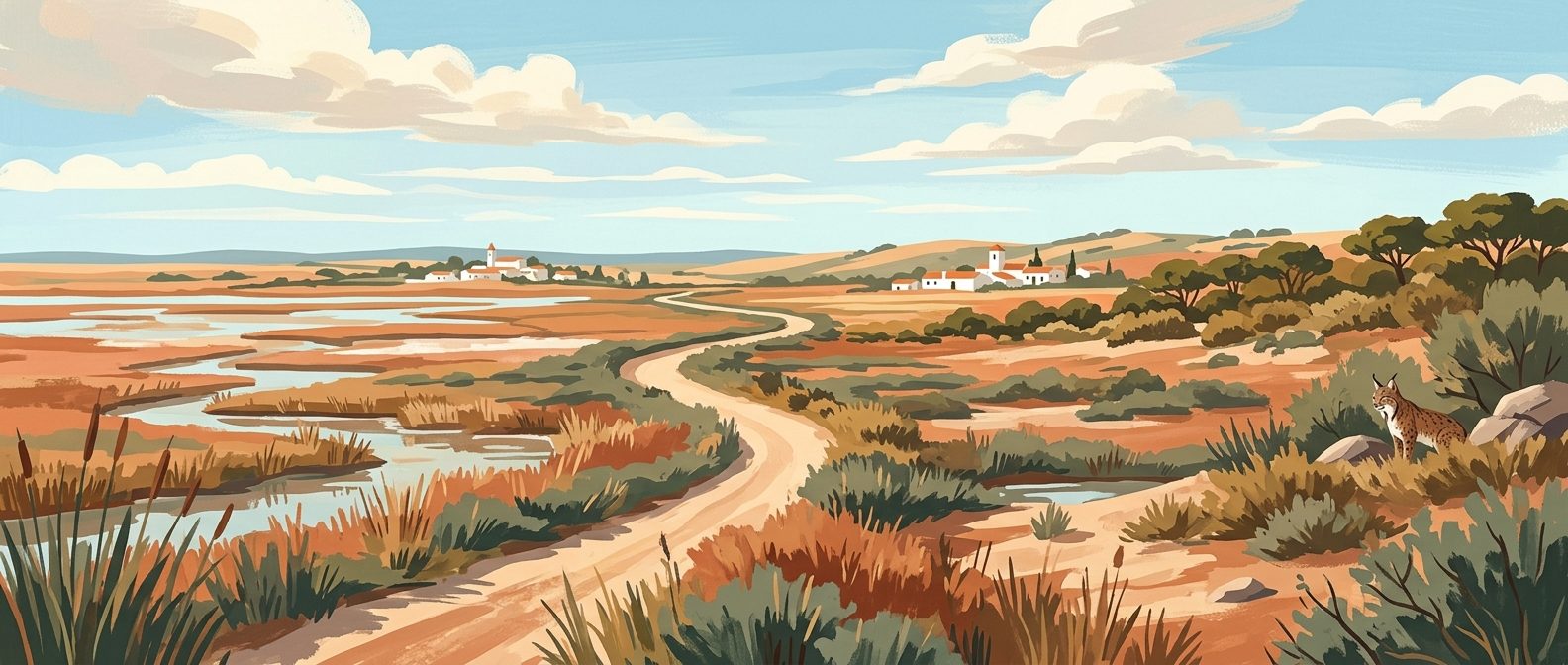
Doñana National Park Guide: Marshes, Lynx, and Restricted Zones
A shifting landscape of tidal marshes, ancient pine forests, and wind-sculpted dunes, Doñana is Europe's most crucial wetland reserve. Navigating its restricted zones requires planning, but the reward is encountering Iberian lynx and thousands of migratory flamingos in total wilderness.
9 min read
The Ultimate Andalucía Photography Route: Chasing Light Across Southern Spain
Forget the bleached-out midday snaps and crowded tourist viewpoints; photographing southern Spain requires an obsession with timing and terrain. This comprehensive route guides you to the exact coordinates and precise hours needed to capture the region's finest architectural geometry and dramatic geology.
9 min read
Roman Andalucía Heritage Trail
Before the Moorish emirs reshaped southern Spain, this territory was the fiercely wealthy Roman province of Baetica, a crucial supplier of olive oil and emperors to the empire. This seven-day route traces the classical footprint across Andalucía, leading you from coastal fish-salting ruins and lonely mountain amphitheatres to the architectural remnants that bridged the fall of Rome and the rise of Al-Andalus.
9 min read
The Alpujarras Complete Guide: High Altitudes and Moorish Footpaths
South of the Sierra Nevada, the Alpujarras is a high-altitude network of steep ravines, ancient irrigation channels, and white villages clinging to the mountainside. This guide covers how to navigate the hairpin bends, where to find the best hiking trails, and which village suits your basecamp needs.
9 min read
The Ultimate Jamón Ibérico Route: Through Huelva and Córdoba
Tracking down the world's finest ham is an exercise in geography, patience, and appetite. This three-day drive through the ancient oak forests of Huelva and Córdoba takes you straight to the source of authentic Jamón 100% Ibérico de Bellota.
9 min read
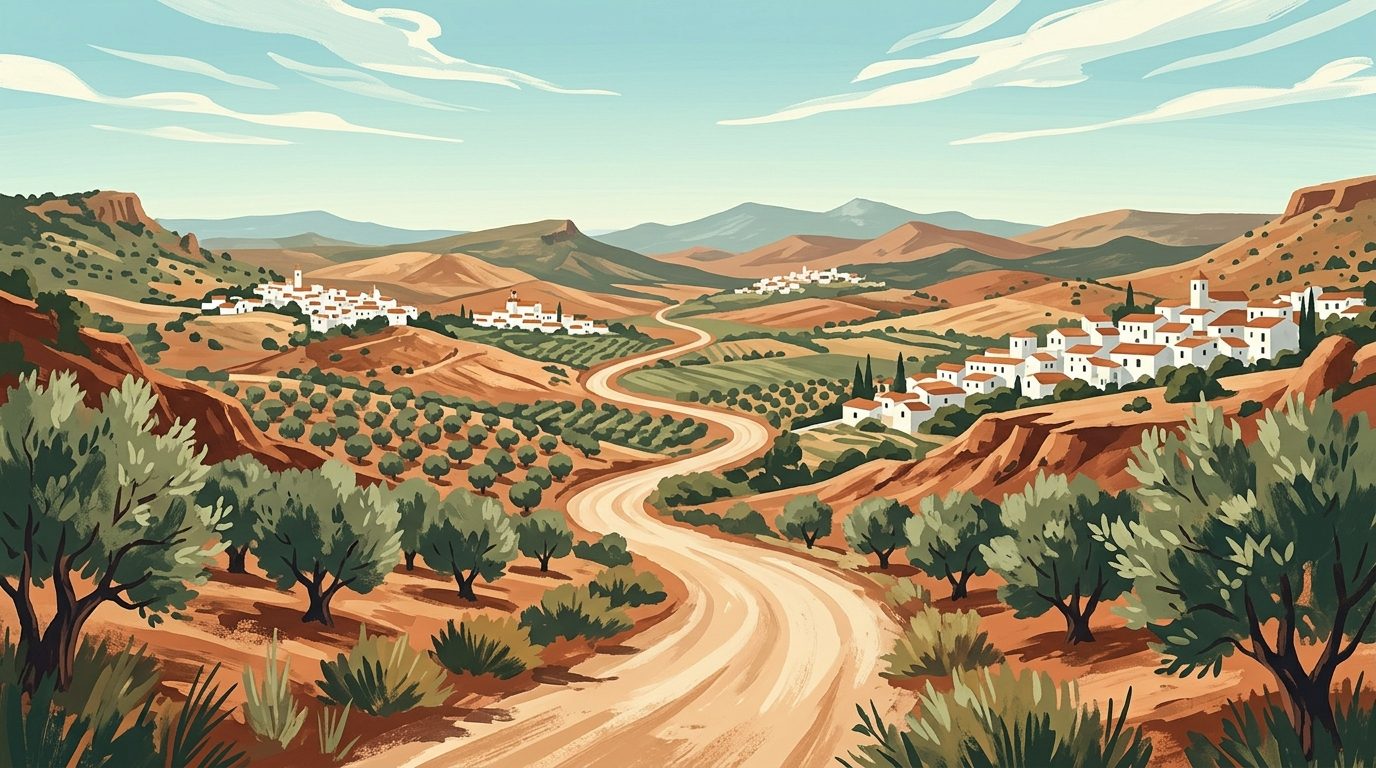
Best Weekend Breaks in Andalucía
When you live in southern Spain, the temptation is to spend every weekend repeating the same comfortable Sunday routines. These seven targeted 48-hour itineraries bypass the obvious tourist traps, giving residents and expats a genuine excuse to pack a weekend bag and drive somewhere entirely new.
11 min read
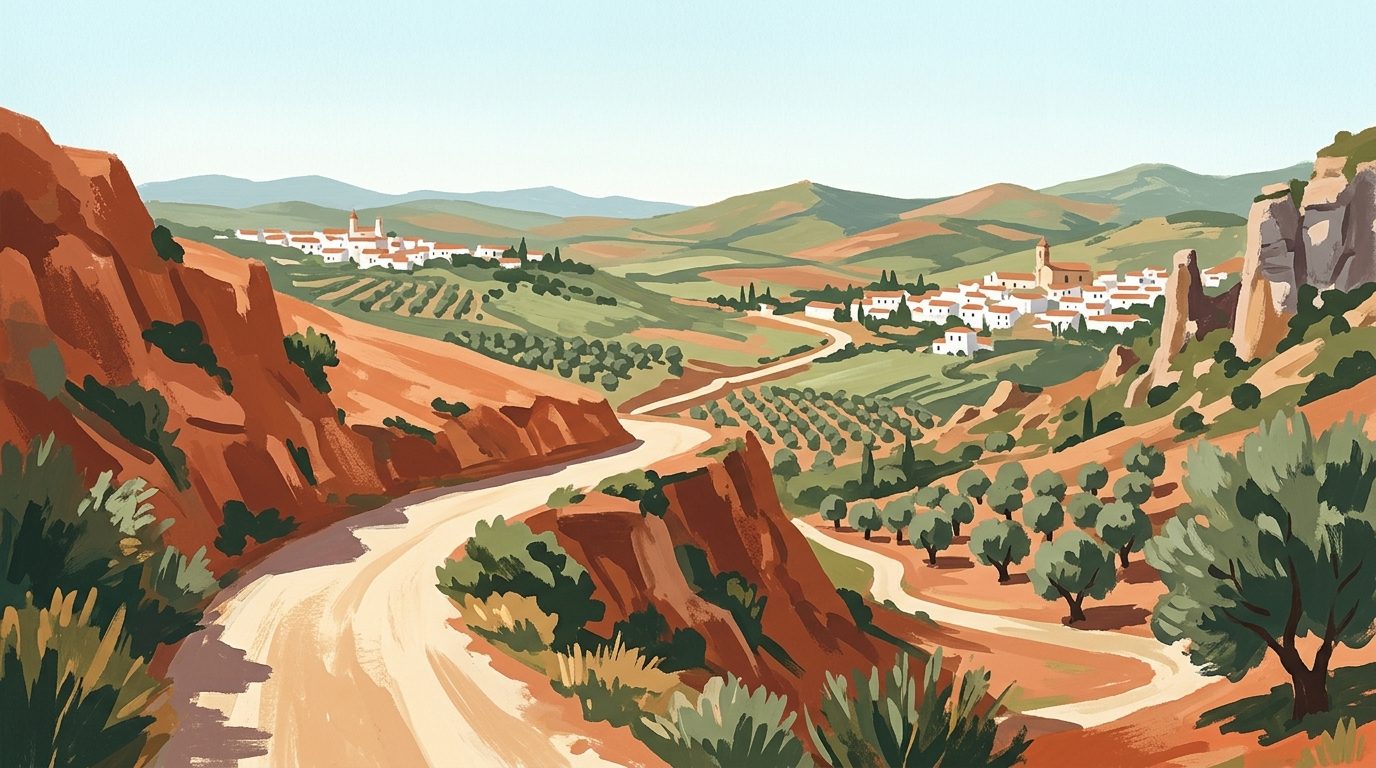
One Week in Andalucía Itinerary: The Classic Triangle & Ronda
Seven days in southern Spain is just enough time to trace the defining Moorish capitals and mountain roads of Andalucía. This itinerary strips away the coastal sprawl to focus entirely on the essential cities of Málaga, Granada, Córdoba, and Sevilla, returning via the dramatic mountain gorge of Ronda.
9 min read
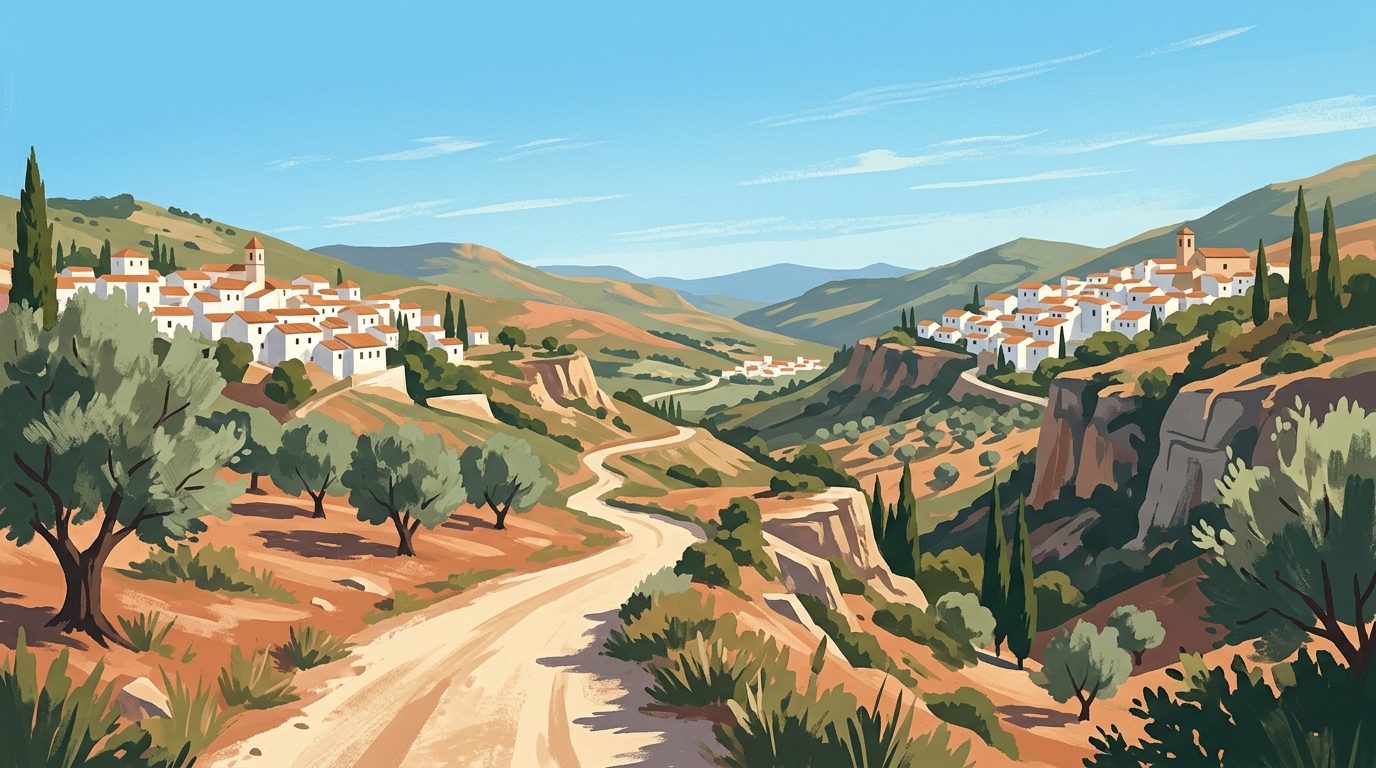
Budget Backpacker Guide to Andalucía
Andalucía on a shoestring is entirely possible if you know where to eat, how to travel, and which timing tricks unlock the region's monuments for free. Taking this approach strips away the tourist premium to show you exactly how to backpack southern Spain on less than €50 a day.
10 min read
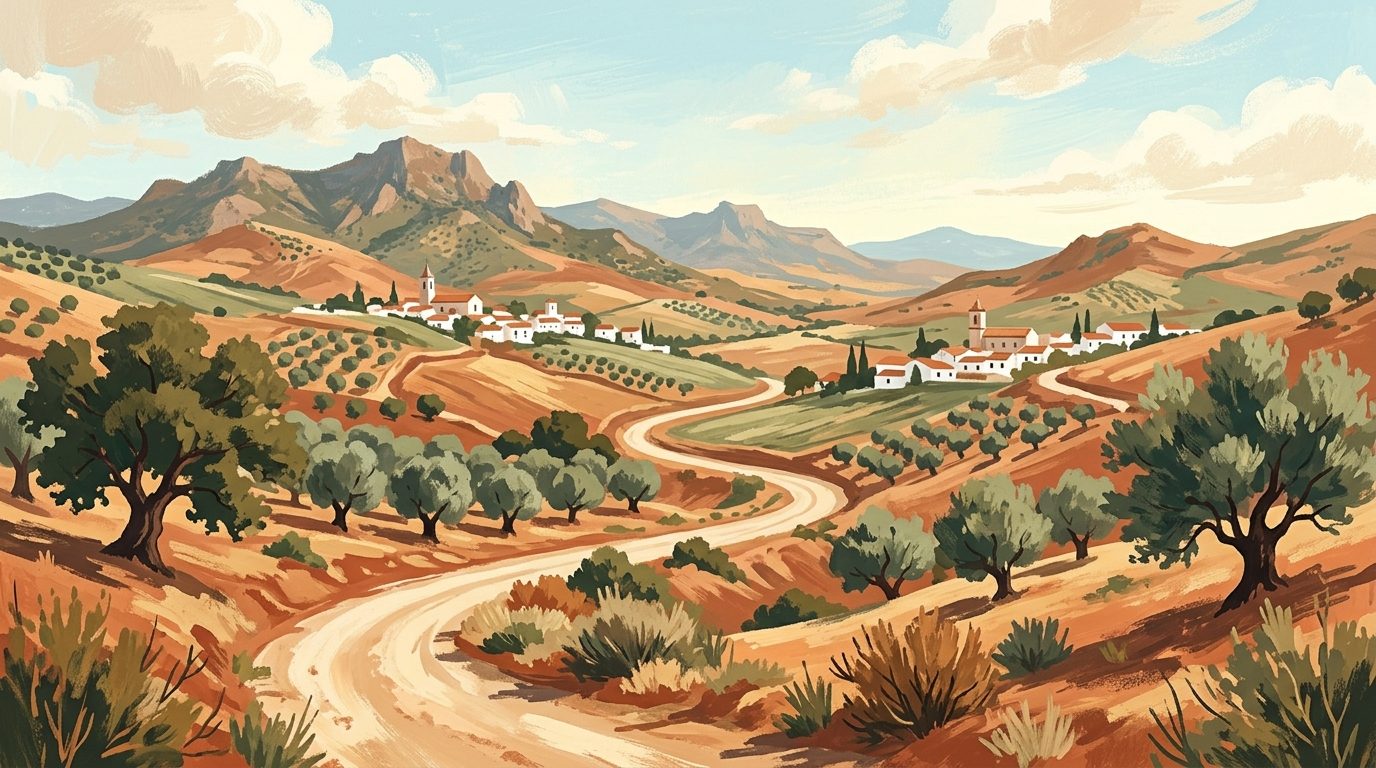
Feria de Abril Complete Guide: Surviving and Thriving in Sevilla's Greatest Week
Sevilla’s Feria de Abril is notoriously impenetrable for outsiders, a closed-doors celebration of Andalucían high society and endless rebujito. These insights strip away the confusion, detailing exactly how to navigate the public casetas, master the unforgiving dress code, and survive a week on the sand of Los Remedios.
10 min read
Newsletter
More stories from Andalucía
Weekly notes, seasonal picks, and the next guides worth bookmarking.