
Route
The Ultimate Sherry Triangle Route: A 3-Day Bodega Itinerary
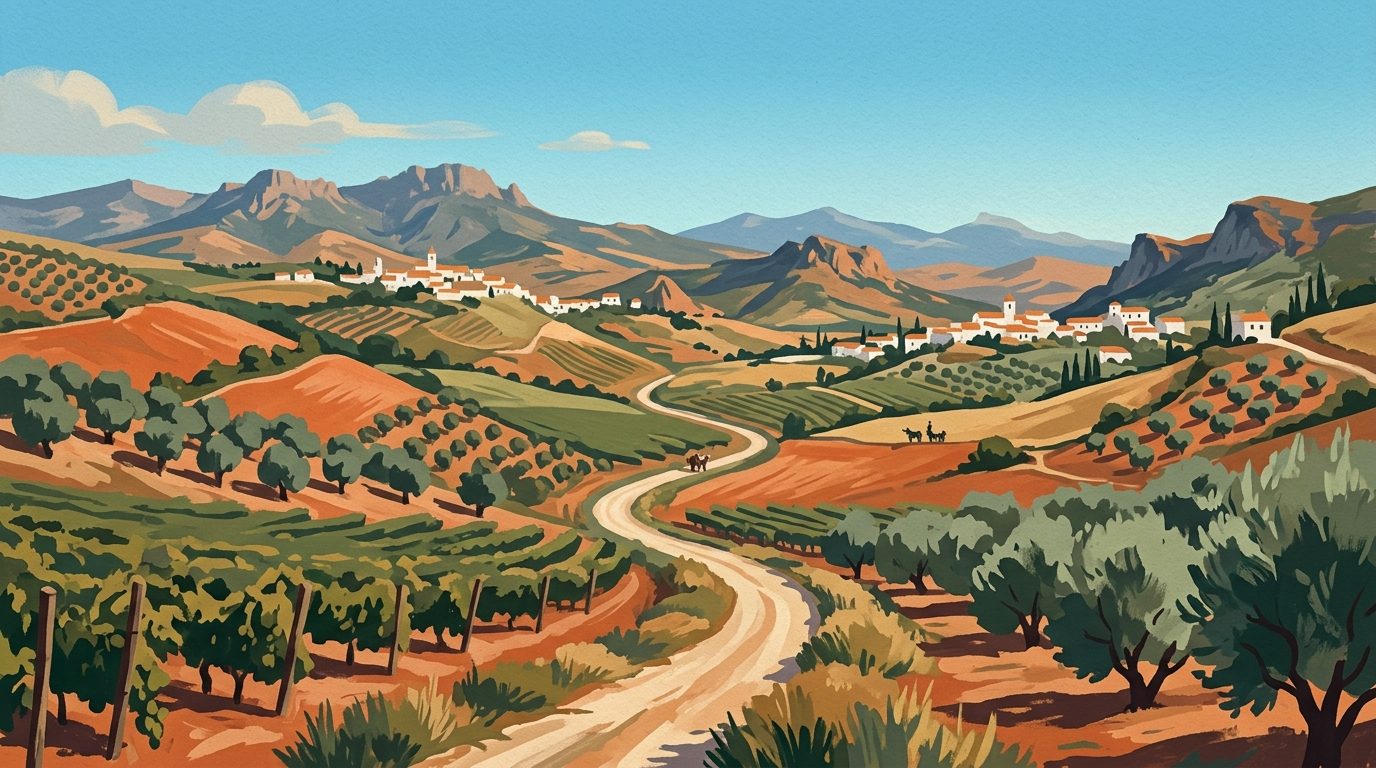
Forget everything you think you know about sweet cream sherry gathering dust in a vicar’s cupboard. The true Sherry Triangle is a serious, terroir-driven journey through chalk-white soils, coastal winds, and centuries-old cathedral bodegas.
By Dan · Updated 24 July 2026 · 10 min read
This article contains affiliate links. If you book through them, we may earn a small commission at no extra cost to you.
Forget everything you think you know about sweet cream sherry gathering dust in a vicar’s cupboard. The true Sherry Triangle is a serious, terroir-driven journey through chalk-white soils, coastal winds, and centuries-old cathedral bodegas.
Mention sherry to the uninitiated, and it conjures images of cloying, dark liquids served in tiny crystal glasses at Christmas. The reality on the ground in the province of Cádiz could not be further from this outdated cliché. The Marco de Jerez (the Sherry Triangle) is home to one of the most complex, strictly regulated, and profoundly misunderstood wine cultures in the world.
Geographically, this protected designation of origin is pinned between three points: Jerez de la Frontera, El Puerto de Santa María, and Sanlúcar de Barrameda. The magic of this region relies on a precise combination of blindingly white albariza soils, the humid Poniente winds blowing off the Atlantic Ocean, and the remarkable solera system of fractional blending.
Driving this route over three days allows you to understand how microclimates separated by just fifteen miles can radically alter the liquid in the glass. You will move from the intense, baked heat of inland Jerez to the salty riverbanks of El Puerto, finishing at the breezy mouth of the Guadalquivir River in Sanlúcar. This itinerary is designed for serious food and wine enthusiasts who want to experience the architecture, the gastronomy, and the raw agricultural reality of the region.
Understanding the Wine: Soil, Flor, and Solera
Before you step foot in a bodega, you need a firm grasp of what you are tasting. The Sherry Triangle produces an incredibly diverse range of wines from just three approved white grape varieties: Palomino Fino (which accounts for 98% of production), Pedro Ximénez, and Moscatel.
The defining feature of the vineyards here is the albariza soil. Composed largely of calcium carbonate (chalk), it acts like a sponge during the brief winter rains. When the ferocious Andalucían summer arrives, the surface bakes into a hard crust, trapping the moisture beneath the surface to sustain the vines through months of drought.
Inside the bodegas, the magic is driven by the flor, a naturally occurring layer of yeast that forms on the surface of the wine inside the barrel. This yeast protects the wine from oxidation while consuming its residual sugars and glycerine, resulting in the bone-dry, crisp profiles of Fino and Manzanilla.
Finally, there is the solera system. Barrels are stacked in tiers. Wine for bottling is drawn only from the bottom row (the solera). That barrel is then topped up with slightly younger wine from the row above (the first criadera), which is in turn topped up from the row above that. It is a continuous system of fractional blending, meaning a bottle of sherry does not have a single vintage, but rather contains microscopic traces of wines that may be over a century old.
Day 1: Jerez de la Frontera (Heat, Chalk, and Complexity)
Jerez is the undisputed heavyweight of the triangle. It is a large, aristocratic city that feels undeniably tied to agriculture. The focus here is on the entire spectrum of sherry: Fino, Amontillado, Oloroso, and Palo Cortado.
Morning: The Vineyards and the VORS
Start your day by driving out of the city centre on the CA-3101 road towards Trebujena. Around 10:00 AM, the morning sun hits the Pago Macharnudo, one of the most prestigious vineyard areas in the region. Pull over safely onto the gravel shoulder. The ground here is so white it resembles a fresh snowfall. This is the raw material of sherry.
Return to the city for an 11:30 AM booking at Bodegas Tradición (check current tour times and alternative booking platforms before travelling, as their primary website may experience downtime). Unlike the massive commercial houses, Tradición focuses exclusively on VORS (Very Old Rare Sherry) and VOS (Very Old Sherry), meaning their wines average 30 or 20 years of age, respectively. The tasting here is a sit-down, highly educational affair. Their Amontillado, which begins its life biologically aged under flor before losing that yeast layer and ageing oxidatively, is a masterclass in roasted nuts and saline complexity. As a bonus, the bodega houses one of the finest private collections of Spanish art, featuring works by Goya and Velázquez.
Lunch: Tabanco Culture
By 2:00 PM, head to Calle Santa María. Jerez is famous for its tabancos, traditional taverns where sherry is served straight from the barrel. Walk into Tabanco El Pasaje. It is loud, crowded, and entirely authentic. Squeeze yourself into a space at the wooden bar. Order a glass of Fino; the bartender will likely pour it using a venencia, a long, flexible silver cup used to extract wine through the layer of flor. Pair your Fino with a paper cone of chicharrones (pressed, cured pork belly) and smoked sardines. If you time it right, a spontaneous flamenco performance might erupt in the corner.
Afternoon: The Cathedral Bodega
At 4:30 PM, walk to Bodegas Lustau on Calle Arcos. This is your chance to see a classic "cathedral" bodega. The ceilings are built immensely high to allow the hot air to rise, while the floors are made of albero sand. During the summer, these sandy floors are hosed down with water; as the water evaporates, it cools the room and maintains the high humidity required to keep the yeast alive. The scale of the barrel rooms here is striking.
Evening: Pairing and Rest
For dinner, book a table at La Carboná. The chef specialises in cooking with sherry and offers a tasting menu where every single dish is paired with a specific wine from the region, proving that Oloroso and Palo Cortado are exceptional food wines, perfectly cutting through rich meats and stews.
Base yourself overnight at Hotel Bodega Tío Pepe, the world’s first sherry hotel, located right next to the Alcázar and the Cathedral. Waking up to the smell of old oak and damp earth is a singular experience.
Day 2: El Puerto de Santa María (Saline Breezes and Fino)
On your second day, you will move to the coast. You can drive the 20 kilometres south via the A-4, but if you plan on participating fully in the tastings, take the C-1 Cercanías train from Jerez station. It takes just 15 minutes and drops you in the centre of El Puerto.
The climate in El Puerto is heavily influenced by the Atlantic Ocean and the Guadalete River. The temperatures are milder than in Jerez, and the humidity is higher. This specific microclimate means the flor grows thicker and behaves differently, resulting in Fino del Puerto, a wine that is distinctly softer, rounder, and more saline than its Jerezano counterpart.
Morning: Riverside Ageing
Make your way to Avenida de la Bajamar for an 11:00 AM tour at Bodegas Gutiérrez Colosía. This bodega is situated directly on the banks of the Guadalete. The architecture here relies on the coastal breeze blowing through specific windows to nourish the yeast. The tour is intimate, and tasting their Fino alongside the river that shapes it provides perfect context.
Lunch: The Seafood Hub
El Puerto is synonymous with seafood. Walk ten minutes up the river to the Ribera del Marisco. While the sprawling Romerijo complex is the most famous spot for purchasing paper cones of boiled prawns, the quality is often better at smaller, independent restaurants nearby. Look out for ortiguillas, sea anemones deep-fried in a light batter. They look highly unusual but taste purely of the ocean, making them the ultimate pairing for a bone-dry Fino. For those seeking haute cuisine, El Puerto is home to Aponiente, a three-Michelin-star establishment focusing entirely on the sea, though reservations must be secured months in advance.
Afternoon: The Black Bull
In the afternoon, visit Bodegas Osborne on Calle Los Moros. You will undoubtedly recognise their logo, the silhouette of the black Spanish bull that stands on hillsides across the country. While they are a massive commercial enterprise, their premium VORS tasting room is a quiet, serious space where you can taste decades-old Pedro Ximénez that pours with the viscosity of motor oil and smells of figs, molasses, and dark chocolate.
Caveat: The area around the catamaran terminal and the far end of the riverfront can feel a bit desolate and rough around the edges after dark. Stick to the well-lit grid of the historic centre and the Plaza de España for your evening stroll.
Check into Hotel Palacio San Bartolomé, an elegantly restored 18th-century merchant’s house right in the centre of the grid.
Day 3: Sanlúcar de Barrameda (The Realm of Manzanilla)
The final point of the triangle requires a 30-minute drive via the A-491 and A-480. Alternatively, take the M-971 bus, or hire a private driver for the day to handle the logistics effortlessly.
Sanlúcar de Barrameda is entirely unique. Situated at the exact point where the Guadalquivir River meets the Atlantic Ocean, the town has a near-tropical humidity. This environment creates Manzanilla. Legally and technically, Manzanilla is produced in the exact same way as Fino, but because it is aged in Sanlúcar, the flor grows thick and aggressive year-round. The resulting wine is incredibly pale, razor-sharp, and distinctly salty, with notes of chamomile and green apple.
Morning: The High Barrio
Sanlúcar is divided into the Barrio Alto (high quarter) and Barrio Bajo (low quarter). Start in the high quarter, where the sea breezes hit the bodegas directly. Book a 10:30 AM visit to Bodegas Barbadillo, the largest producer of Manzanilla. Their Museo de la Manzanilla offers excellent historical context before leading you into the cavernous ageing rooms.
From there, walk down the steep Cuesta de Belén to Bodegas Hidalgo La Gitana. The scale of their soleras is staggering. Tasting their Manzanilla Pasada, a wine where the yeast has just begun to die off, adding a nutty, oxidative edge to the salty base, is an essential rite of passage.
Lunch: Bajo de Guía
By 2:00 PM, follow the scent of the sea down to Bajo de Guía, the old fishermen’s strip that lines the sandy banks of the river. The restaurants here look out directly over the water towards the untouched dunes of the Doñana National Park.
Secure a table at Casa Bigote. This is hallowed ground for Andalucían seafood. You must order the langostinos de Sanlúcar (local tiger prawns), which are renowned across Spain for their sweet, firm flesh. Follow this with a plate of tortillitas de camarones, lacy, crispy fritters made from chickpea flour, spring onions, and tiny whole shrimp. Wash everything down with ice-cold half-bottles of Manzanilla.
Evening: Sunset over Doñana
Spend your final evening walking along the sand as the sun sets over the Doñana reserve. The light here reflects off the water and the white-washed buildings, painting the town in brilliant shades of gold and pink. Check into Hotel Palacio de Arizón, a restored complex of buildings dating back to the Indies trade, complete with its original watchtower used by merchants to spot returning galleons.
Practical Information: Transport, Timings, and Costs
- Drink Driving Laws: Spain operates a strict drink-driving limit of 0.25 mg/l in breath, or 0.5 g/l in blood. This effectively equates to one small glass of wine. Do not attempt to drive between bodegas if you are drinking. The Guardia Civil frequently sets up checkpoints on the roundabouts outside Jerez and El Puerto.
- Public Transport: The triangle is easy to navigate without a car. The C-1 Cercanías train runs frequently between Jerez and El Puerto de Santa María (approx. €2.65 one way; check current fares on the Renfe website or app before travelling). To reach Sanlúcar, frequent M-971 buses leave from the main bus stations in Jerez and El Puerto (approx. €2.00; check timetables on the Consorcio de Transportes website). Taxis between the towns cost around €30 to €40, though night and inter-city weekend supplements apply (check exact fares with the driver before travelling).
- Booking Bodegas: You absolutely cannot walk into a major bodega and expect a tour. Viewings are strictly regimented by language and time slot. You must book online at least two weeks in advance. Standard tours with a basic tasting cost between €15 and €25. Specialised VORS or technical tastings range from €40 to €80.
- When to Go: The absolute best times to travel this route are May and September. May coincides with the Feria del Caballo in Jerez and the Feria de la Manzanilla in Sanlúcar, offering unparalleled atmospheres. September is the vendimia (harvest), where the scent of fermenting grape juice hangs heavy in the streets. Avoid late July and August entirely; inland temperatures in Jerez routinely exceed 40°C, and walking between bodegas becomes actively unpleasant.
- What to Bring: Even in summer, pack a light sweater. The cathedral bodegas are kept deliberately cool and damp, and spending two hours standing still in the ageing rooms can cause a genuine chill.
Last reviewed: 14 July 2026 · Editorial policy
Related guides
Beyond the Tapas Bar: A Guide to Michelin Stars and Fine Dining in Andalucía
Discover the sophisticated world of Andalucían fine dining, from the maritime experiments of Ángel León to the historical Al-Andalus flavours of Paco Morales.
7 min read
A Gastronomic Guide to Andalucía: From Sherry Bodegas to Olive Groves
Discover the authentic flavours of Southern Spain, from the sherry bodegas of Jerez to the ancient olive groves of Jaén and the world-renowned ham of Jabugo.
6 min read
Andalucía for Food Lovers: A 7-Day Gastronomic Route
Forget the tourist menus; this is a rigorous seven-day map of Andalucía’s most authentic kitchens, from the sherry bodegas of Jerez to the olive groves of Jaén.
8 min read
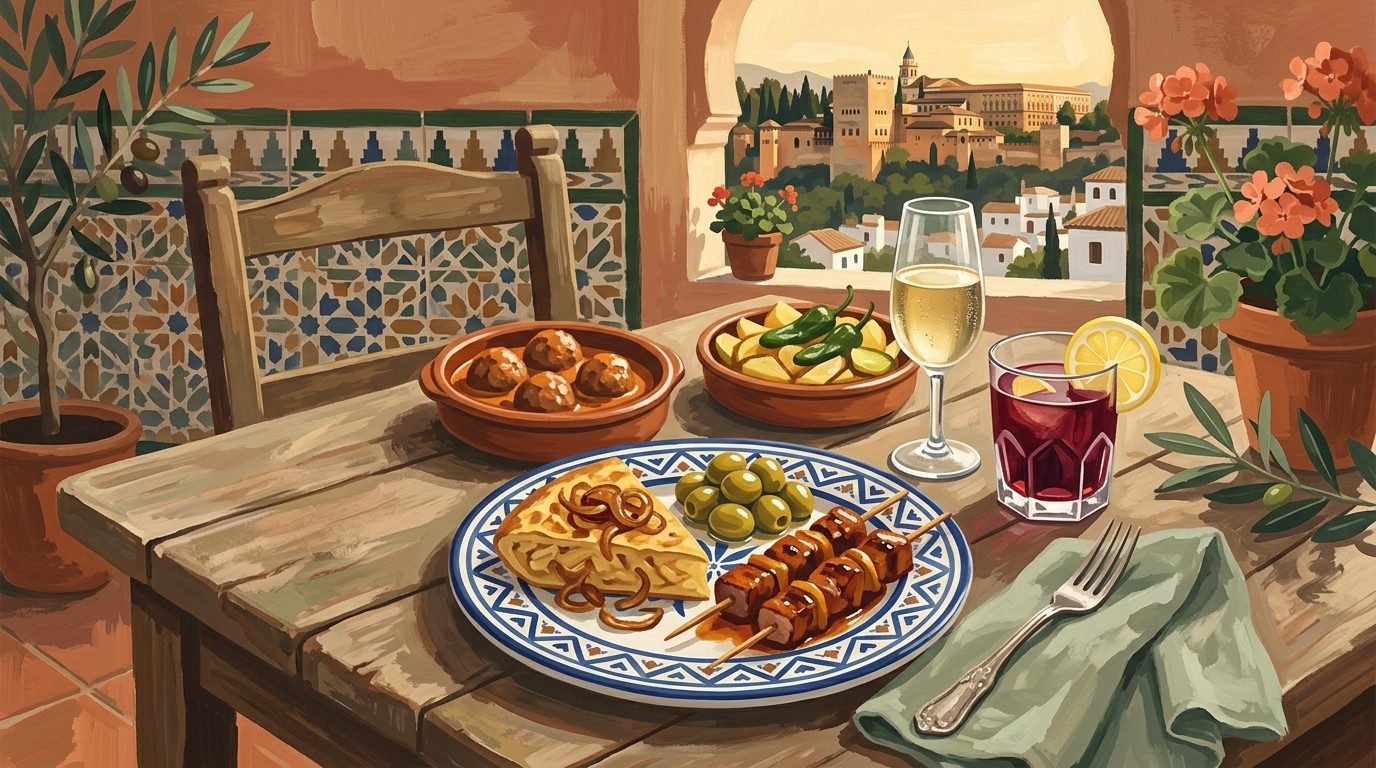
A Serious Eater's Guide to Granada: From Free Tapas to Fine Dining
Beyond the Alhambra lies a city where the drink-to-food ratio remains the best in Spain, anchored by a free tapas culture that rewards the adventurous diner.
7 min read
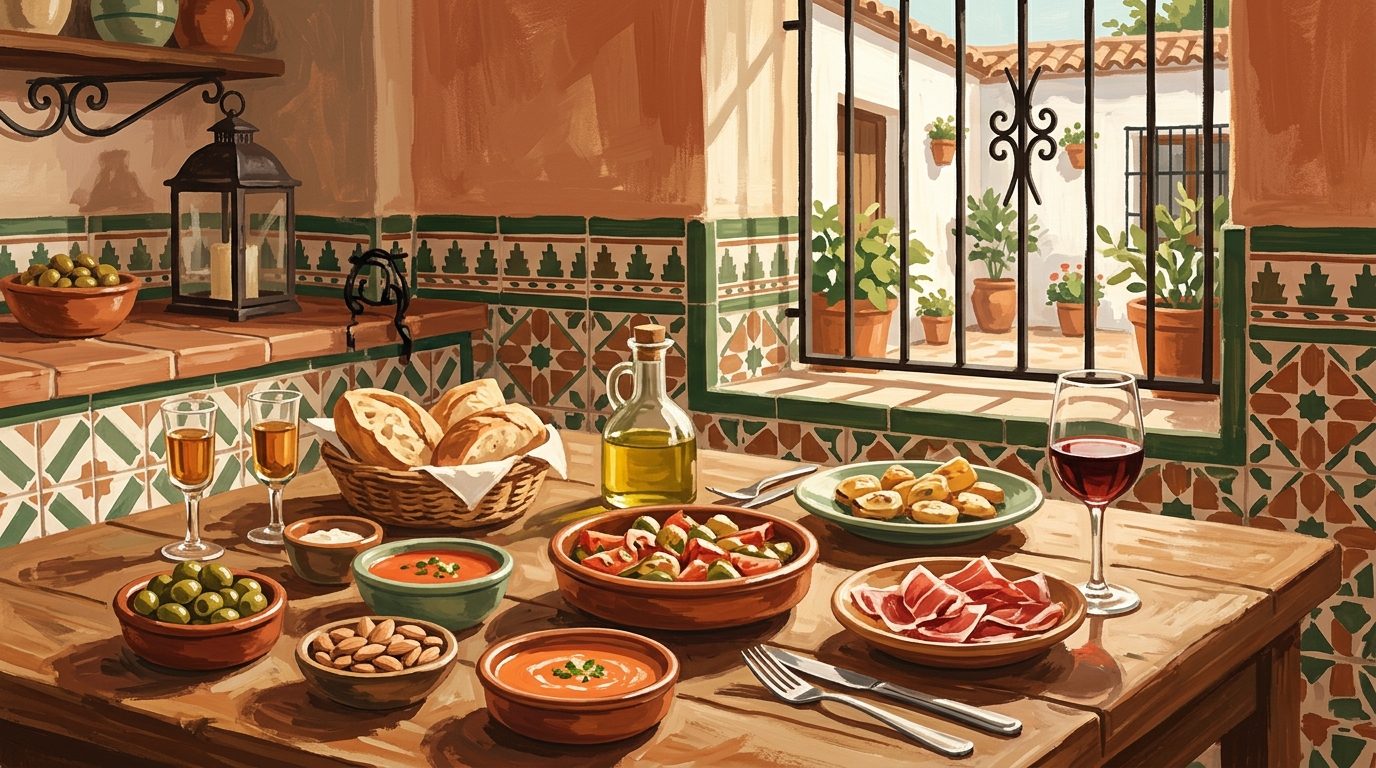
Master the Art of the Andalucían Kitchen: The Best Cooking Classes in Southern Spain (2026 Guide)
Discover the secrets of the Andalucían kitchen, from masterclasses in the markets of Sevilla to sherry-infused cooking in the hills of Cádiz.
7 min read
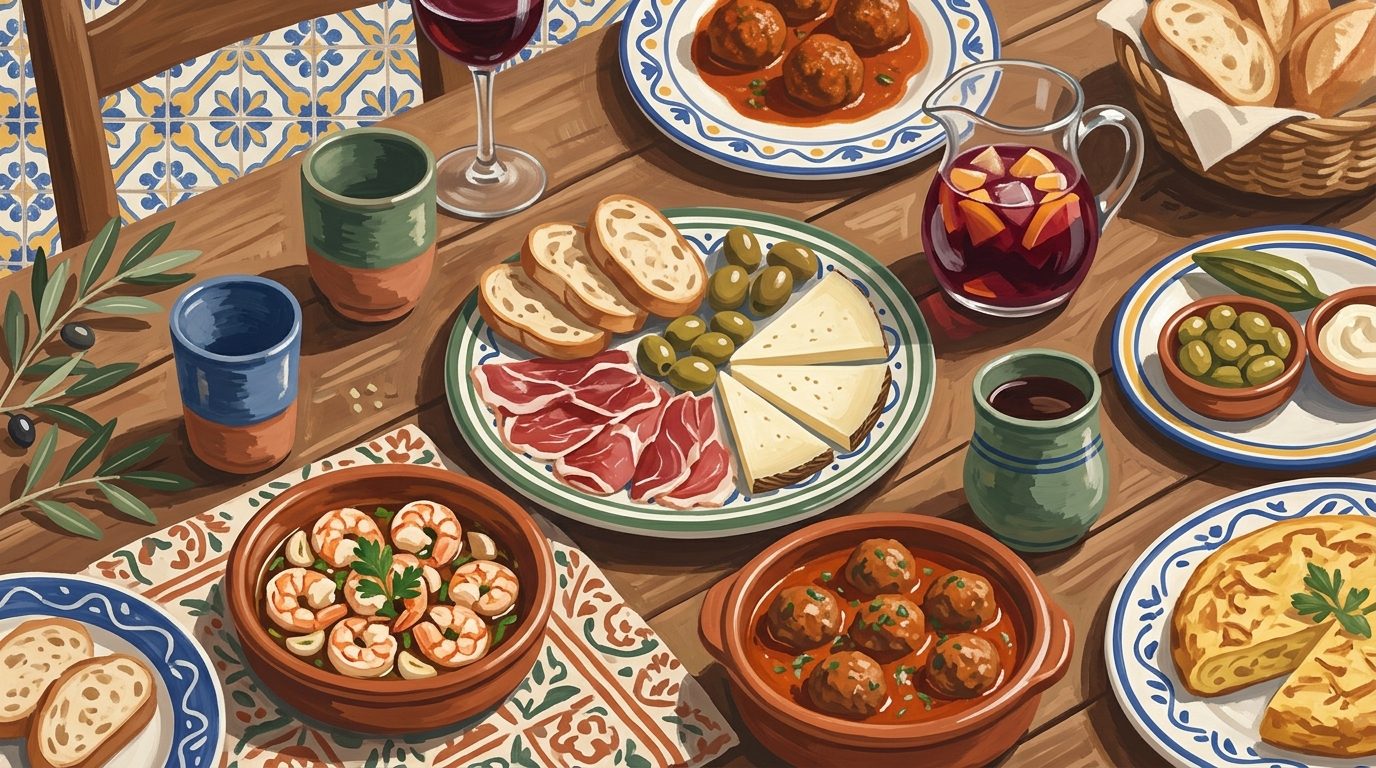
Beyond the Tapas Bar: A Journey Through the Flavours of Andalucía
Discover the essential dishes of Southern Spain, from the chilled salmorejo of Córdoba to the smoky espetos of the Málaga coast.
7 min read
More guides
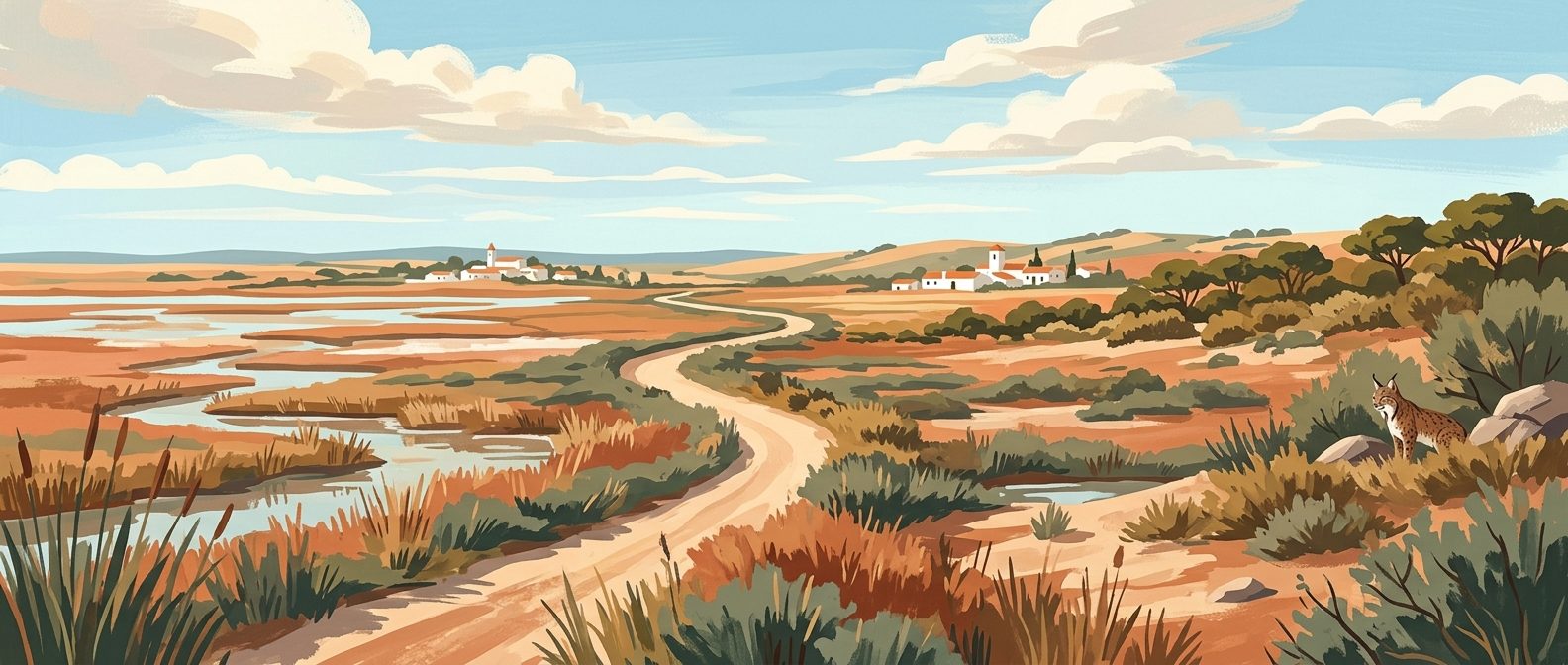
Doñana National Park Guide: Marshes, Lynx, and Restricted Zones
A shifting landscape of tidal marshes, ancient pine forests, and wind-sculpted dunes, Doñana is Europe's most crucial wetland reserve. Navigating its restricted zones requires planning, but the reward is encountering Iberian lynx and thousands of migratory flamingos in total wilderness.
9 min read
Walking the GR7 in Andalucía: The Ultimate Guide to Spain's Great Southern Trail
Leave the crowds behind and tackle Spain's greatest long-distance trail. From navigating faded waymarks to crossing the high Alpujarras, here is exactly how to walk the GR7 in Andalucía.
11 min read
The Ultimate Andalucía Photography Route: Chasing Light Across Southern Spain
Forget the bleached-out midday snaps and crowded tourist viewpoints; photographing southern Spain requires an obsession with timing and terrain. This comprehensive route guides you to the exact coordinates and precise hours needed to capture the region's finest architectural geometry and dramatic geology.
9 min read
Roman Andalucía Heritage Trail
Before the Moorish emirs reshaped southern Spain, this territory was the fiercely wealthy Roman province of Baetica, a crucial supplier of olive oil and emperors to the empire. This seven-day route traces the classical footprint across Andalucía, leading you from coastal fish-salting ruins and lonely mountain amphitheatres to the architectural remnants that bridged the fall of Rome and the rise of Al-Andalus.
9 min read
The Alpujarras Complete Guide: High Altitudes and Moorish Footpaths
South of the Sierra Nevada, the Alpujarras is a high-altitude network of steep ravines, ancient irrigation channels, and white villages clinging to the mountainside. This guide covers how to navigate the hairpin bends, where to find the best hiking trails, and which village suits your basecamp needs.
9 min read
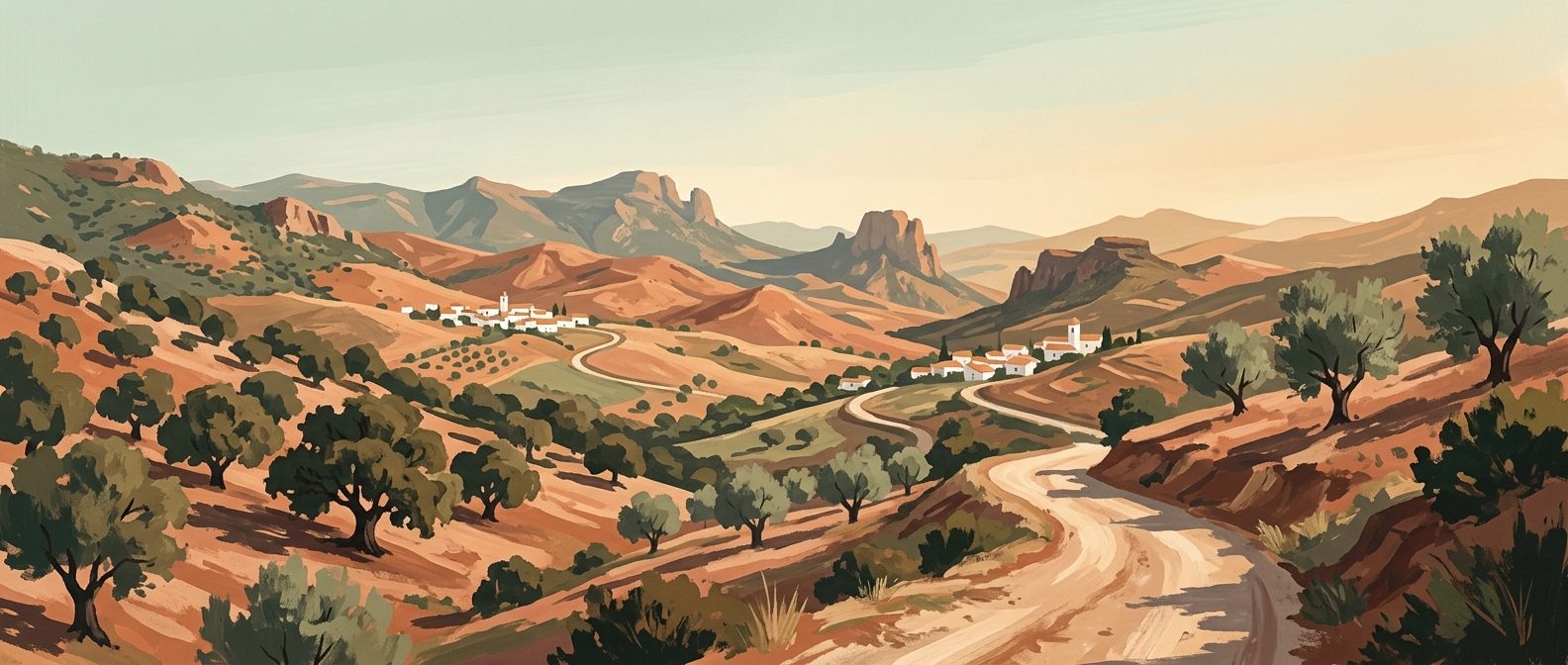
The Ultimate Jamón Ibérico Route: Through Huelva and Córdoba
Tracking down the world's finest ham is an exercise in geography, patience, and appetite. This three-day drive through the ancient oak forests of Huelva and Córdoba takes you straight to the source of authentic Jamón 100% Ibérico de Bellota.
9 min read
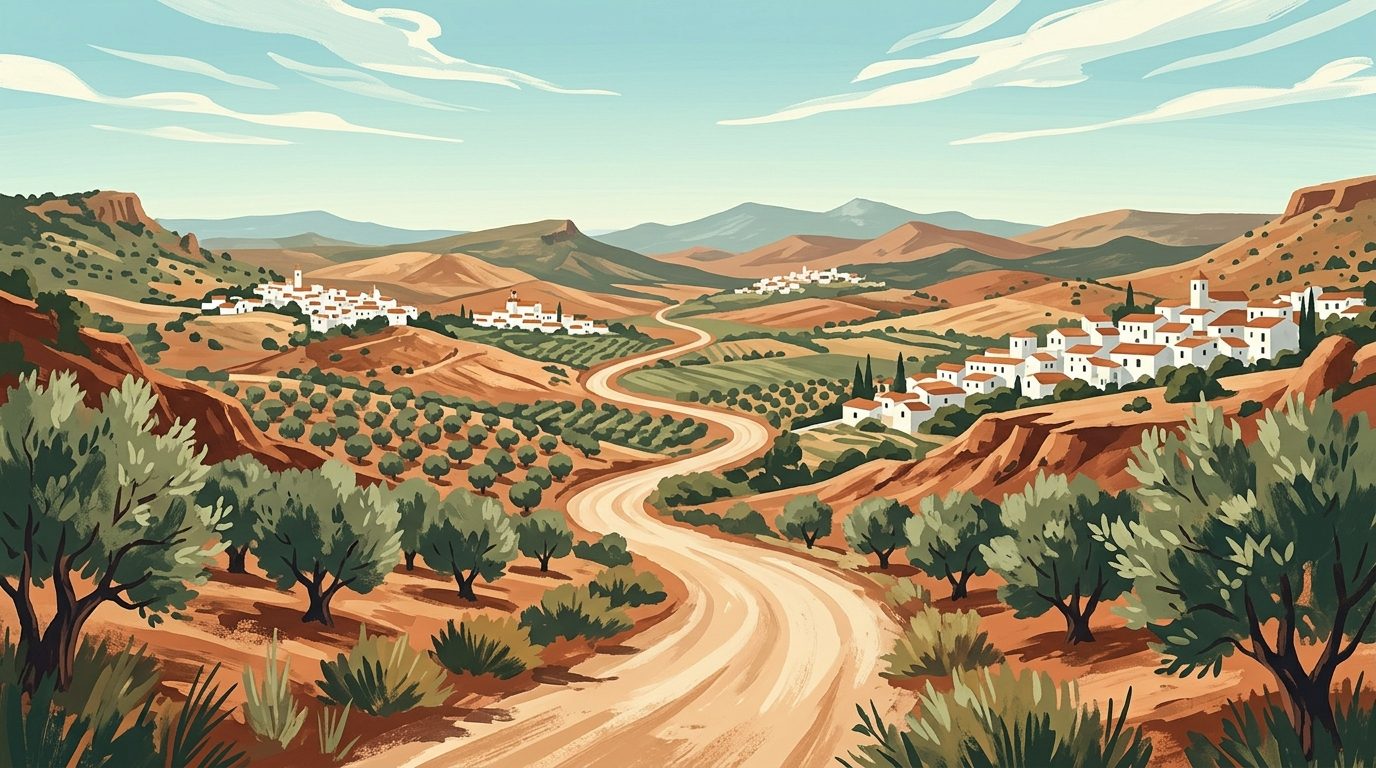
Best Weekend Breaks in Andalucía
When you live in southern Spain, the temptation is to spend every weekend repeating the same comfortable Sunday routines. These seven targeted 48-hour itineraries bypass the obvious tourist traps, giving residents and expats a genuine excuse to pack a weekend bag and drive somewhere entirely new.
11 min read
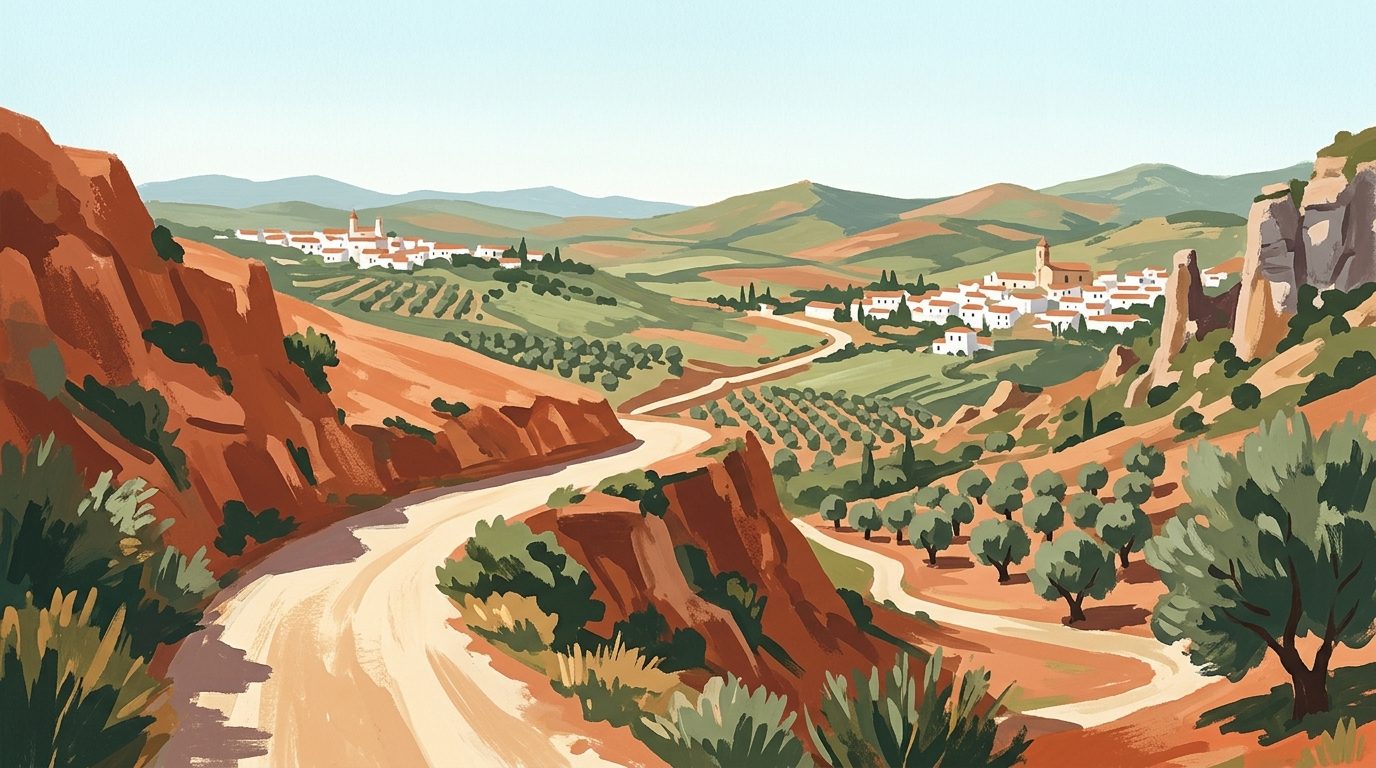
One Week in Andalucía Itinerary: The Classic Triangle & Ronda
Seven days in southern Spain is just enough time to trace the defining Moorish capitals and mountain roads of Andalucía. This itinerary strips away the coastal sprawl to focus entirely on the essential cities of Málaga, Granada, Córdoba, and Sevilla, returning via the dramatic mountain gorge of Ronda.
9 min read
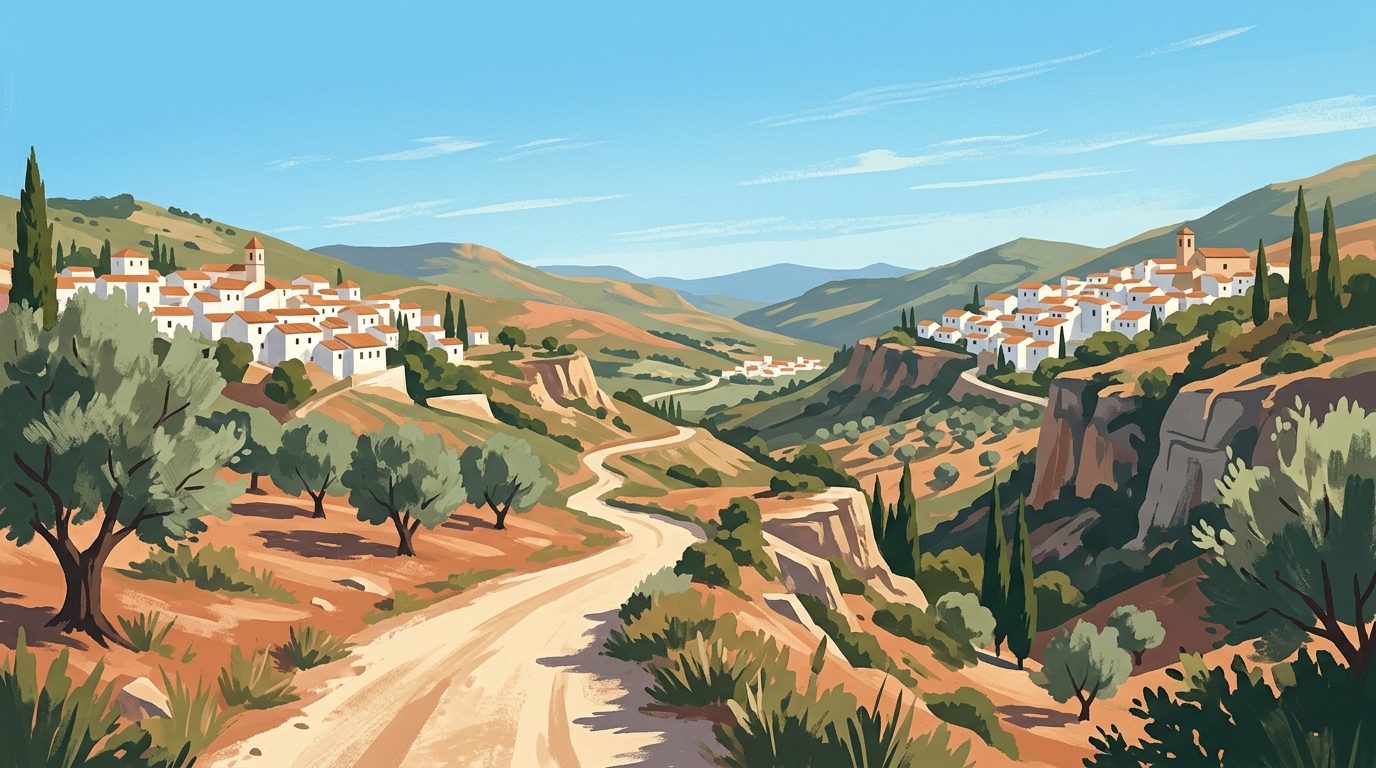
Budget Backpacker Guide to Andalucía
Andalucía on a shoestring is entirely possible if you know where to eat, how to travel, and which timing tricks unlock the region's monuments for free. Taking this approach strips away the tourist premium to show you exactly how to backpack southern Spain on less than €50 a day.
10 min read
Newsletter
More stories from Andalucía
Weekly notes, seasonal picks, and the next guides worth bookmarking.