
Route · Granada
Sierra Nevada Skiing Guide: Southern Spain's High-Altitude Pistes
Skiing in the <a href="/granada/sierra-nevada" class="internal-link">Sierra Nevada</a> offers an experience unparalleled in Europe: carving down sun-drenched pistes at 3,000 metres before driving down to the coast for an afternoon on the beach. Here are the best strategies for navigating the peaks of <a href="/granada/sierra-nevada/pradollano" class="internal-link">Pradollano</a>, avoiding the weekend bottlenecks, and finding the quietest red runs above <a href="/granada" class="internal-link">Granada</a>.
By Dan · Updated 7 June 2026 · 9 min read
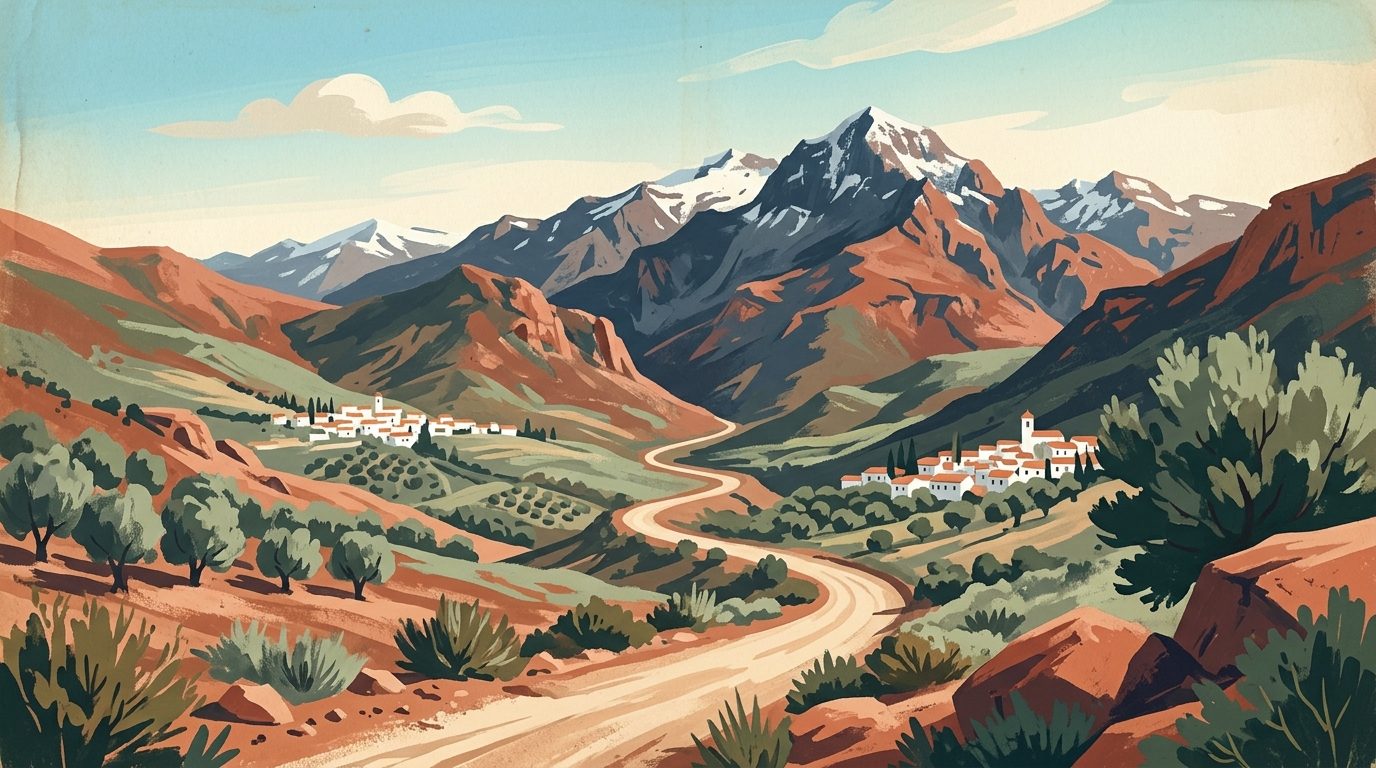
Skiing in the Sierra Nevada offers an experience unparalleled in Europe: carving down sun-drenched pistes at 3,000 metres before driving down to the coast for an afternoon on the beach. Here are the best strategies for navigating the peaks of Pradollano, avoiding the weekend bottlenecks, and finding the quietest red runs above Granada.
The drive up the A-395 from Granada is a masterclass in geographical whiplash. You begin among the olive groves and dusty foothills of the vega, yet within 45 minutes, the road winds aggressively upward, leaving the temperate valleys behind for a stark, glaciated landscape. At the end of this 31-kilometre ascent lies Pradollano, the base village of the Sierra Nevada ski resort, sitting at a breathless 2,100 metres above sea level.
Many first-time visitors assume skiing in southern Spain is a novelty: a thin ribbon of artificial snow melting rapidly under the Andalucían sun. The reality is quite the opposite. With 110 kilometres of marked pistes, a lift system that drags you up to an eye-watering 3,300 metres just beneath the summit of Veleta, and a season that routinely stretches from late November into early May, this is a serious alpine destination. Because the resort sits entirely above the tree line, the terrain feels vast, exposed, and intensely bright.
However, the Sierra Nevada comes with its own unique set of rhythms and challenges. The high altitude means altitude sickness is a genuine possibility, the southern latitude creates a dramatic daily freeze-thaw cycle, and its proximity to major cities turns it into a chaotic bottleneck on winter weekends. To ski here successfully requires tactical planning. The following strategies detail exactly how to navigate the mountain, where to find the driest snow, and how to structure your day to avoid the worst of the queues.
The Anatomy of Pradollano: Base Camp
Pradollano is not a quaint alpine village. It is a purpose-built resort carved into the side of a steep, sun-baked bowl. The architecture leans heavily into 1970s concrete and sprawling hotel blocks, though recent renovations have softened its edges with timber and slate.
The village is effectively split into three tiers: Baja (Lower), Media (Middle), and Alta (Upper). Understanding this vertical layout is critical when booking accommodation.
Zona Baja is the epicentre. Centred around the Plaza de Andalucía, this is where the main underground car park lies, alongside the ticket offices, the majority of the equipment hire shops, and the base stations for the two primary gondolas: Al-Andalus and Borreguiles. Staying here puts you steps from the lifts, but you pay a premium, and the noise from the late-night bars can bleed through hotel windows.
Zona Media and Zona Alta sprawl up the mountainside. The views across the valley are spectacular, but walking down to the gondolas in ski boots is a gruelling, blister-inducing ordeal. Instead, these zones are served by the Parador chairlift, an urban lift that ferries skiers down to the plaza and back up again. The queue for the Parador lift at 8:45 AM, and again at 4:30 PM, is entirely predictable and deeply frustrating.
Decoding the Piste Map: Where to Ski
The Sierra Nevada ski area is divided into several distinct zones, each serving a specific capability level. Because there are no trees, navigation relies heavily on reading the fall lines and keeping an eye on the lift pylons.
Borreguiles (The Beginner Hub)
At 2,680 metres, the Borreguiles plateau is the nerve centre of the mountain. Both main gondolas from Pradollano terminate here. It is a wide, forgiving expanse of gentle green and blue runs, peppered with magic carpets and drag lifts. If you are learning to ski, this is where you will spend your days. Unfortunately, its gentle topography makes it the most crowded sector on the mountain. By 11:30 AM on a Saturday, the Borreguiles basin can feel like a game of human dodgems. The snow here also deteriorates rapidly into slush by mid-afternoon due to the heavy traffic.
Veleta and Loma de Dílar (Intermediate Territory)
For competent skiers, the Veleta sector is where the mountain truly opens up. The Veleta chairlift and the Laguna drag lift pull you toward the 3,398-metre peak. From the top station, the views are extraordinary: on a clear day, you can see the shimmering Mediterranean Sea and the jagged outline of the Rif Mountains in Morocco.
This sector offers sweeping, wide-open red and blue runs. La Olímpica is a fast, rolling red that allows for wide, sweeping carves. For endurance, seek out El Águila (The Eagle). Stretching for over six kilometres, it is the longest marked piste in Spain, tracing the absolute outer boundary of the resort from near the summit all the way down to the Pradollano base. It is a thigh-burning descent that is best tackled mid-morning when the snow has softened slightly but has not yet turned to porridge.
The Loma de Dílar sector, accessible via the Monachil chairlift, tends to be marginally quieter. It holds excellent, rolling red runs and is home to the Sulayr Snowpark, the largest freestyle park in southern Europe, featuring an enormous half-pipe.
Laguna de las Yeguas (Advanced Terrain)
This is the resort's trump card. Tucked away on the far left side of the piste map (looking up), the Laguna valley is geographically shielded from the rest of the resort. It is entirely composed of steep red and black runs. Because it faces away from the prevailing sun, the snow in Laguna remains cold, dry, and chalky long after the front face of the mountain has turned to slush.
Runs like Cartujo and La Trucha offer sustained, steep pitches that demand strong edge control. The Laguna chairlift is a long, slow double chair, but the lack of crowds makes the transit time worthwhile. Be warned: this sector is highly susceptible to wind. It is often the last area to open following a storm, as the ski patrol must dig out the lift pylons by hand and secure the avalanche paths.
The Elements: Sun, Snow, and Honest Caveats
Skiing at 37 degrees latitude (the same parallel as Tunis) presents unique meteorological challenges. You must pack high-factor sun cream and use it religiously; the UV reflection off the snow at 3,000 metres will blister exposed skin within hours.
The proximity to the sea means weather fronts move in fast, dumping heavy, wet snow that quickly freezes solid overnight. The standard daily progression in the Sierra Nevada goes as follows: 9:00 AM brings bulletproof, rattling ice; 11:30 AM offers perfect, forgiving spring snow; and by 2:30 PM, the lower slopes to Pradollano are deep, heavy slush.
Wind is the primary enemy here. The upper mountain is entirely exposed to Atlantic gales sweeping across the Iberian Peninsula. It is not uncommon for the upper lifts, or even the main gondolas, to be placed on wind-hold. If the Al-Andalus and Borreguiles gondolas close, the resort effectively shuts down, stranding everyone in Pradollano. Always check the official app and website for real-time wind and lift status before committing to the drive up from Granada.
Ski Schools and Equipment Hire
There is no shortage of places to rent gear. The Plaza de Andalucía is lined with rental outlets. However, the quality of equipment varies wildly. We highly recommend booking your gear in advance with an established outfitter who will take the time to properly fit your boots, rather than rushing you through a high-volume queue.
For instruction, particularly if you require English-speaking guides, the independent ski schools are vastly superior to the mass-market group lessons. The British Ski Center (BSC) has operated in the Sierra Nevada for years, providing highly qualified instructors who know exactly where to find the best snow and how to bypass the worst lift queues. Whether you need a two-hour private clinic to refine your parallel turns or a beginner's multi-day course, book these weeks in advance, especially for February half-term.
Accommodation: Up High or Down Below?
The most divisive question for any Sierra Nevada trip is whether to sleep in Pradollano or commute from Granada.
Staying in Pradollano: Waking up on the mountain is the only way to guarantee first tracks. Being at the gondola gates for 8:45 AM allows you to log two solid hours of high-speed skiing before the day-trippers arrive. The village has options ranging from basic self-catering apartments in Zona Alta to absolute luxury. The Meliá Sol y Nieve sits squarely in the centre of the action, offering an excellent spa to soothe tired legs. For high-end exclusivity, El Lodge provides ski-in/ski-out access, an outdoor heated pool, and the kind of alpine timber aesthetic usually reserved for the Swiss Alps.
Staying in Granada: If you are a casual skier, or travelling with non-skiers, staying down in the city makes sense. You can ski until 3:00 PM, drive down, and be eating complimentary tapas near the Cathedral by 5:00 PM. The drive takes around 45 minutes on a clear road. However, on Saturday and Sunday mornings, the A-395 turns into a grinding, exhaust-choked car park. If you commute on a weekend, you must pass the toll booths at the bottom of the mountain road before 7:30 AM, or wait until after 11:00 AM.
Après-Ski and Dining on the Mountain
The Sierra Nevada does not replicate the raucous table-dancing après-ski of Austria, but it offers a distinctively Spanish take on mountain dining. The afternoon transition usually begins at Crescendo, located directly at the bottom of the home run in Plaza de Andalucía. Its sun terrace is perfectly positioned to catch the last of the afternoon rays while you drink an Alhambra beer and watch exhausted skiers navigate the final slushy descent.
For dinner, the options in Pradollano are heavily skewed toward hearty Italian and mountain fare. Tito Luigi is a resort institution, serving reliable, carbohydrate-heavy pizzas and pastas (booking is essential during high season). If you want high-quality grilled meats, La Muralla offers excellent cuts of Galician beef cooked over hot stones at the table.
Practical Information
Season Dates and When to Go
The season typically runs from the first weekend of December until the last week of April or early May, snow permitting. (Check on the operator's website before travelling to confirm current season dates and lift statuses). December and January offer the coldest temperatures but unpredictable coverage. February guarantees snow but brings insufferable crowds due to school holidays. March is the optimal month: the snow base is at its deepest, the days are noticeably longer, and the weather is generally stable.
Lift Passes (Forfaits)
The Sierra Nevada operates a dynamic pricing model for its lift passes. Expect to pay between €50 and €65 per day, depending on the season and day of the week (check on the operator's website before travelling for up-to-date pricing). Do not queue at the ticket office on the morning of your first day. Purchase a Tarjeta Sierra Nevada Club card online in advance, load your days onto it digitally, and walk straight to the turnstiles.
Parking and Transport
If you drive up to Pradollano, parking is a significant expense. The underground car park beneath the Plaza de Andalucía costs upwards of €22 per day (check on the operator's website before travelling). There is an open-air car park at the top of the village (Los Peñones) which is cheaper and connects to the resort via the Virgen de las Nieves chairlift, but spaces fill up before 8:30 AM.
By law, you must carry snow chains in your vehicle when driving the A-395 between November and April. The Guardia Civil frequently set up checkpoints near the 16-kilometre mark during storms; if you do not have chains, or do not know how to fit them rapidly, you will be forced to turn back.
Final Preparations
Because the base altitude is over 2,000 metres, hydration is critical. It is very easy to succumb to a mild headache and fatigue on your first day. Drink considerably more water than you think you need, ease into the first morning on the forgiving slopes of Borreguiles, and save the gruelling endurance runs of the Laguna sector for day two.
Last reviewed: 21 June 2026 · Editorial policy
Related guides
Skiing in Sierra Nevada: A Guide to the Sunniest Slopes in Europe
Experience the unique thrill of skiing in southern Spain, where you can carve through snow in the morning and relax by the Mediterranean in the afternoon. Discover everything from the 110km of pistes in Sierra Nevada to the best spots for tapas in Pradollano.
5 min read
A Guide to Pradollano: Skiing and Summer in the Sierra Nevada
Discover Pradollano, the sun-soaked hub of the Sierra Nevada ski resort, offering 110km of pistes and stunning high-altitude summer hiking.
6 min read
A Guide to Cycling in Granada: From High Peaks to Valley Floors
From the highest paved road in Europe to technical mountain bike trails through olive groves, Granada offers some of the most varied terrain in Andalucía for cyclists of all disciplines.
6 min read
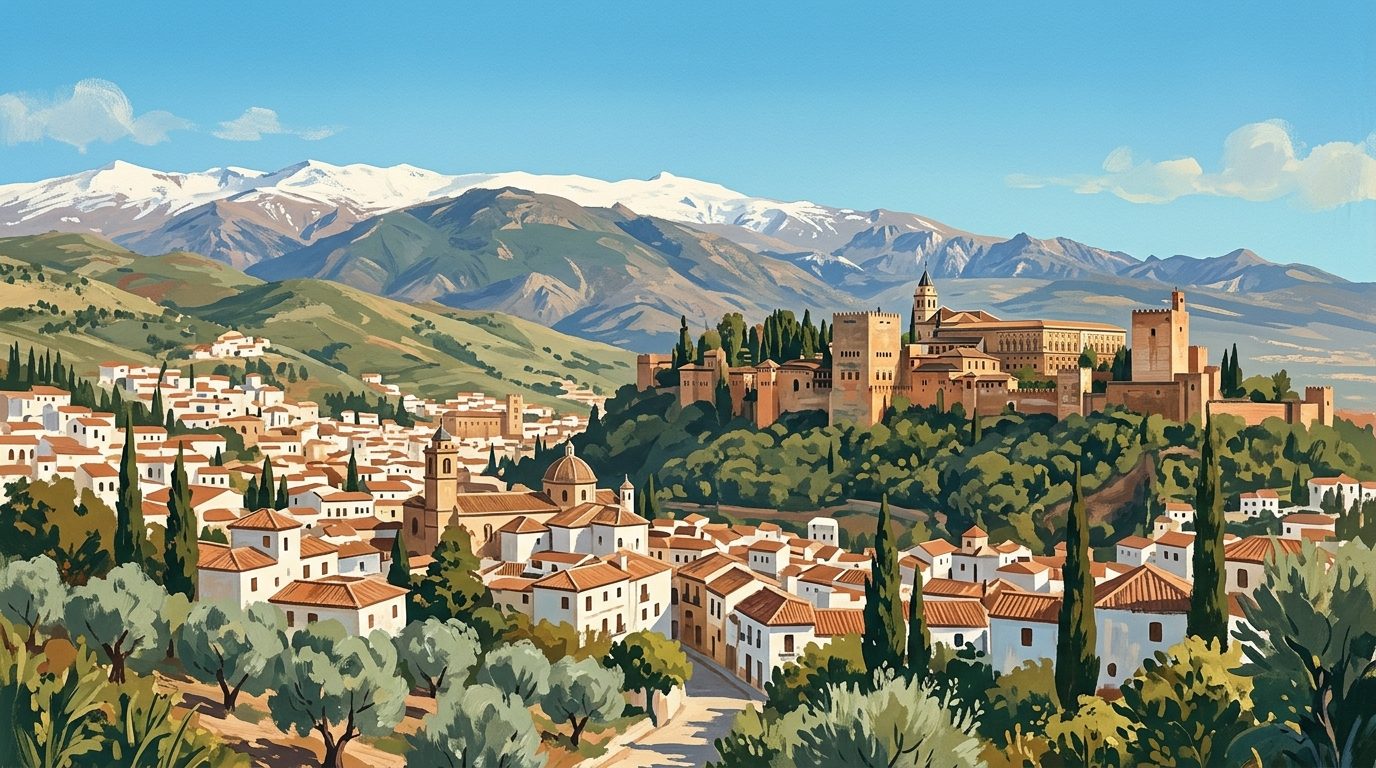
High Altitudes and Deep Valleys: A Local's Guide to the Sierra Nevada
Explore the roof of Spain with our insider guide to the Sierra Nevada, from the sun-soaked slopes of Pradollano to the traditional mountain trails of Güéjar Sierra.
6 min read
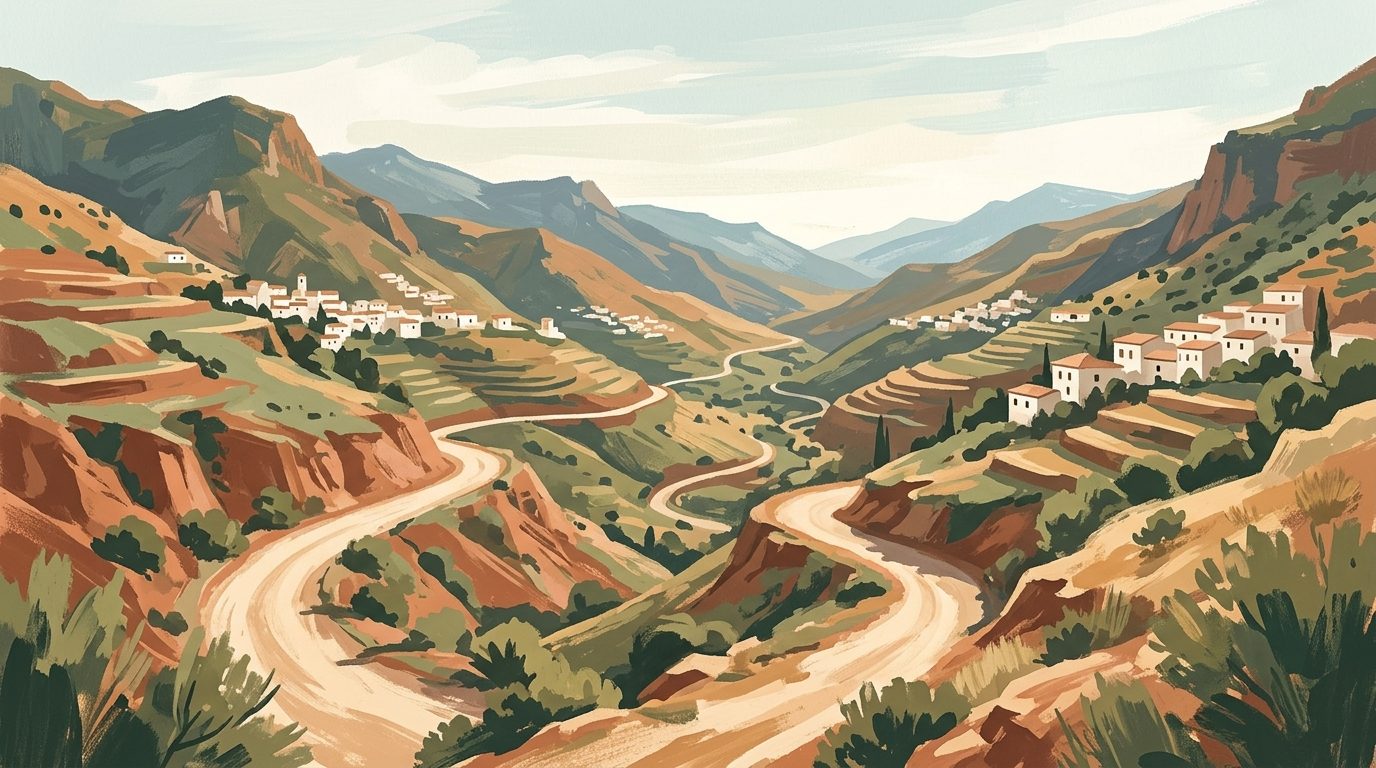
The Alpujarras Complete Guide: High Altitudes and Moorish Footpaths
South of the Sierra Nevada, the Alpujarras is a high-altitude network of steep ravines, ancient irrigation channels, and white villages clinging to the mountainside. This guide covers how to navigate the hairpin bends, where to find the best hiking trails, and which village suits your basecamp needs.
9 min read
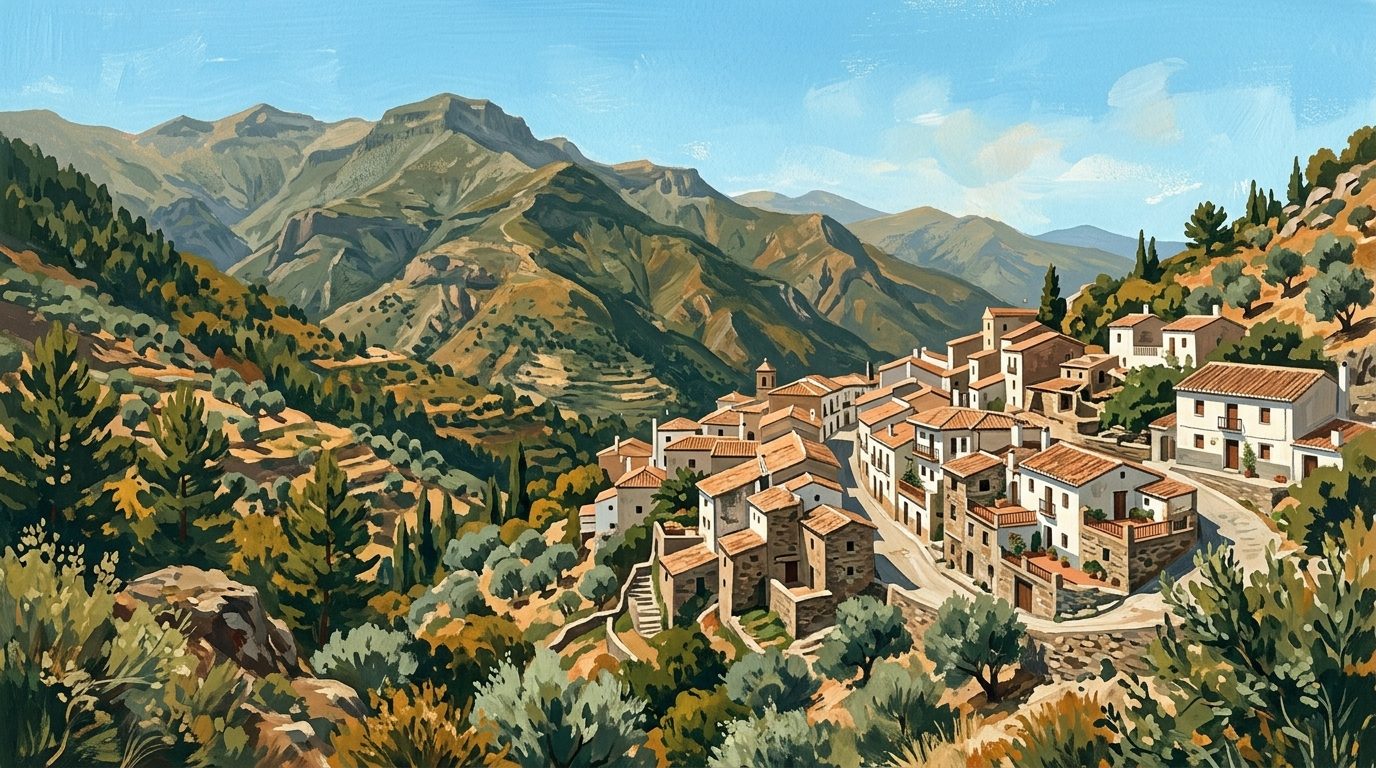
Güéjar Sierra: A Gateway to the High Sierra Nevada
Discover Güéjar Sierra, a rugged mountain village in the Sierra Nevada that serves as the ultimate base for hiking the Vereda de la Estrella and exploring the historic tramway route.
6 min read
More from Granada
Newsletter
More stories from Andalucía
Weekly notes, seasonal picks, and the next guides worth bookmarking.