
Route
The Classic Two-Week Andalucían Road Trip
Fourteen days provides just enough time to experience southern Spain's Moorish capitals, dramatic mountain passes, and Atlantic coastline without spending your entire holiday behind the wheel.
By Dan · Updated 7 June 2026 · 9 min read
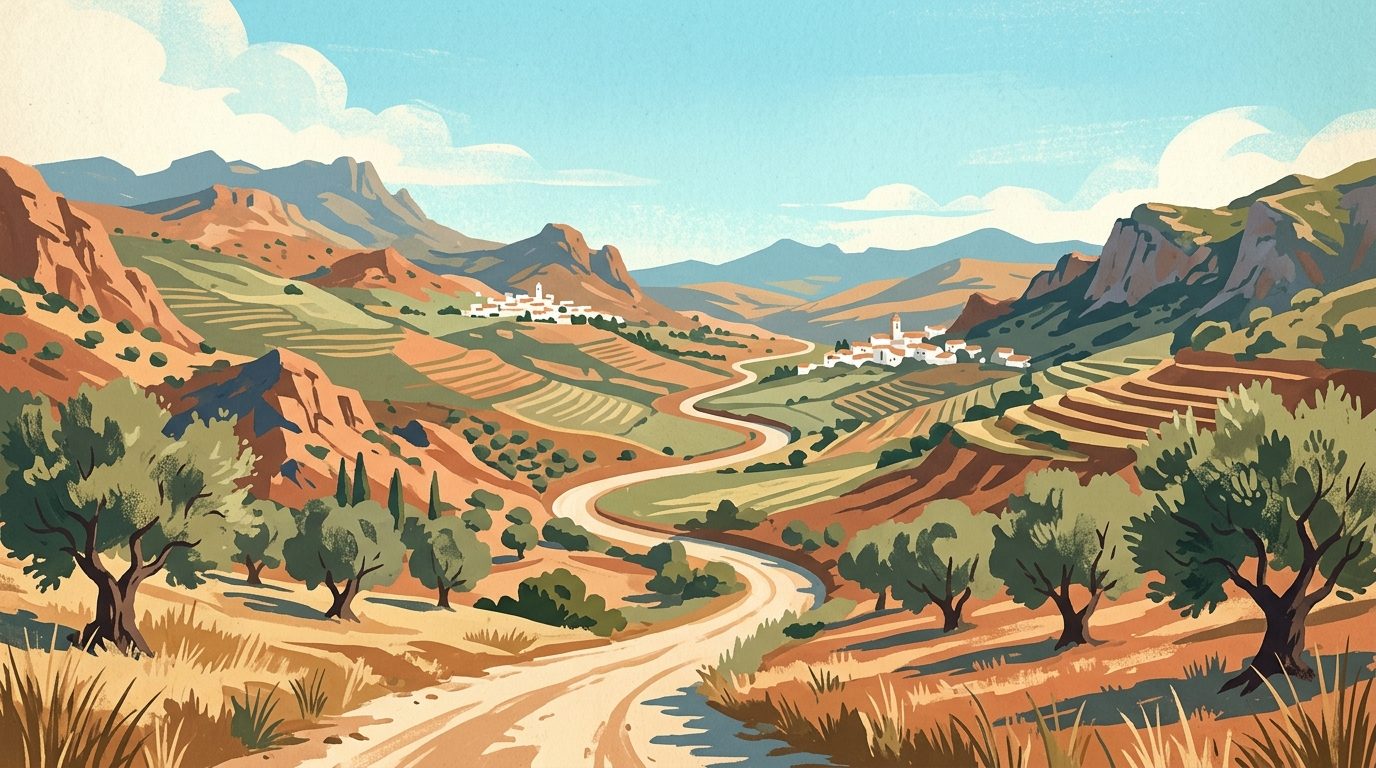
Fourteen days provides just enough time to experience southern Spain's Moorish capitals, dramatic mountain passes, and Atlantic coastline without spending your entire holiday behind the wheel.
There is a specific rhythm to driving across southern Spain. It is dictated by the arc of the sun, the layout of ancient city walls, and the sudden, overwhelming scent of crushed olives when you roll your windows down in the interior. I have driven these routes dozens of times, navigating the blinding glare of August and the heavy fogs that cling to the sierras in November.
If you are a first-time visitor, it is tempting to try and squeeze the entire southern third of the Iberian Peninsula into a seven-day sprint. That is a recipe for exhaustion. Fourteen days is the optimal window. It allows you to link the eastern pillars of Málaga and Granada with the deep cultural weight of Córdoba and Sevilla, before pushing out to the Atlantic winds of Cádiz and climbing back through the limestone peaks of Ronda.
This is a demanding drive, requiring confidence on multi-lane motorways and single-track mountain passes alike. But it rewards you with an understanding of the region's geography that you simply cannot acquire from the window of a high-speed train. You will see how the red earth of the Guadalquivir valley gives way to the chalky soil of the sherry triangle, and how the architecture shifts from the flat roofs of the coast to the heavy terracotta tiles of the mountains.
Stage 1: The Eastern Pillars
Day 1: Arrival in Málaga
Land at Málaga-Costa del Sol Airport (AGP) and pick up your vehicle. Honest warning: Do not hire a large SUV. The streets in the historic centres and mountain villages were designed for donkeys, not modern 4x4s. Choose a compact manual or automatic car.
Drive the MA-20 into Málaga. The city has transformed over the last decade into an essential cultural hub. Park in the underground facility at Muelle Uno (Port Area). The spaces are wider than the older municipal car parks. Spend your afternoon walking Calle Larios, visiting the Picasso Museum, and eating garlic prawns at the Mercado de Atarazanas. Check into a central base.
Day 2: The High Road to Granada
Distance: 130 km | Drive time: 2 hours
Ignore the fast, dull A-92 motorway. Instead, leave Málaga heading north on the A-45, then turn onto the A-356 towards the mountains. Connect to the A-402, which climbs steeply up the Zafarraya Pass. The temperature will drop noticeably as you pass through this natural cleft in the rock. Stop in Alhama de Granada for a coffee; look over the edge of the deep gorge that cuts through the middle of the town. Continue down into the Vega de Granada.
When you reach Granada, rely entirely on your GPS to find your hotel's designated parking, or use the large Parking San Agustín. Do not attempt to drive into the Albaicín neighbourhood unless you want to reverse down a 15-degree cobbled slope while a queue of mopeds blasts their horns at you.
Day 3: The Nasrid Capital
Leave the car in the garage. Today requires walking. Book your entrance to the Alhambra at least two months in advance. Pay close attention to the specific entry time printed on your ticket for the Nasrid Palaces. If you are five minutes late, the guards will turn you away. Furthermore, you must bring your original, physical passport or EU National ID card; digital photographs or photocopies on your phone are strictly not accepted at the scanning gates.
In the late afternoon, climb the Albaicín. The Mirador de San Nicolás provides the classic view of the Alhambra with the Sierra Nevada behind it, but it is intensely crowded. For a quieter perspective, walk a further twenty minutes uphill to the Ermita de San Miguel Alto.
Day 4: Through the Olive Oceans to Córdoba
Distance: 165 km | Drive time: 2 hours 15 mins
Leave Granada on the N-432. This national road is heavily used by agricultural lorries, but it cuts directly through the heart of Andalucían olive country. The hills roll endlessly to the horizon, uniformly dotted with green. Halfway to Córdoba, you will see the Fortaleza de la Mota rising aggressively above the town of Alcalá la Real. It is an excellent place to stretch your legs and understand the medieval border wars between Moorish and Catholic forces.
Arrive in Córdoba by mid-afternoon. Navigate to your accommodation and spend the evening eating thick, cold salmorejo in the Judería.
Stage 2: The Heart of the Guadalquivir
Day 5: Caliphate Columns
Walk to the Mezquita-Catedral for opening time at 08:30 AM to beat the coach tours (check Sunday and holiday hours in advance, as these are restricted due to Mass). The sheer scale of the red-and-white horseshoe arches remains one of the most disorientating and magnificent architectural sights in Europe. Spend the rest of the day exploring the Alcázar de los Reyes Cristianos and crossing the Roman Bridge.
Day 6: The River Road to Sevilla
Distance: 140 km | Drive time: 1 hour 45 mins
You have two choices today. The A-4 dual carriageway is fast and functional, with a brilliant midway stop at the hilltop town of Carmona. Alternatively, take the A-431, which closely tracks the Guadalquivir river. If you choose the latter, pull off at Almodóvar del Río to view its imposing castle, familiar to anyone who watched Game of Thrones.
Driving into Sevilla is notoriously difficult. The historic core is Europe's largest, heavily pedestrianised, and governed by a confusing one-way system. Plan to park on the periphery (Parking Paseo de Colón is incredibly useful) and take a short taxi ride to your lodgings.
Day 7: Sevilla's Heat and Shadows
Sevilla dictates its own pace. In the morning, explore the Real Alcázar and the Cathedral. By 2:00 PM, the heat radiating from the paving stones will force you indoors for a long lunch. Cross the Triana bridge to the Mercado de Triana for excellent, unpretentious tapas. In the evening, when the temperature finally drops, the city empties into the plazas. Order a Cruzcampo, sit outside, and watch the evening completely consume the city.
Stage 3: The Atlantic and the Sierras
Day 8: South to the Sea via Jerez
Distance: 120 km | Drive time: 1 hour 30 mins
Retrieve your car and take the AP-4 motorway south. This road used to be an expensive toll route but is now free, making the descent towards the coast rapid. Exit at Jerez de la Frontera. This town is the epicentre of sherry production. Book a late morning tour at one of the historic producers (Bodegas Tradición or Lustau are highly recommended). Note that Spain’s drink-driving laws are exceptionally strict (0.05% BAC limit); the designated driver should utilise the spittoons.
Continue over the Carranza Bridge onto the peninsula of Cádiz, a city completely surrounded by the Atlantic Ocean.
Day 9: The Edge of Europe
Cádiz is arguably the oldest continuously inhabited city in Western Europe. It feels utterly different from the interior: salty, decaying, and fiercely independent. Walk the malecon (sea wall) that circles the old town, comparing its resemblance to Havana, Cuba. Eat fried dogfish (cazón en adobo) from a paper cone at Freiduría Las Flores.
Day 10: Climbing the Pueblos Blancos
Distance: 150 km | Drive time: 3 hours
This is the most technically demanding driving day of the entire itinerary. Leave Cádiz on the A-408, connecting to the A-381 east towards Arcos de la Frontera, a town literally clamped to a limestone ridge. From Arcos, take the A-372 deep into the Sierra de Grazalema Natural Park.
At the town of Grazalema, turn onto the CA-9104. This single-carriageway road climbs up to the Puerto de las Palomas (Pass of the Doves) at 1,357 metres. The views across the sierra are immense. The descent towards Zahara de la Sierra features incredibly acute hairpin bends. Drop into second gear, hug your side of the road, and be hyper-vigilant for local cycling clubs who use this punishing route for training. Finally, connect to the A-374 south into Ronda.
Day 11: The Gorge of Ronda
Ronda is split by the 120-metre-deep El Tajo gorge. The Puente Nuevo (New Bridge) spans the gap. Make time to see it by 08:30 AM before the day-trippers arrive from the coast. To truly appreciate the scale of the engineering, walk down the unpaved Camino de los Molinos into the valley floor and look back up at the bridge. Spend the night at a cliffside property.
Stage 4: Down to the Sea
Day 12: The Descent to the Coast
Distance: 65 km | Drive time: 1 hour 15 mins
Leave Ronda via the A-397 heading south. This is known locally as the 'Ronda Road'. It is 50 kilometres of sweeping, continuous bends dropping down to the Mediterranean. It is a brilliant piece of tarmac, but it is heavily populated by motorcyclists on weekends who ride aggressively. Check your mirrors constantly and use the designated pull-outs if you want to admire the views of the Rock of Gibraltar and the North African coastline in the distance.
The road terminates at San Pedro de Alcántara. Join the coastal A-7 and head towards a coastal town like Estepona to spend the night by the sea.
Day 13: Coastal Returns
Distance: 85 km | Drive time: 1 hour 15 mins
The drive back to Málaga along the Costa del Sol is busy and chaotic. The A-7 dual carriageway hugs the coast but is prone to heavy traffic; the AP-7 is the parallel toll road, which is significantly faster and quieter, though it will cost you a few euros. Drop off your hire car in Málaga. Spend your final evening in the eastern fishing district of Pedregalejo, eating fresh sardines roasted over olive wood fires on the beach.
Day 14: Departure
Take the C1 commuter train from Málaga Centro-Alameda directly into the airport terminal. It takes 12 minutes, completely removing any final-day stress.
Practical Information
Costs and Budgeting
Petrol in Spain fluctuates; check current rates, but budget approximately €1.65 to €1.80 per litre for planning purposes. While most major motorways (autovías) in Andalucía are free, the AP-7 along the Costa del Sol remains a toll road (autopista de peaje), costing between €5 and €10 depending on the season and the section driven. Secure overnight parking in the major cities will add €18 to €25 per day to your budget. Do not leave luggage visible in your parked car at any time.
When to Go
The optimum months for this specific itinerary are May, June, September, and October. Attempting this road trip in July or August is an exercise in extreme heat management; temperatures in Córdoba and Sevilla regularly exceed 40°C, making afternoon exploration physically dangerous. Winter (December to February) is quiet and atmospheric, though you should expect heavy rain and near-freezing temperatures in Grazalema and Granada.
What to Bring
- Polarised sunglasses: The glare reflecting off the whitewashed walls of the mountain villages and the glaring tarmac will cause severe eye fatigue without them.
- Appropriate documentation: A valid driving licence. UK licence holders do not currently need an International Driving Permit for short tourist visits, but non-EU visitors (such as those from the US or Australia) must carry an IDP alongside their domestic licence by law.
- Sensible footwear: The cobblestones of Córdoba and the steep inclines of the Albaicín will destroy light sandals and make high heels an absolute impossibility. Bring trainers with excellent grip.
Last reviewed: 21 June 2026 · Editorial policy
Related guides
One Week in Andalucía Itinerary: The Classic Triangle & Ronda
Seven days in southern Spain is just enough time to trace the defining Moorish capitals and mountain roads of Andalucía. This itinerary strips away the coastal sprawl to focus entirely on the essential cities of Málaga, Granada, Córdoba, and Sevilla, returning via the dramatic mountain gorge of Ronda.
9 min read
Game of Thrones Filming Locations: The Ultimate Andalucían Road Trip
For years, fantasy tourists flocked to the freezing coastlines of Northern Ireland and the medieval streets of Croatia. But it was the sun-baked architecture and cracked deserts of southern Spain that brought the most exotic kingdoms of Westeros to life.
10 min read
Ten Days in Andalucía: The Classic Route
A definitive ten-day guide through Málaga, Ronda, Sevilla, and Granada, focusing on the essential sights, the best sherry bodegas, and the most authentic tapas bars.
11 min read
Two Weeks in Andalucía: The Complete Circuit
A definitive 14-day loop through Andalucía’s eight provinces, balancing world-renowned monuments with the rugged sierras of Huelva and the olive seas of Jaén.
12 min read
Winter Sun in Andalucía: A 7-Day Escape
Escape the winter gloom with a sun-drenched week in southern Spain, from the cultural streets of Málaga to the historic palaces of Sevilla.
9 min read
Moorish Andalucía: A Cultural History Route
A definitive 7-day guide through the architectural and political legacy of al-Andalus, tracing the evolution from the Caliphate of Córdoba to the Nasrid Kingdom of Granada.
8 min read
More guides
Doñana National Park Guide: Marshes, Lynx, and Restricted Zones
A shifting landscape of tidal marshes, ancient pine forests, and wind-sculpted dunes, Doñana is Europe's most crucial wetland reserve. Navigating its restricted zones requires planning, but the reward is encountering Iberian lynx and thousands of migratory flamingos in total wilderness.
9 min read
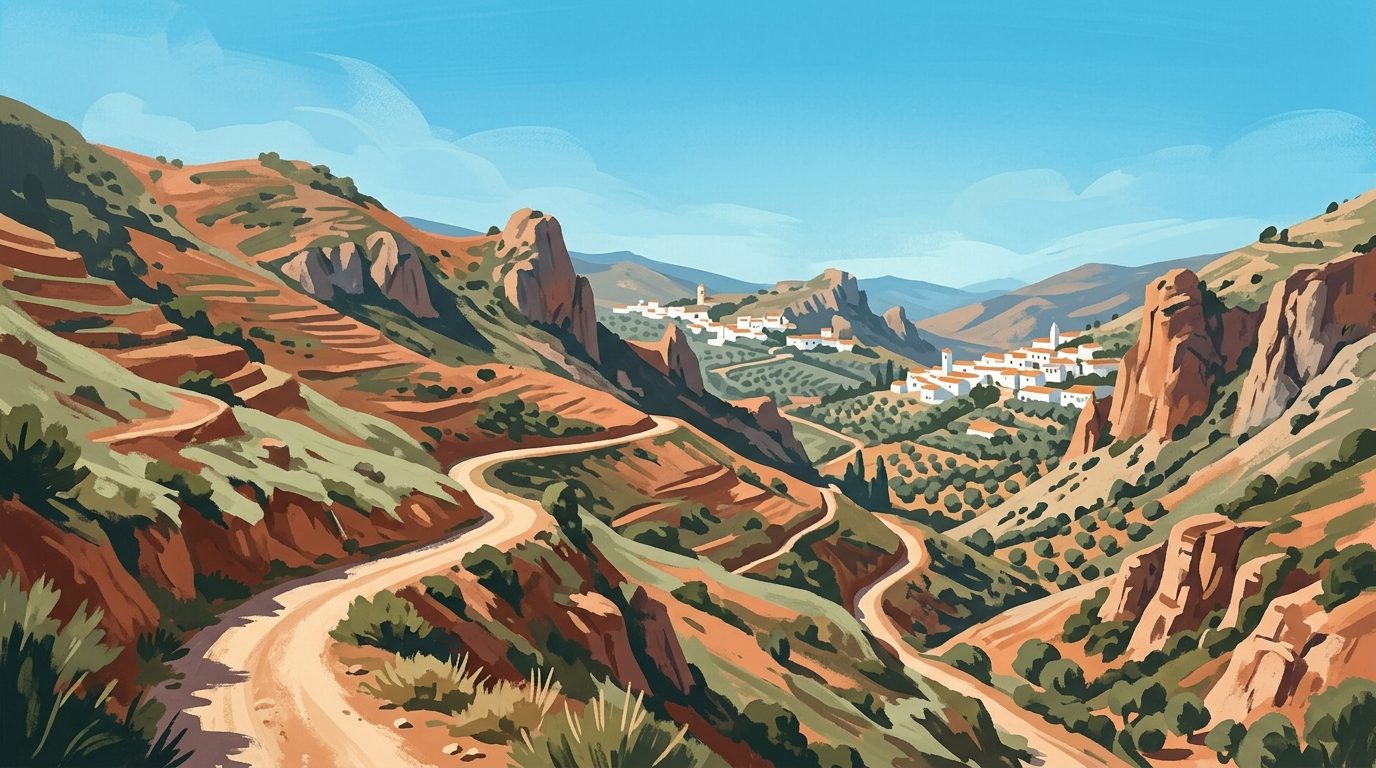
Walking the GR7 in Andalucía: The Ultimate Guide to Spain's Great Southern Trail
Leave the crowds behind and tackle Spain's greatest long-distance trail. From navigating faded waymarks to crossing the high Alpujarras, here is exactly how to walk the GR7 in Andalucía.
11 min read
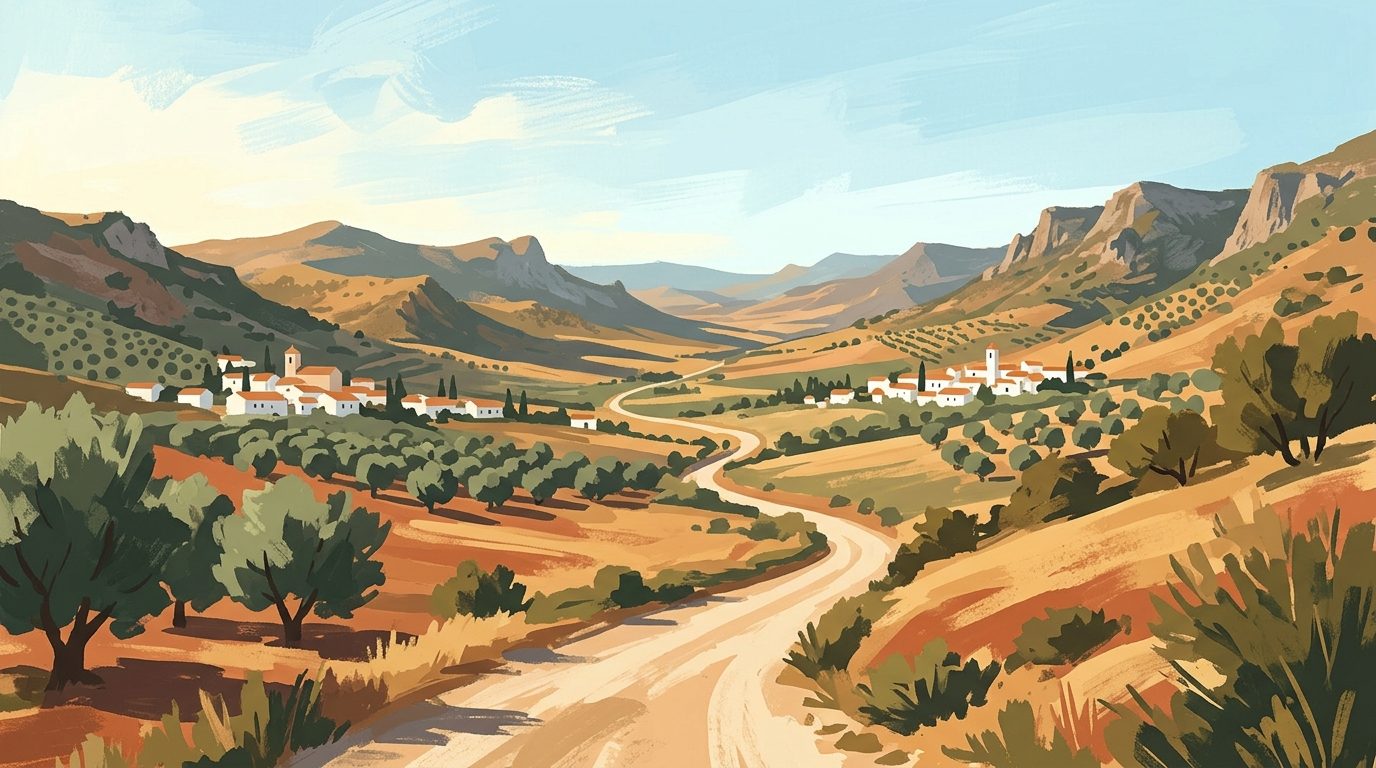
The Ultimate Andalucía Photography Route: Chasing Light Across Southern Spain
Forget the bleached-out midday snaps and crowded tourist viewpoints; photographing southern Spain requires an obsession with timing and terrain. This comprehensive route guides you to the exact coordinates and precise hours needed to capture the region's finest architectural geometry and dramatic geology.
9 min read
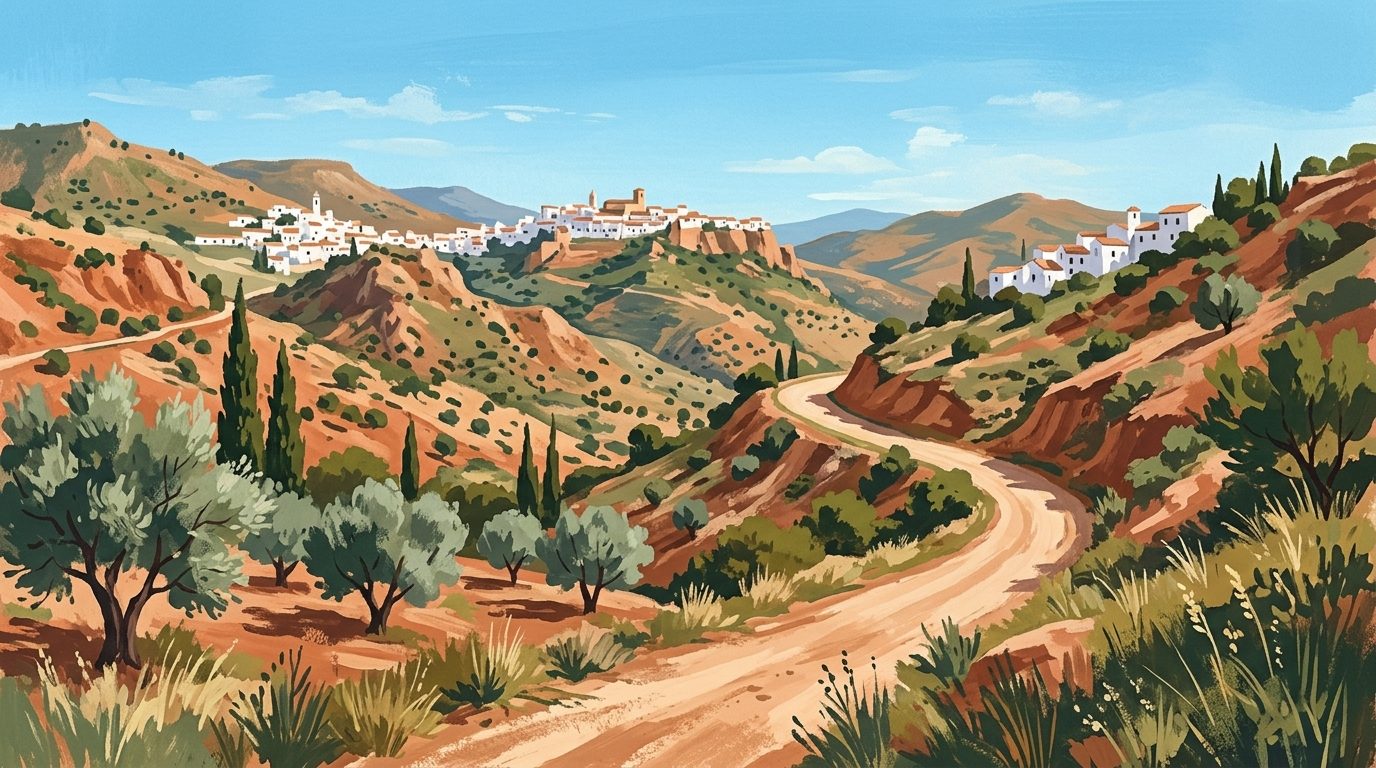
Roman Andalucía Heritage Trail
Before the Moorish emirs reshaped southern Spain, this territory was the fiercely wealthy Roman province of Baetica, a crucial supplier of olive oil and emperors to the empire. This seven-day route traces the classical footprint across Andalucía, leading you from coastal fish-salting ruins and lonely mountain amphitheatres to the architectural remnants that bridged the fall of Rome and the rise of Al-Andalus.
9 min read
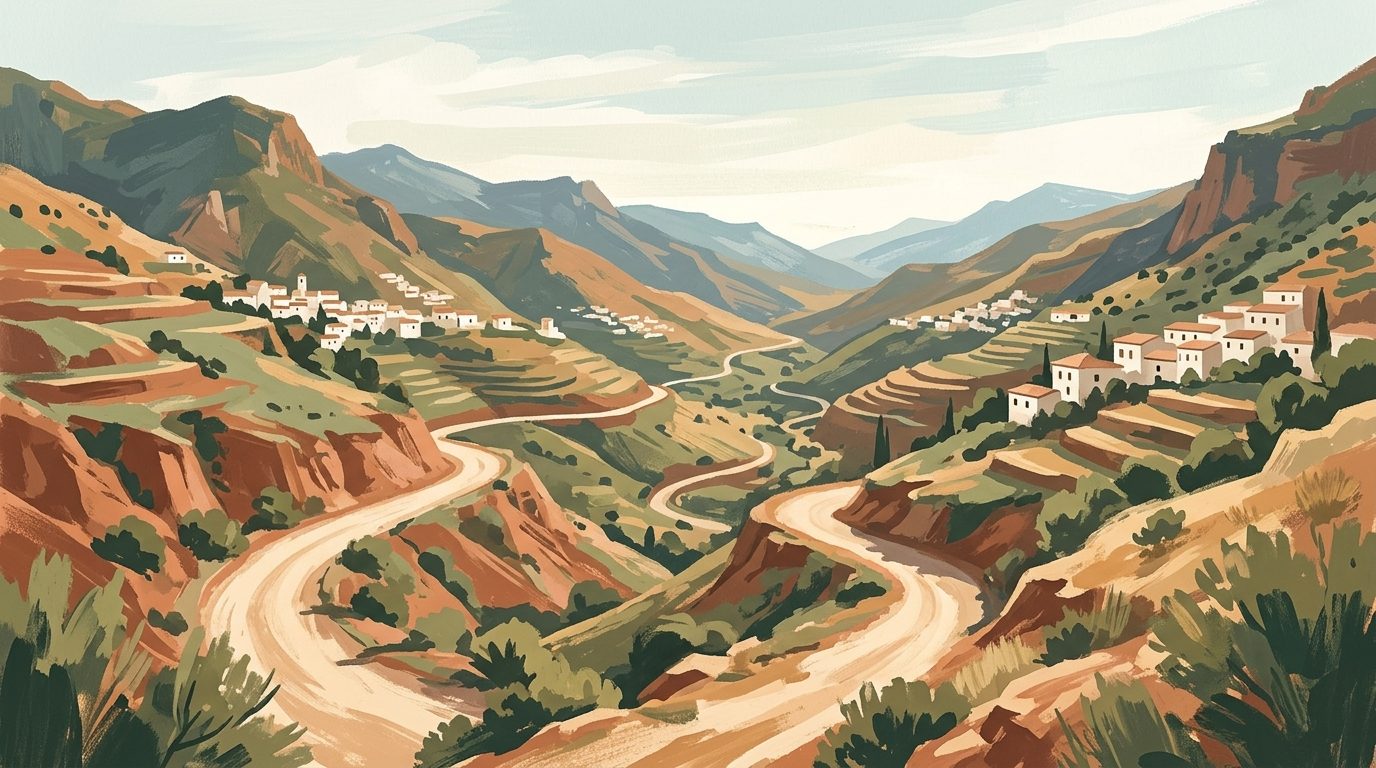
The Alpujarras Complete Guide: High Altitudes and Moorish Footpaths
South of the Sierra Nevada, the Alpujarras is a high-altitude network of steep ravines, ancient irrigation channels, and white villages clinging to the mountainside. This guide covers how to navigate the hairpin bends, where to find the best hiking trails, and which village suits your basecamp needs.
9 min read
The Ultimate Jamón Ibérico Route: Through Huelva and Córdoba
Tracking down the world's finest ham is an exercise in geography, patience, and appetite. This three-day drive through the ancient oak forests of Huelva and Córdoba takes you straight to the source of authentic Jamón 100% Ibérico de Bellota.
9 min read
Best Weekend Breaks in Andalucía
When you live in southern Spain, the temptation is to spend every weekend repeating the same comfortable Sunday routines. These seven targeted 48-hour itineraries bypass the obvious tourist traps, giving residents and expats a genuine excuse to pack a weekend bag and drive somewhere entirely new.
11 min read
Budget Backpacker Guide to Andalucía
Andalucía on a shoestring is entirely possible if you know where to eat, how to travel, and which timing tricks unlock the region's monuments for free. Taking this approach strips away the tourist premium to show you exactly how to backpack southern Spain on less than €50 a day.
10 min read
Motorcycle Touring in Andalucía: The Ultimate Rider's Guide
Forget the motorways; Andalucía’s true character is carved into its mountain passes, where immaculate asphalt drapes across deep ravines and high-altitude plateaus. This is a landscape built for motorcycles, offering thousands of kilometres of technical riding.
9 min read
Newsletter
More stories from Andalucía
Weekly notes, seasonal picks, and the next guides worth bookmarking.