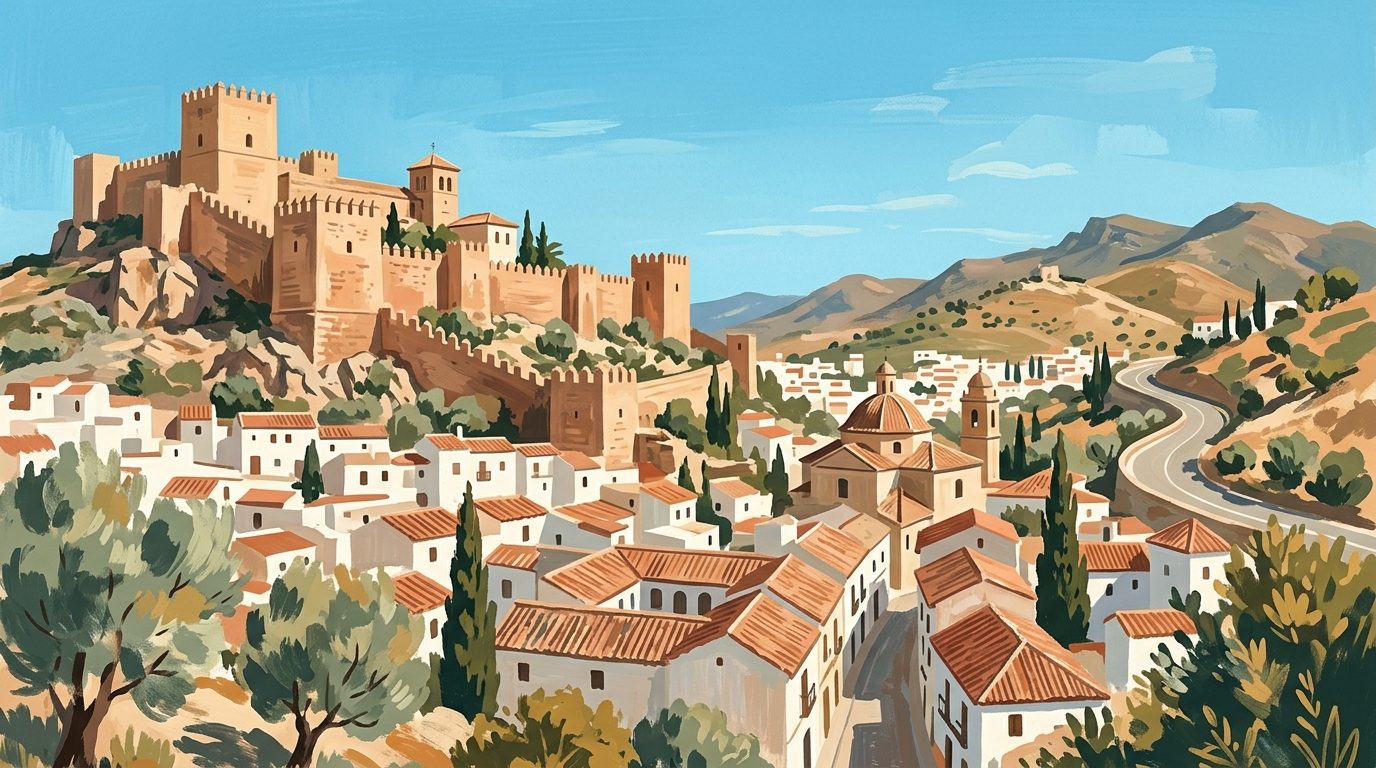
Often ignored in favour of its western neighbours, Almería is a city of stark desert light and deep-rooted maritime history. It offers a grit and authenticity that more polished Andalucían capitals have traded for tourism.
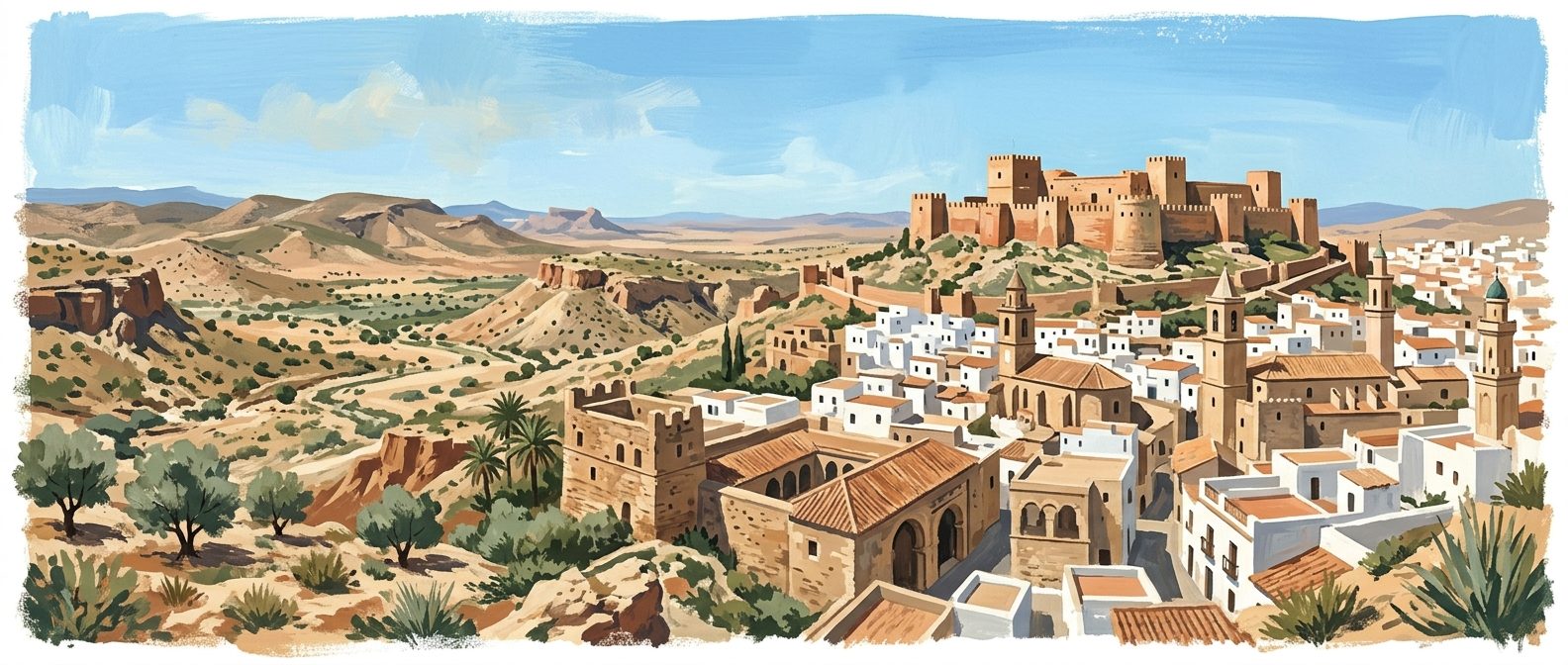
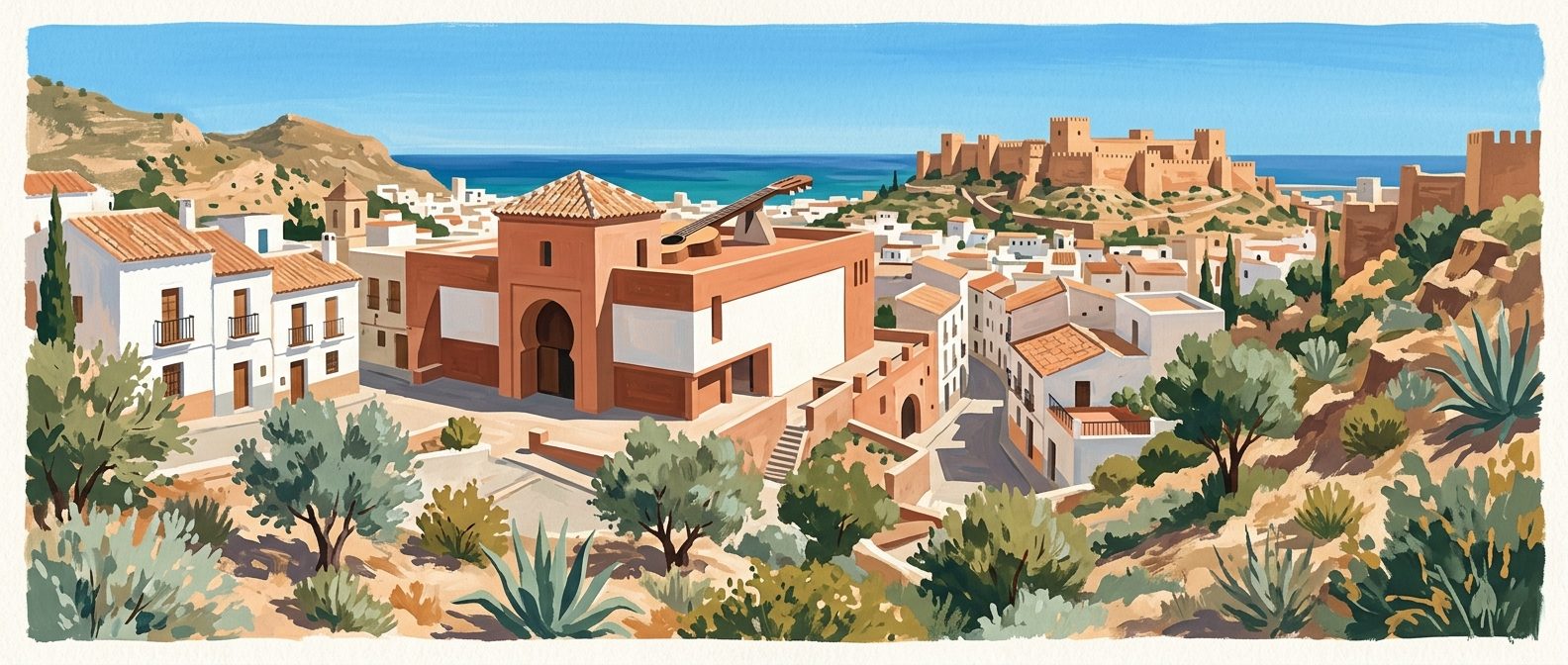
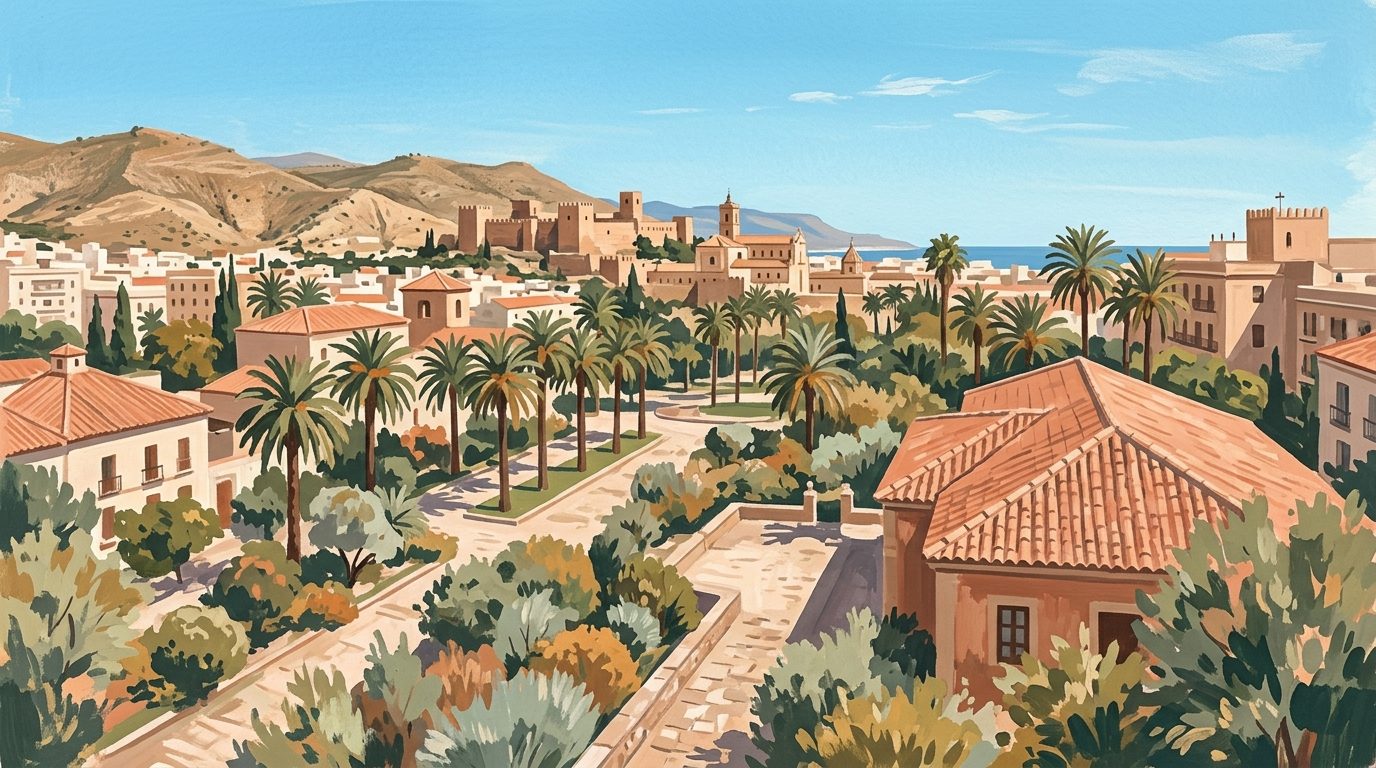
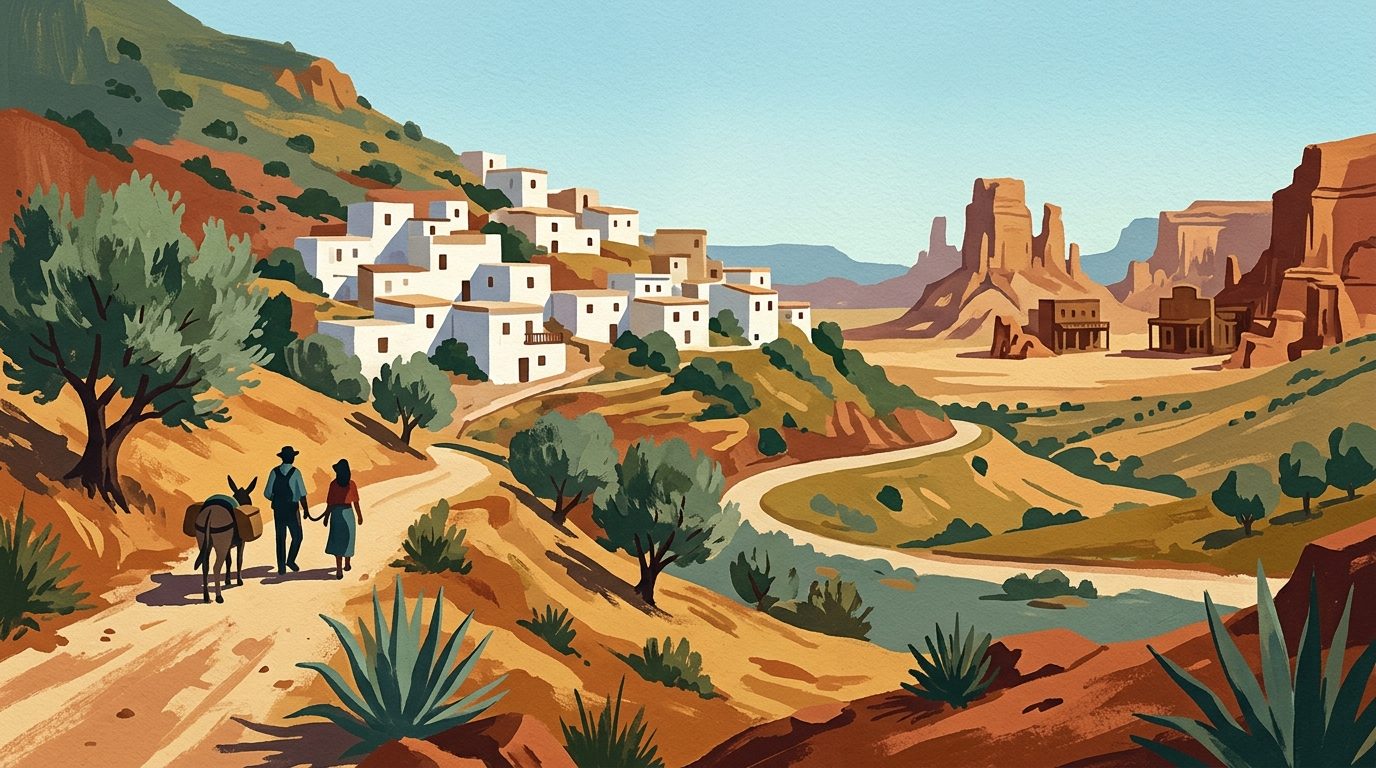
Almería is frequently the last frontier for travellers in Andalucía. Located at the far eastern edge of the region, it is the sunniest city in Europe, receiving over 3,000 hours of light a year. This isn't the lush, green Andalucía of the Guadalquivir valley; this is a landscape of ochre hills, dusty plains, and a coastline that feels closer to North Africa than to Madrid. The city itself is defined by its massive Moorish fortress, the Alcazaba, which watches over a sprawl of white-washed houses and a port that remains the lifeblood of the local economy.
Walking through Almería feels like stepping into a film set, which is fitting given its cinematic pedigree. There is an unpretentious atmosphere here. You will find grand 19th-century boulevards like the Paseo de Almería sitting comfortably alongside the narrow, winding alleys of the old Moorish quarter, the Barrio de la Chanca. It is a place where tradition holds firm, specifically the tradition of the tapeo (tapas crawl), which remains one of the most generous and authentic in Spain.
Alcazaba de Almería: The Sentinel of the Mediterranean
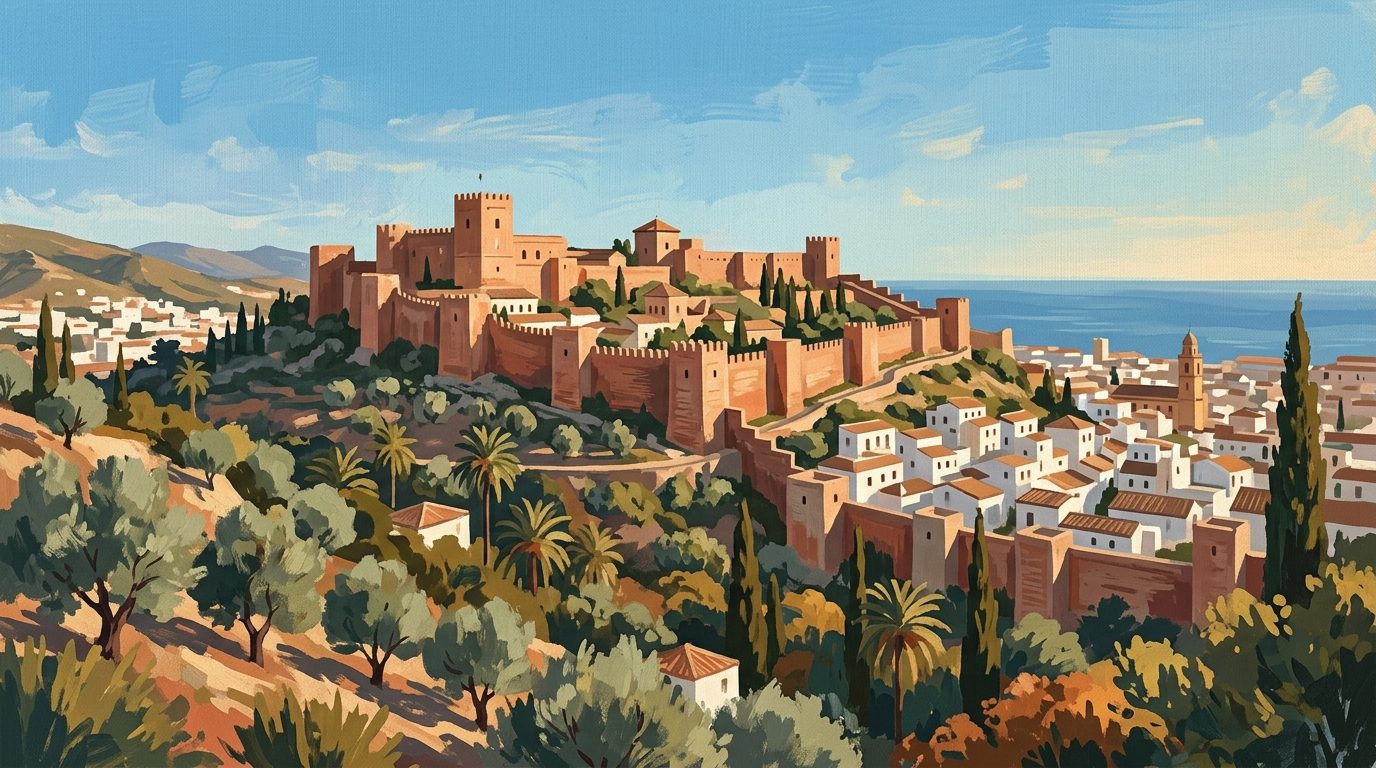
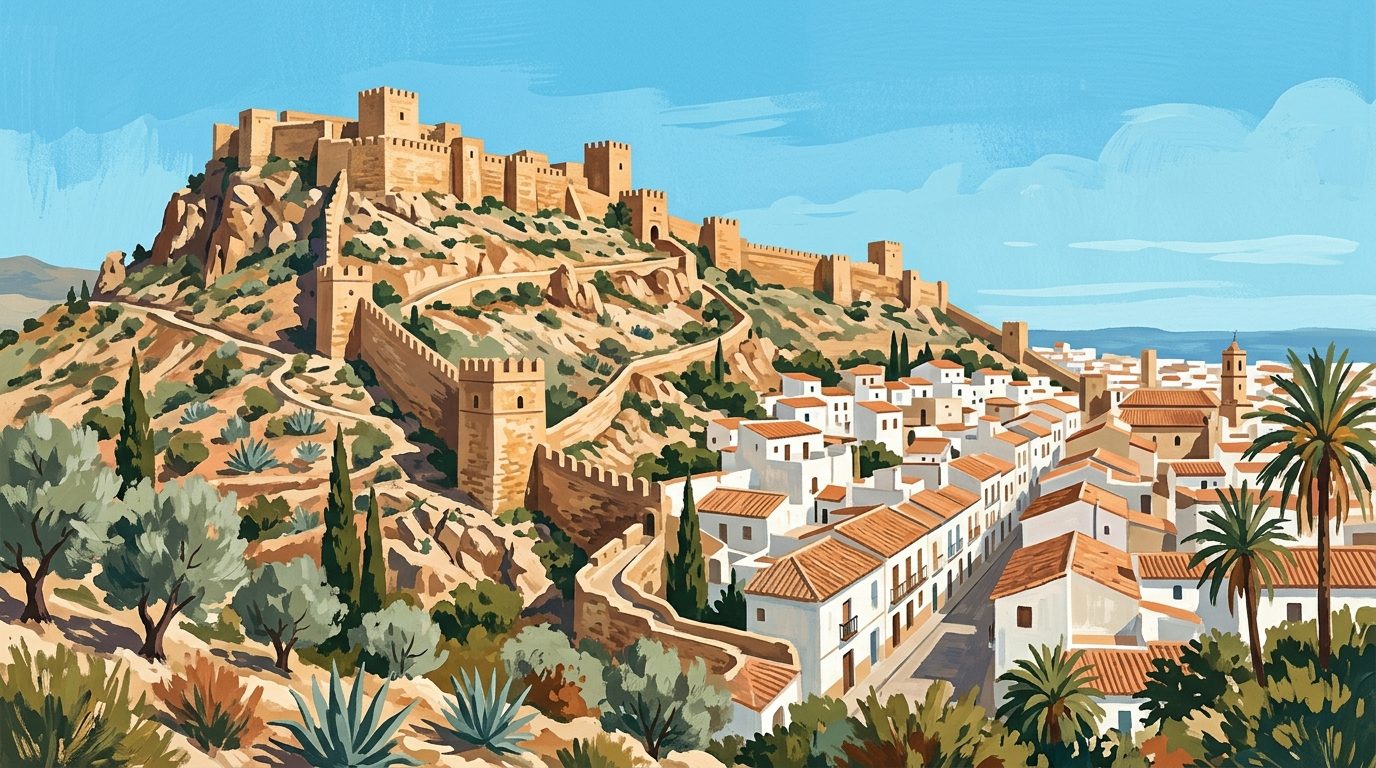
Dominating the city skyline, the Alcazaba de Almería is the second largest Moorish fortress in Spain, surpassed only by the Alhambra. Built by Caliph Abd al-Rahman III in the 10th century, it served as the defensive heart of what was then the most important port in Al-Andalus. Unlike the delicate, ornamental style of the Nasrid palaces in Granada, the Alcazaba is a rugged, military structure designed to withstand prolonged sieges and pirate raids.
The Three Enclosures
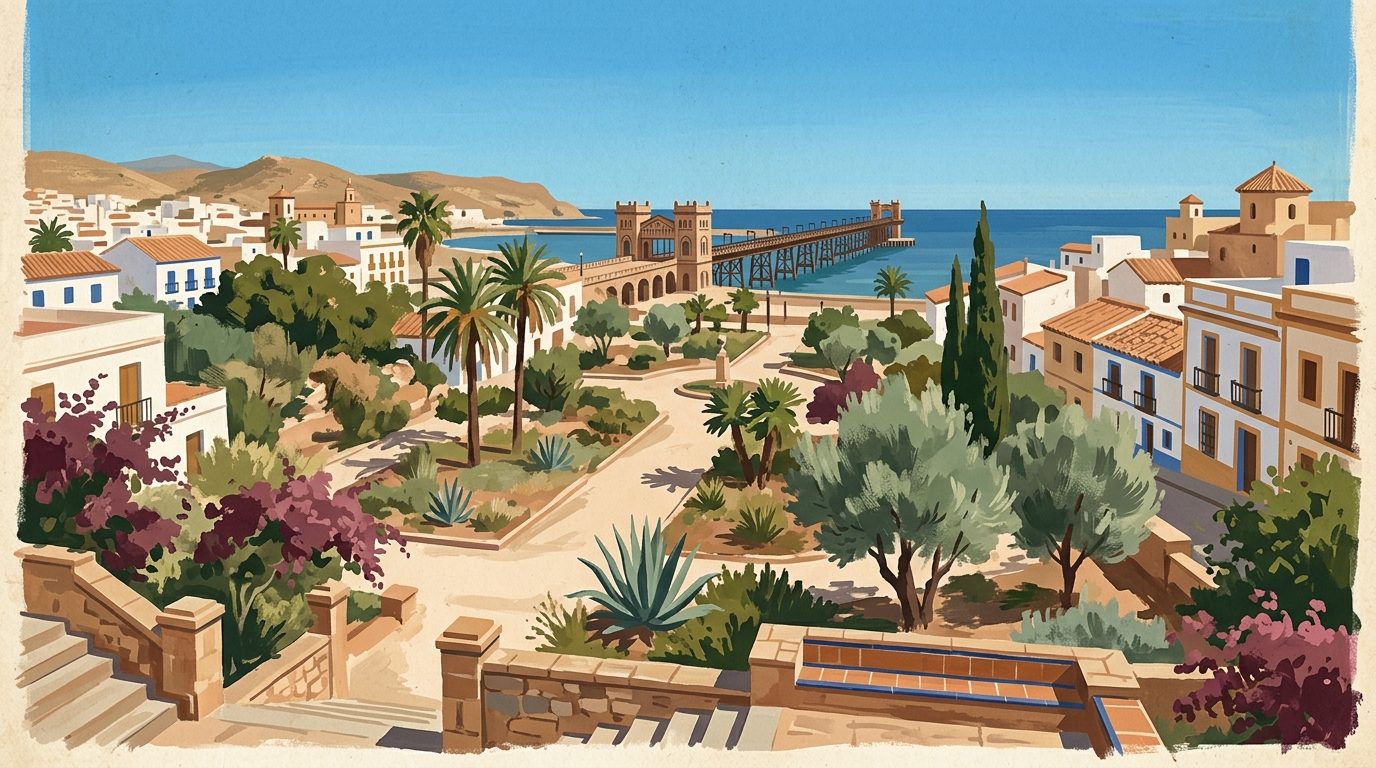
The fortress is divided into three distinct walled sections. The first enclosure, once a residential area, now features sprawling gardens and the restored aljibes (water cisterns). It offers some of the best views of the city’s coastline and the iconic Cable Inglés, a massive iron ore pier built by the British in 1904. The second enclosure was the seat of power, containing the Palacio de Al-Mutasim. While much of the palace is in ruins, the Ermita de San Juan (a mosque converted into a chapel) remains a poignant reminder of the city's shifting religious tides. The third and highest enclosure is a later Christian addition, commissioned by the Catholic Monarchs after the Reconquista in 1489. Its round towers and heavy stonework provide a sharp architectural contrast to the earlier Islamic battlements.
To reach the Alcazaba, walk up through the Calle Almanzor. The climb is steep but manageable, and the reward is a panoramic view of the Cerro de San Cristóbal, where a large statue of the Sacred Heart overlooks the city from a series of crumbling stone ramparts. For those interested in photography, the late afternoon sun hits the limestone walls of the fortress, turning them a deep honey-gold: the perfect time for a visit before the site closes.
Read the full Alcazaba de Almería guide →
Almería Cathedral & City Centre: A Fortress for Faith
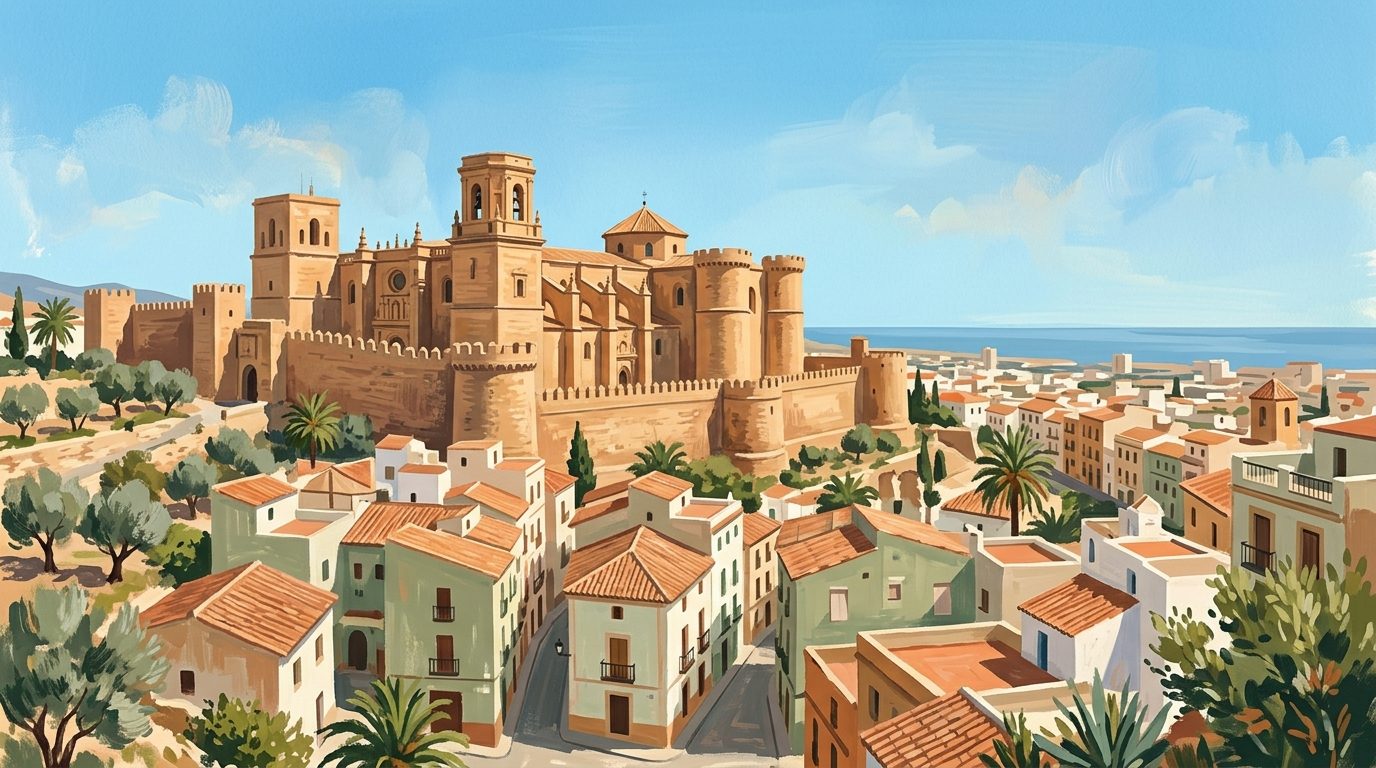
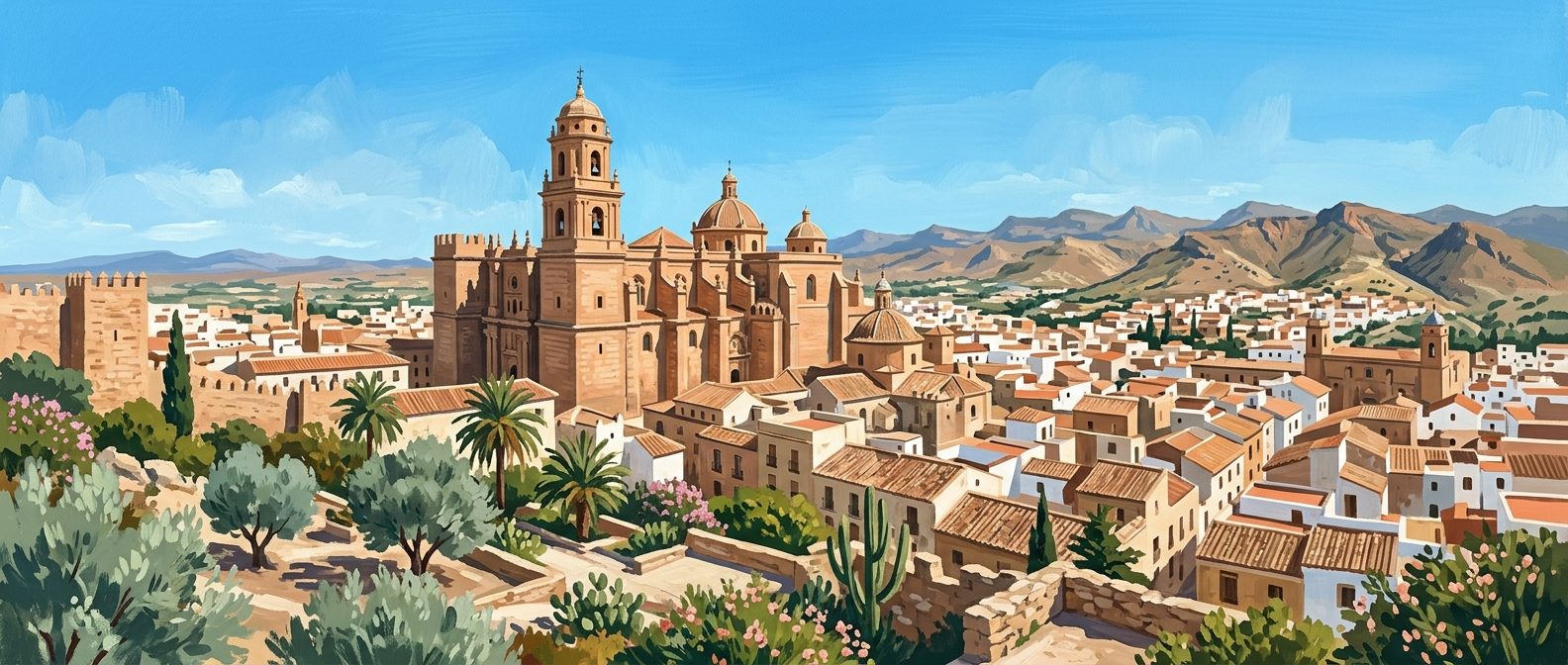
The Catedral de la Encarnación is unlike almost any other cathedral in Spain. From the outside, it looks more like a castle than a house of worship, with massive buttresses, crenellated walls, and few windows. This was an intentional design choice by the architect Diego de Siloé. In the 16th century, Almería was a frequent target for Barbary pirates from North Africa. The cathedral was built to serve as a refuge for the citizenry during attacks; the flat roofs were designed to hold cannons, and the heavy doors were reinforced to withstand battering rams.
The Heart of the City
Inside, the cathedral softens significantly. The Gothic ribbed vaults and the Renaissance choir stalls are stunning, and the Sol de Portocarrero (a carved sun with a human face on the eastern exterior wall) has become the unofficial symbol of the city. Stepping out of the cathedral, you find yourself in the Plaza de la Catedral, a wide, palm-fringed square that stays surprisingly cool even in the height of summer. From here, a short walk leads to the Plaza de la Constitución (also known as the Plaza Vieja), home to the 19th-century City Hall and the Monumento a los Coloraos, a tribute to the liberal fighters who rebelled against the absolutism of Fernando VII.
Beyond the religious sites, the city centre hides one of Almería’s most significant historical landmarks: the Refugios de la Guerra Civil. These underground air-raid shelters, designed by the local architect Guillermo Langle, stretch for over four kilometres beneath the city streets. They were built to protect the population during the frequent bombardments the city suffered during the Spanish Civil War. A guided tour (advance booking via the official Almería tourism website is essential) takes you nine metres underground to see the surgical rooms and living quarters where thousands of Almerienses sought safety. It is a sobering but essential part of understanding the city's modern identity.
Read the full Almería Cathedral & City Centre guide →
Film History & Tabernas Desert Access
Almería is often referred to as the "Hollywood of Europe." The surrounding landscape, specifically the Tabernas Desert just 30 kilometres north of the city, has served as a stand-in for the American West, North Africa, and even alien planets. Since the 1950s, over 500 films have been shot here, including Lawrence of Arabia, The Good, the Bad and the Ugly, and Indiana Jones and the Last Crusade.
A Cinematic Pilgrimage
Within the city, the Casa del Cine (House of Cinema) is worth visiting for film buffs. This restored villa once hosted stars like Brigitte Bardot and Clint Eastwood during their shoots. It was also where John Lennon stayed in 1966 while filming How I Won the War; it was during his time here that he wrote the initial lyrics for "Strawberry Fields Forever." The museum offers a nostalgic look at the golden age of cinema in Almería through interactive displays and original costumes.
Almería City serves as the primary gateway for those heading into the Tabernas Desert. You can easily drive or take a bus to the various Western-style theme parks like Oasys MiniHollywood or Fort Bravo, which still use the original sets from Sergio Leone's spaghetti westerns. However, for a more authentic experience, many visitors opt for 4x4 tours that explore the actual geological formations of the desert, showing you exactly where Peter O'Toole rode his camel or where the iconic stand-offs of the 1960s were filmed. The contrast between the coastal city and the parched, lunar landscape of the interior is one of the most striking experiences in the province.
Read the full Film History & Tabernas Desert Access guide →
Eating & Drinking in Almería City
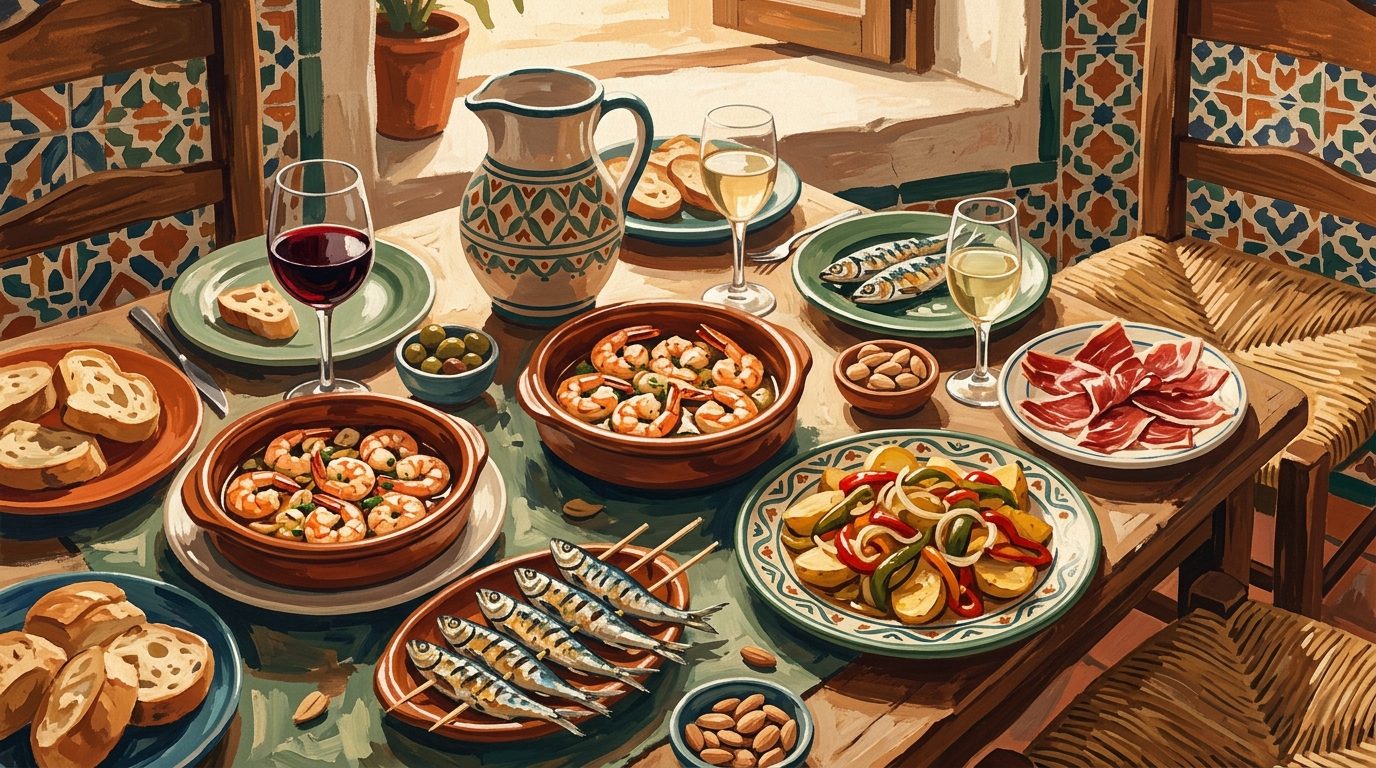
Almería is arguably the best city in Andalucía for tapas lovers. Unlike Sevilla or Málaga, where you often pay for small plates, Almería maintains the tradition of the free tapa with every drink. Even better, most bars provide a menu from which you can choose your specific snack. Start your evening at Casa Puga on Calle Jovellanos. This bar has been around since 1870 and is famous for its grilled jibia (cuttlefish) and gambas rojas (red prawns) from nearby Garrucha. The walls are lined with dusty wine bottles and the atmosphere is wonderfully chaotic.
For something more contemporary, head to Taberna Nuestra Tierra near the cathedral. They specialise in updated versions of local classics, such as tabernero (a spicy Almerian ratatouille) or cherigans. A cherigan is a local staple: a thin, toasted slice of bread spread with aioli or tomato and topped with anything from tuna to quail eggs. If you want to see where the locals buy their ingredients, visit the Mercado Central on the Calle Aguilar de Campoo. The fish section is particularly impressive, showcasing the daily catch from the Alboran Sea, including the highly prized galanes (pearly razorfish).
Where to Stay
For a stay that combines history with modern luxury, Aire Hotel & Ancient Baths in the Plaza Vieja is the premier choice. The hotel is built into a restored 19th-century building and features an incredible rooftop pool with views of the Alcazaba. Below the hotel, the Arab-style thermal baths offer a peaceful escape from the heat of the day. If you prefer to be closer to the cathedral, Hotel Cathedral Almería is a boutique option housed in a neo-classical building, offering large rooms and a sophisticated bar.
For those on a tighter budget or looking for a more functional stay, the Ho Ciudad de Almería is located near the train and bus station (Estación Intermodal). It is a short 15-minute walk from the city centre but offers modern amenities and easy access for those planning day trips to the Cabo de Gata-Níjar Natural Park or the Tabernas Desert.
Getting There & Around
Almería Airport (LEI) is located about 9 kilometres east of the city centre, with regular flights from London, Madrid, and Barcelona. A bus (Line 30) connects the airport to the city approximately every 30 minutes (check Surbus Almería for the latest weekend timetables). If you are arriving by train or bus from other parts of Andalucía, you will arrive at the Estación Intermodal, located at the eastern end of the city. Almería is a very walkable city; most of the main historical sites are concentrated within a 20-minute walk of each other. Local buses are efficient, though for exploring the nearby desert or the remote beaches of Cabo de Gata, hiring a car is highly recommended.
Best Time to Visit
The best time to visit Almería is during the shoulder seasons of spring (April to June) and autumn (September to October). During these months, the temperatures are a comfortable 20-25°C, perfect for climbing the Alcazaba or exploring the desert. July and August can be punishingly hot, often exceeding 35°C, which makes urban sightseeing difficult. Winter is remarkably mild and is often the warmest place in continental Europe, making it an excellent destination for a bit of January sun, though some of the beach-focused amenities in the province may be closed.