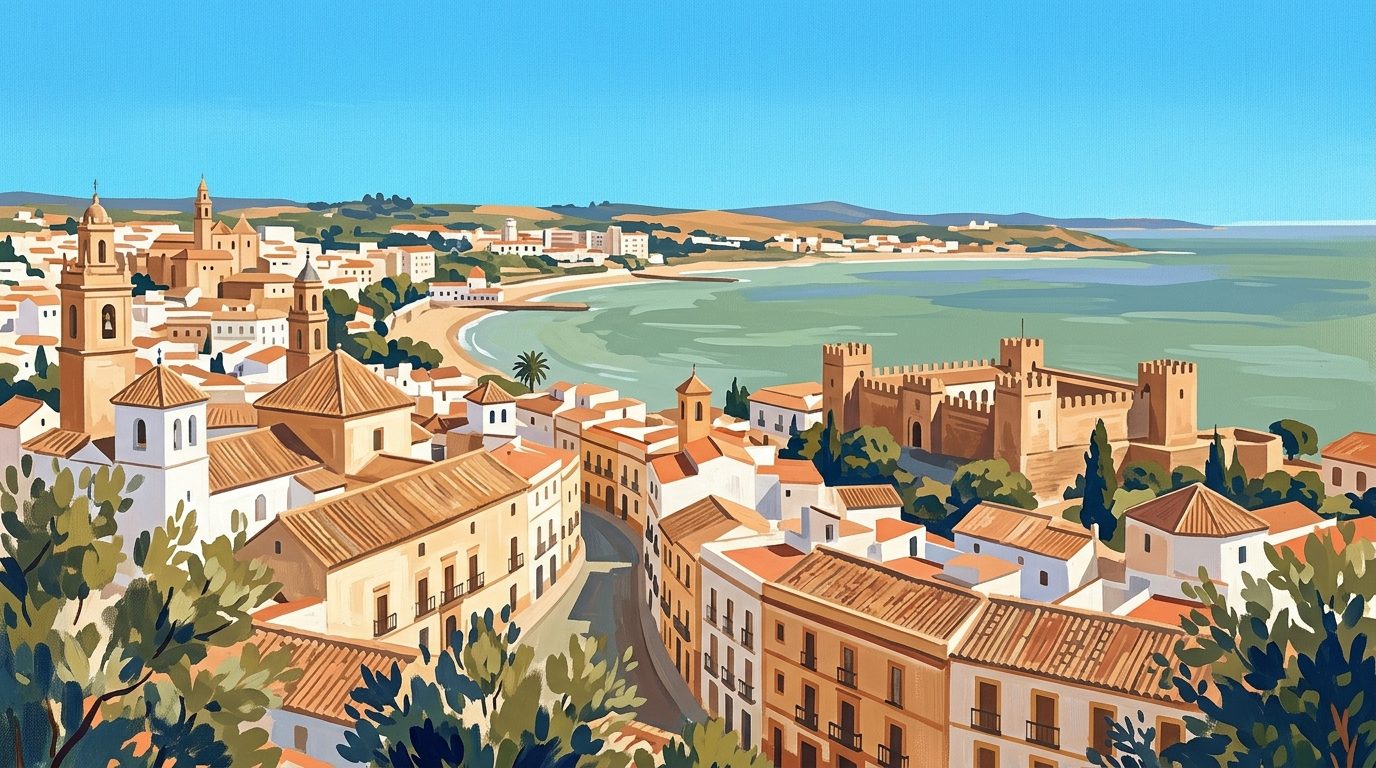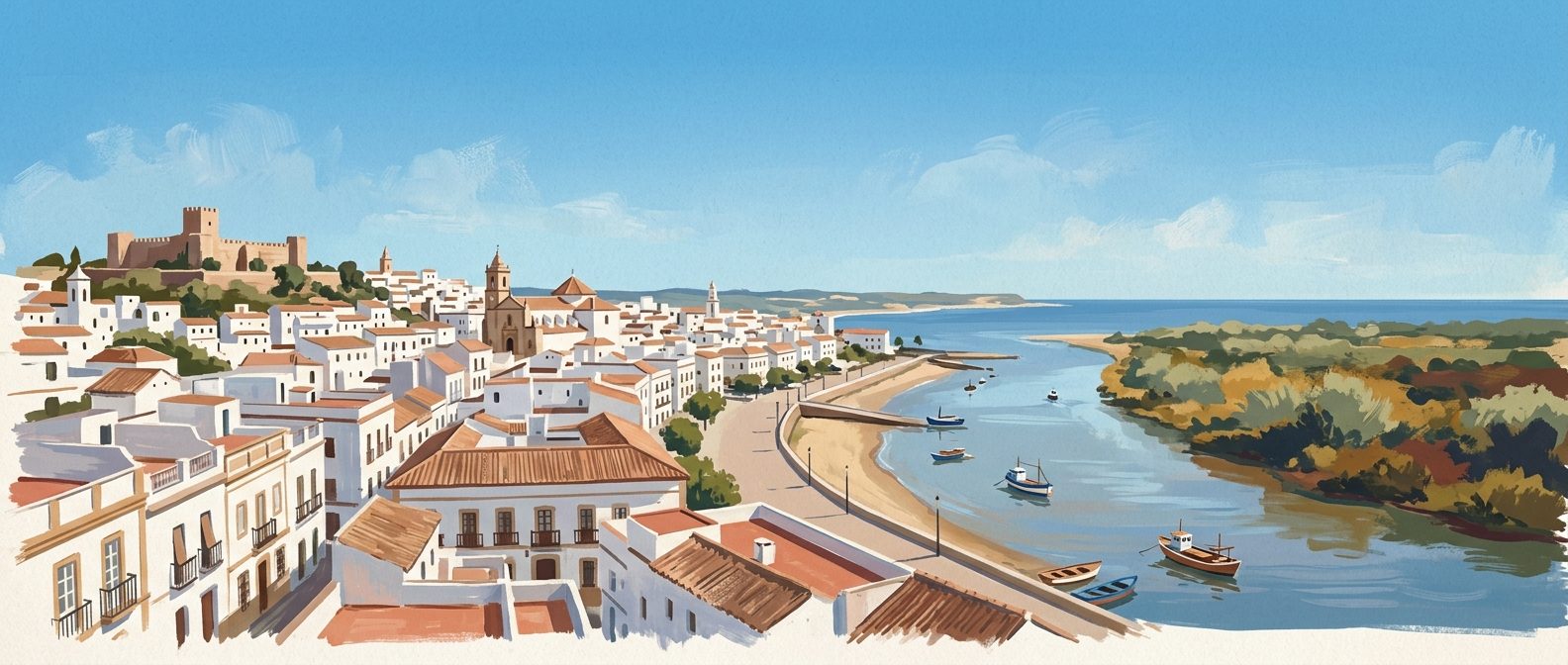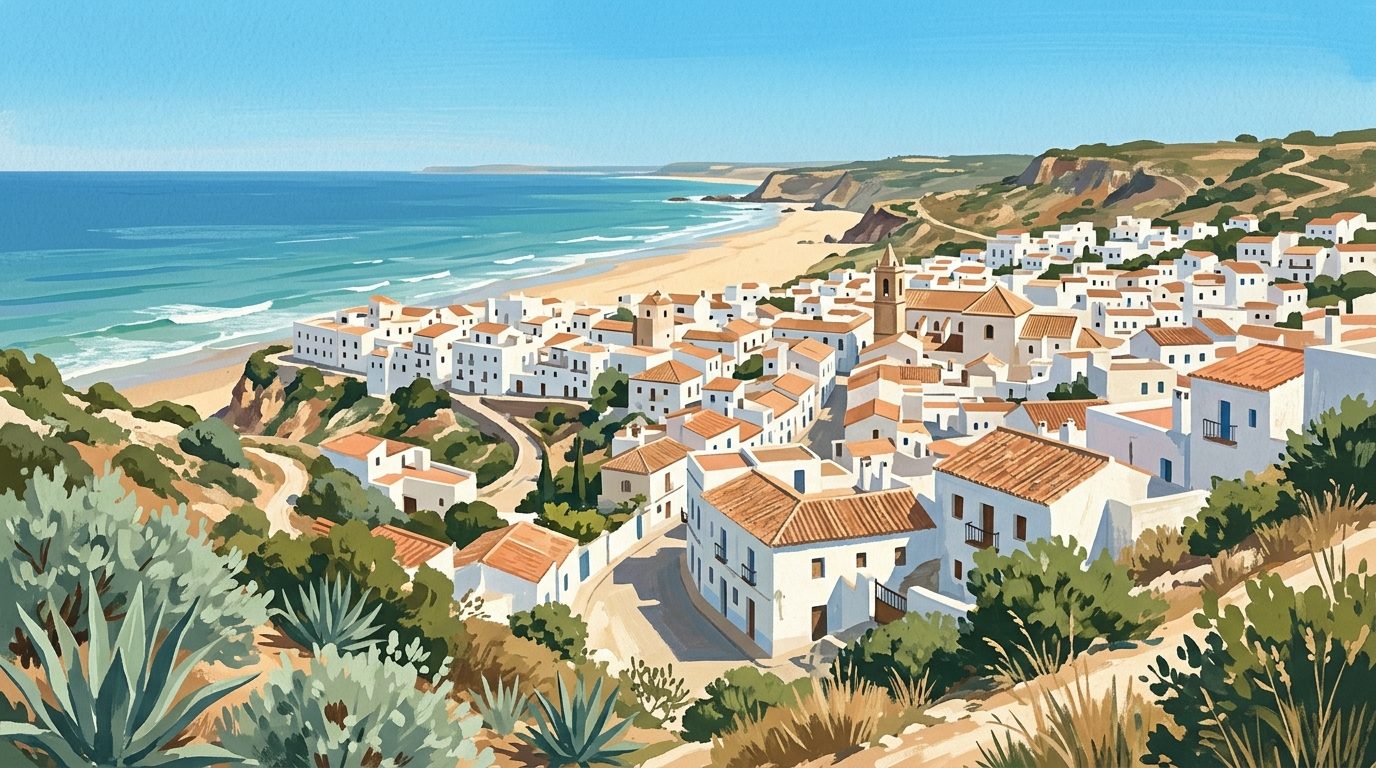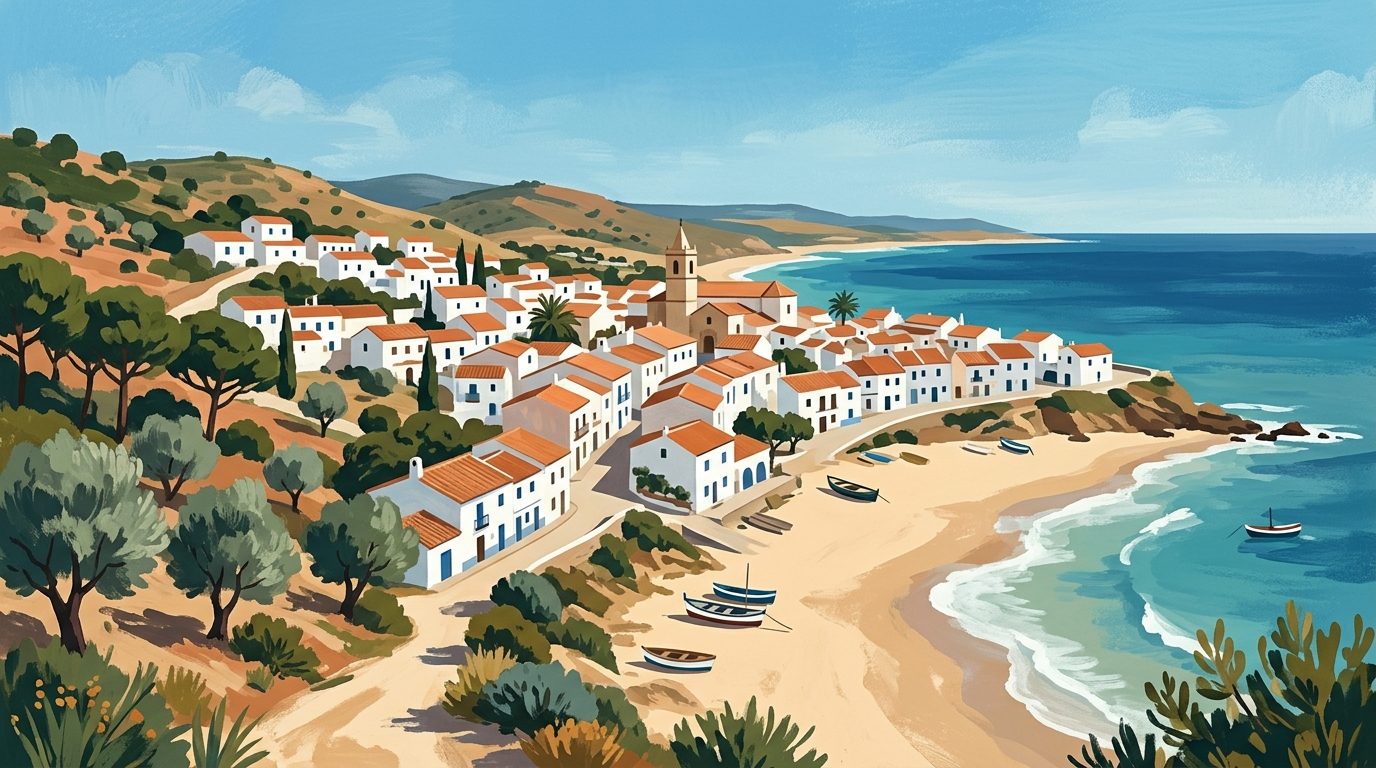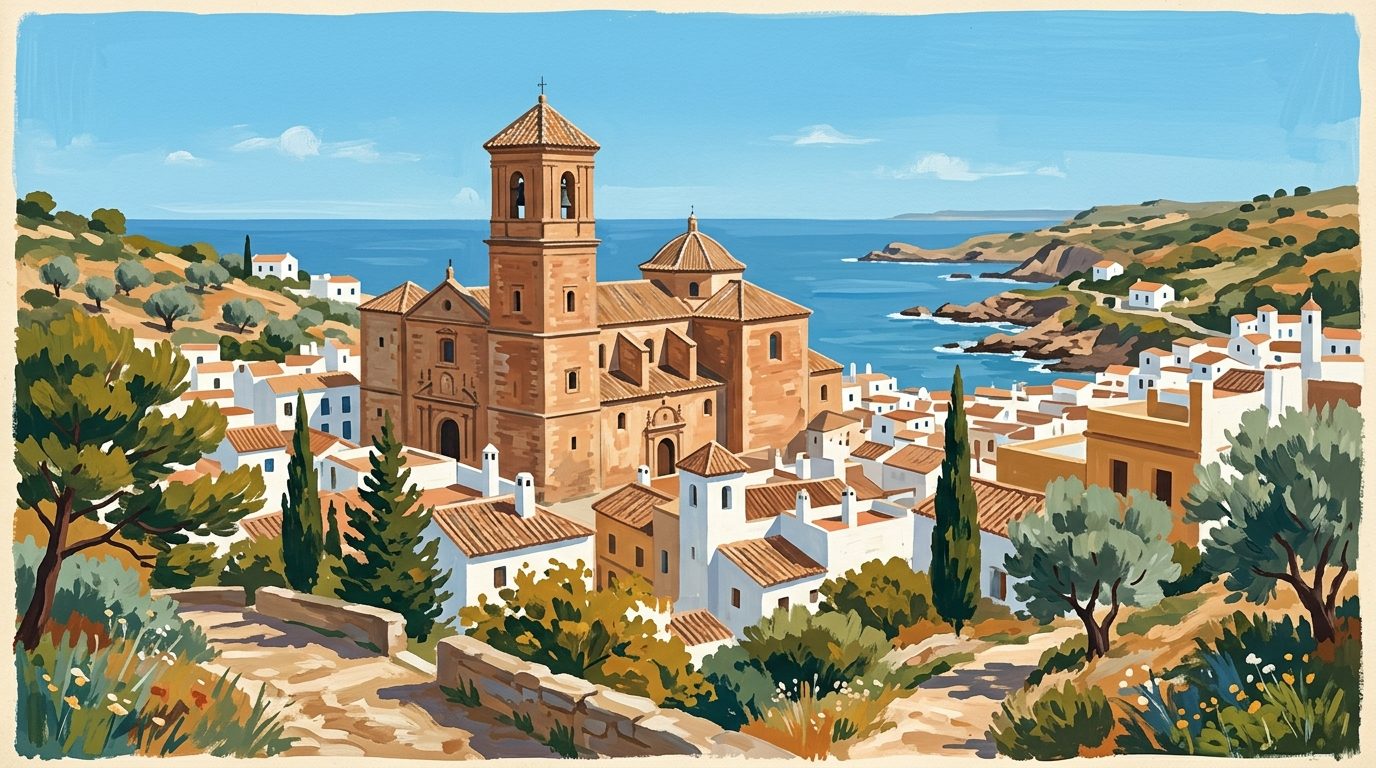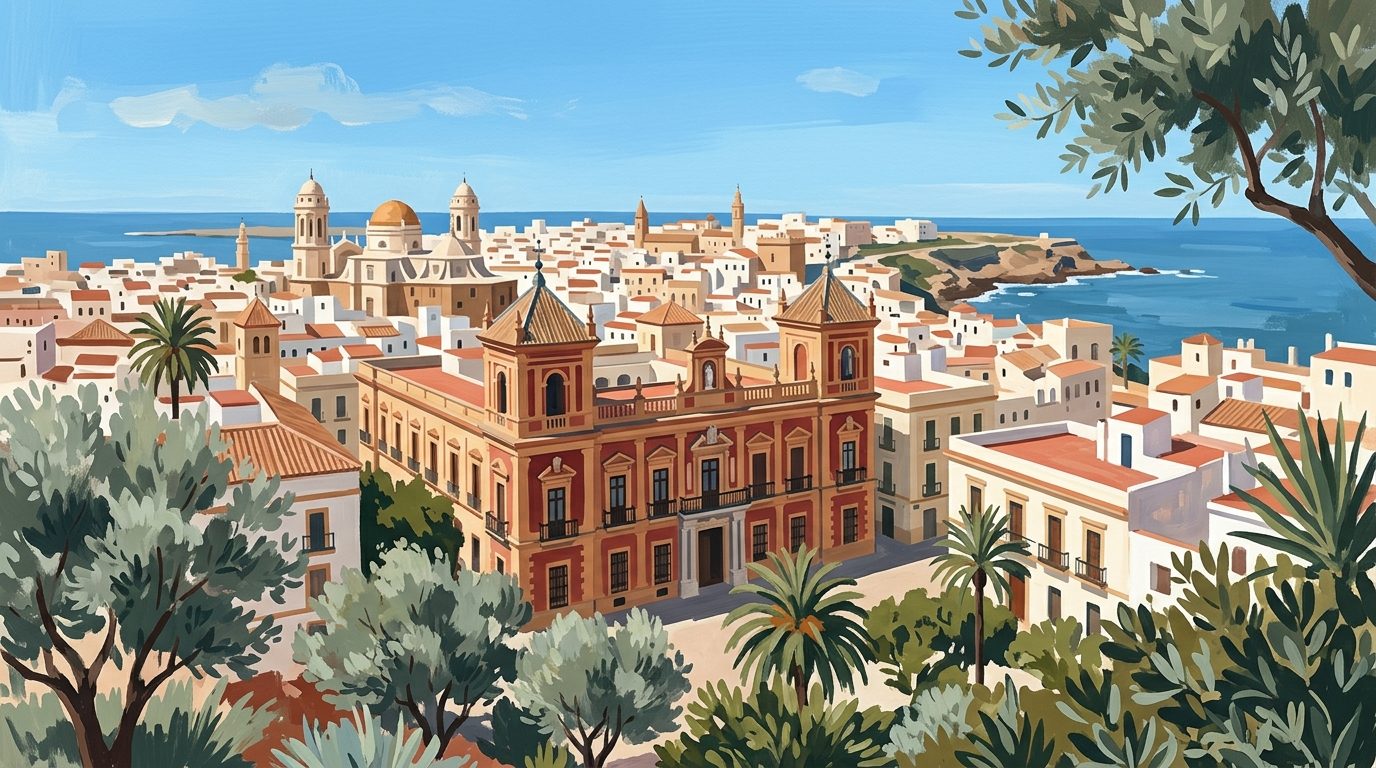
Beyond the concrete high-rises of the Mediterranean, this stretch of the Atlantic offers wild dunes, ancient Roman ruins, and some of the finest seafood in Europe. It is a coast defined by the Levante wind and the deep-rooted traditions of the Almadraba tuna harvest.
While the rest of southern Spain often feels shaped by tourism, the Costa de la Luz in Cádiz remains stubbornly itself. This is the 'Coast of Light', where the sun seems to linger longer on the horizon and the horizon itself is often Africa. Stretching from the mouth of the Guadalquivir river down to the wind-battered tip of Tarifa, this region is a landscape of expansive, unmanicured beaches, salt marshes, and towns that smell of fermenting sherry and sea salt.
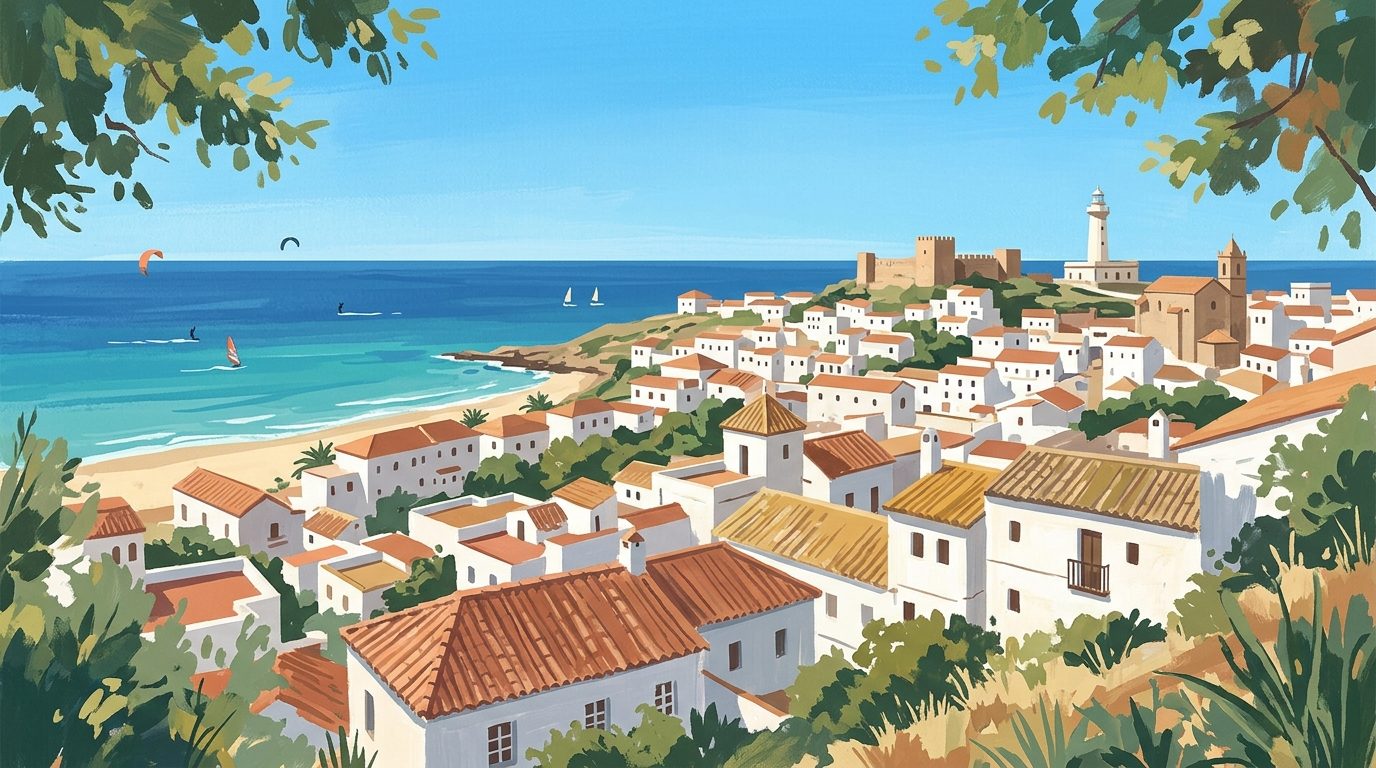
The character of this coast is dictated by the elements. When the Levante (the fierce easterly wind) blows, the locals retreat to the chiringuitos (beach bars) or the narrow inland alleys; when the Poniente (the cooler westerly) takes over, the Atlantic becomes a playground for kitesurfers. Here, the pace of life is dictated by the tides and the seasonal return of the bluefin tuna. Visitors don't come here for manicured resorts; they come for the atún de almadraba (wild-caught bluefin tuna), the dry Manzanilla wine, and the sense of space that is increasingly rare in coastal Europe.
Places to Explore
Jerez de la Frontera
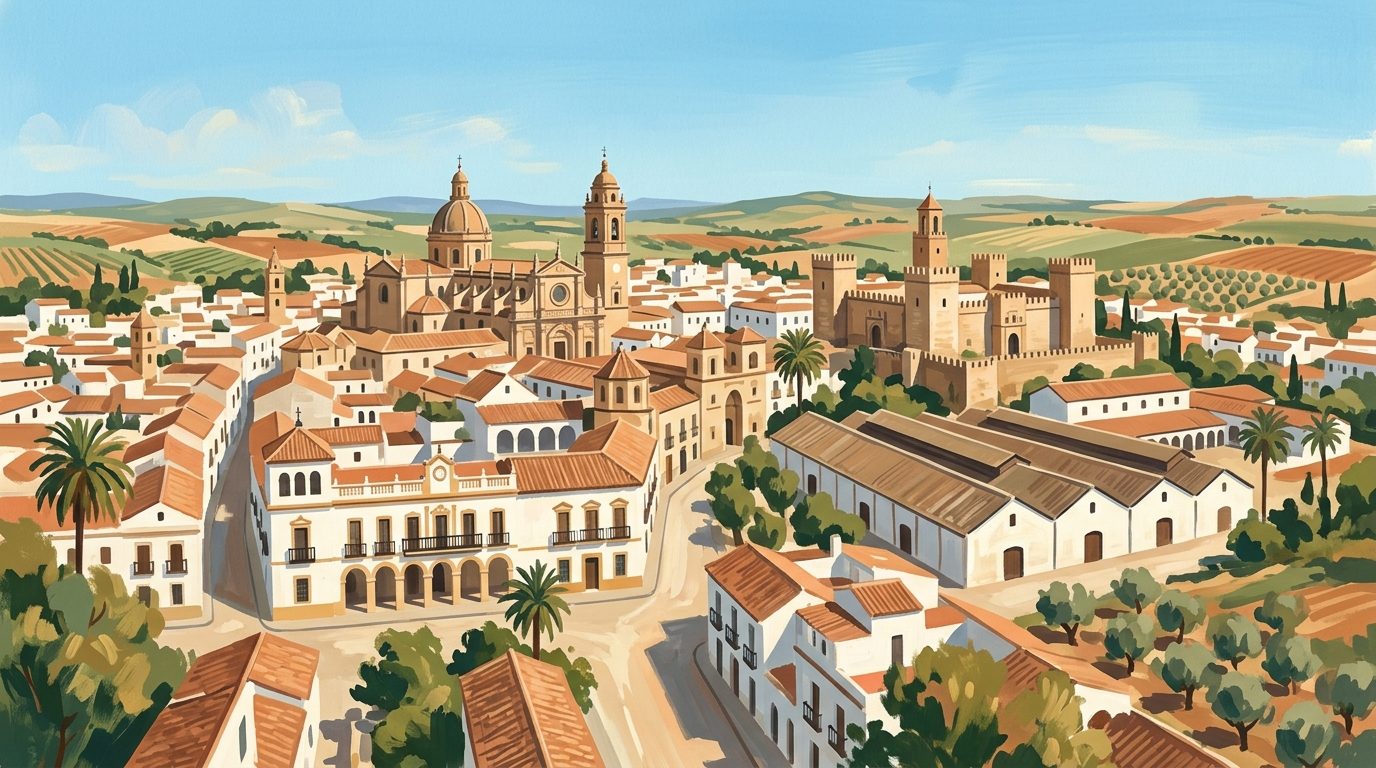
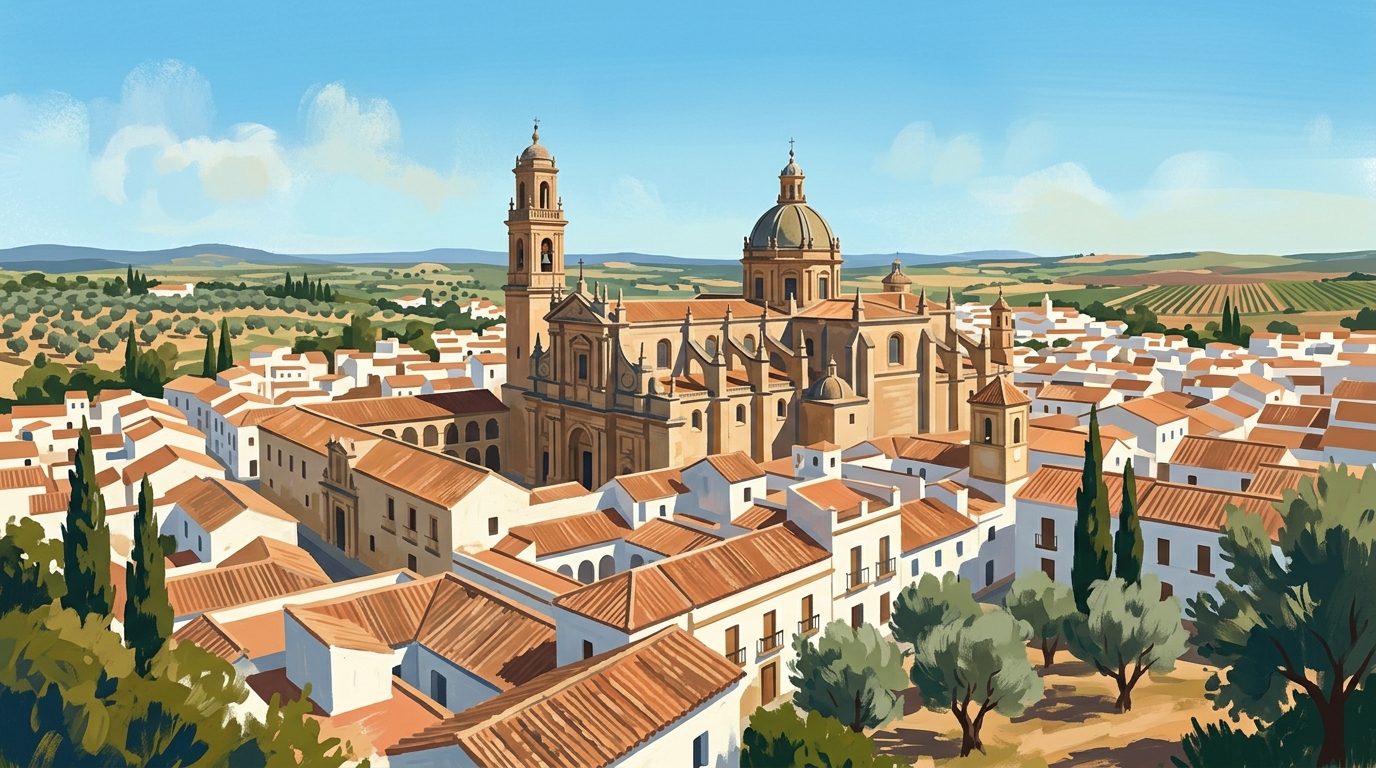
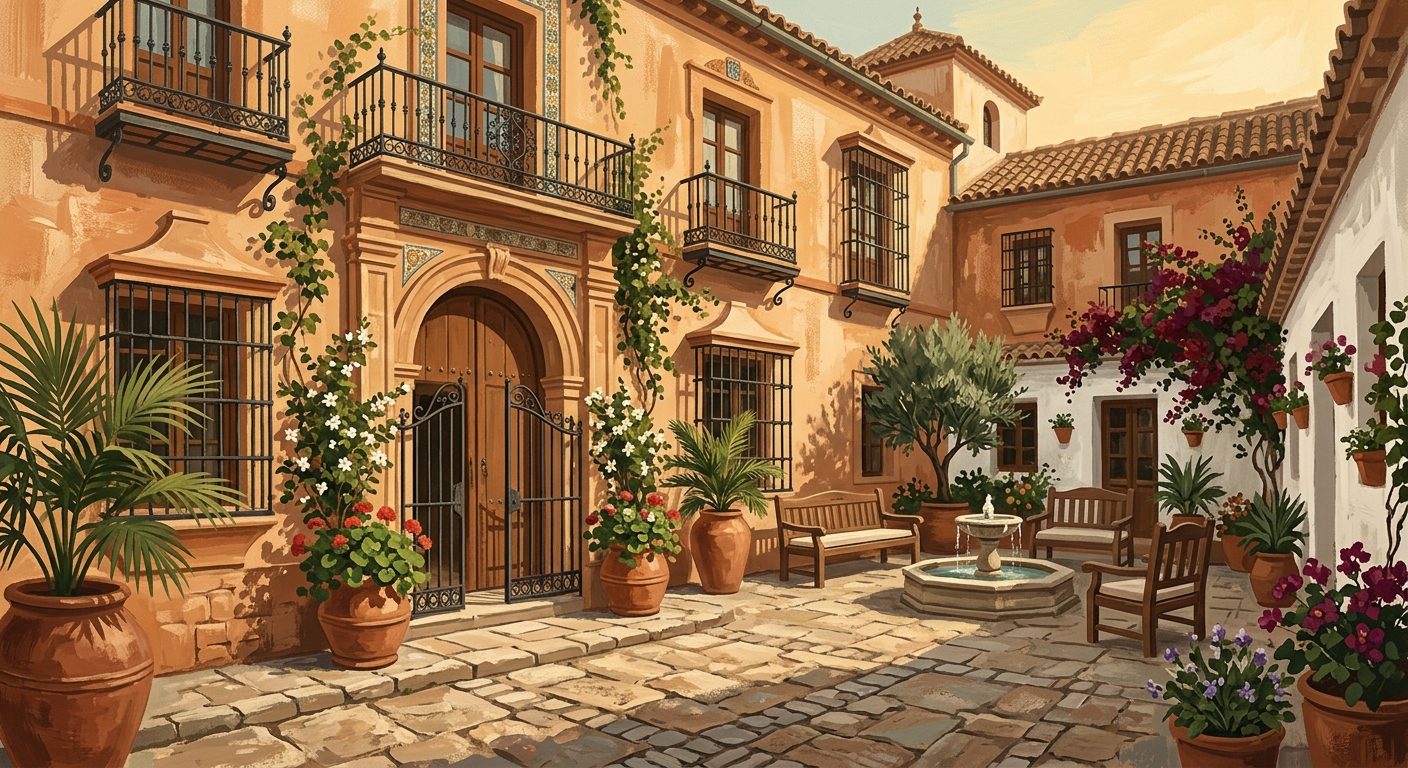
Though not strictly on the coast, Jerez is the cultural anchor of the province. It is a city of grand 19th-century mansions and crumbling barrios (neighbourhoods) where flamenco isn't a show for tourists, but a way of life. The air in the centre often carries the yeasty, nutty scent of sherry. To understand the city, bypass the largest commercial sherry houses and head to Bodegas Tradición. Here, you can sample aged VORS (Vinum Optimum Rare Signatum / Very Old Rare Sherry) while surrounded by an incredible private collection of Spanish masters, including works by Goya and Velázquez.
For a taste of local life, visit the tabancos, traditional sherry bars that once sold wine directly from the barrel. Tabanco El Pasaje is an institution; it’s loud, crowded, and frequently hosts impromptu flamenco performances. Order a glass of dry Oloroso and a few slices of jamón ibérico. In the mornings, the Mercado de Abastos (central market) is the place to see the incredible variety of Atlantic fish before they hit the restaurant tables. The city's equestrian tradition is equally deep-rooted; the Real Escuela Andaluza del Arte Ecuestre offers a chance to see the 'dancing' Andalusian horses, a breed maintained by local monks for centuries.
Read the full Jerez de la Frontera guide →
Sanlúcar de Barrameda
Sanlúcar sits at the point where the Guadalquivir river meets the Atlantic, directly across from the Doñana National Park. This location creates a unique microclimate essential for producing Manzanilla, a pale, salty sherry that tastes of the sea. The town is divided between the Barrio Alto (high quarter), with its ducal palaces and quiet convents, and the Bajo de Guía, a waterfront strip famous for its seafood restaurants.
Dining at Casa Bigote is a rite of passage here. Sit at the bar for a more informal experience and order the langostinos de Sanlúcar (local king prawns), which are widely considered the best in Spain. Afterward, take a small ferry across the river to the beaches of Doñana, or wander through the sandy streets to Bodegas Barbadillo. In August, the town hosts the Carreras de Caballos, horse races held directly on the wet sand at low tide. It is one of the oldest horse racing events in Europe and captures the town’s spirited, slightly chaotic charm perfectly.
Read the full Sanlúcar de Barrameda guide →
El Puerto de Santa María
Known as the 'City of a Hundred Palaces', El Puerto was once the home of wealthy merchants trading with the New World. Today, it is a key vertex of the Sherry Triangle and a favourite summer retreat for Madrileños. The town is less about major sights and more about the ritual of the tapeo (tapas crawl). Start at the Romerijo, a local landmark where you buy fresh seafood by the gram, either boiled or fried, and eat it at communal tables with a cold beer.
For something more refined, the town is home to Angel León’s Aponiente, a three-Michelin-starred restaurant located in a converted 19th-century tide mill. Even if you aren't dining there, the mill itself is a feat of engineering worth seeing. The beaches here, such as Playa de la Muralla, are sheltered by ancient sandstone cliffs, making them a gentler alternative to the wilder Atlantic stretches further south. The Vaporcito, the traditional ferry that once linked El Puerto to Cádiz city, has been replaced by modern catamarans, but the twenty-minute crossing still offers the best views of the Bay of Cádiz.
Read the full El Puerto de Santa María guide →
Conil de la Frontera
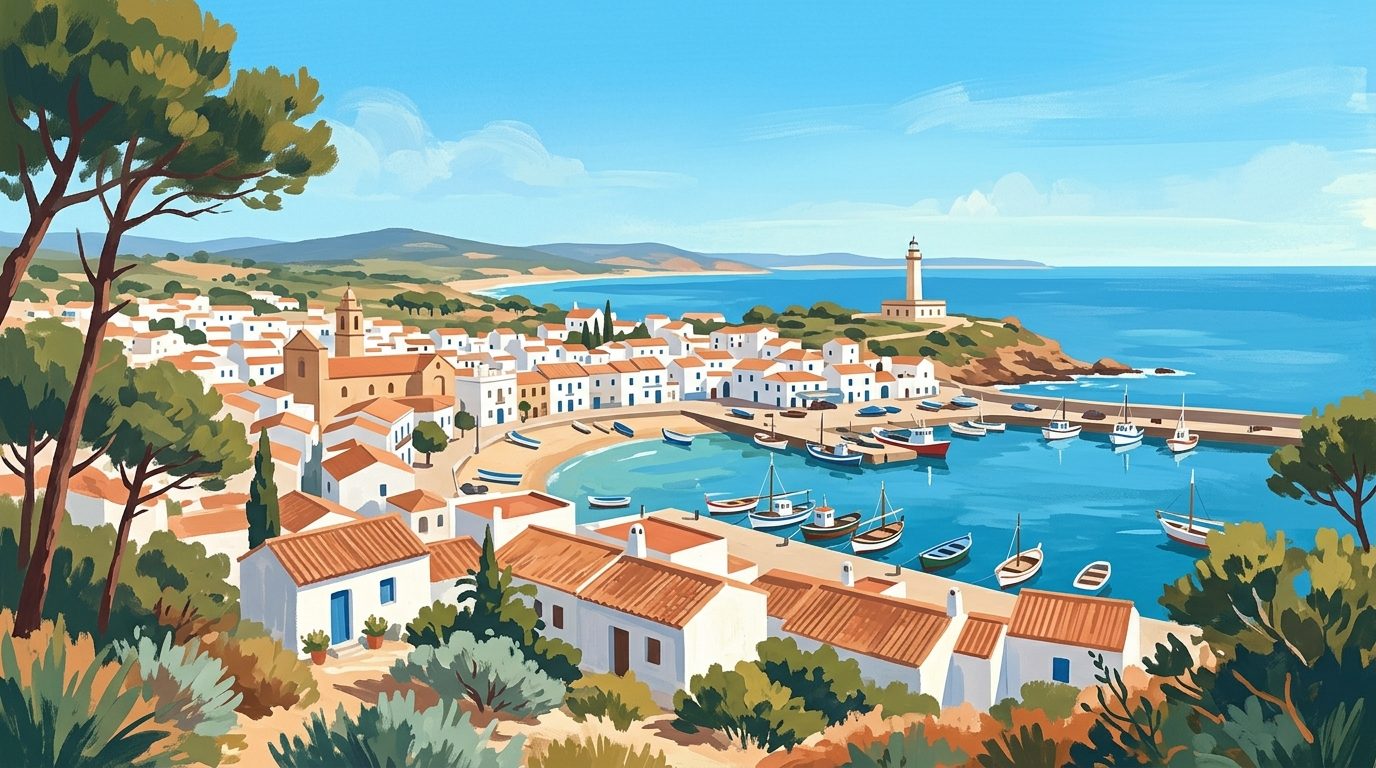
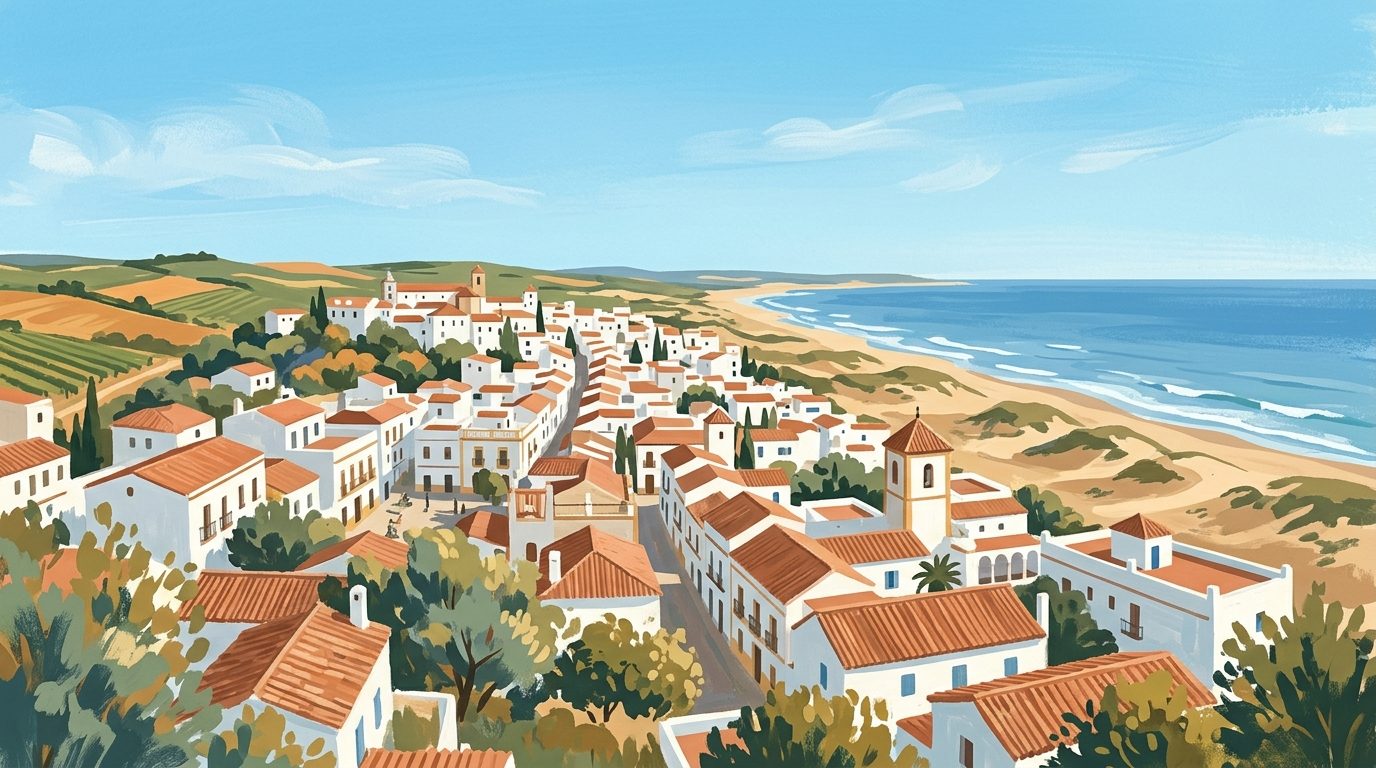
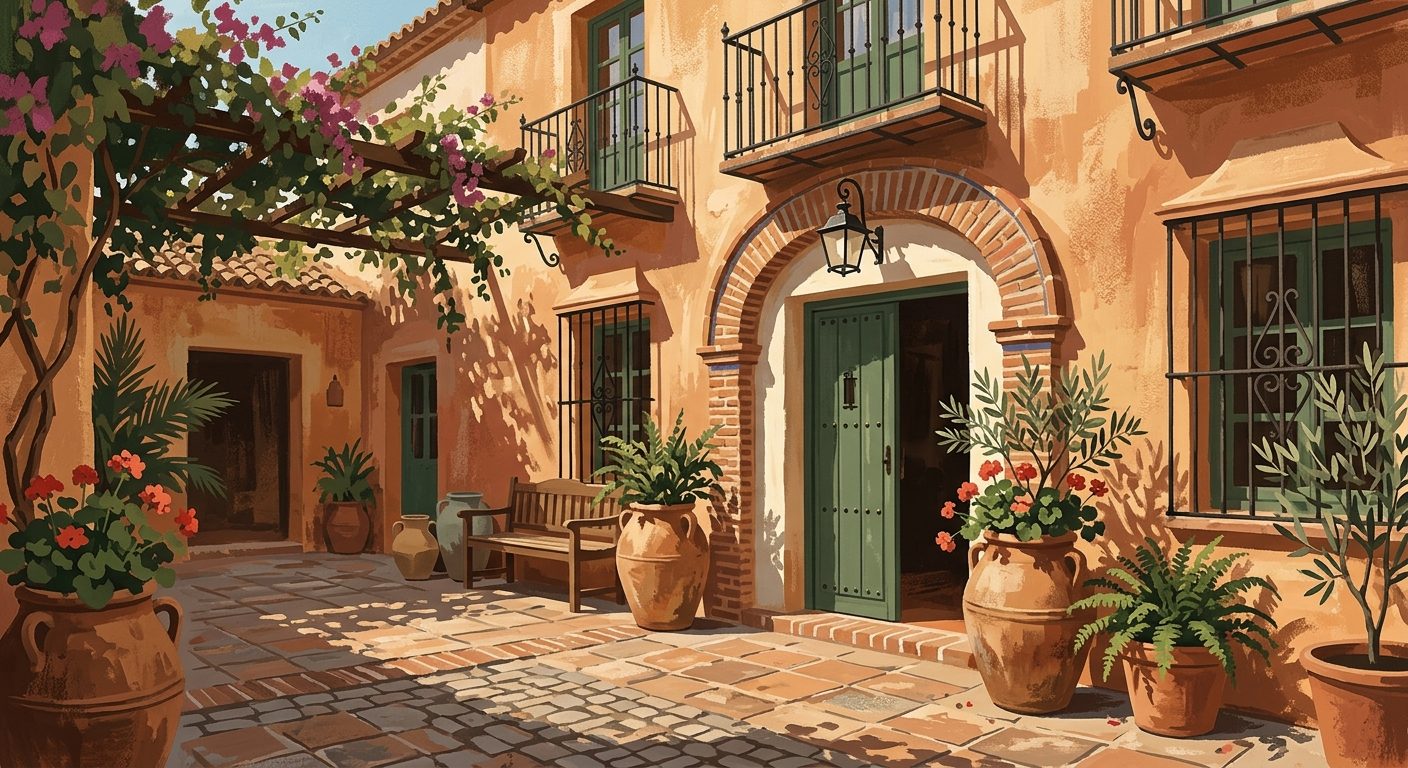
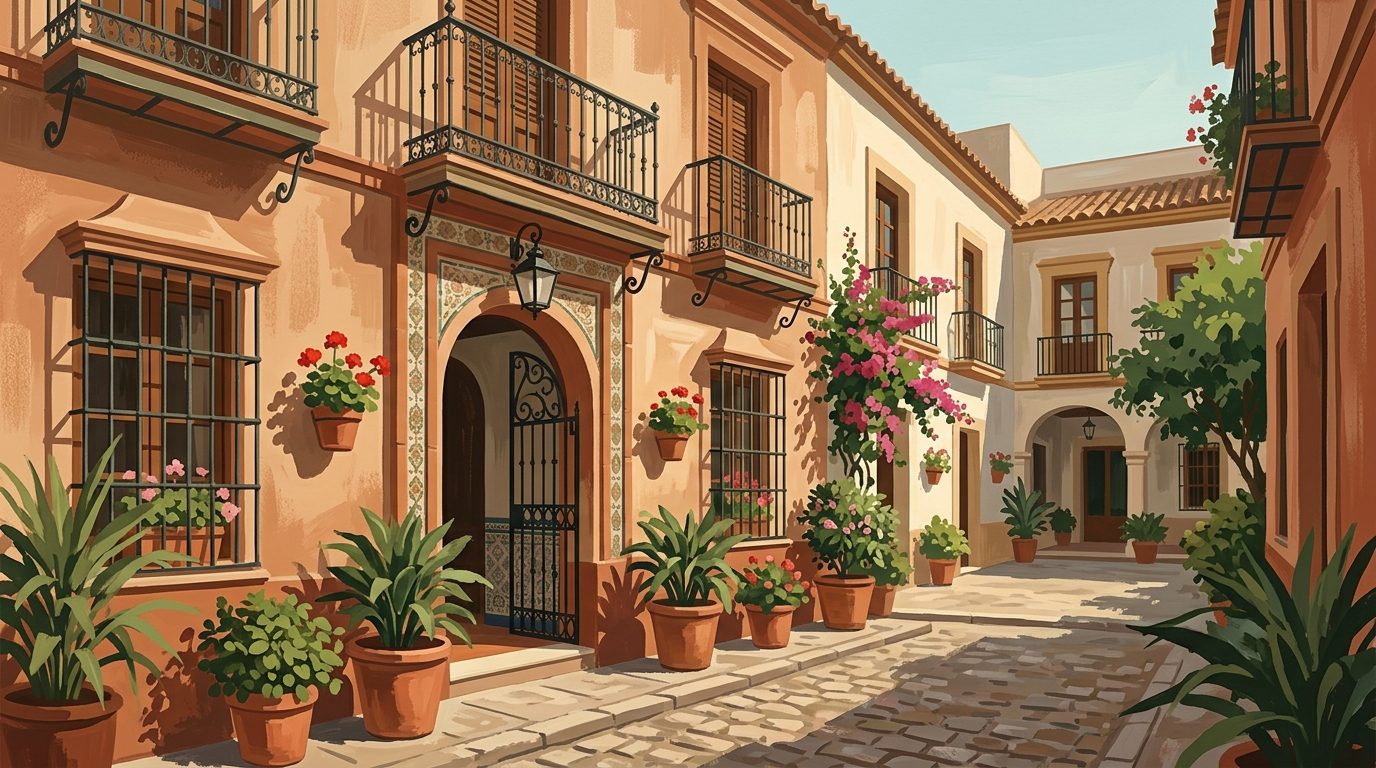
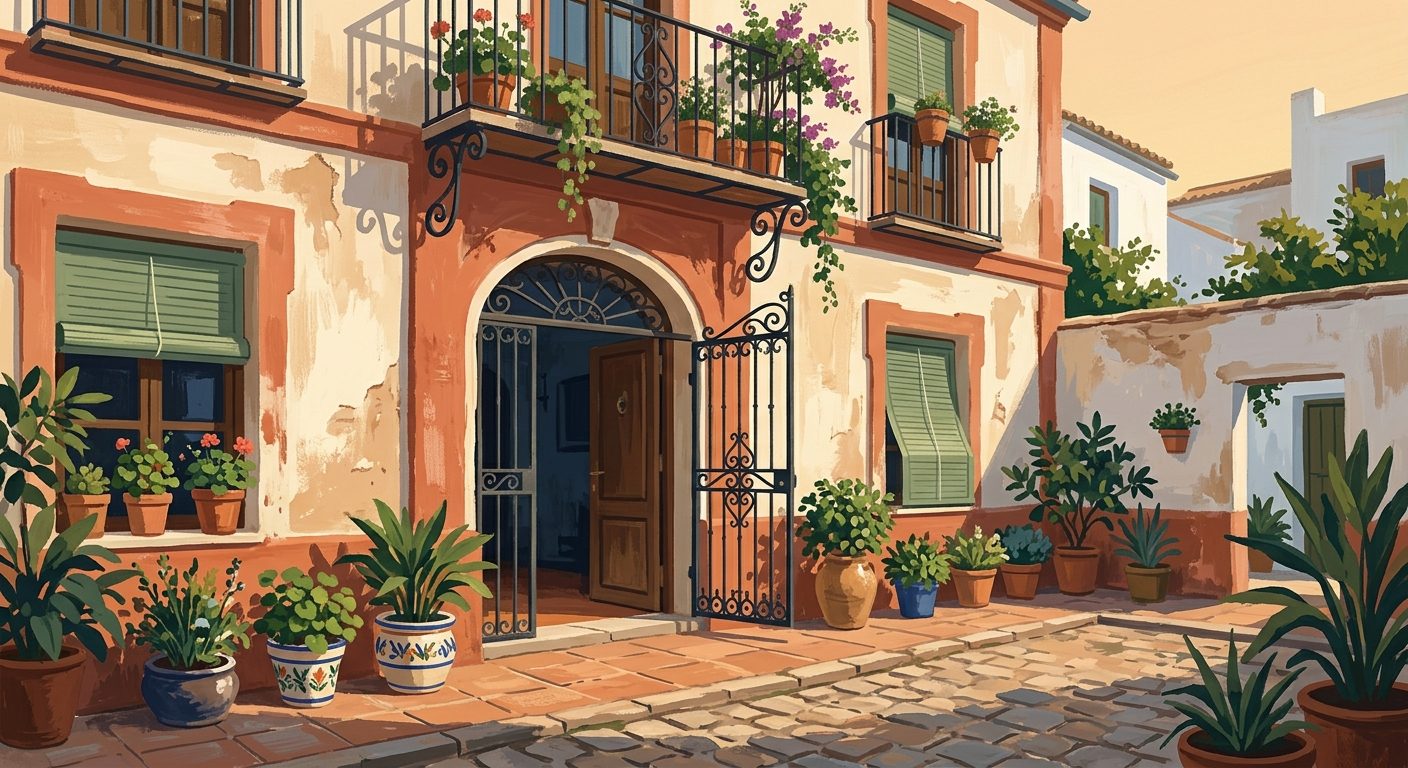
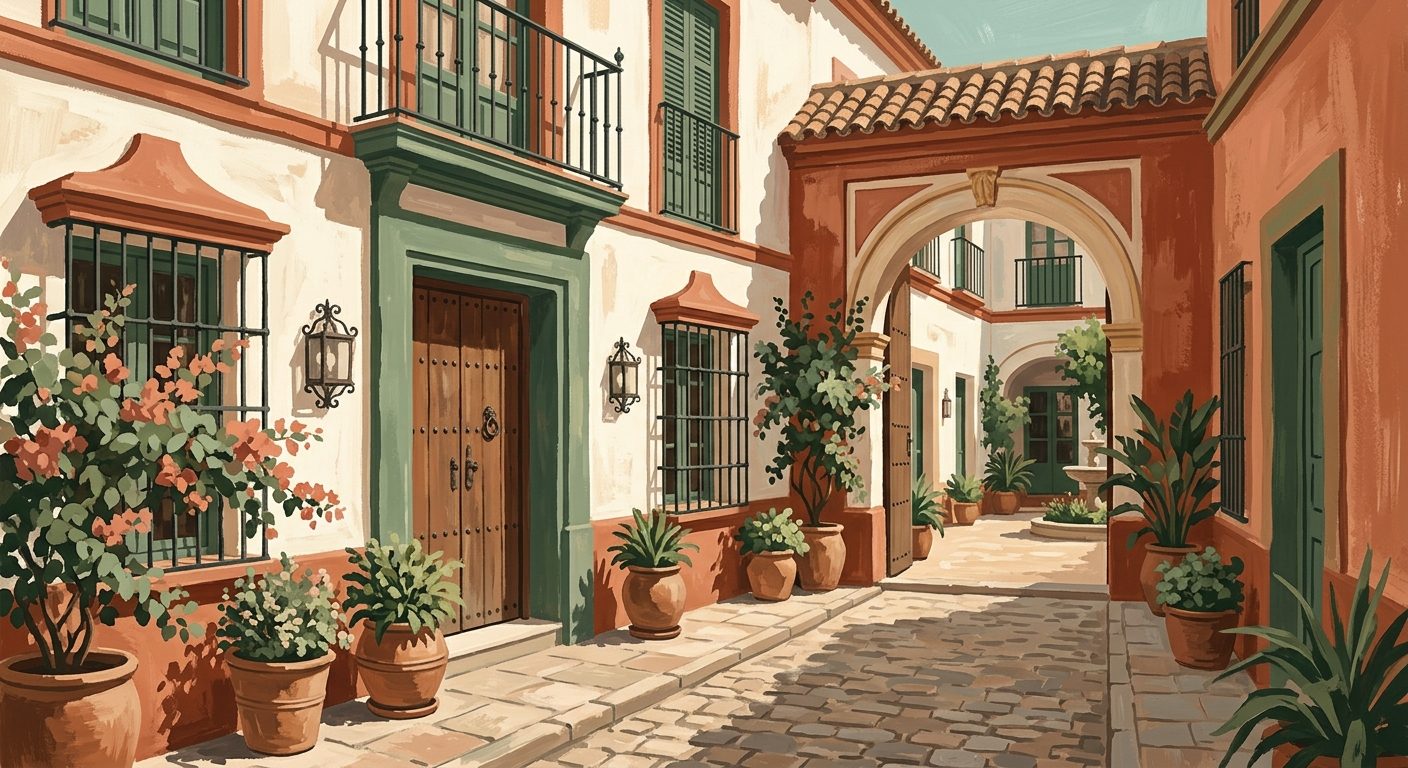
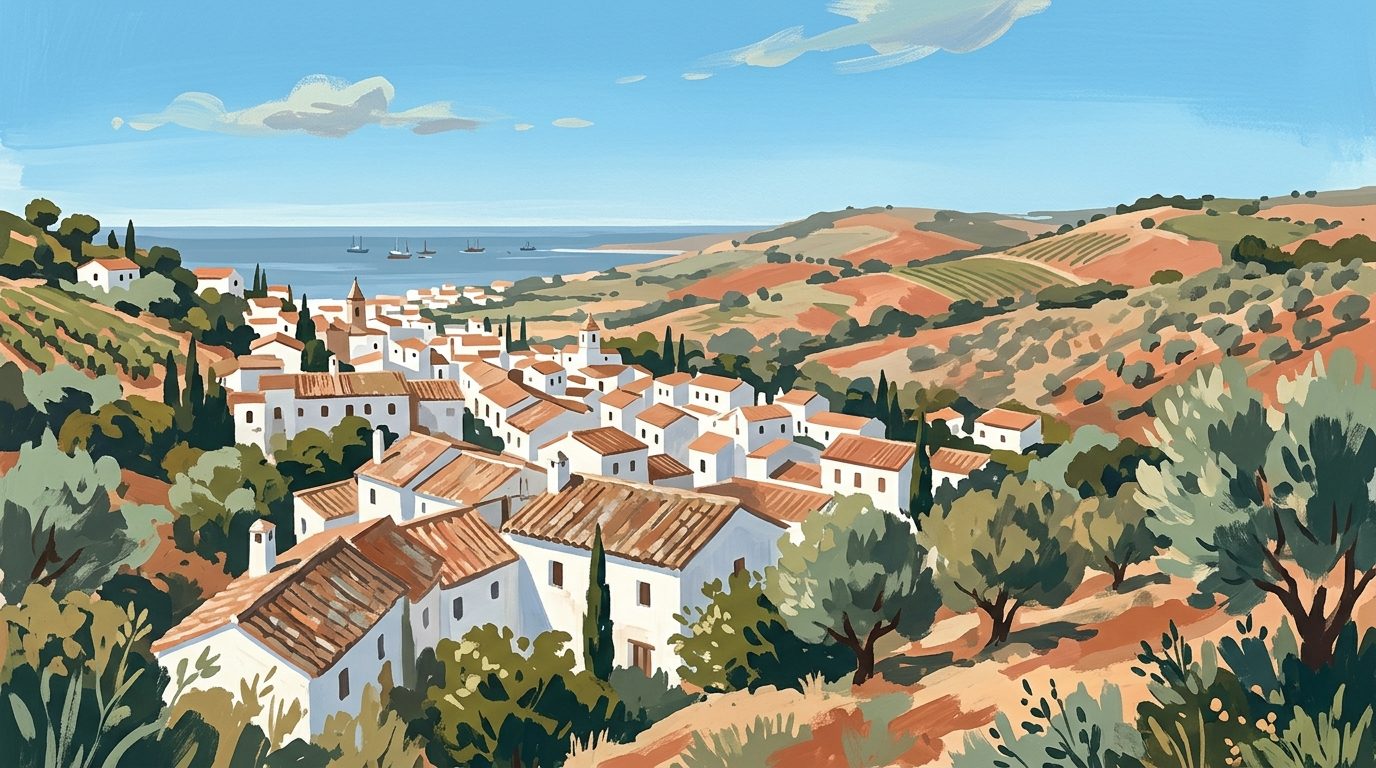
Conil is a classic pueblo blanco (white village) that happens to sit right on the beach. While it has grown significantly, the old centre remains a maze of whitewashed patios and narrow streets. By day, the focus is Playa de los Bateles, a vast beach that seems to stretch into infinity. By night, the town becomes the social hub of the coast, with a lively bar scene that spills out onto the plazas.
If the wind is up, locals head to the Calas de Roche, a series of small, protected coves to the north of the town that offer shelter from the Levante. Food here revolves around the retinto beef (from the local reddish-brown cattle often seen grazing near the dunes) and, of course, tuna. For a modern take on local ingredients, try Cooking Almadraba, where they specialise in different cuts of bluefin, from the fatty ventresca (belly) to the lean descargamento. The town’s market is also excellent for picking up mojama (salt-cured tuna), often described as the ham of the sea.
Read the full Conil de la Frontera guide →
Zahara de los Atunes
Once a tiny fishing outpost, Zahara has become one of Spain’s most stylish summer destinations without losing its rugged edge. It takes its name from the tuna that have been caught here using the almadraba method (a complex system of nets dating back to Roman times) for over two millennia. The village itself is small, but its beach, Playa de Atlanterra, is spectacular, backed by mountains rather than apartment blocks.
The culinary scene here is exceptional. Restaurante Antonio is a local legend; their tartar de atún (tuna tartare) is legendary. For a more relaxed sunset vibe, the chiringuitos along the coast here are some of the best in Andalucía. Look for La Luna, where you can watch the sun dip below the Atlantic with your feet in the sand. Despite its popularity, Zahara retains a seasonal feel; in the winter, it returns to being a quiet village where the only sound is the crashing of the waves.
Read the full Zahara de los Atunes guide →
Tarifa
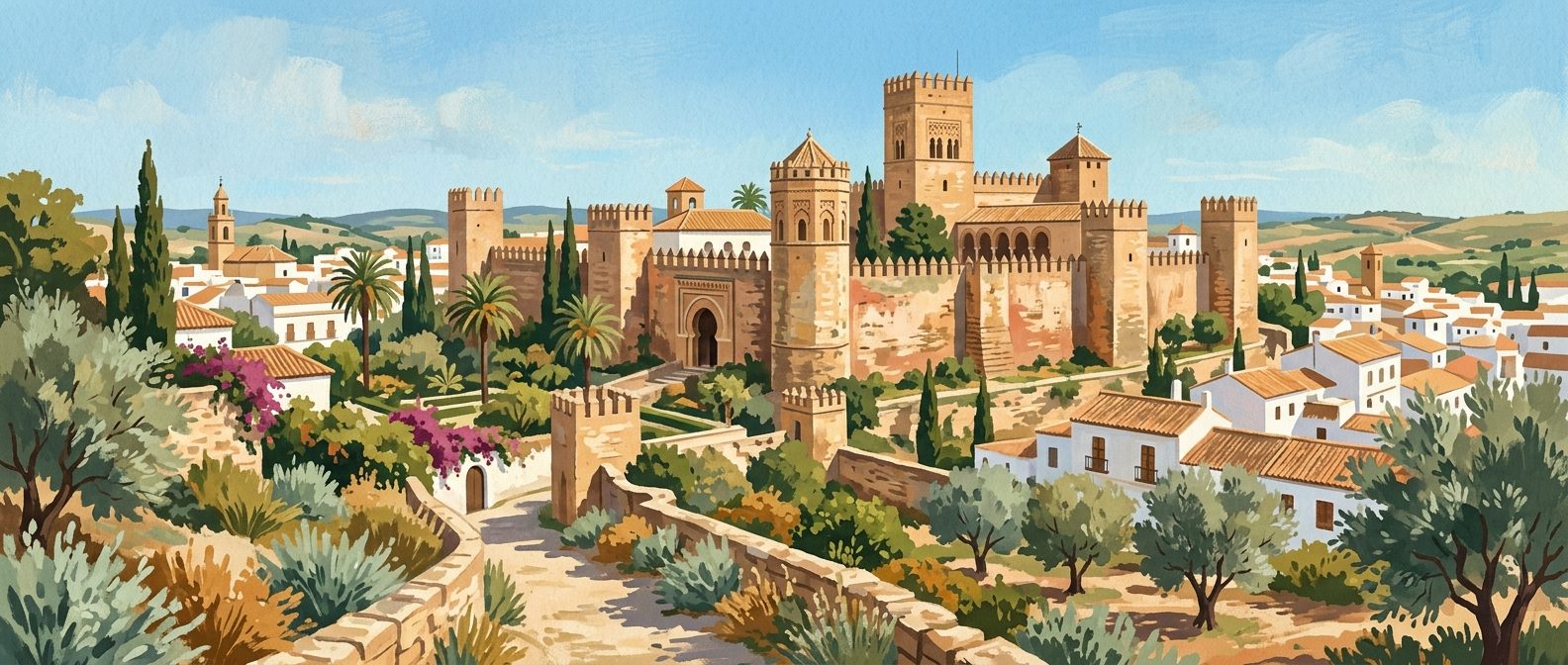
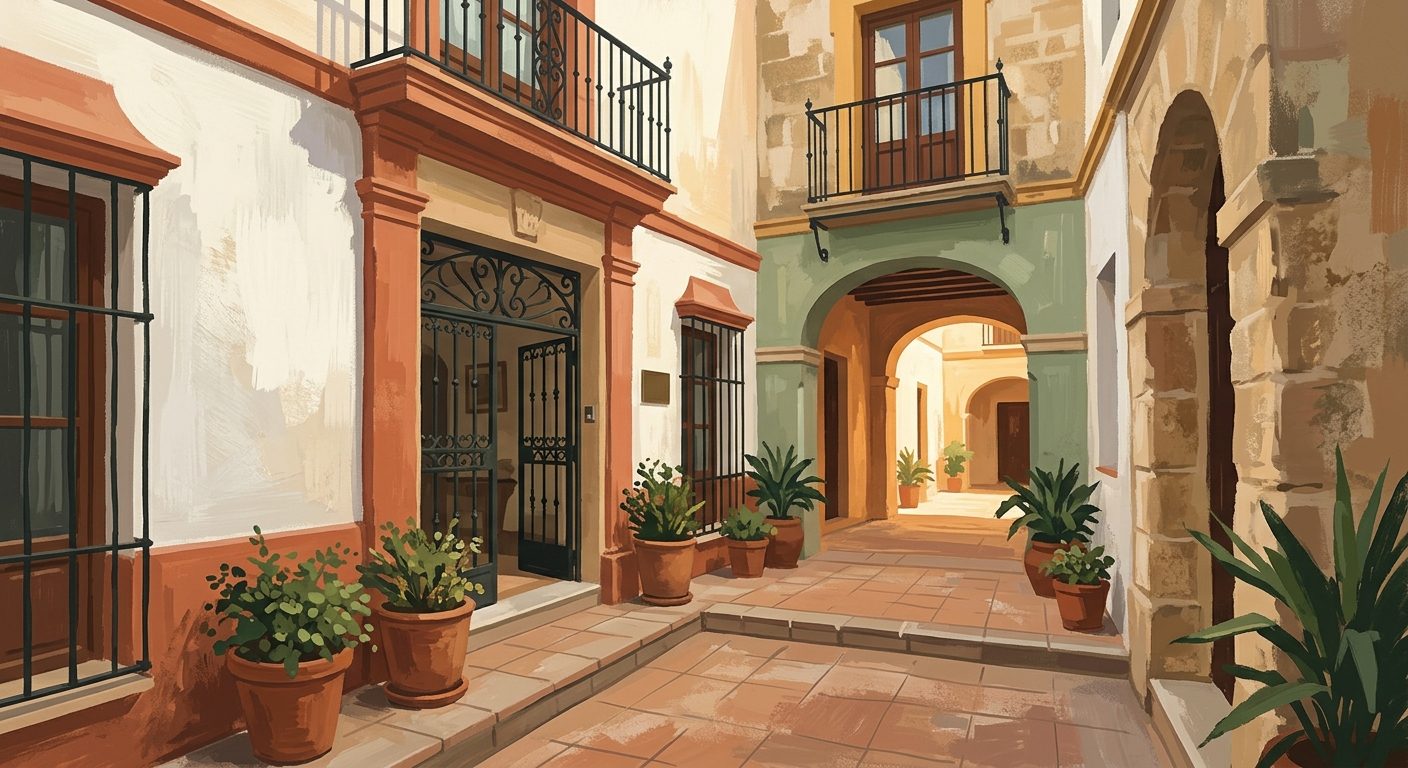
Tarifa is where the Mediterranean and the Atlantic collide. Separated from Africa by just 14 kilometres, it has a palpable frontier energy. The old town is a Moorish labyrinth enclosed by medieval walls, but the vibe is distinctly international, shaped by the windsurfing and kitesurfing communities. Walk through the Puerta de Jerez and get lost in the winding alleys until you find the Castillo de Guzmán el Bueno, which has stood watch over the Strait of Gibraltar since the 10th century.
The wind is the defining feature of Tarifa. On Playa de los Lances, hundreds of kites fill the sky, while the town’s many boutiques sell surf gear alongside Moroccan homewares. For breakfast, head to Café Azul for their famous fruit bowls, or wait until evening and grab a table at El Francés for their montaditos de pringá (slow-cooked meat sliders). If the Levante wind gets too much, retreat to the gardens of the Hurricane Hotel, a classic Tarifa hangout that feels like a tropical oasis.
Bolonia
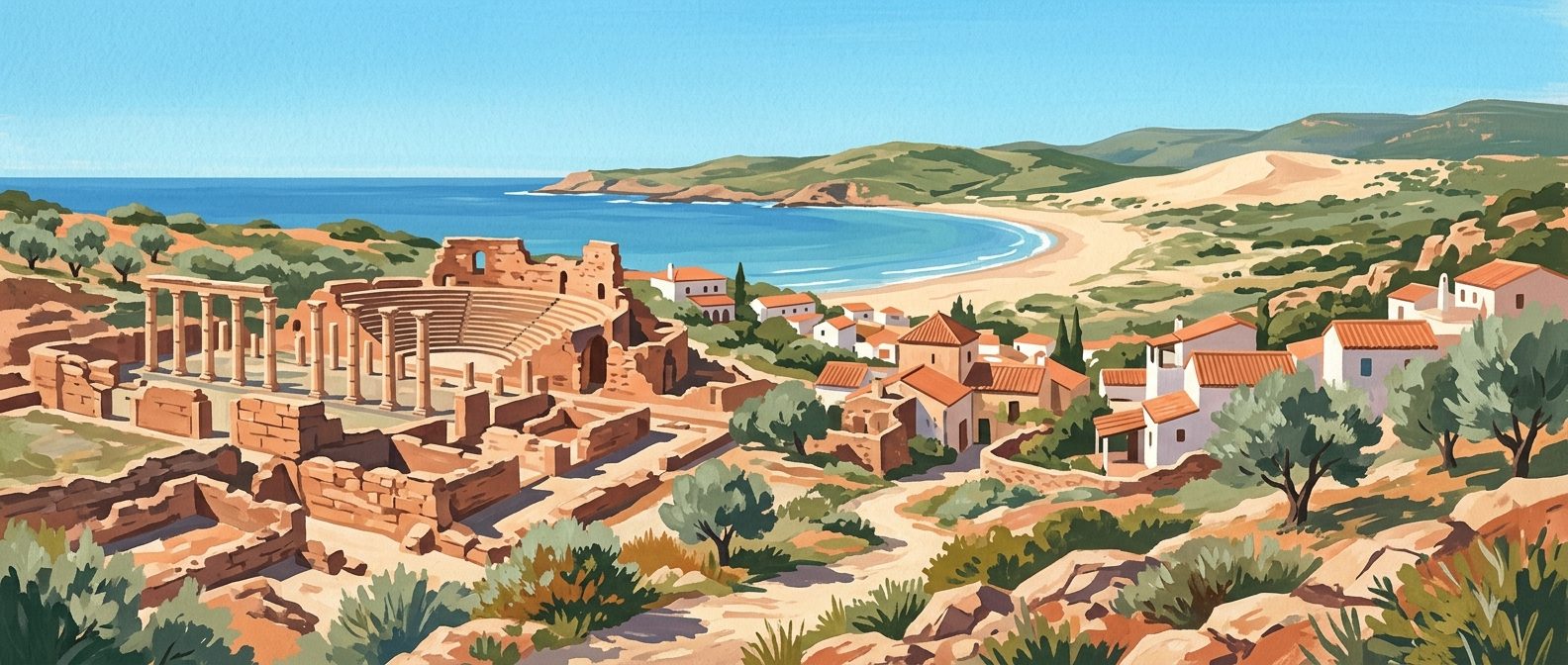
Bolonia is less a town and more a protected enclave. It is home to the Duna de Bolonia, a massive, shifting sand dune that has been declared a natural monument. Climbing to the top offers a panoramic view across the turquoise waters to the Moroccan coastline. However, the real draw here is Baelo Claudia, the remarkably well-preserved ruins of a Roman city. Walking through the remains of the forum, the theatre, and the ancient fish-salting factory where garum (a fermented fish sauce) was produced is a surreal experience against the backdrop of the sea.
The beach itself is wild and undeveloped, with no hotels in sight. There are a few simple wooden chiringuitos, like Las Rejas, where you can eat grilled borriquete (snapper) while watching the cows that occasionally wander down to the water’s edge. It is one of the few places in southern Spain where you can still feel the ancient history of the coastline.
Barbate / Los Caños de Meca
Barbate was once the industrial heart of the tuna trade. While the town itself is functional rather than pretty, it is home to El Campero, arguably the most famous tuna restaurant in the world. They serve every conceivable part of the fish in ways you’ve never imagined. Just down the road lies Los Caños de Meca, a former hippie colony that still maintains a bohemian, laid-back atmosphere. It’s a place of pine forests, steep cliffs, and freshwater springs that trickle down to the beach.
Between the two sits the Faro de Trafalgar (Trafalgar Lighthouse). The cape was the site of the famous naval battle in 1805, and the walk out to the lighthouse at sunset is one of the most atmospheric experiences on the coast. The currents here are notoriously dangerous, adding to the sense of wild, untamed nature. Nearby, the Breña y Marismas del Barbate Natural Park offers hiking trails through umbrella pines with dramatic views over the Atlantic.
Read the full Barbate / Los Caños de Meca guide →
Chiclana de la Frontera
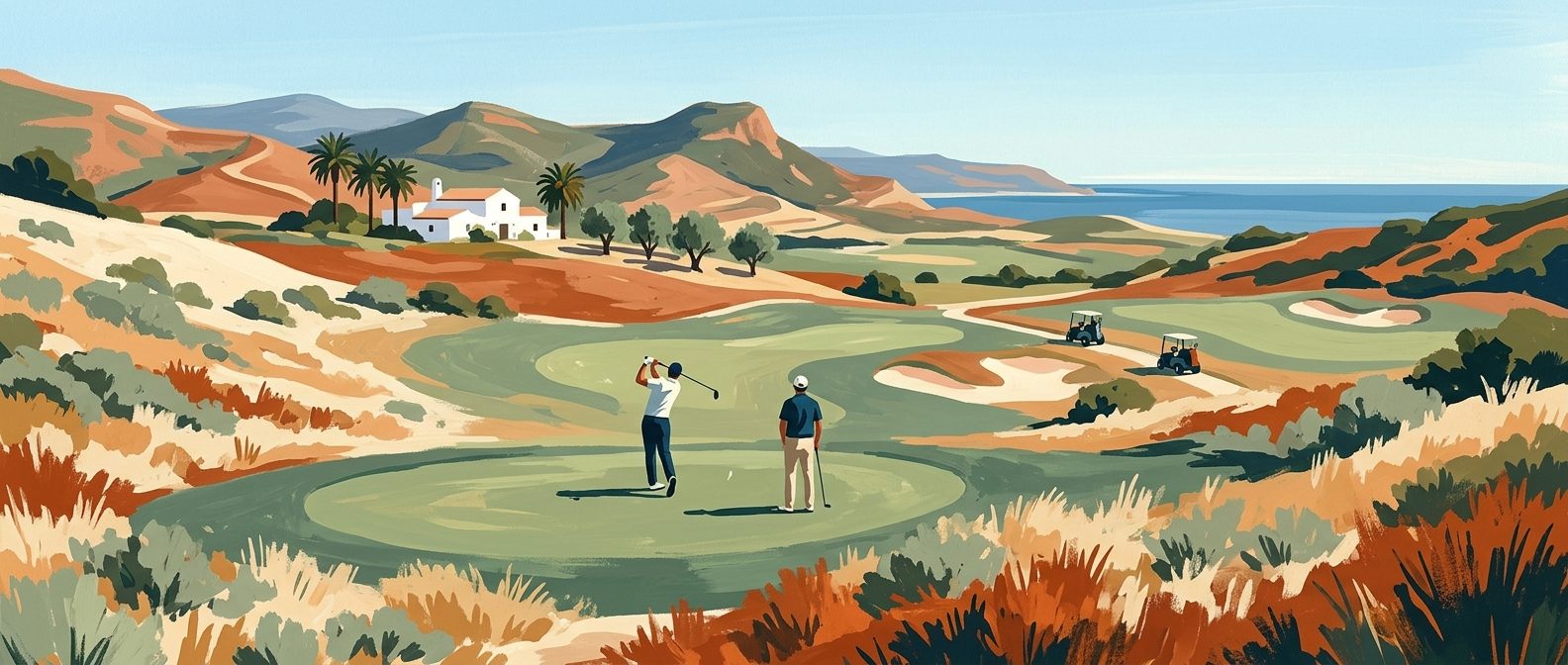
Chiclana is a town of two halves: the traditional inland centre, known for its small sherry bodegas and chicharrones (fried pork rinds), and the coastal resort of Novo Sancti Petri. This latter area is where you’ll find the province’s most luxurious hotels and world-class golf courses, all set back from the magnificent Playa de la Barrosa. Unlike the more frantic resorts on the Costa del Sol, Chiclana feels spacious and carefully planned.
For a bit of local history, take a boat trip out to the Castillo de Sancti Petri, an island fortress that was once the site of a temple dedicated to Hercules. Back on land, the salt marshes of the Bahía de Cádiz Natural Park provide excellent birdwatching opportunities. If you want to eat like a local, head to the town market or find a small bodega like Manuel Aragón to try a glass of Fino straight from the cask.
Read the full Chiclana de la Frontera guide →
Eating & Drinking in Costa de la Luz
The culinary identity here is split between the sea and the vineyard. The Almadraba bluefin tuna is the undisputed king of the table. Unlike the frozen variety found elsewhere, fresh tuna here is seasonal (peaking between April and June) and treated with immense respect. You will see cuts like mormo, parpatana, and galete on menus, each with a different fat content and texture. Beyond tuna, look for ortiguillas (deep-fried sea anemones), which have a rich, iodine flavour, and tortillitas de camarones (crispy shrimp fritters), a speciality of Sanlúcar and Cádiz city.
Drink-wise, this is the land of Sherry. Forget the sweet, cream sherries of British cupboards; here, it is all about the bone-dry Fino and Manzanilla. These wines are designed to be drunk chilled with food. In the viejos despachos de vinos (old wine offices), you might also find Amontillado or Palo Cortado, more complex wines that pair perfectly with the local retinto beef. For a non-alcoholic option, the local tap water in the mountains is excellent, but on the coast, you'll likely stick to the crisp local lagers like Cruzcampo.
Where to Stay
Accommodation on the Costa de la Luz ranges from bohemian beach houses to converted palaces. In Jerez, the Palacio Víquez offers a grand, historical stay in the heart of the city. For those seeking seclusion, Casa La Siesta near Vejer de la Frontera is a beautifully restored farmhouse that feels like a private estate. In Tarifa, the Hurricane Hotel remains the classic choice for its subtropical gardens and beach access, while the Hotel Dos Mares offers a more rustic, surf-oriented stay with bungalows right on the sand.
If you prefer the amenities of a large resort, the Sancti Petri area in Chiclana has several high-end options like the Royal Hideaway Sancti Petri, which features extensive spas and gardens. For a more authentic, local experience, look for casas rurales (country houses) in the hinterland around Conil or the whitewashed apartments in the old quarter of Zahara de los Atunes.
Getting There & Around
Jerez Airport (XRY) is the primary gateway, with regular flights from London and other European hubs (check current flight schedules before travelling). Alternatively, Seville Airport (SVQ) is only an hour’s drive away and offers more international connections. While there is a decent train link between Jerez, El Puerto de Santa María, and Cádiz city, a car is essential for exploring the coastal villages and beaches like Bolonia or Los Caños. The A-48 motorway connects the major towns, but the N-340 coast road is far more scenic, winding through wind farms and offering glimpses of the African coast.
Best Time to Visit
The best months are May, June, September, and early October. During this time, the weather is warm enough for the beach but the fierce heat of July and August has either not arrived or is beginning to fade. More importantly, the August crowds (which can see the population of towns like Conil triple) are absent. Late spring is particularly special as it coincides with the tuna season and the various ferias (festivals) across the province. Winter is peaceful and bright, but be aware that the Atlantic wind can feel very sharp.