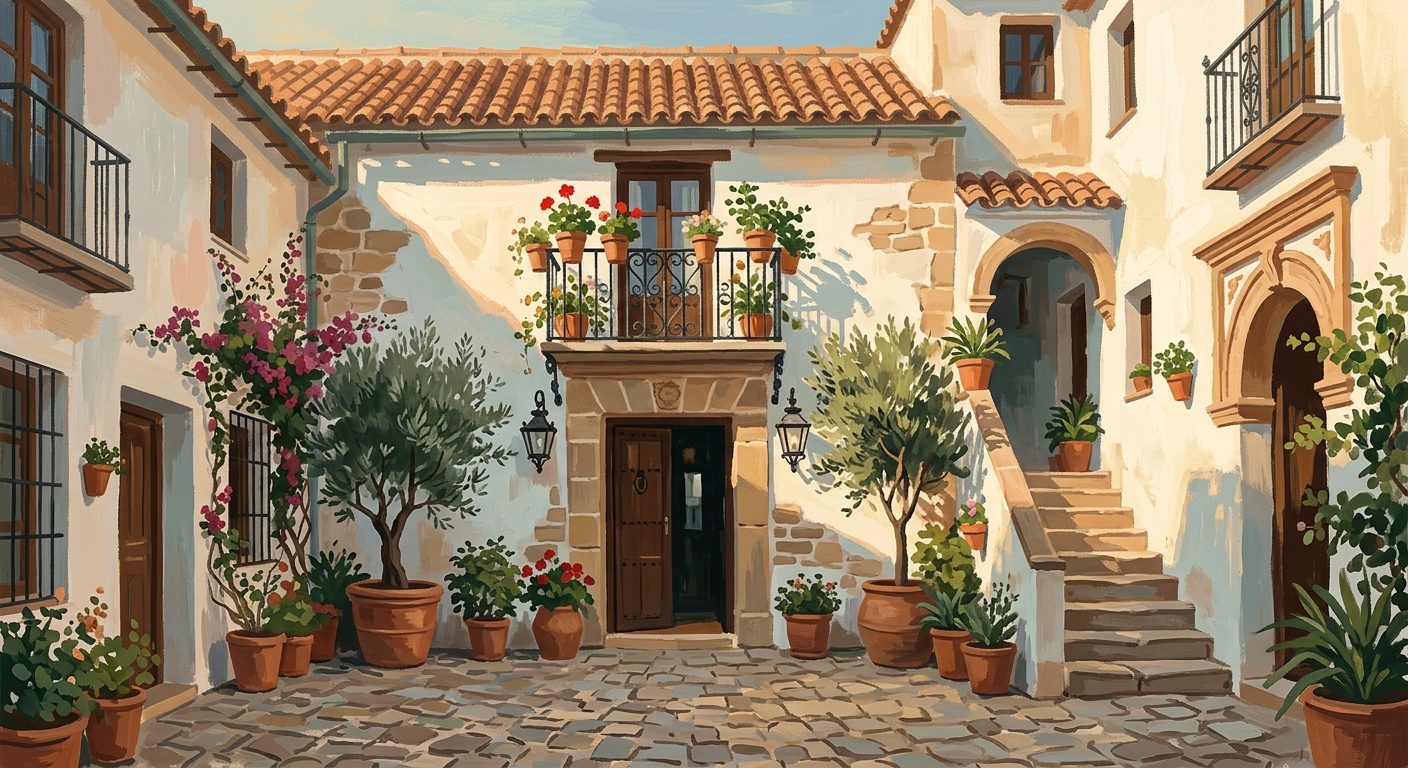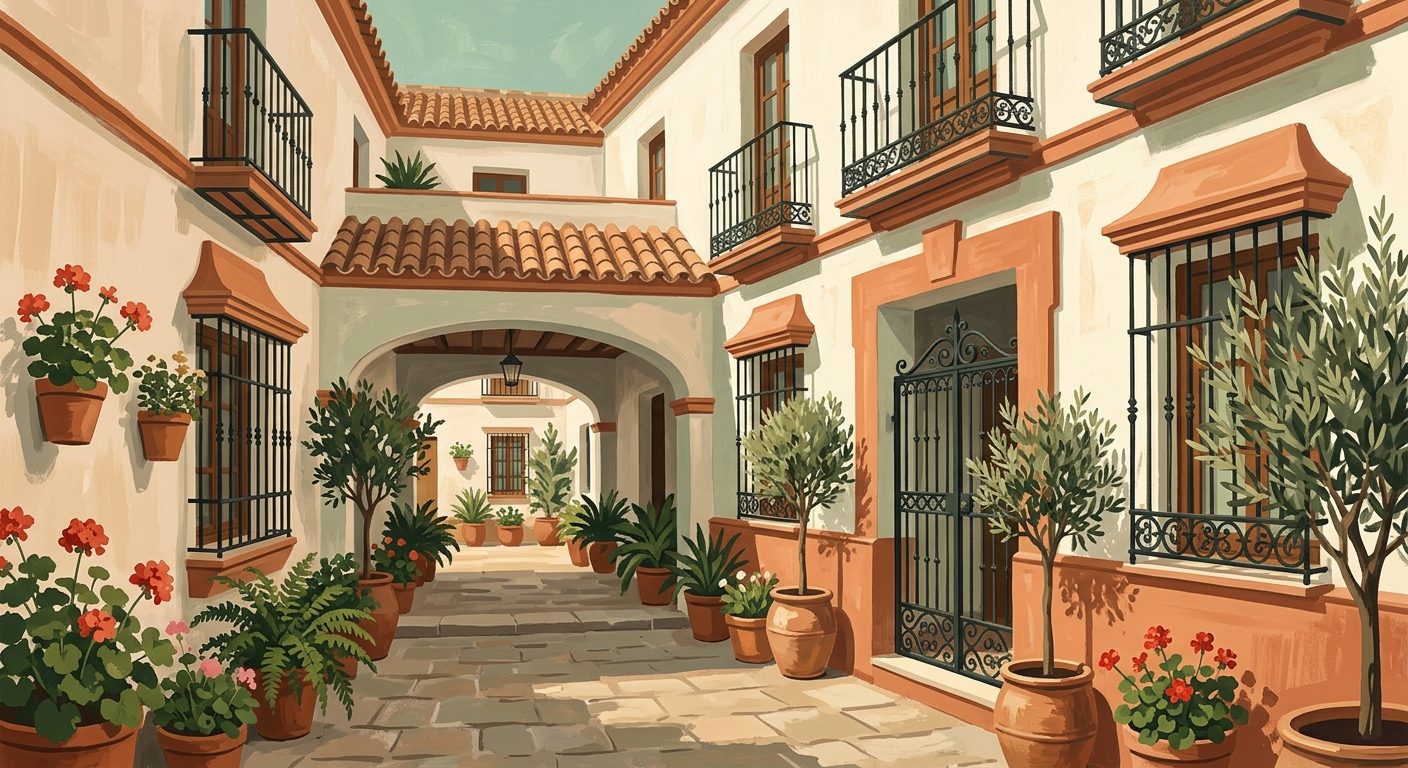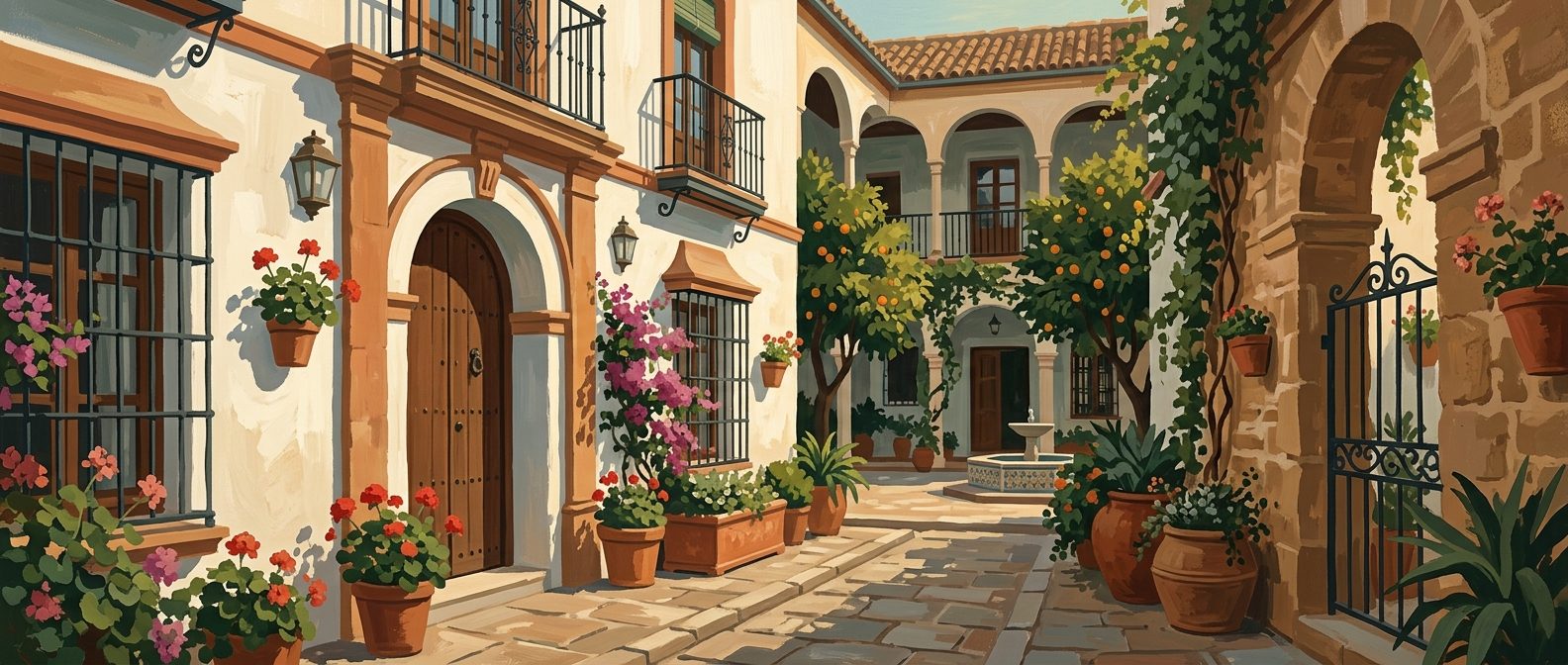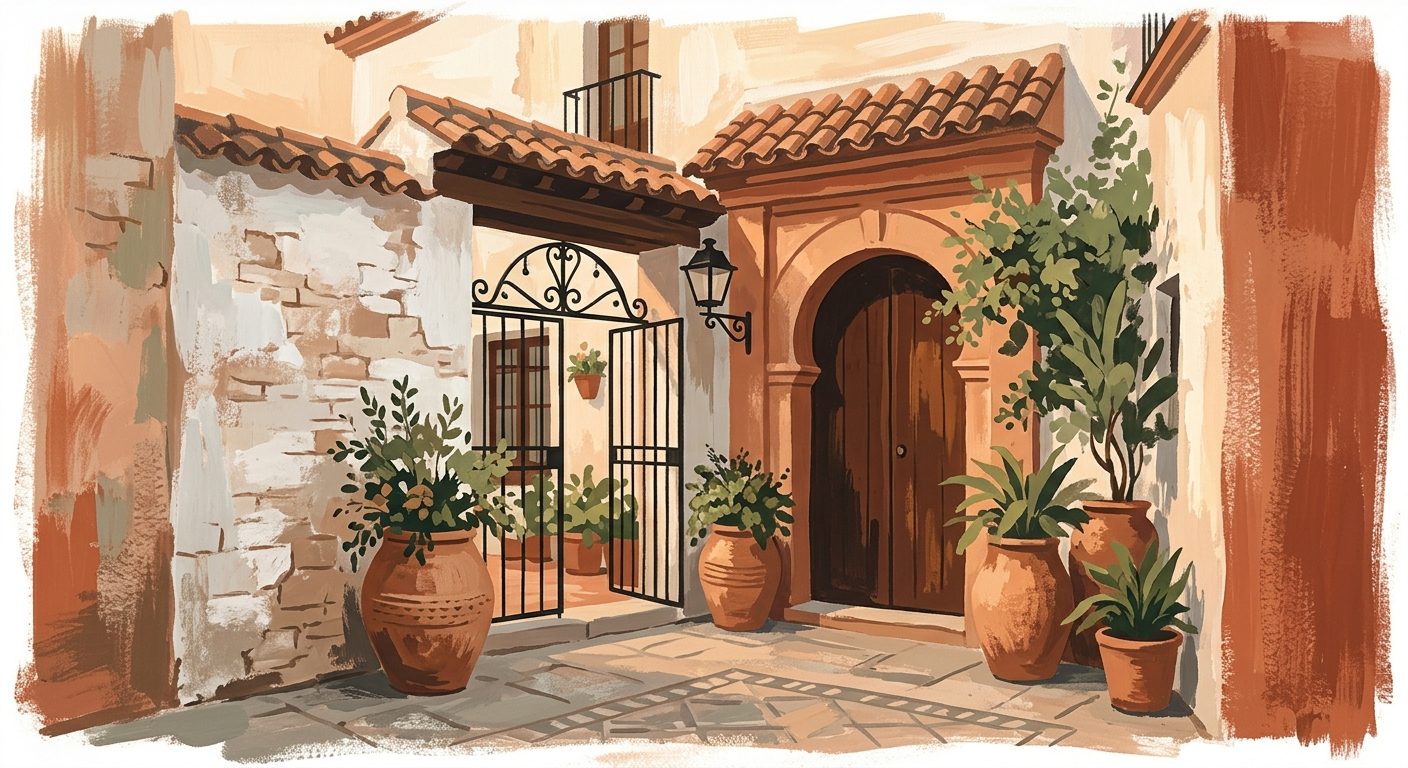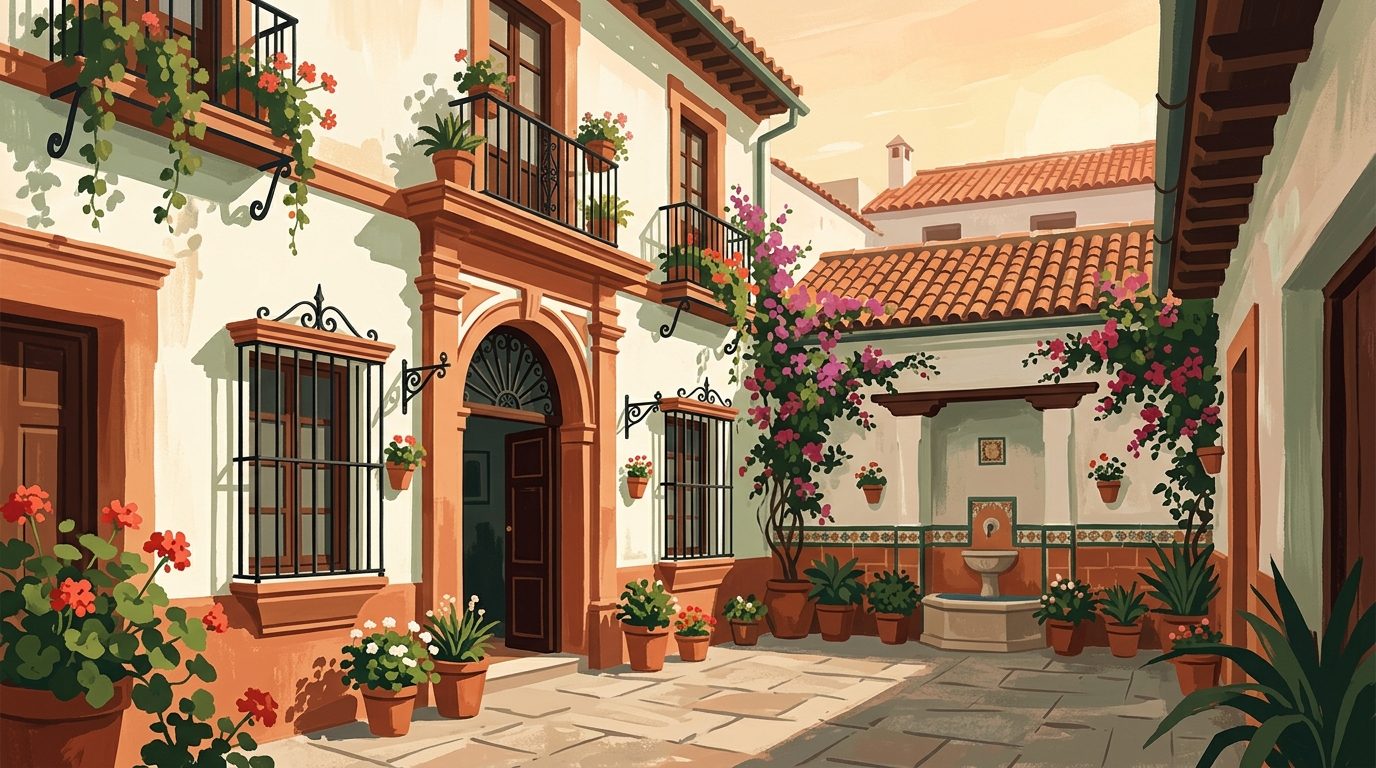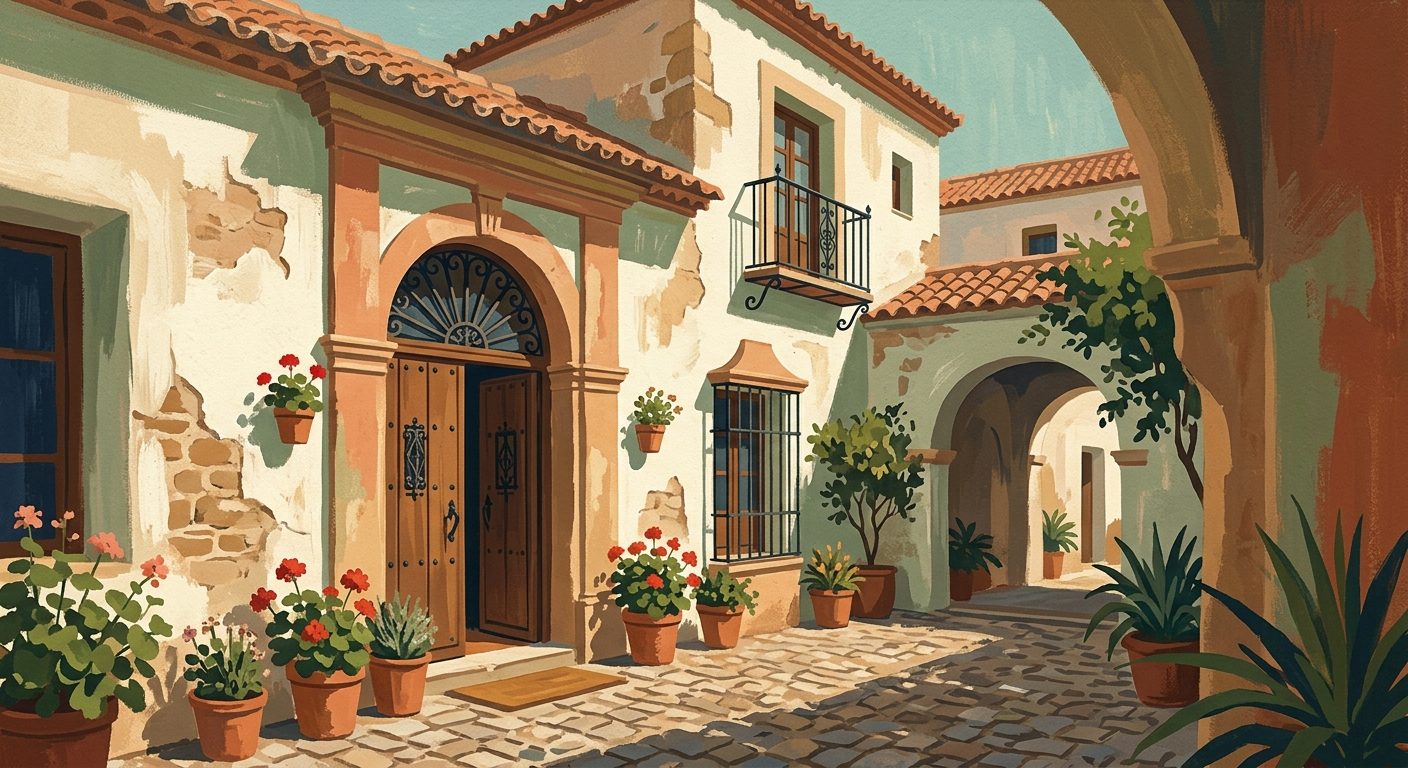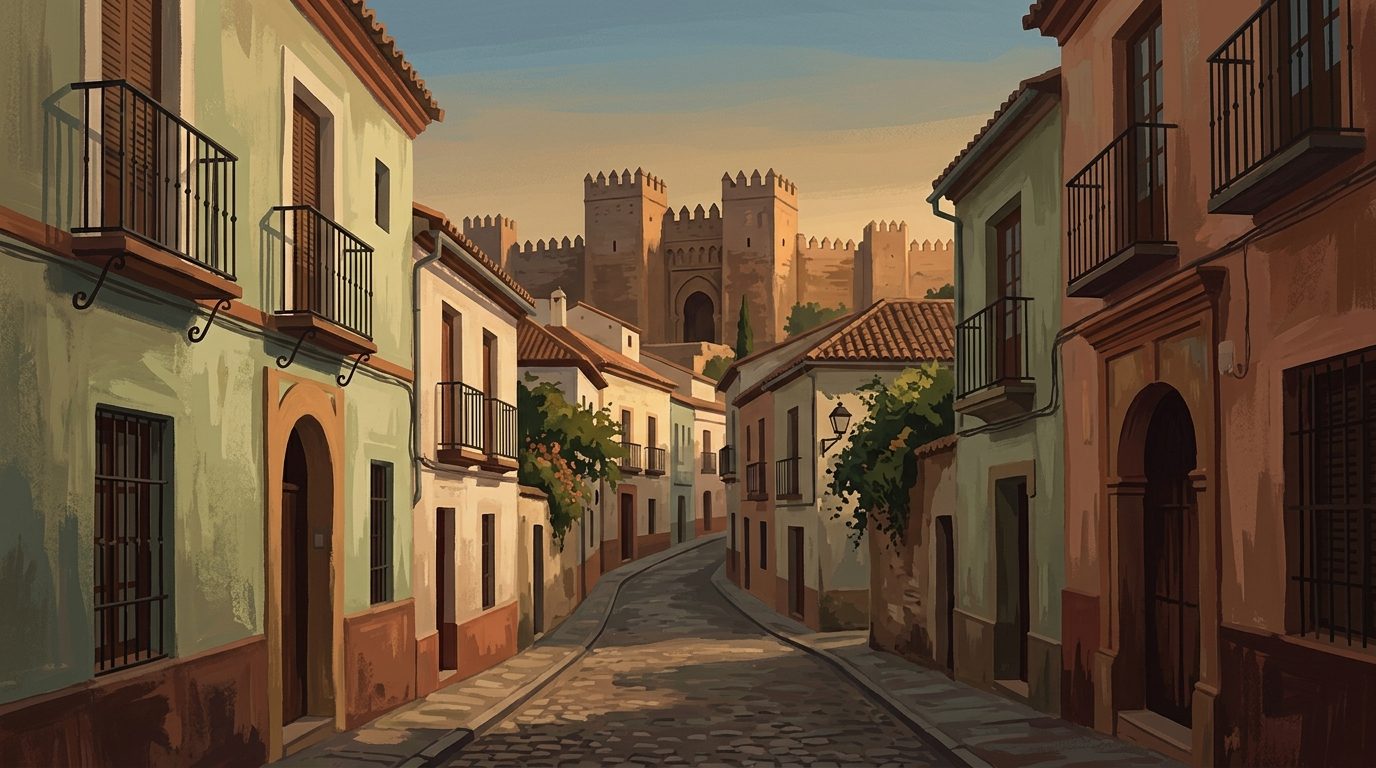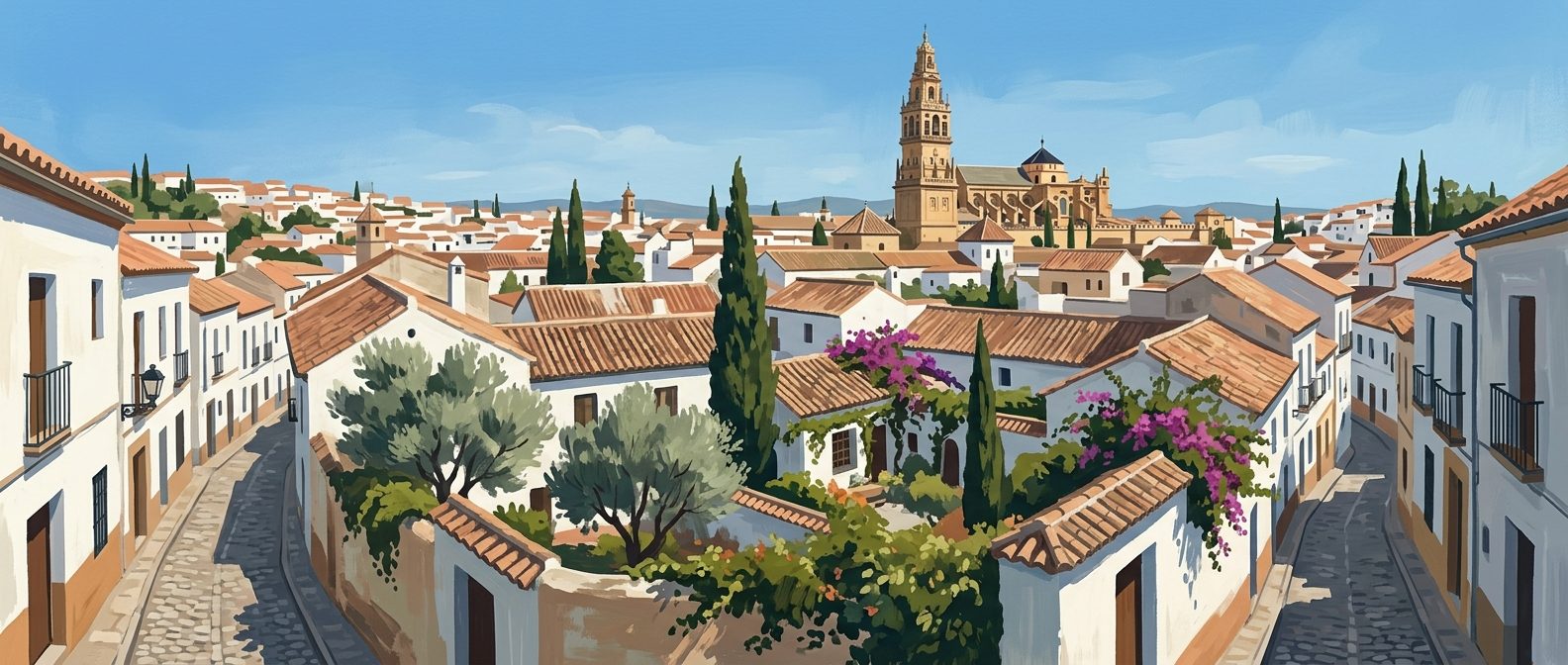
A labyrinth of whitewashed alleyways and flower-filled patios, the Judería offers a window into the medieval heart of Sephardic Spain. It remains one of the most atmospheric corners of Europe, where every stone tells a story of the intellectual golden age of Al-Andalus.
To walk through the Jewish Quarter, or Judería, of Córdoba is to step into a timeline that stretches back to the Roman era, though its most profound character was forged between the 10th and 15th centuries. Located just north and west of the Great Mosque-Cathedral, this UNESCO World Heritage site was once the intellectual and social hub of the city’s Sephardic community. It was here that philosophers, physicians, and astronomers walked the same narrow lanes you see today, contributing to a period of cross-cultural exchange that defined medieval Spain.
The layout of the quarter is a masterclass in Islamic urban planning, designed to provide shade and cool breezes during the intense Andalucían summers. The streets are deliberately narrow and winding, leading to unexpected plazas and secluded courtyards. While many visitors treat the Judería as a thoroughfare to the Mezquita, it deserves several hours of dedicated exploration to appreciate its quiet corners, traditional craft workshops, and the weight of its complex history.
What to See & Do
The Synagogue (Sinagoga de Córdoba)
Built in 1315 by the architect Isaac Moheb, Córdoba’s Synagogue is one of only three original medieval synagogues remaining in Spain (the others being in Toledo). Despite its modest size, the interior is an exquisite example of Mudéjar architecture. This style, created by Muslim craftsmen for Jewish or Christian patrons, features intricate plasterwork (yesería) that covers the upper sections of the walls. Look closely at the Hebrew inscriptions, which primarily quote the Psalms. After the expulsion of the Jews in 1492, the building served as a hospital and later a chapel, which ironically helped preserve the original structure until its rediscovery in the 19th century.
Calleja de las Flores
This is perhaps the most photographed street in the city, but it requires an early start to enjoy without the crowds. The narrow lane ends in a small, circular plaza. The classic view involves looking back through the alley, where the whitewashed walls decorated with blue flower pots frame the distant bell tower of the Mezquita perfectly. It is a simple but striking scene that captures the aesthetic essence of Córdoba: the contrast between the brilliant white lime and the lively colours of geraniums and carnations.
Plaza de Tiberíades and the Maimonides Statue
In the heart of the quarter lies a small square dedicated to Moses ben Maimon, better known as Maimonides. Born in Córdoba in 1135, he was a pre-eminent Sephardic Jewish philosopher, astronomer, and physician whose work influenced both the Jewish and Islamic worlds. His bronze statue sits in the Plaza de Tiberíades; you will notice that his shoes are polished to a bright gold. This is due to a local tradition where visitors rub his feet for luck or to gain a fraction of his wisdom. The plaza itself is a quiet spot to pause and reflect on the city's intellectual heritage.
Casa de Sefarad
Located directly opposite the Synagogue, this restored 14th-century house serves as a museum and cultural centre dedicated to the Sephardic tradition. It is divided into five thematic rooms covering the domestic life of women, the history of the Judería, Sephardic festivals, and the Ladino language. Unlike larger museums, the Casa de Sefarad feels personal and intimate, often hosting live concerts of Sephardic music which utilise traditional instruments to bring medieval melodies back to life in their original setting.
Zoco Municipal (The Souk)
Housed in a beautiful 16th-century manor house with a large central courtyard, the Zoco is a government-sponsored space for local artisans. Here, you can watch craftsmen at work, particularly those specialising in Córdoba’s famous filigree silver jewellery and embossed leather (cordobán). It is one of the best places in the city to find authentic, high-quality souvenirs that support local traditions rather than mass-produced trinkets. The building itself, with its two-storey arches and climbing plants, is a superb example of a traditional Cordobés courtyard.
Capilla de San Bartolomé
A short walk from the Synagogue leads you to this 14th-century chapel, which is often overlooked by tourists. It was built during the Christian repopulation of the area but displays heavy Mudéjar influence. The interior features stunning tilework and plasterwork, and the small courtyard entrance provides a peaceful escape from the main tourist routes. It is a fine example of how architectural styles remained fluid between faiths during the Reconquista.
Practical Information
Opening Times: Most monuments in the Judería follow a standard schedule. The Synagogue is open Tuesday to Saturday from 09:00 to 21:00, and Sundays from 09:00 to 15:00 (check on the operator's website before travelling). It is closed on Mondays. The Casa de Sefarad typically opens daily from 10:00 to 19:00 (check on the operator's website before travelling). Note that some smaller shops and workshops may close for the traditional siesta between 14:00 and 17:00.
Ticket Prices: Entry to the Synagogue is free for EU citizens (with ID). For non-EU visitors, including those from the UK, USA, and Canada, the entrance fee is a nominal €0.30 (it is advisable to carry small coins, as the ticket office often lacks change). Prices are subject to change and may rise to €2.00 for maintenance (check on the operator's website before travelling). Casa de Sefarad costs approximately €5.00 for adults (check on the operator's website before travelling). The Zoco Municipal is free to enter.
How to Get There: The Judería is entirely pedestrianised and best explored on foot. From the Córdoba train and bus station, it is a 15-to-20-minute walk through the Victoria Gardens. Alternatively, the city buses (lines 3 and 16) stop at San Fernando or Puerta de Almodóvar, both of which are convenient entry points to the quarter (check local schedules before travelling).
Parking: Do not attempt to drive into the Judería; the streets are too narrow and largely restricted to residents. The most convenient parking is the Parking Centro Histórico on Paseo de la Victoria or the underground car park near the Alcázar de los Reyes Cristianos. Both are roughly a five-minute walk from the heart of the district.
Where to Eat Nearby
For a taste of traditional Sephardic-influenced cuisine, Casa Mazal (Calle Tomás Conde, 3) is an exceptional choice. They specialise in dishes such as lamb with honey and dried fruits, reflecting the culinary history of the quarter. For a more traditional Cordobés experience, head to Bodegas Mezquita (Céspedes location), where you can sample local classics like salmorejo (a thick, cold tomato soup) and flamenquín (breaded pork rolls). If you prefer a hidden spot away from the main streets, Taberna Casa Pedro Ximénez offers a fantastic terrace and a modern take on traditional tapas, paired with the region’s famous Montilla-Moriles wines.
Where to Stay
Staying within the Judería allows you to experience the area after the day-trippers have departed. Las Casas de la Judería is a collection of interconnected 17th and 18th-century houses, featuring beautiful patios and a rooftop pool. For a more intimate stay, Hospedería del Churrasco offers traditional rooms just steps from the Synagogue. If you prefer a touch of modern luxury in a historic setting, Hospes Palacio del Bailío is located a ten-minute walk away, featuring Roman ruins beneath a glass floor in the dining room.