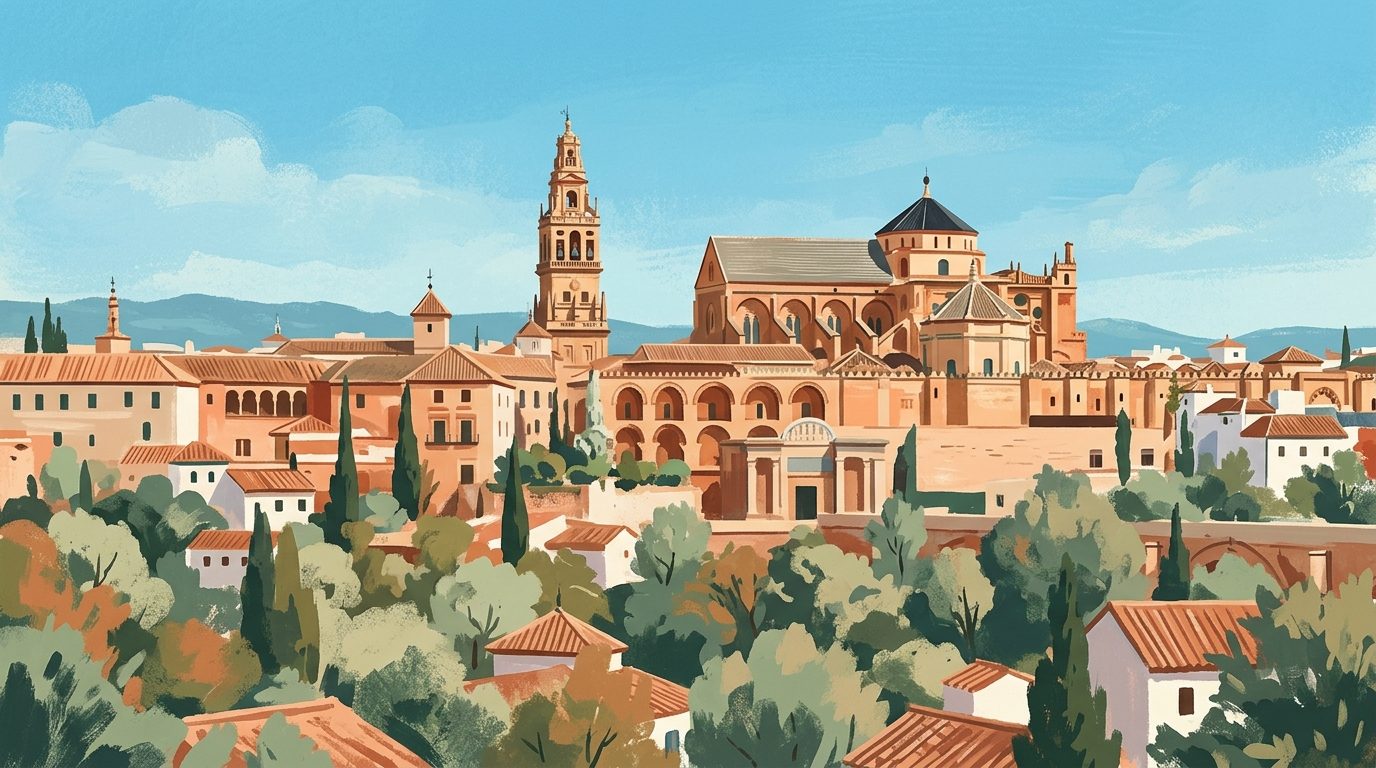
Standing beneath the double arches of the Mezquita-Cathedral offers a perspective on Al-Andalus that few other buildings can match. This architectural hybrid serves as a physical record of Córdoba’s transformation from the capital of a Caliphate to a Christian city.
The Mezquita-Cathedral of Córdoba is not merely a monument; it is a document in stone and marble. For many, the sight of its red-and-white double arches is the defining image of Andalucía. It represents the pinnacle of Umayyad architecture in the West, yet at its heart sits a 16th-century Renaissance cathedral nave. This juxtaposition is what makes the building unique in the world, earning it UNESCO World Heritage status in 1984 and later extending that protection to the entire historic centre of the city.
Walking through its doors, you move through layers of time. The site began as the Visigothic Basilica of Saint Vincent. Following the Islamic conquest of the Iberian Peninsula, the site was shared between Christians and Muslims until Abd al-Rahman I purchased the Christian half in 785 to build a grand mosque. Over the next two centuries, three major expansions followed as Córdoba’s population and power grew, eventually creating one of the largest sacred spaces in the Islamic world before its conversion to a cathedral in 1236.
What to See & Do
The Patio de los Naranjos
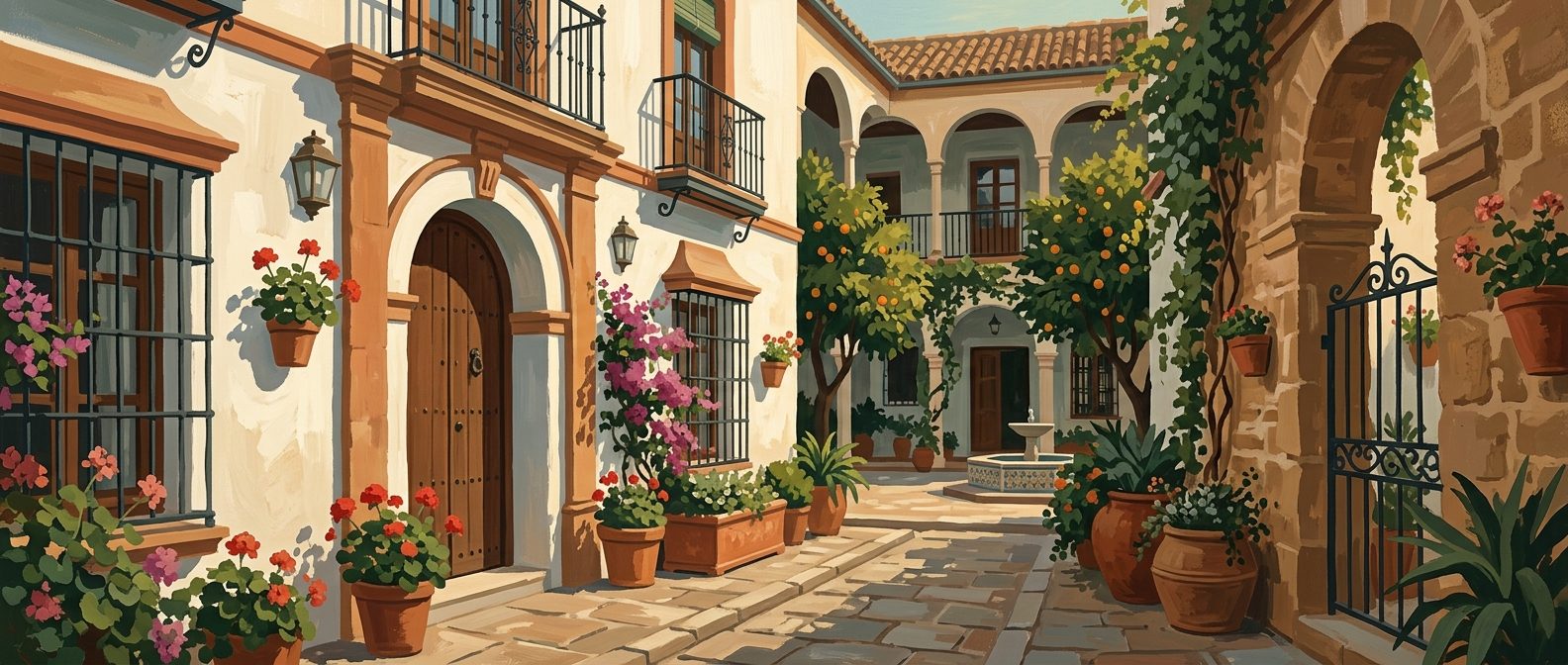
Your visit begins in the Court of the Oranges. This is the oldest walled garden in Europe, originally used by worshippers for ritual ablutions before prayer. The layout of the orange trees still follows the grid of the mosque’s interior columns, creating a seamless transition from the sunlight of the courtyard to the shadows of the prayer hall. Look up to see the stone fountains and the massive Bell Tower, which encases the original minaret.
The Forest of Columns
Upon entering the main hall, you are met with the famous 'forest' of 856 columns. These pillars were often salvaged from Roman and Visigothic ruins, which explains their varying heights and materials: onyx, jasper, and marble. To solve the problem of the low ceiling heights provided by these recycled columns, the architects designed a system of double arches. The lower horseshoe arch and the upper semi-circular arch, made of alternating red brick and white stone, provided the necessary height and stability to support the massive roof. The visual effect is one of infinite repetition, designed to inspire a sense of the divine.
The Mihrab and the Maqsura
The most striking part of the Islamic structure is the tenth-century expansion by Al-Hakam II. Here, the craftsmanship reaches its peak. The Mihrab, the niche indicating the direction of Mecca, is not just a hole in the wall but a small, octagonal room topped with a single block of carved white marble. The surrounding Maqsura (the area reserved for the Caliph) features incredibly complex criss-crossing arches and Byzantine mosaics made of gold and glass, sent as a gift from the Emperor of Constantinople. Unlike most mosques, the Mihrab here faces south rather than towards Mecca, a quirk attributed to the local geography or perhaps a nostalgic nod to Damascus.
The Cathedral Insertion
In the 16th century, the ecclesiastical authorities decided to build a massive cathedral nave right in the centre of the mosque. While the decision was controversial even at the time (Charles V famously remarked that they had destroyed something unique to build something found anywhere), it created a fascinating dialogue between styles. The Gothic, Renaissance, and Baroque elements of the High Altar and the Choir are objectively magnificent, with intricately carved mahogany stalls by Pedro Duque Cornejo. Seeing the soaring Christian vaults rising out of the sea of Islamic arches is a jarring but memorable experience.
The Bell Tower
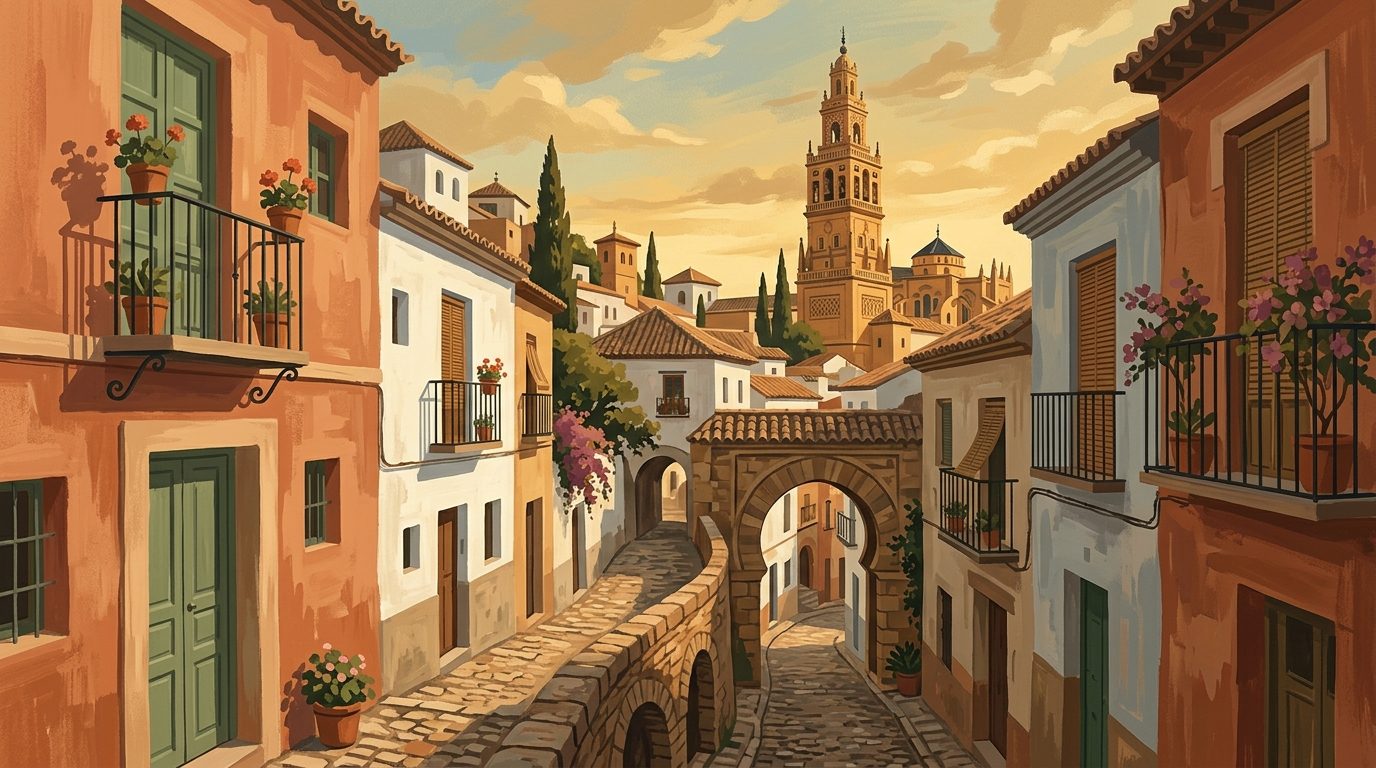
For those willing to climb the 54-metre tower, the reward is a panoramic view over the rooftops of the Judería and the Guadalquivir River. The tower was built by the Christians around the original minaret of Abd al-Rahman III, essentially wrapping the Islamic tower in a Renaissance shell. You can still see some of the original Moorish arches during the ascent.
Practical Information
Opening Times:
The Mezquita-Cathedral generally opens for tourist visits from Monday to Saturday, 10:00 to 19:00 (18:00 in winter). On Sundays and religious holidays, it opens from 08:30 to 11:30 and 15:00 to 19:00, as it remains an active place of worship. A local secret is the free entry period from 08:30 to 09:30, Monday to Saturday (excluding religious holidays and special events), though this is for individual visitors only and silence is strictly enforced. Please note that opening hours may fluctuate during May due to the Festival de los Patios and local ferias.
Ticket Prices:
General admission is €15 (as of May 2026). Reduced tickets for seniors (65+), students (15 to 26), and youth card holders are €12. Children aged 10 to 14 and the disabled (up to 64%) pay €8, while children under 10 enter for free. Climbing the Bell Tower costs an additional €4. We recommend purchasing your tickets directly via the official Mezquita-Cathedral website to ensure validity and avoid third-party markups.
How to Get There:
The monument is located in the centre of the Old Town. If arriving by train (AVE), you can take a taxi or bus lines 3 or 12 to the ‘Puerta del Puente’ stop. If you are staying in the city centre, the best way to arrive is on foot through the narrow streets of the Jewish Quarter.
Parking:
The area around the Mezquita is largely pedestrianised and restricted (ACIRE zones). Do not attempt to drive to the door. The most convenient car parks are the 'Parking Centro Histórico' across the Roman Bridge or 'Parking Paseo de la Victoria'.
Where to Eat Nearby
Avoid the tourist-heavy terraces directly facing the mosque walls and head a few streets back for better quality. Casa Pepe de la Judería (Calle Romero, 1) is a classic choice for traditional Cordoban flavours; their rooftop offers a beautiful view, and the fried aubergines with honey are a local staple. For a more casual but high-quality experience, Bodegas Mezquita (specifically the Céspedes branch) serves excellent salmorejo, a thick, cold tomato soup topped with jamón and egg. If you want to try the famous rabo de toro (oxtail stew), El Caballo Rojo remains a bastion of local culinary tradition.
Where to Stay
For a stay that matches the history of the monument, Las Casas de la Judería is composed of several interconnected historic houses with cool courtyards and a pool, located just steps from the mosque. If you prefer modern luxury within an old framework, Hospes Palacio del Bailío features a glass floor over Roman ruins and is roughly a ten-minute walk from the Mezquita. Staying within the old city walls allows you to see the Mezquita illuminated at night when the day-trippers have departed.