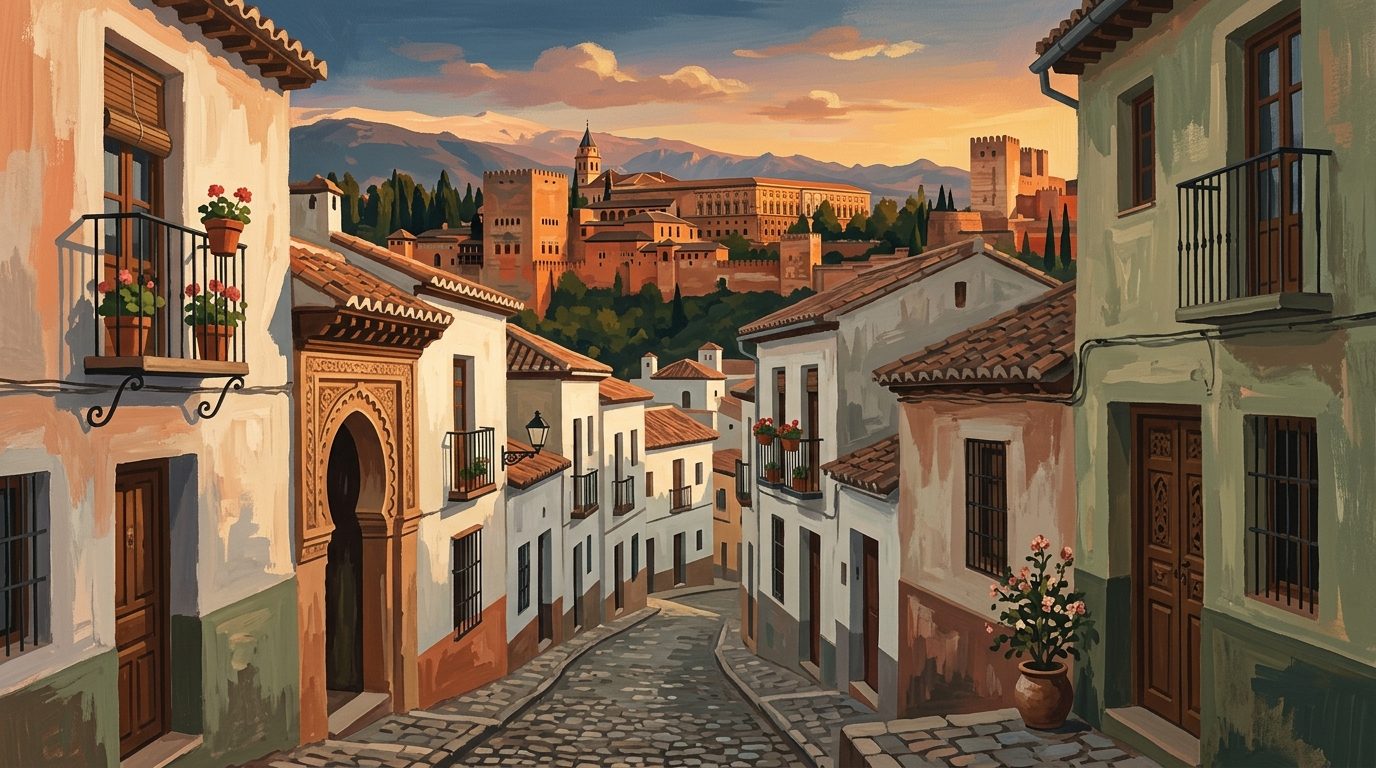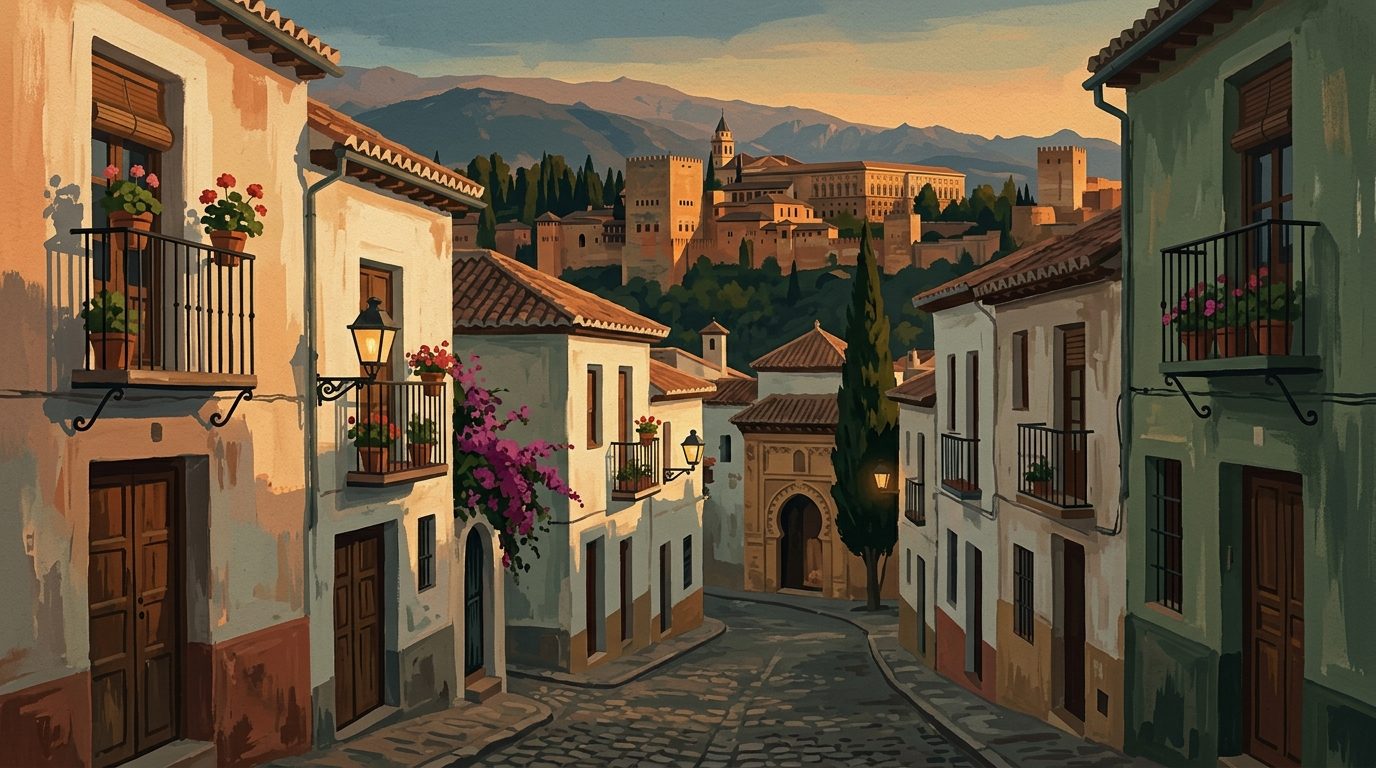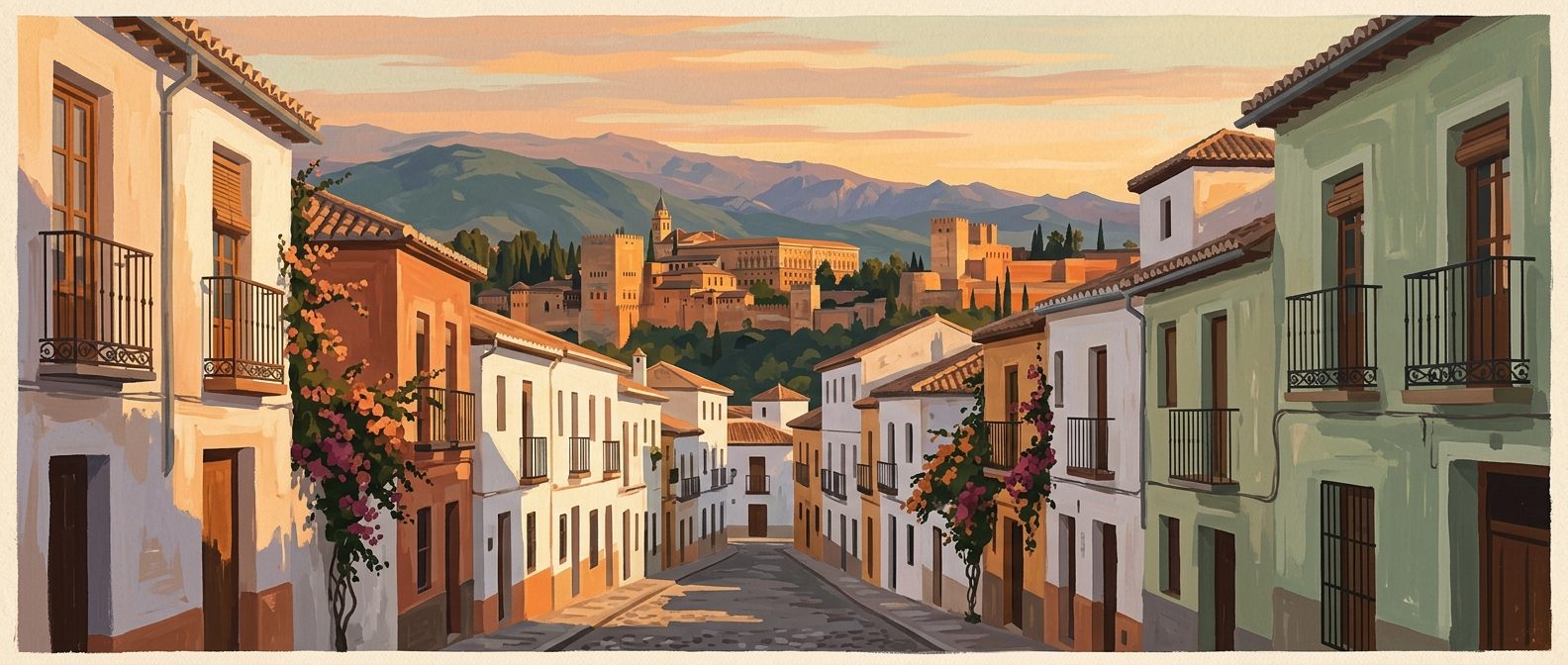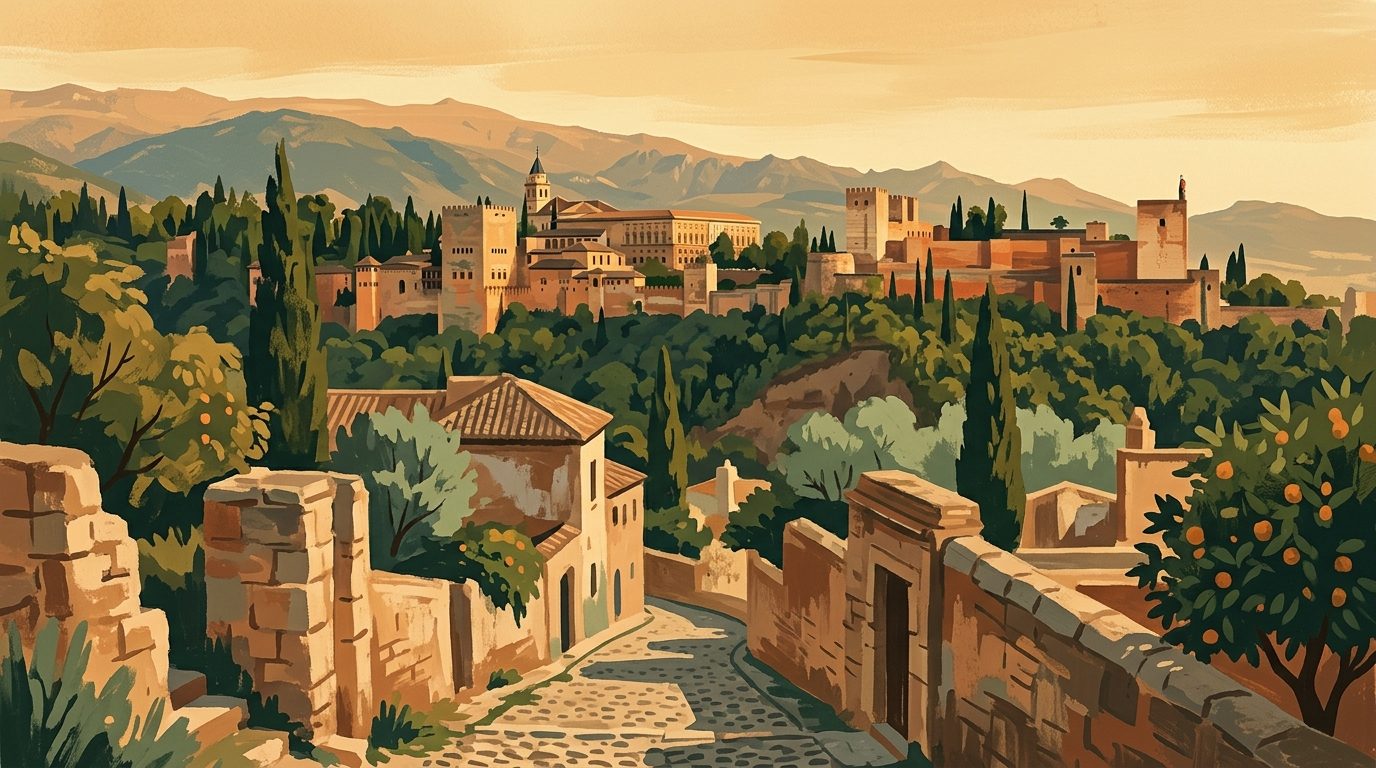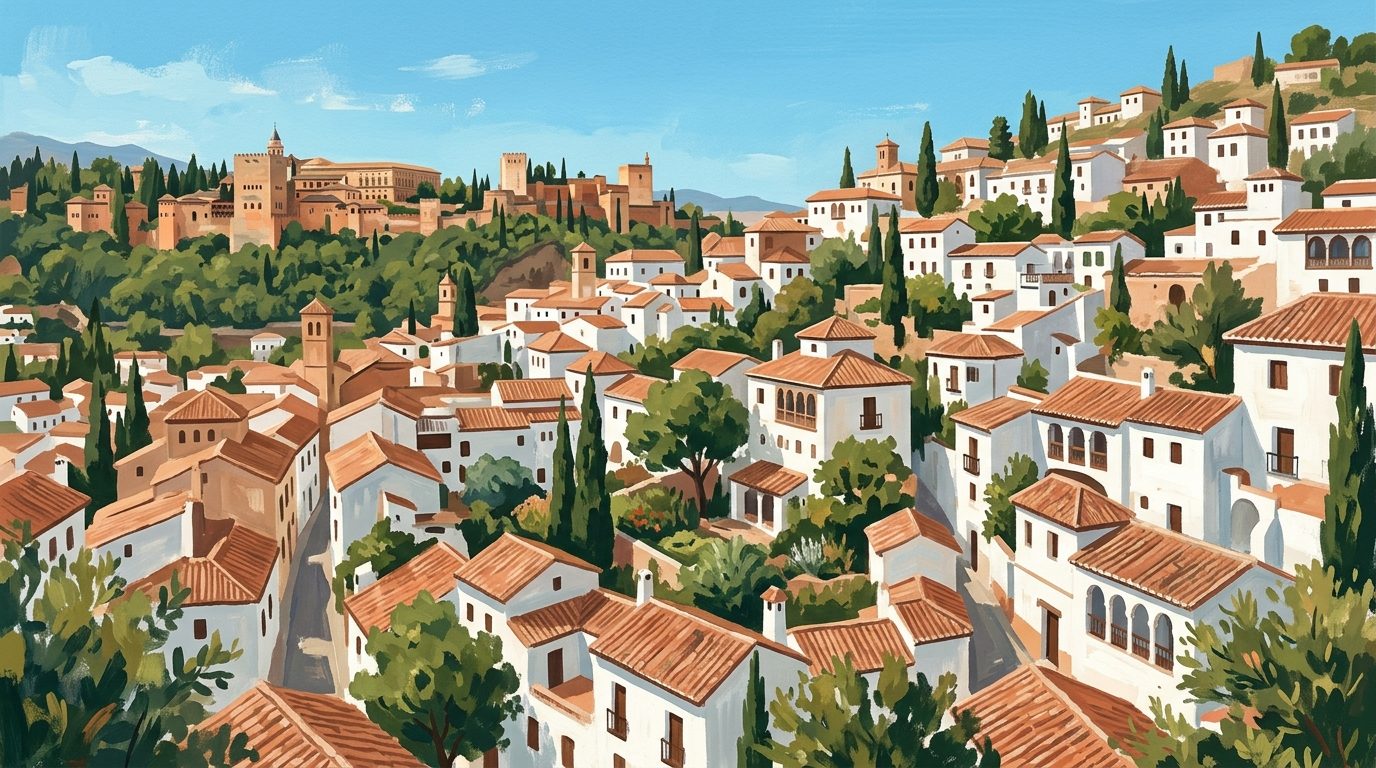
The Albaicín is an evocative labyrinth of whitewashed houses and narrow lanes that preserves the essence of medieval Moorish Granada. Steeped in centuries of heritage, this UNESCO World Heritage site offers the most famous views of the Alhambra against the backdrop of the Sierra Nevada.
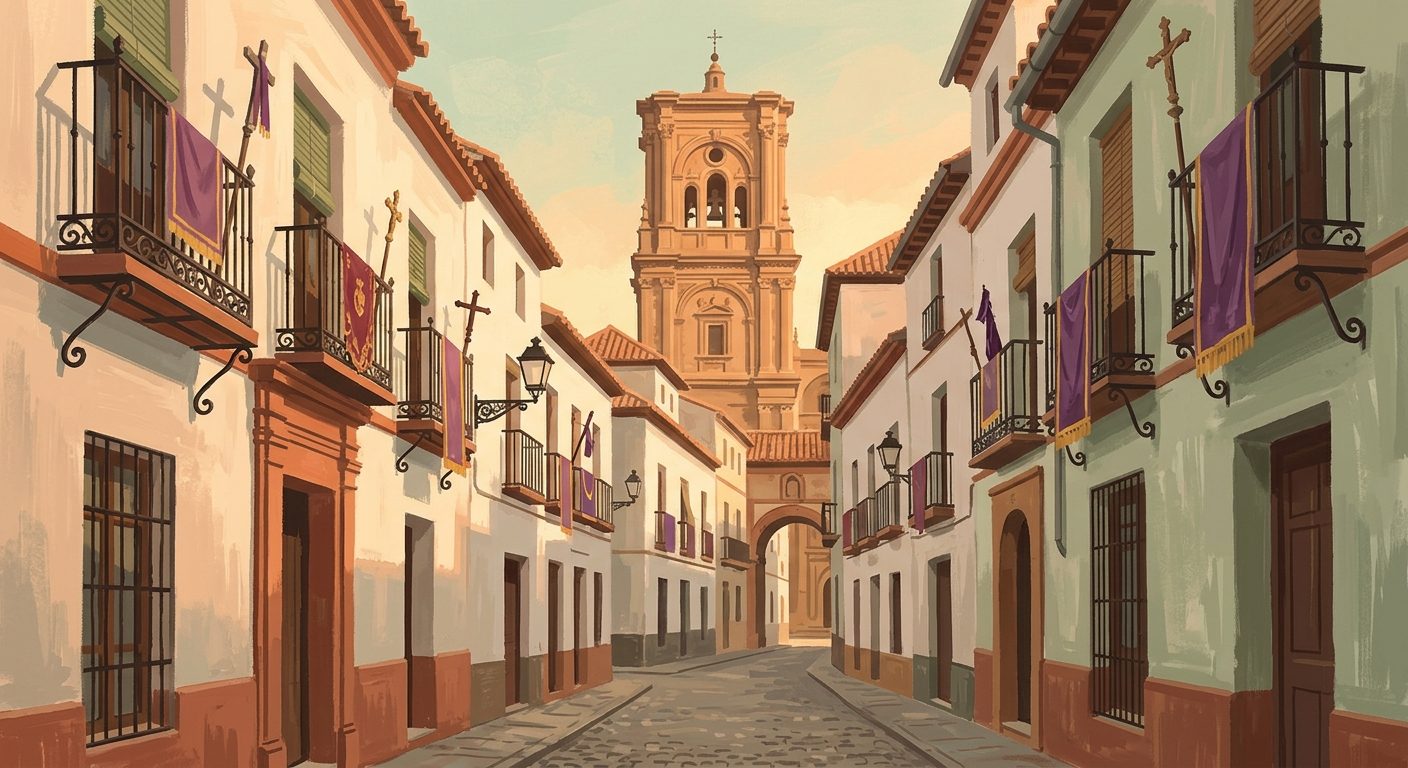
To walk through the Albaicín is to step out of modern Spain and into the Al-Andalus of the 14th century. This district, set on the steep hillside facing the Alhambra, was the final stronghold of the Nasrid elite before the Reconquista in 1492. Today, it remains a living neighbourhood where the scent of jasmine hangs over garden walls and the sound of flamenco guitar often drifts from open windows. Its layout is intentionally confusing, designed with winding, narrow alleys to provide shade and defensive advantages to its former inhabitants.
The neighbourhood is a mosaic of different cultures. While its bones are distinctly Islamic, with cisterns (aljibes) and horseshoe arches, its skin is often Castilian, featuring Mudejar churches built directly atop former mosques. Exploring the Albaicín requires sturdy footwear and a sense of direction, but those who wander its steepest slopes are rewarded with quiet plazas, secret gardens, and a profound sense of Granada’s complex identity.
What to See & Do
Mirador de San Nicolás
Every visitor eventually finds their way to this panoramic terrace. Located in the heart of the upper Albaicín, the Mirador de San Nicolás provides a frontal view of the Alhambra in its entirety. It is particularly popular at sunset when the red stone of the fortress catches the light, turning a deep ochre. The square is usually alive with local musicians and craftsmen, creating a spirited atmosphere. Behind the terrace stands the Church of San Nicolás, a 16th-century building that occupies the site of an earlier mosque.
El Bañuelo (The Arab Baths)
Located on the Carrera del Darro, El Bañuelo is one of the oldest and best-preserved public baths in the Iberian Peninsula. Dating back to the 11th century, these Zirid-era hammams survived the destruction that followed the Christian conquest because they were hidden beneath a private house. Inside, you can see the cold, warm, and hot rooms, featuring marble columns with Visigothic and Roman capitals. The ceilings are punctuated with star-shaped skylights that once allowed steam to escape and light to filter through in patterns.
Palacio de Dar al-Horra
Higher up the hillside, the Palacio de Dar al-Horra was the 15th-century residence of Aixa al-Horra, the mother of Boabdil, the last Sultan of Granada. This palace is a masterclass in Nasrid domestic architecture, featuring a central courtyard with a small pool and rooms decorated with intricate plasterwork (yeseria). Because it is less frequented than the Alhambra, it offers a more tranquil environment to appreciate the refined aesthetics of the period. The upper floors provide excellent views across the rooftops of the neighbourhood towards the city centre.
The Traditional Carmenes
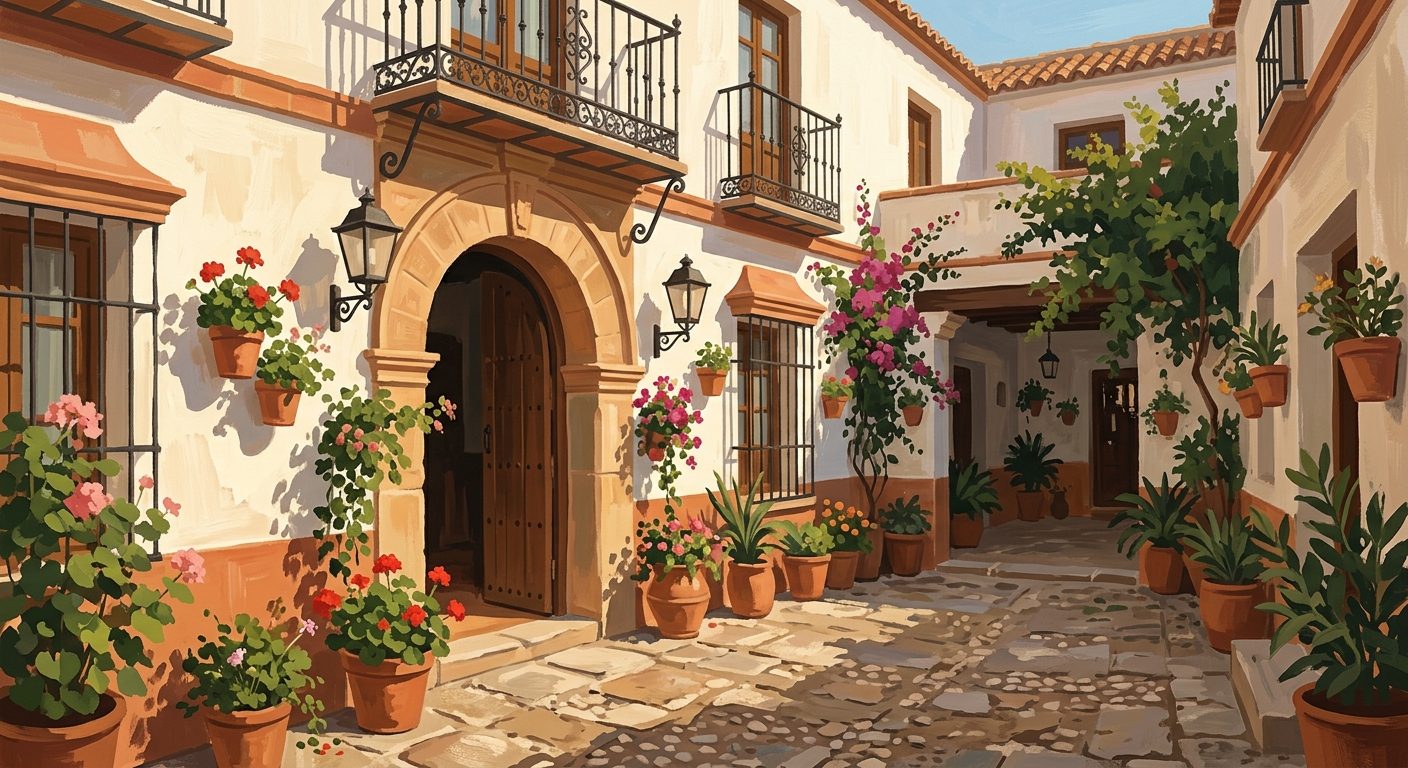
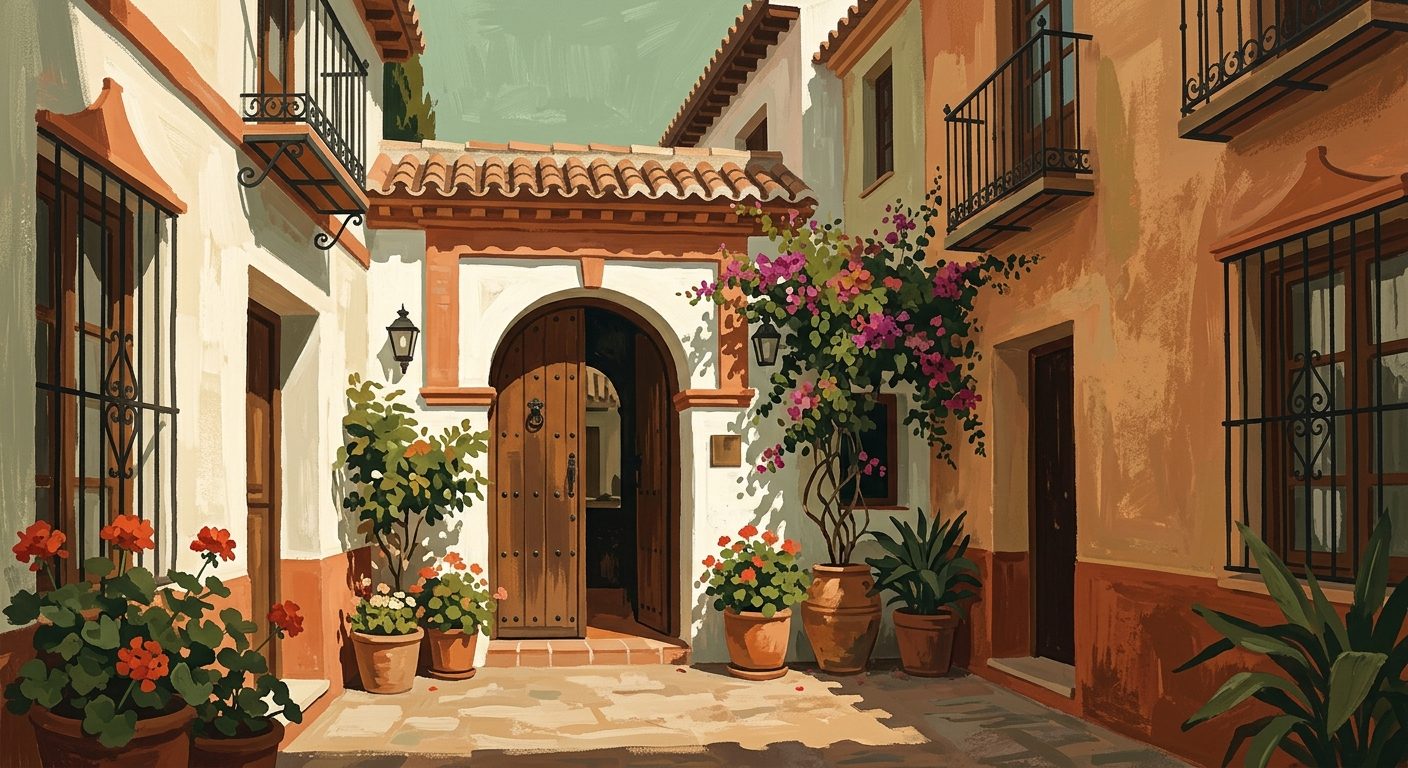
Unique to the Albaicín and the Realejo districts, a 'carmen' is a traditional house enclosed by high walls, containing a private orchard and garden. These spaces are often invisible from the street, but you can catch glimpses of lush greenery and fountains through heavy timber doors. Some, such as the Carmen de la Victoria or the Carmen de los Geranios (Max Moreau Museum), are open to the public. These gardens were designed as sensory retreats, combining fruit trees, aromatic herbs, and the soothing sound of running water.
Paseo de los Tristes
Officially known as the Paseo del Padre Manjón, this walk runs alongside the River Darro at the foot of the Albaicín. It is shaded by trees and lined with stone bridges that cross the narrow river. The name 'Passage of the Sad Ones' comes from the 19th century, as it was the route funeral processions took toward the San José cemetery on the hill of Sabika. Today, it is one of the most romantic spots in Granada, filled with outdoor terraces where you can sit and look directly up at the towering walls of the Alhambra’s Alcazaba.
Practical Information
Getting There: Driving in the Albaicín is highly discouraged and largely restricted to residents. The streets are extremely narrow and often end in stairs. The best way to reach the upper sections is by the red "Alhambra Bus" minibuses. Line C31 runs from Plaza Nueva to the Albaicín, while the C32 connects the Albaicín directly with the Alhambra. A single ticket can be purchased from the driver (check live timetables and current fares on the official transport website).
Walking: Walking from Plaza Nueva up the Cuesta del Chapiz or the Carrera del Darro is the most scenic route but involves steep gradients. Ensure you wear shoes with good grip, as the centuries-old cobbles (known as empedrado granadino) can be slippery, especially when wet.
Tickets and Prices: Many of the key monuments are part of the Dobla de Oro ticket, which includes the Alhambra and several Albaicín sites. Alternatively, the Andalusí Monuments ticket grants access to El Bañuelo, Palacio de Dar al-Horra, Casa del Horno de Oro, and the Maristán. For the latest 2026 entry prices, opening hours, and to buy tickets, check the official Patronato de la Alhambra website. Most monuments are open daily from 10:00 to 17:00 in winter, with extended hours until 20:30 in the summer months (May to mid-September). Note: Ticket offices usually close 30 minutes prior to the venue closing. Entry to several monuments is free on Sundays (check the official website before travelling for specific hours and residency requirements).
Where to Eat Nearby
For a meal with a spectacular view, Restaurante El Agua is a local favourite, particularly known for its cheese and chocolate fondues served on terraces overlooking the Alhambra. If you prefer something more traditional and less formal, head to Bar Aliatar Los Caracoles in Plaza Aliatar. This long-standing establishment is famous for its snails in spicy sauce and generous tapas. For authentic North African flavours, the lower Albaicín, particularly Calle Calderería Nueva, is lined with teterías (tea houses) serving Moroccan mint tea, tagines, and honey-drenched pastries like baklava.
Where to Stay
Accommodation in the Albaicín often focuses on restored historic buildings. Palacio de Santa Inés is a 16th-century Renaissance palace featuring a stunning courtyard and rooms with original frescoes and views of the Alhambra. For a more contemporary feel with a communal atmosphere, Casa Bombo offers a boutique guest house experience with a small pool and terrace. Staying in this quarter allows you to experience the silence of the streets at night, long after the day-trippers have returned to the modern city centre.