
Living guide
Building a Sustainable Life and Overcoming Homesickness in Andalucía
Settling in Andalucía requires more than just sunshine and paperwork. Learn how to navigate culture shock, build sustainable local routines, overcome homesickness, and manage seasonal changes in southern Spain.
By Dan · Updated 14 July 2026 · 7 min read
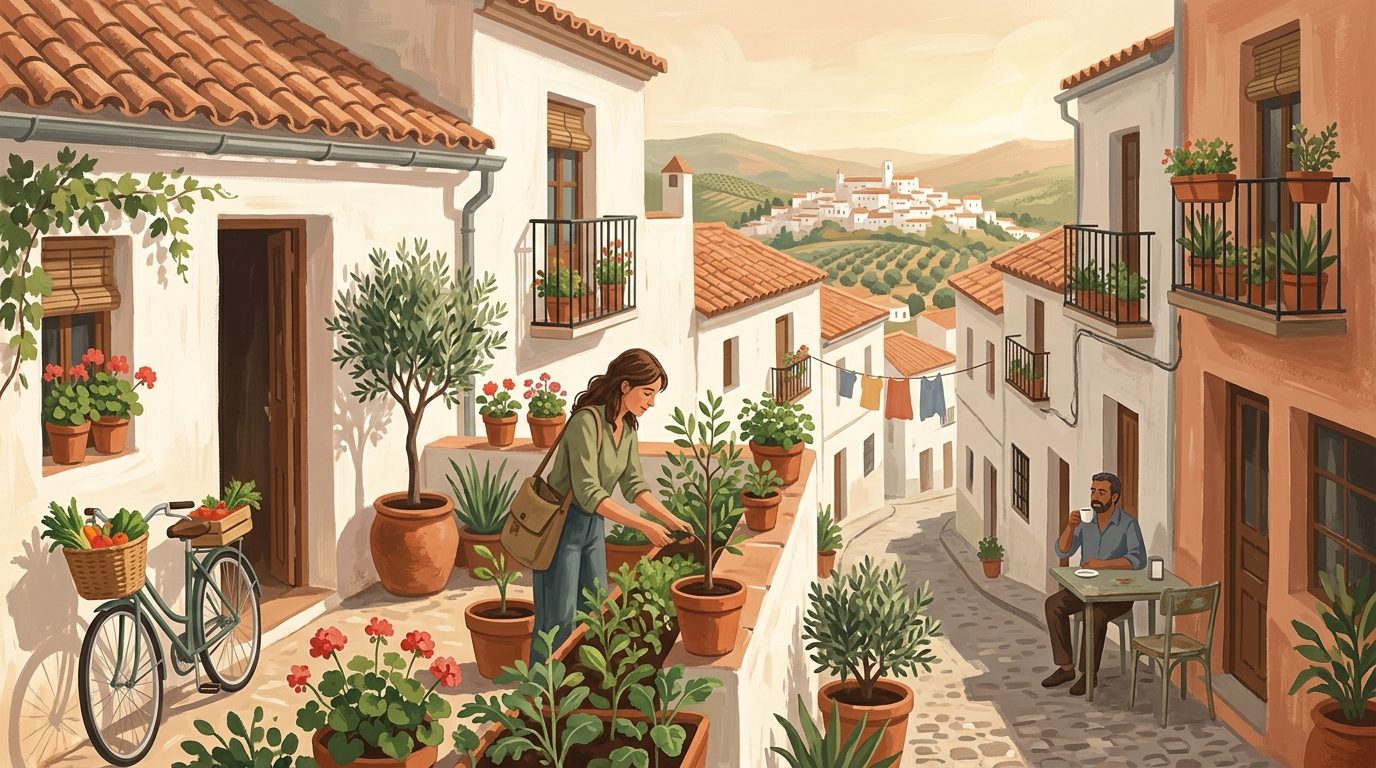
Settling in Andalucía is not only paperwork and sunshine. A sustainable life needs routines, language practice, local contacts, realistic heat planning and support when loneliness or low mood lasts.
The first months after a move can feel exciting and disorientating at the same time. Daily tasks take longer, familiar support is far away, and the difference between a holiday area and a real neighbourhood becomes obvious. Homesickness is common, but it is easier to manage when you build local structure early rather than waiting until you feel isolated. Culture shock rarely happens on day one. It often hits just as the administrative dust settles and you realise that this is your everyday life.
Understanding the stages of relocation
Relocating to southern Spain usually follows a predictable emotional pattern. Recognising these phases can prevent you from panicking when the initial excitement wears off.
- The holiday phase: The first few months are usually driven by adrenaline. Everything is new, the lifestyle is exciting, and setting up your home feels like an adventure.
- The friction phase: Around month four to six, the reality of Spanish bureaucracy, language barriers and cultural differences sets in. This is when the "cita previa" (prior appointment) system feels infuriating, and the fast-paced regional accent can feel overwhelming. Homesickness peaks here.
- The acceptance phase: Sometime around the end of your first year, you adapt. You expect businesses to close in the afternoon, you have a favourite local coffee spot, and you know how to navigate the town hall.
Build a routine close to home
Before choosing where to live in Andalucía, you might picture yourself travelling across the region every weekend. The reality of a sustainable life relies on the immediate radius around your front door.
Choose a regular cafe, bakery, market stall, gym, library, walking route or class. Repeated small interactions matter immensely in southern Spain. The culture is highly social and community-driven. If you go to the same municipal market (mercado de abastos) every Tuesday, people start to recognise you. Start with simple habits: always say "buenos días" when entering a small shop or waiting room, and "hasta luego" when leaving. These tiny, repeated rituals break down the barrier between being a transient tourist and a local resident.
Use language as a bridge
You do not need perfect Spanish to start integrating, but you do need enough confidence for greetings, appointments, shopping and simple conversations. The Andalucían dialect is famous for dropping consonants, particularly the letter 's' at the ends of words, which can make comprehension difficult for beginners. Do not let this discourage you.
Combine formal learning with low-pressure practice.
- Formal classes: Look for an Escuela Oficial de Idiomas (EOI). These state-run language schools offer very affordable, structured courses, though places usually fill up quickly in September.
- Language exchanges: Many local bars host "intercambios", where locals want to practice English and newly arrived residents want to practice Spanish.
- Everyday immersion: Switch your television to Spanish channels, listen to local radio, and read regional news outlets to absorb the vocabulary naturally.
Find community without getting trapped in a bubble
English-speaking groups can be valuable, especially at the beginning, but try to balance them with local Spanish activities. Finding yourself exclusively in a foreign-resident bubble can warp your perspective of your new home.
Good options to meet local residents include walking groups, municipal sports clubs (polideportivos), cultural associations, choirs, and parent groups. Visit your local town hall (Ayuntamiento) or Casa de la Cultura. They regularly post noticeboards filled with subsidised workshops for everything from photography to local history.
The aim is not to reject expat support, but to avoid making complaint-based groups your only social circle. Shared hobbies transcend language barriers much faster than forced small talk.
Plan for difficult seasons
Andalucía has seasonal rhythms that drastically affect mood and daily routines. Failing to adapt to the climate is a primary cause of burnout for new arrivals.
Summer heat: By mid-July, inland provinces like Sevilla, Córdoba and Jaén routinely experience temperatures exceeding 40 degrees Celsius. The streets empty between 2pm and 8pm. If you try to maintain a northern European schedule during this time, you will feel isolated and exhausted. Push your social life later into the evening, hydrate constantly, and respect the afternoon shutdown.
Winter reality: Many newcomers are shocked to find they are colder inside their homes in Spain than they were in colder climates. Traditional Andalucían housing is built to keep the brutal summer heat out, featuring tiled floors and minimal insulation. Between December and February, homes can feel damp and chilling. Plan for winter with proper heaters, thick rugs, and a willingness to get out into the midday winter sun to combat seasonal low moods.
Navigating bureaucracy without burnout
Admin problems can make homesickness worse because they turn ordinary tasks into high-pressure moments. Spain operates heavily on a "cita previa" (prior appointment) system for almost all official business. Securing these appointments can sometimes take weeks.
To manage the stress, keep a dedicated, well-organised physical folder for your residency, tax, health, bank and housing documents. Spanish civil servants prefer original documents and multiple photocopies.
Pace yourself. Do not attempt to tackle your empadronamiento registration, TIE residency card application, and driving licence exchange in the same week. When a mistake would be costly, hire a "gestor". A gestor is an administrative professional who navigates Spanish bureaucracy on your behalf for a modest fee. Their local connections can save you months of frustration. Similarly, ensure you complete your SAS healthcare registration as soon as you are eligible, so you have medical support ready if you need it.
Common mistakes that fuel homesickness
Avoiding a few common pitfalls can make your transition significantly smoother.
- Comparing everything to your home country. Complaining that supermarkets lack certain items or that tradespeople operate on a different schedule will only build resentment. Accept that things are different, not necessarily worse.
- Overusing social media. Endlessly scrolling through photos of family gatherings back home will amplify your feelings of missing out.
- Treating life like a permanent holiday. Eating out every night and ignoring household routines quickly leads to budget anxiety and physical exhaustion. Be mindful of your cost of living right from the start.
When to seek help
If low mood, anxiety, sleep problems or isolation are persistent, treat them seriously. Moving abroad is a major life event and can trigger genuine mental health struggles.
Speak to your local GP (médico de cabecera). Public healthcare covers mental health, though waiting lists for therapy can be long. Alternatively, there are many private English-speaking counsellors and therapists operating throughout Andalucía who offer in-person or online sessions.
In Spain, general emergency help is available by dialling 112. The national 024 line provides free, confidential support related to suicidal behaviour and emotional crisis.
Practical ways to feel more settled
- Schedule weekly activities before you feel lonely. A pre-booked yoga class or language exchange gets you out of the house on days when motivation is low.
- Join at least one local group that is not exclusively for foreigners.
- Keep regular but structured contact with family back home. Setting a dedicated time for a weekend phone call is healthier than being constantly tethered to a messaging app.
- Make a point to explore your immediate region. Visit nearby white villages (pueblos blancos) to build an appreciation for your new home.
- Limit your administrative tasks to one major hurdle per week to avoid bureaucratic burnout.
Frequently asked questions
Is it normal to feel lonely after moving to Spain?
Yes, it is entirely normal. Moving abroad removes your safety net, your established routine, and your social circle all at once. The initial excitement usually masks this, but feelings of isolation often surface around the three-to-six-month mark. Building a local routine early is the best remedy.
How long does it take to learn enough Spanish to get by?
For basic daily interactions at the bakery or supermarket, a few months of consistent effort will suffice. Reaching conversational fluency takes much longer. Focus on practical vocabulary first, and do not worry about making grammatical mistakes. Locals appreciate the effort far more than perfection.
Why is it so hard to get things done in August?
August in Andalucía is traditionally a month of collective holiday. Due to the extreme heat, many smaller businesses, administrative offices, and tradespeople close down completely or operate on drastically reduced hours. Avoid scheduling major life tasks or paperwork during this month.
Official and support checks
Use the Servicio Andaluz de Salud citizen pages for public-health access, the Ministry of Health 024 emotional-crisis support information, the Plataforma Andaluza del Voluntariado, the Junta volunteering pages and the Junta sport and leisure portal. For urgent danger, call 112.
Summary
- Homesickness is easier to manage when you build a physical, daily routine early on.
- Language, even at a basic level, combined with local hobbies creates genuine community.
- Seasonal extremes, particularly summer heat and winter dampness, strongly affect mood and must be planned for.
- Bureaucracy causes stress. Pace yourself and use a gestor if you are overwhelmed by the paperwork.
- Maintain your ties to expat support, but do not make it your only social world in Spain.
Last reviewed: 14 July 2026 · Editorial policy
Related guides
A Practical Guide to Learning Spanish in Andalucía
A deep, practical guide to learning Spanish in Andalucía: navigating EOI enrolments, adult education, tuning your ear to the local accent, and overcoming common expat learning traps.
8 min read
A Practical Guide to Daily Life and Social Customs in Andalucía
A practical guide to daily life in Andalucía for new residents: understanding local rhythms, managing the cita previa system, recycling rules, noise, pets and building community routines.
8 min read
A Practical Guide to the TIE Residency Card in Andalucía
A comprehensive, practical guide to getting your TIE residency card in Andalucía, covering the cita previa system, Modelo 790-012 fees, document checks, and real-world friction points.
8 min read

How to Exchange Your Driving Licence for a Spanish One in Andalucía
A comprehensive guide to exchanging your foreign driving licence in Andalucía. Learn about DGT appointments, the medical test, UK licence rules, bilateral agreements, and the common mistakes that catch expats out.
8 min read
The Digital Nomad Visa for Spain: A Practical Guide for Remote Workers
A comprehensive guide to Spain’s digital nomad visa for those moving to Andalucía. Covering step-by-step applications, tax reality checks, social security hurdles, and avoiding common local pitfalls.
7 min read
Long-Term Renting in Andalucía: A Practical Guide
A deep dive into long-term renting in Andalucía. We explain the LAU, the crucial difference between 11-month and habitual contracts, how to handle deposits (AVRA), the 2023 Housing Law on agency fees, and exactly what to watch out for before signing.
9 min read
More guides
Navigating Spanish Bureaucracy: A Practical Survival Guide
A practical survival guide to Spanish bureaucracy in Andalucía: official sources, appointments, documents, digital certificates, translations and when to use a gestor.
7 min read
Understanding the Spanish School System in Andalucía
A comprehensive guide for expats navigating the Spanish school system in Andalucía, covering state, concertado, and private schools, crucial admission timelines, catchment rules, and essential paperwork.
8 min read
A Practical Guide to Working Remotely from Andalucía
A comprehensive guide to legally and practically working remotely from Andalucía, covering digital nomad visas, tax residency, employment structures, internet setup, and navigating Spanish bureaucracy.
7 min read
Recycling and Waste Management in Andalucía: A Practical Guide
A complete guide to recycling and waste in Andalucía. Learn how to use the colour-coded bins, access clean points, dispose of bulky items legally, and navigate local rubbish collection taxes.
8 min read

Registering a Foreign Vehicle in Spain: A Practical Guide
A comprehensive guide to registering a foreign vehicle in Andalucía. Learn the step-by-step process for ITV inspections, DGT paperwork, tax exemptions, customs rules, and the real-world friction to avoid.
8 min read
Setting Up Utilities in Andalucía: A Practical Guide
A complete guide to setting up utilities in Andalucía: navigating electricity (potencia and boletines), local water monopolies, gas bottles, internet contracts, and how to avoid inheriting previous debts.
8 min read
Retiring to Andalucía: A Practical Guide to Residency, Healthcare, and Finance
Retiring to Andalucía requires careful planning across residency, healthcare, and tax. This practical guide covers non-lucrative visas, the TIE process, S1 healthcare registration, pensions, and common administrative hurdles.
8 min read
Having a Baby in Andalucía: A Practical Guide to Maternity and Paperwork
Navigating pregnancy and childbirth in southern Spain involves managing a high-quality medical system alongside a complex administrative process.
8 min read
How to Register and Run a Holiday Rental in Andalucía
A comprehensive guide to legally registering and running a holiday rental in Andalucía, covering new VFT rules, town hall limits, guest records, and tax obligations.
7 min read
Newsletter
More stories from Andalucía
Weekly notes, seasonal picks, and the next guides worth bookmarking.