
Things to do
Where to Find Andalucía’s Most Remarkable Wildlife
Discover the best spots in Andalucía to see rare species like the Iberian lynx, migratory whales in the Strait of Gibraltar, and pink flamingos in natural lagoons.
By Dan · Updated 16 July 2026 · 6 min read
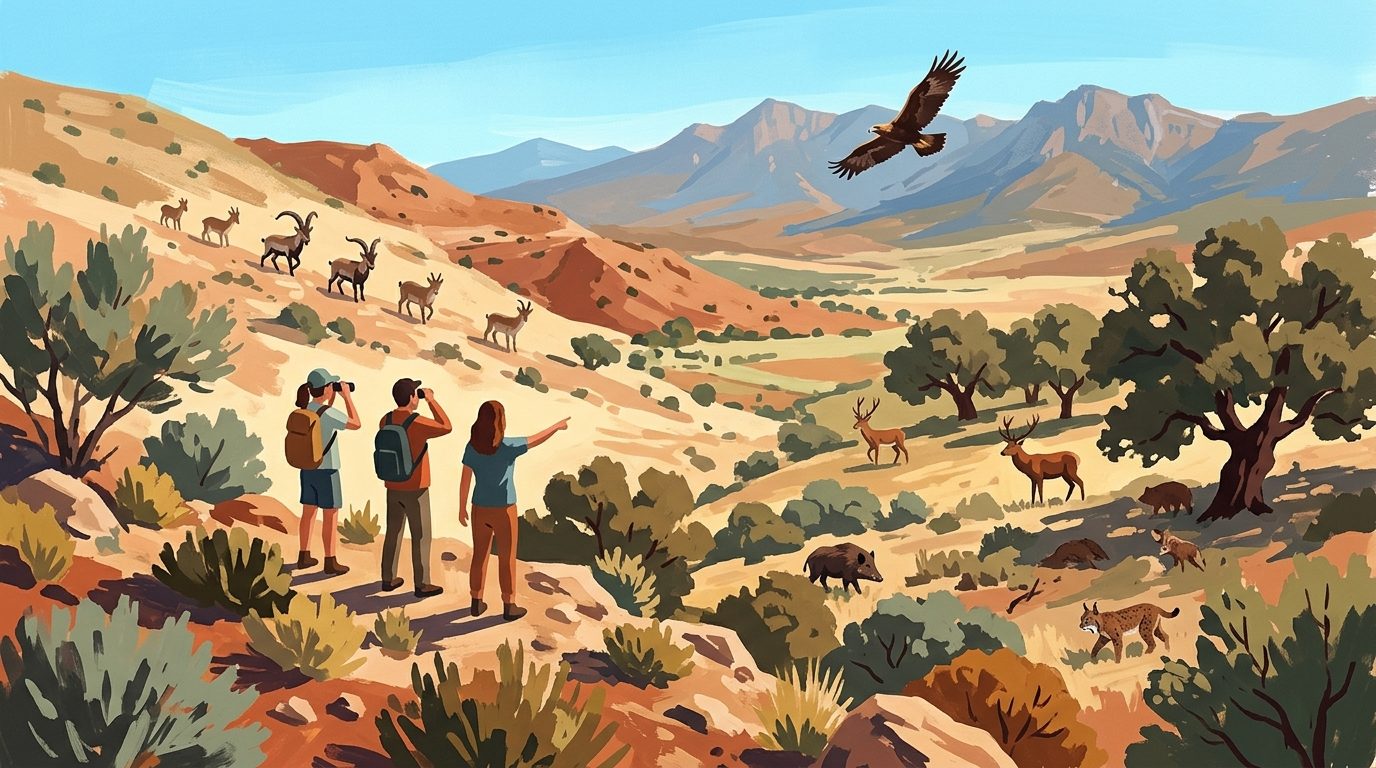
Beyond the sun-drenched beaches, Andalucía provides a sanctuary for some of Europe’s rarest species, from the elusive Iberian lynx to migratory whales in the Strait of Gibraltar. This region serves as a vital bridge between continents, offering nature enthusiasts an unparalleled chance to witness wildlife in a rugged, natural setting.
Andalucía occupies a unique geographical position that makes it one of the most biodiverse regions in Europe. Situated at the southern tip of the continent, only 14 kilometres from Africa, it serves as a critical corridor for millions of migratory birds. The landscape is a varied collection of high-altitude mountain ranges, expansive salt marshes, and arid semi-deserts, each supporting a distinct community of flora and fauna. While many visitors arrive for the culture and coastline, the interior and the straits offer world-class opportunities for nature watching that remain surprisingly quiet throughout much of the year.
For a seasoned birder or a family looking for a meaningful outdoor experience, the region offers everything from organised specialist tours to accessible self-guided walks.The key to successful wildlife watching here is timing and patience. Many of the most iconic species, such as the Iberian lynx or the Mediterranean chameleon, are masters of camouflage. However, with the help of local expert guides and a basic understanding of the habitats, encountering these animals in the wild is an achievable and profound experience. From the snow-capped peaks of the Sierra Nevada to the Atlantic breezes of the Doñana, the natural world in the south of Spain is as dramatic as it is fragile.
Best Places for Wildlife Watching in Andalucía
The Iberian Lynx: Sierra de Andújar and Doñana
The Iberian lynx is one of the world’s rarest feline species and a symbol of successful European conservation, having recently been moved from 'Endangered' to 'Vulnerable' status. Andalucía remains its primary stronghold. The Sierra de Andújar Natural Park in Jaén is widely considered the best location globally to spot them. The landscape here is classic Mediterranean scrubland: rolling hills covered in holm oaks and large granite boulders. The lynx often use these rocks as vantage points to hunt rabbits, their primary food source.
The best way to see them is by hiring a specialist guide who knows the specific territories. Many enthusiasts gather at the ‘La Lancha’ track or near the Encinarejo dam (note: always check for seasonal road closures in the park). To increase your chances, consider booking a multi-day excursion with operators like Iberia Nature, who provide high-quality optics and professional tracking skills. Alternatively, the Doñana National Park in Huelva offers a different environment of dunes and pine forests where the lynx also roams. Access to the core of the park is restricted, so you will need to book a 4x4 tour with Doñana Reservas to reach the best viewing areas.
Whales and Dolphins in the Strait of Gibraltar
The waters where the Mediterranean meets the Atlantic are teeming with marine life. Seven species of whales and dolphins can be found in the Strait of Gibraltar. Common, striped, and bottlenose dolphins are resident year-round and are frequently seen leaping alongside boats. For those seeking larger mammals, Long-finned pilot whales are also permanent residents. Between April and September, Sperm whales migrate through the area, while Fin whales can be spotted during their transition between the two seas.
The most dramatic spectacle occurs in July and August when pods of Orcas (Killer Whales) arrive to hunt Bluefin tuna near the Moroccan coast. Boat trips depart daily from Tarifa, a town famous for its wind and maritime heritage. Operators such as Turmares or the non-profit research organisation FIRMM provide educational trips that prioritise the welfare of the animals. Be aware that departures are strictly dependent on the Levante and Poniente winds; if the wind is too strong, boats stay in the harbour for safety.
Flamingos and Waterbirds: Fuente de Piedra and Odiel Marshes
Andalucía is a paradise for fans of the Greater Flamingo. The Laguna de Fuente de Piedra in Málaga province is the largest natural lake on the Iberian Peninsula and hosts the second-largest colony of flamingos in Europe. In spring, thousands of these pink birds gather here to breed. The visitor centre, Centro de Visitantes José Antonio Valverde, provides excellent vantage points and telescopes. The water level of the lagoon varies significantly depending on winter rainfall, which in turn dictates the number of birds that arrive to nest.
For a different birding experience, the Marismas del Odiel in Huelva is an extensive system of tidal marshes. It is a UNESCO Biosphere Reserve and a vital stopover for spoonbills, herons, and ospreys. The salt pans here provide a constant food source, making it one of the most reliable places for photography. Unlike the seasonal nature of some inland lagoons, the coastal marshes offer consistent sightings throughout the year.
The Mediterranean Chameleon: The Axarquía and Cádiz Coast
The Mediterranean chameleon is one of Andalucía’s most peculiar inhabitants. Found mainly in the coastal strips of Málaga and Cádiz, these slow-moving reptiles are often difficult to find because of their ability to change colour to match the surrounding vegetation. They favour retama (broom) bushes and coastal pine groves. One of the most reliable places to see them is the dunes of La Barrosa in Chiclana de la Frontera or the coastal areas around Vélez-Málaga.
The best time to spot them is late summer during their mating season when they become more active, or at night using a torch (being careful not to disturb them). They are incredibly sensitive to habitat loss, so it is vital to stay on marked paths and never handle the animals. Local environmental groups often run guided evening walks during the summer months to educate the public about their conservation.
Griffon Vultures and Ibex: El Torcal and Grazalema
If you look to the skies in the mountain ranges of the Serranía de Ronda or the Sierra de Grazalema, you are almost guaranteed to see the massive silhouettes of Griffon vultures. These birds, with wingspans of up to 2.8 metres, use the thermal updrafts to soar over the limestone crags. The Garganta Verde near Zahara de la Sierra is home to one of the largest nesting colonies in Europe. For those on foot, El Torcal de Antequera offers a unique opportunity to see Spanish Ibex. These mountain goats are remarkably accustomed to humans here and can often be seen perched on the surreal karst rock formations. The park is free to enter and has several well-marked trails suitable for most fitness levels.
Practical Information
Nature watching in Andalucía requires some preparation. For lynx and bird watching, binoculars are essential; a pair of 8x42 or 10x42 binoculars is usually the standard for general use. In terms of costs, a full-day guided 4x4 tour in Doñana or Andújar typically ranges from €50 to €90 per person, while whale watching in Tarifa costs approximately €35 to €50 for a two-hour trip. The best seasons for wildlife are spring (March to June) for breeding birds and wildflowers, and autumn (September to November) for the massive southwards bird migration. Summer can be extremely hot, especially in the interior, making early morning or late evening the only viable times for sightings. Always carry plenty of water, wear neutral-coloured clothing to blend in, and use high-factor sunscreen even in the winter months.
Local Tips
To see the Iberian lynx without a guide, the best strategy is to find a safe pull-off on the road between Andújar and the Encinarejo dam at dawn. Look for where the professional photographers have set up their tripods; they are usually happy to share what they have seen if you approach quietly. Always check the wind forecast before travelling to Tarifa for whale watching; the Windy app is a local favourite for accurate updates. Finally, if you visit Fuente de Piedra, go as early as possible in the spring, as the lagoon can dry up quickly by mid-June if it has been a dry year (check current conditions locally before travelling, as recent droughts have been known to impact water levels even earlier).
Last reviewed: 21 June 2026 · Editorial policy
Related guides
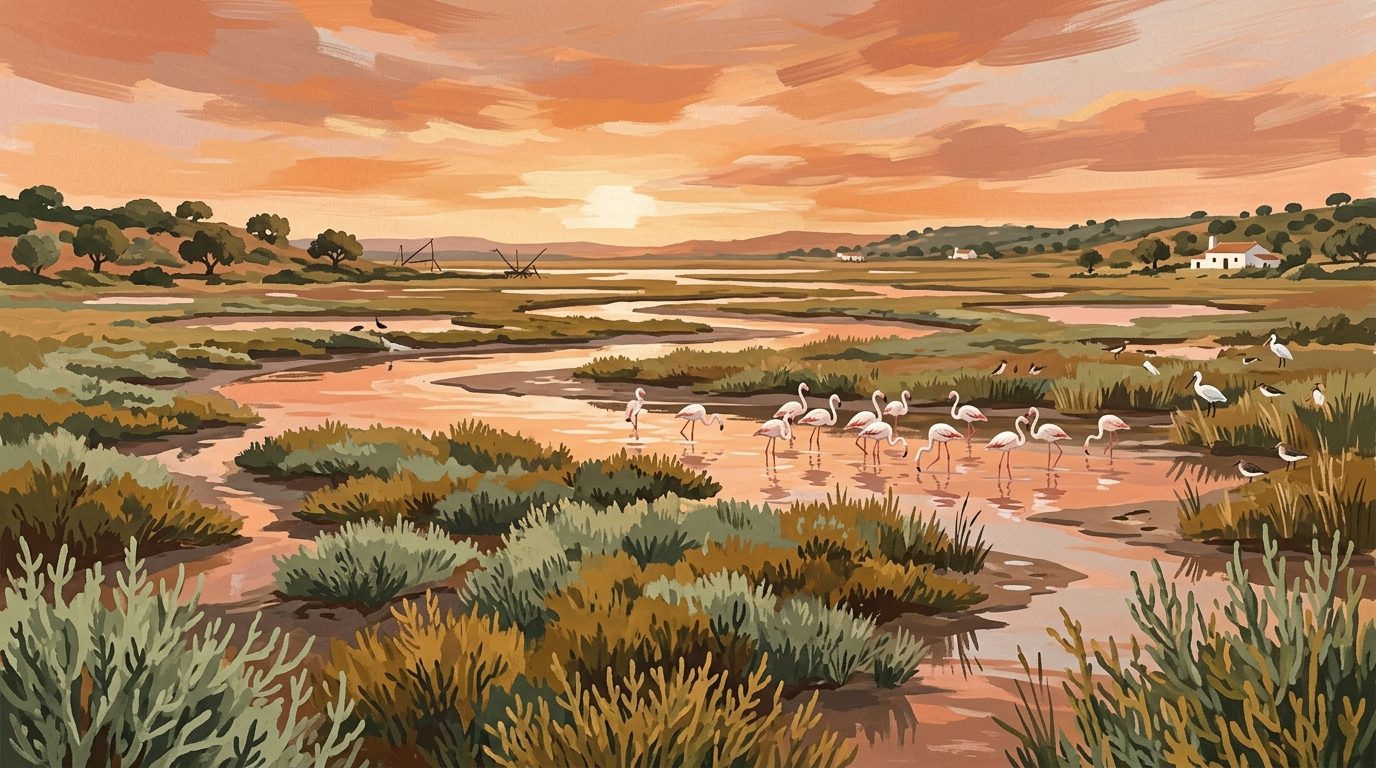
Odiel Marshes: Huelva's Overlooked Wetland
Discover the Marismas del Odiel, a tidal powerhouse in Huelva that hosts Europe's largest spoonbill colony and a spectacular array of flamingos and ospreys.
7 min read
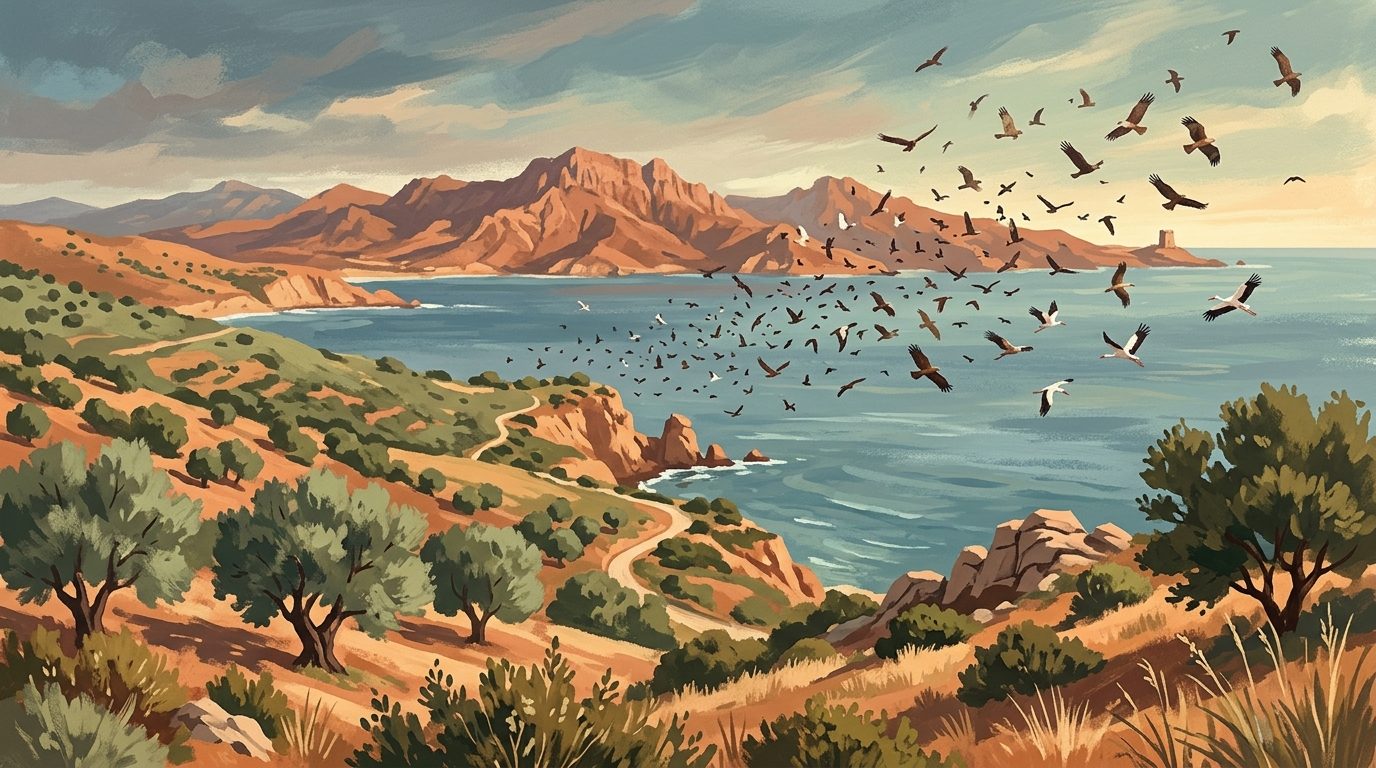
The Gibraltar Strait: Europe's Greatest Bird Migration
Discover the biological funnel where millions of raptors and storks cross between Europe and Africa, creating one of the world's most significant wildlife spectacles.
7 min read
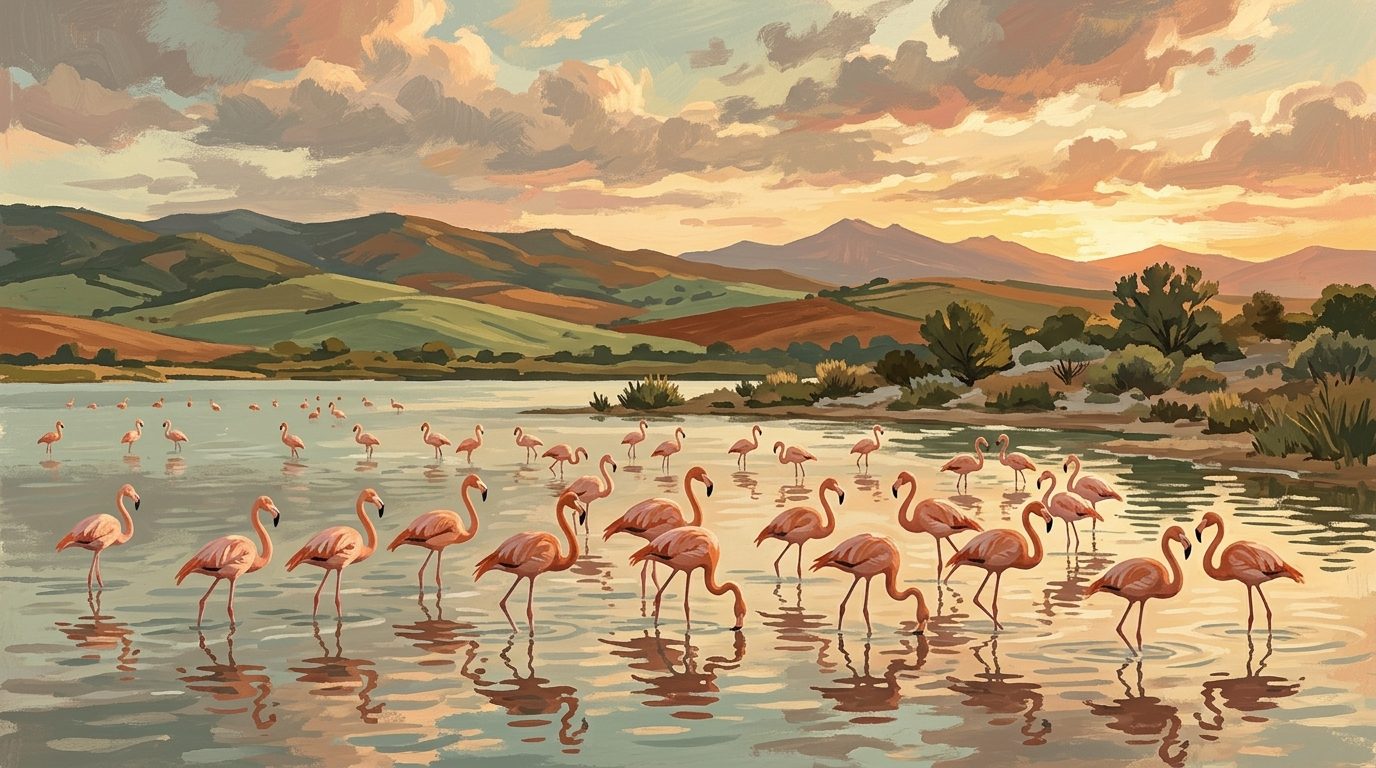
Fuente de Piedra: Andalucía's Flamingo Lake
Discover the vital breeding grounds of the Greater Flamingo at the Laguna de Fuente de Piedra, a hypersaline wetland in the heart of Málaga province.
7 min read
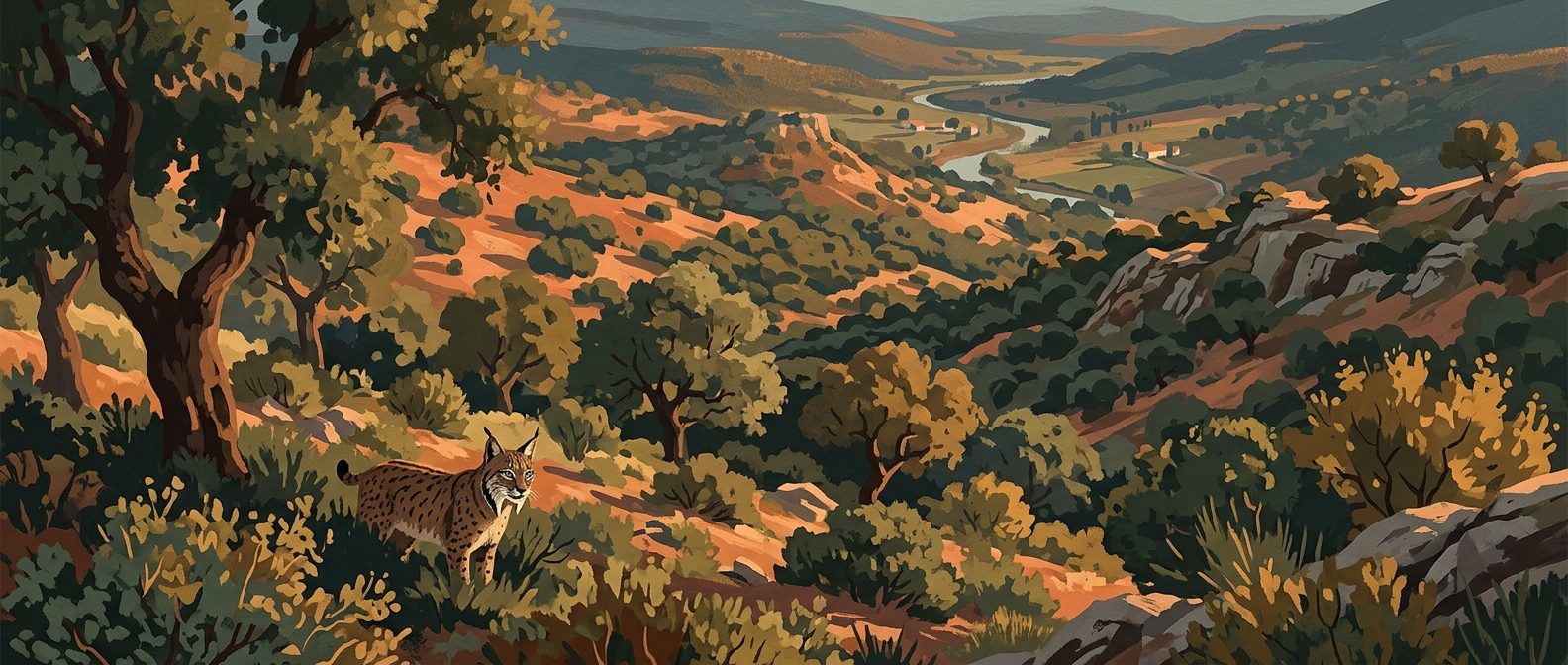
Where to See the Iberian Lynx: Andújar and Beyond
Discover the best ways to see the world's rarest cat in the Sierra de Andújar. This guide covers the best viewing spots, seasonal timing, and the diverse wildlife of Jaén's rugged Mediterranean scrubland.
6 min read
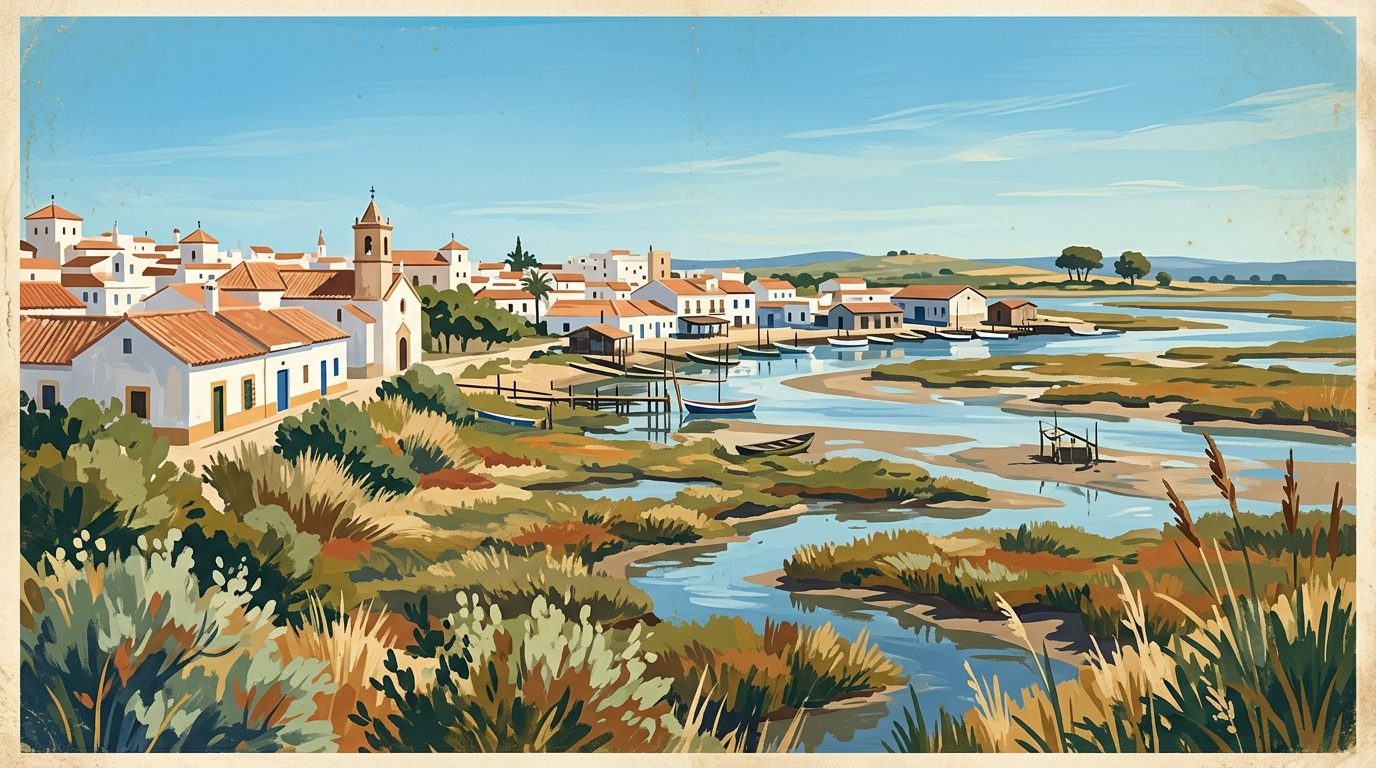
A Guide to the Odiel Marshes: Huelva’s Coastal Wilderness
Discover the sprawling tidal wetlands of the Odiel Marshes, a UNESCO Biosphere Reserve home to Europe’s most significant spoonbill colonies and striking pink flamingos.
6 min read
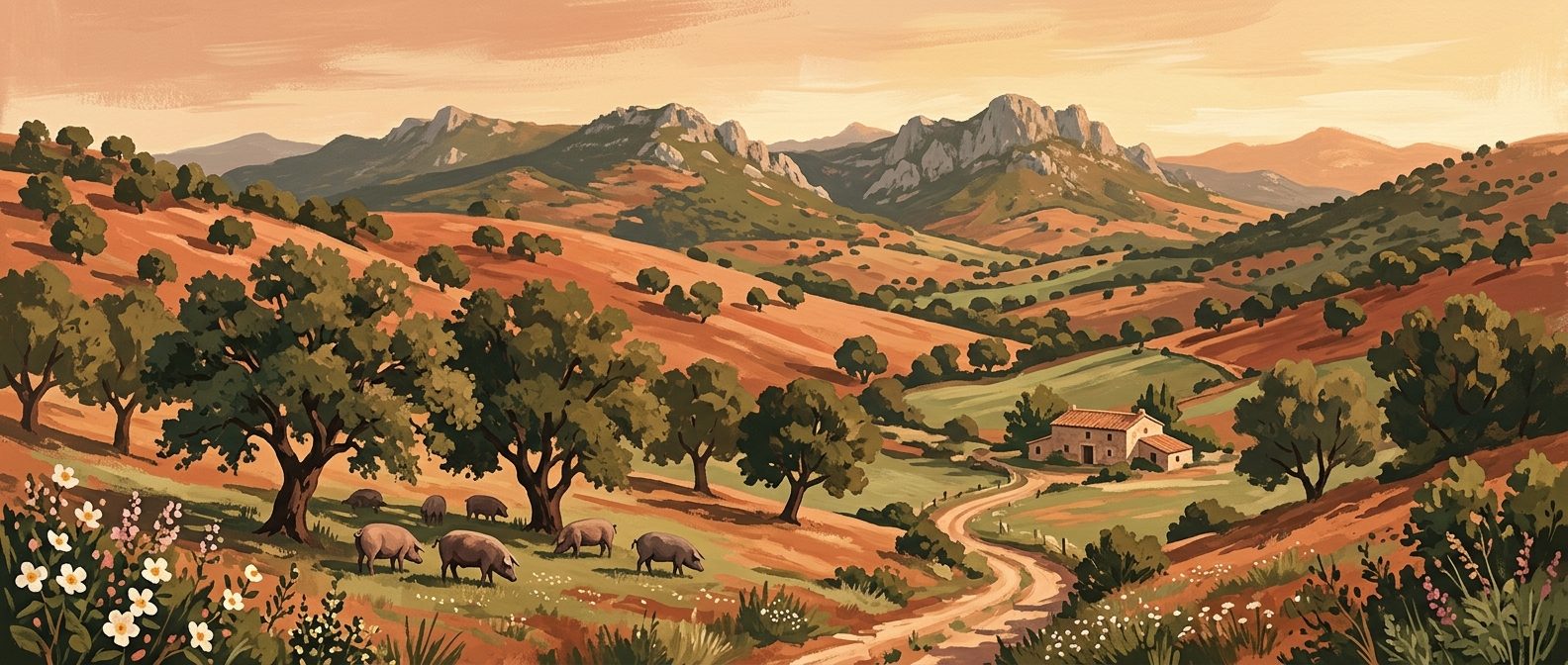
Sierra de Aracena: Huelva's Green Highland
An ancient managed landscape where holm oak and chestnut forests meet rare raptors and the iconic Iberian pig. This northern Huelva highland provides one of Andalucía's most intact examples of the dehesa ecosystem.
8 min read
More guides

The Definitive Guide to Feria de Abril in Sevilla
Discover the cultural nuances, strict dress codes, and insider advice for navigating Sevilla's exclusive spring fair like a seasoned local.
9 min read

Golf in Jaén Province: A Practical Guide to Courses, Clubs, and Holidays
Discover the reality of playing golf in Jaén. From the 9-hole course at La Garza to local societies and combining rounds with olive oil tourism.
12 min read

Golf in Córdoba Province: Courses, Holidays, and Shops
Discover practical tips, course details, and holiday planning advice for playing golf in Córdoba province, from the mountain fairways of Sierra Morena to the historic greens of Los Pedroches.
10 min read

The Ultimate Guide to Golf in Cádiz Province
Discover the finest golf courses, resorts, and practical tips for planning your next golf holiday in the province of Cádiz. From championship layouts to essential details on green fees and club hire, everything you need is covered.
11 min read

Golf in Sevilla Province: Courses, Holidays and Local Pro Shops
Swap the crowded coastal fairways for the refined courses of Sevilla province. Discover top layouts designed by golfing legends, local shops, and expert tips for your next trip.
10 min read

A Complete Guide to Golf in Málaga Province
From championship courses in Marbella to practical advice on club rentals and tee times, discover everything you need to know about playing golf in Málaga province.
11 min read

Golf in Granada Province: A Practical Guide to Courses, Holidays and Gear
Plan your perfect golfing trip with our practical guide to Granada's 18-hole courses. Discover green fees, club rental, and the best locations for a golf holiday.
12 min read
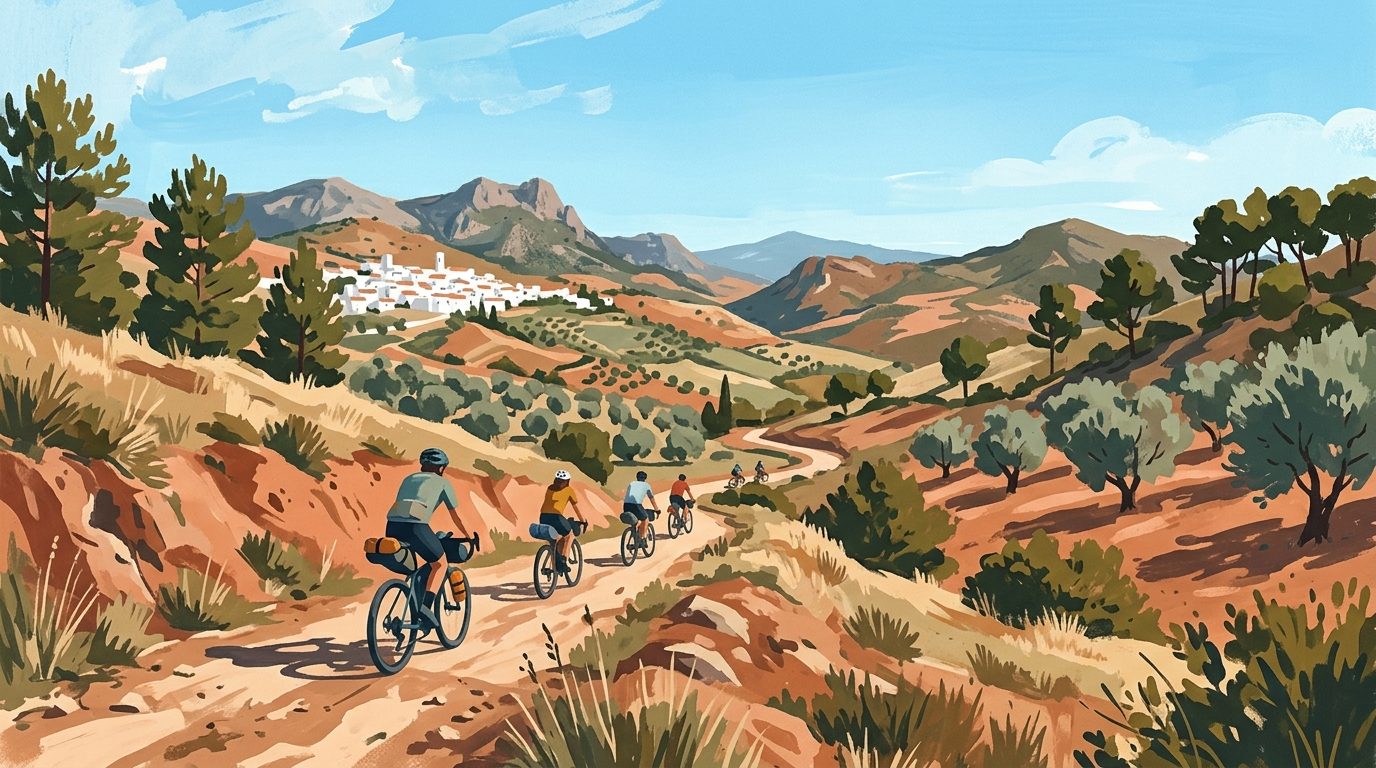
Bikepacking in Andalucía: A Complete Guide to Two-Wheeled Adventures
Discover how to plan the ultimate bikepacking adventure in southern Spain. Our guide covers route planning, essential gear, weather windows, and tips for navigating wild terrain.
13 min read

Hands-on Gastronomy: The Best Cooking Classes in Andalucía
Discover the art of Andalucían cuisine through hands-on workshops, from Triana's market-based schools to specialist Sherry cooking classes in Vejer.
6 min read
Newsletter
More stories from Andalucía
Weekly notes, seasonal picks, and the next guides worth bookmarking.