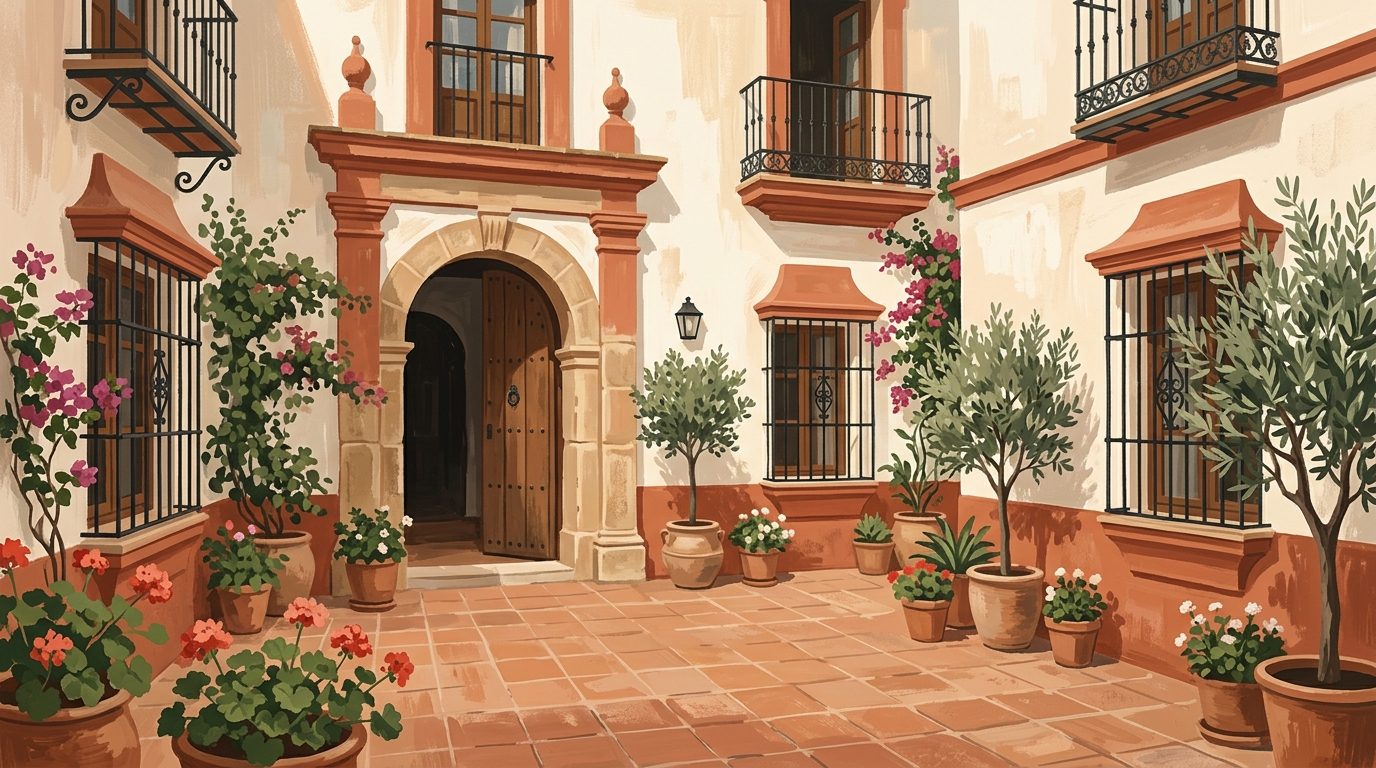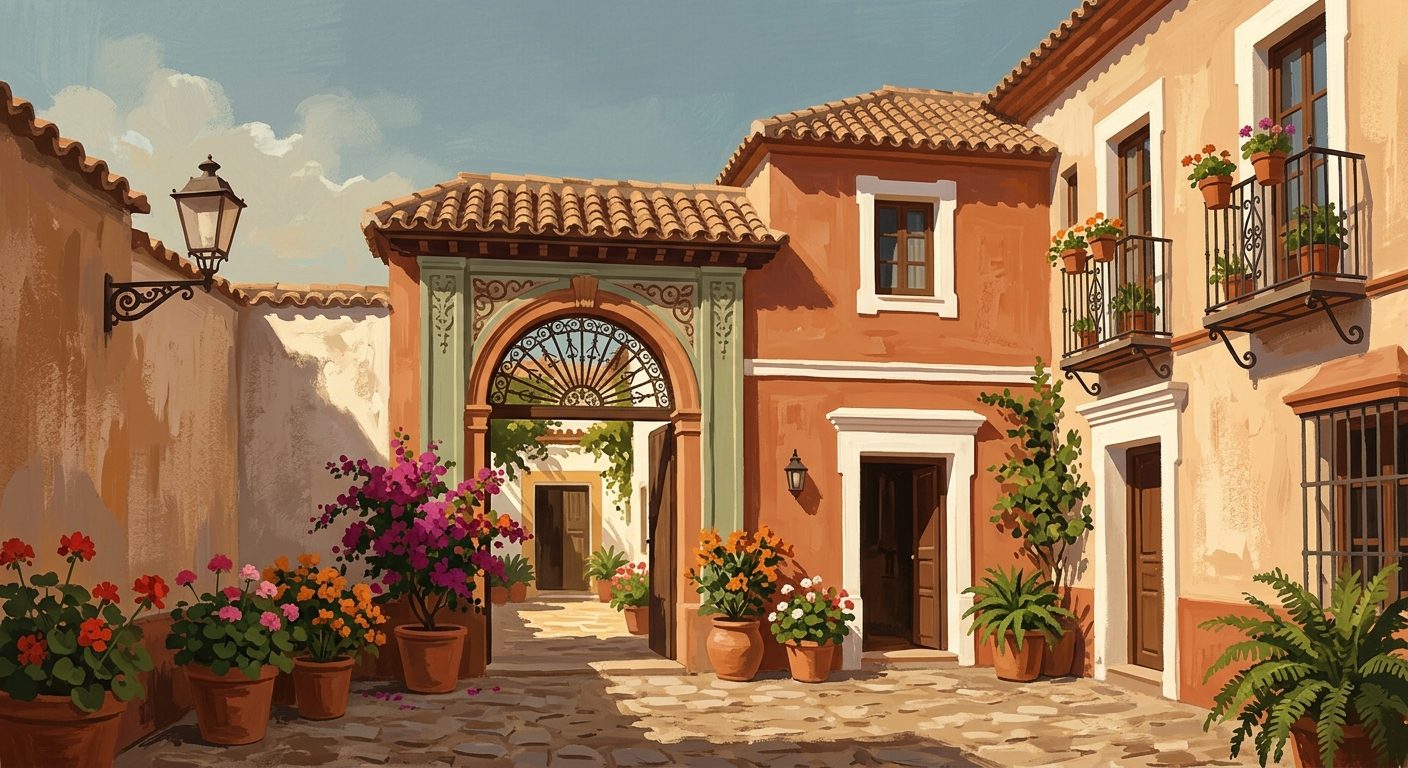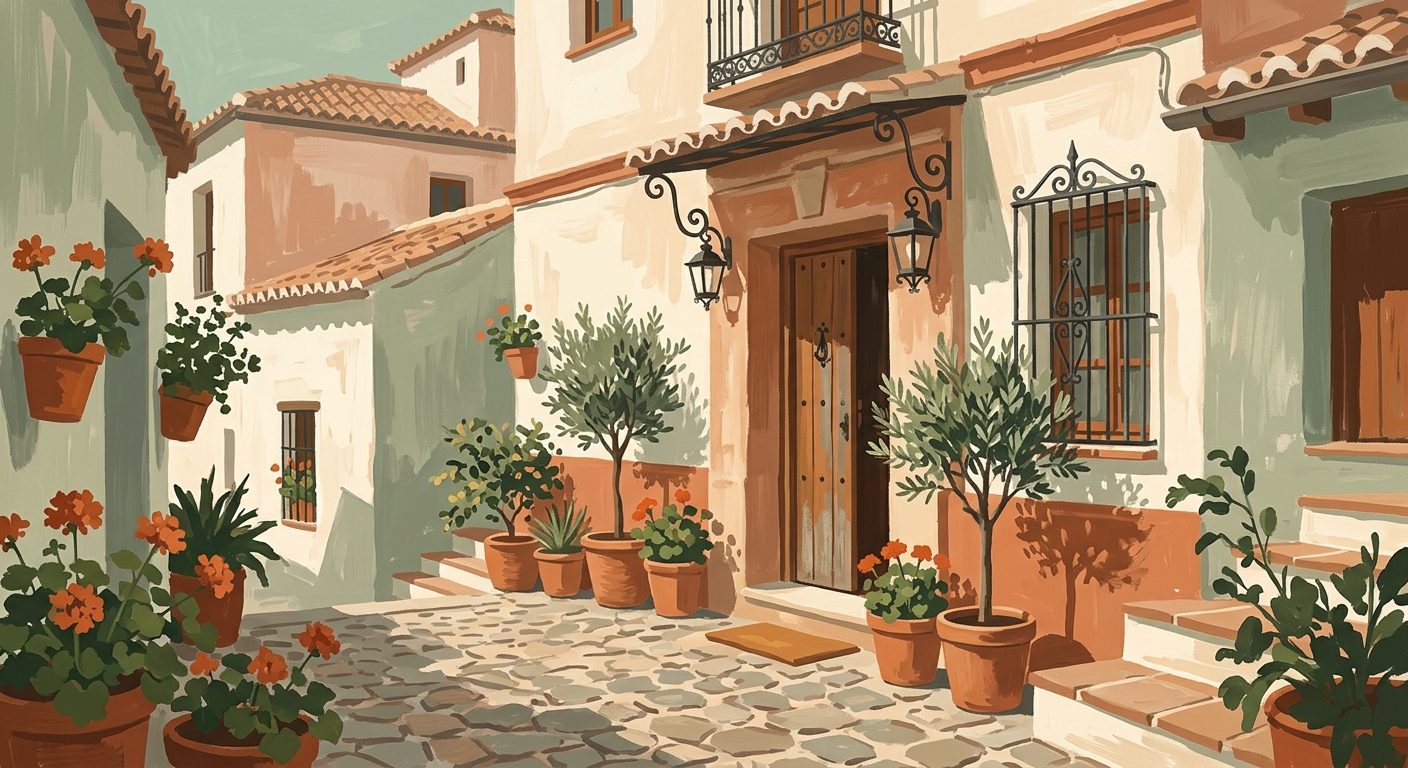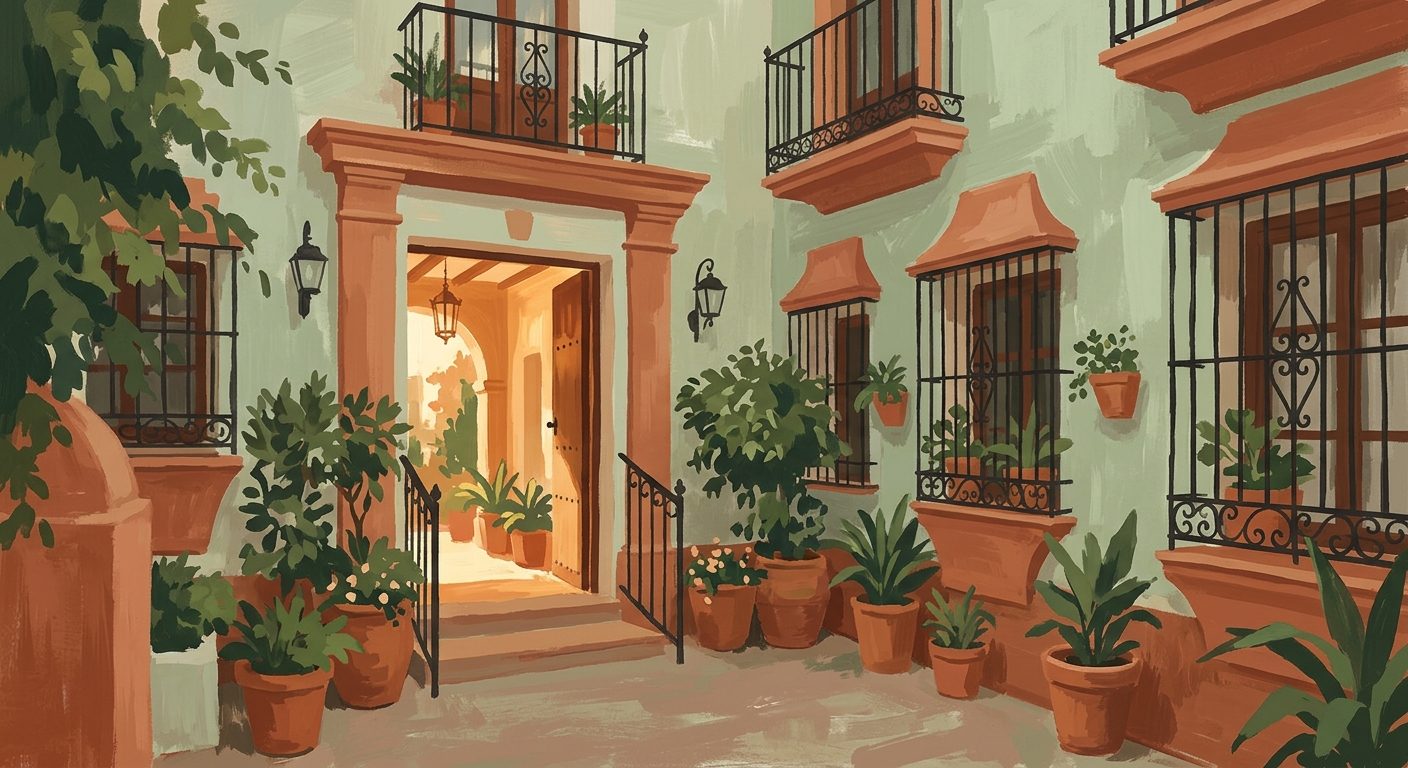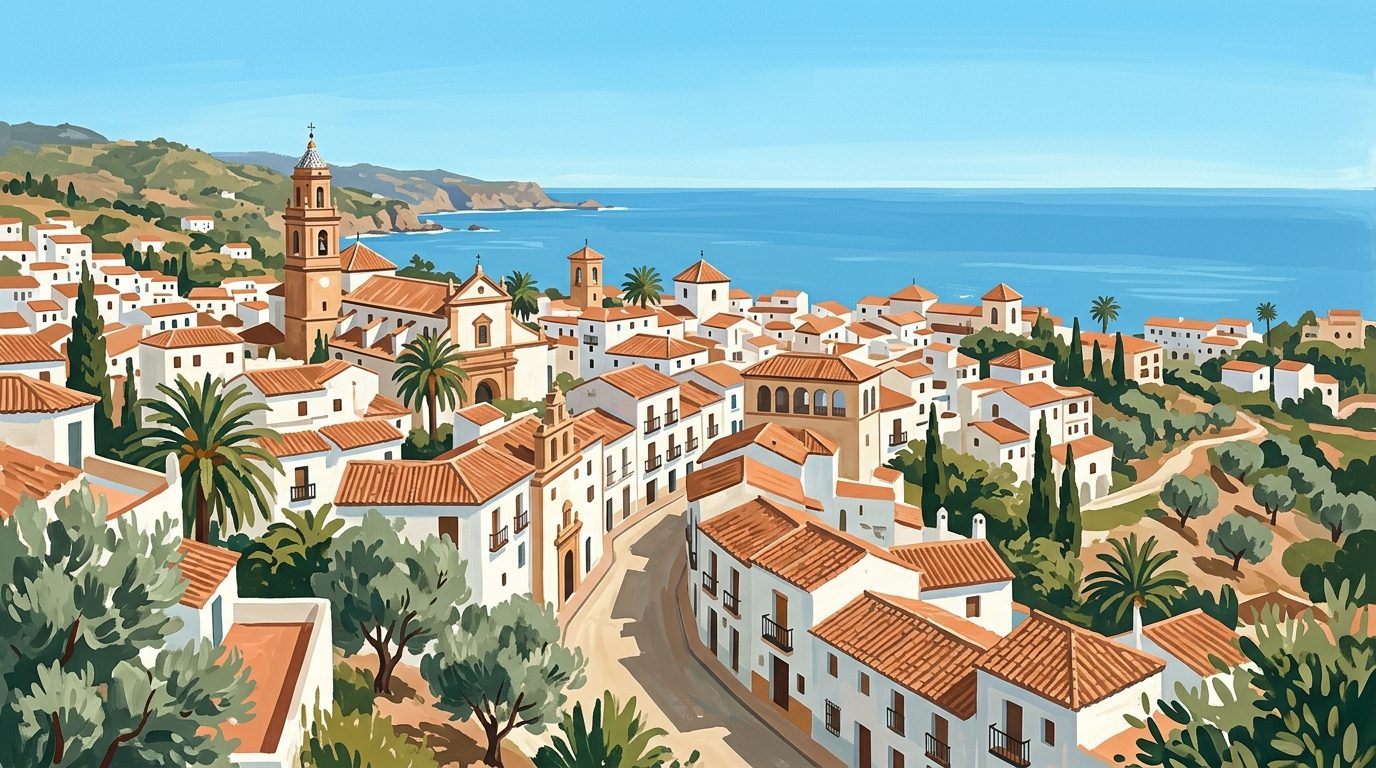
Often referred to as the Garden of the Costa del Sol, Estepona maintains the character of a traditional Andalucían fishing village while offering modern cultural attractions. Its flower-lined streets and extensive mural trail provide an authentic alternative to the more commercial resorts nearby.
Estepona has undergone a remarkable transformation over the last decade. While much of the Costa del Sol expanded with high-rise developments, this coastal town took a different path, focusing on the beautification of its historic centre and the promotion of public art. Today, it stands as one of the most attractive destinations in Málaga province, successfully balancing its origins as a fishing port with a forward-thinking approach to urban design. The result is a town that feels lived-in and local, where neighbours tend to thousands of geraniums and world-class murals decorate everyday apartment blocks.
The town’s geography is equally appealing. To the north lies the Sierra Bermeja mountain range, known for its unusual red peridotite rock, which provides a dramatic backdrop and shelters the town from northerly winds. To the south, the Mediterranean stretches out towards Gibraltar and the African coastline, both of which are clearly visible on clear days. For visiting for the beaches, the botanical wonders, or the quiet charm of the backstreets, Estepona offers a relaxed pace of life that is increasingly hard to find in this part of Spain.
What to See & Do
The Historic Old Town (Casco Antiguo)
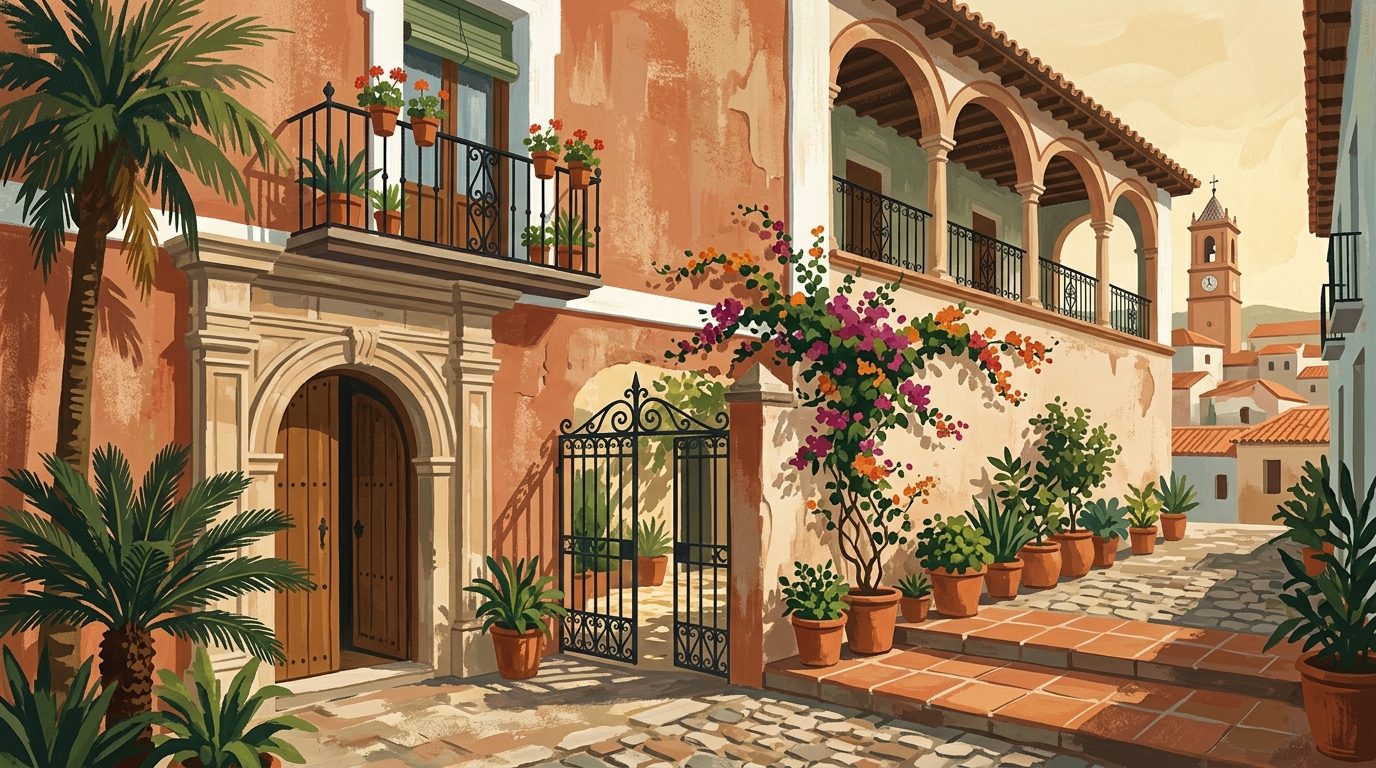
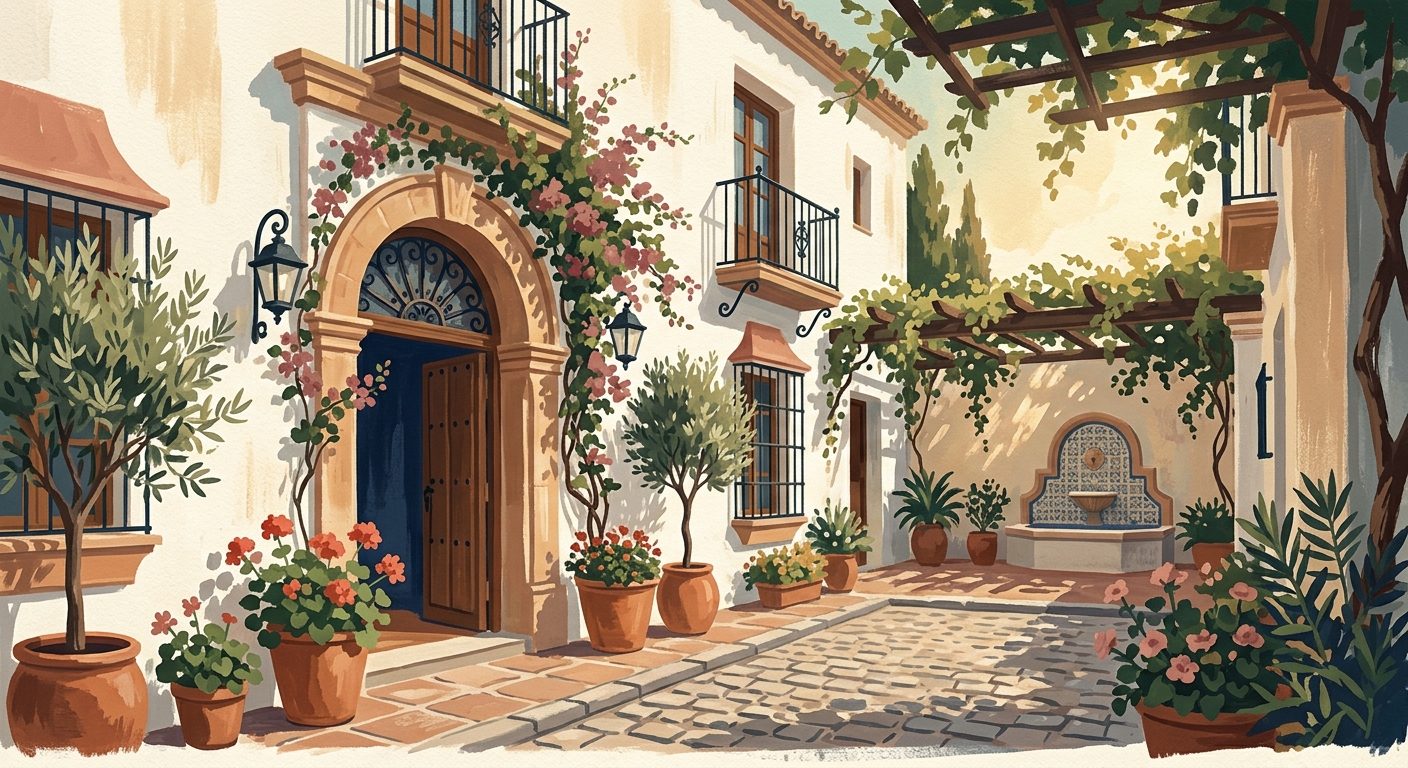
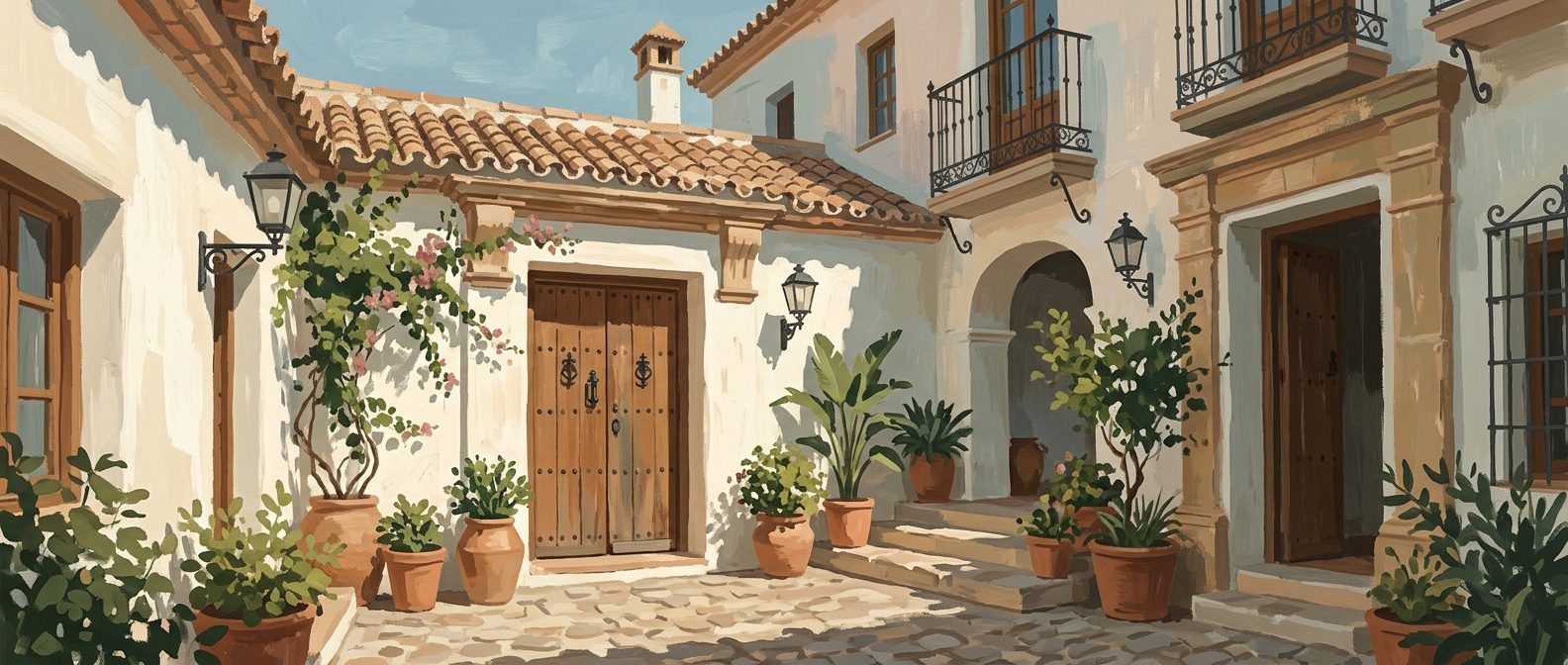
The heart of Estepona is its historic quarter, a network of narrow, pedestrianised streets that have been meticulously restored. Since 2012, more than 120 streets have been renovated as part of the "Garden of the Costa del Sol" initiative. Each street is decorated with hundreds of hanging flowerpots, with many streets assigned a specific colour for their ceramic containers: red on one, blue on another, and emerald green on the next.
Plaza de las Flores is the central hub, filled with orange trees and surrounded by cafes with outdoor terraces. It is a natural starting point for any walk. Nearby, you will find the remains of the 15th-century Castillo de San Luis and the Plaza del Reloj, which features a striking clock tower that is the only remains of a former church destroyed in an earthquake in 1755.
The Mural Trail (Ruta de Murales)
One of the town’s most successful cultural projects is its mural trail. Rather than being confined to a single district, these massive works of art are spread across various neighbourhoods, often painted on the gable ends of social housing blocks. There are now over 70 murals to discover, turning the entire town into an open-air museum.
Look out for "Día de Pesca" (Fishing Day), which spans six separate buildings and is one of the largest murals in Spain. Another favourite is "Regando el Jardín" (Watering the Garden), which uses a clever trompe l’oeil effect where a giant girl appears to be watering a real tree planted on the pavement below. Maps of the trail are available at the tourist office, making it an excellent way to explore parts of the town you might otherwise overlook.
The Orchidarium Estepona (Orquidario)
Inaugurated in 2015, this modern botanical building has become a landmark for the town. It is housed under three giant glass domes, the tallest of which reaches 30 metres. Inside, you will find a tropical climate that supports over 1,300 species of orchids and thousands of other exotic plants from around the globe.
The interior is designed over two levels with a 17-metre waterfall that cascades into a lake, creating a peaceful atmosphere. It is a cooling space to visit during the height of summer. The exterior of the building is surrounded by the Parque Botánico-Orquidario, which is also beautifully landscaped and free to enter.
Beaches and the Promenade
Estepona features a wide, sandy coastline that remains less crowded than those in Marbella or Fuengirola. The main beach, Playa de la Rada, runs for over two kilometres alongside the town centre. It is backed by a broad promenade (Paseo Marítimo) lined with palm trees and chiringuitos (beach bars) serving traditional espetos de sardinas (sardines grilled on bamboo skewers over olive wood).
For families, Playa del Cristo is a sheltered cove located just past the marina. Its shallow, calm waters and west-facing orientation make it ideal for children and for watching the sunset. Between the two beaches lies the Puerto Deportivo, a working marina where you can watch the fishing fleet return in the late afternoon or browse the popular street market held every Sunday morning.
Practical Information
How to Get There: Estepona is located 85 kilometres west of Málaga. While there is no train station in the town, it is well-connected by bus. The Avanza bus company (formerly Portillo) runs regular services, including the M-131 direct and M-110, from Málaga city and Málaga Airport, with the journey taking approximately 70 to 90 minutes. By car, the AP-7 toll road is the fastest route, while the A-7 coastal road offers a slower, more scenic drive without the fees.
Parking: Parking in the centre has been made significantly easier by a municipal initiative. Several large underground car parks, such as the one at Plaza Antonia Guerrero or Avenida San Lorenzo, currently offer a municipal rate of approximately €1 per day (24 hours), though it is advised to check signs or search for the municipal parking plan on the official town hall website for current rates before travelling. This is an exceptionally good deal and makes it easy to leave the car and explore the pedestrianised centre on foot.
Orchidarium Times & Prices: Opening hours often change depending on the season, so it is highly recommended to check the official Orchidarium website before travelling. Typically, it opens Tuesday to Saturday from 10:00 to 13:30 and 15:00 to 18:00, and Sundays from 10:00 to 14:00 (closed on Mondays). General admission is usually €3 for adults and €1 for children.
Where to Eat Nearby
For the freshest seafood, head to Restaurante La Escollera located in the fishing port. It is a local favourite where you don't book a table; you simply turn up, wait for your name to be called, and enjoy plates of fried calamari, grilled prawns, and monkfish skewers in a lively, informal setting.
In the old town, Casa Doña Jerónima offers a more refined experience. Situated near the church of Los Remedios, it focuses on traditional Andalucían recipes with a contemporary twist, using seasonal ingredients from the surrounding region. Another excellent choice is Restaurante El Pescador on the promenade, which is highly regarded for its high-quality fish and sea views.
Where to Stay
For those who want to be in the heart of the action, Hotel El Pilar Andalucía is a stylish boutique option located directly on Plaza de las Flores. If you prefer a resort experience, the H10 Estepona Palace is located just outside the town centre with direct beach access and architecture that blends Andalucían and Moorish styles. For a more intimate stay, several traditional townhouses in the historic centre have been converted into small guest houses.