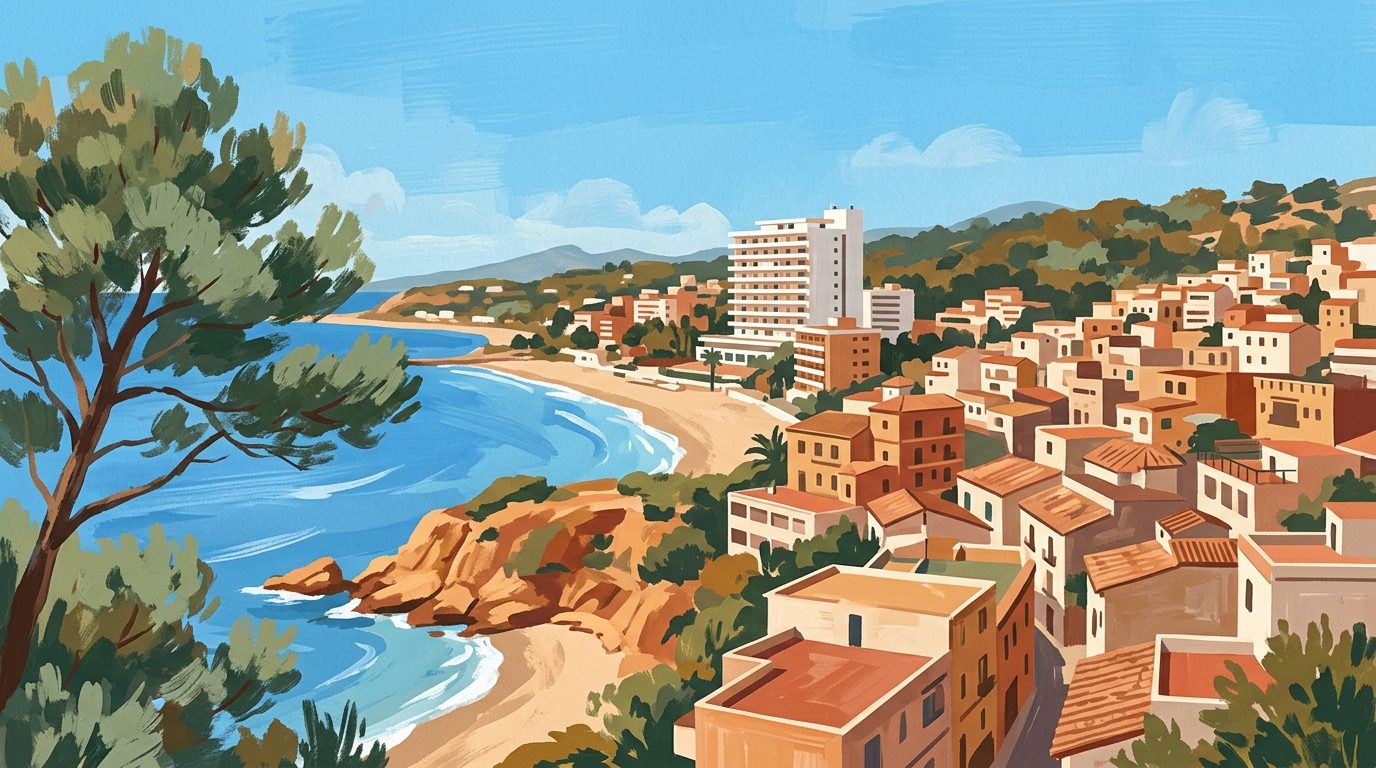
Once a quiet fishing village, Torremolinos transformed into the Mediterranean's first major holiday destination, evolving today into a multifaceted resort that balances nostalgic charm with a progressive social scene. Visitors will find expansive sandy stretches, a renowned culinary tradition centred on fried fish, and some of the most inclusive nightlife in southern Spain.
Torremolinos holds a unique position in the story of Andalucían tourism. While often remembered as the birthplace of the 1960s package holiday, the town has undergone a significant transformation in recent years. It has moved away from the outdated stereotypes of the late 20th century to reclaim its status as a versatile coastal destination. Located just west of Málaga city, it serves as the gateway to the Costa del Sol Occidental, providing a blend of traditional Andalucían culture in its old quarters and a high-energy atmosphere along its promenade.
The town is geographically split into two distinct areas: the town centre, which sits on a plateau overlooking the Mediterranean, and the beach level, accessible via steep steps or a public lift. Each district has a different personality, from the peaceful botanical gardens on the outskirts to the energetic plazas of the centre and the historically significant fishing district of La Carihuela. If you want family-friendly shorelines or the famous LGBTQ+ nightlife of La Nogalera, Torremolinos offers a breadth of experience that few other coastal towns can match.
What to See & Do
La Carihuela: The Fishing Heritage
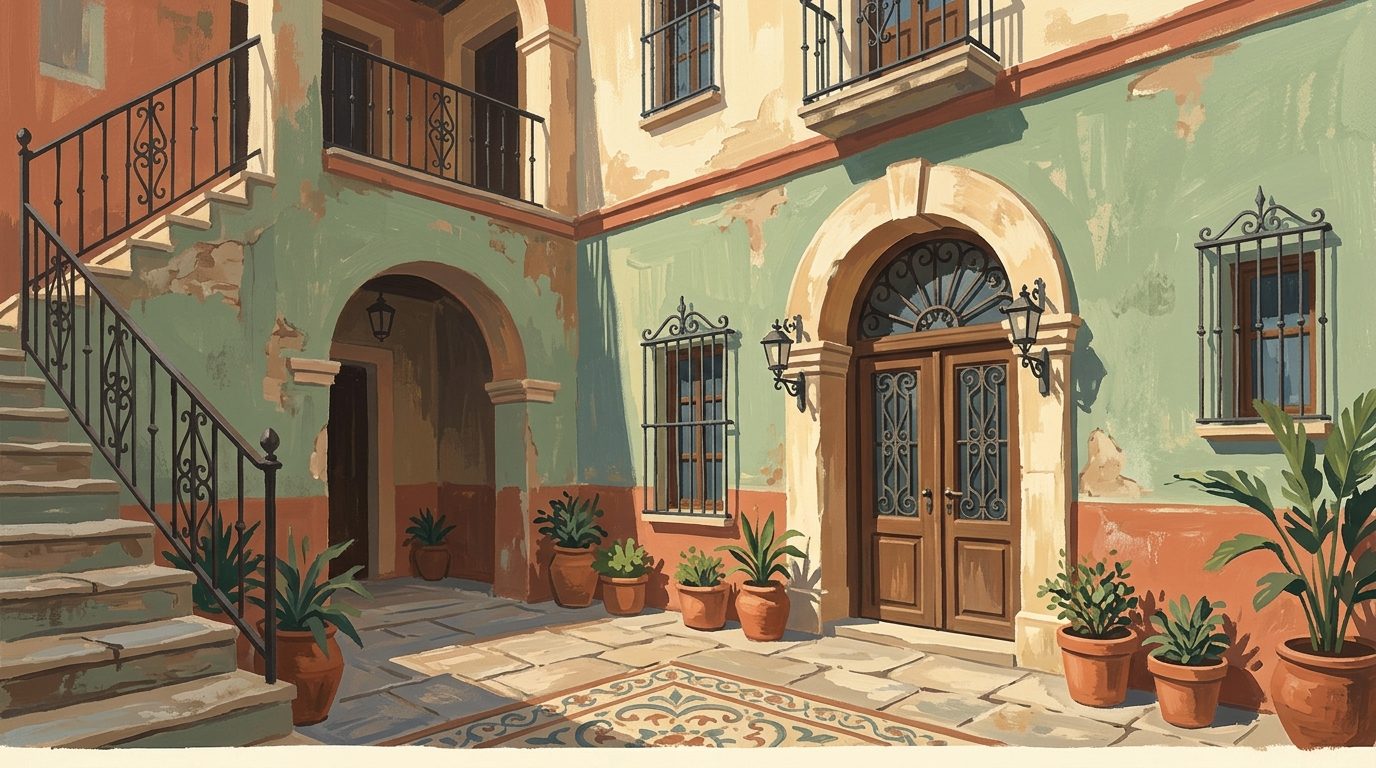
Before the arrival of international hotels, Torremolinos was defined by its fishing industry, and nowhere is this more evident than in La Carihuela. This district retains much of its original character, with narrow streets and low-rise whitewashed houses. The promenade here is the best place to sample pescaíto frito (small fried fish), a local staple. The beach itself is wide and sheltered, making it a favourite for families. Unlike the more modern developments further east, La Carihuela feels like a self-contained village where the pace of life slows down significantly once you step away from the main coastal road.
Calle San Miguel and the Town Centre
Calle San Miguel is the pedestrian artery of the town. This busy thoroughfare is lined with shops ranging from international brands to traditional Spanish leather goods and ceramics. Following the street southwards leads you to the Cuesta del Tajo, a steep, winding path lined with small kiosks and terraces that descends towards the sea. At the end of this path sits the Torre Pimentel (also known as the Torre de los Molinos), the 14th-century watchtower that gave the town its name. The surrounding plazas, such as Plaza Costa del Sol, have recently been pedestrianised and features modern architectural sculptures and shaded seating areas.
Jardín Botánico Molino de Inca
For those seeking a reprieve from the coastal heat, the Molino de Inca botanical garden offers a quiet sanctuary. Located near the municipal waterworks, this garden is built around a restored flour mill. It houses over 150 species of palm trees, a variety of exotic birds, and several natural springs that feed into tranquil ponds and fountains. The garden is meticulously landscaped and provides a stark contrast to the busy beaches. It is one of the town’s best-kept secrets, offering a genuine sense of calm and a chance to see the diverse flora that thrives in the local microclimate.
Parque de la Batería
Located in the Montemar district, Parque de la Batería is a large green space that occupies a former military site. It still contains several old artillery cannons and a series of underground bunkers that can be explored. The park features a large artificial rowing lake, a classic Venetian-style carousel, and an observation tower that provides panoramic views over the Bay of Málaga and the Sierra de Mijas. It is an excellent spot for an afternoon walk or for families with children who need space to run.
Beaches and the Senda Litoral
The coastline of Torremolinos is divided into several main beaches: Los Álamos, Playamar, Bajondillo, and La Carihuela. Los Álamos is known for its chill-out beach clubs and windsurfing conditions, while Bajondillo is the most central and accessible from the town centre. All these beaches are connected by the Paseo Marítimo, a long promenade that forms part of the Senda Litoral (Coastal Path). You can walk or cycle for kilometres along this path, eventually reaching the neighbouring Benalmádena Costa to the west or the edges of Málaga city to the east.
Practical Information
Getting There: Torremolinos is exceptionally well-connected. The C1 Cercanías train line runs from Málaga city centre and the airport every 20 minutes. The journey from Málaga-Costa del Sol Airport takes roughly 10 minutes and costs approximately €1.80 (Zone 2 single). By car, the town is accessed via the AP-7 motorway or the N-340 coast road.
Parking: Parking in the centre can be difficult, particularly during the summer months and on weekends. The best options are the large underground car parks at Plaza de la Nogalera and Plaza de Andalucía. Expect to pay around €15 to €20 for a full day of parking.
Opening Times & Prices:
- Molino de Inca: Open Tuesday to Sunday, 09:00 to 18:00 (winter); summer hours (typically May to September) extend to 21:00. Entry is €3 for adults.
- Parque de la Batería: Free entry. Opens daily from 09:00 until sunset.
- Aqualand Torremolinos: Usually open from May to September. Tickets start at around €34 for adults if purchased at the gate, though online discounts are frequently available (check on the operator's website before travelling).
Where to Eat Nearby
For an authentic taste of the region, Casa Juan Los Mellizos in La Carihuela is an institution. It is highly regarded for its fresh seafood displays and its arroz a banda (fish rice). If you prefer a more casual setting, Chiringuito Los Cuñados offers excellent espetos de sardinas (sardines grilled on bamboo skewers over an open fire) directly on the sand. For something contemporary, El Gato Lounge on the Bajondillo promenade serves creative tapas and cocktails with a view of the sea. Their fusion approach to traditional Spanish ingredients makes it a popular choice for a long lunch.
Where to Stay
Accommodation in Torremolinos ranges from historic landmarks to modern apartments. The Hotel Pez Espada is a legendary choice; opened in 1959, it was the first luxury hotel on the coast and hosted celebrities like Frank Sinatra. For a more modern experience, Meliá Costa del Sol offers high-end rooms with sea views and a rooftop bar. If you want to be in the heart of the social scene, look for boutique hotels around La Nogalera, which offer easy access to the town’s nightlife and the central train station.