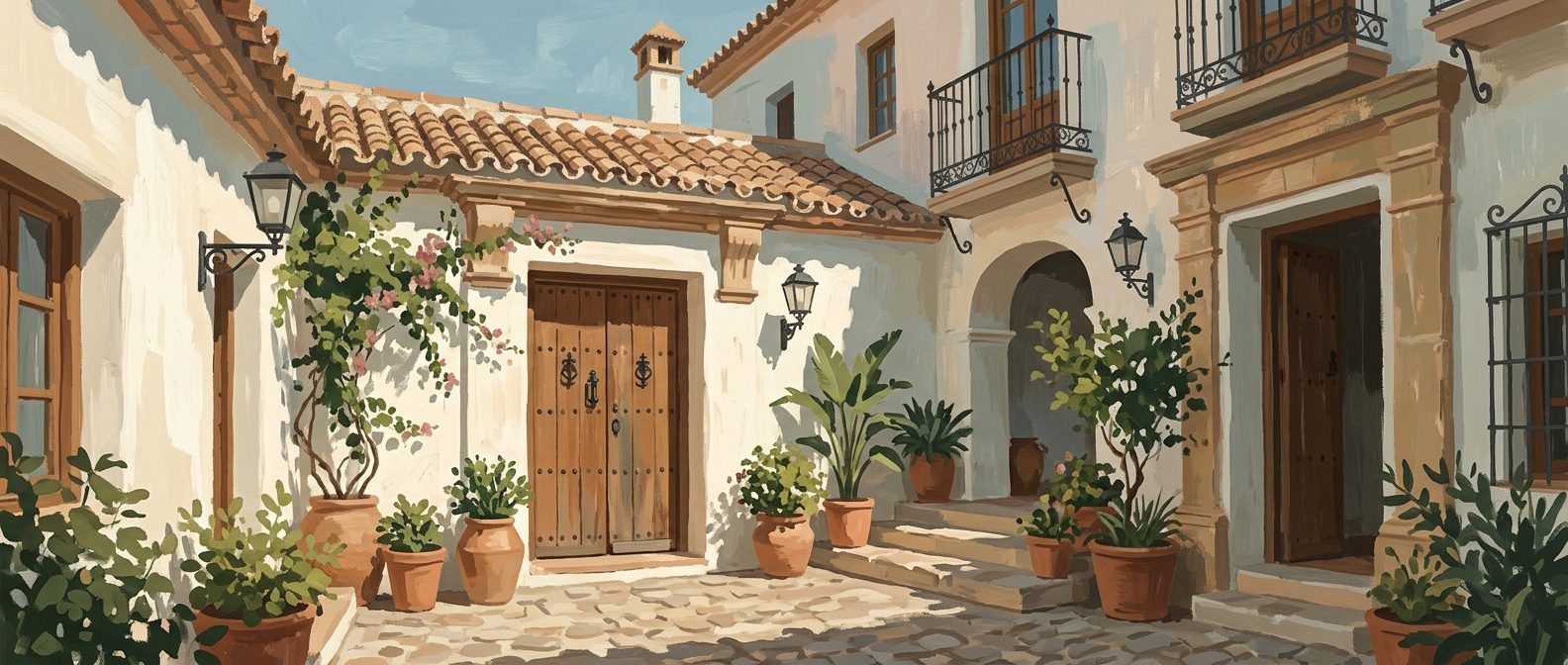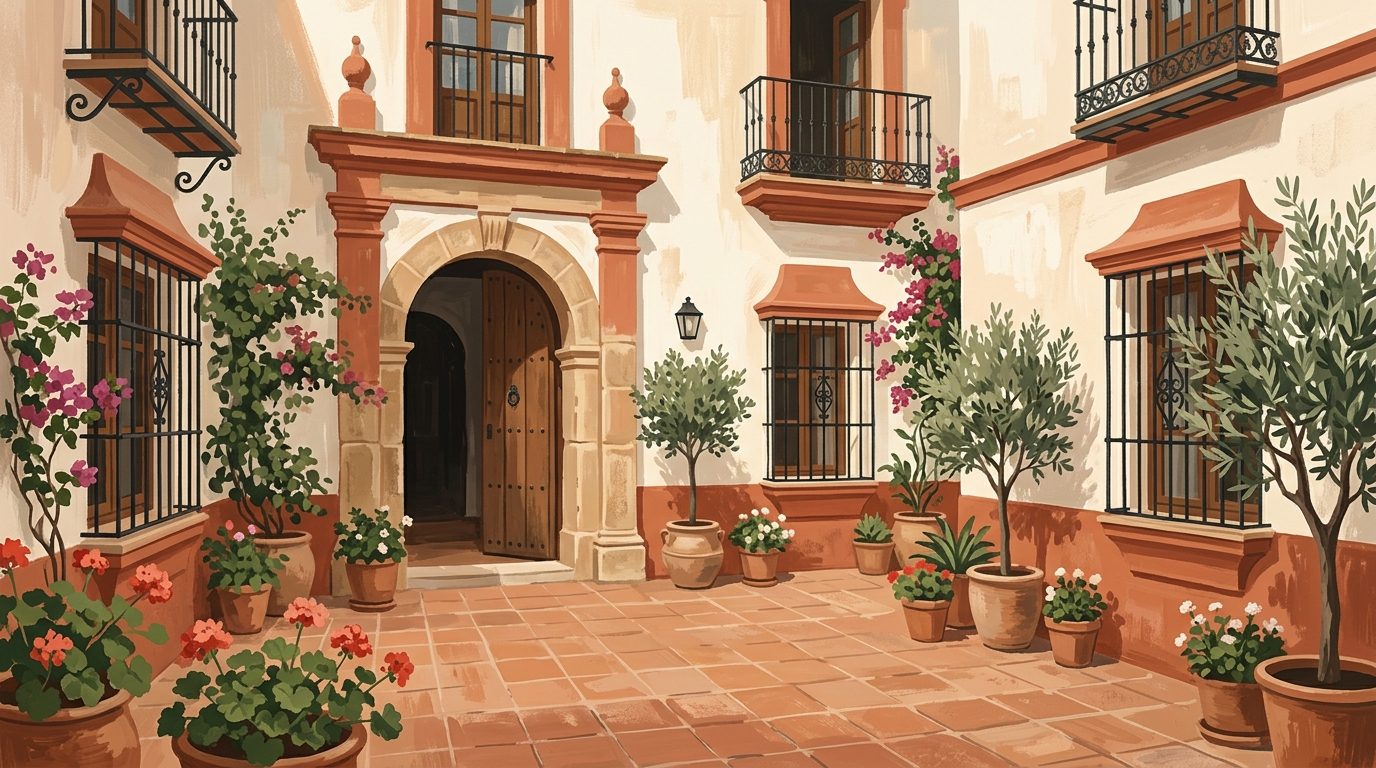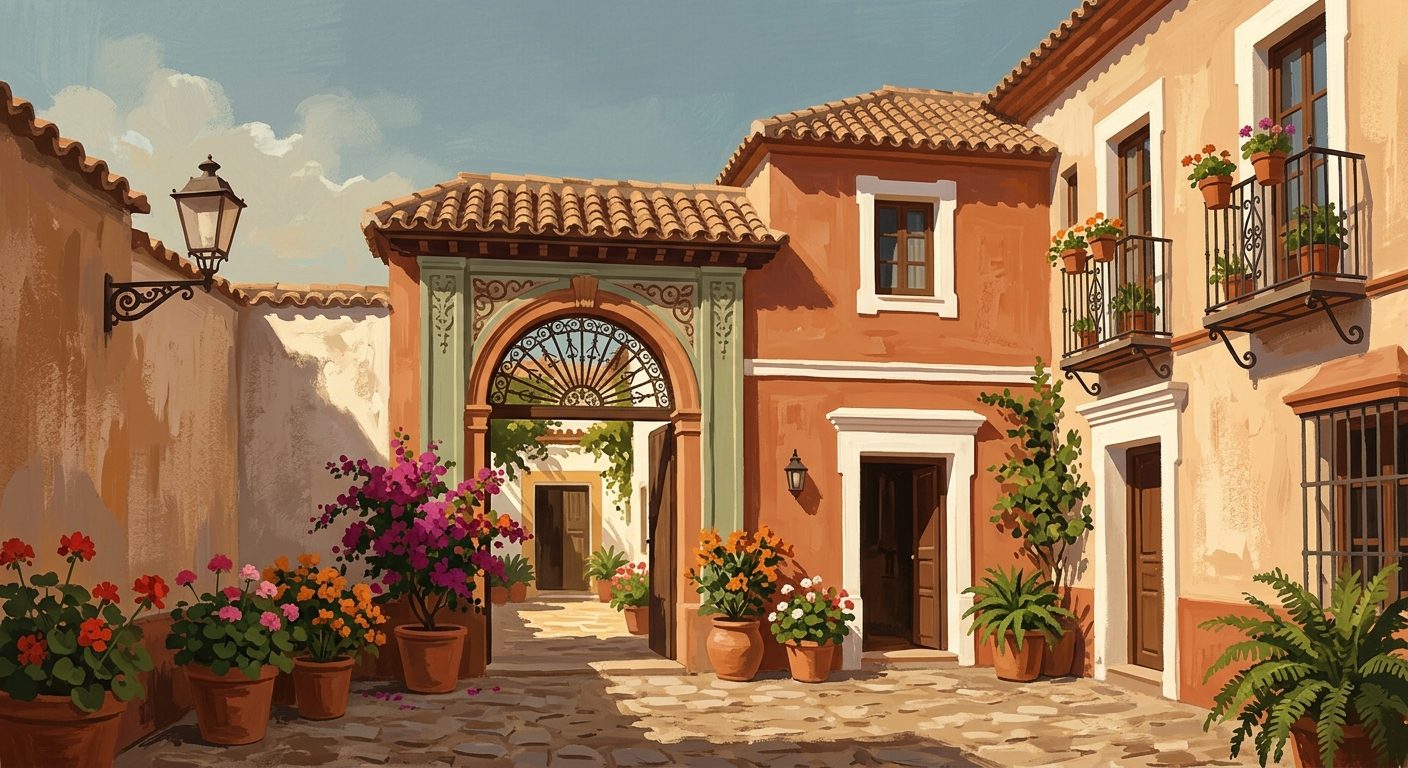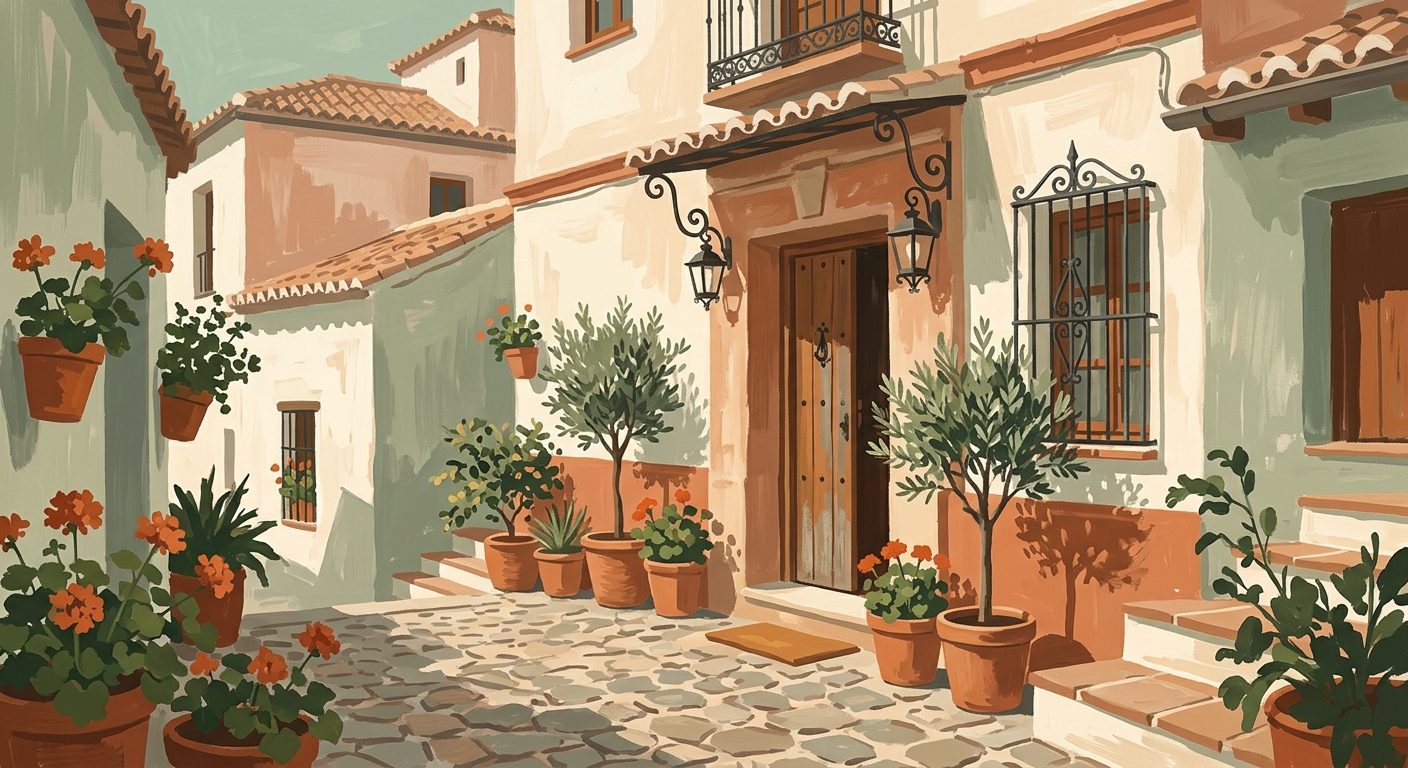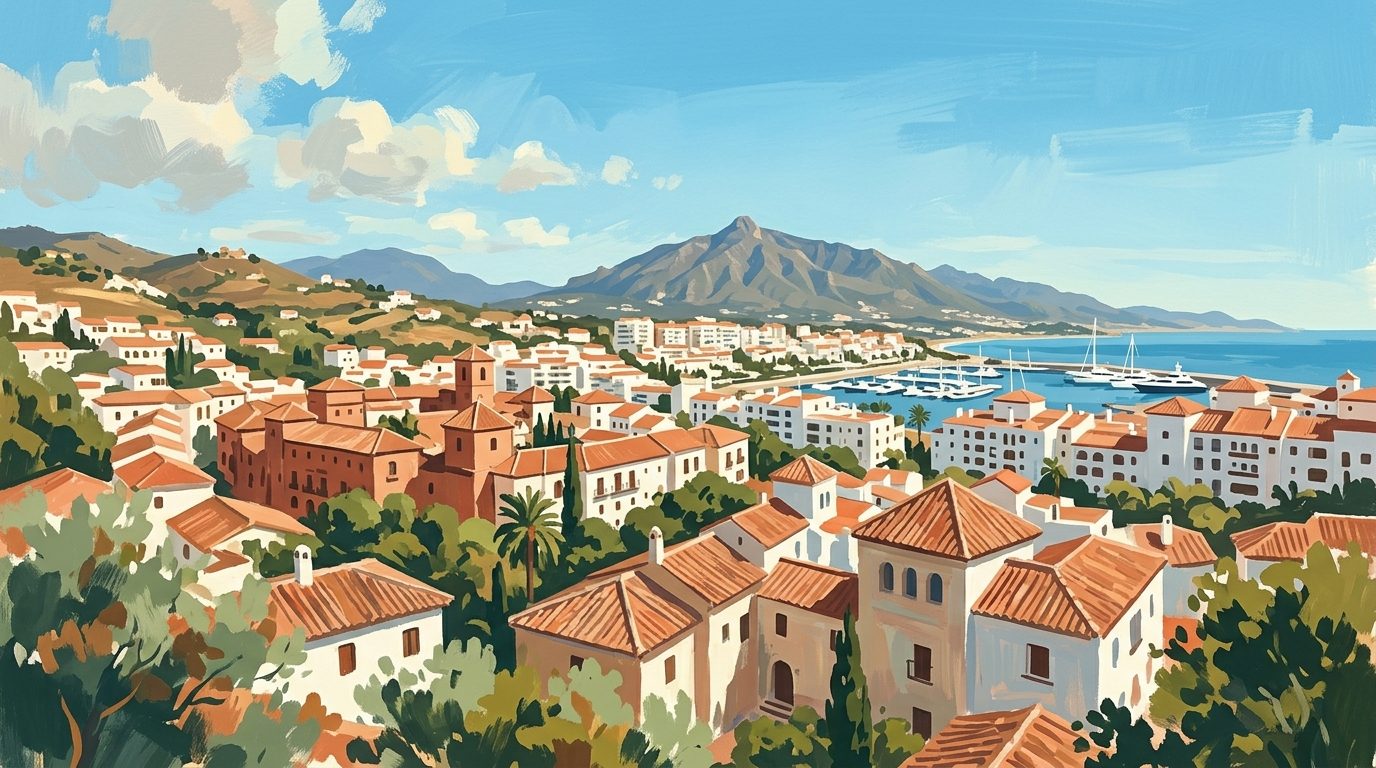
Beneath the dramatic peaks of the Sierra Blanca, Marbella unfolds as a city of two distinct characters: a whitewashed historic heart and a world-class coastline. It remains the most prestigious destination on the Costa del Sol, where ancient Moorish walls stand just a short distance from the high-end boutiques of the Golden Mile.
Marbella is often defined by its reputation for glamour, but to see only the yachts and luxury cars is to overlook the soul of the city. While the municipality spans 27 kilometres of Mediterranean shoreline, its identity is rooted in the Casco Antiguo (Old Town), a labyrinth of narrow streets that feel worlds away from the purpose-built resorts elsewhere on the coast. Sheltered by the La Concha mountain, the city enjoys a microclimate that keeps it slightly warmer in winter and tempered in summer, making it a year-round destination for those seeking culture alongside the sun.
If you are visiting for the Michelin-starred gastronomy, the archaeological remains, or the spirited atmosphere of its beach clubs, Marbella offers a depth that rewards exploration. From the Renaissance architecture of Orange Square to the avant-garde sculptures lining the way to the sea, this is a place where history and modern luxury coexist with surprising ease.
What to See & Do in Marbella
The Casco Antiguo and Plaza de los Naranjos
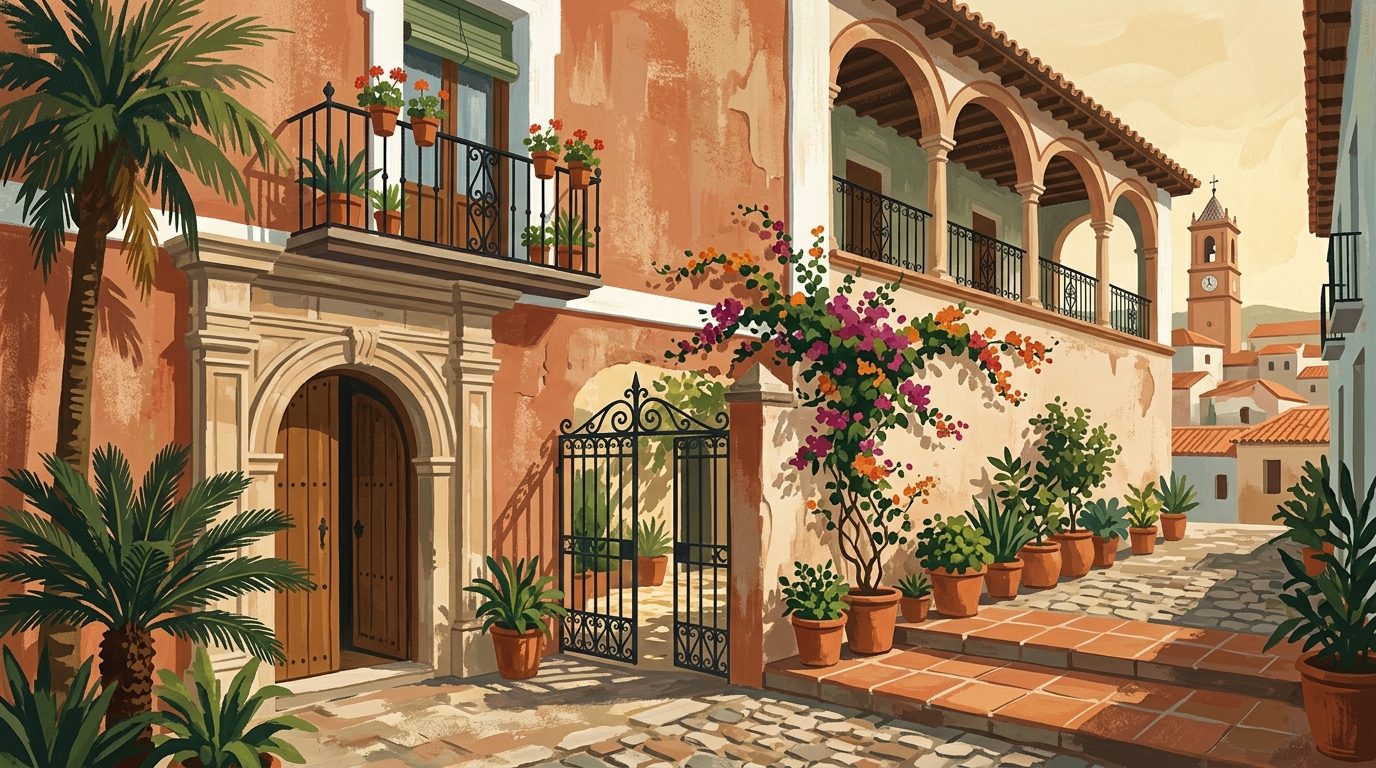
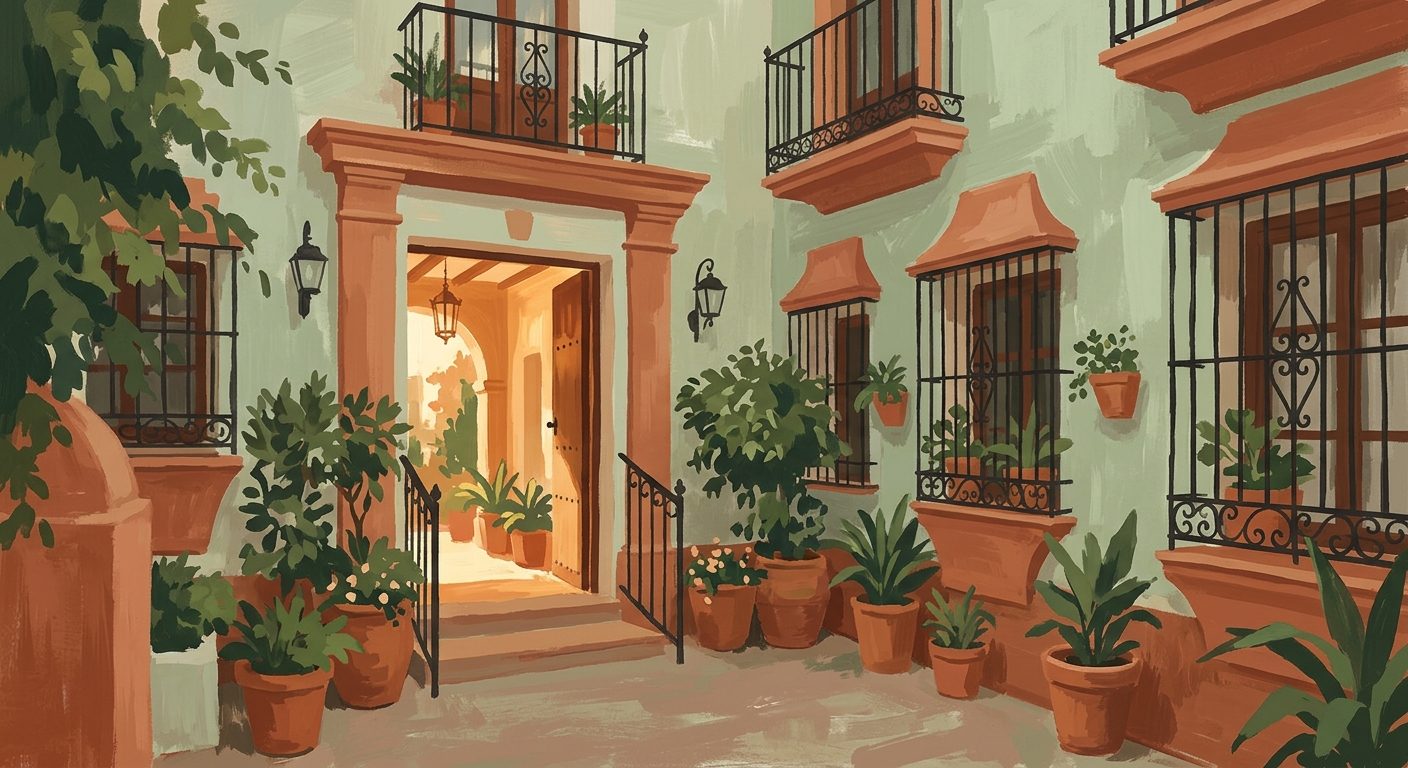
The historic centre is a masterclass in Andalucían charm. At its heart lies the Plaza de los Naranjos, or Orange Square. Dating back to 1485, following the Christian reconquest of the city, the square is framed by three significant buildings: the 16th-century Town Hall, the Old Governor’s House, and the Ermita de Santiago, the oldest religious parish in the city. In the centre, the scent of citrus from the orange trees provides a natural perfume for the open-air terraces of the surrounding cafés.
Wandering away from the square, you will encounter the remains of the 10th-century Moorish Castle walls. These ancient fortifications once protected the Roman town of Salduba, and though only a portion remains, they serve as a sturdy reminder of the city's strategic importance during the Umayyad Caliphate. Nearby, the Church of the Incarnation (Iglesia de la Encarnación) stands with its towering steeple, housing a grand rococo organ that is one of the finest in southern Spain.
Avenida del Mar and the Dalí Sculptures
Connecting the old town to the seafront is the Avenida del Mar, a wide pedestrian boulevard that doubles as an outdoor art gallery. The promenade features ten bronze sculptures designed by the surrealist master Salvador Dalí. These works, which include depictions of Perseus holding the head of Medusa and various mythological figures, are accessible to everyone at no cost. The avenue is paved in marble and lined with fountains and benches, providing a grand transition from the historic quarter to the Mediterranean waves.
The Golden Mile and Puerto Banús
The Golden Mile is not actually a mile, but a four-mile (6.4km) stretch of palm-lined avenue and beachside promenade that runs from the edge of the city to the marina of Puerto Banús. This area is home to some of the most exclusive real estate in Europe, including the Saudi Royal Palace and the legendary Marbella Club Hotel. Walking or cycling the seafront boardwalk (Paseo Marítimo) along this stretch is the best way to appreciate the scale of the estates and the perfectly manicured gardens that spill toward the sand.
At the western end of the Golden Mile lies Puerto Banús. Developed in 1970 by José Banús, the marina was designed to look like a traditional Mediterranean village, but with a scale that accommodates superyachts. It is a hub for high-end shopping (think Dior, Hermès, and Gucci) and a prime spot for people-watching from the many quayside bars.
Museo del Grabado Español Contemporáneo
Located in the former Bazán Hospital, a 16th-century building in the Old Town, this museum is the only one in Spain dedicated to contemporary Spanish engraving. It houses an impressive collection of graphic works by masters including Pablo Picasso, Joan Miró, Antoni Tàpies, and Salvador Dalí. The building itself is a point of interest, featuring a blend of Gothic, Mudéjar, and Renaissance architectural elements.
Practical Information
Getting There
By Air: Málaga-Costa del Sol Airport (AGP) is the primary gateway, located approximately 50km from Marbella.
By Bus: A direct Avanza bus (the 'Portillo' service) runs from Málaga Airport to the Marbella Bus Station (Estación de Autobuses). The journey takes about 45 minutes and costs between €6 and €10 depending on the time of day. From the bus station, it is a 15-minute walk or a short taxi ride to the Old Town.
By Car: The AP-7 (toll road) or the A-7 (coastal road) connect Málaga to Marbella. The AP-7 is significantly faster during peak holiday seasons.
Parking
Parking in central Marbella can be challenging and expensive. The most convenient options are underground car parks:
- Indigo Avenida del Mar: Perfectly situated for both the beach and the Old Town. Expect to pay roughly €2.50 to €4.50 per hour, depending on the season.
- Parking Plaza de la Victoria: Located at the foot of the Old Town, ideal for those visiting Orange Square.
Museum Opening Times & Prices
- Museo del Grabado Español Contemporáneo: Open Monday to Saturday, 10:00 to 20:00; Sunday, 10:00 to 14:00 (check on the operator's website before travelling for summer hours). Admission is approximately €3 (confirm current rates at the ticket office; free for certain groups and on specific days).
- Museo Ralli: Located on the Golden Mile, focusing on Latin American art. Open Tuesday to Saturday, 10:00 to 15:00. Admission is free.
Where to Eat Nearby
For an authentic experience, head to Taberna La Niña del Pisto in the Old Town. This Córdoba-style tavern is one of the oldest in the city, serving exceptional salmorejo and rabo de toro (oxtail) in a room decorated with bullfighting memorabilia. If you are looking for modern innovation, Kava, led by chef Fernando Alcalá, offers a seasonal menu that has earned national acclaim; their cheesecake is frequently cited as the best in Spain. For beachside dining with a refined touch, Casanis Bistrot in the historic centre offers a romantic setting with a menu that blends French techniques with local Mediterranean ingredients.
Where to Stay
The Marbella Club Hotel remains the definitive choice for luxury, founded by Prince Alfonso von Hohenlohe and retaining an air of old-world sophistication with its beachfront bungalows and botanical gardens. For those who prefer to be in the heart of the historic district, Hotel Claude is a converted 17th-century townhouse offering just seven rooms, each individually designed to reflect the city’s heritage. Another excellent boutique option is La Fonda Heritage Hotel, which occupies a beautifully restored building on one of the Old Town’s most attractive squares.