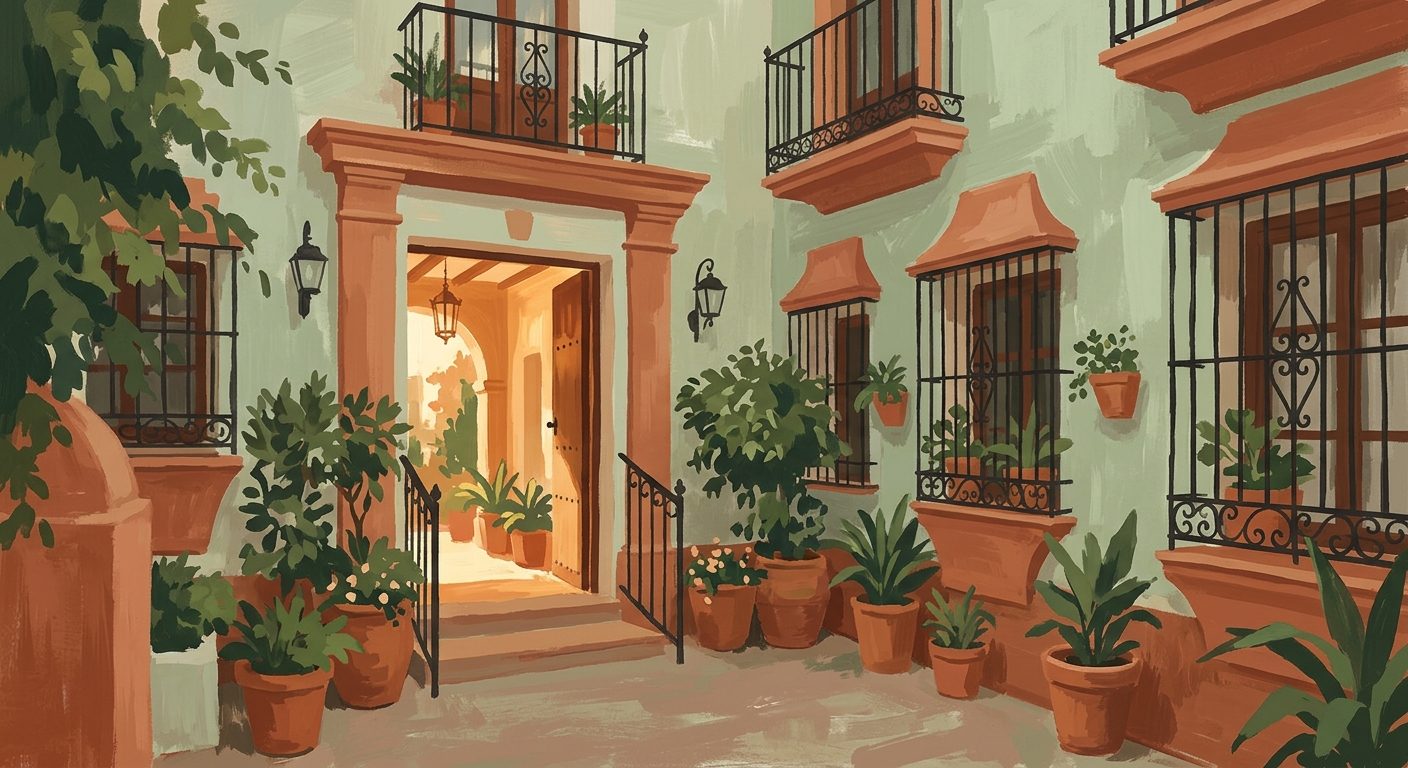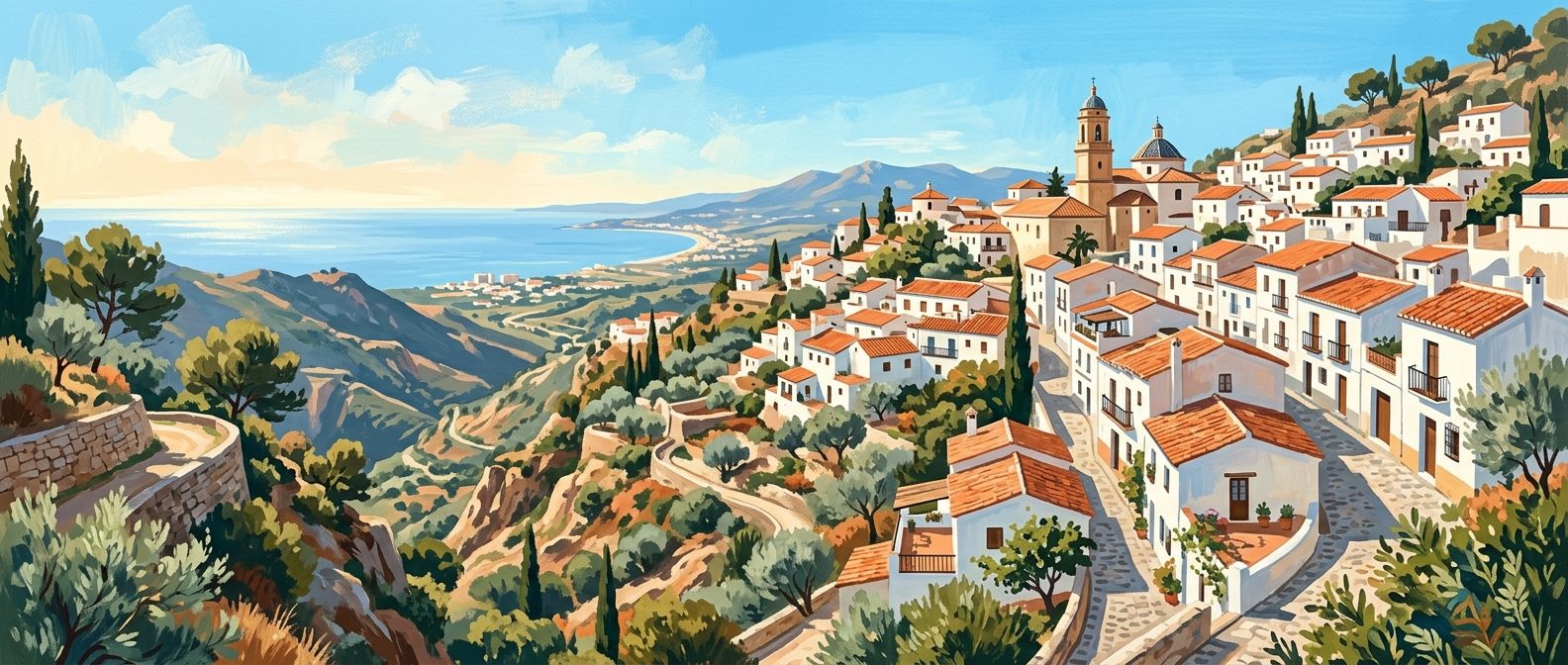
The Western Costa del Sol is far more than its reputation for high-rise resorts, offering a complex mix of Mediterranean glamour and quiet Andalucían traditions. Between the yacht-filled marinas and the limestone peaks of the Serranía, you will find some of the region’s most authentic culinary and cultural experiences.
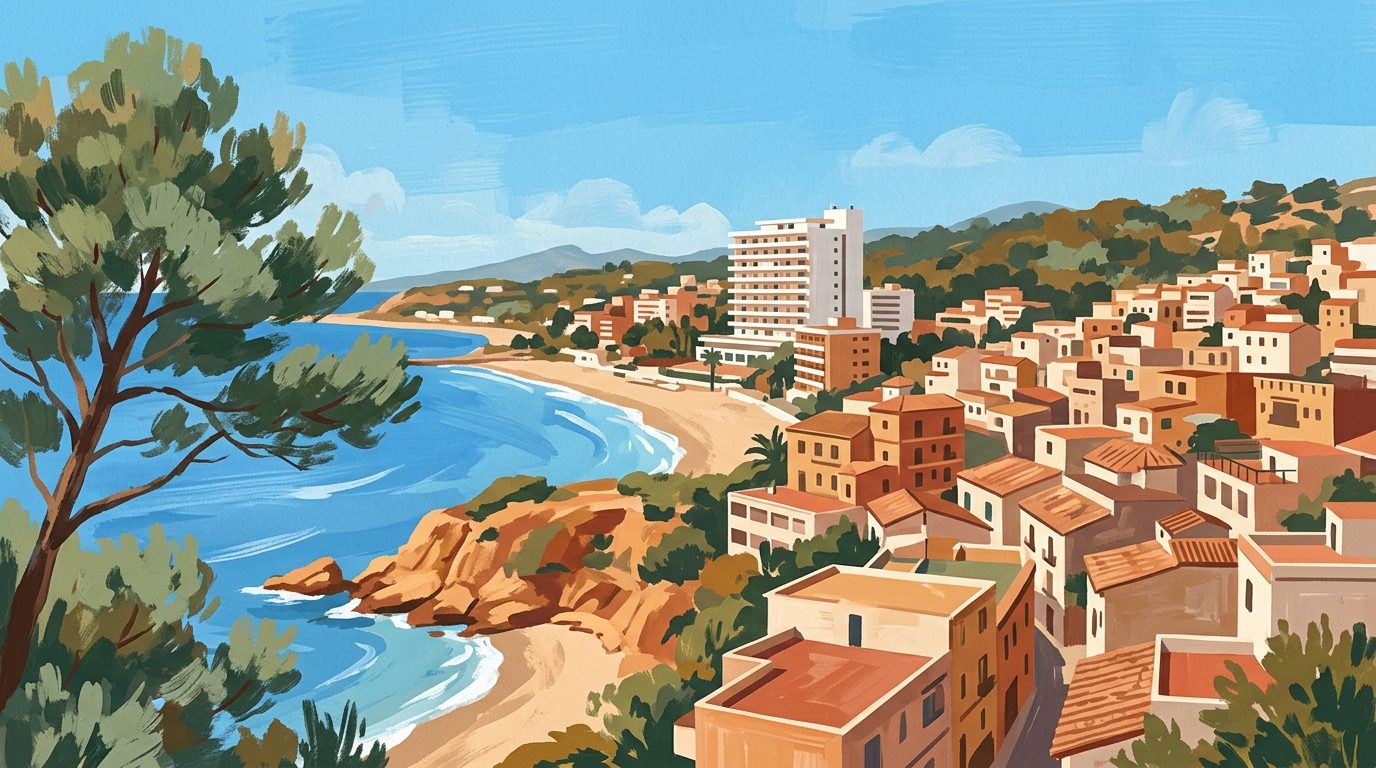
To understand the Costa del Sol Occidental, you must look past the 1970s concrete that often defines its skyline. This stretch of Málaga province, running from Torremolinos in the east to the border of Cádiz in the west, is a high-energy corridor where international lifestyles blend with deep-rooted Spanish customs. While the coastline is a magnet for those seeking beach clubs and golf courses, the true character of the area often lies a few kilometres inland or tucked away in the narrow streets of the former fishing quarters.
Geography here is dramatic; the Sierra Blanca and Sierra Bermeja mountains rise sharply from the sea, creating a microclimate that keeps winters mild and summers manageable. This terrain also provides a playground for hikers and cyclists, while the towns below offer everything from Michelin-starred dining to the simplest espeto de sardinas (sardines on a skewer) grilled over olive wood on the beach. For anyone navigating the luxury boutiques of Marbella or the steep, winding paths of Casares, the western coast reveals itself as a place of surprising variety and enduring appeal.
Places to Explore
Torremolinos
Once the ground zero for the Spanish tourism boom, Torremolinos has reinvented itself over the last decade. The town centre, particularly the area around Plaza de la Nogalera, is the beating heart of one of Europe’s most inclusive LGBTQ+ scenes. For a taste of the town’s origins, head down to La Carihuela. This old fishing district still maintains its character, despite the crowds. Walk the pedestrianised Calle San Miguel for shopping, but do not linger too long there; instead, find your way to the Paseo Marítimo. For lunch, Casa Juan Los Mellizos is an institution for seafood lovers, serving fritura malagueña (Málaga-style fried fish) to hundreds of locals every Sunday. If you want a break from the sea air, the Molino de Inca Botanical Garden offers a quiet retreat with its freshwater springs and aviaries. The town has shed much of its ‘cheap and cheerful’ reputation, focusing now on quality public spaces and a cultural calendar that runs year-round.
Read the full Torremolinos guide →
Benalmádena
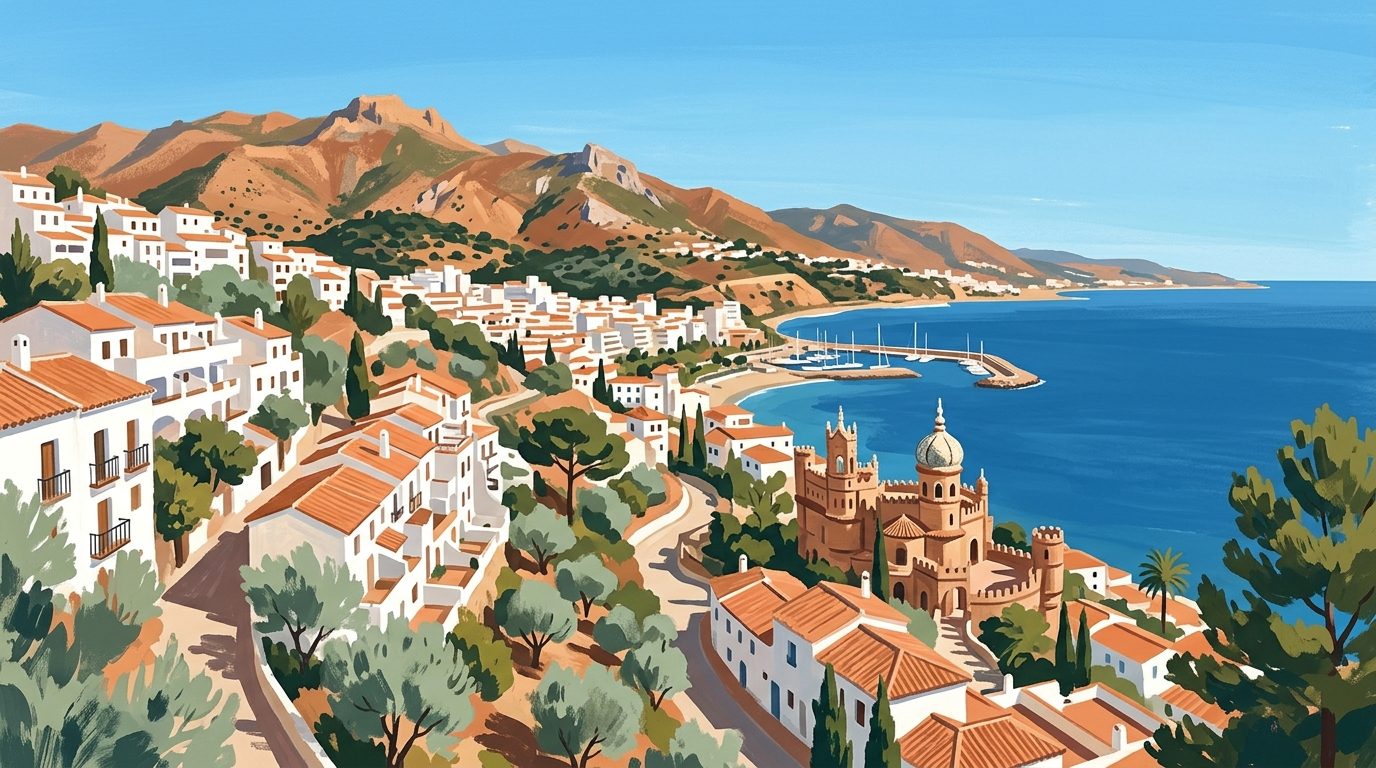
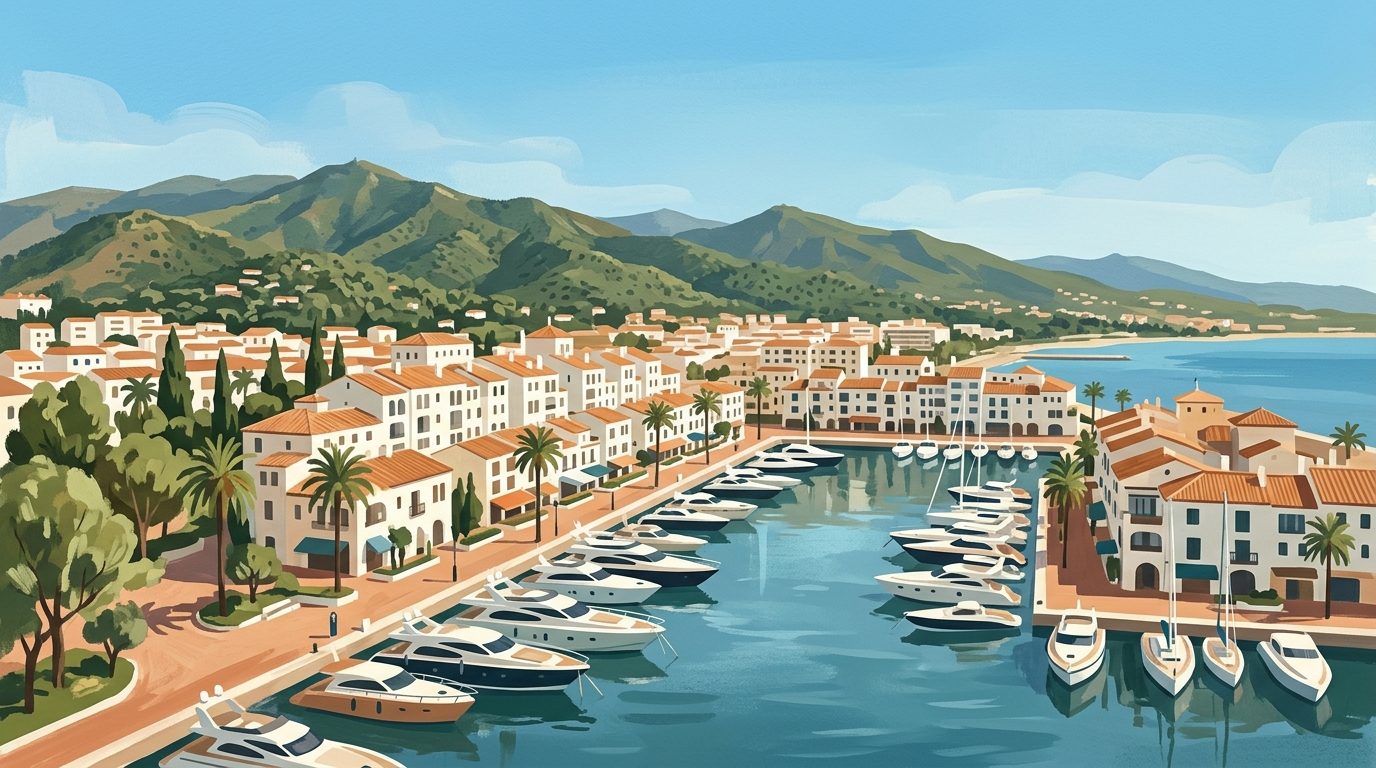
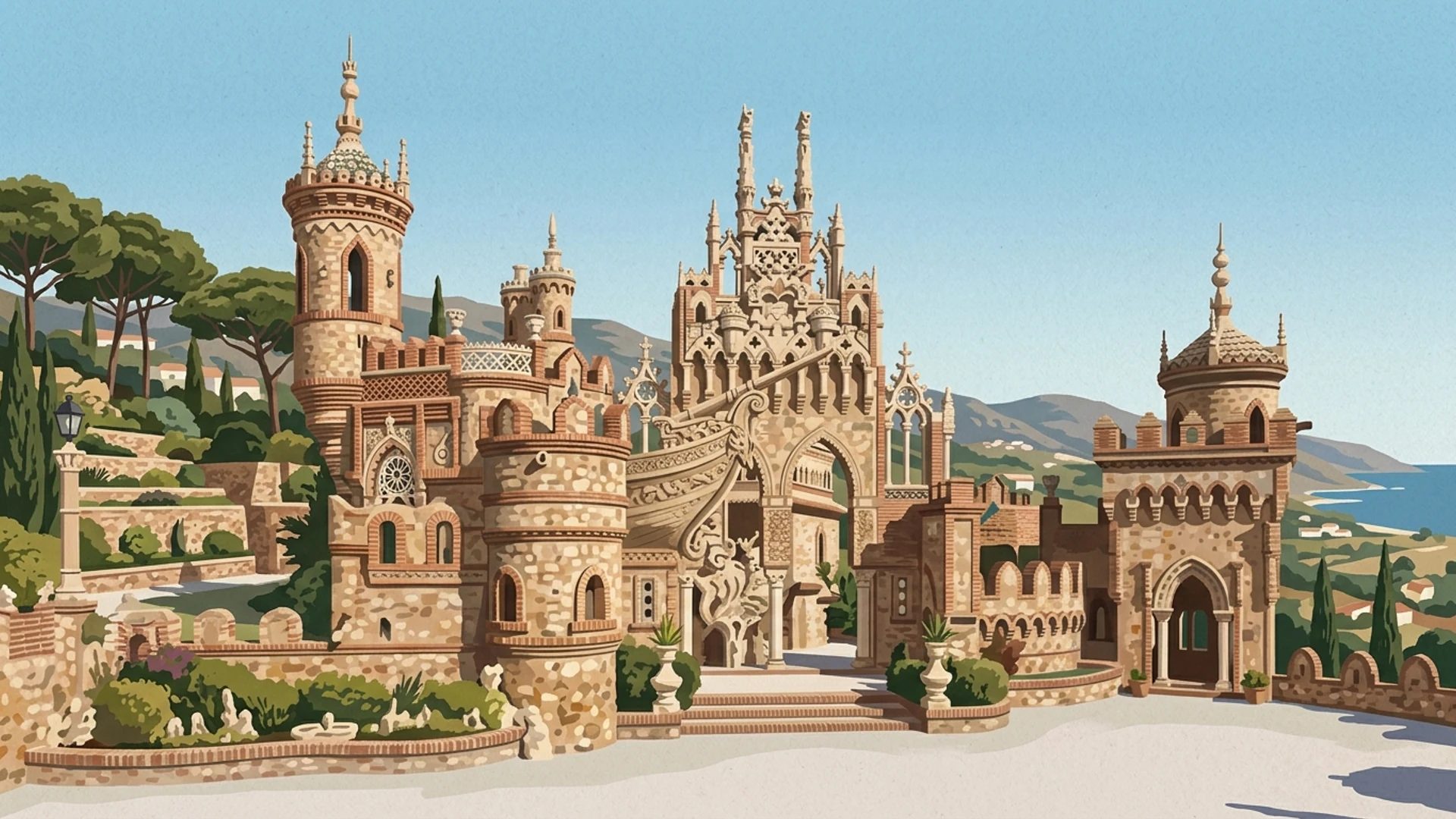
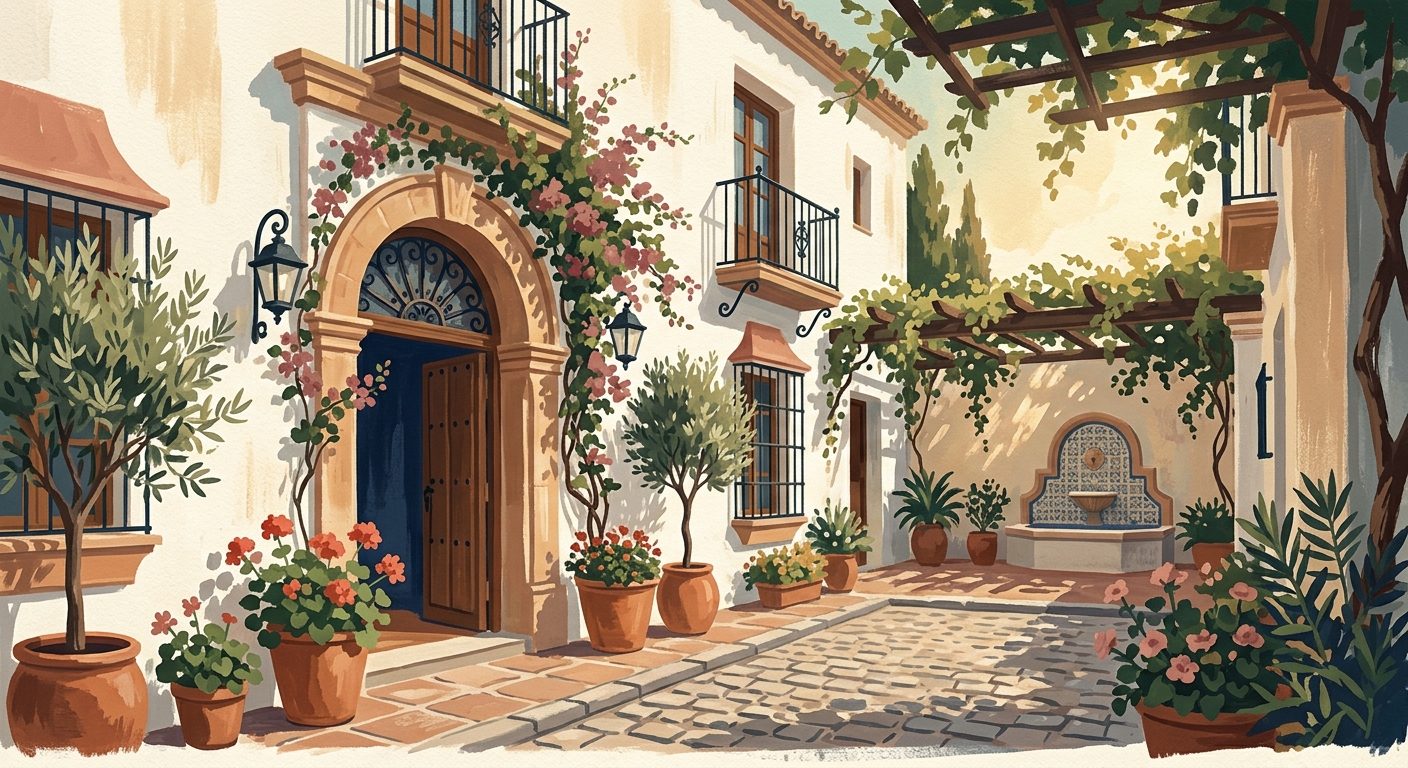
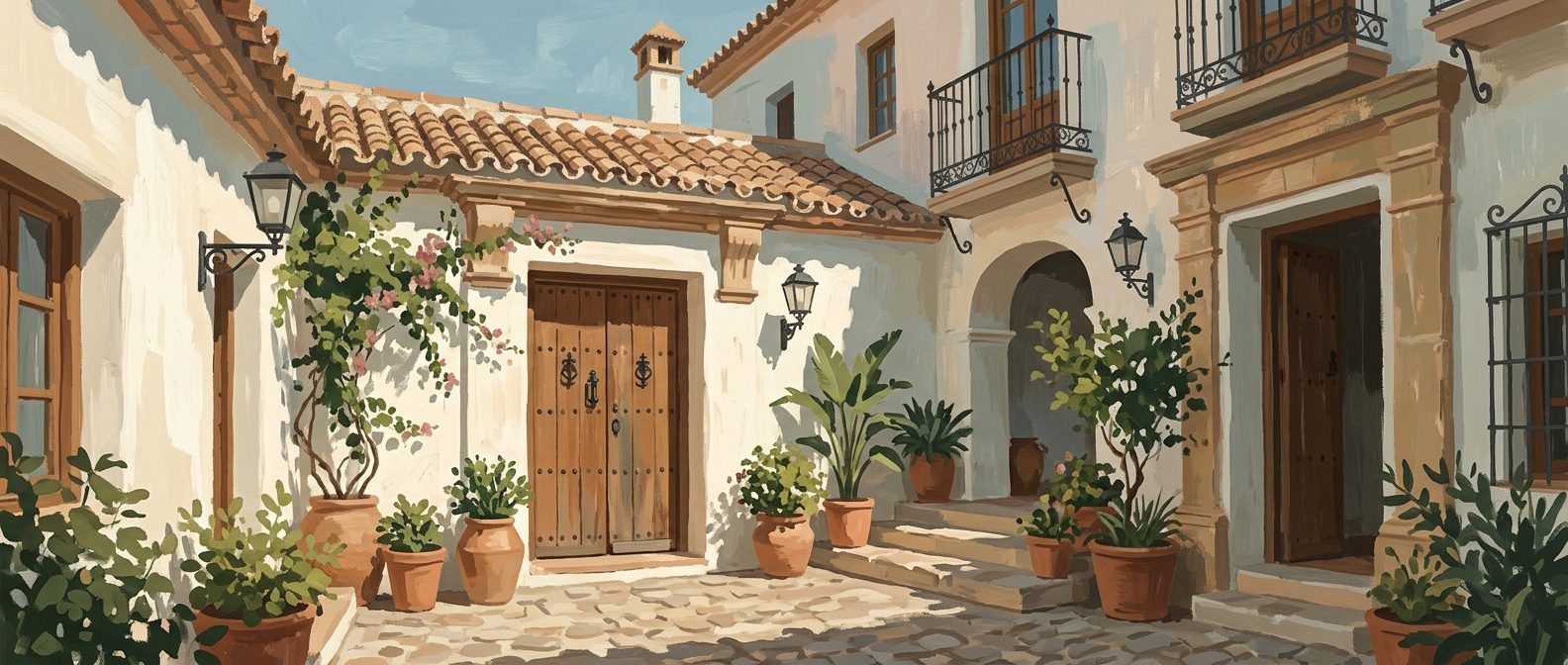
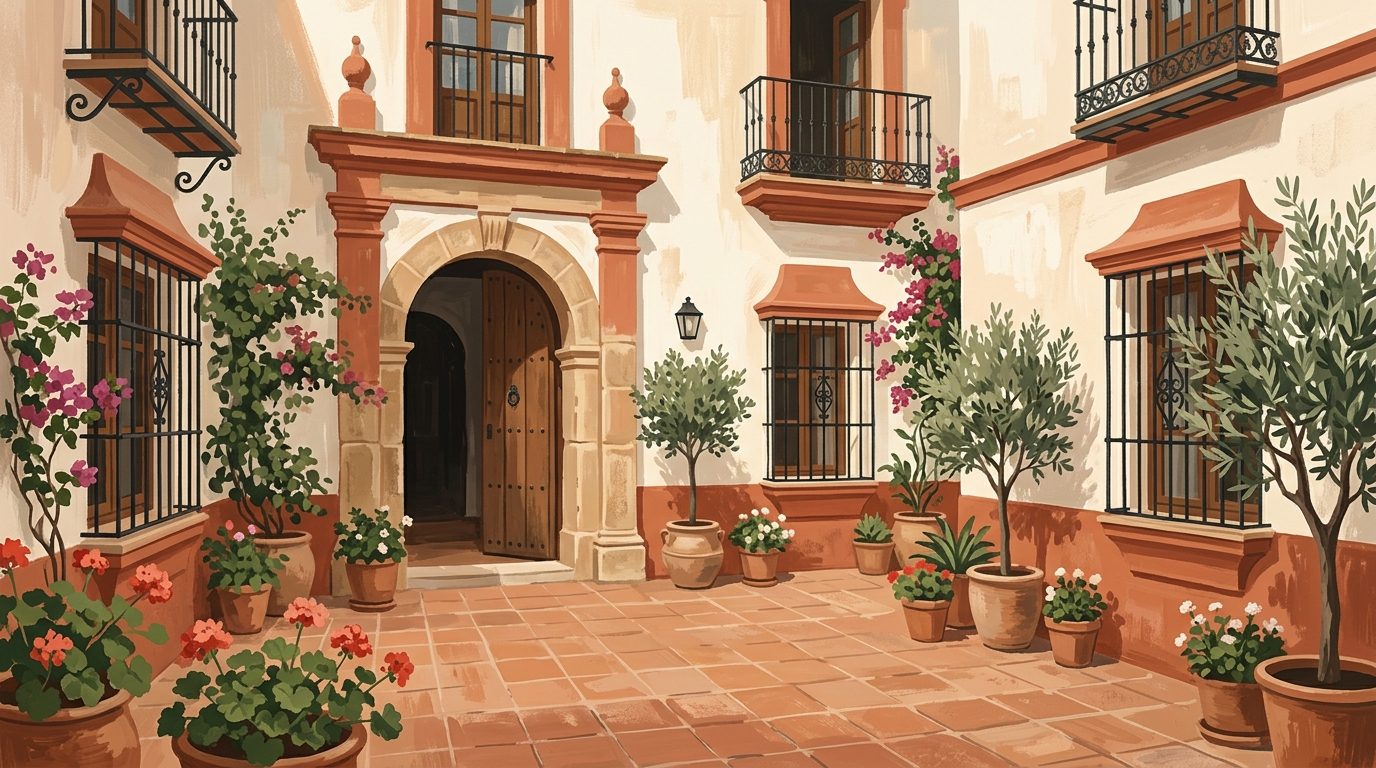
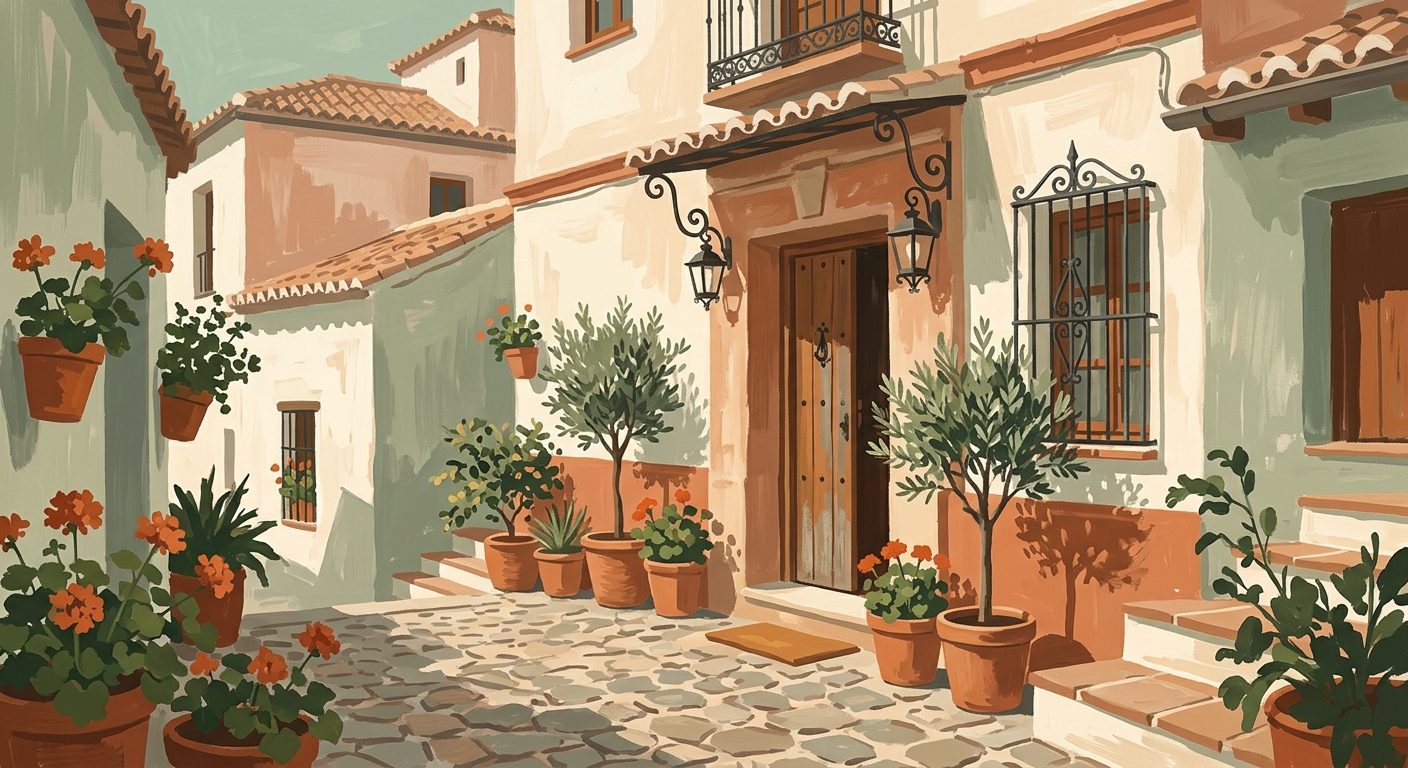
Benalmádena is split into three distinct zones: the coastal strip (Benalmádena Costa), the commercial hub of Arroyo de la Miel, and the traditional Benalmádena Pueblo. The Pueblo remains remarkably traditional; its whitewashed walls are decorated with geraniums, and the Plaza de España features the famous Niña de Benalmádena statue. For an architectural curiosity, visit the Castillo de Colomares, a monument dedicated to Christopher Columbus that looks like a fairy-tale castle but was actually built in the late 1980s. Near the Pueblo, the Enlightenment Stupa is the largest of its kind in Europe, offering a serene atmosphere and some of the best views over the Mediterranean. Down at the coast, the Puerto Marina is an award-winning harbour with an unusual Moorish-inspired design. While it can be tourist-heavy, the sheer scale of the yachts and the variety of international restaurants make it worth a stroll, especially in the early evening when the lights reflect off the water.
Read the full Benalmádena guide →
Fuengirola
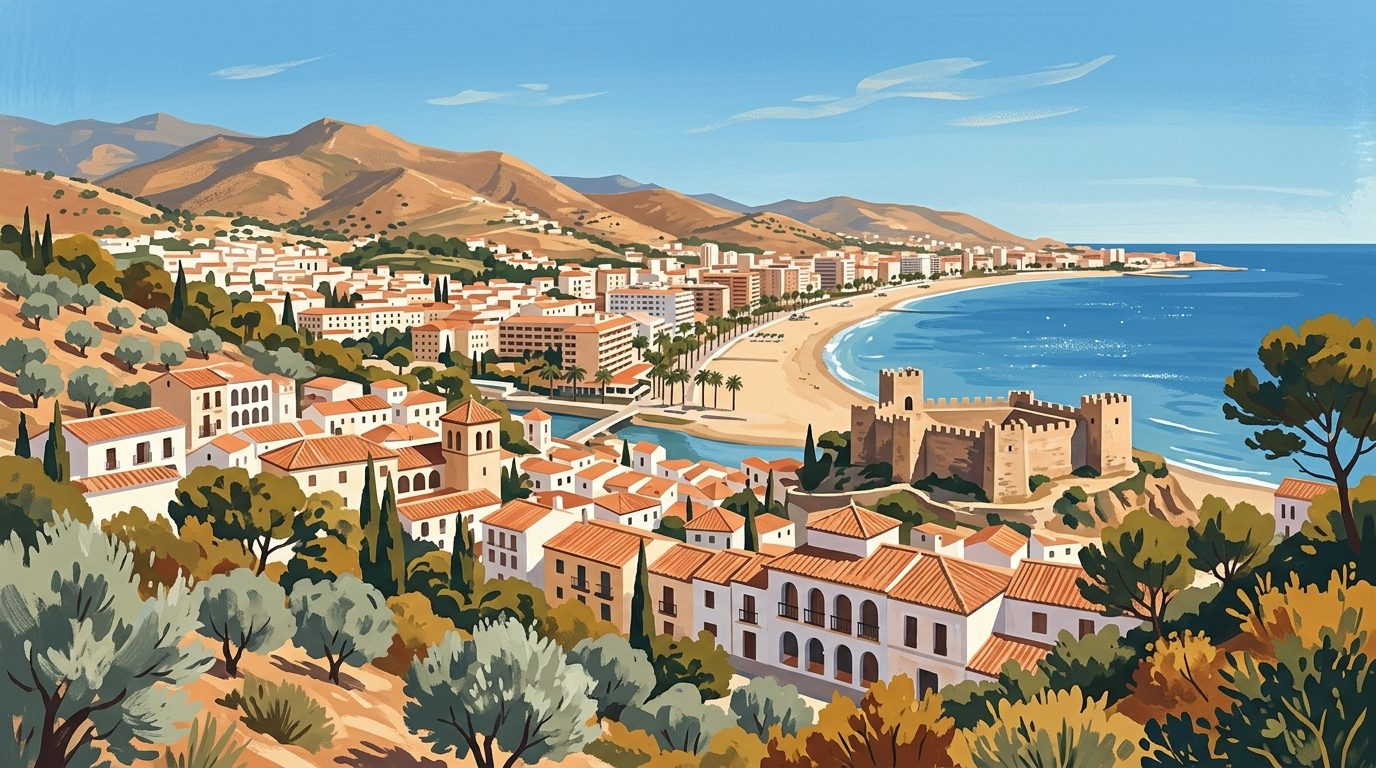
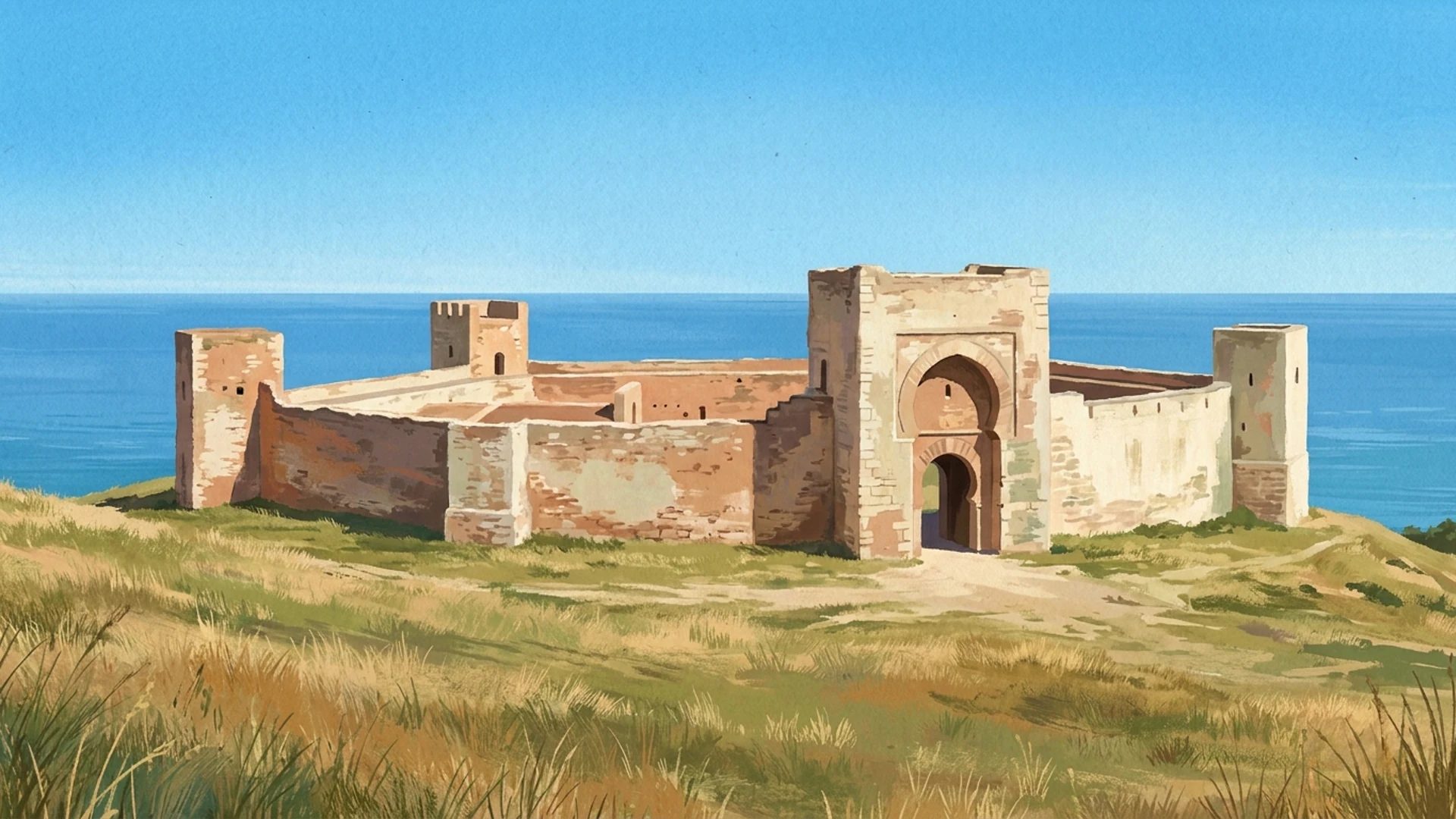
Fuengirola is a town that works hard and plays hard, home to one of the most multicultural populations on the coast. The seven kilometres of sandy beaches are the main draw, but the Sohail Castle, sitting on a hill at the mouth of the river, provides a sense of the area’s history. It now serves as an open-air concert venue during the Marenostrum Fuengirola festival. For those who want to avoid the typical tourist menus, the Los Boliches district is the place to go. Originally a separate village of fishermen, it is now the culinary centre of the town. Try La Farola for traditional tapas or explore the side streets for authentic Scandinavian and British eateries that reflect the town's diverse residents. Fuengirola is also home to Bioparc, a zoo focused on conservation and naturalistic habitats that is widely respected for its breeding programmes of endangered species.
Read the full Fuengirola guide →
Mijas Pueblo
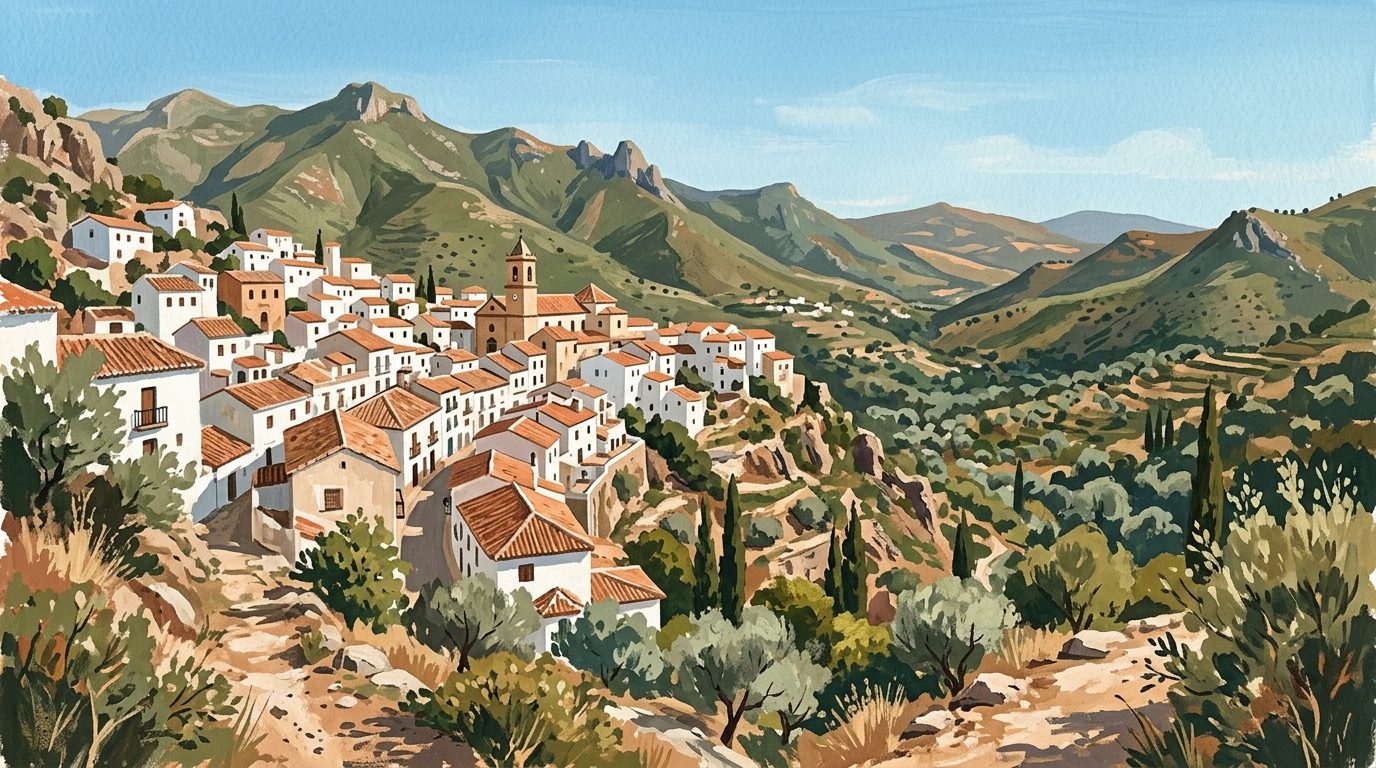
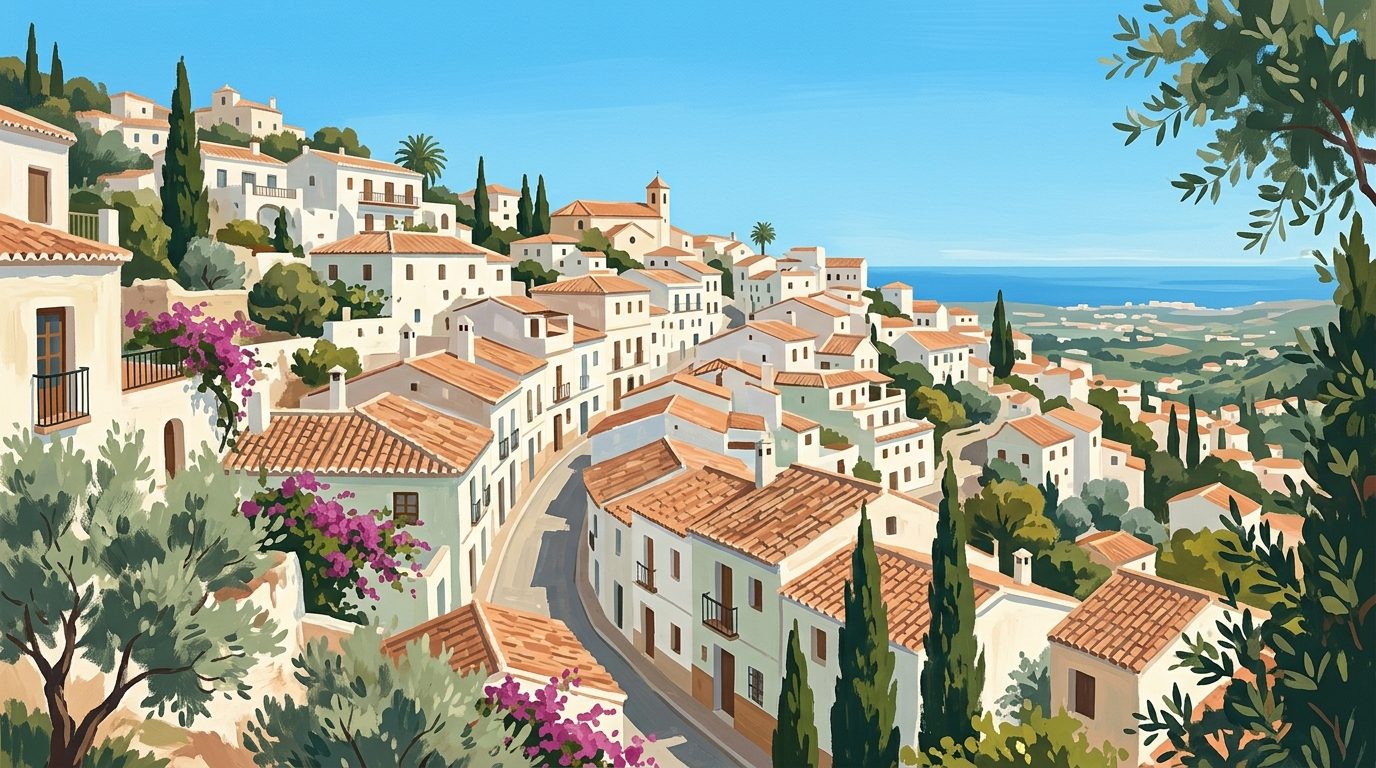
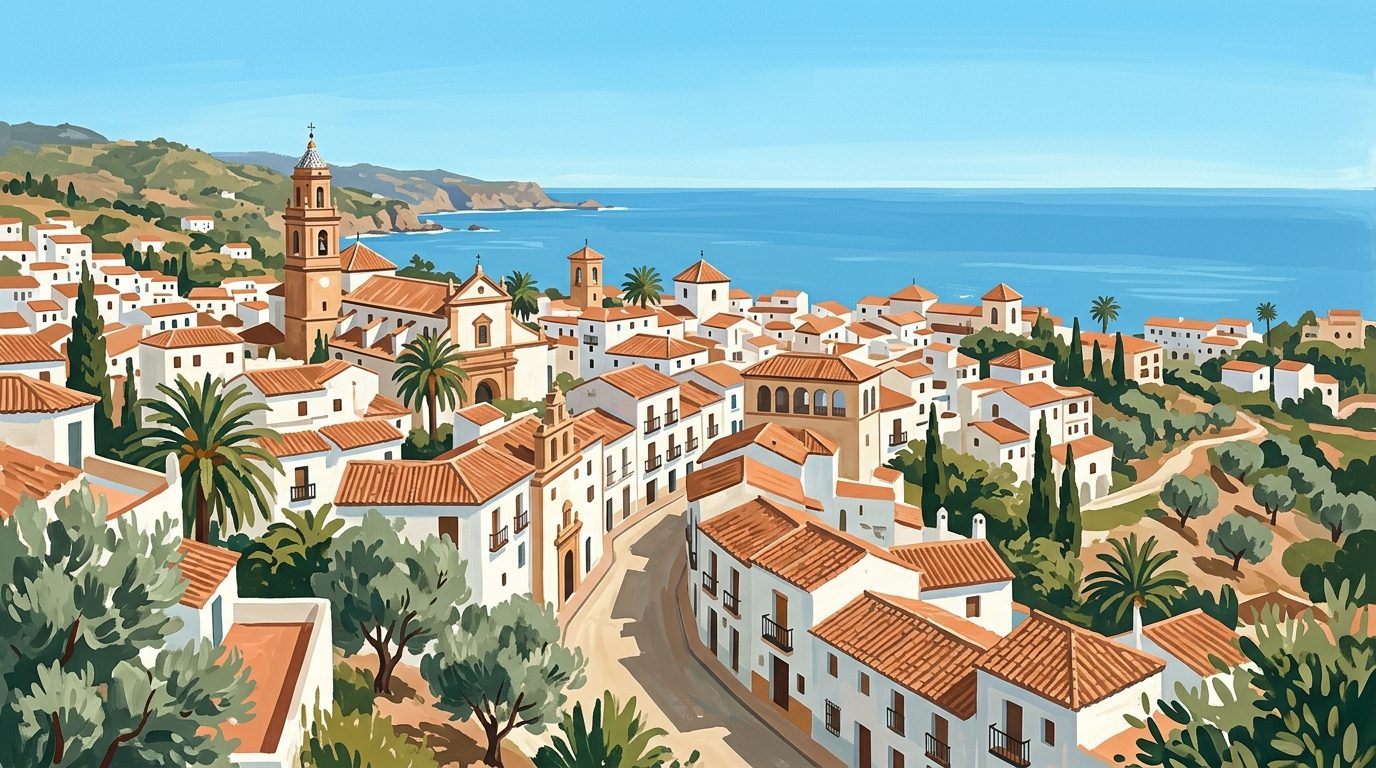
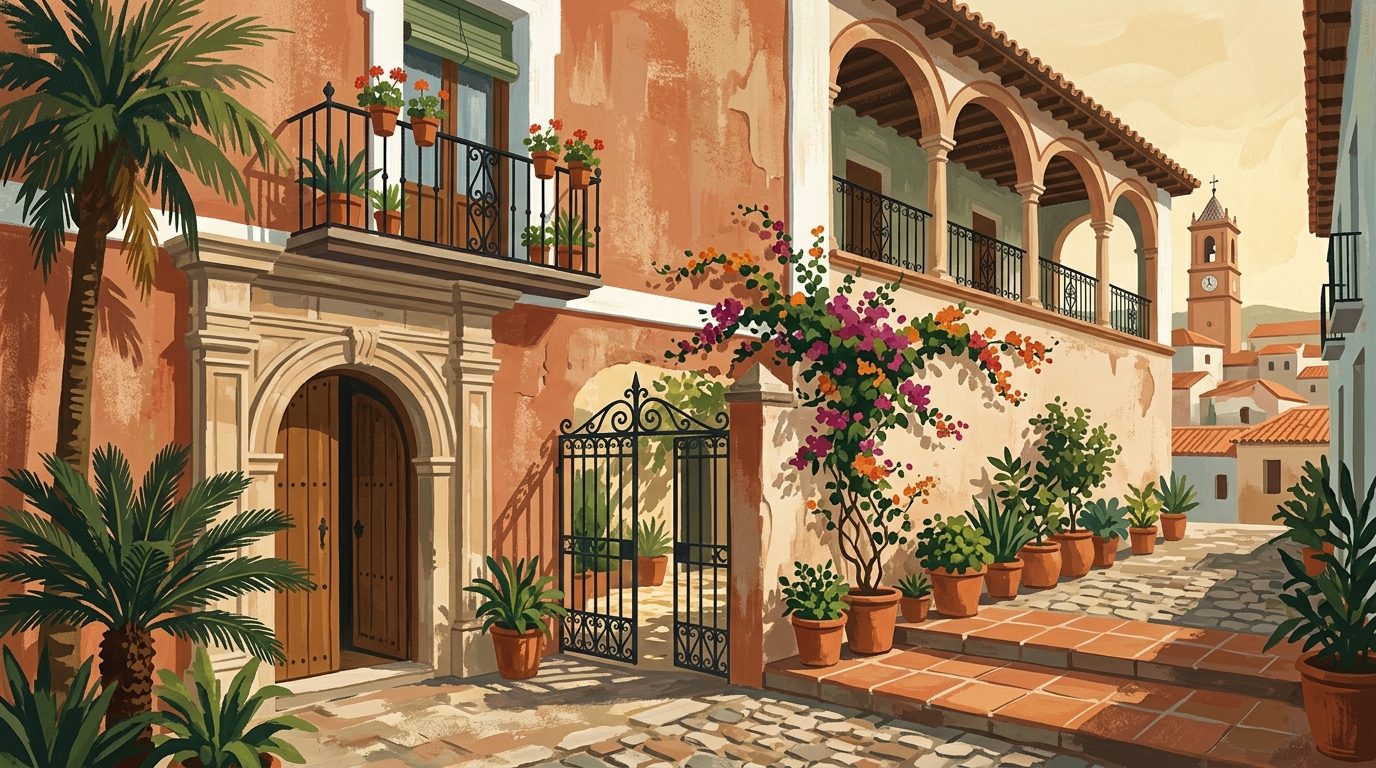
Perched 400 metres above sea level, Mijas Pueblo is the quintessential Andalucían white village, though it is undeniably popular with day-trippers. To see it at its best, arrive early in the morning before the tour buses appear. The Ermita de la Virgen de la Peña, a chapel hewn into the rock, is a logical starting point. Avoid the donkey taxis and instead explore the steep alleyways on foot, leading up to the Muralla (the old walls). The gardens here offer panoramic views of the coast below. For a quirky stop, the Mayan Monkey Mijas is a small chocolate factory where you can make your own bars. For a proper meal, Pampa Tapas offers a modern twist on local ingredients. If you have the energy, the hiking trails in the Sierra de Mijas begin just above the town, taking you into pine forests with views that stretch as far as the Rif Mountains of Morocco on a clear day.
Read the full Mijas Pueblo guide →
Marbella
Marbella is often misunderstood as just a playground for the wealthy. While the Golden Mile certainly lives up to that image, the Casco Antiguo (Old Town) is a maze of 15th-century streets that feel worlds away from the glitz. The Plaza de los Naranjos is the centrepiece, filled with orange trees and surrounded by historic buildings like the Casa Consistorial (Town Hall). For a local snack, visit Churrería Ramón in the square for some of the best churros in the province. Walking towards the sea, you will find the Avenida del Mar, which displays ten original sculptures by Salvador Dalí. Marbella’s culinary scene is the most sophisticated on the coast; while Michelin-starred Skina offers high-end dining, Bar El Estrecho serves classic tapas in a narrow alley that has remained unchanged for decades. The beaches here, such as Playa de la Fontanilla, are well-maintained and lined with chiringuitos (beach bars) that range from rustic to ultra-luxurious.
Read the full Marbella guide →
Puerto Banús
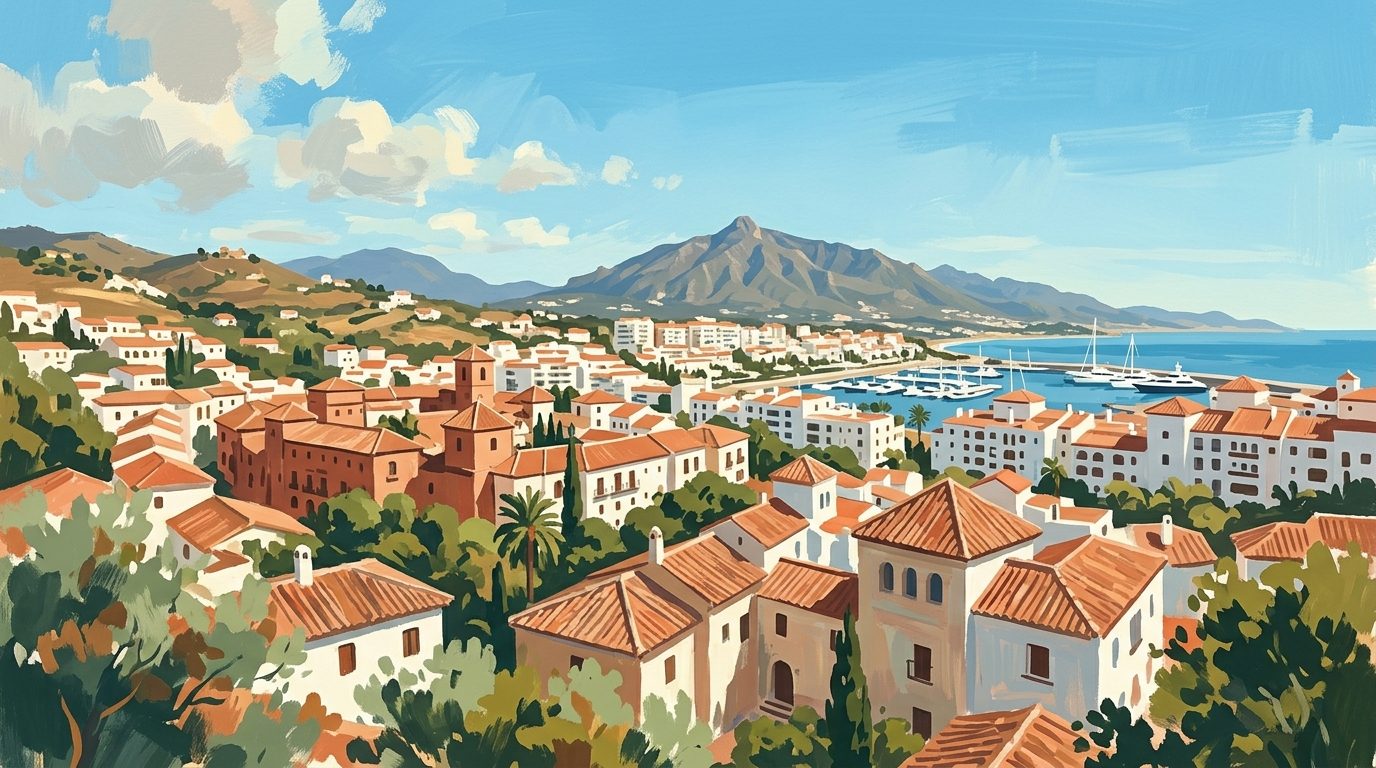
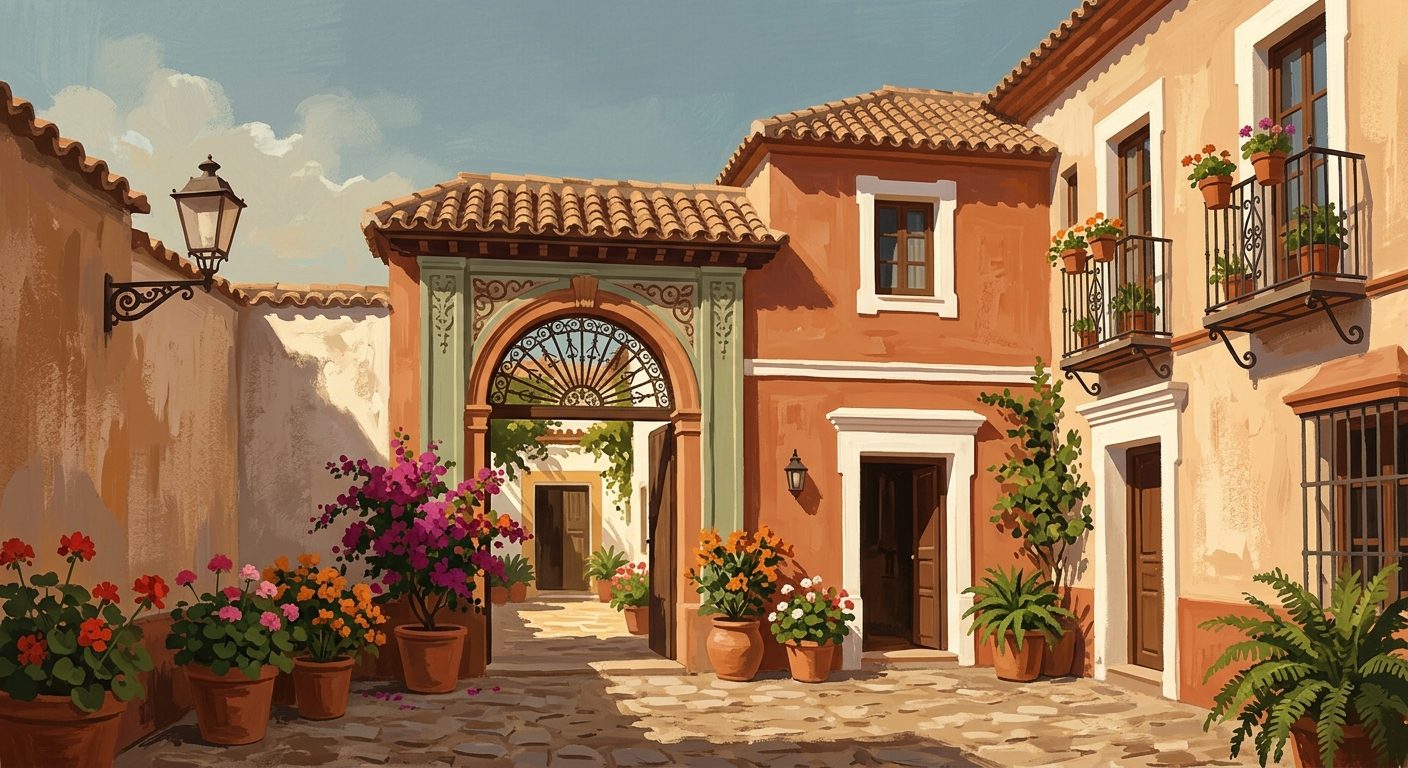
Located just west of Marbella town, Puerto Banús is the epicentre of high-spending tourism in Southern Spain. Developed in 1970 by José Banús, it was designed to look like a traditional Andalucían village but on a grand, luxury scale. The frontline of the marina is where you will see the world’s most expensive cars and superyachts. Shopping here is dominated by luxury brands: think Dior, Hermès, and Gucci. However, there is more to Banús than just shopping. The Saturday morning market (Mercadillo de Nueva Andalucía) near the bullring is one of the largest on the coast and a great place to find anything from leather goods to antiques. For dining, Los Bandidos has been a fixture on the harbour for over 30 years. While it can feel artificial to some, the people-watching here is unparalleled, and the backdrop of the La Concha mountain makes for a striking setting as the sun goes down.
Read the full Puerto Banús guide →
Estepona
Estepona has undergone a remarkable transformation to become the ‘Garden of the Costa del Sol’. The mayor’s initiative to flower-line the streets with colour-coded pots has turned the old town into a living postcard. More than 60 large-scale murals decorate the sides of apartment blocks throughout the town, forming a unique open-air art gallery. The Orchidarium, with its three glass domes, is home to over 1,300 species of orchids and is a striking piece of modern architecture. Unlike some of its neighbours, Estepona has managed to keep its Paseo Marítimo relatively low-rise. The Playa del Cristo is a sheltered cove perfect for swimming. For dinner, the Plaza de las Flores is the social heart of the town, but for the best seafood, head to the fishing port and find La Escollera, where the daily catch is served with zero fuss in a lively, authentic atmosphere.
Read the full Estepona guide →
Casares
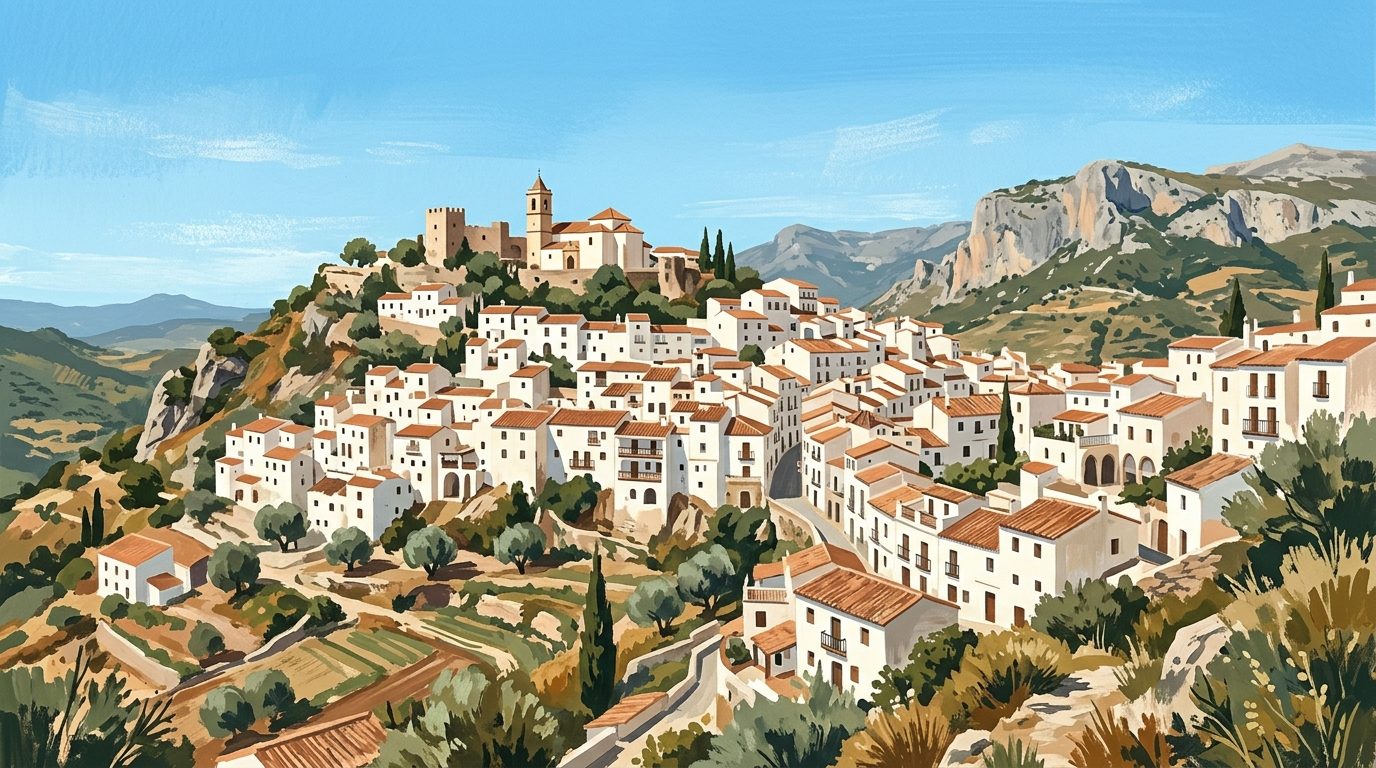
Casares is one of the most photographed villages in Spain, a 'hanging village' where the houses seem to tumble down the hillside. It is the birthplace of Blas Infante, the father of Andalucían nationalism, and his former home is now a small museum. The climb to the 13th-century Moorish castle ruins at the top of the village is steep, but the reward is a view that encompasses the Rock of Gibraltar and the African coast. The village is also known for its population of griffon vultures, which can often be seen circling the cliffs. For a unique experience, visit the Hedionda Baths just below the village; these Roman sulphur baths were allegedly used by Julius Caesar to cure a skin ailment. The water still smells strongly of sulphur, but a soak in the cool, milky-blue pools is a local tradition (note: pre-booking is usually required via the local town hall website during the summer months). Afterwards, eat at Venta García on the road up to the village for refined mountain cooking.
Benahavís
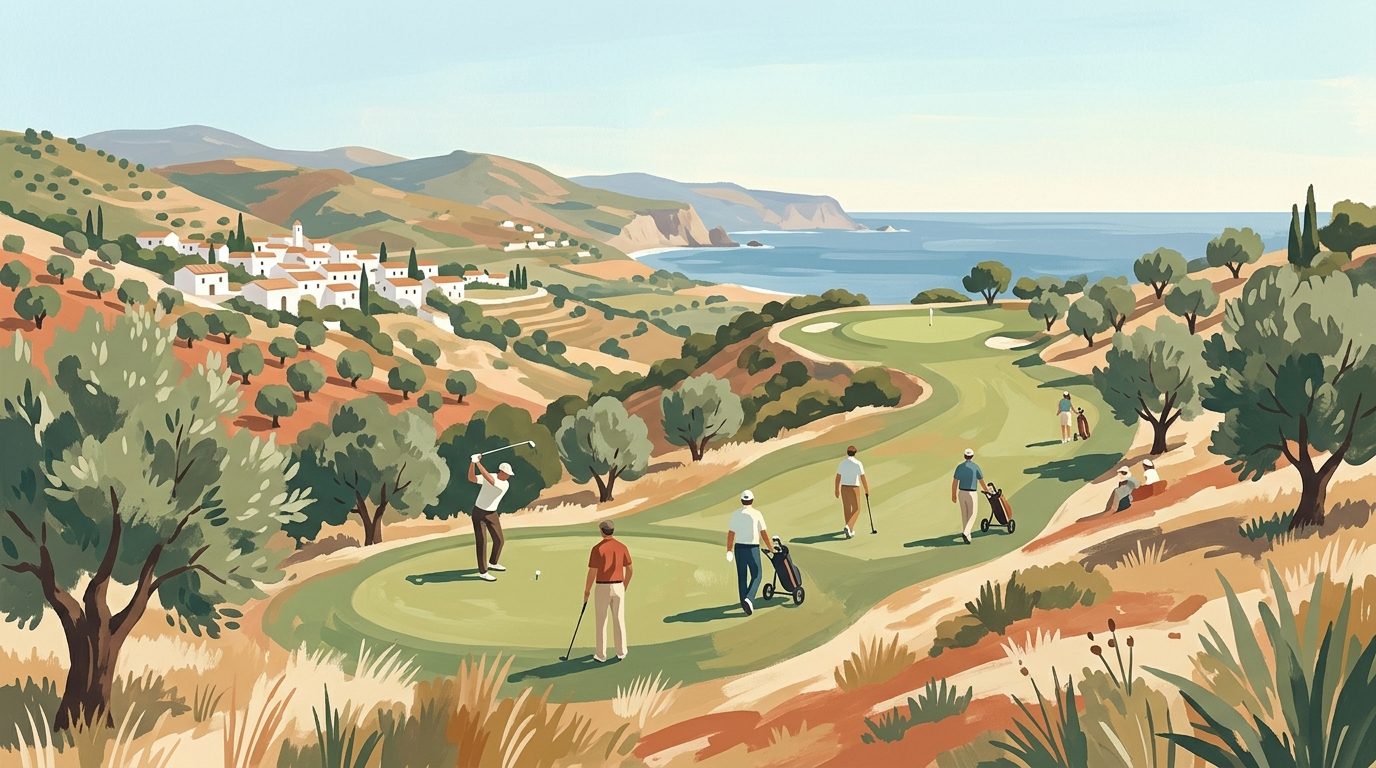
Located seven kilometres inland, Benahavís is often called the ‘Dining Room of the Costa del Sol’. Despite its small size, it has one of the highest concentrations of restaurants per capita in Andalucía. The village has a wealthy, international feel, partly due to the exclusive gated communities like La Zagaleta that surround it. The centre of the village, however, remains a maze of narrow streets and small squares. Los Abanicos is perhaps the most famous restaurant here, known for its suckling pig and extensive wine cellar. Beyond the food, Benahavís is a centre for outdoor adventure. The Rio Guadalmina runs through a narrow canyon just outside the village; 'river trekking' here (swimming and scrambling through the water) is a popular summer activity. The village is also surrounded by world-class golf courses, making it a hub for those who prefer the greens to the beach.
Read the full Benahavís guide →
Ronda
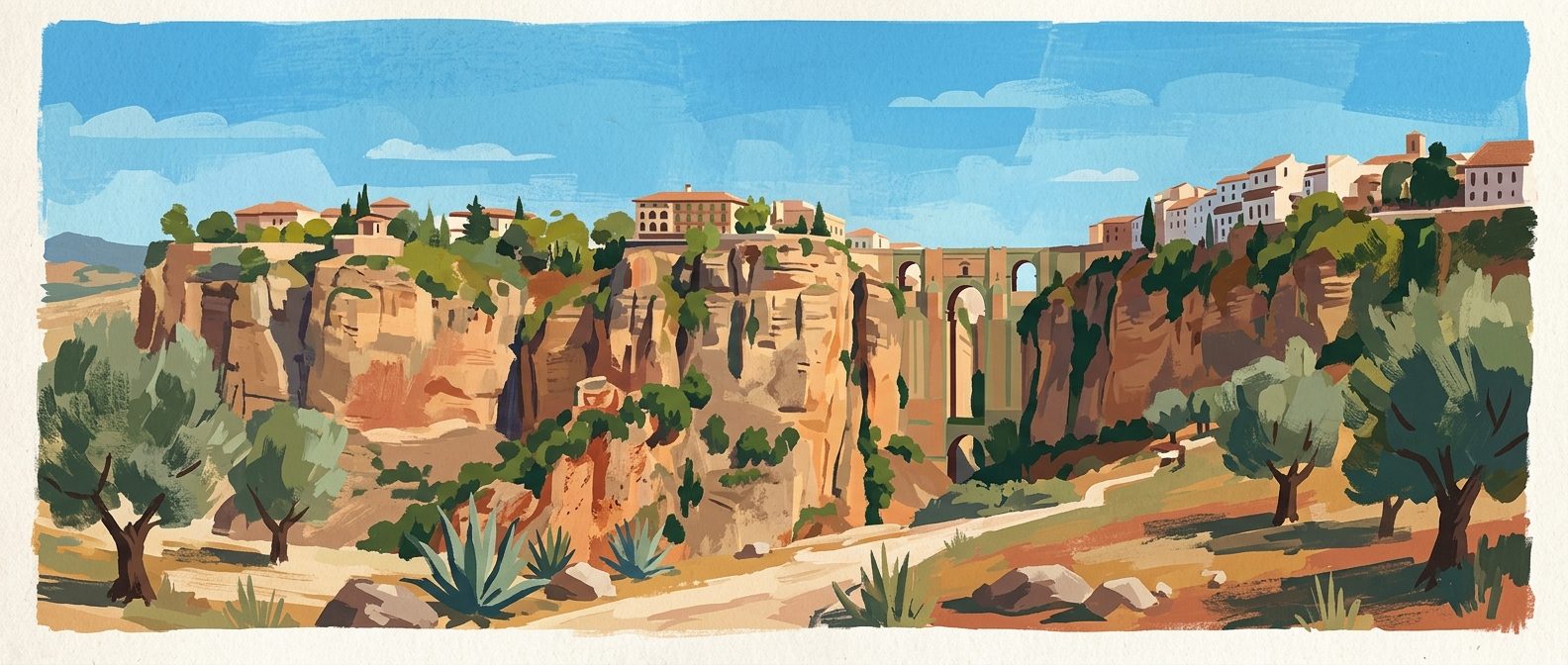
While technically inland in the Serranía de Ronda, no guide to the western coast is complete without it, as it is the most popular excursion from the shore. The drive alone, via the A-397 from San Pedro de Alcántara, offers spectacular views as you climb to 750 metres. Ronda is famous for the Puente Nuevo (New Bridge), which spans the 120-metre deep El Tajo gorge. The town is divided into the old Moorish quarter (La Ciudad) and the newer 18th-century part (El Mercadillo). The Plaza de Toros is one of the oldest and most beautiful bullrings in Spain, and even if you are not a fan of the spectacle, the museum inside provides deep insight into the culture of the region. For a quiet escape from the crowds, walk down to the Cuenca Gardens for a different perspective of the bridges. Eat at Tragatá for modern tapas by Michelin-starred chef Benito Gómez, or pick up some yemas de Ronda (egg yolk sweets) from the local convents.
Eating & Drinking in Costa del Sol Occidental
The culinary landscape here is defined by the contrast between the chiringuito and the fine-dining establishment. Along the beaches of Fuengirola and Torremolinos, the espeto is king. Watch for the small boats filled with sand where olive wood fires are lit; this is the only way to cook sardines correctly. As you move towards Marbella, the options become more international. You can find world-class sushi at Nobu or contemporary Andalucían cuisine at Dani García’s various outposts in the Puente Romano resort.
Inland, the focus shifts to cocina de monte (mountain cooking). In Benahavís and Casares, look for chivo lechal (suckling goat) or perdiz estofada (stewed partridge). The region also has a growing wine scene; while Ronda is the hub for high-altitude reds and whites, many of these bottles are prominently featured in the wine lists of coastal restaurants. For a local drink, try the pacharán after dinner, or a glass of chilled Manzanilla sherry from nearby Sanlúcar as an aperitif. The craft beer movement has also taken hold, with local breweries like Savis in Marbella leading the charge.
Where to Stay
The Western Costa del Sol offers a spectrum of accommodation that ranges from the legendary Marbella Club, which defined the coast’s glamour in the 1950s, to sleek modern apartments in Estepona. For a traditional feel, staying in a boutique hotel within Marbella’s Old Town, such as The Claude, allows you to enjoy the quiet mornings before the day-trippers arrive. If you prefer a mountain retreat, the Anantara Villa Padierna offers a palatial experience between the mountains and the sea. For those on a tighter budget, Fuengirola and Benalmádena have a vast supply of mid-range hotels and self-catering apartments that are ideal for families. If you are looking for total immersion in nature, consider a finca (farmhouse) stay in the valley below Casares, where the only sound at night is the wind and the distant bells of goats.
Getting There & Around
Málaga-Costa del Sol Airport (AGP) is the primary gateway, located just east of Torremolinos. From the airport, the C1 Cercanías train line is an efficient and cheap way to reach Torremolinos, Benalmádena, and Fuengirola. Beyond Fuengirola, the train line ends, and you will need to rely on the Avanza bus service or a rental car. The AP-7 toll motorway is the fastest way to travel between towns, avoiding the often-congested N-340 coastal road. However, the N-340 is more scenic and provides direct access to the beachside urbanisations. For exploring white villages like Casares or Benahavís, a car is essential.
Best Time to Visit
To see the Costa del Sol Occidental at its best, aim for the shoulder seasons of May to June or September to October. During these months, the Mediterranean is warm enough for swimming, but the intense heat of July and August has either not yet arrived or has started to fade. The crowds are significantly thinner, and securing a table at the best restaurants is much easier. January and February are also rewarding; while the sea is too cold for a dip, the almond blossoms are in bloom in the mountains, and the clear, crisp air provides the best visibility for views across to Africa.