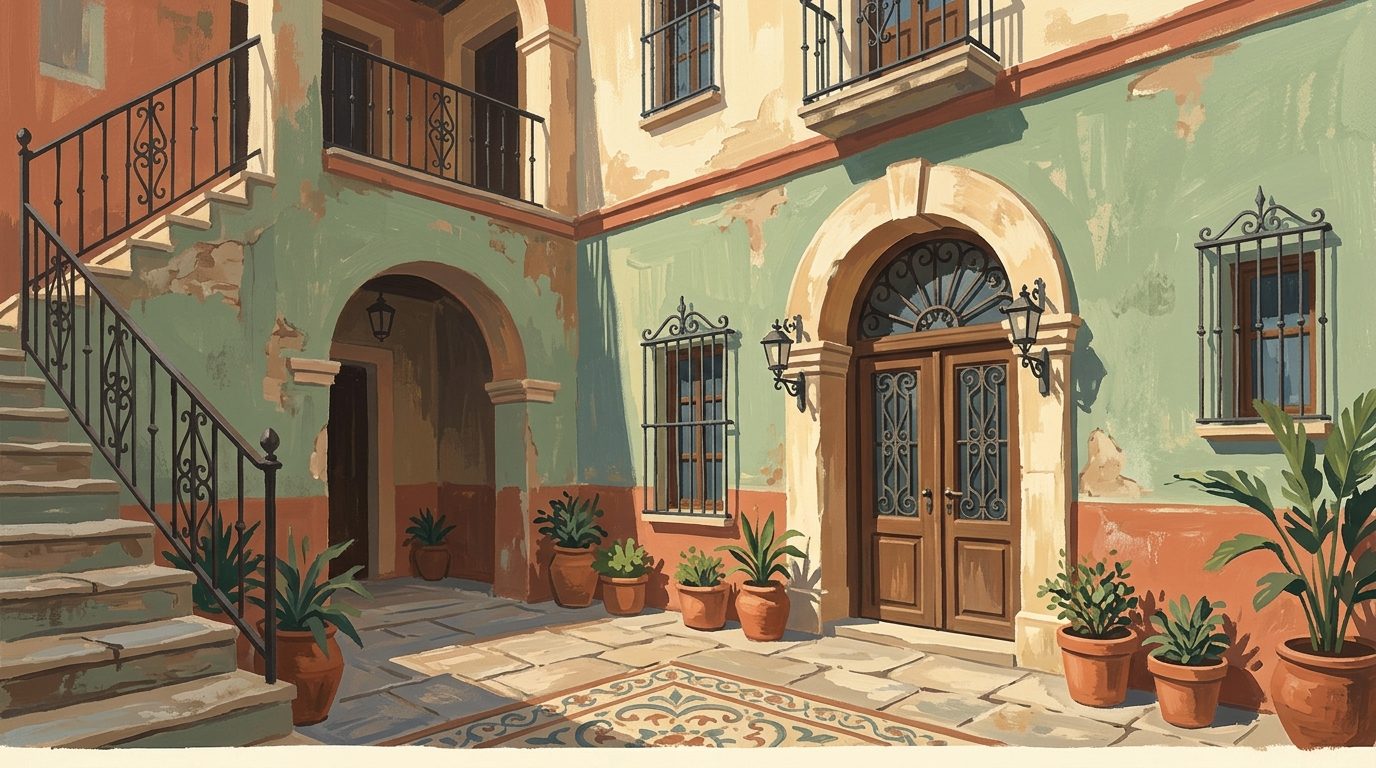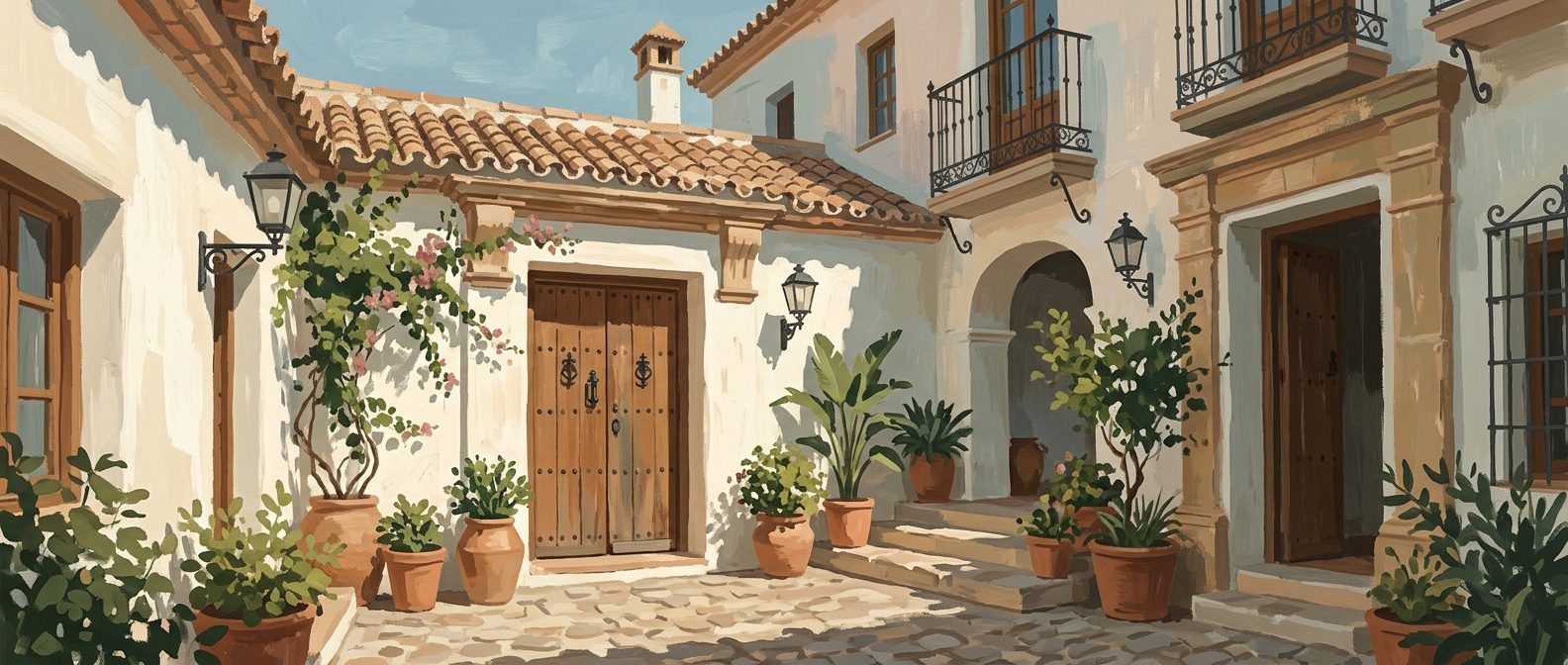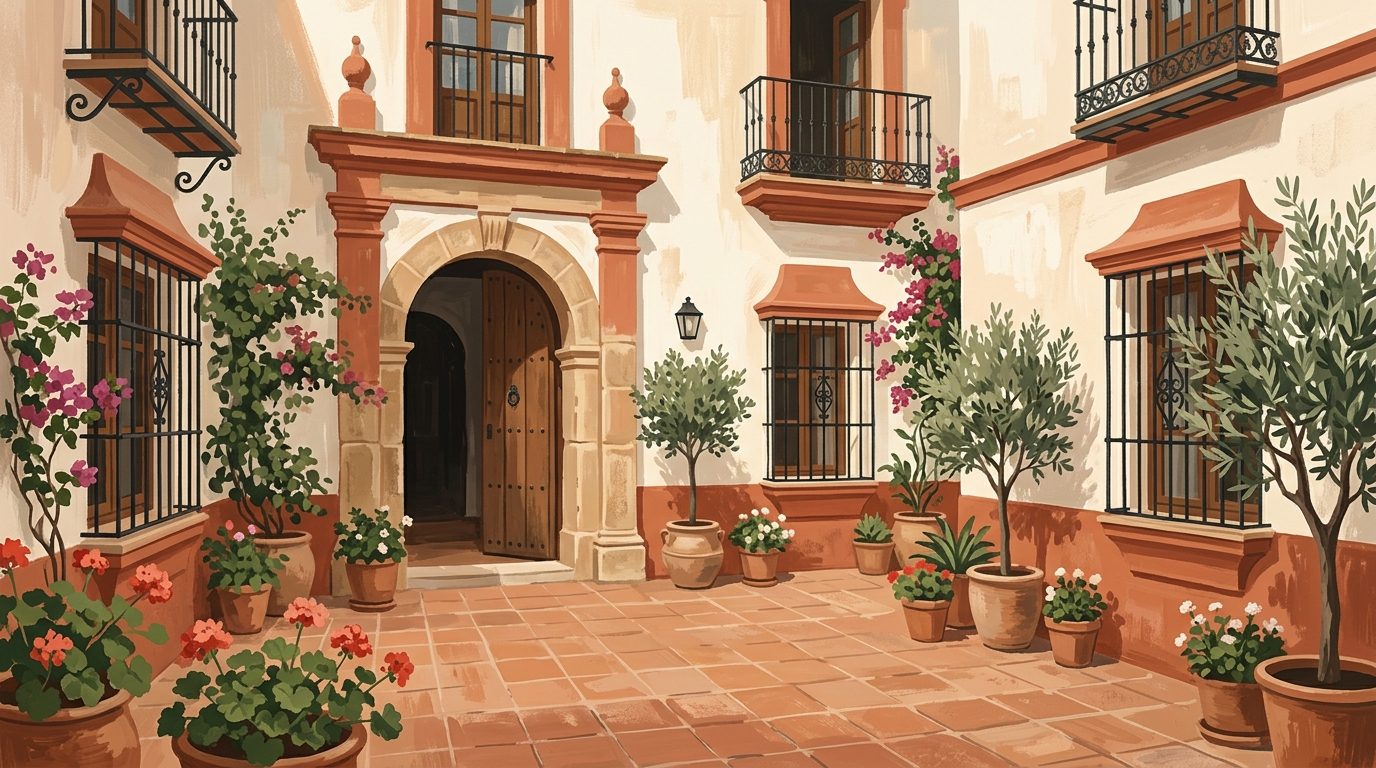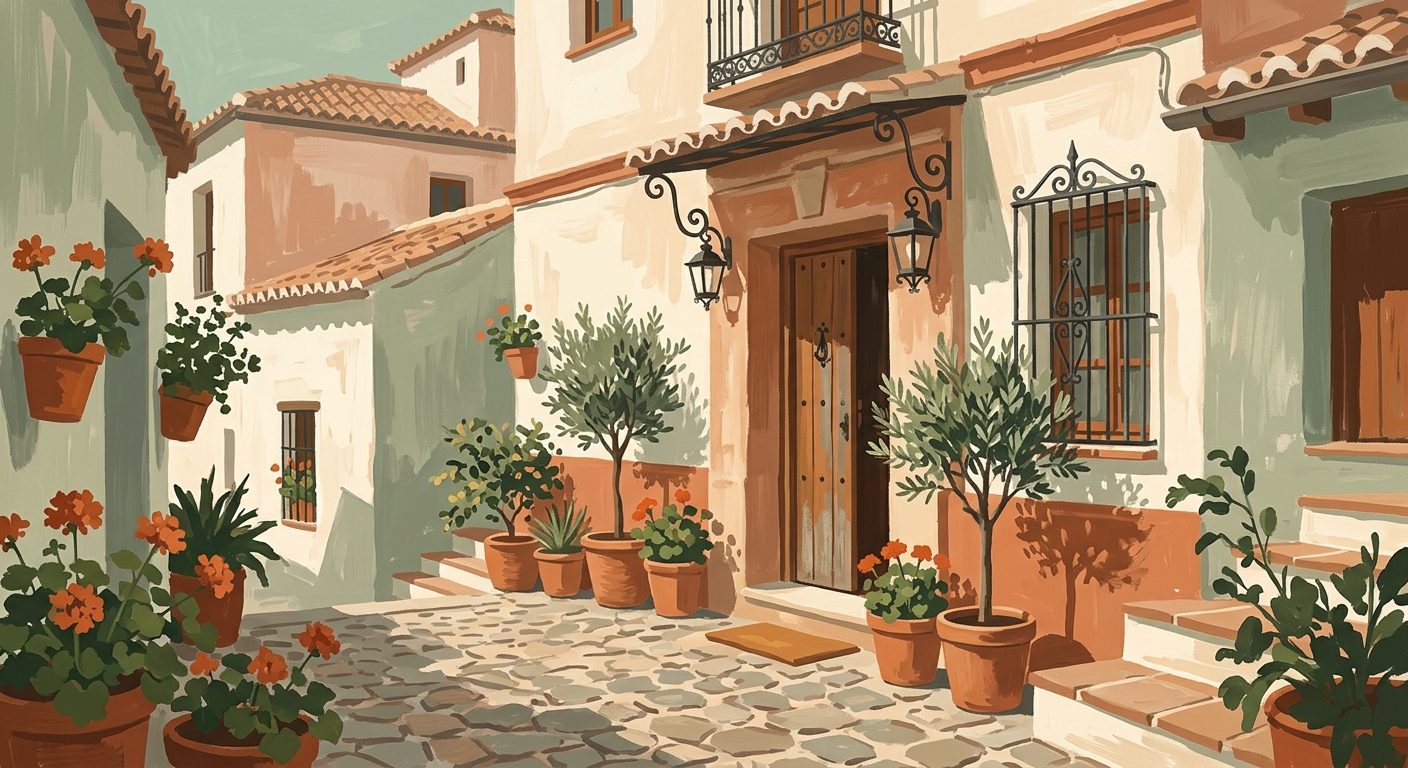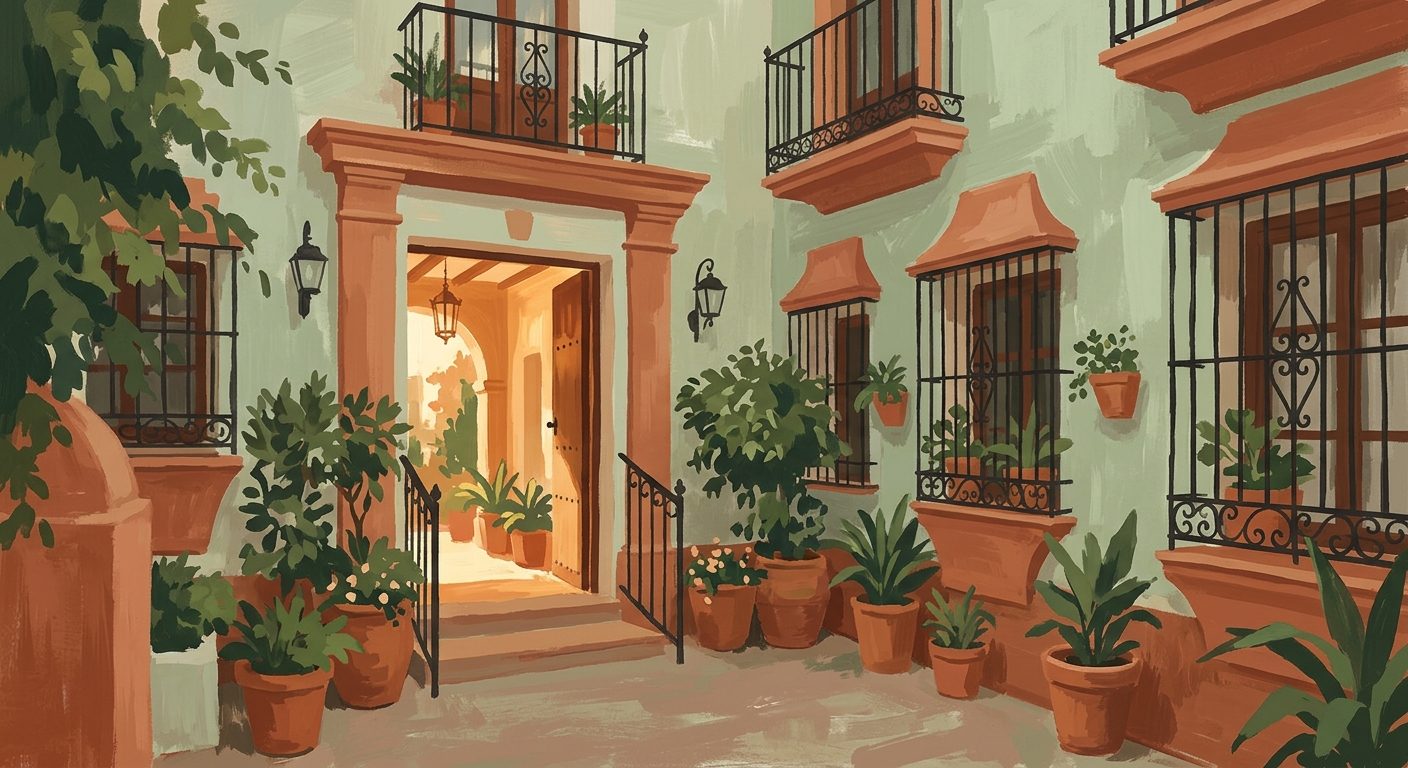
Floating between the fertile valley of the Guadalhorce and the limestone peaks of the Sierra de las Nieves, these two villages offer a direct route into the heart of rural Málaga. Here, the air carries the scent of pine and mountain herbs, marking the threshold where the olive groves end and the ancient forest begins.
Alozaina and Yunquera sit on the eastern edge of the Sierra de las Nieves National Park, acting as the primary entry points for anyone looking to explore the most rugged landscapes in the province. While many visitors to Málaga rarely look beyond the coast, those who drive an hour inland discover a world of steep, whitewashed streets, deep-seated traditions, and a botanical heritage that predates the last ice age. These are not merely stopovers; they are living communities where the rhythm of life is still dictated by the olive harvest and the mountain seasons.
While they share the same mountain backdrop, each village has its own distinct character. Alozaina is the fortress town, perched on a rocky outcrop with views that stretch all the way to the Málaga coastline on a clear day. Yunquera, positioned slightly higher at 681 metres, is the undisputed capital of the pinsapo (Spanish fir), housing the largest and best-preserved forests of this rare tree in the world. Together, they provide a comprehensive experience of the Sierra de las Nieves, combining historical legend with some of the finest hiking in Andalucía.
What to See & Do
Alozaina: The Fortress Village
The name Alozaina derives from the Arabic Al-Ushana, meaning 'small fortress', and the village layout still reflects its defensive origins. The focal point is the Parque Mirador María Sagredo, built on the site of the old Moorish castle. Only a few sections of the original walls and a tower remain, but the site has been transformed into a landscaped viewpoint with battlements and towers that offer a panoramic sweep of the Hoya de Málaga and the Sierra Prieta.
Walking through the village, you will inevitably pass under the Arco de Alozaina. Built in 1951 to commemorate the village's Moorish heritage, this triple-arched gate serves as the formal entrance to the historic centre. Nearby, the Church of Santa Ana dominates the skyline. Reconstructed in the 18th century on the site of a 15th-century temple, its square bell tower and octagonal top are visible from miles away. The interior is simple and cool, providing a quiet respite from the midday sun.
The Legend of María Sagredo
You will see the name María Sagredo throughout the village, most notably in the park and on the local coat of arms. According to local history, during the Moorish rebellion of 1570, the men of Alozaina were away in battle. When the village was besieged, a young woman named María Sagredo led the defence. Legend says she climbed the battlements and threw beehives at the attackers, whose stings forced the invaders to retreat. This act of bravery earned her a place in Spanish history and the village its distinctive heraldry.
Yunquera: The Pinsapo Capital
Yunquera is often called the 'Cathedral of the Serranía', a nickname it shares with its primary religious building, the Church of Nuestra Señora de la Encarnación. This is one of the largest churches in the region, easily identifiable by its striking blue-tiled dome. Inside, the three naves house significant 18th-century imagery, but the building’s sheer scale is what impresses most, feeling more like a city cathedral than a village church.
For a deeper understanding of the local landscape, head to the Torre Vigía (Watchtower), often called 'El Castillo' by locals. Built during the War of Independence (1808 to 1812) to monitor Napoleonic troops, the tower has been excellently restored and now houses the Sierra de las Nieves National Park Visitor Centre. It is the best place to pick up trail maps and learn about the unique geology of these limestone mountains.
Exploring the Sierra de las Nieves
The main draw for many is the Pinsapar de Yunquera. The pinsapo is a prehistoric fir tree that only grows in a few pockets of southern Spain and northern Morocco. Yunquera provides the easiest access to these forests. A popular moderate route is the trail from Puerto Saucillo to Puerto Bellina. This loop takes you through dense stands of these dark, symmetrical trees and leads to the Candelabro, a massive, ancient fir named for its candelabra-like shape.
For more ambitious hikers, the ascent to Pico Torrecilla (1,919m) often begins from the tracks near Yunquera or the nearby Tolox. This is a demanding full-day trek but offers views that span from the Sierra Nevada in the east to the Rock of Gibraltar and the Rif Mountains of Africa in the south.
The Valley of Jorox
Located between Alozaina and Yunquera, the tiny hamlet of Jorox is worth a detour. It is famous for its natural spring and an ancient system of Arab irrigation channels that still water the tiered vegetable gardens. The Jorox Waterfall (Charco de la Caldera) is a local landmark, though it is best visited in spring or after autumn rains; in the height of summer, the flow can be minimal. It is a quiet, shaded spot perfect for a short walk among citrus trees and old flour mills.
Practical Information
Opening Times & Access:
- Alozaina Church (Santa Ana): Open during services, typically Wednesday and Friday evenings, and Sunday mornings (12:00 PM). Entry is free.
- Yunquera Visitor Centre (Watchtower): Generally open Saturdays (10:30 AM to 2:00 PM and 5:00 PM to 7:00 PM) and Sundays (10:30 AM to 2:00 PM). Check the official Ventana del Visitante (Junta de Andalucía) website for seasonal variations and holiday closures. Entry is free.
- Museo de Aperos (Alozaina): Located in the town hall building. Winter hours are usually 9:00 AM to 2:00 PM and 4:00 PM to 8:00 PM, Monday to Friday.
Getting There:
From Málaga, take the A-357 towards Cártama, then follow the A-354 which leads directly to Alozaina (approx. 50 minutes). Continue on the A-366 for another 15 minutes to reach Yunquera. Note that this stretch of road is exceptionally winding; passengers prone to motion sickness should prepare accordingly. Public transport is available via the Sierra de las Nieves bus company from Málaga’s main bus station; the journey takes about 90 minutes and costs roughly €7 each way.
Parking:
In Alozaina, it is best to park on the Avenida de Andalucía (the main road passing through the lower part of the village) and walk up into the centre. In Yunquera, use the designated car park at the village entrance near the football pitch, as the interior streets are exceptionally narrow and steep.
Where to Eat Nearby
In Alozaina, Bar Nuevo is a local institution on the main road. It is perfect for a traditional breakfast or a plate of migas (fried breadcrumbs with chorizo and peppers) after a morning walk. For something heartier, Milonga is an Argentinian-style steakhouse that makes excellent use of local oak charcoal to grill high-quality meats, a favourite for Sunday lunches.
In Yunquera, Asador El Refugio is highly regarded for its mountain views and traditional wood-fired oven. Try the roasted goat (chivo lechal), a regional speciality, or any of the dishes featuring local chestnuts when they are in season during late autumn. For a quick stop, Bar Quini in the village centre serves reliable tapas to a mostly local crowd.
Where to Stay
For an authentic experience, look for rural houses (casas rurales) within the villages. La Pura Vida in Yunquera offers a well-designed retreat with direct access to hiking trails. In Alozaina, Hotel Sierra de las Nieves provides straightforward, comfortable rooms and is well-positioned for exploring both the village and the surrounding countryside. If you prefer a more secluded setting, several restored farmhouses are available in the Jorox valley, offering total silence and exceptional stargazing opportunities away from village lights.