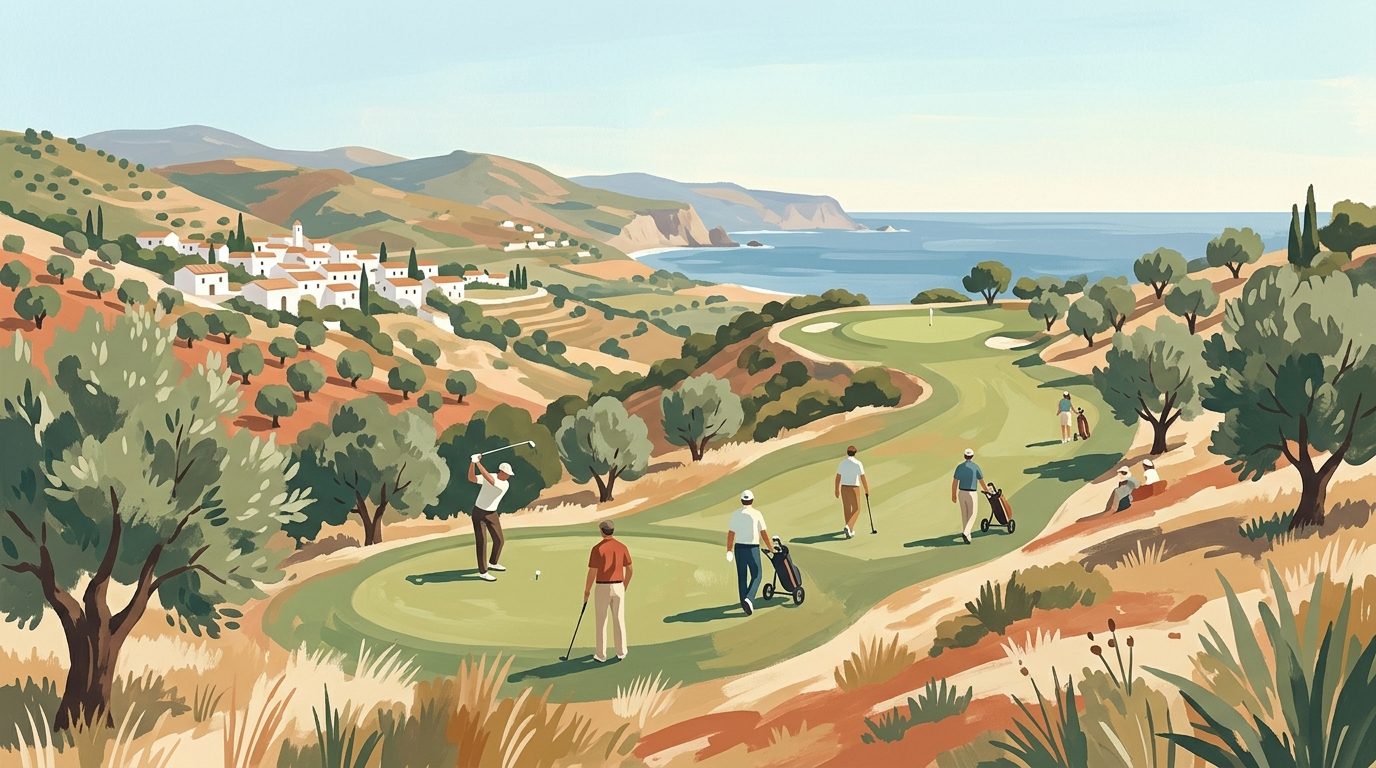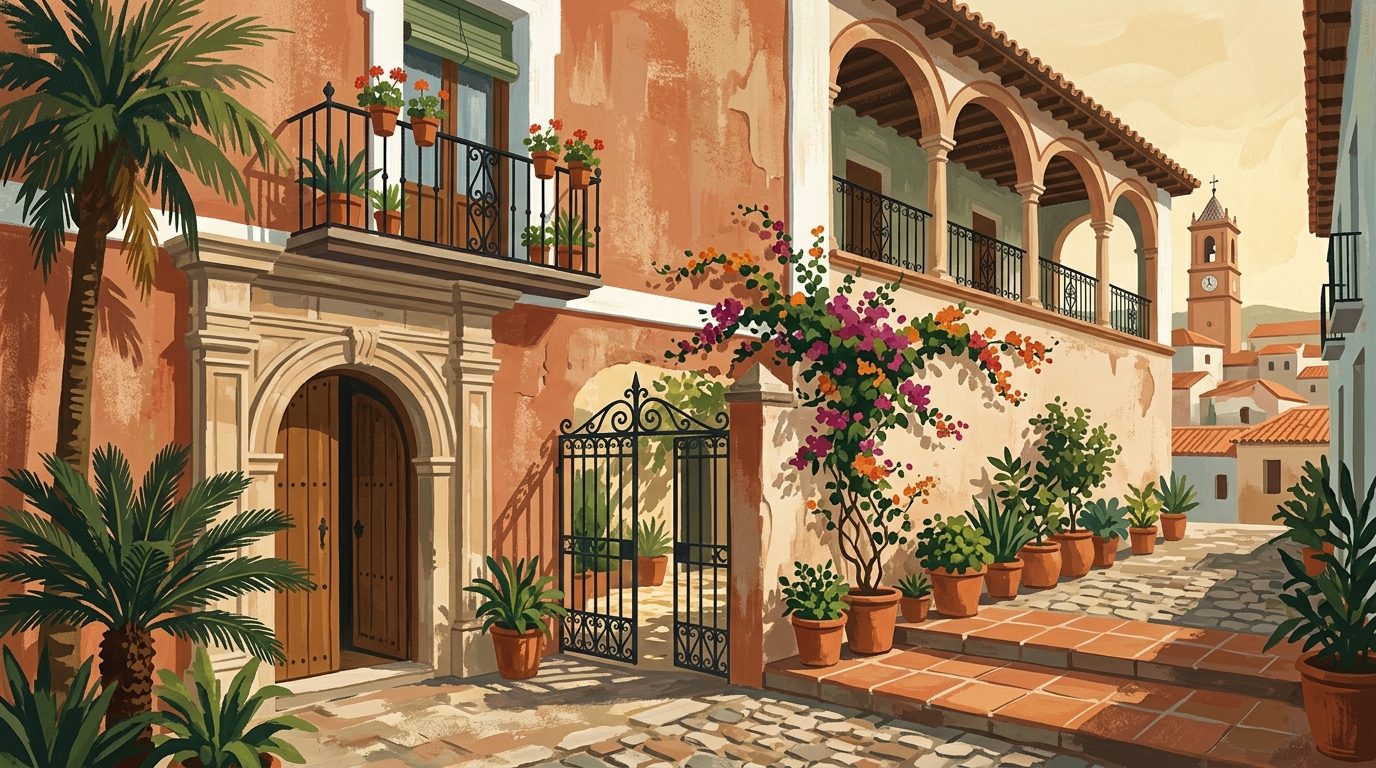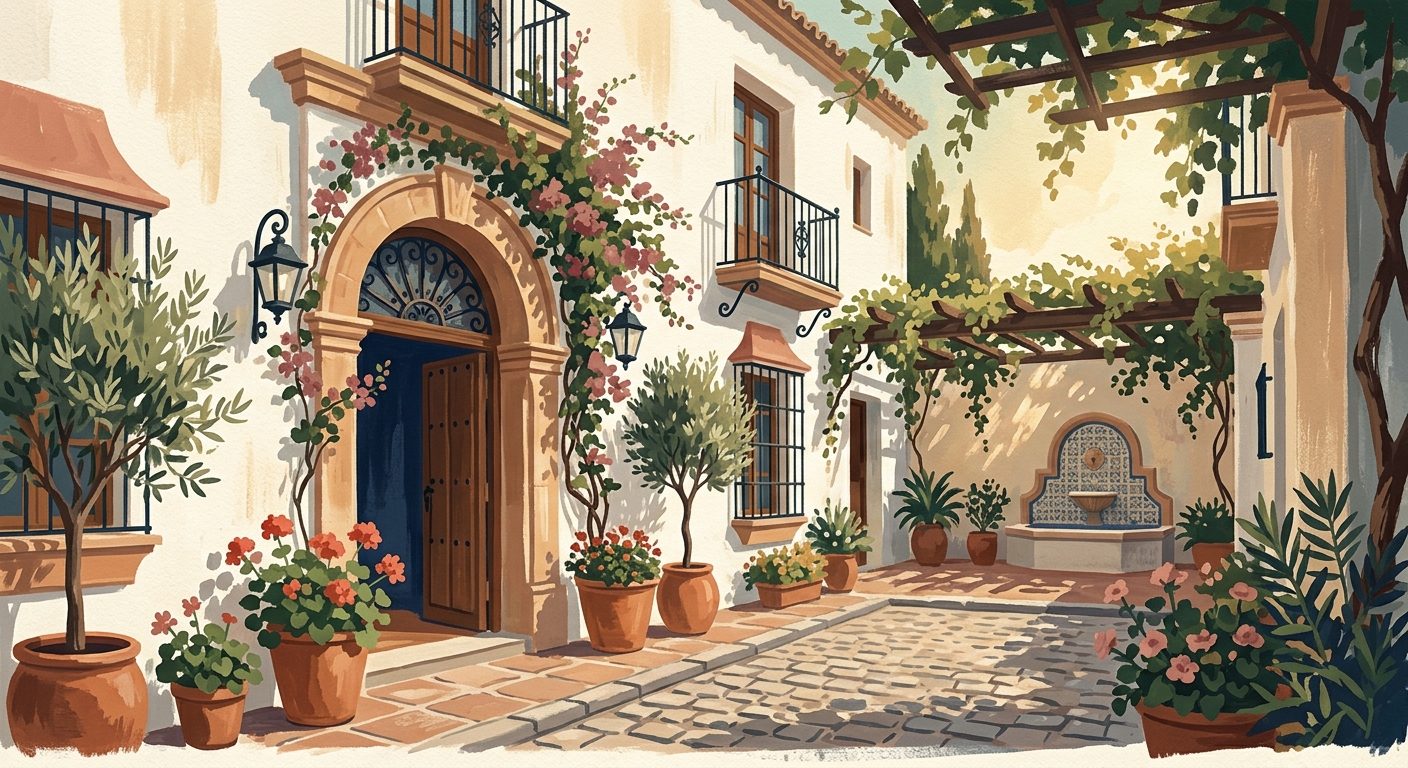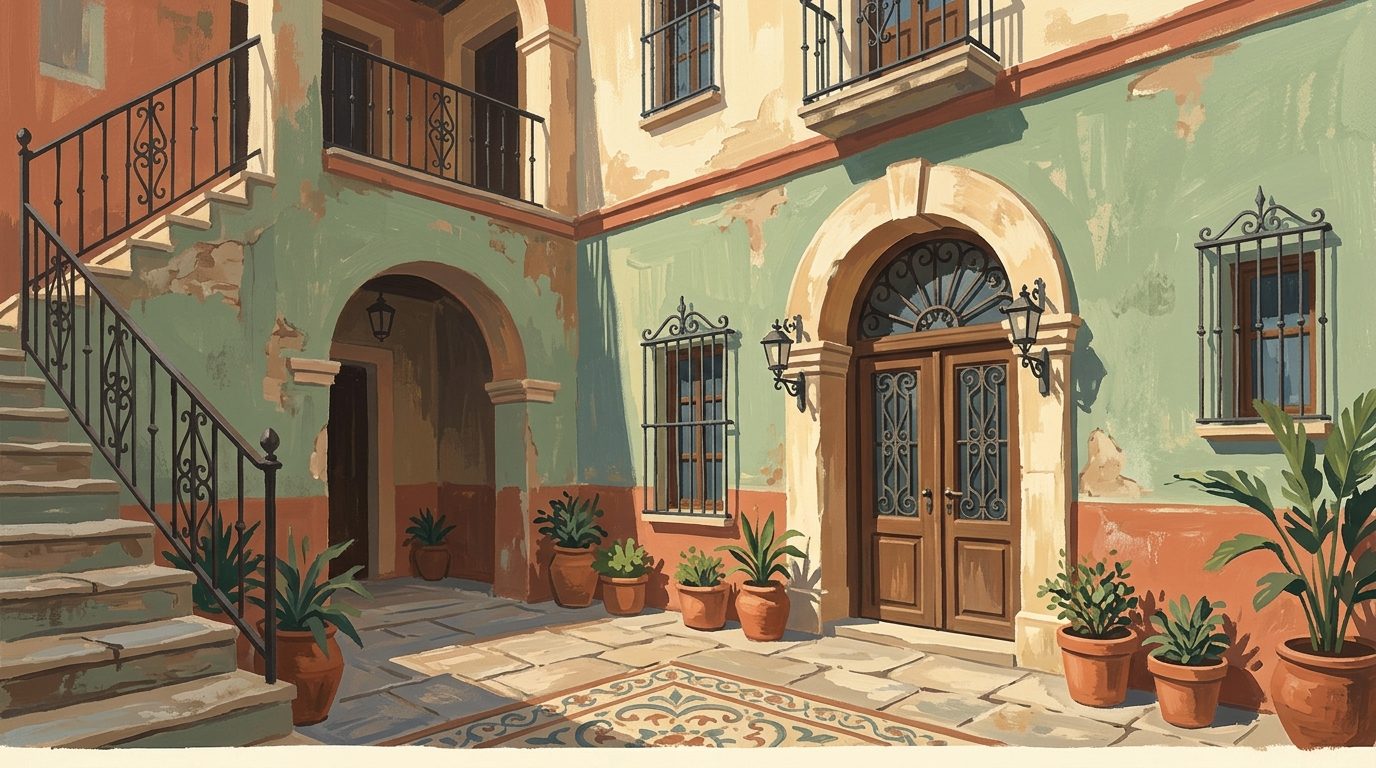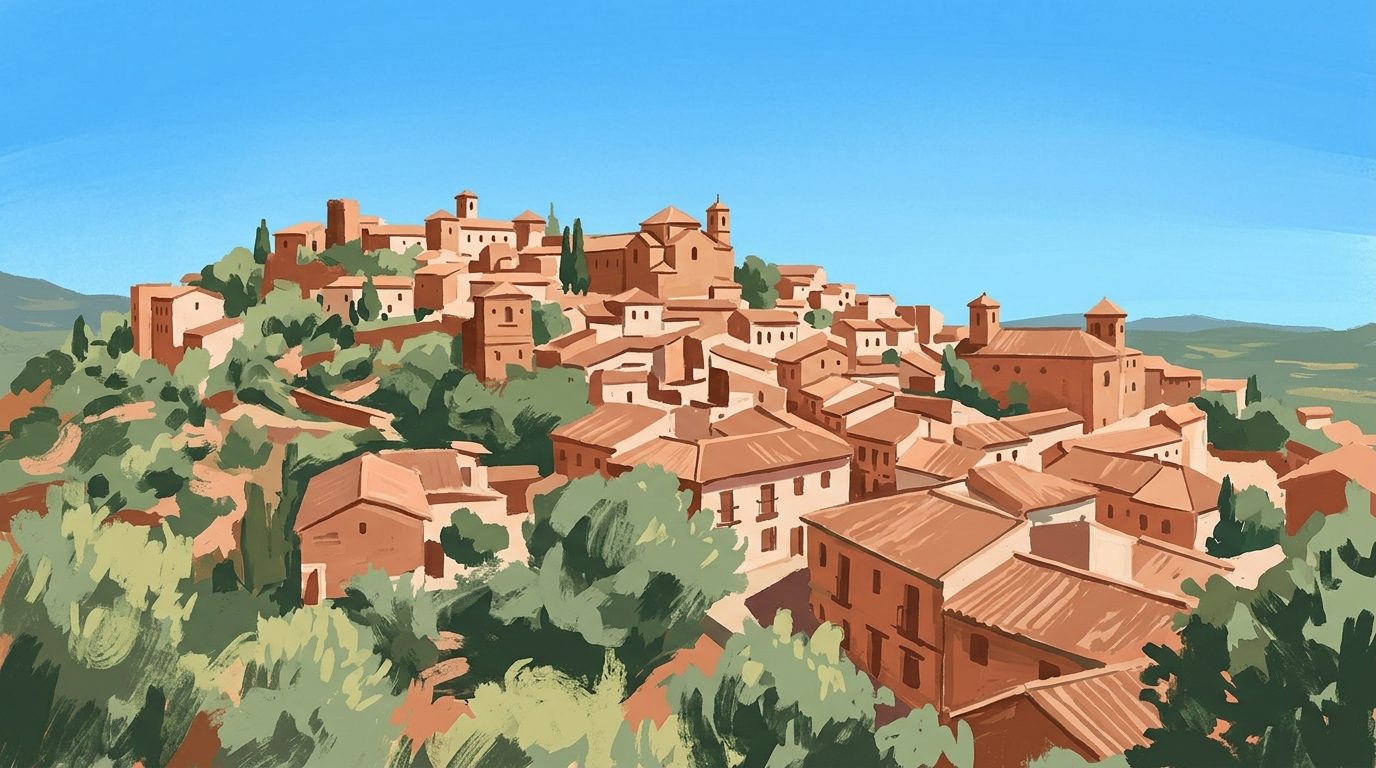
Standing as a strategic gateway between the coastal mountains and the high plains of the interior, Archidona is defined by its unusual octagonal square and a clifftop fortress that surveys the olive-clad landscape. It is a town where the architectural precision of the Enlightenment meets the rugged remnants of the Islamic era.
To arrive in Archidona is to enter the northern gateway of Málaga province. While many travellers bypass this hilltop town in favour of its larger neighbour, Antequera, those who turn off the A-92 motorway discover a place of singular character. Archidona sits at the foot of the Sierra de Gracia, its whitewashed houses clinging to the limestone slopes while its urban heart contains one of the most remarkable examples of 18th-century town planning in Spain. Once the capital of the Cora de Rayya under Islamic rule, the town has transitioned from a defensive Moorish stronghold to a refined Baroque centre, all while remaining rooted in the production of olive oil and almonds.
What to See & Do
The Plaza Ochavada
The undisputed centrepiece of the town is the Plaza Ochavada. Built in 1786, this octagonal square is unique in Andalucía and was designed to solve a public health crisis by clearing a dilapidated area of the town. The result, however, was a masterwork of French-influenced urban design blended with local Mudéjar building traditions. The architects, Antonio González Sevillano and Francisco Frías Astorga, created a space that feels more like an outdoor theatre or a grand private patio than a typical public square.
The square is enclosed by eight façades of red brick and white limestone, featuring a rhythmic series of arches and balconies. Because there are no external façades (only three narrow entrances), the square remains hidden until you are standing within it. Today, it serves as the town’s living room, housing the Town Hall and a selection of cafes where the acoustic quality of the octagon makes every conversation feel intimate. Look out for the subtle variations in the brickwork, which reflect the transition from the classical Baroque style to more popular Andalucían motifs.
The Castillo and Santuario de la Virgen de Gracia
For the best perspective on Archidona’s strategic past, one must ascend the winding road to the summit of the Cerro de Gracia. Here lie the ruins of the 9th-century Moorish castle, once one of the most formidable fortresses in Al-Andalus. The defensive walls, which follow the natural contour of the ridge, provide an elevated view across the plains towards the famous Peña de los Enamorados (Lovers' Rock).
Within these walls sits the Santuario de la Virgen de Gracia. This is no ordinary chapel; it is the only building in the province of Málaga that preserves the structure of an ancient mosque. Inside, the horseshoe arches and Roman and Visigothic columns salvaged from even older settlements remain clearly visible. The base of the current bell tower was once a minaret. This layering of history, where a Christian sanctuary sits directly within the footprint of a mosque, creates a quiet, contemplative atmosphere that is rare to find in more heavily restored monuments.
Religious Heritage and the Lower Town
Descending back into the town, the skyline is punctuated by three distinct towers. The 16th-century Church of Santa Ana features a striking triangular tower topped with green and white glazed tiles, a classic example of the regional style. Nearby, the Convento de las Mínimas offers a more austere beauty. The nuns here are famous for their traditional sweets, such as 'aceitunados' (almond-shaped sweets), which can be purchased through a traditional wooden torno (revolving hatch), maintaining a centuries-old tradition of cloistered commerce.
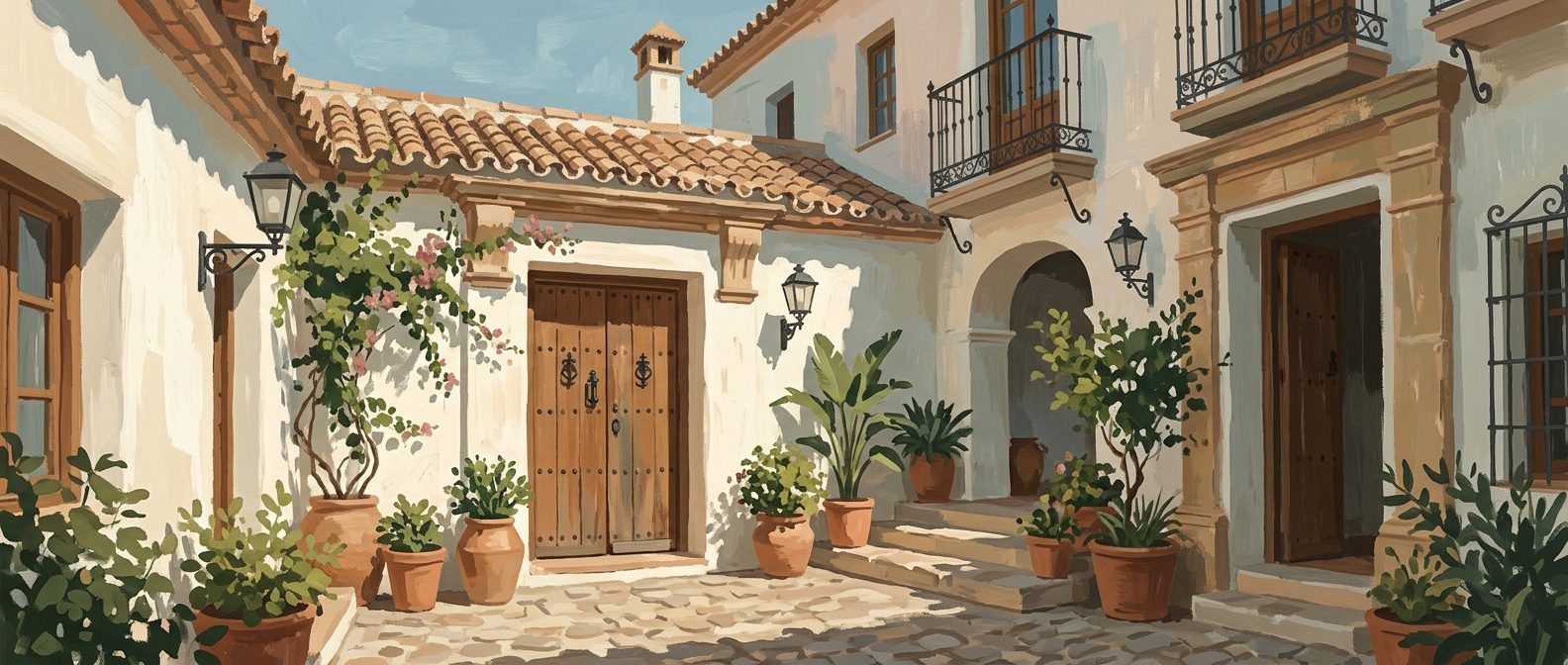
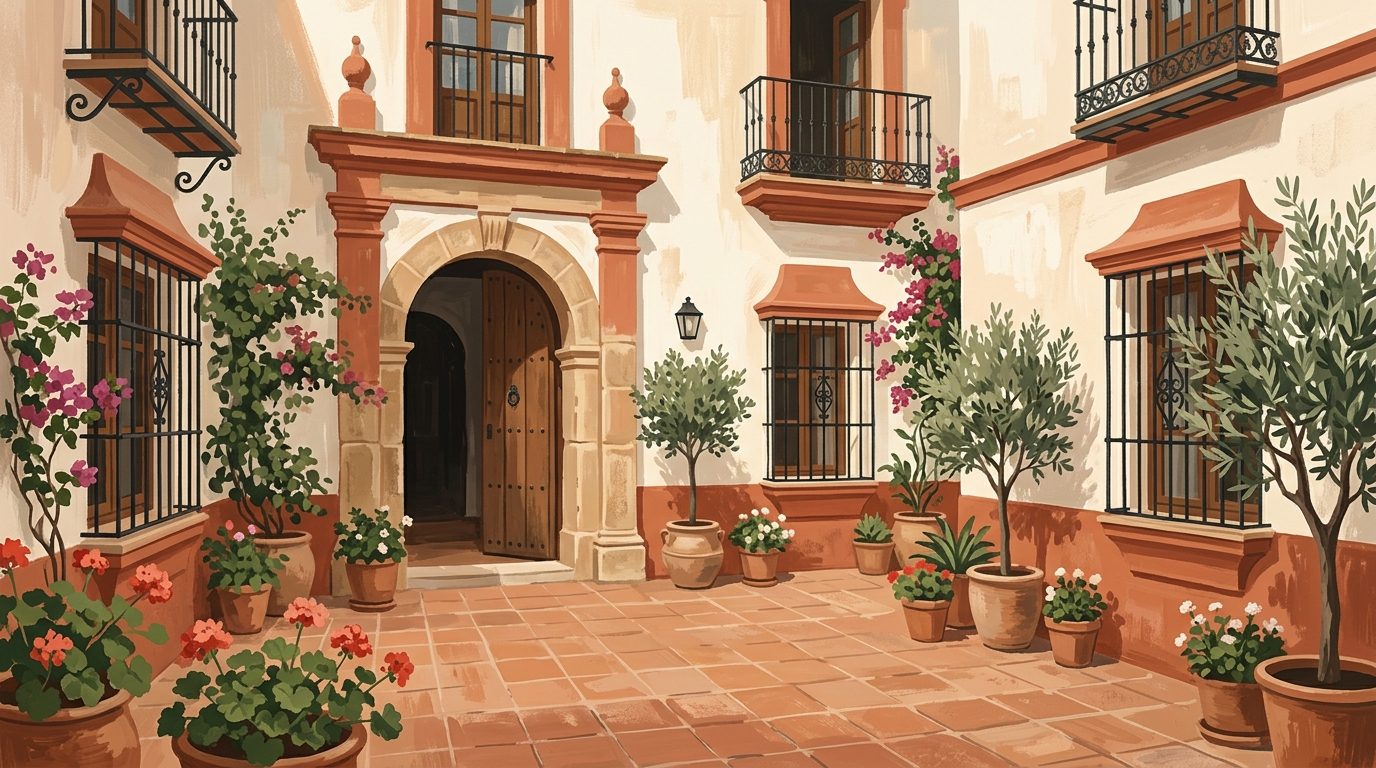
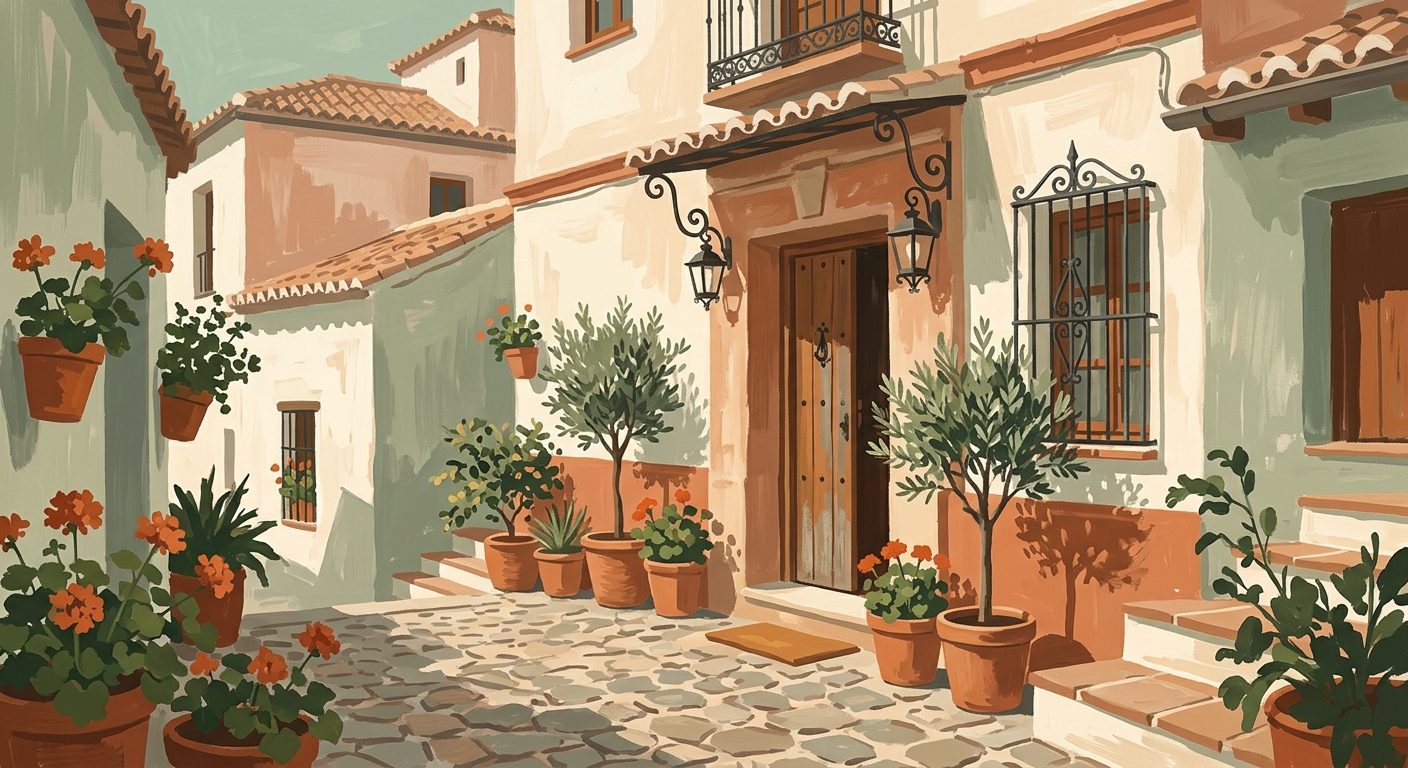
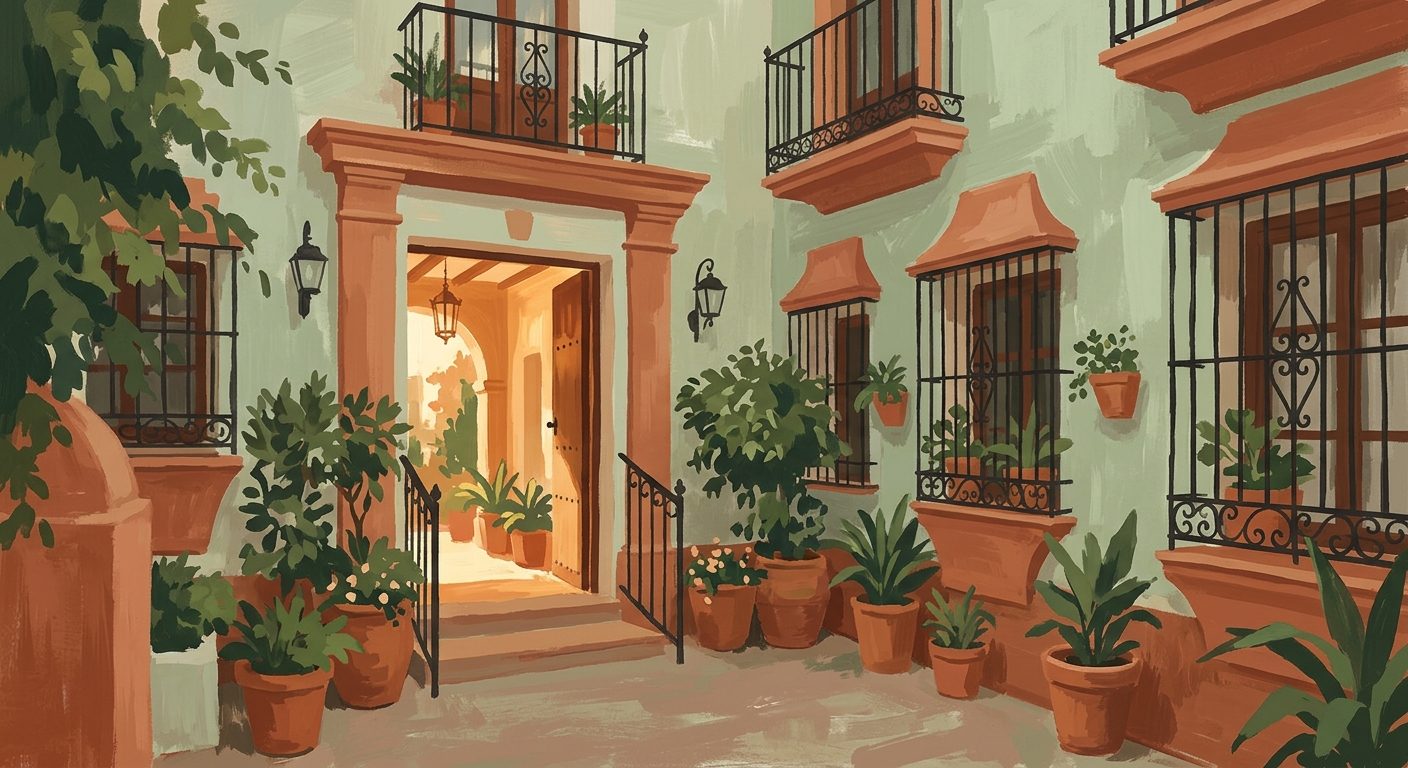
Walking through the lower town, particularly along Calle Salazar and Calle Carrera, allows you to see the transition of Archidona’s architecture from the medieval to the modern. The houses here are often decorated with elaborate wrought-iron rejas and heavy stone doorways bearing the coats of arms of local nobility.
Practical Information
Opening Times:
Most monuments in Archidona follow traditional Spanish hours. The Plaza Ochavada is a public space and open at all times.
Santuario de la Virgen de Gracia: Open Tuesday to Sunday. Summer hours (April to September) are 08:00 to 13:00 and 18:30 to 21:30. Winter hours (October to March) are 09:30 to 13:30 and 16:00 to 18:00. Closed on Mondays.
Municipal Museum (La Cilla): Located in an 18th-century grain store, it is usually open Tuesday to Saturday from 10:00 to 14:00 and 16:00 to 18:00 (afternoon hours may vary in July and August; check with the Tourist Office (Oficina de Turismo de Archidona) before visiting). Closed Sundays and Mondays.
Ticket Prices:
Entry to the Santuario de la Virgen de Gracia is free, though a small donation for the upkeep of the building is appreciated. The Municipal Museum typically costs €2 per person.
How to Get There:
Archidona is located 50km north of Málaga city. By car, take the A-45 towards Antequera and then the A-92 towards Granada, exiting at Junction 163. The journey takes approximately 45 minutes. Regular bus services run from the Málaga bus station via the ALSA network, taking about an hour.
Parking:
Parking within the very centre near the Plaza Ochavada is restricted. It is best to park in the designated areas near the Paseo de la Victoria or on the outskirts near the entrance to the town and walk the short distance into the centre. For the castle, there is a car park at the summit if you prefer not to walk the steep 20-minute trail.
Where to Eat Nearby
The culinary highlight of the town is undoubtedly Arxiduna, located directly within the Plaza Ochavada. The restaurant occupies a series of natural caves that have been integrated into the square’s architecture. The menu focuses on creative updates to local classics, such as porra archidonesa (a thicker, more textured version of salmorejo) and pastela de salchichón. For something more traditional, Central Bar offers a no-nonsense atmosphere with excellent local sausages and stews. If you are visiting in the morning, stop by the Convento de las Mínimas to buy their almond-based aceitunados or tortas de aceite directly from the nuns.
Where to Stay
For a boutique experience, Almohalla 51 is a beautifully restored townhouse that balances historic features with a refined, contemporary interior. It offers a plunge pool and terraces with views across the town rooftops to the sanctuary. Alternatively, the Hotel Escuela Santo Domingo is set in a magnificent 16th-century convent. As a training hotel for the regional catering school, it provides high standards of service and a peaceful courtyard setting, located just a short walk from the main monuments.