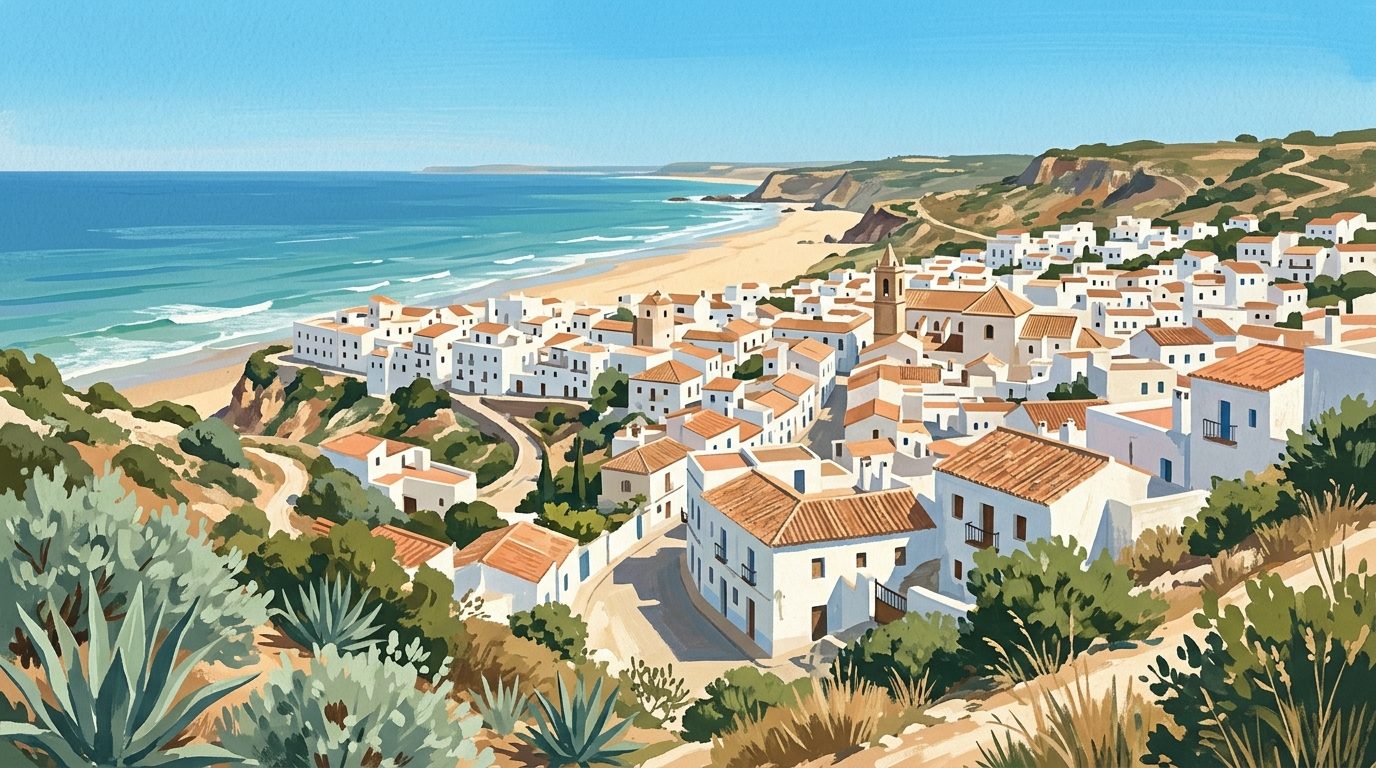
Conil de la Frontera is a striking white town where the traditional fishing heritage of the Atlantic coast meets expansive stretches of golden sand. Known for its exceptional bluefin tuna and lively summer atmosphere, it serves as a perfect base for exploring the wilder shores of the Costa de la Luz.
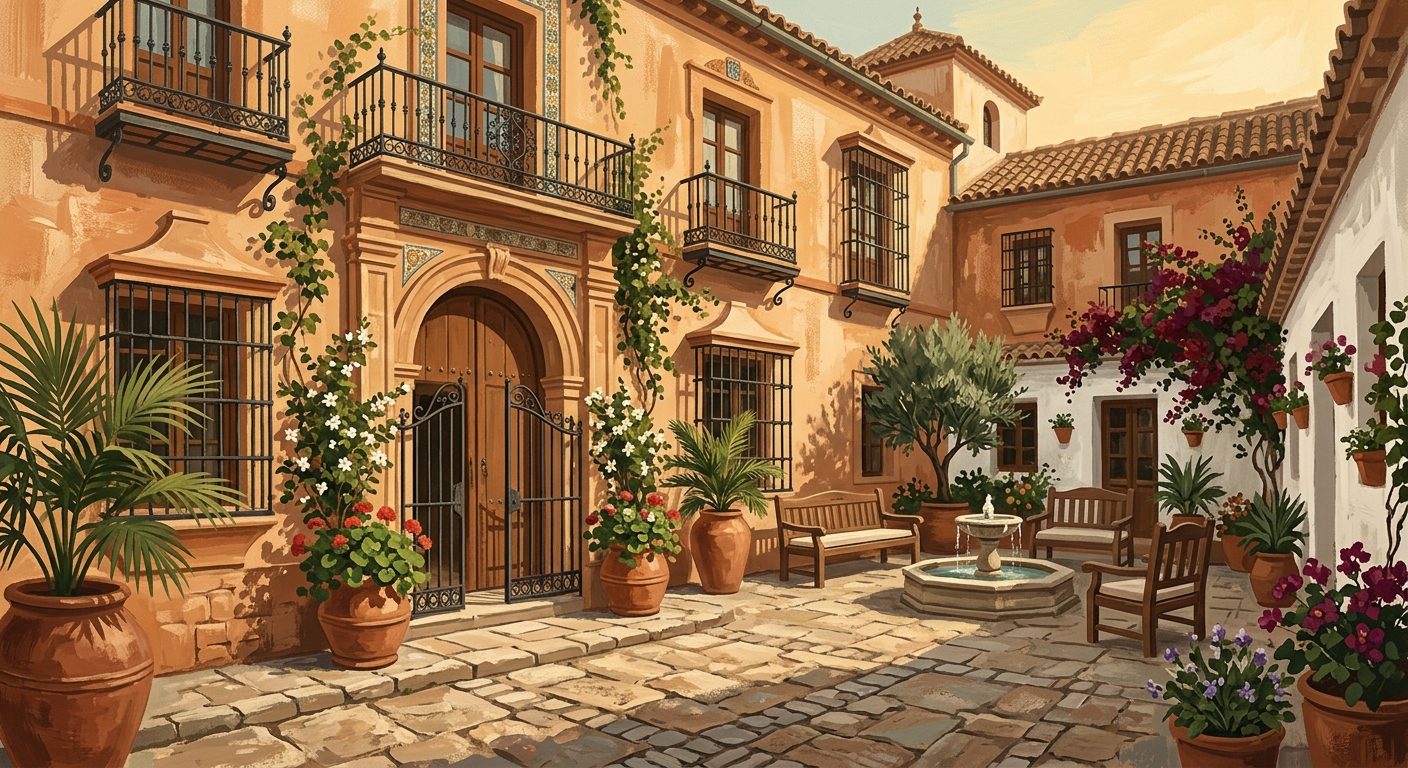
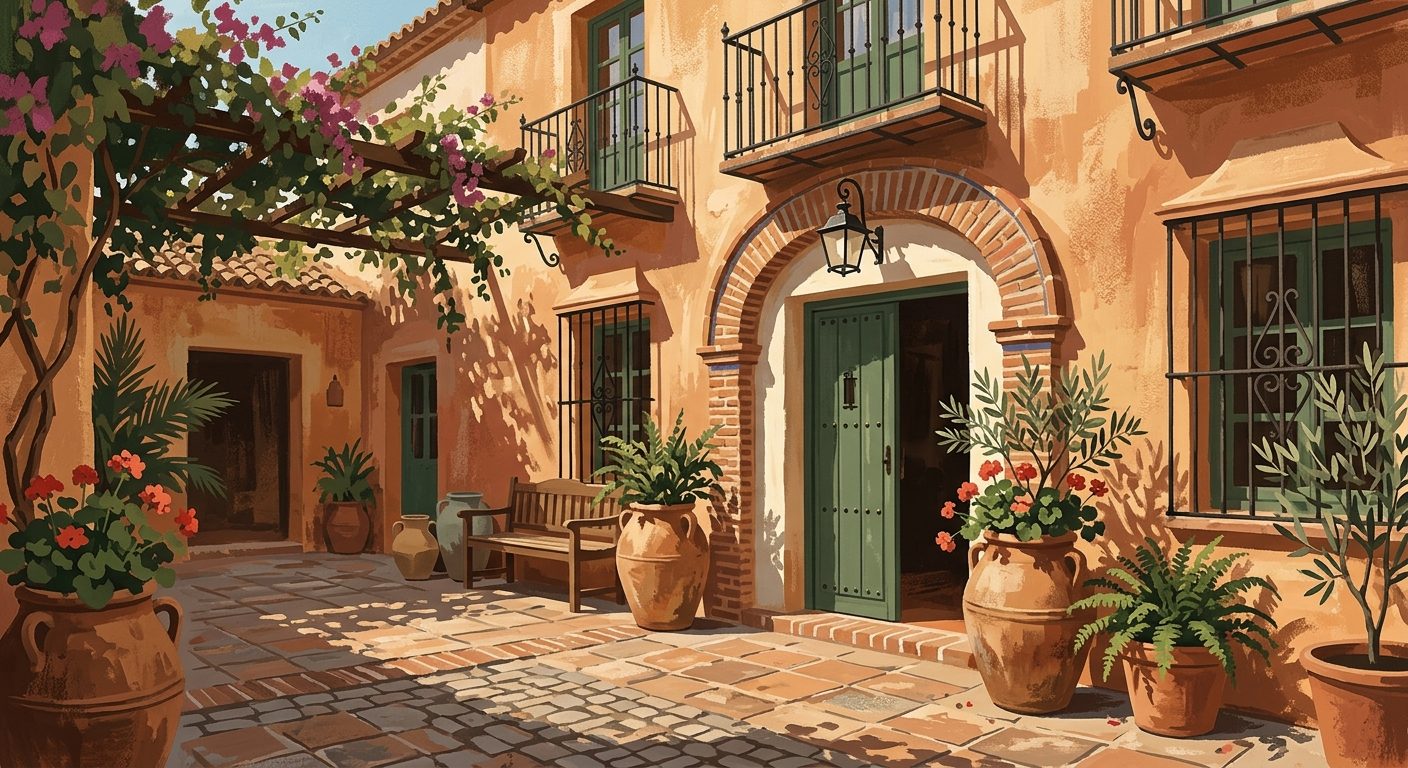
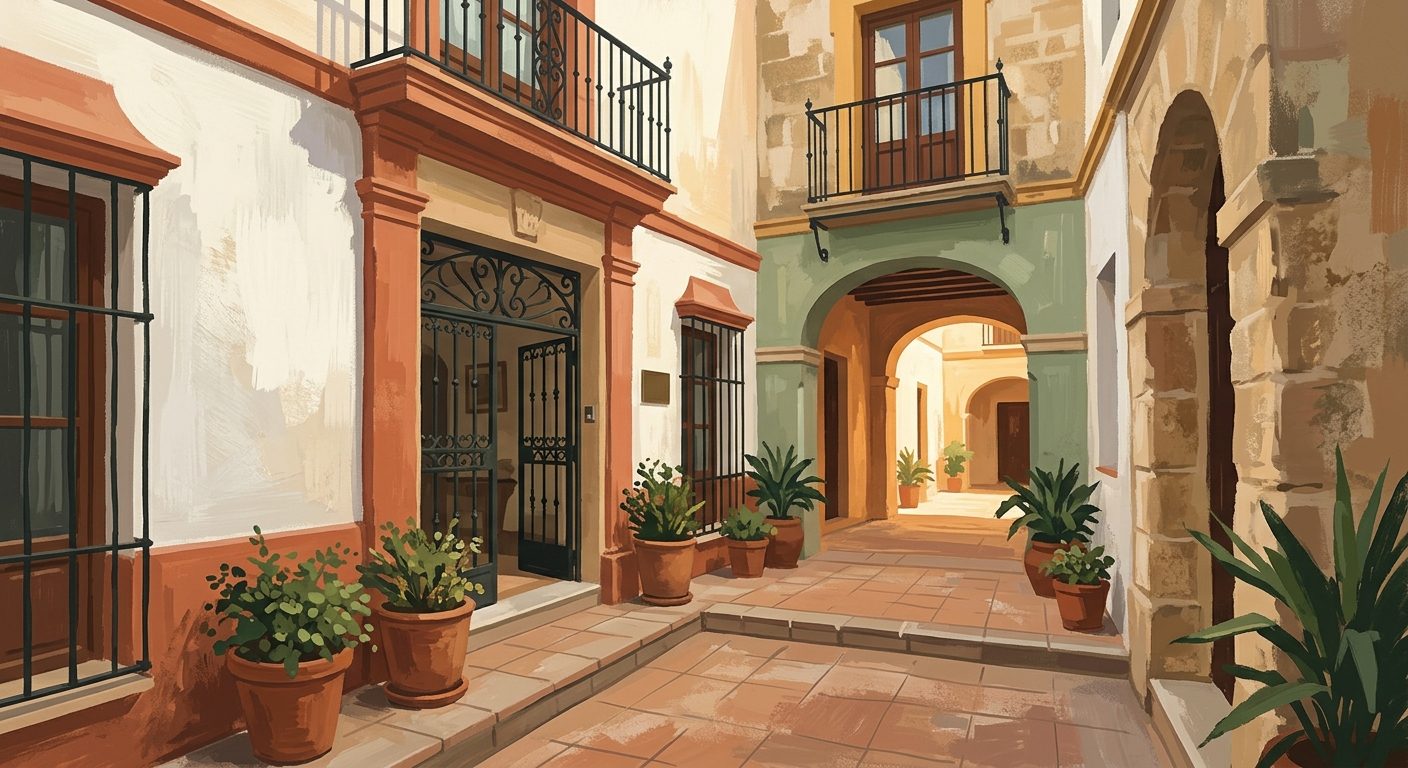
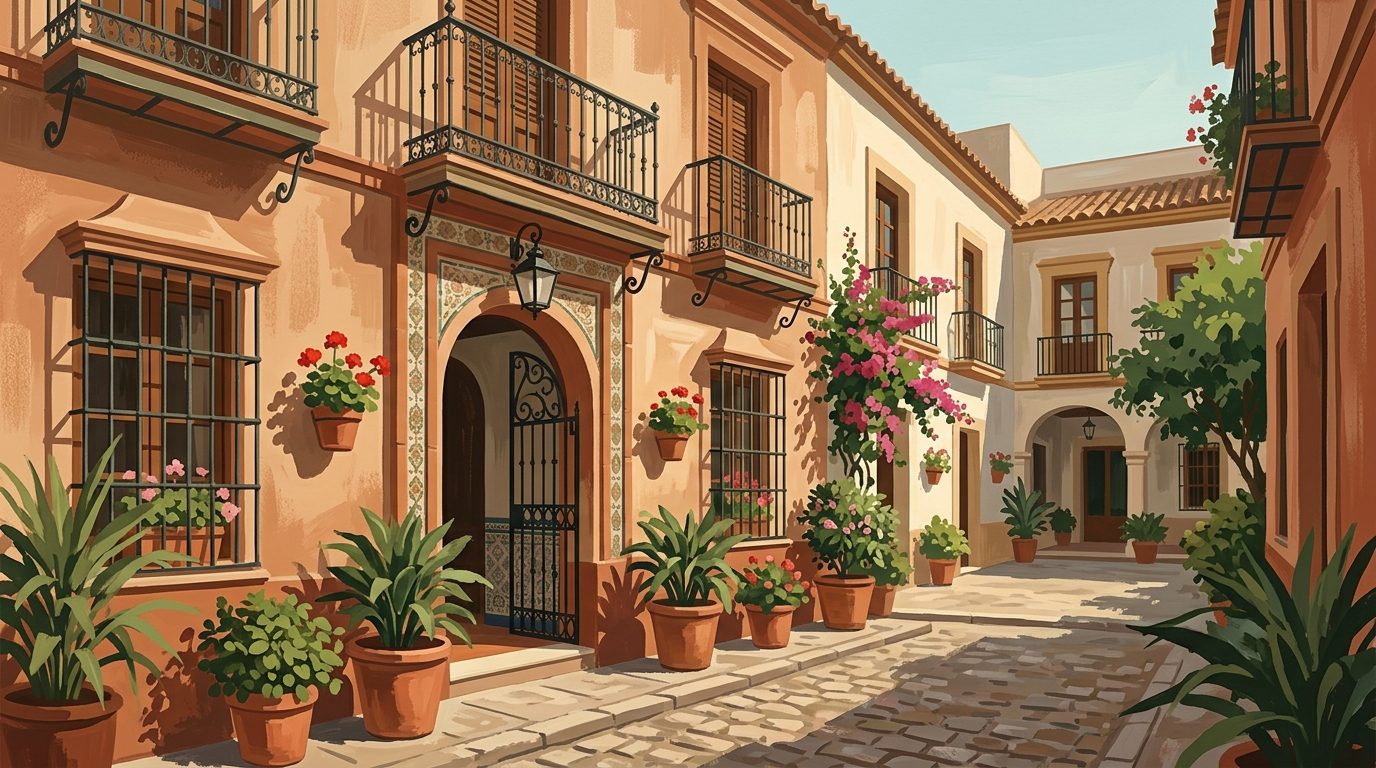
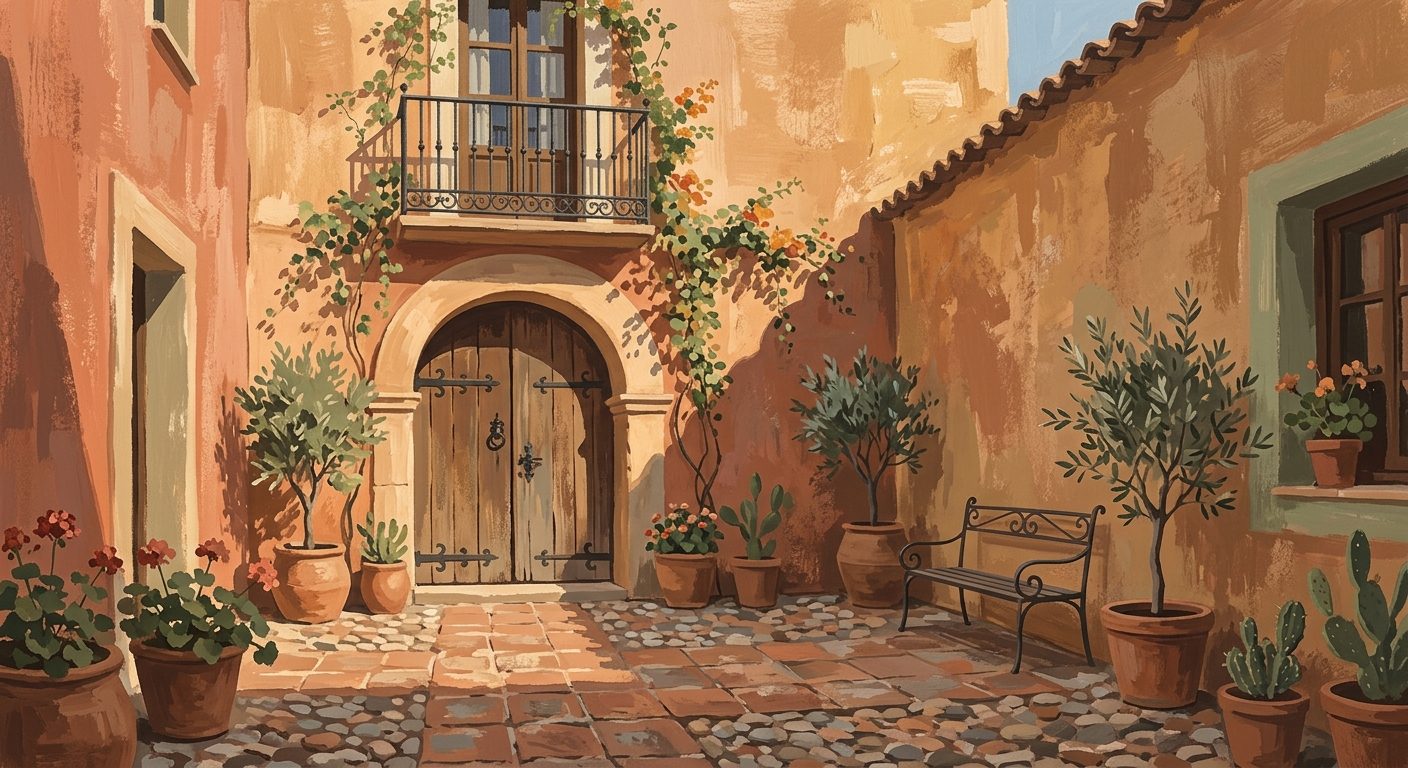
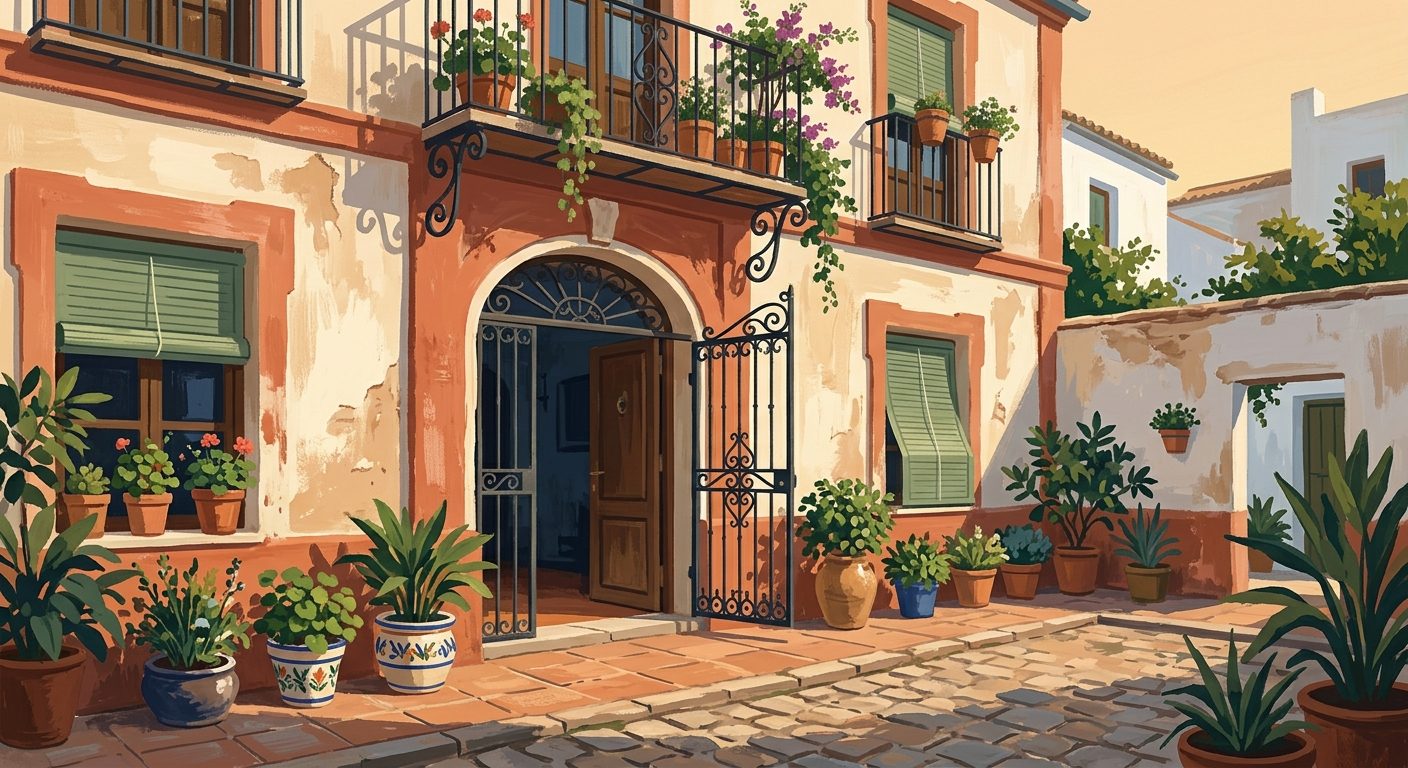
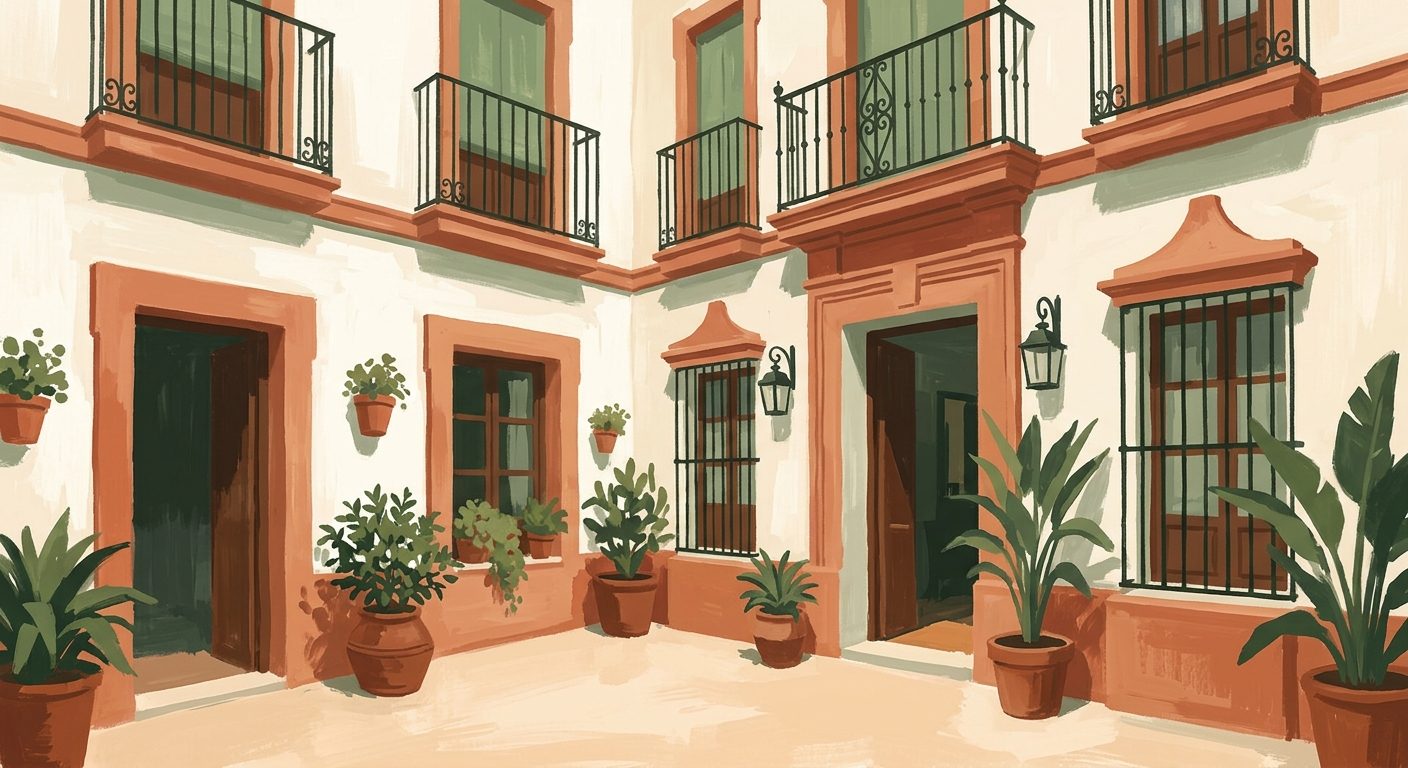
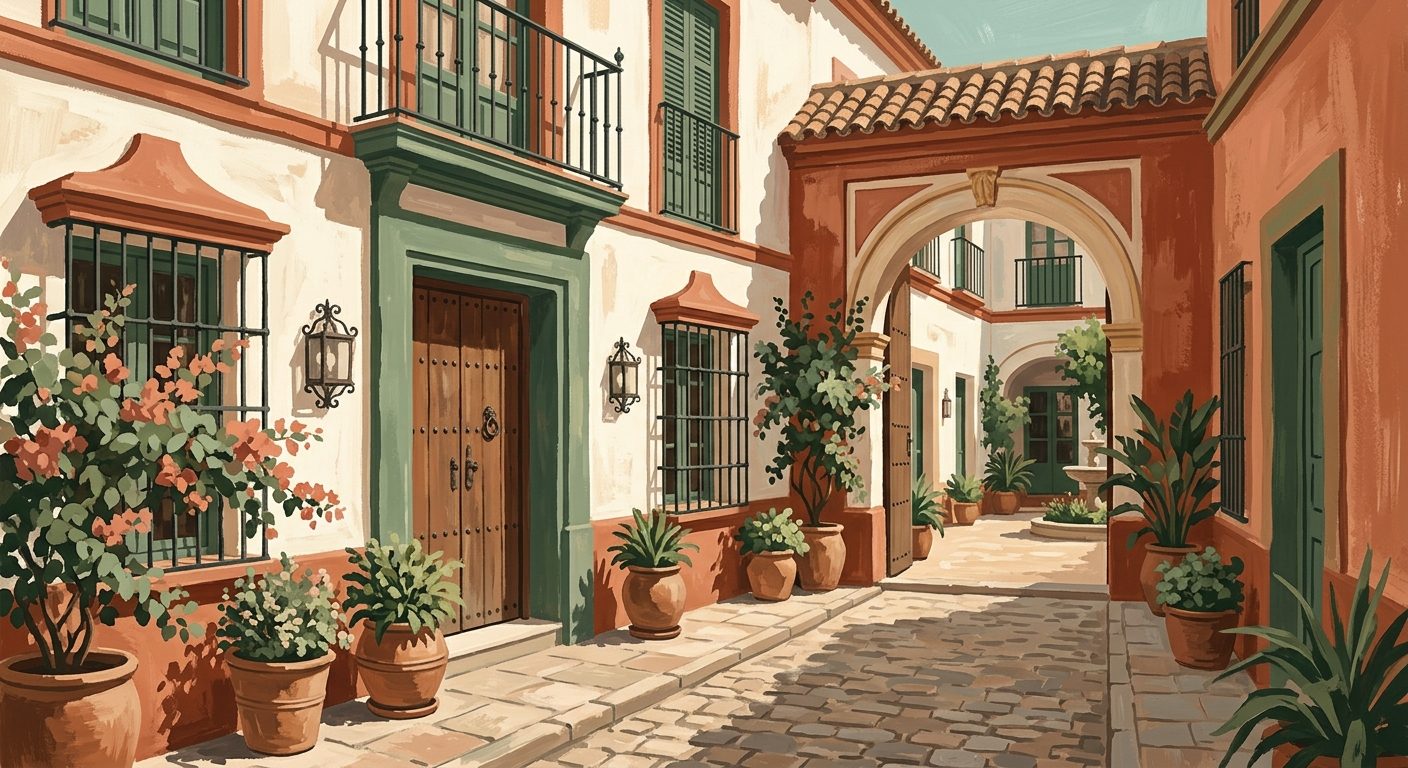
Conil de la Frontera manages a delicate balance. On one hand, it is a classic pueblo blanco with a maze of narrow, lime-washed streets and terracotta-potted geraniums. On the other, it is one of the most popular beach destinations in the province of Cádiz, drawing a dedicated crowd of surfers, families, and travellers every summer. Unlike some of its neighbours, Conil has grown without losing its identity. You can still see the influence of the Phoenicians and Romans in the way locals respect the sea, particularly through the ancient art of almadraba tuna fishing.
The town is defined by the light of the Atlantic and the rhythm of the tides. During the day, the focus is entirely on the water, while the evenings see the town centre transform into a social hub where people spill out of bars into the cooling night air. Conil offers an authentic slice of Andalucían coastal life that remains deeply connected to its maritime roots.
What to See & Do
The Historic Quarter
Walking through the old town of Conil is an exercise in navigation. The streets were designed to be narrow and winding to provide shade from the fierce Andalucían sun and protection from the Atlantic winds. Start your walk at the Puerta de la Villa, the original gate to the walled town. From here, you can wander towards the Torre de Guzmán. Built in the 14th century by Alonso Pérez de Guzmán, the tower was part of a defensive system used to spot pirate raids and monitor the tuna fishing season. For a small fee, you can climb to the top for a panoramic view of the whitewashed rooftops contrasting with the deep blue of the Atlantic.
Adjacent to the tower is the Plaza de Santa Catalina, home to the former church of the same name. This area serves as a cultural heart for the town, often hosting exhibitions and events. The square is a perfect example of the local aesthetic, where the bright white walls are set against the intense blue of the sky.
The Almadraba Heritage at La Chanca
To understand Conil, you must understand the almadraba. This 3,000-year-old sustainable fishing technique involves a complex system of nets used to catch bluefin tuna as they migrate through the Strait of Gibraltar. La Chanca is a massive 16th-century complex once used for salting and processing the catch. Today, it has been restored as the Centro de Interpretación del Mar, las Almadrabas y el Atún. The museum explains the history of the tuna industry and the social structure of the fishing families that built the town. It is a quiet, evocative space that provides context to the tuna dishes you will see on every menu in town.
Beaches for Every Mood
Conil is famous for its variety of beaches. Playa de los Bateles is the main town beach, a vast expanse of golden sand that is easily accessible. It is ideal for families and those who want to be close to the town’s amenities. At the southern end, where the Río Salado meets the sea, the conditions are often perfect for kitesurfing and windsurfing.
If you prefer something wilder, head north to Playa de la Fontanilla, known for its shallow waters and excellent seafood restaurants right on the sand. Further along, the Calas de Roche offer a completely different experience. These are a series of small, rocky coves protected by high red cliffs. They provide shelter from the Levante (east wind) and are much quieter than the town beaches, though they require a bit of a walk down steep paths to reach the shore.
Surfing and Nature
The Atlantic coast is a magnet for surfers. While El Palmar (just a few kilometres south) is the most famous surf spot in the area, Conil has its own thriving surf scene, particularly around the mouth of the river. Numerous surf schools operate out of the town, offering lessons for beginners. For those who prefer to stay on dry land, the Prado de Castilnovo is a protected coastal meadow that offers a beautiful walking route between Conil and the 16th-century Castilnovo tower, providing a sense of what this coastline looked like before modern development.
Practical Information
Opening Times:
- Torre de Guzmán: Generally open Wednesday to Sunday. Summer hours (typically starting mid-May or June) are 18:30 to 21:30. In winter, it opens earlier, often 11:30 to 14:00. Entry is usually €1 or free (check on the official tourism website before travelling).
- La Chanca (Tuna Museum): High season (April to September) hours are Monday to Sunday 10:30 to 13:30, and Tuesday to Saturday 18:30 to 22:00. Entry is free (check on the official tourism website before travelling).
Getting There:
- By Car: From Cádiz, take the A-48 and exit at Conil. The journey takes about 40 minutes. From Sevilla, it is roughly 90 minutes via the AP-4 and A-48.
- By Bus: Transportes Generales Comes runs regular services from Cádiz city, taking approximately 50 minutes. Tickets typically cost between €4 and €12 (check current fares on the Comes website). There are also direct buses from Sevilla and Algeciras.
Parking: In summer, parking in the town centre is very difficult. There is a very large car park at Playa de los Bateles (Avenida de la Playa). Parts of it are "blue zone" (paid) during the day in summer (approx €1 to €2 for several hours), but the area furthest from the centre, near the river, is often free. Avoid driving into the narrowest parts of the old town as many streets are pedestrianised or extremely tight.
Where to Eat Nearby
Eating in Conil revolves around atún rojo (wild bluefin tuna). Restaurante Francisco Fontanilla, located right on Playa de la Fontanilla, is an institution. It serves exceptionally fresh tuna prepared in every way imaginable, from tartare to grilled ventresca. For a more contemporary experience, Feduchy Lounge in the town centre offers creative tapas and a great selection of local sherry. If you are looking for something innovative, Malabata is highly regarded for its modern take on traditional Cádiz ingredients. Be sure to book ahead during the summer months, as these spots fill up quickly with locals and tourists alike.
Where to Stay
For a traditional experience, Hostal Blanco y Negro offers bright, simple rooms right in the heart of the old town, just a short walk from the beach. If you prefer more facilities, Hotel Fuerte Conil-Resort is a larger complex overlooking the ocean with excellent pools and direct beach access. For those seeking a quieter retreat, the Hotel Almadraba Conil is a charming, boutique-style option located in a restored traditional building in the historic quarter, offering a peaceful atmosphere away from the busier nightlife streets.