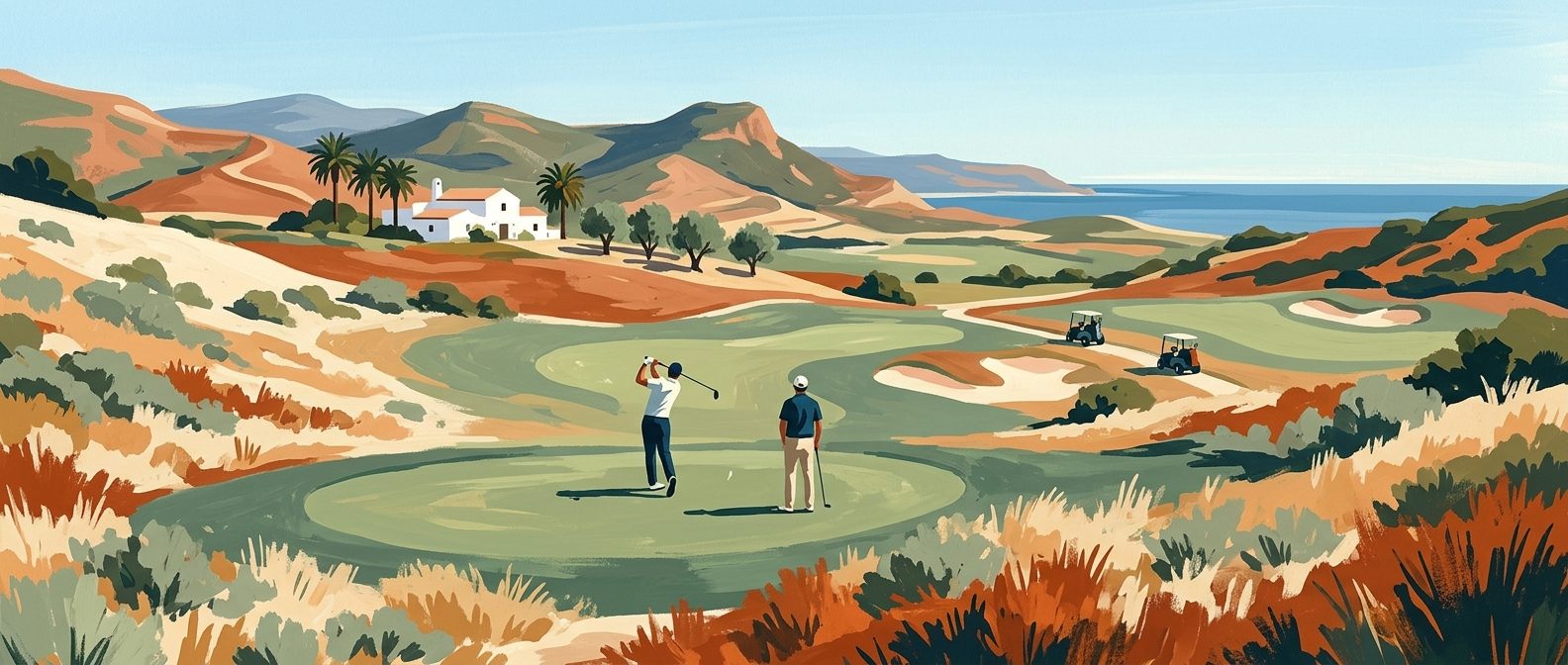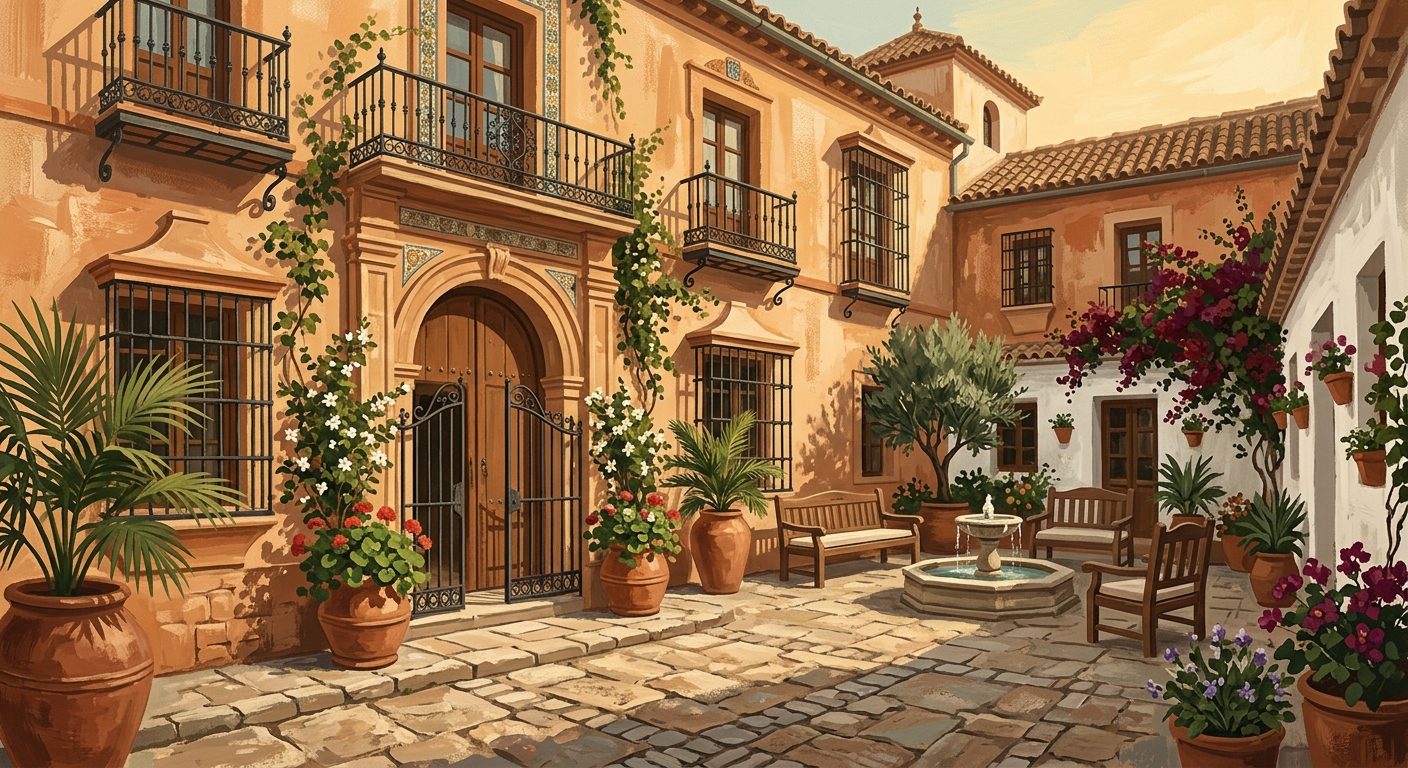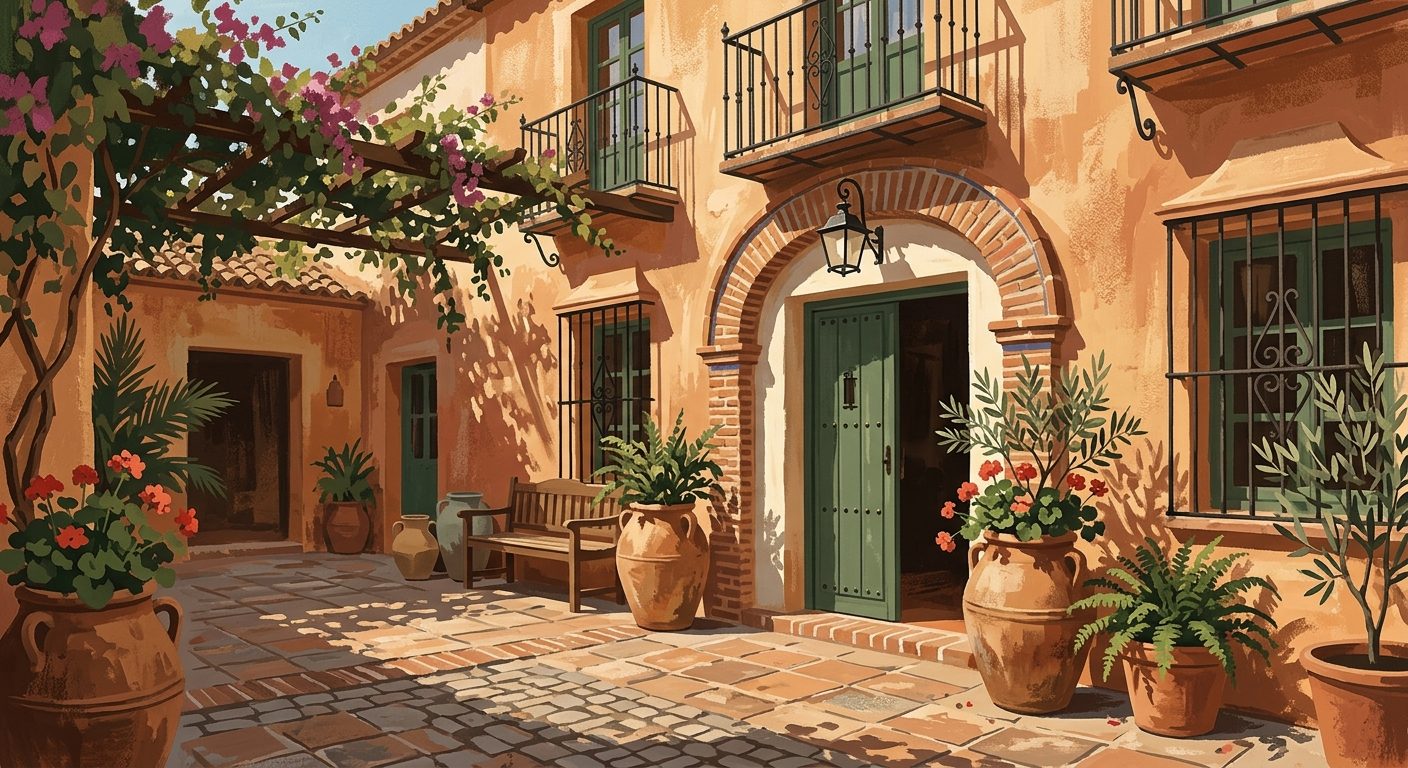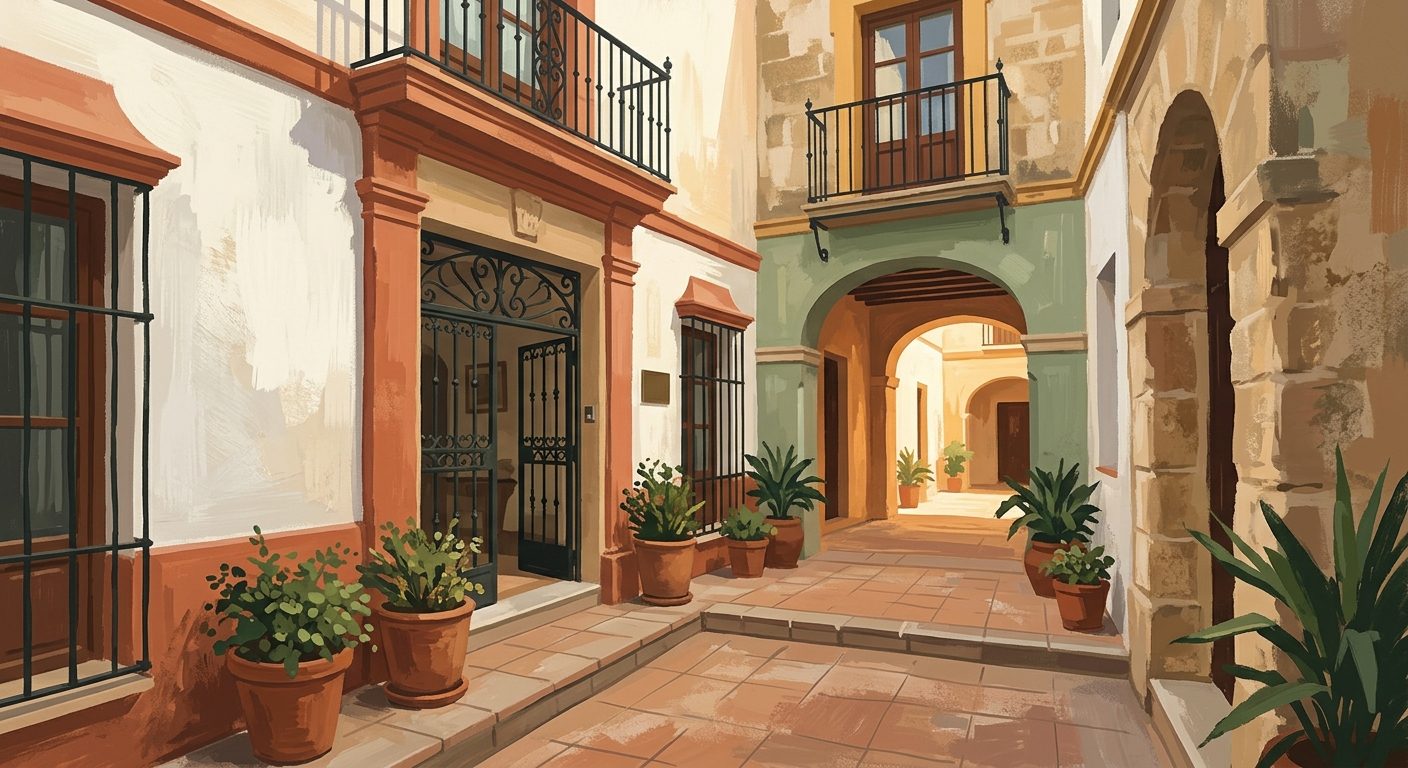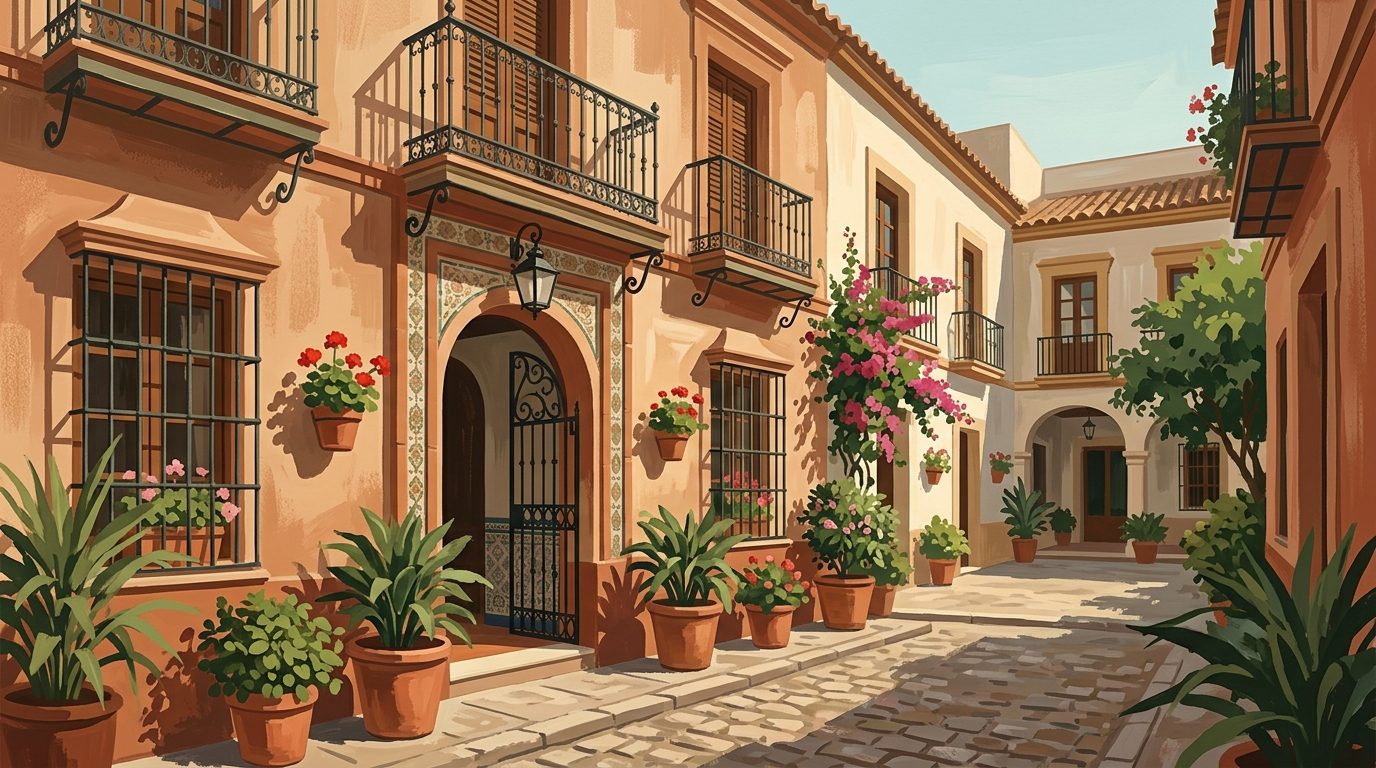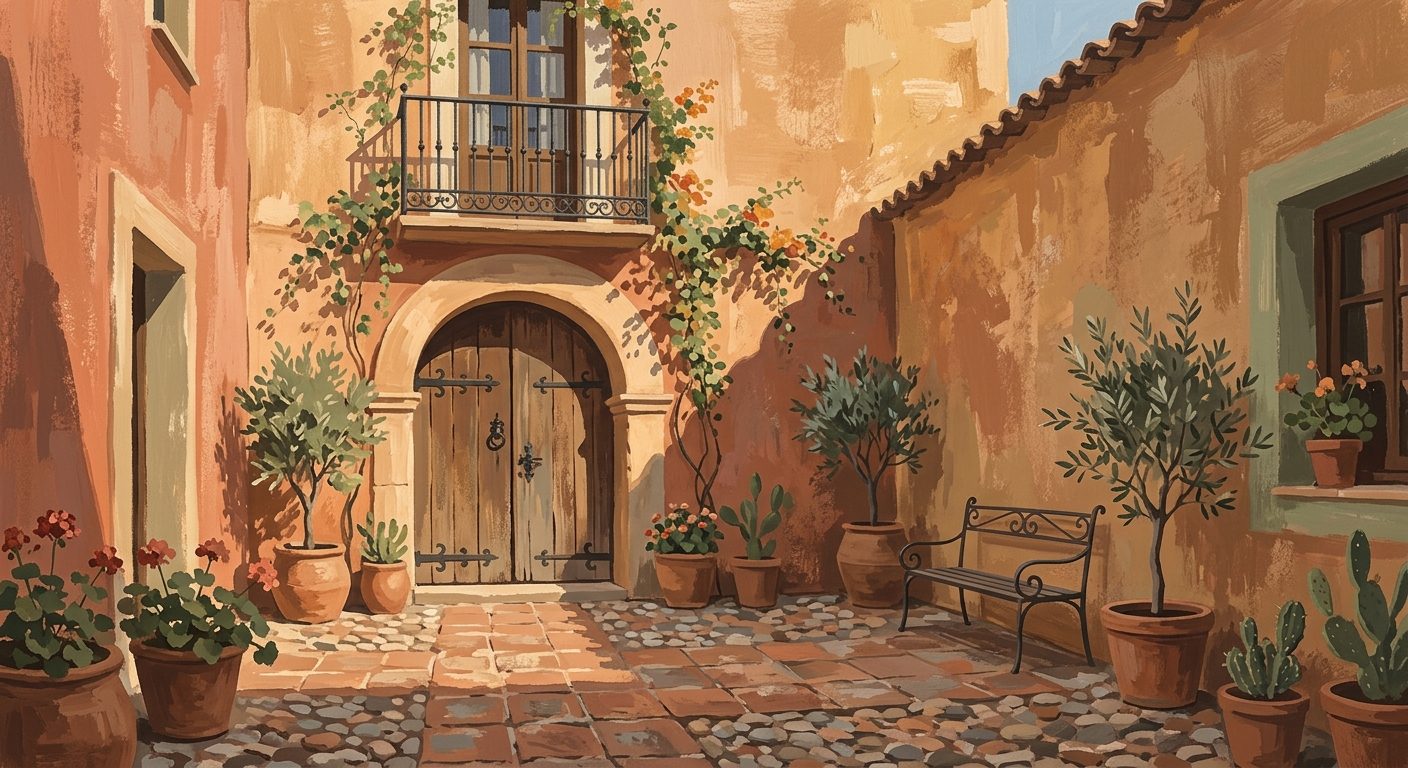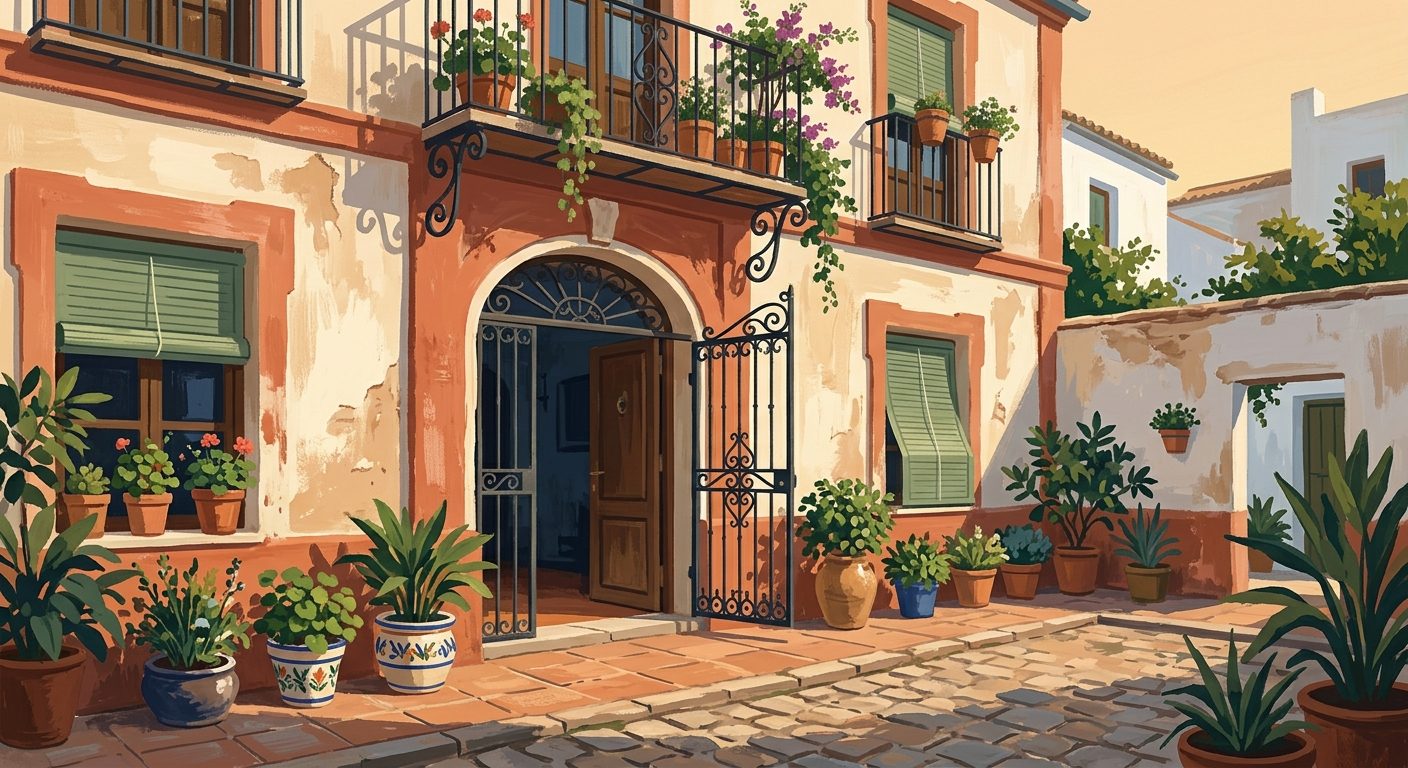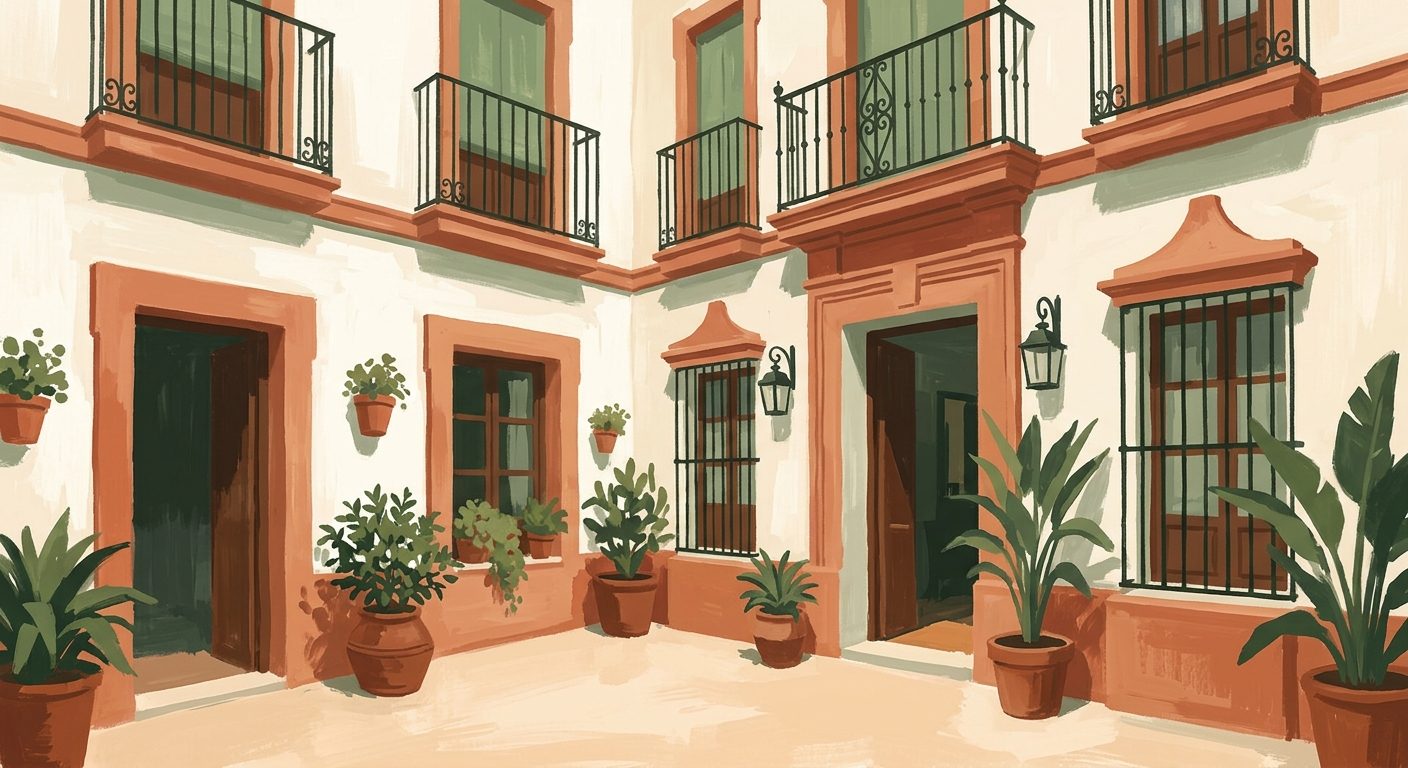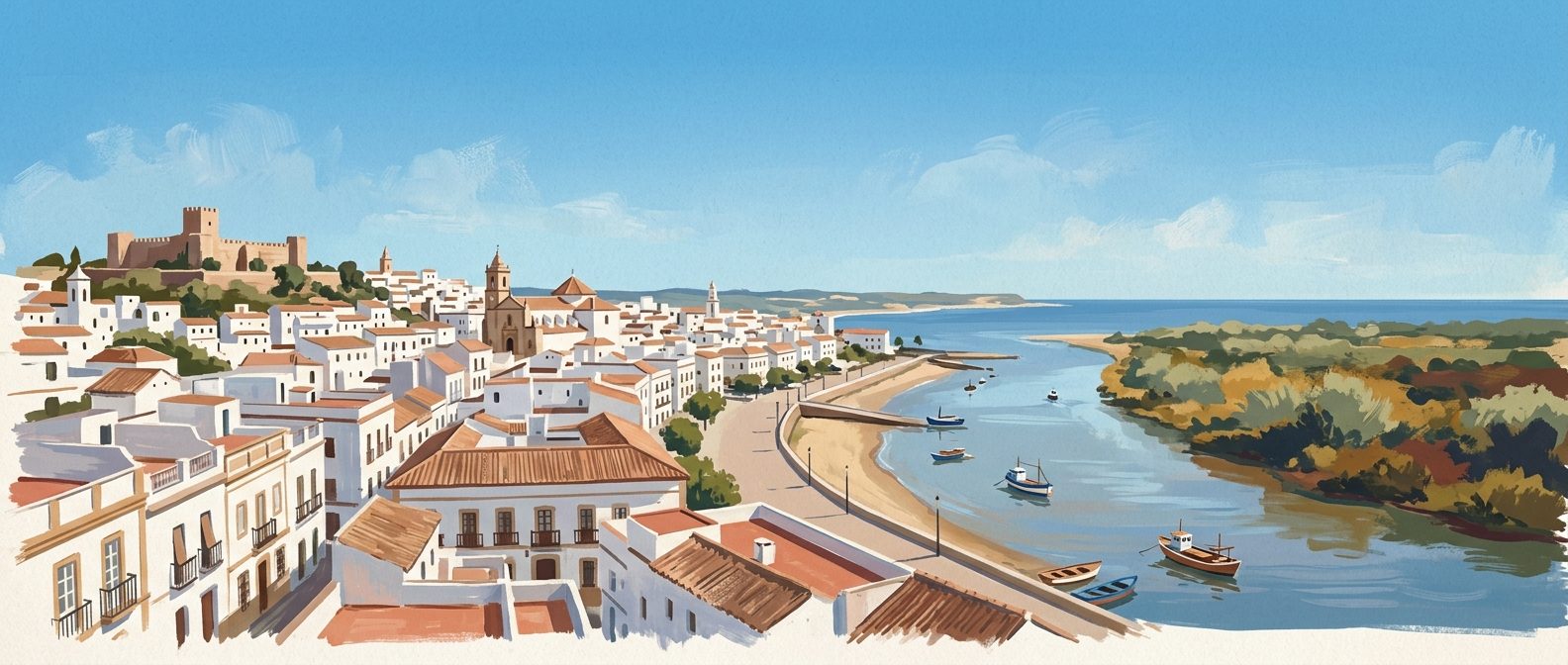
Sanlúcar de Barrameda marks the spot where the Guadalquivir River meets the Atlantic, offering a unique blend of world-class seafood and salty Manzanilla sherry. Famous for its sunset horse races on the beach, it remains one of the most authentic corners of the Cádiz coastline.
Sanlúcar de Barrameda is the third point of the Sherry Triangle, but it carries a saltier, more seafaring character than its inland siblings, Jerez and El Puerto de Santa María. This is the birthplace of Manzanilla, a pale, dry sherry that owes its distinctive tang to the humid sea breezes blowing across the estuary. Historically, this was a global gateway; Christopher Columbus departed from here on his third voyage to the Americas, and Ferdinand Magellan’s expedition returned here in 1522, completing the first circumnavigation of the globe.
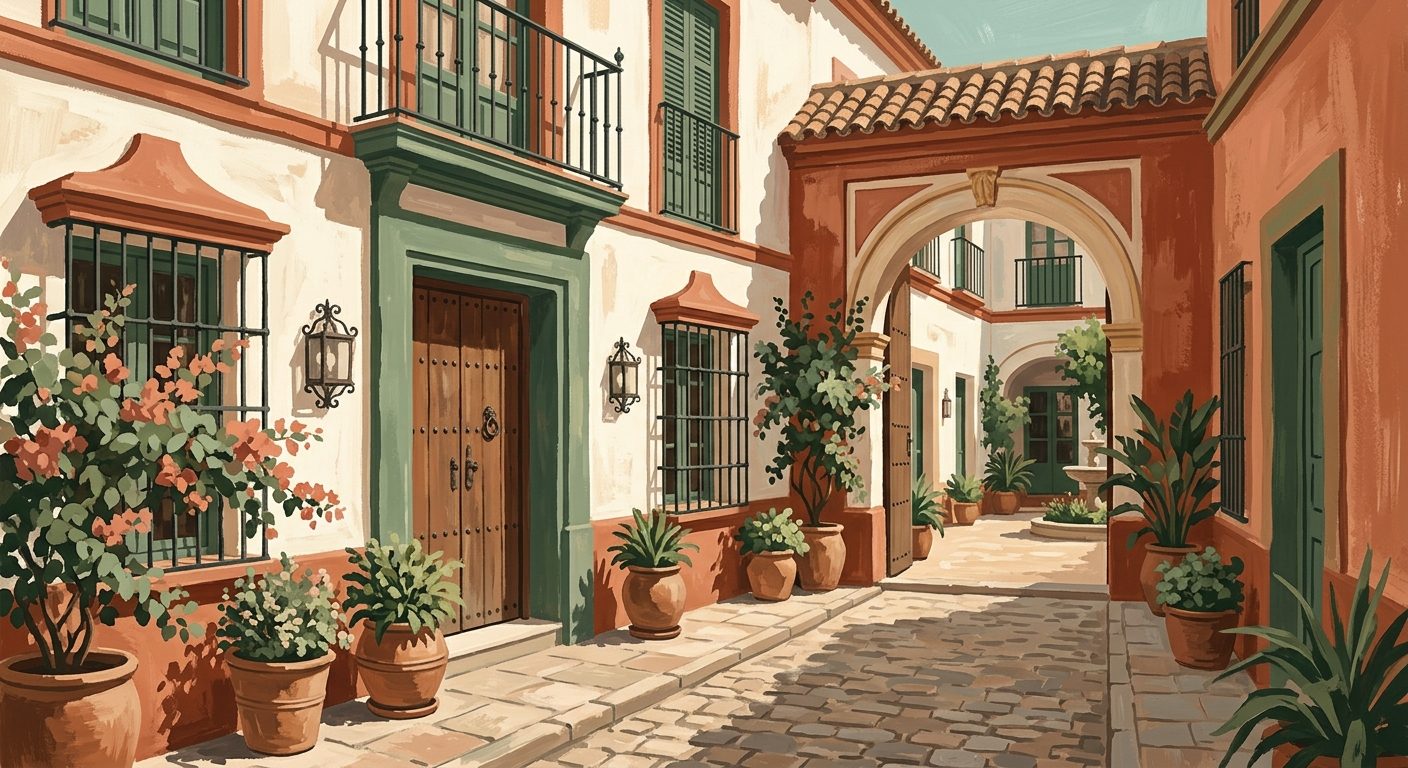
Today, the town is divided into two distinct levels. The historic Barrio Alto sits on a ridge overlooking the water, filled with crumbling aristocratic palaces and fortified walls. Below lies the coastal strip, including the Bajo de Guía riverfront, where diners gather for the famous local prawns. It is a place that feels lived-in and local, maintaining a steady rhythm of fishing and winemaking that predates the modern tourism industry. Sanlúcar rewards those who take time to understand its maritime legacy.
What to See & Do
The Beach Horse Races (Carreras de Caballos)
The Carreras de Caballos are Sanlúcar's most celebrated event, held every August since 1845. Unlike traditional racecourses, these competitions take place on the wet sands of Playa de la Calzada during low tide. The dates are dictated by the lunar calendar to ensure the sand is firm and wide enough for the thoroughbreds. In 2026, the races are scheduled for 8, 9, 10 August and 21, 22, 23 August. Watching from the beach is free, and the sight of horses galloping against a backdrop of the setting sun and the Doñana National Park is a defining image of the region. Local children often set up small 'betting' stands along the sand, where they accept coins in exchange for hand-drawn tickets.
Manzanilla Bodegas and the Museum
You cannot understand this town without exploring its bodegas. Manzanilla is only produced here because the microclimate allows the flor, a natural layer of yeast, to grow year-round, giving the wine its crisp, saline edge. Bodegas Barbadillo is the largest producer and houses the Museo de la Manzanilla. Tours lead you through cool, high-ceilinged cellars where the scent of fermenting grapes and old oak is thick in the air. You will learn about the solera system of fractional blending and how the proximity to the river affects the final flavour profile of the wine.
Crossing to Doñana National Park
Looking across the river from the Bajo de Guía, you see the wild, green expanse of the Doñana National Park. Small barges and the larger 'Real Fernando' boat carry visitors across the estuary. Once there, you can take 4x4 guided tours through the dunes, pine forests, and marshes. This is one of Europe's most important wetlands, serving as a sanctuary for migratory birds, deer, wild boar, and the critically endangered Iberian lynx. The 3.5-hour boat trip offers a relaxing way to see the riverbanks and the traditional huts (chozas) used by early park inhabitants.
The Historic Barrio Alto
Climbing the hill away from the river leads to the Barrio Alto, the noble heart of Sanlúcar. The 15th-century Castillo de Santiago was built by the Dukes of Medina Sidonia to guard the river mouth. You can climb its Lord’s Tower for views over the tiled rooftops to the ocean. Nearby, the Palacio de Medina Sidonia houses one of Europe's most significant private archives. Even if you aren't a researcher, the palace gardens and the café, located under 11th-century Moorish arches, provide a quiet escape from the midday heat.
The First Circumnavigation
For those interested in maritime exploration, the town is a living monument to the Age of Discovery. Magellan’s fleet of five ships set sail from the port here in 1519. Only one ship, the Victoria, returned three years later, docked at the Sanlúcar quay with just 18 survivors. You can visit the 'Legua Cero' monument near the tourism office, which marks the starting point of this world-changing journey.
Practical Information
Opening Times & Prices
- Castillo de Santiago: Open Tuesday to Saturday 10:00 to 19:00 (stays open until 20:00 in mid-summer), Sunday and Monday 10:00 to 15:00. General entry is €9.
- Bodegas Barbadillo: Guided tours with tastings usually run Monday to Saturday. English slots are typically at 11:00. Tickets are €20 per adult.
- Doñana Boat (Real Fernando): Tours depart from the Bajo de Guía landing stage. Tickets cost approximately €30 per adult. Advance booking is recommended via the office in the Fábrica de Hielo.
- Palacio de Medina Sidonia: The gardens and café are generally open daily until 20:00. Guided tours of the palace interiors are often limited to specific summer windows or group bookings.
How to Get There
Sanlúcar does not have a train station. The easiest way to arrive is by car via the A-480 from Jerez (25 minutes) or the AP-4 from Sevilla (1 hour 15 minutes). Regular buses operated by Damas and Interbus run from Sevilla’s Plaza de Armas station (2 hours, €13 to €17) and from Jerez de la Frontera (40 minutes). If you are coming from Cádiz, buses take roughly 1 hour 10 minutes.
Parking
The town centre is largely pedestrianised and parking is notoriously difficult. Use the large underground car park at the Calzada del Ejército, which is centrally located between the beach and the main square. Alternatively, there is an open-air paid parking area near the port at Bajo de Guía.
Where to Eat Nearby
For the quintessential Sanlúcar experience, find a spot in Plaza del Cabildo. Casa Balbino is legendary for its tortillitas de camarones, thin, lacy fritters packed with tiny shrimp. There are no table reservations; you order at the bar and find a place to stand among the locals. Down on the riverfront at Bajo de Guía, Casa Bigote has been serving the town’s famous king prawns (langostinos) since 1951. It is divided into a formal restaurant and a casual tavern. For wine enthusiasts, Taberna der Guerrita in the Barrio Bajo is an essential stop, offering an extraordinary list of rare sherries and small plates in a traditional setting.
Where to Stay
The Hospedería Palacio Ducal de Medina Sidonia offers nine rooms within the historic palace complex, allowing you to sleep among stone arches and quiet courtyards. For a boutique feel, Posada de Palacio is an 18th-century building in the Barrio Alto, located opposite the Palace of Orleans and Bourbon. If you prefer modern amenities and sea views, several apartments line the promenade near the Hotel Guadalquivir, which provides a central base for exploring both the beach and the historic quarter.