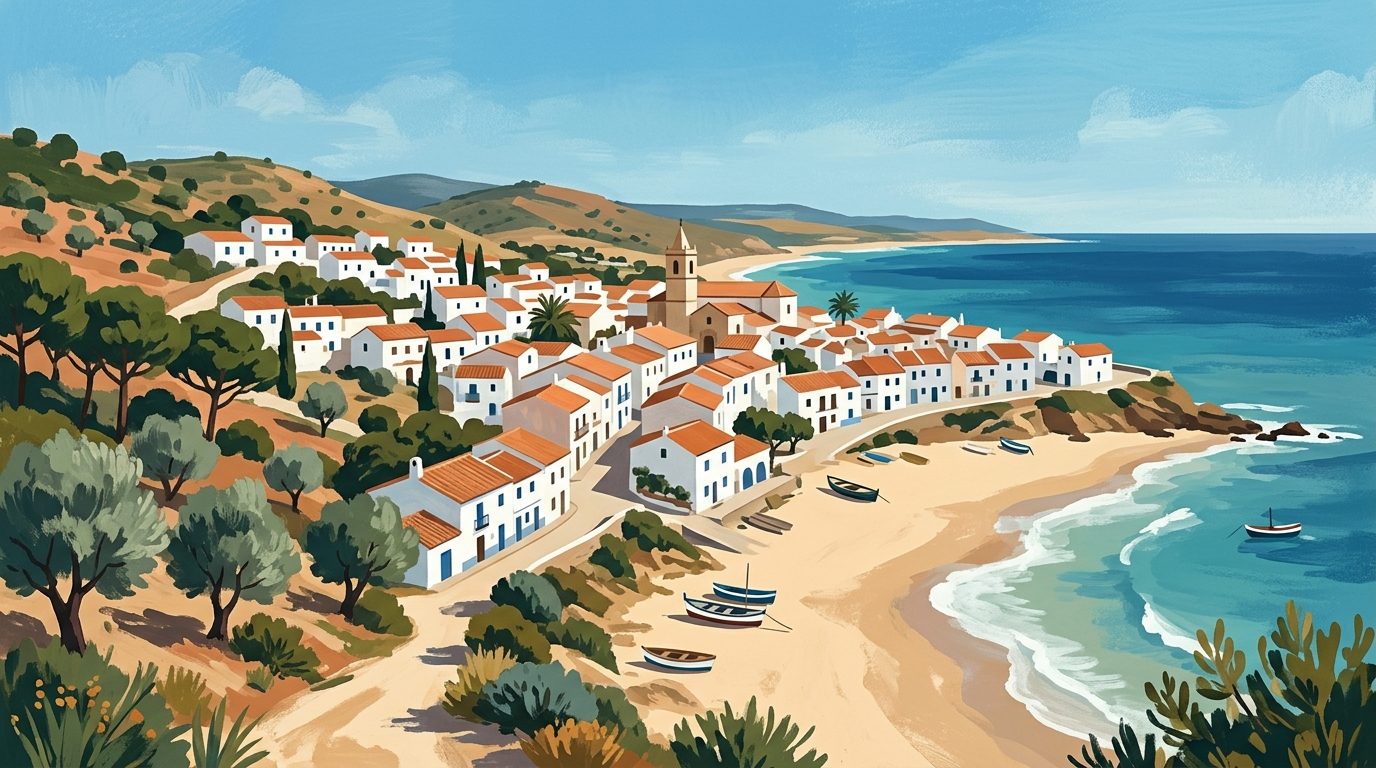
Zahara de los Atunes is a destination where the rhythm of the tides and the seasonal migration of the Atlantic bluefin tuna define the way of life. It provides a unique blend of wild, wind-swept shorelines and some of the most refined seafood dining in southern Spain.
Located along the southern reaches of the Costa de la Luz in the province of Cádiz, Zahara de los Atunes is a village that has managed to retain its seafaring soul while becoming a sophisticated retreat for discerning travellers. The name itself, Zahara of the Tunas, points to a heritage stretching back centuries, rooted in the almadraba, an ancient and sustainable method of catching bluefin tuna as they pass through the Strait of Gibraltar.
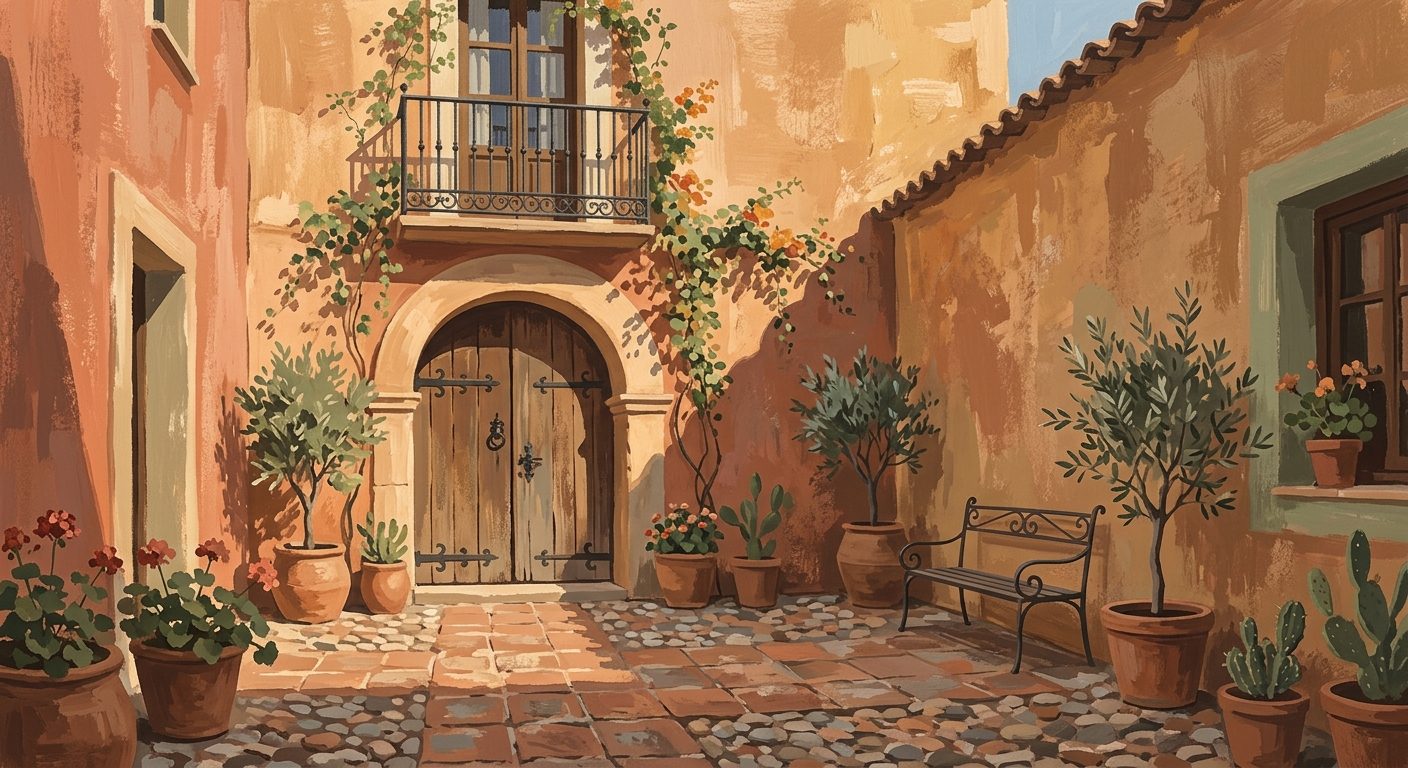
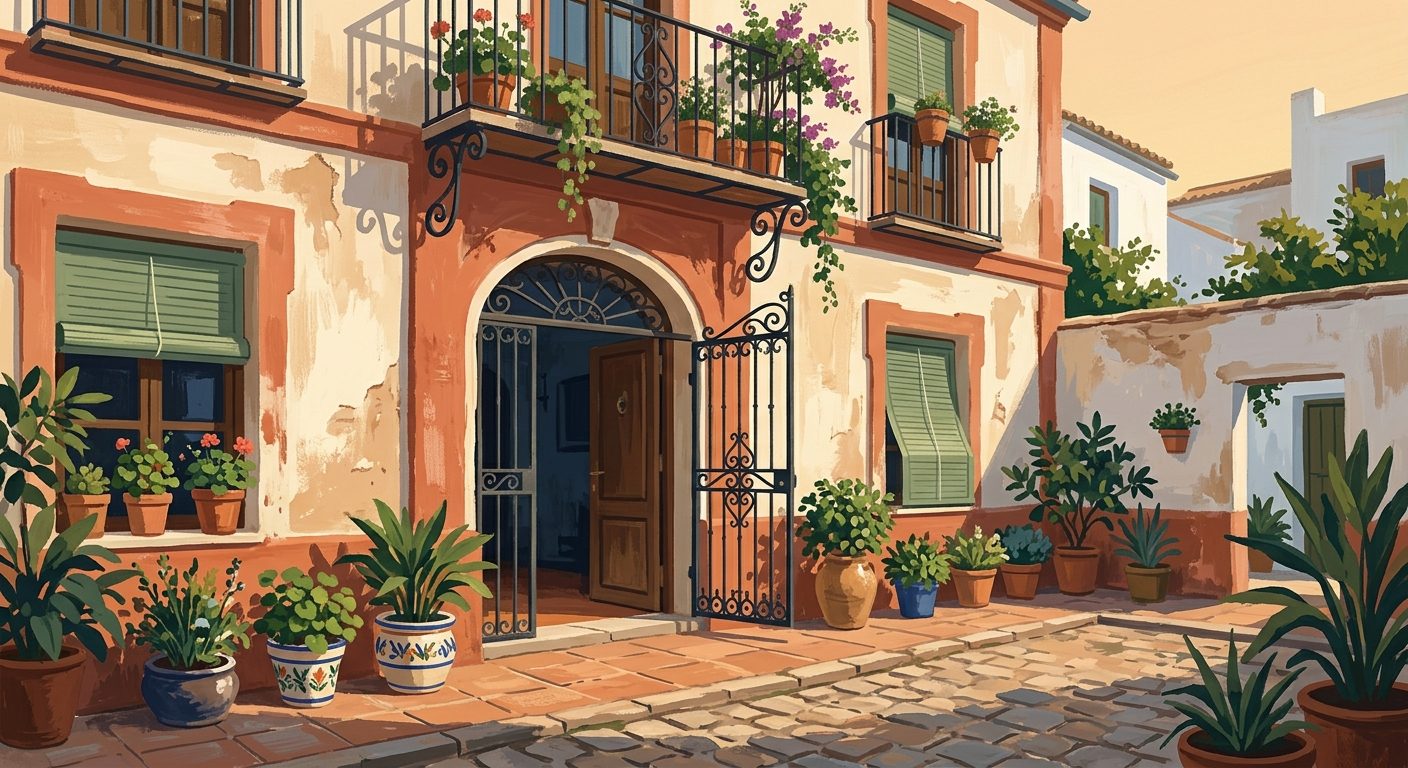
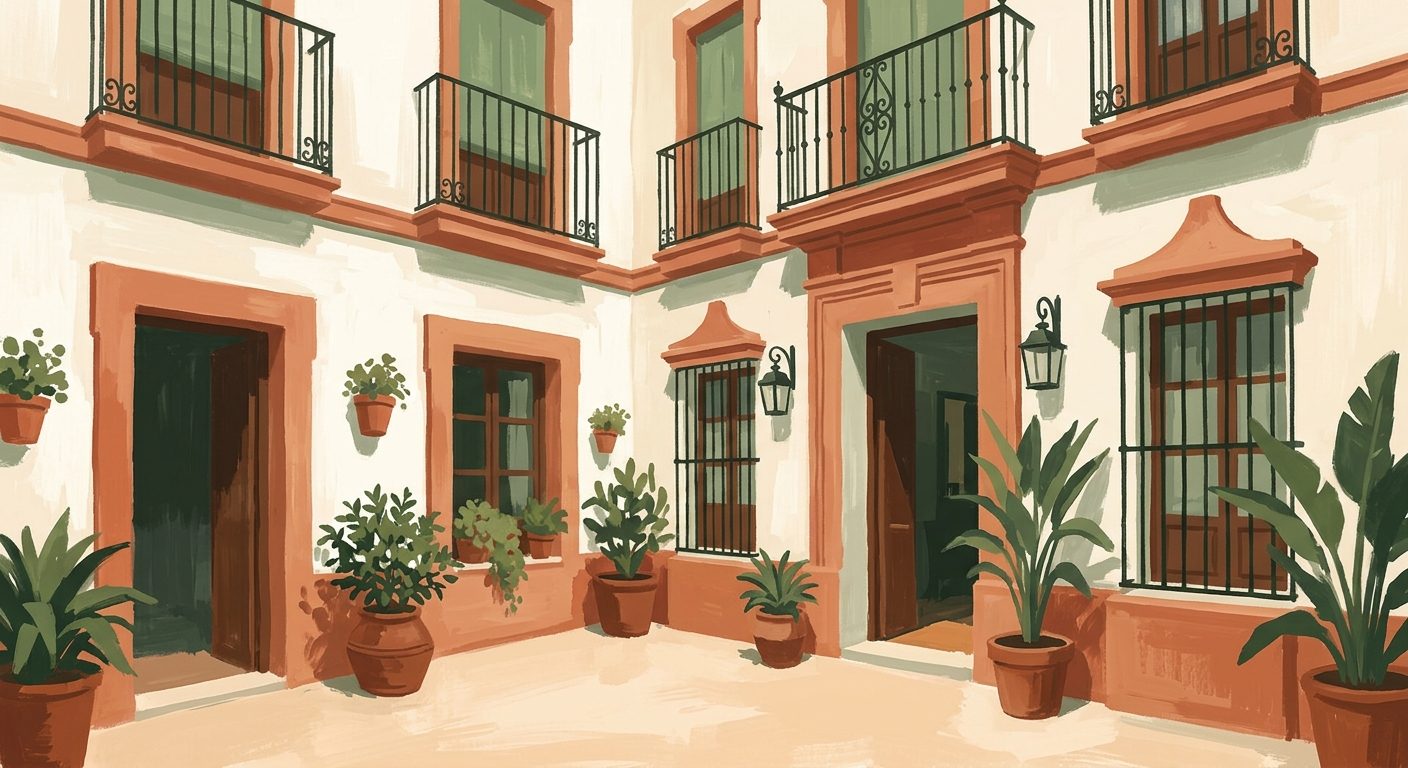
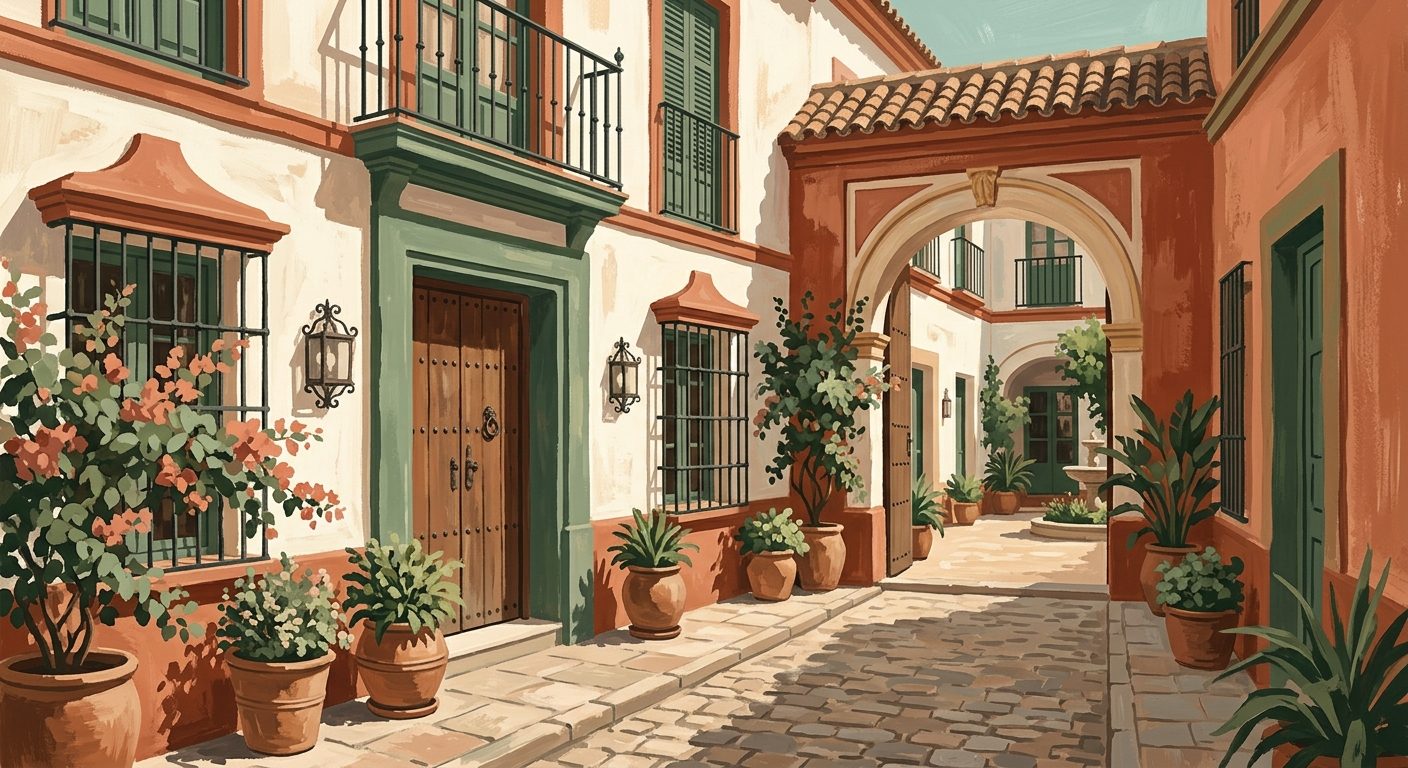
While many coastal towns have succumbed to over-development, Zahara maintains a low-slung, whitewashed profile. Life here revolves around the vast expanse of golden sand that stretches for kilometres toward the horizon. Visitors come for the clarity of the water, the intensity of the light, and a culinary scene that treats tuna with the reverence usually reserved for fine wine. It is a place for those who appreciate the raw power of the Atlantic and the quiet luxury of a village that knows exactly what it is.
What to See & Do
The Beaches of Zahara
The primary draw is the Playa de Zahara de los Atunes, an 8-kilometre stretch of fine, pale sand. Because of its sheer size, it rarely feels crowded, even at the height of summer. The water is exceptionally clear, though the Atlantic can be bracing and the waves sometimes provide a challenge for swimmers. For those seeking shelter when the Levante (the strong easterly wind) blows, the Cala de los Alemanes is a sensible choice. Located towards the lighthouse, this smaller cove is protected by the surrounding cliffs and high-end villas of the Atlanterra urbanisation.
Further south, you will find the Playa del Búnker, named for the concrete fortifications still visible on the shore. This area is ideal for walking at low tide, as the receding water reveals rock pools and provides a firm surface for a long stroll toward the Cabo de Gracia. The lack of high-rise buildings along the shoreline ensures that the natural skyline remains dominated by the Sierra de la Plata mountains.
The Almadraba Heritage and Palacio de Jadraza
To understand the village, one must understand the tuna. The almadraba is a complex labyrinth of nets used since Roman times to capture tuna during their spring migration. In the centre of the village, you will find the remains of the Palacio de Jadraza (also known as the Palacio de las Pilas or the Palace of the Dukes of Medina Sidonia). Built in the 15th century, this fortified structure served a dual purpose: it protected the valuable catch from Barbary pirates and functioned as a factory where the tuna was processed and salted.
Though much of the palace is in ruins, the stone walls still stand as a reminder of the village's economic foundation. During the summer months, the interior often hosts local markets and cultural events. Walking around the perimeter gives a sense of the scale of the operation that once took place here, long before Zahara became a tourist destination.
Cabo de Gracia and the Lighthouse
A short drive or a vigorous walk south leads to the Faro de Camarinal, a lighthouse built atop a 16th-century watchtower. The climb to the viewpoint offers an expansive outlook across the Atlantic and, on clear days, the hazy silhouette of the African coast across the Strait. From here, a rugged path descends to Playa del Cañuelo, a truly wild beach accessible only by foot. It is one of the few places on the coast that feels entirely untouched, surrounded by pine forests and Mediterranean scrub.
Practical Information
How to Get There
Zahara de los Atunes is best reached by car. From Cádiz, take the A-48 and then the N-340 toward Tarifa, exiting at the signs for Barbate and Zahara (A-2231). The journey takes approximately 1 hour. If travelling from Sevilla, the drive is roughly 2 hours via the AP-4 and A-48.
Public transport is limited. The Transportes Generales Comes bus company operates a service from Cádiz to Zahara (approx. €10, 2 hours) and a direct route from Sevilla (approx. €20, 3.5 hours). However, services can be infrequent, though they often increase during the summer and at weekends, so checking the latest timetables on the Transportes Generales Comes website before travelling is essential.
Parking
In the winter months, parking is straightforward and generally free throughout the village. During the summer (mid-June to mid-September), the situation changes significantly. A large, regulated sandy car park is located directly behind the main beach (Aparcamiento Playa Zahara). Expect to pay between €5 and €10 for a full day (check local signage for the latest 2026 rates). It is highly recommended to arrive before 11:00 am in July and August to secure a space.
Opening Times & Prices
The Palacio de Jadraza is largely an exterior site, though access to the inner courtyard for events is usually free or carries a nominal fee (€2 to €5) depending on the exhibition. Shops generally follow the traditional Spanish timetable, closing for siesta between 2:00 pm and 5:30 pm. Most restaurants serve lunch from 1:30 pm to 4:00 pm and dinner from 8:30 pm until late.
Where to Eat Nearby
The culinary standard in Zahara is remarkably high, focusing heavily on the Atún Rojo de Almadraba. For the definitive tuna experience, Taberna del Campero is a smaller, more informal sister to the legendary El Campero in Barbate. Located on Calle María Luisa, it serves experimental and traditional cuts, including the highly prized morrillo (neck) and ventresca (belly). For a more formal setting, Restaurante Antonio, situated at the entrance to the Atlanterra area, provides impeccable service and a terrace with Atlantic views. Their grilled wild fish and rice dishes are exceptional. For a relaxed lunch directly on the sand, El Refugio is a high-quality chiringuito that manages to be both laid-back and gastronomically ambitious.
Where to Stay
Accommodation in Zahara ranges from boutique village houses to luxury resorts. For those seeking a full-service experience, Hotel Zahara Beach & Spa is an adults-recommended (16+) option with contemporary design and a prime location near the shore. Within the village, smaller pensions and apartments offer a more local feel, allowing you to walk to the tapas bars and the central market. If you prefer a quieter environment, the Atlanterra district features several large hotels and rental villas built into the hillside, offering spectacular views of the sunset over the ocean.