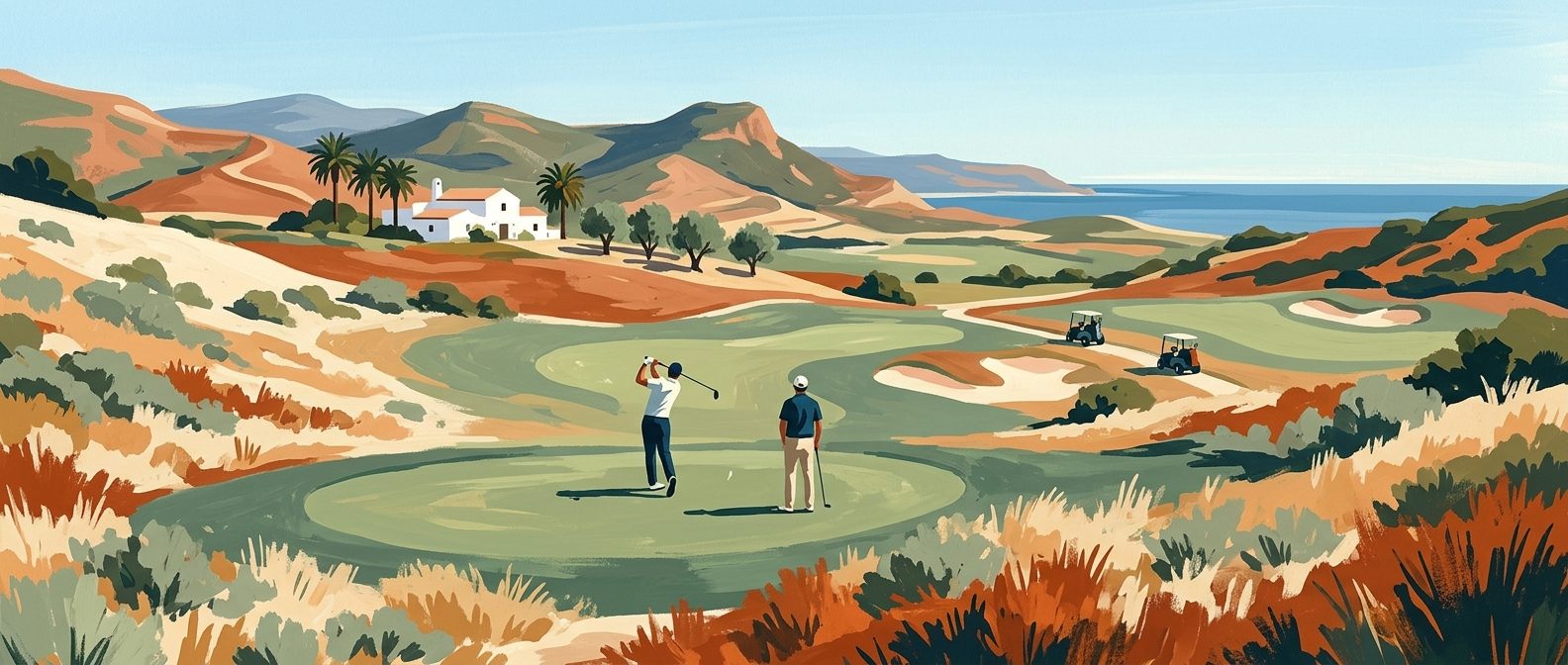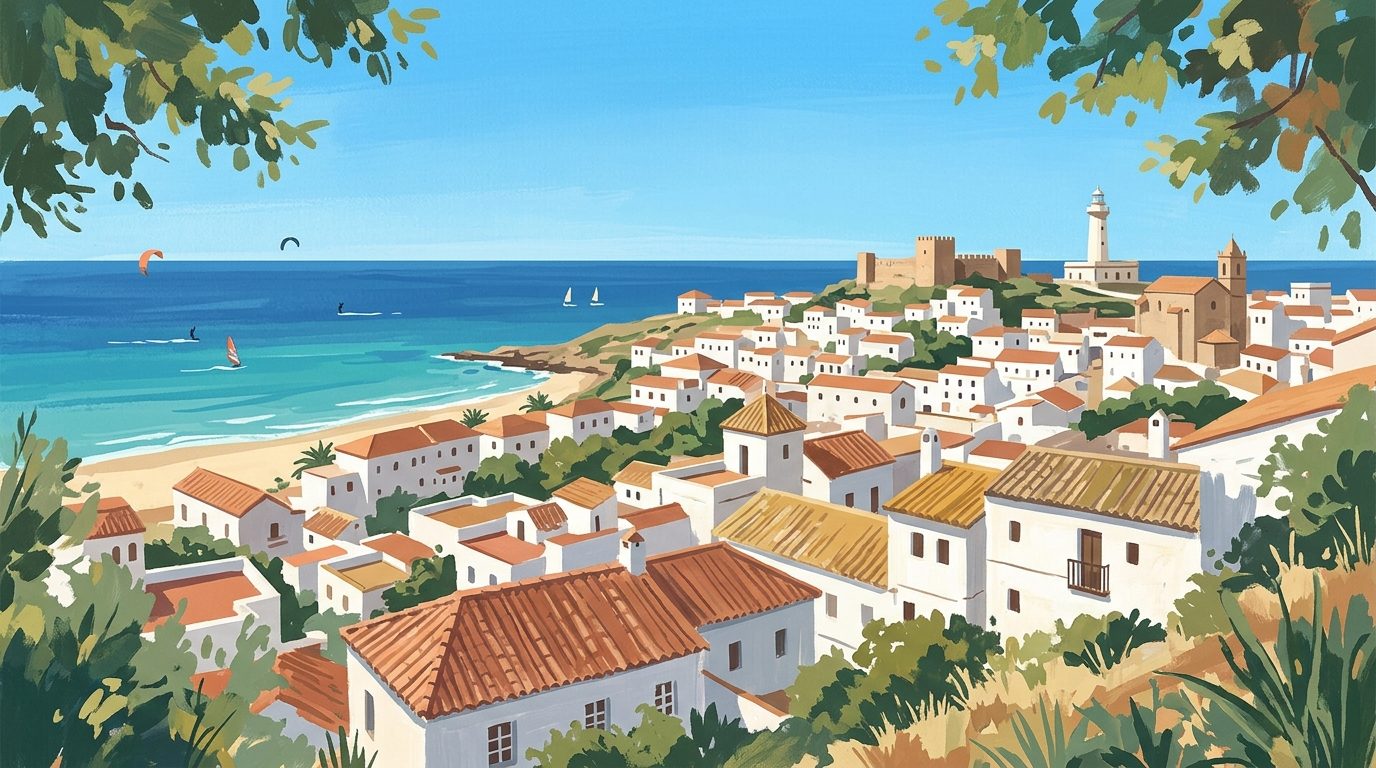
Where the Atlantic Ocean meets the Mediterranean Sea, Tarifa stands as the southernmost point of mainland Europe, offering a singular blend of wild coastline and medieval charm. This is a town shaped by the wind, where surfboards outnumber sun loungers and the coast of Africa feels close enough to touch.
Tarifa occupies a unique position on the edge of the Cádiz province. Unlike the more manicured resorts further east, it retains a raw, elemental energy that draws windsurfers, kitesurfers, and nature lovers from across the globe. The town is defined by two opposing winds: the warm, dry Levante blowing from the east, and the cooler, moisture-laden Poniente from the west. These forces dictate the daily rhythm of life, determining which beach surfers will flock to and whether the ferry to Morocco will sail.
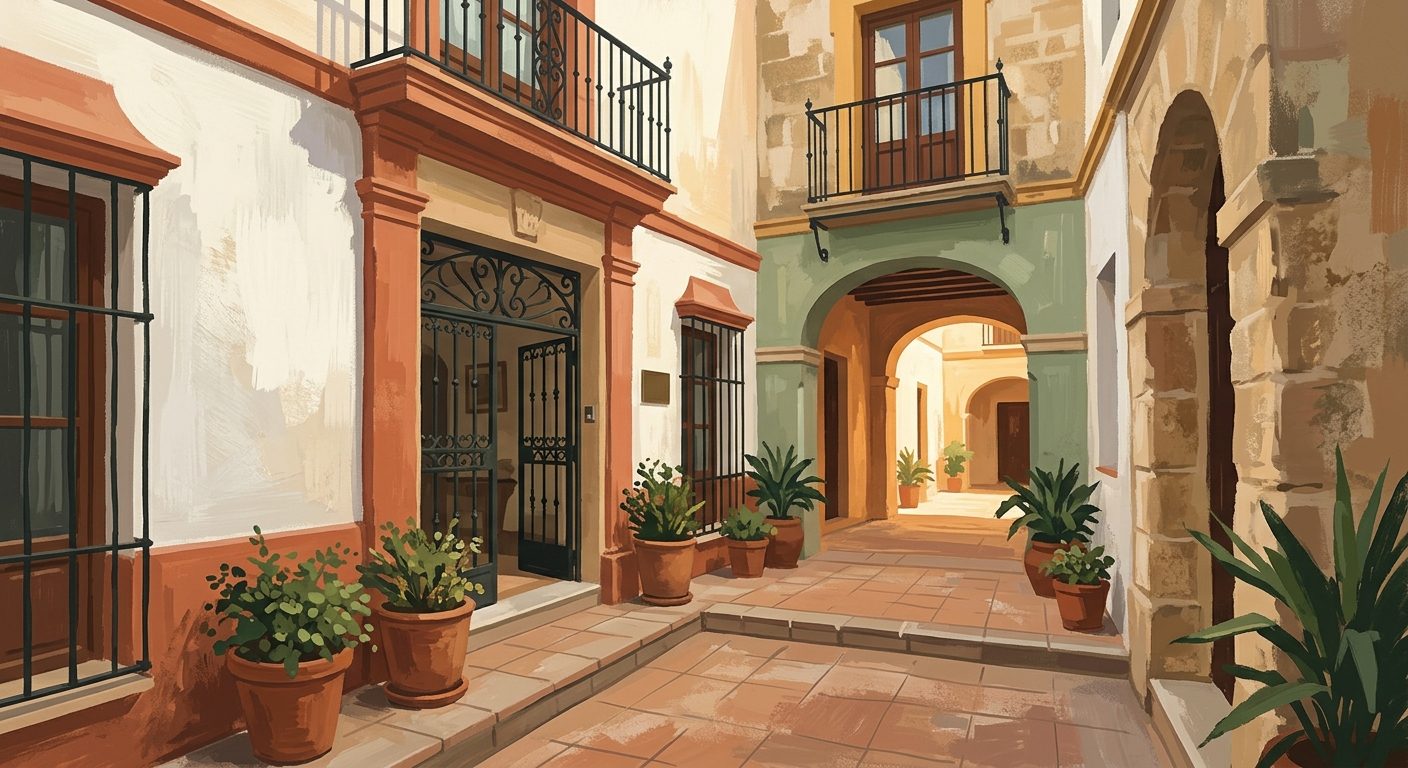
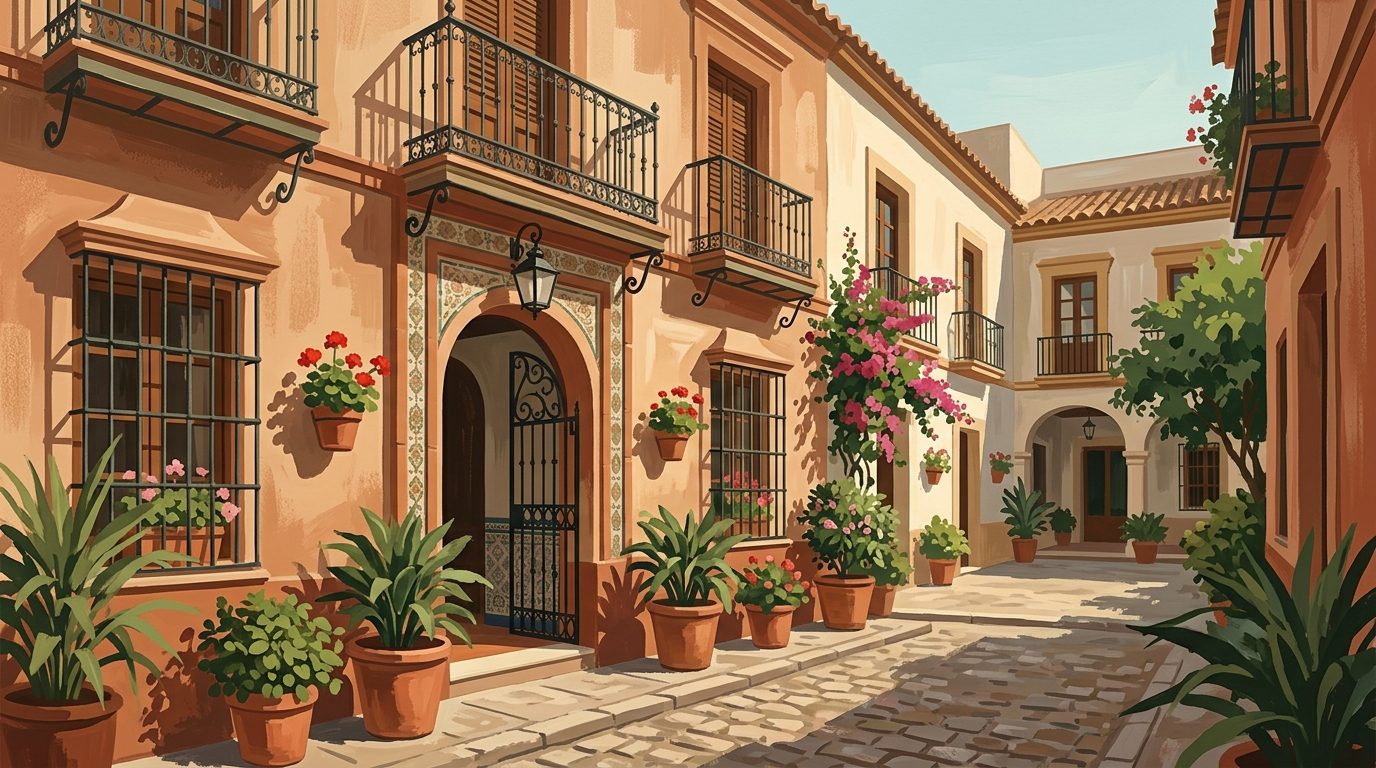
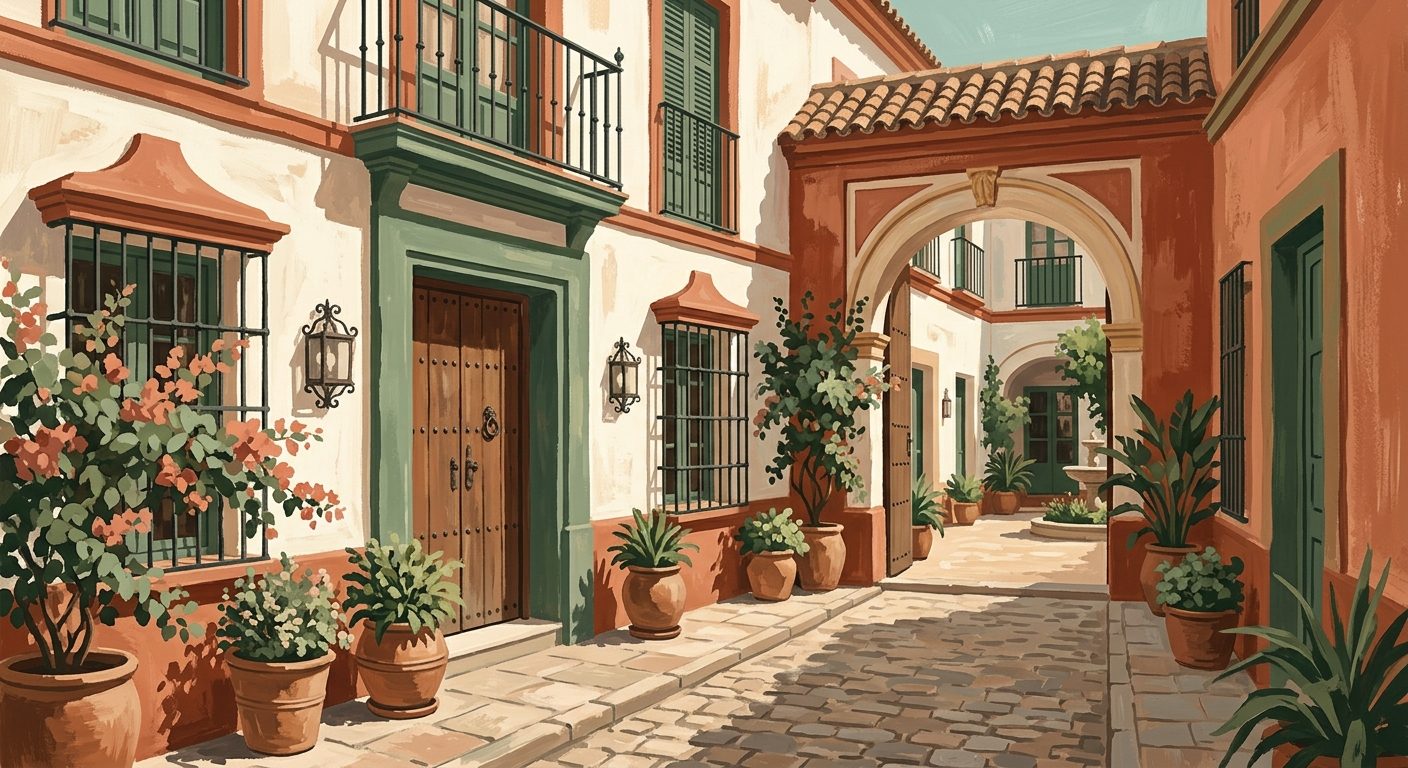
The town itself is a maze of whitewashed lanes contained within thick 10th-century walls. It feels remarkably different from its neighbours on the Costa de la Luz. There is a laid-back, international atmosphere here, where Moroccan influence seeps into the architecture and the smell of grilled fish mingles with the salty sea spray. Tarifa provides an experience that is both rugged and deeply historic.
What to See and Do
The Fortress of Guzmán el Bueno
Commanding the heights overlooking the port, the Castillo de Guzmán el Bueno is one of the best-preserved medieval fortresses in Andalucía. Built in 960 AD on the orders of Caliph Abd ar-Rahman III, it was designed to protect the coastline from Viking raids and North African incursions. The castle is famously named after Alonso Pérez de Guzmán, the legendary commander who defended the town during the siege of 1294. According to local lore, when the besieging forces threatened to kill his captured son unless he surrendered the fortress, Guzmán threw his own dagger down from the battlements for them to use, refusing to betray his duty to the king.
Walking the battlements today offers panoramic views across the Strait of Gibraltar. On a clear day, the Rif Mountains of Morocco appear strikingly detailed. The interior of the castle contains well-presented exhibits on the town’s maritime heritage and defensive evolution over the centuries.
Isla de las Palomas and the Southernmost Point
Connected to the mainland by a narrow causeway, the Isla de las Palomas is the precise geographical tip of mainland Europe. This causeway is a fascinating spot to stand; turn to your left and you are looking at the calmer, turquoise waters of the Mediterranean; turn to your right and you face the darker, crashing waves of the Atlantic Ocean. While much of the island remains a military zone, the walk along the causeway to the island gates is essential for understanding Tarifa’s strategic importance. Note that the island itself is restricted, and the lighthouse is typically only accessible via pre-booked guided tours. The signs marking the "Punto más meridional de la Europa Continental" are a favourite spot for a quick photograph before the wind whips your hat away.
The Old Town and Puerta de Jerez
The entrance to the historic quarter is marked by the Puerta de Jerez, an impressive 13th-century gate that serves as a transition from the modern town into a labyrinth of narrow streets. Inside the walls, the Casco Antiguo is a place to lose your sense of direction. The streets are designed to baffle the wind and keep the houses cool, with small plazas appearing unexpectedly behind high stone walls. Make time to visit the Church of San Mateo, which was built on the site of a former mosque; its Gothic interior and Baroque facade are sign of the town’s shifting cultural layers.
Kitesurfing and Windsurfing at Los Lances and Valdevaqueros
Tarifa is widely regarded as the wind capital of Europe. Even if you have never set foot on a board, the sight of hundreds of colourful kites dancing over the water at Playa de los Lances is spectacular. This long, wide stretch of white sand is the primary hub for the town's surf culture. Further north, Playa de Valdevaqueros offers a more rugged backdrop with its famous shifting sand dune. If the Levante wind is blowing hard, you will see the sand moving across the landscape, slowly reclaiming the pine forests. Several schools along these beaches offer lessons for beginners, though the conditions here are often best suited to those with some experience.
Whale Watching in the Strait of Gibraltar
The deep waters of the Strait are a major migratory path for marine life. Several conservation-focused organisations operate boat tours from the port of Tarifa. Depending on the season, you can see common and striped dolphins, pilot whales, and even orcas. Between April and October, the chances of a sighting are exceptionally high, around 95%. It is a humbling experience to watch these creatures move through the currents between two continents, often with the massive cargo ships of the Mediterranean trade lanes as a background contrast.
Bolonia: Roman Ruins and High Dunes
A twenty-minute drive north from Tarifa brings you to Bolonia, home to the ruins of Baelo Claudia. This Roman city reached its peak in the 1st century AD, prospering from the production of garum (a fermented fish sauce) and the fishing of Atlantic Bluefin tuna. Today, you can walk through the remains of the forum, the basilica, and a remarkably intact theatre. The site is located right on the edge of the beach, ending at the foot of the Duna de Bolonia, a massive natural monument that rises 30 metres above the sea. Climbing to the top of the dune is a local rite of passage, rewarding you with views of the unspoilt coastline and the pine groves of the Estrecho Natural Park.
Practical Information
Getting There: Tarifa is approximately 105km from Cádiz and 160km from Málaga. There is no train station; most visitors arrive by car via the N-340 coast road. Regular buses run from Algeciras, Cádiz, and Sevilla via the TG Comes company. If flying, Gibraltar International Airport is the closest (approx. 45 mins), followed by Jerez (1h 15m) and Málaga (1h 45m).
Parking: Parking in the centre is notoriously difficult, particularly in the summer. Use the large car park at the Port (Puerto de Tarifa) for convenience, or the municipal lot near the football stadium. Avoid driving into the Old Town, as the streets are extremely narrow and many are pedestrianised.
Tickets and Times:
- Castillo de Guzmán el Bueno: Generally open Tuesday to Sunday, 10:00 to 16:00. Tickets are approximately 4€ for adults and 2.50€ for children. Entry is often free on Sunday afternoons (last two hours).
- Baelo Claudia (Bolonia): Open Tuesday to Saturday 09:00 to 18:00 (later in summer), and Sunday 09:00 to 15:00. Closed Mondays. Entry is free for EU citizens (bring ID) and approximately 1.50€ for others, including UK citizens.
- Whale Watching: Tours typically cost between 45€ and 50€ per adult and last about two hours. Booking in advance is recommended.
Ferry to Tangier: High-speed ferries run almost hourly from Tarifa Port to Tangier Ville (not the remote Tangier Med port). The crossing takes roughly 60 minutes. Prices are around 40€ to 50€ each way. Remember your passport, as you are crossing into Morocco.
Where to Eat Nearby
For a traditional experience, Bar El Francés in the Old Town is a local institution. It is famous for its atún de almadraba (wild-caught tuna) and patatas bravas. Be prepared to wait for a table, as it is perpetually popular. For something slightly more modern, El Lola offers a playful take on Spanish tapas with a strong focus on high-quality seafood and a lively outdoor terrace. If you are near the beaches, Silos Tarifa provides a relaxed setting with excellent grilled meats and Mediterranean dishes, ideal for watching the sun set behind the Atlantic.
Where to Stay
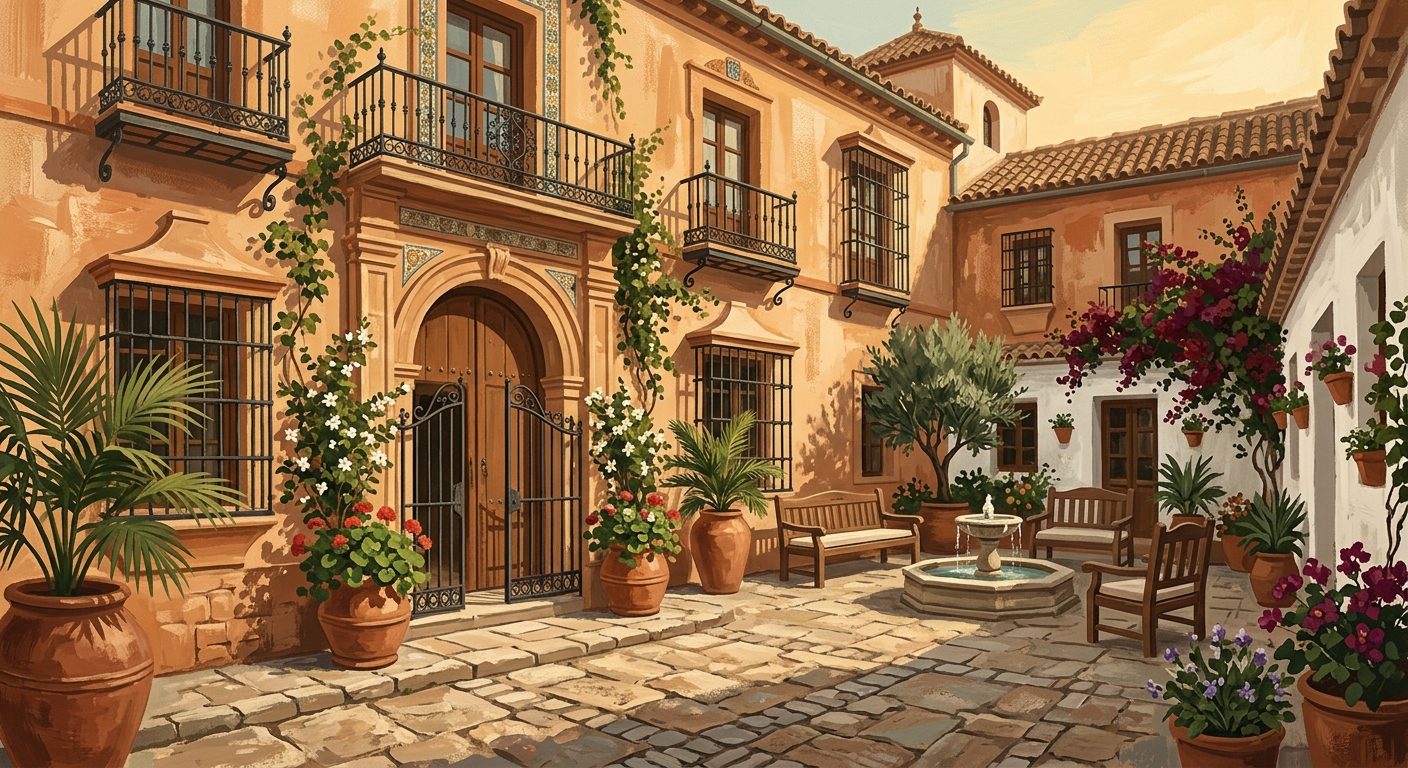
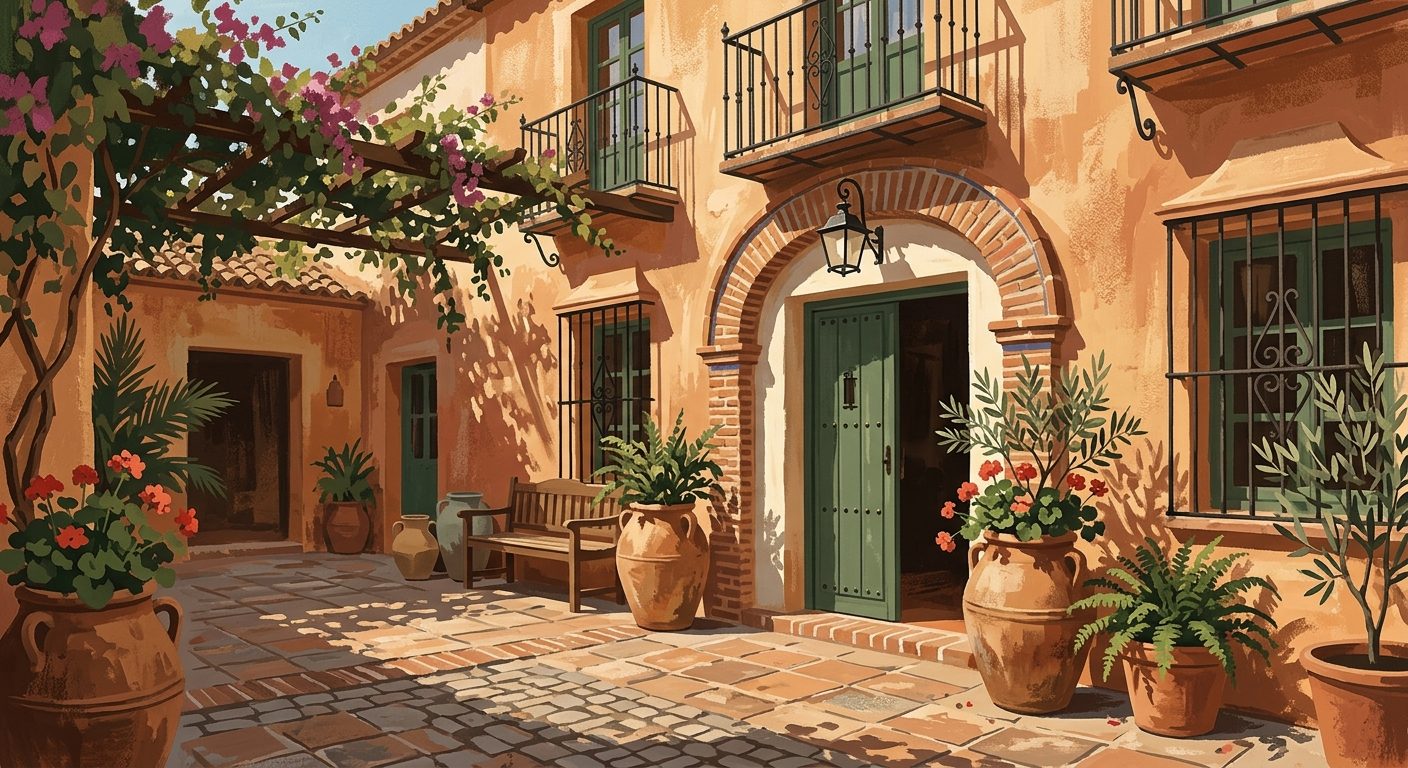
For those who want to be in the heart of the action, Posada La Sacristía is a beautiful 17th-century townhouse in the Old Town, featuring heavy wooden beams and a tranquil courtyard. If you prefer to be closer to the surf, The Beach Hotel Valdevaqueros sits directly across from the dunes, offering simple, stylish rooms with easy access to the kitesurfing zones. For a more secluded escape, several rural guest houses are located in the hills above the town, providing respite from the coastal winds.