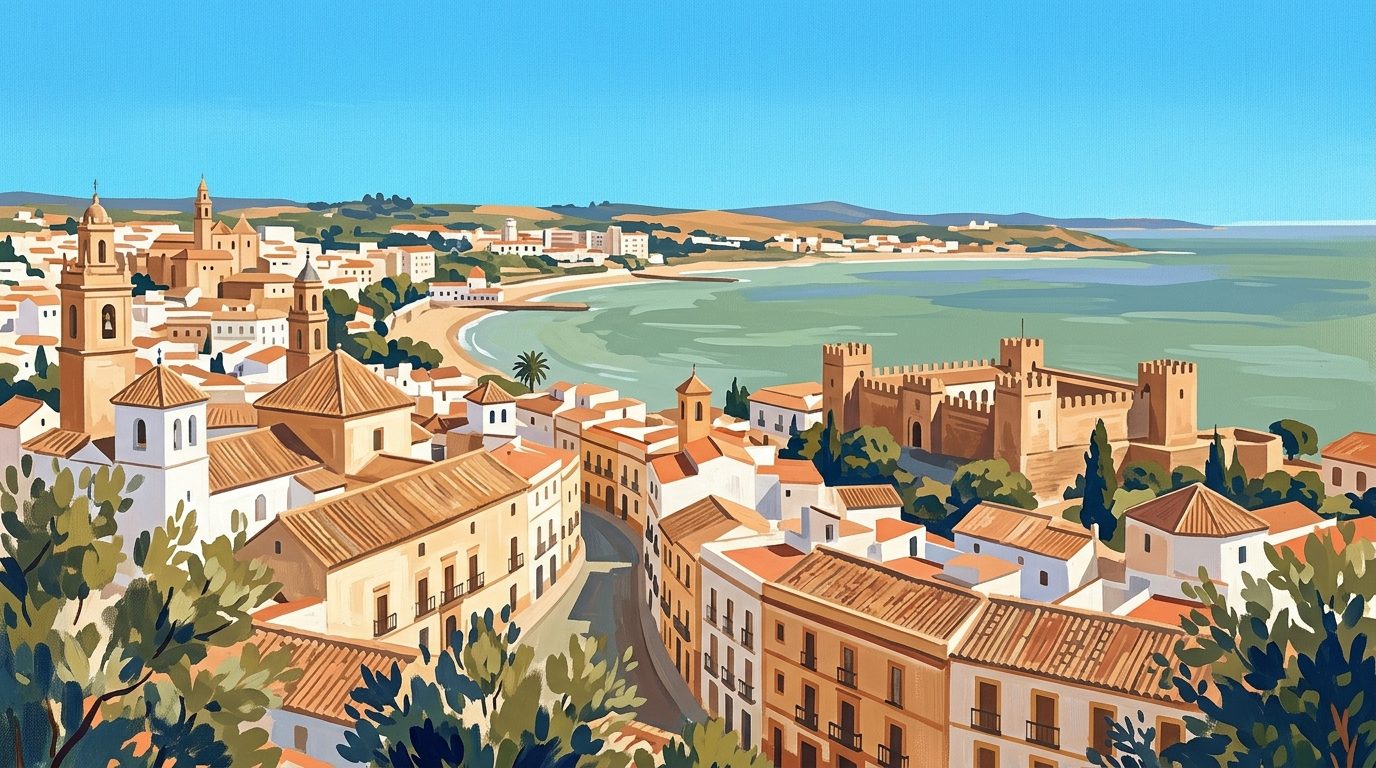
A cornerstone of the Sherry Triangle, this coastal town offers a relaxed alternative to the provincial capital across the bay. Visitors can expect authentic bodegas, fresh Atlantic shellfish and some of the finest beaches on the Costa de la Luz.
Situated at the mouth of the Guadalete River, El Puerto de Santa María is a significant component of the Sherry Triangle alongside Jerez de la Frontera and Sanlúcar de Barrameda. While its neighbours are famous for countryside vineyards or river-misted Manzanilla, El Puerto occupies a strategic coastal position that has defined its identity for centuries. Known locally as the "City of a Hundred Palaces," it served as a primary residence for wealthy merchants during the 17th and 18th centuries, who grew rich from trade with the Americas. Today, the town retains a distinct maritime atmosphere, where the scent of salt air mingles with the yeasty aroma of maturing sherry.
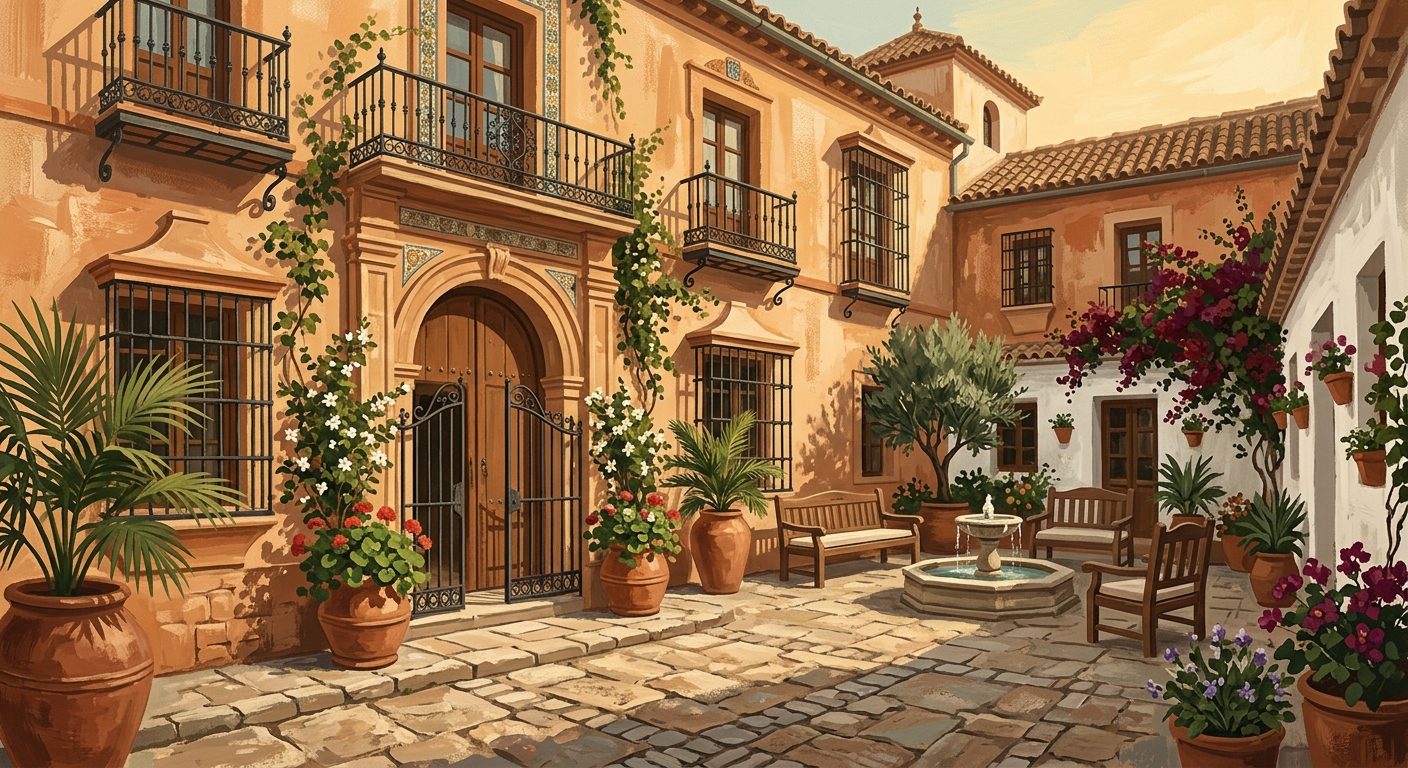
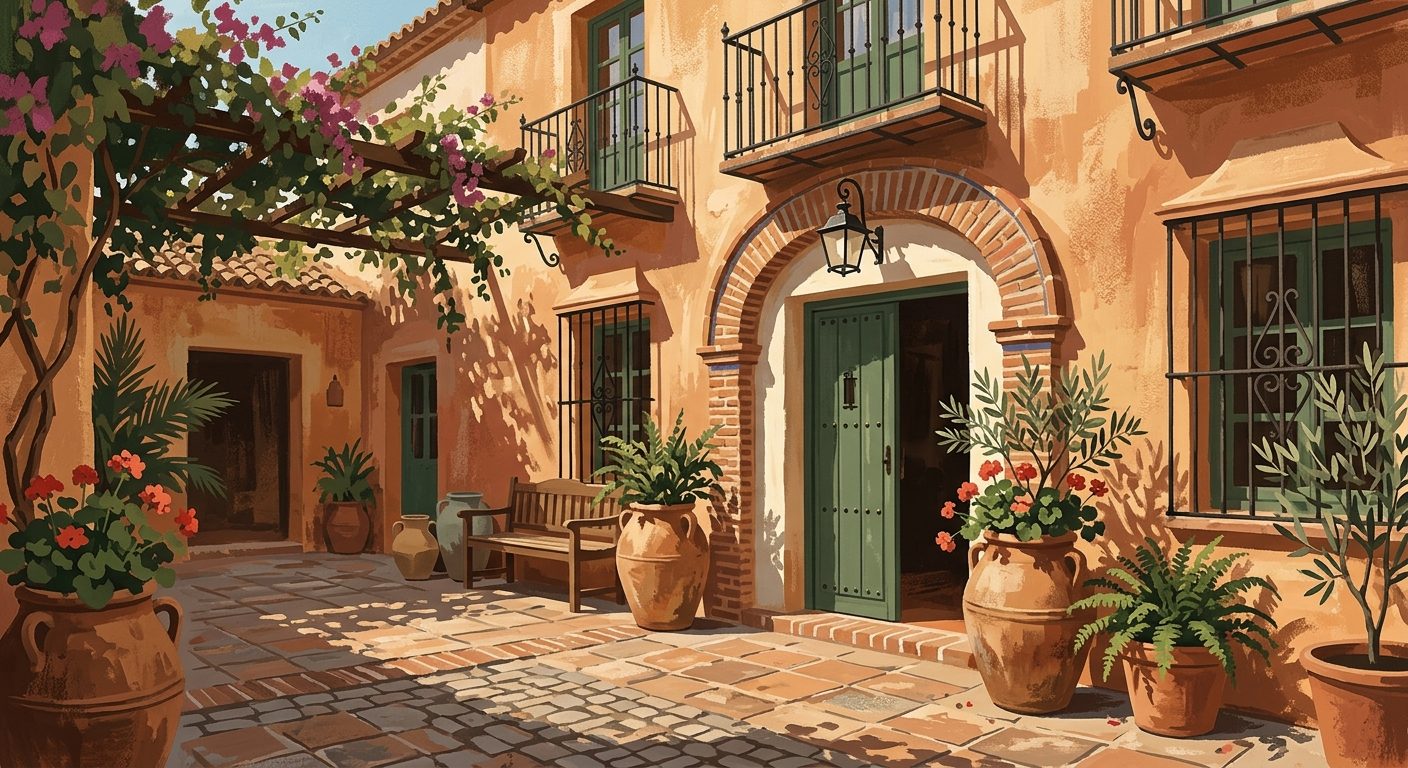
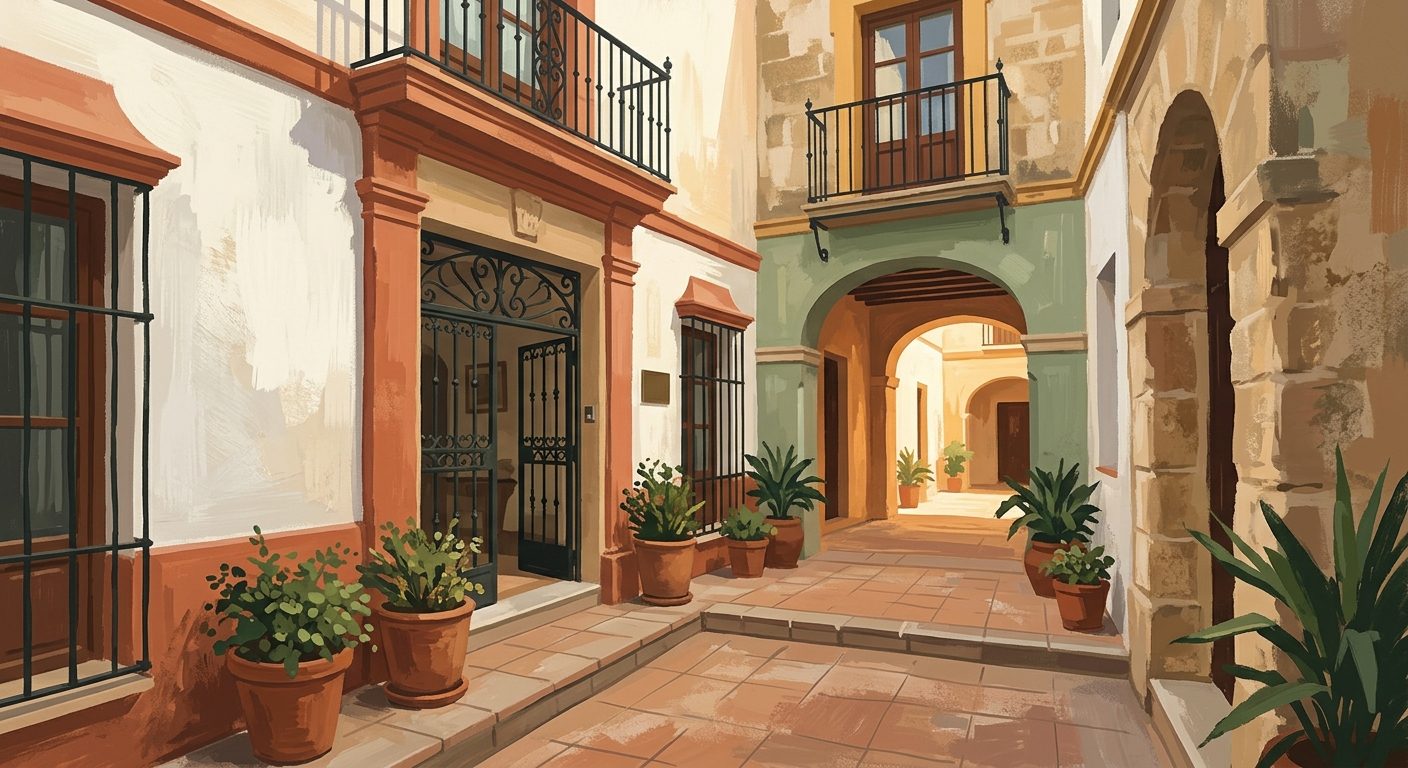
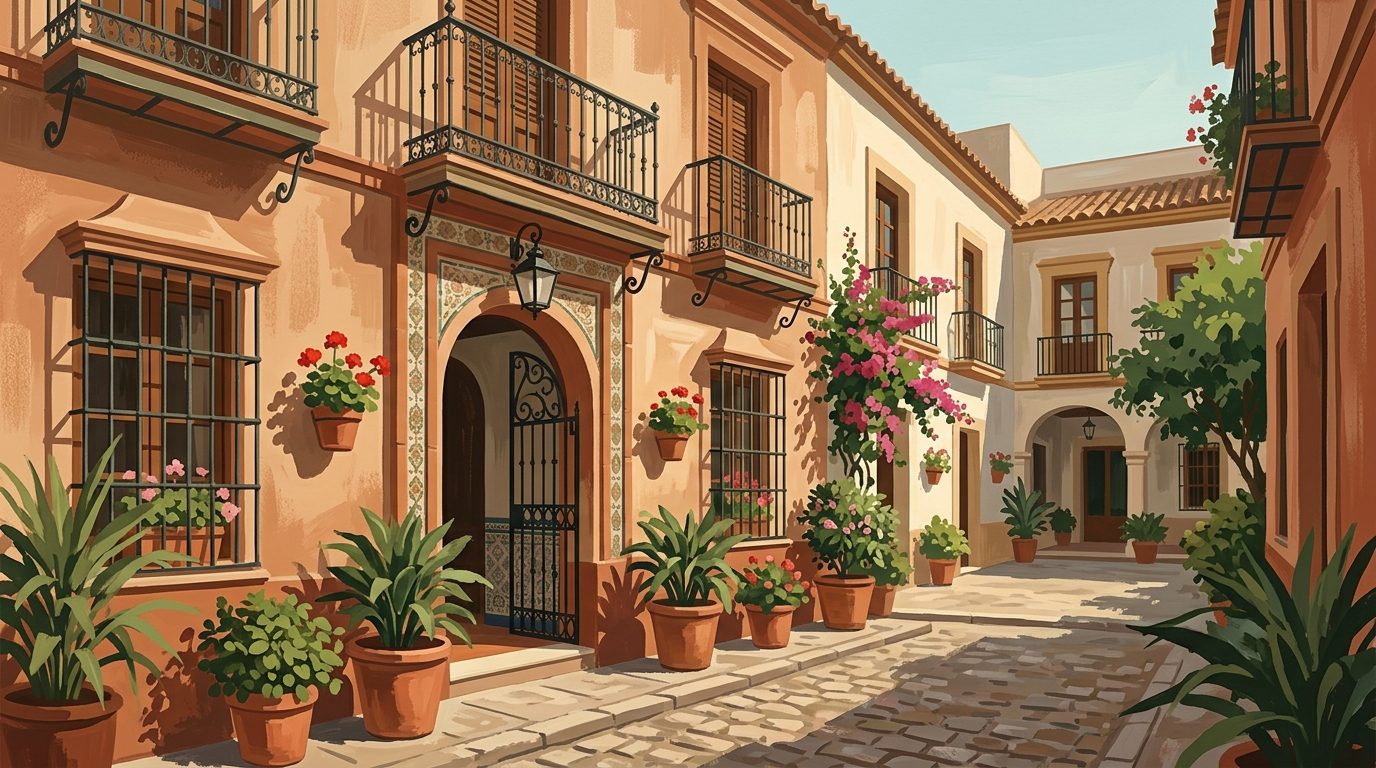
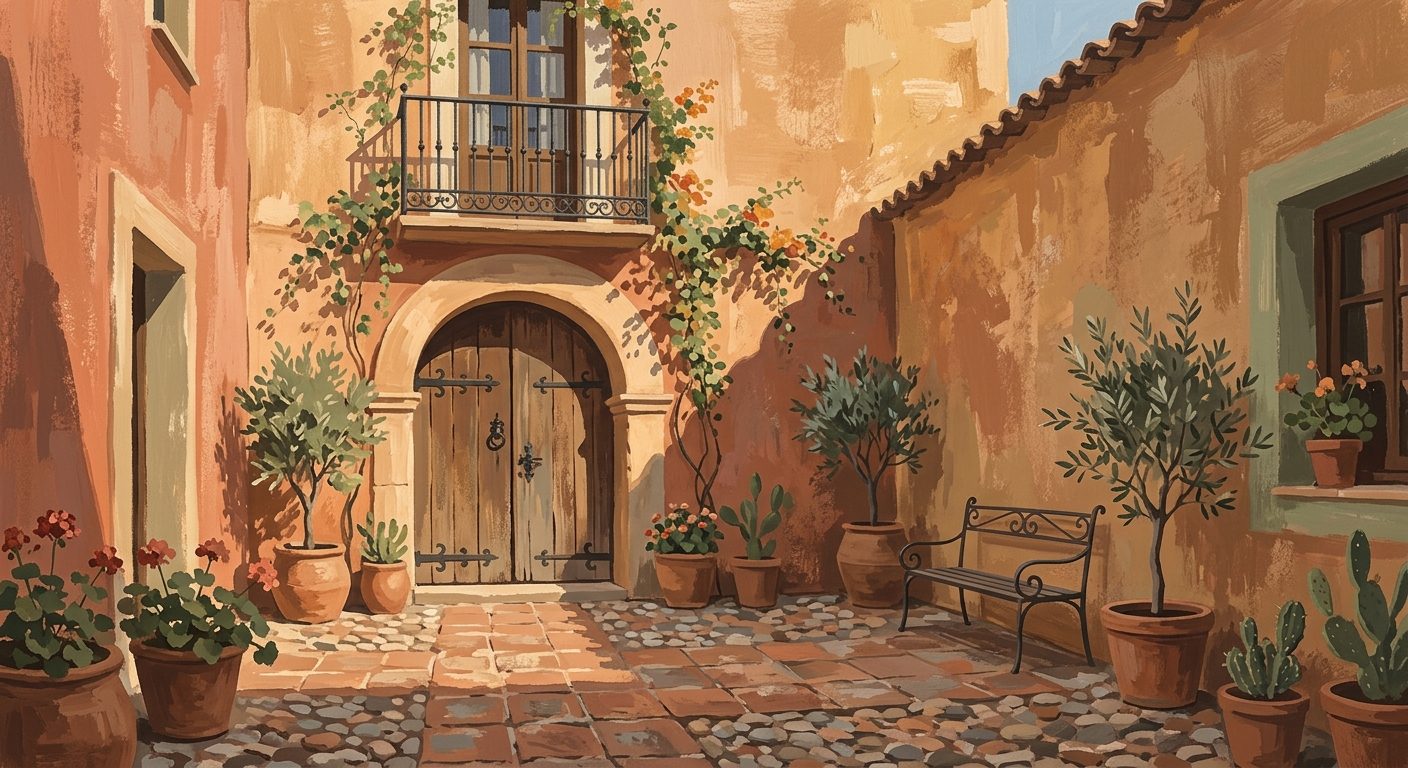
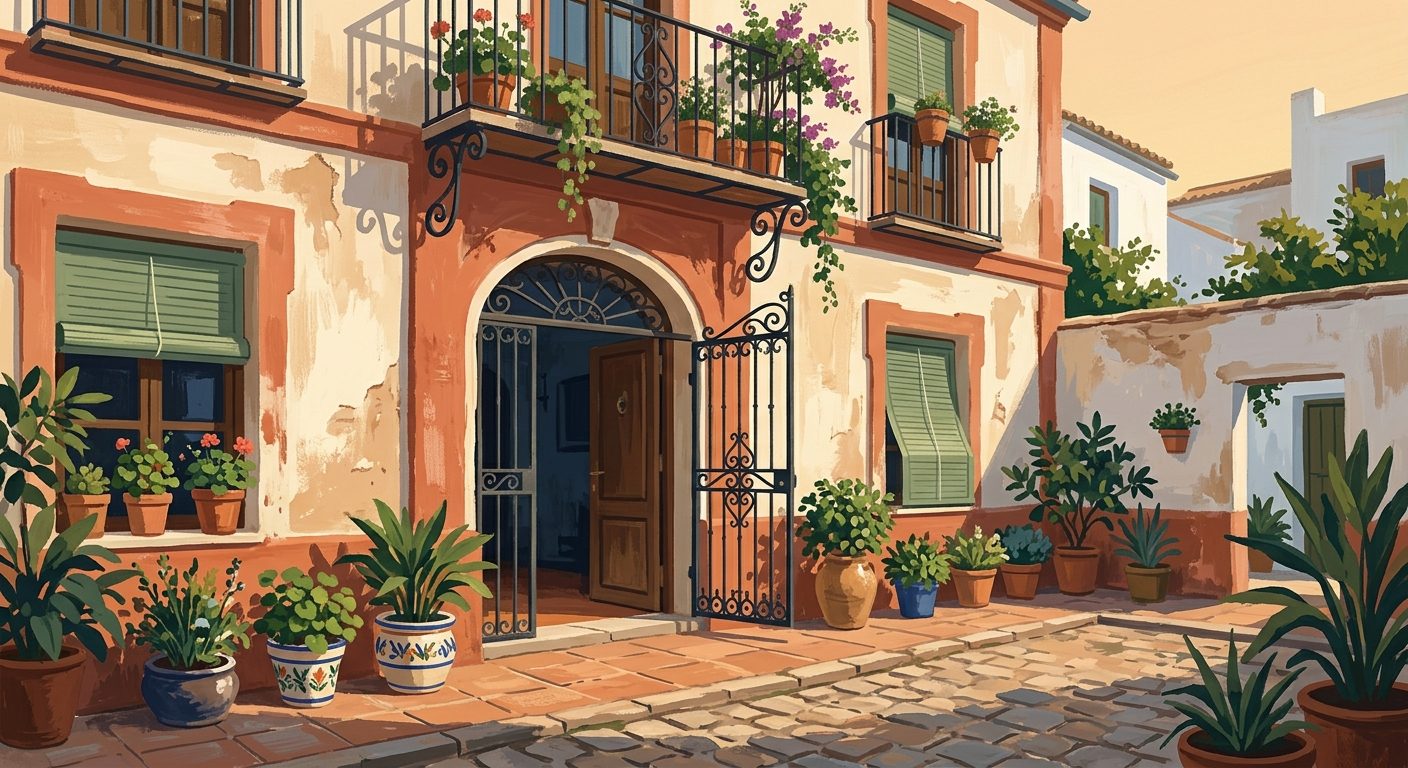
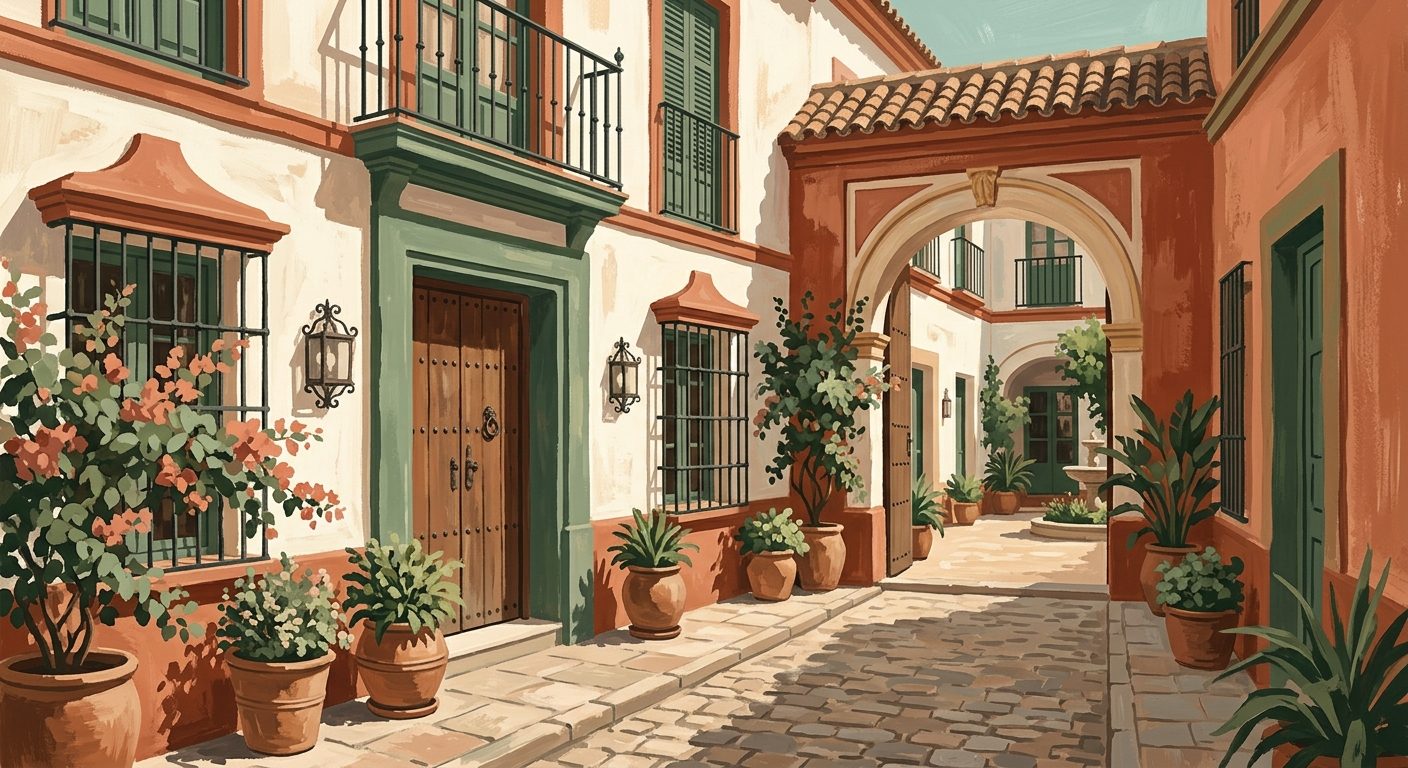
The town serves as a functional, living port rather than a sanitised tourist destination. Its streets are lined with faded aristocratic mansions, heavy wooden doors, and wrought-iron balconies. For the traveller, it offers a more grounded experience than some of the more manicured resorts on the Costa de la Luz. It is a place of long lunches, afternoon ferry rides across the bay, and evening walks along the riverbank. If you come to look at the complexities of fortified wine or simply to enjoy the Atlantic breeze, El Puerto provides an authentic slice of Andalucían life.
What to See & Do
The Sherry Bodegas
Sherry is the lifeblood of El Puerto. The town produces a specific style of Fino that is often described as having a slightly more saline quality than those from Jerez, due to the humidity and proximity to the ocean. The most famous name here is Osborne. Their headquarters, the Bodega de Mora, is easily identifiable by the massive black bull silhouette, a symbol that has become an unofficial national icon of Spain. A tour here takes you through cavernous cellars where thousands of American oak barrels are stacked in the traditional solera system.
For a more intimate experience, Bodegas Gutiérrez Colosía is situated right on the banks of the river. This proximity to the water provides the perfect conditions for the 'flor' (the layer of yeast) to thrive, protecting the wine from oxidation and giving it its characteristic dry, crisp finish. Visiting a smaller producer allows for a closer look at the artisanal side of sherry production, often led by family members who have managed the casks for generations.
Castillo de San Marcos
This fortress is a physical timeline of the town’s history. Originally built as a mosque in the 10th century under the Caliphate of Córdoba, it was later converted into a fortified church following the Christian conquest by Alfonso X of Castile in 1264. The architecture is a fascinating hybrid of Islamic horseshoe arches and Gothic vaulted ceilings. Christopher Columbus reportedly stayed here while planning his first voyage to the New World, seeking financial backing from the Duke of Medinaceli. The castle is remarkably well-preserved and remains one of the most significant landmarks in the Bay of Cádiz.
Plaza de Toros
Even for those with no interest in bullfighting, the Plaza de Toros is worth a visit for its architectural scale. Built in 1880, it is one of the largest and most attractive bullrings in Spain, with a capacity for over 12,000 spectators. The building is renowned for its eclectic style, featuring a grand brick facade and intricate ironwork. A famous quote by the legendary matador Joselito is inscribed at the entrance: "He who has not seen a bullfight in El Puerto does not know what a day of bullfighting is." During the summer months, the arena is frequently used for concerts and cultural events.
The Ferry to Cádiz
One of the highlights of a stay in El Puerto is the journey to Cádiz via the catamaran ferry. Known locally as the "Vaporcito" (in memory of the iconic Adriano III steamship that sank in 2011), the modern catamaran service departs from the pier near the town centre and crosses the Bay of Cádiz in about 30 minutes. It is an affordable way to see the bay from the water, providing excellent views of the modern Constitution of 1812 Bridge and the historic skyline of Cádiz city. Check live schedules on the Bay of Cádiz Transport Consortium website.
Beaches and Pine Forests
The town is flanked by wide, sandy beaches. Playa de la Puntilla is the most accessible from the centre, located at the mouth of the river and protected by a breakwater, making it ideal for swimming. Further south lies Playa de Valdelagrana, a vast stretch of fine golden sand backed by a promenade with numerous cafes and restaurants. Behind the beach, the Los Toruños Natural Park offers a network of walking and cycling trails through salt marshes and pine forests, providing a quiet escape from the urban areas.
Practical Information
Opening Times:
Most bodegas offer tours in English, typically starting at 10:00, 12:00, and sometimes 17:00. Pre-booking online is highly recommended. The Castillo de San Marcos is usually open for guided tours from Tuesday to Saturday, 10:00 to 14:00 and 16:00 to 18:00, and Sunday mornings. The Plaza de Toros can be visited daily from 10:30 to 13:30 during the low season, with extended hours in summer.
Ticket Prices:
- Bodegas Osborne: €20 to €30 depending on the tasting package (check on the operator's website before travelling).
- Bodegas Gutiérrez Colosía: Approximately €15.
- Castillo de San Marcos: €10 for adults, including a guided tour.
- Catamaran to Cádiz: €2.85 each way.
How to Get There:
El Puerto is well-connected by rail. The station is on the Alvia line from Madrid and the Cercanías (commuter) line from Jerez and Cádiz. Trains run every 30 to 60 minutes. By car, it is a 15-minute drive from Jerez via the A-4 motorway and 20 minutes from Cádiz via the CA-33. Parking in the centre can be difficult; the large underground car park at Plaza de Toros or the surface parking at the riverfront are the best options.
Where to Eat Nearby
The local dining scene is dominated by seafood. Romerijo is a regional institution located by the river; it functions as both a fishmonger and a restaurant. You can buy a cone of fried fish (pescaíto frito) or boiled shellfish by weight at the counter and eat it at the tables provided. It is informal, loud, and consistently excellent.
For a more refined sit-down meal, Restaurante El Faro del Puerto offers sophisticated takes on traditional Atlantic flavours. Located in a converted villa, it specialises in locally caught sea bass, tuna, and inventive rice dishes. For tapas, head to the streets around the Mercado de Abastos (the central market), where small bars serve chilled Fino alongside plates of jamón and local cheeses.
Where to Stay
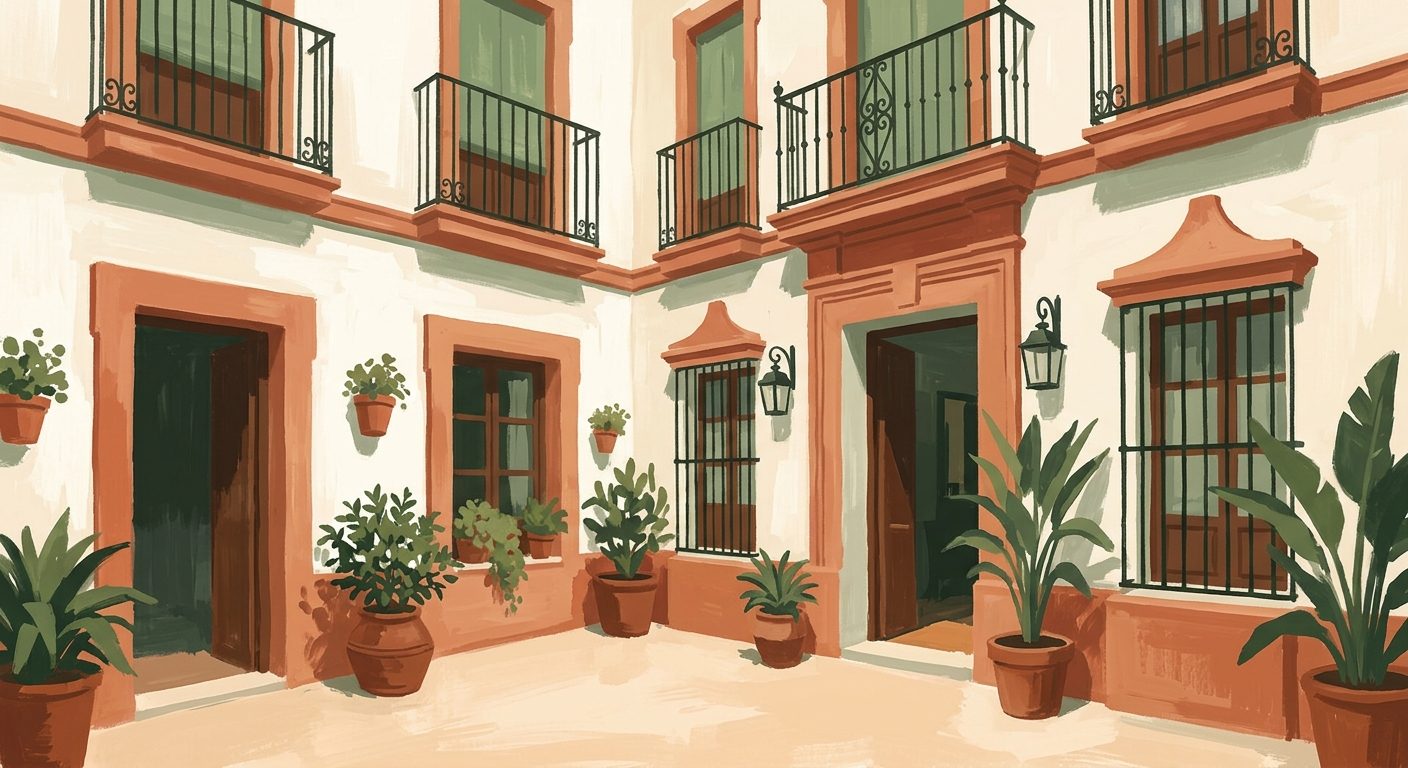
For a historic experience, the Hotel Palacio de Arizón is housed in a restored 17th-century merchant’s palace, featuring traditional courtyards and original stone arches. It is located close to the river and the main bodega district. Alternatively, the Hotel Monasterio de San Miguel is a converted 18th-century monastery in the heart of the town, offering high ceilings, cloistered walkways, and a swimming pool, making it a peaceful retreat from the lively town centre.