
Recipe · Málaga
Traditional Espetos de Sardinas: The Taste of Málaga
Discover how to prepare authentic Espetos de Sardinas, the iconic grilled skewers from the beaches of Málaga, using traditional Andalucían techniques.
By Dan · Updated 24 June 2026 · 4 min read
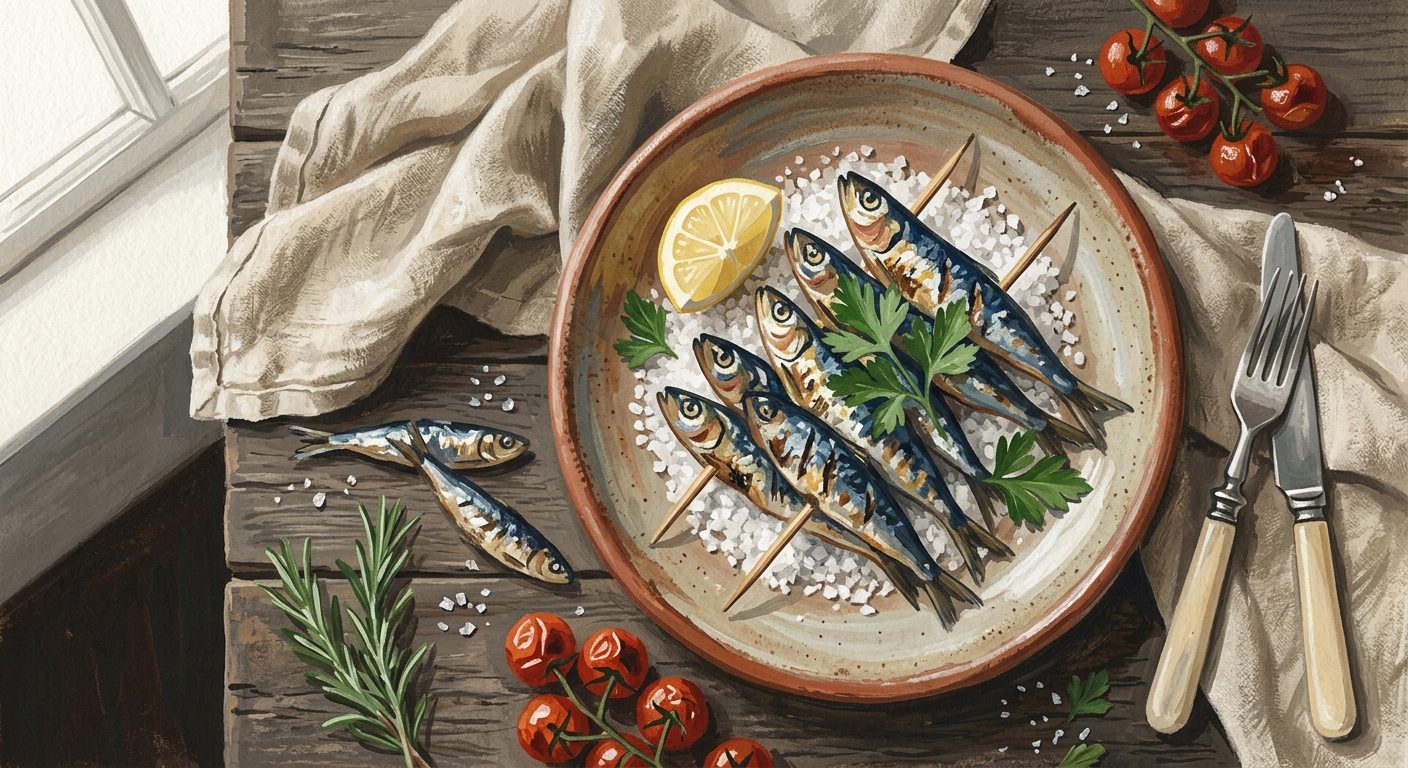
The scent of sardines grilling over olive wood is the defining aroma of the Málaga coastline. This simple preparation transforms fresh fish into a coastal masterpiece using little more than sea salt and a hot fire.
While you may see them across the coast, the espeto is the undisputed soul of the Málaga seaside, proudly promoted by the Costa del Sol tourism board. Traditionally, these skewers are prepared by an espetador who works inside a small boat filled with sand, positioned on the beach. The sardines are threaded onto bamboo or cane skewers and leaned against a fire made from olive wood. This technique, celebrated by the city of Málaga, allows the fat to drip onto the coals, creating a unique smoke that seasons the fish from the outside in.
In Andalucía, there is a long-standing tradition that sardines should only be eaten in the months without an "r" (May, June, July, and August). During these summer months, the water temperature is higher and the fish develop a thicker layer of fat, which is essential for a moist, flavourful result. While you can recreate this at home on a standard charcoal barbecue, the secret lies in the quality of the fish and the heavy hand with the sea salt.
Serves: 4 · Prep: 20 min · Cook: 10 min
Ingredients
- 24 fresh, medium-sized sardines (approximately 800g to 1kg / 1.7 to 2.2lb). Look for bright eyes and firm bodies.
- 150g (5.3 oz) coarse sea salt (Sal gorda).
- Bamboo skewers, at least 25cm (10 inches) long, soaked in water for 30 minutes.
- Lemon wedges for serving.
- Extra virgin olive oil (optional, for brushing the grill).
Method
- Ensure your sardines are very cold before you begin. Do not scale, gut, or decapitate the fish. The scales protect the delicate flesh from the intense heat, and the internal fats keep the meat moist.
- Hold a sardine with the back (the darker side) facing you. Insert the soaked bamboo skewer through the side of the fish, just below the spine and above the belly, at the thickest part of the body.
- Slide the fish down the skewer. Add 5 or 6 sardines to each skewer, making sure they are all facing the same direction and are packed tightly enough to stay in place but not so tight that the heat cannot circulate.
- Once skewered, sprinkle the fish liberally on both sides with the coarse sea salt. The salt should be visible; it creates a crust that seals in the juices.
- Prepare your charcoal or wood-fired barbecue. You want a high, steady heat. If you are using a standard grill, ensure the grate is clean and lightly oiled.
- In a traditional beach setting, the skewers are pushed into the sand at an angle. At home, place the skewers directly on the grill. Position them so the spines are facing the heat first.
- Cook for approximately 2 to 3 minutes on the first side. The skin should be charred and crisp.
- Carefully flip the skewers and cook for a further 2 minutes. The fish is done when the skin is blistered and the meat flakes easily away from the bone (ensuring it reaches a safe internal temperature to mitigate any risk of parasites like Anisakis).
- Remove from the heat and serve immediately while the skin is still sizzling.
Tips & variations
- If you cannot find bamboo skewers, flat metal skewers will work, though they conduct heat faster, so keep a close eye on the cooking time.
- Avoid using very large sardines (often called sardinas de ración). The medium ones, about 12 to 15cm (5 to 6 inches) long, are the perfect size for even cooking on a skewer.
- If you are uncomfortable cooking fish with the guts intact, you can ask your fishmonger to clean them; however, traditionalists advise against this as the fish will dry out much faster on the grill.
- For a more authentic Málaga flavour, add a few chunks of olive wood or oak to your charcoal to mimic the traditional beach fire.
What to serve it with
Espetos are best enjoyed with your hands, using a piece of crusty white bread to help pull the meat from the bone. A simple salad of sliced tomatoes, green peppers, and onions dressed with olive oil and vinegar is the standard accompaniment. To drink, an ice-cold Victoria beer (brewed in Málaga) is the local choice, though a dry, salty Manzanilla sherry from Sanlúcar de Barrameda also cuts through the oily richness of the fish perfectly.
Last reviewed: 21 June 2026 · Editorial policy
Related guides
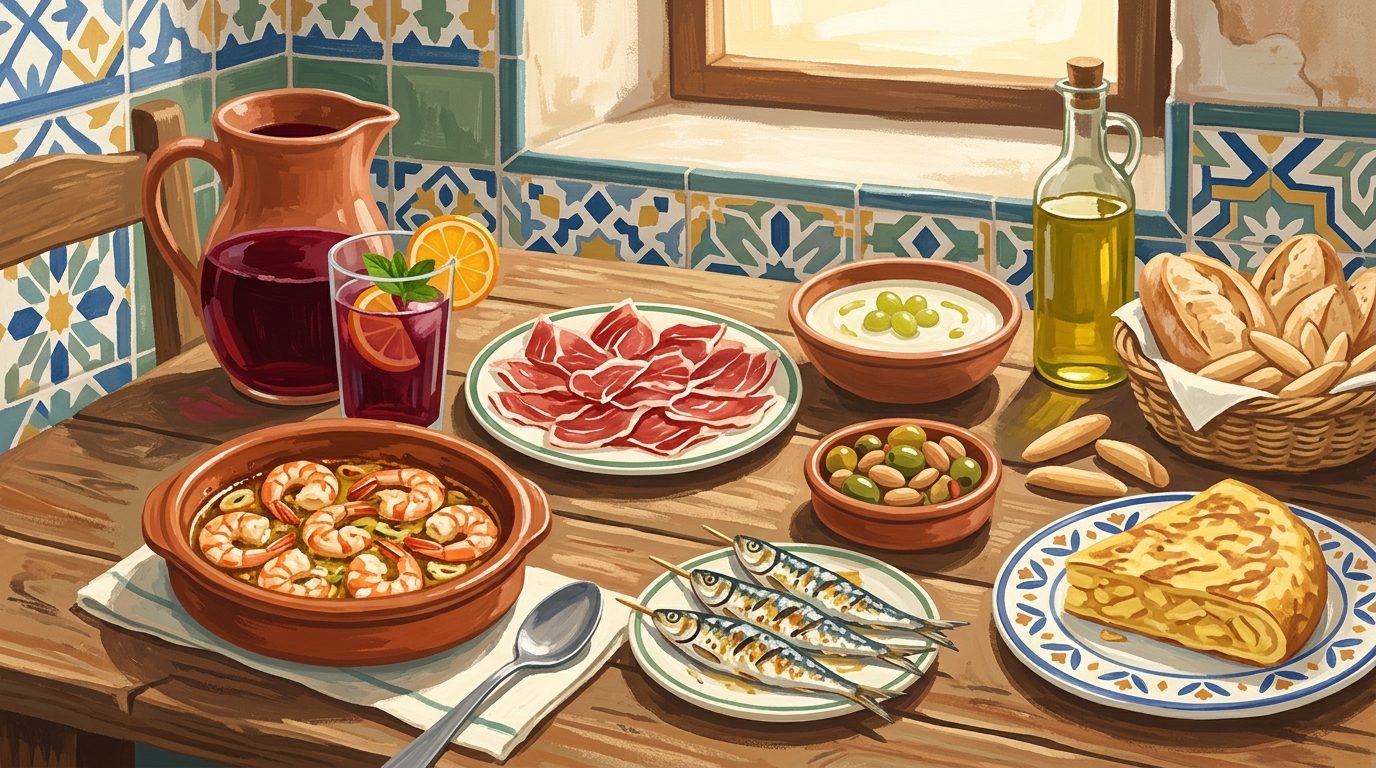
Where to Eat in Nerja: A Food Lover’s Guide to the Axarquía Coast
From wood-fired paella on the sands of Burriana to the crowded tapas bars of the old quarter, Nerja offers an authentic taste of the Málaga coastline.
6 min read
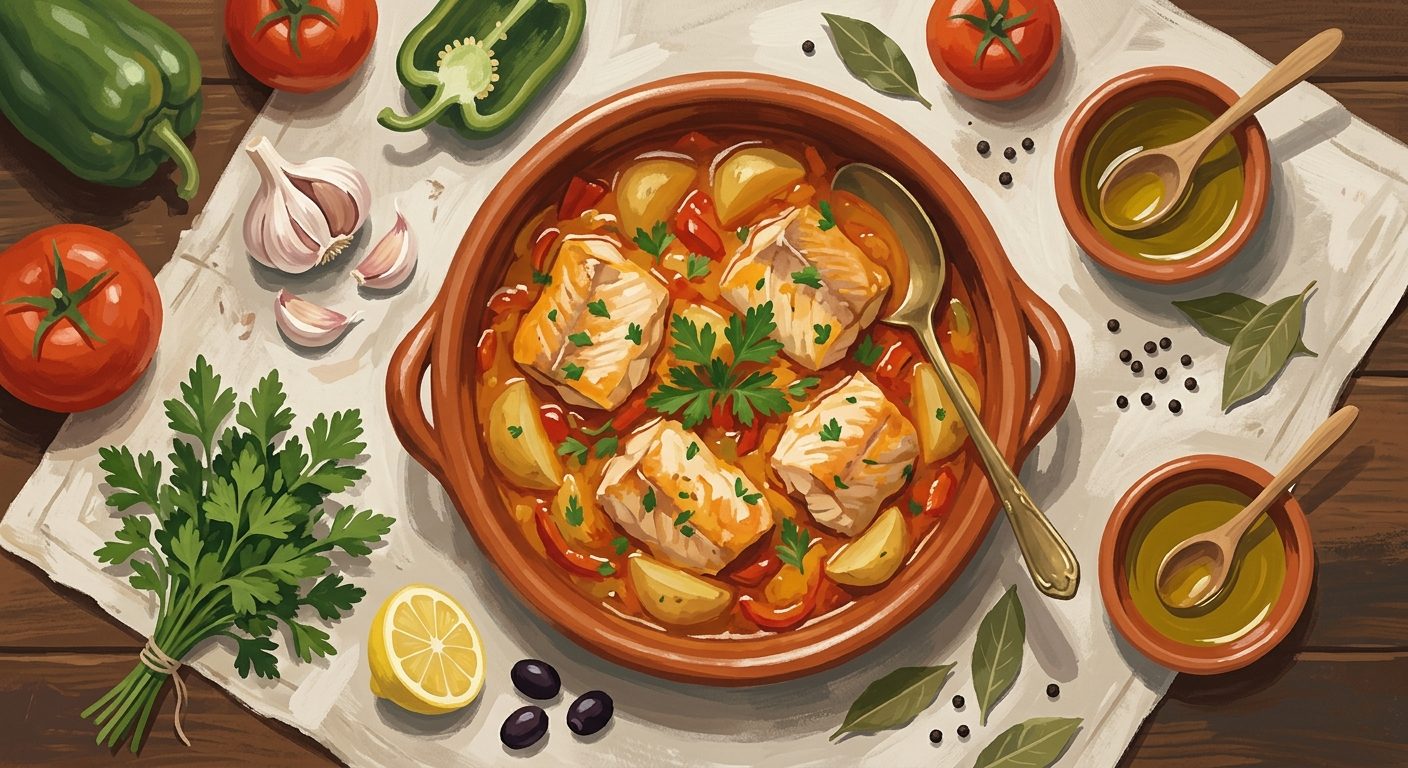
Urta a la Roteña: A Traditional Coastal Fish Stew from Cádiz
A signature dish from the town of Rota, this slow-cooked fish recipe combines firm white fish with a sweet, concentrated sauce of peppers, onions, and tomatoes.
4 min read
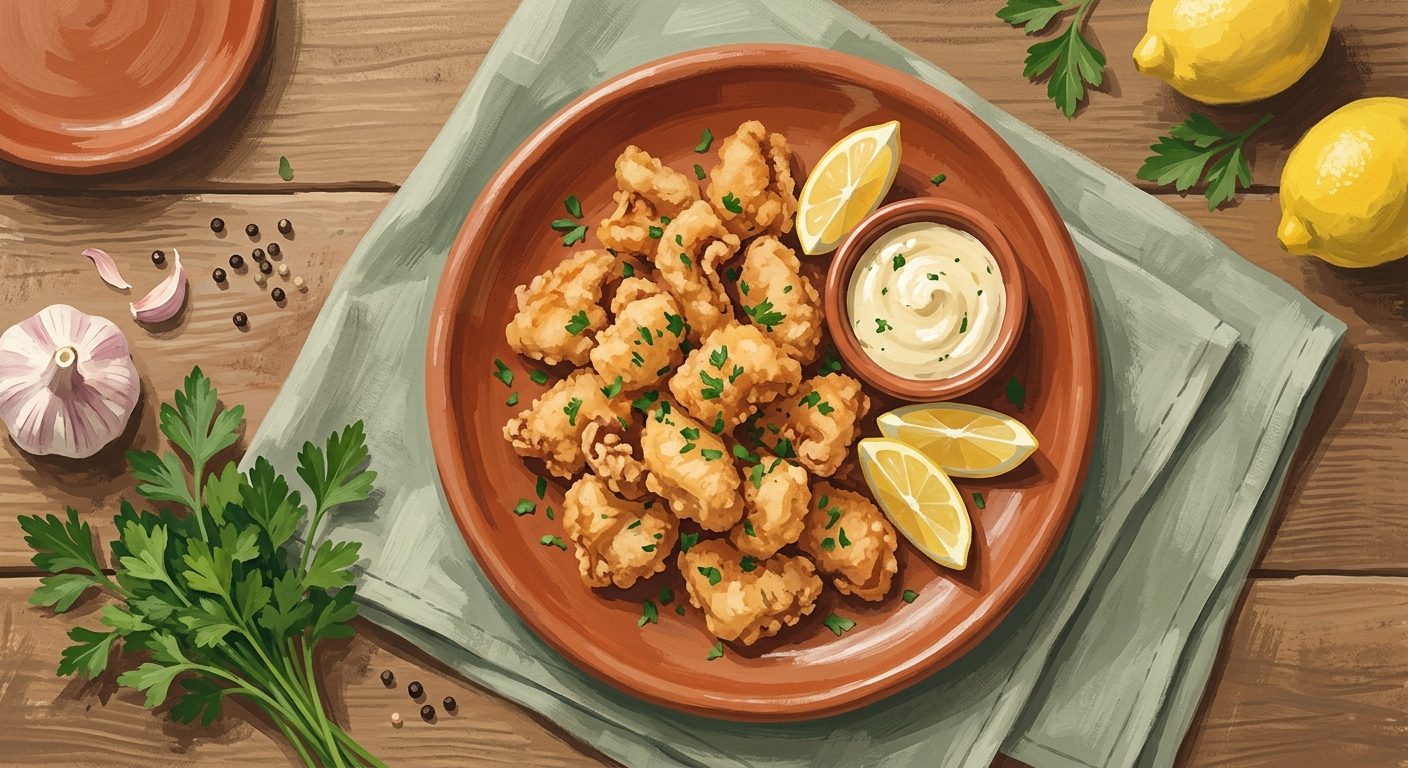
Traditional Andalucían Choco Frito Recipe
A crispy, golden staple of the Huelva and Cádiz coastlines, this fried cuttlefish dish relies on high-quality olive oil and a specific flour blend for its signature crunch.
3 min read
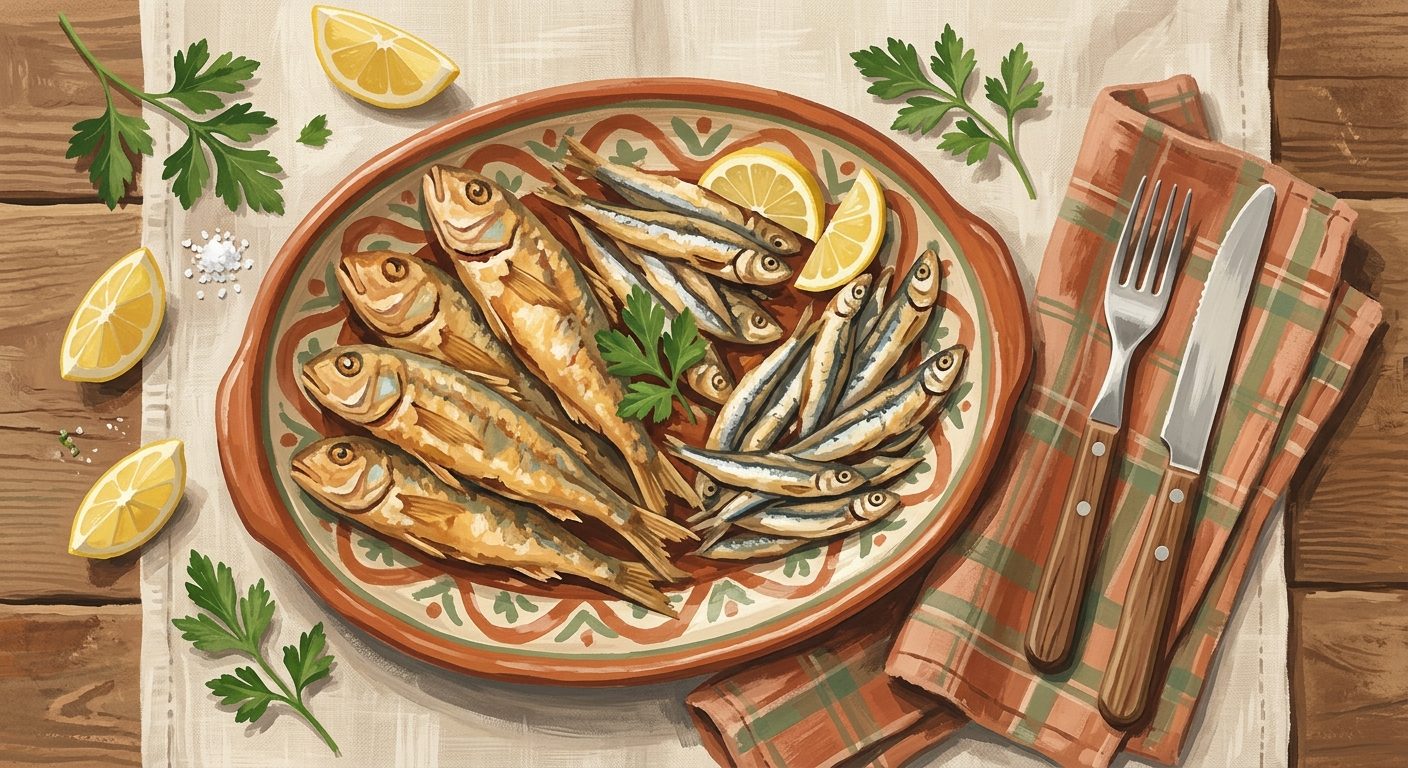
Authentic Pescaíto Frito: The Secret to Perfect Andalucían Fried Fish
A staple of the Andalucían coastline, Pescaíto Frito relies on extremely fresh fish and a light, crisp coating. This technique ensures the seafood remains tender while the exterior provides a satisfying crunch.
3 min read

Beyond the Border: Exploring the Industrial Heart and Strait-Side Life of Campo de Gibraltar
Often overlooked by those racing for the ferry or the Rock, the Campo de Gibraltar offers a gritty, authentic look at life where the Atlantic meets the Mediterranean.
7 min read

Torremolinos: The Original Spirit of the Costa del Sol
Explore Torremolinos, the pioneer of Andalucían tourism, where traditional fishing heritage meets a lively modern shoreline and inclusive nightlife.
5 min read
More from Málaga
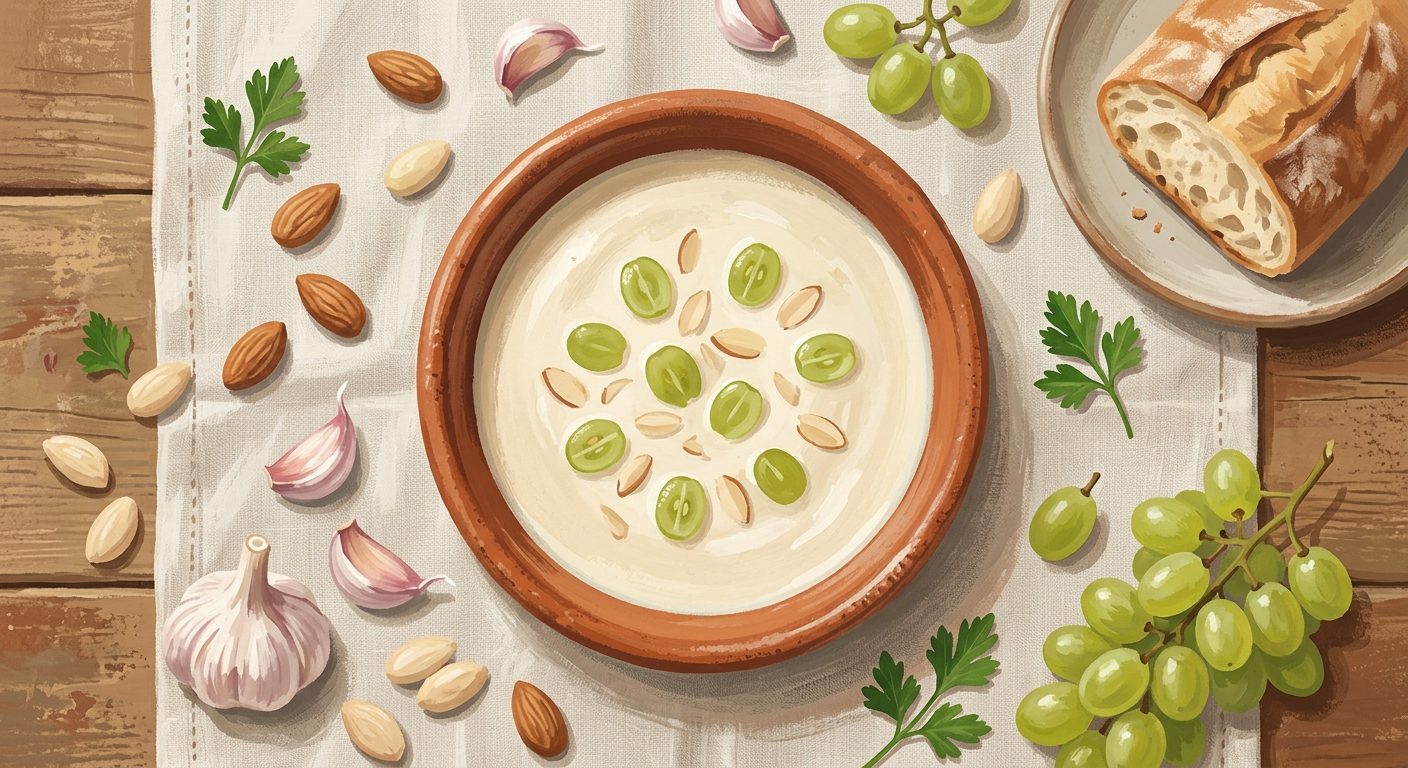
Ajoblanco Malagueño: The Original Cold Almond Soup of Málaga
Often called the white gazpacho, this chilled almond and garlic soup is a refreshing staple of Málaga. It remains one of the most elegant dishes in the Andalucían repertoire.
3 min read
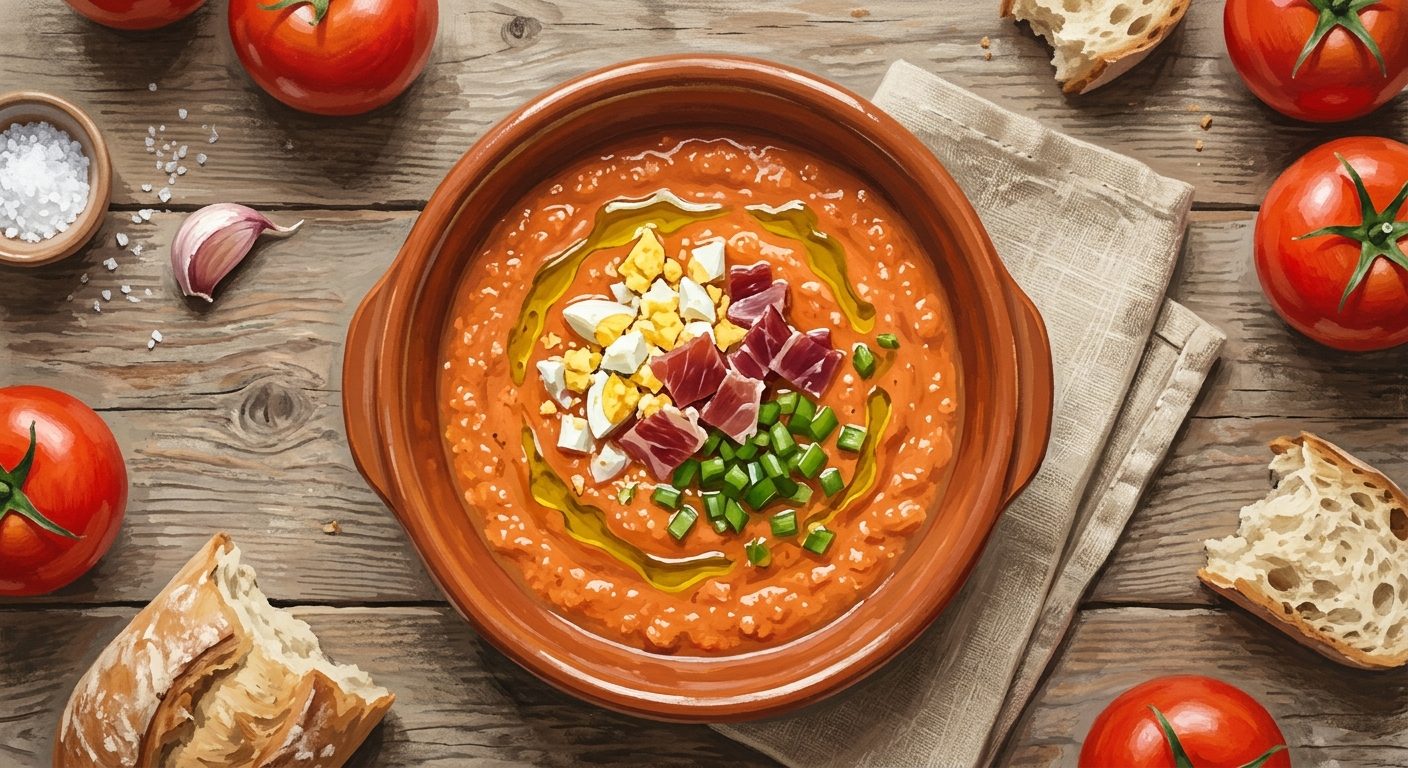
Authentic Porra Antequerana Recipe
A thick, chilled tomato and bread cream from Málaga province, Porra Antequerana is a rustic and satisfying classic of Andalucían summer cooking.
3 min read
Newsletter
More stories from Andalucía
Weekly notes, seasonal picks, and the next guides worth bookmarking.