
Recipe
How to Cook an Authentic Plato Alpujarreño
A hearty mountain feast of fried eggs, cured meats, and slow-cooked potatoes from the Alpujarra region of Granada.
By Dan · Updated 24 June 2026 · 3 min read

A rustic, mountain platter that brings together the finest cured meats and produce of the Sierra Nevada. This is the ultimate comfort food from the high villages of the Alpujarra region.
Plato Alpujarreño is a legendary mountain dish born in the high altitude villages of the Alpujarra, a region spanning the provinces of Granada and Almería. Historically, this high-calorie meal provided essential energy for labourers working in the harsh conditions of the Sierra Nevada mountains. Today, it remains a staple in local ventas, offered to hungry hikers and travellers looking for a true taste of the Andalucían countryside.
The beauty of this dish lies in its simplicity and the quality of its components. While every village has a slight variation, the core elements remain constant: slow-cooked potatoes, fried eggs, and a selection of cured or preserved meats. In Andalucía, it is perfectly acceptable to use high-quality shop-bought lomo de orza (pork loin preserved in lard) to save time, as the focus is on the assembly of these bold, salty flavours.
Serves: 2 · Prep: 15 min · Cook: 35 min
Ingredients
- 400g (14oz) floury potatoes, such as King Edward or Maris Piper, peeled and sliced into 5mm rounds
- 1 medium white onion, thinly sliced
- 1 green pepper, sliced into strips
- 150ml (5fl oz) extra virgin olive oil
- 2 soft cooking chorizos (chorizo fresco)
- 2 links of morcilla (Spanish blood sausage)
- 4 slices of Jamón de Trevélez (which holds PGI status) or a high-quality Jamón Serrano
- 4 large free-range eggs
- 2 thick slices of lomo de orza (marinated pork loin), or alternatively, two pan-fried pork loin steaks
- Sea salt to taste
Method
- Heat the olive oil in a large, wide frying pan over a medium heat.
- Add the sliced potatoes, onions, and green peppers to the pan. Season lightly with salt.
- Lower the heat and cook the vegetables slowly, occasionally turning them, for about 20 to 25 minutes until the potatoes are tender and slightly golden. This style of potato is known locally as patatas a lo pobre.
- While the potatoes are cooking, place the chorizo and morcilla in a separate small frying pan over a medium heat. Prick them with a fork to release some fat and fry for 8 to 10 minutes until cooked through.
- If you are using pork loin steaks instead of pre-prepared lomo de orza, fry them in the same pan as the sausages until browned and cooked.
- Once the potatoes are ready, use a slotted spoon to lift them out of the oil and divide them between two large serving plates.
- Using the remaining oil in the potato pan (increase the heat to medium-high), fry the eggs until the edges are crisp and lacy but the yolks remain runny.
- Assemble the plates by placing the fried eggs on top of the potatoes.
- Arrange the cooked chorizo, morcilla, jamón, and pork loin around the eggs and potatoes.
- Serve immediately while everything is piping hot.
Tips & variations
- For a more authentic touch, include a few fried Padrón peppers on the side for an extra bitter-salty kick.
- Ensure your oil is hot enough before frying the eggs: you want the characteristic crisp brown edge (puntillita) that is prized in Andalucían cooking.
- If you cannot find Spanish morcilla, a firm British black pudding is a reasonable substitute, though the flavour profile will be slightly more peppery and less creamy.
- The dish is traditionally served on a terracotta plate (barro) which helps retain the heat of the mountain air.
What to serve it with
This is a heavy, complete meal that needs very little else. A few slices of crusty white bread are essential for mopping up the egg yolks and oils. To drink, choose a robust red wine from the Contraviesa region of Granada or a cold Alhambra Reserva 1925 beer. The carbonation and bitterness of the beer cut through the richness of the pork fats perfectly.
Last reviewed: 21 June 2026 · Editorial policy
Related guides
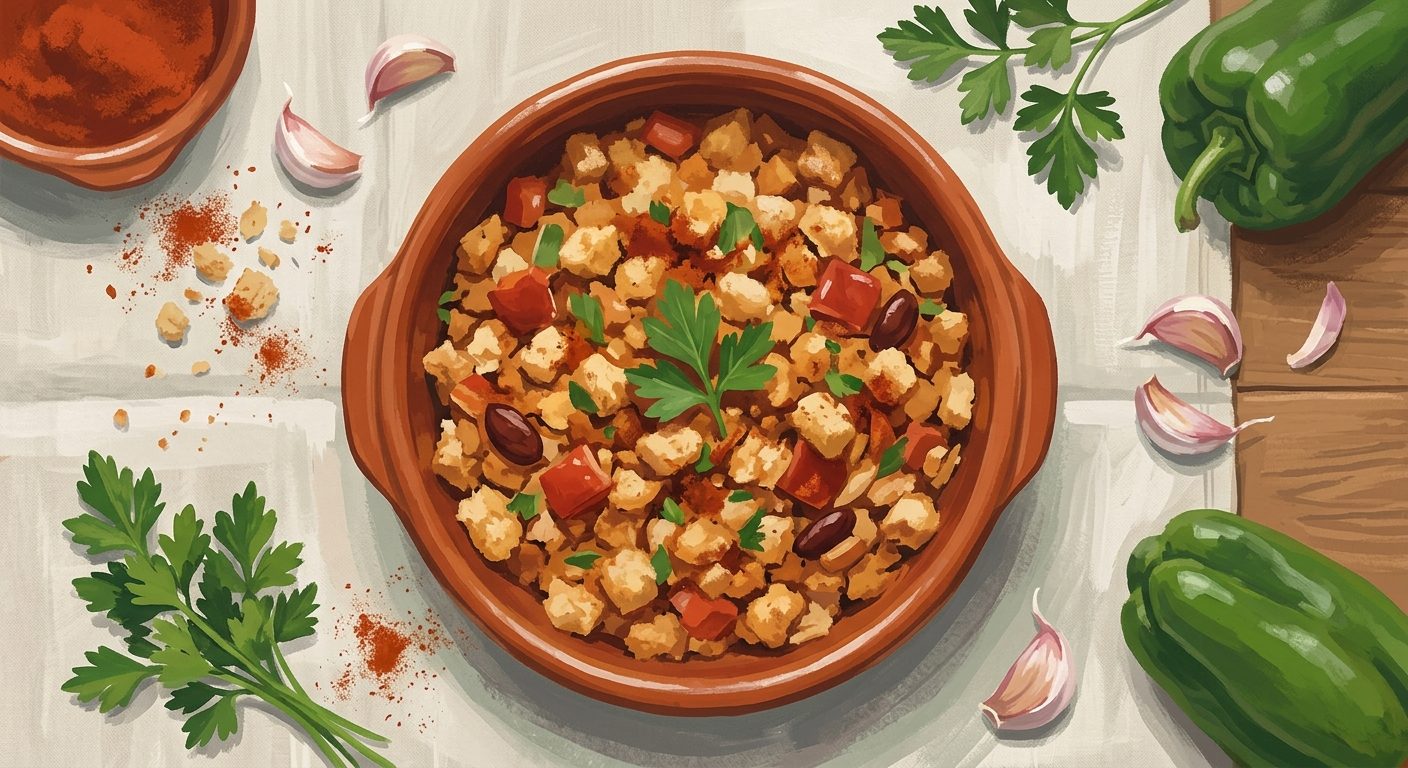
Authentic Andalucían Migas: The Ultimate Comfort Food
A humble dish of toasted breadcrumbs and seasonal garnishes, migas is the ultimate comfort food for a rainy day in the mountains. This traditional shepherd's meal transforms simple ingredients into a complex balance of salt, smoke, and sweet fruit.
4 min read

Hot Springs of Andalucía
Discover the ancient thermal traditions of Andalucía, where mineral-rich waters from the Sierra Nevada and beyond offer a timeless connection to the region's Roman and Moorish past.
6 min read

Skiing in Sierra Nevada: A Guide to the Sunniest Slopes in Europe
Experience the unique thrill of skiing in southern Spain, where you can carve through snow in the morning and relax by the Mediterranean in the afternoon. Discover everything from the 110km of pistes in Sierra Nevada to the best spots for tapas in Pradollano.
5 min read

Sierra Nevada Skiing Guide: Southern Spain's High-Altitude Pistes
Skiing in the <a href="/granada/sierra-nevada" class="internal-link">Sierra Nevada</a> offers an experience unparalleled in Europe: carving down sun-drenched pistes at 3,000 metres before driving down to the coast for an afternoon on the beach. Here are the best strategies for navigating the peaks of <a href="/granada/sierra-nevada/pradollano" class="internal-link">Pradollano</a>, avoiding the weekend bottlenecks, and finding the quietest red runs above <a href="/granada" class="internal-link">Granada</a>.
9 min read
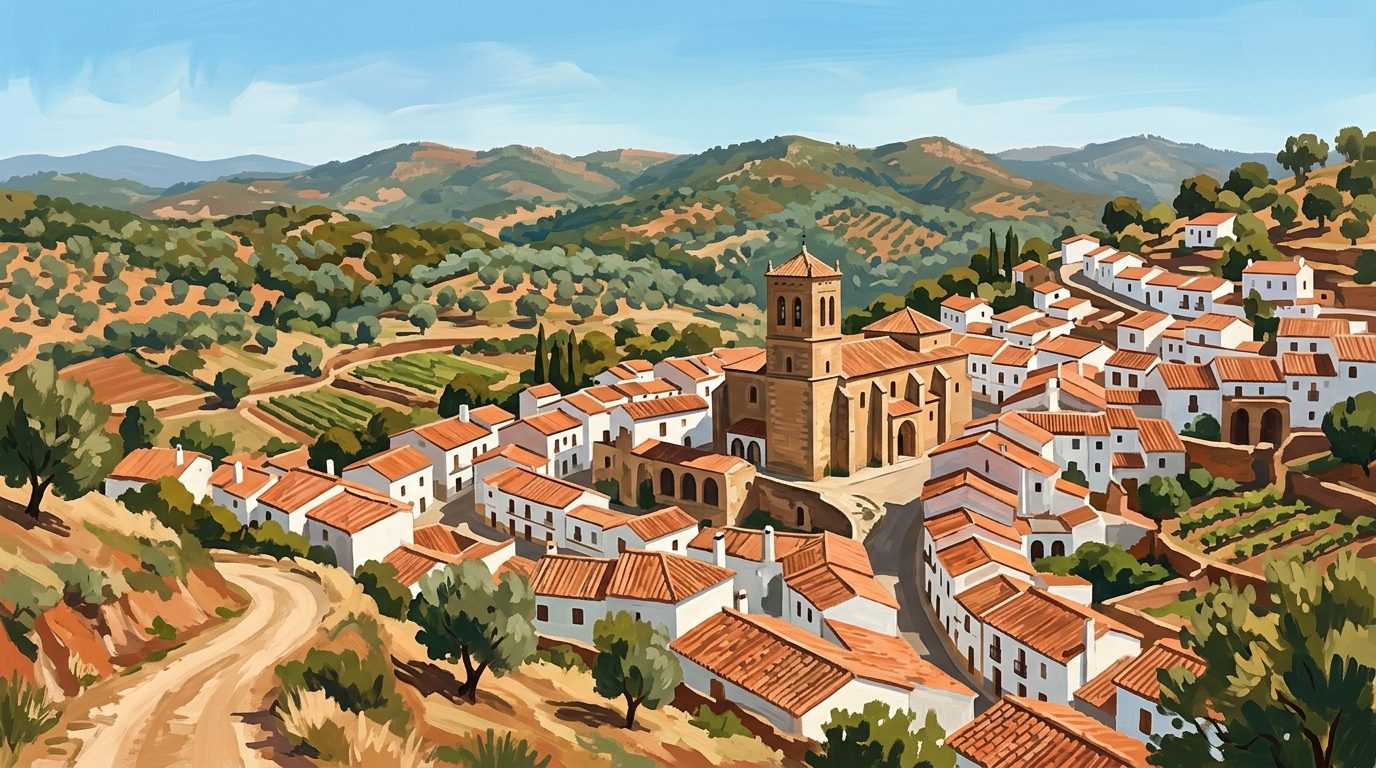
Jabugo: A Guide to the World Capital of Jamón Ibérico
Discover Jabugo, the legendary village in Huelva's Sierra de Aracena where the world's finest Ibérico ham is produced through centuries-old artisanal traditions.
6 min read

Exploring Aracena: From Subterranean Wonders to Gourmet Traditions
Aracena stands as the administrative and cultural heart of Huelva’s northern mountain range, famous for its underground water-formed caves and world-class cured ham. Above ground, the town is a network of whitewashed streets that climb towards a medieval fortress.
6 min read
More guides
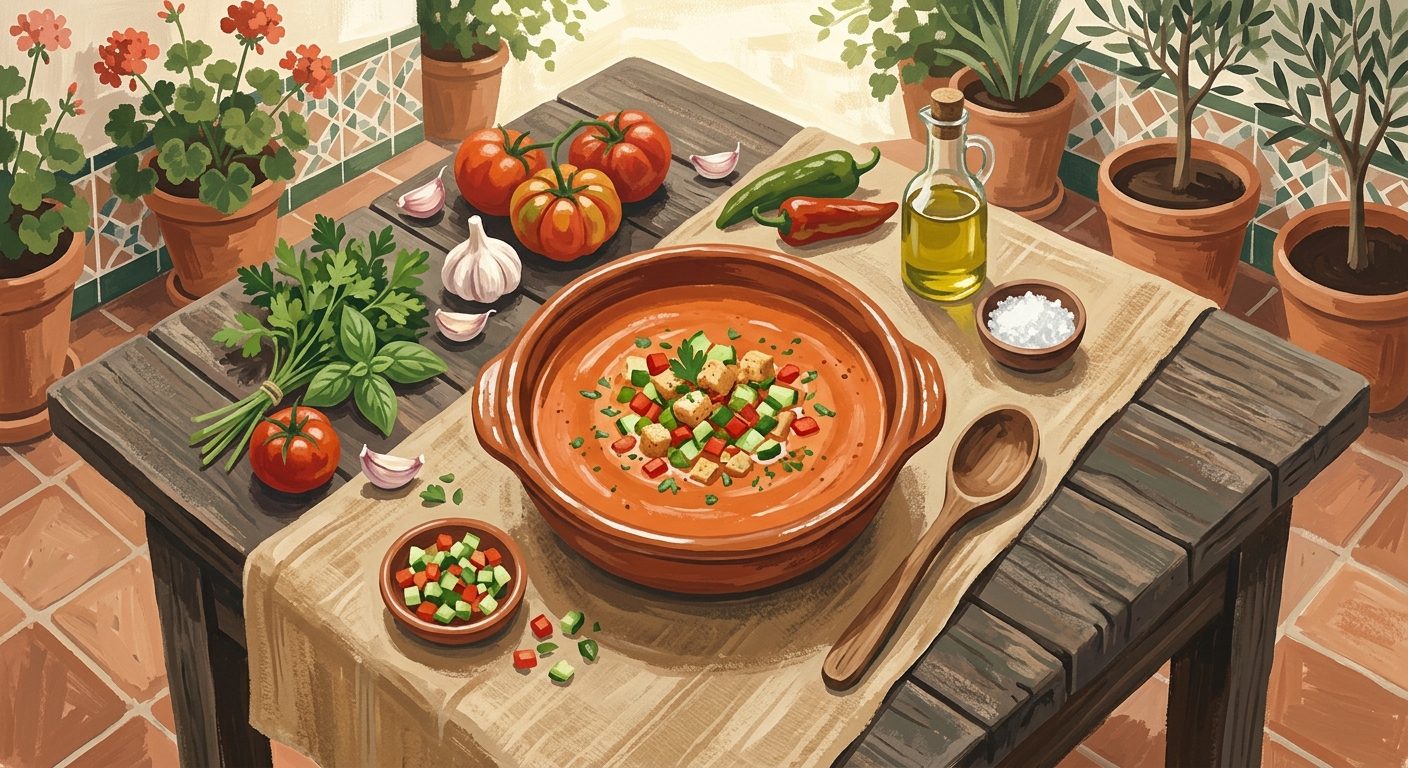
Authentic Gazpacho Andaluz Recipe
A refreshing liquid salad that defines summer in Southern Spain. This traditional chilled soup relies on quality olive oil and ripe tomatoes for its signature flavour.
3 min read
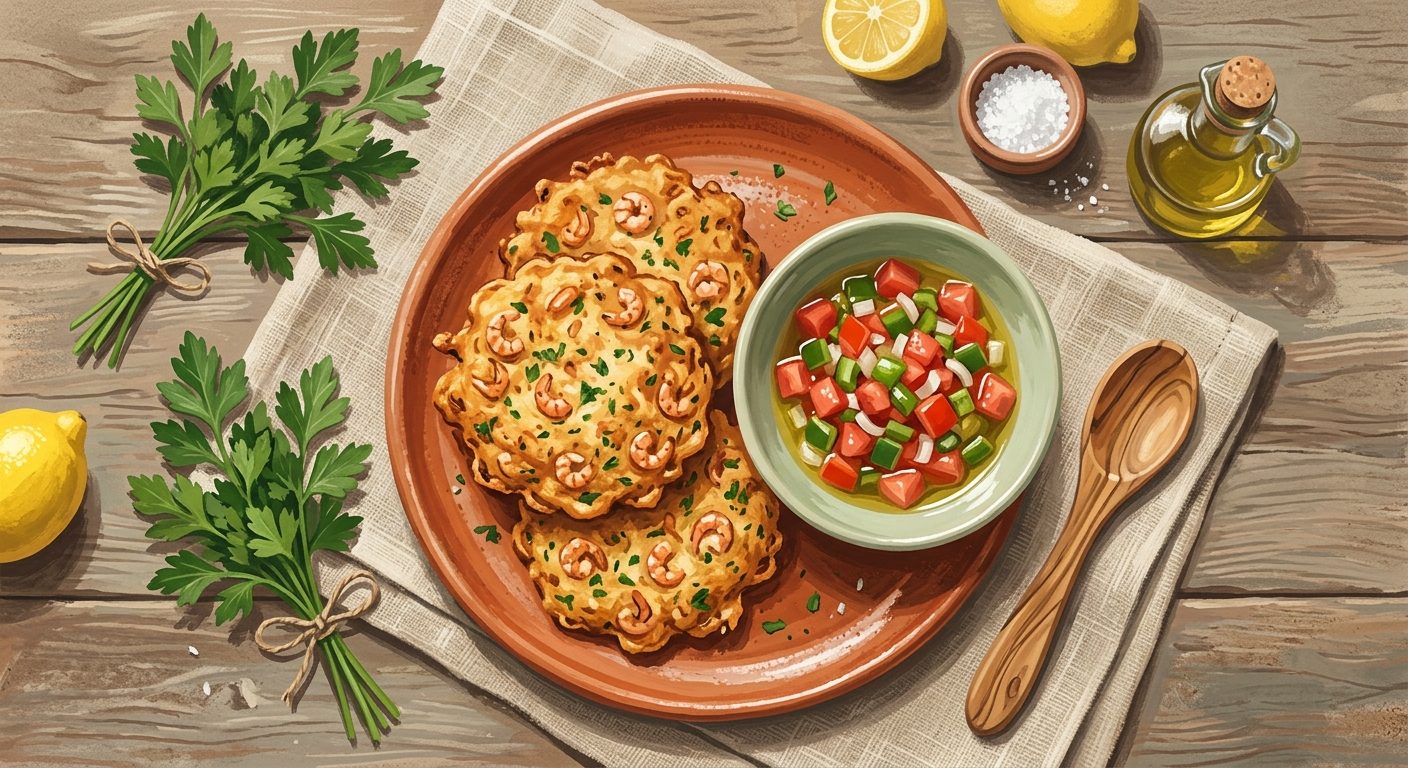
Authentic Tortillitas de Camarones Recipe
These lacy, golden shrimp fritters are the signature snack of the Bay of Cádiz, offering a crunch that defines the coast of Andalucía.
4 min read
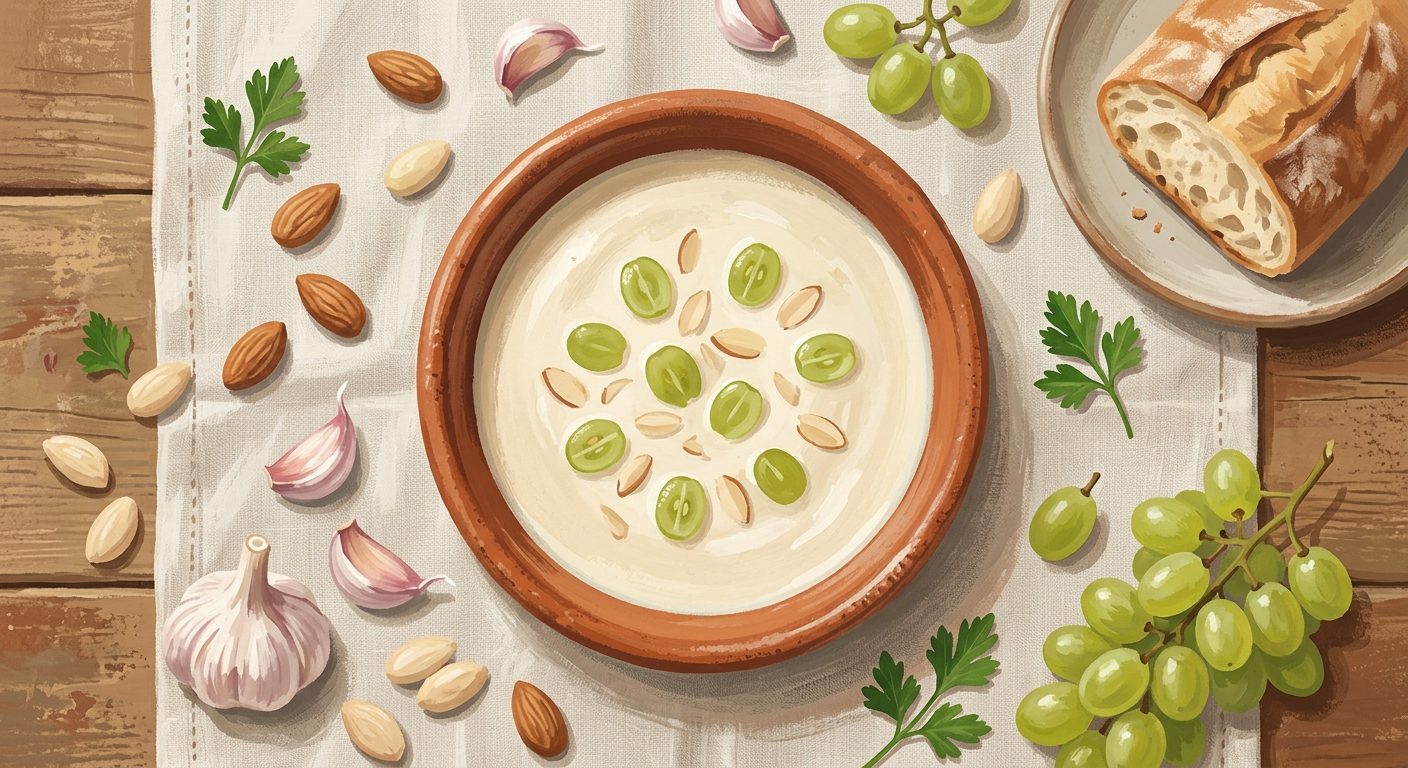
Ajoblanco Malagueño: The Original Cold Almond Soup of Málaga
Often called the white gazpacho, this chilled almond and garlic soup is a refreshing staple of Málaga. It remains one of the most elegant dishes in the Andalucían repertoire.
3 min read
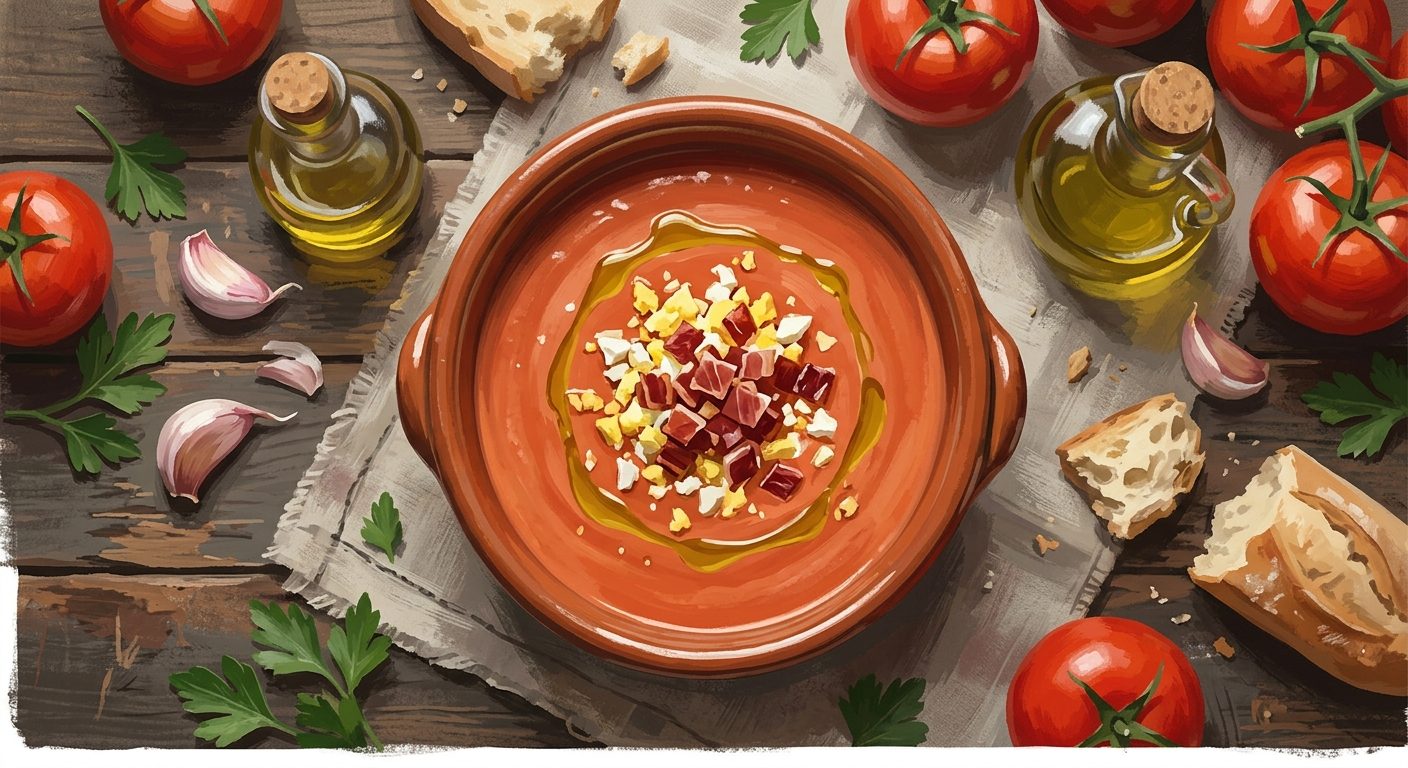
Traditional Salmorejo Cordobés Recipe
A thick, velvety cold tomato soup from Córdoba that relies on high-quality olive oil and sun-ripened tomatoes. This staple of Andalucía provides a cooling, nutritious meal.
3 min read
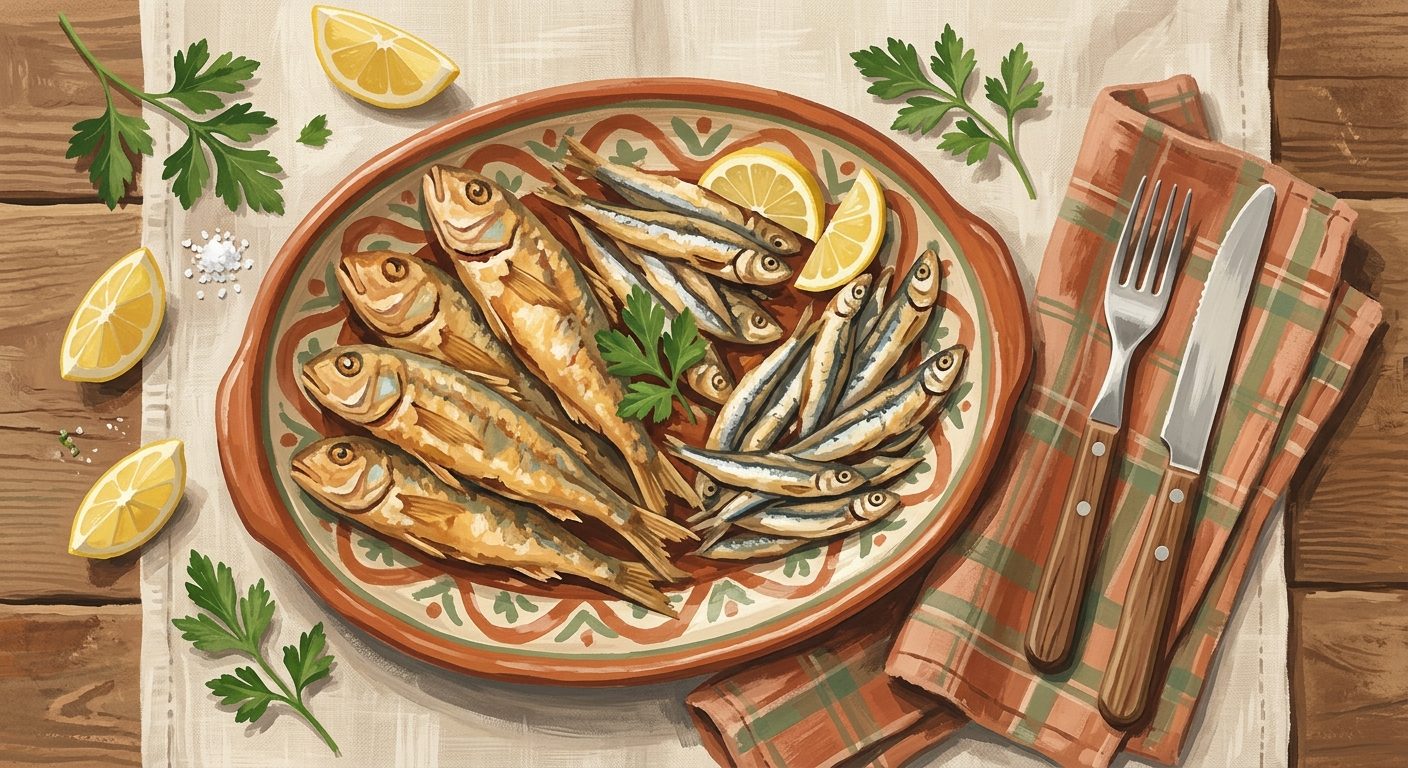
Authentic Pescaíto Frito: The Secret to Perfect Andalucían Fried Fish
A staple of the Andalucían coastline, Pescaíto Frito relies on extremely fresh fish and a light, crisp coating. This technique ensures the seafood remains tender while the exterior provides a satisfying crunch.
3 min read
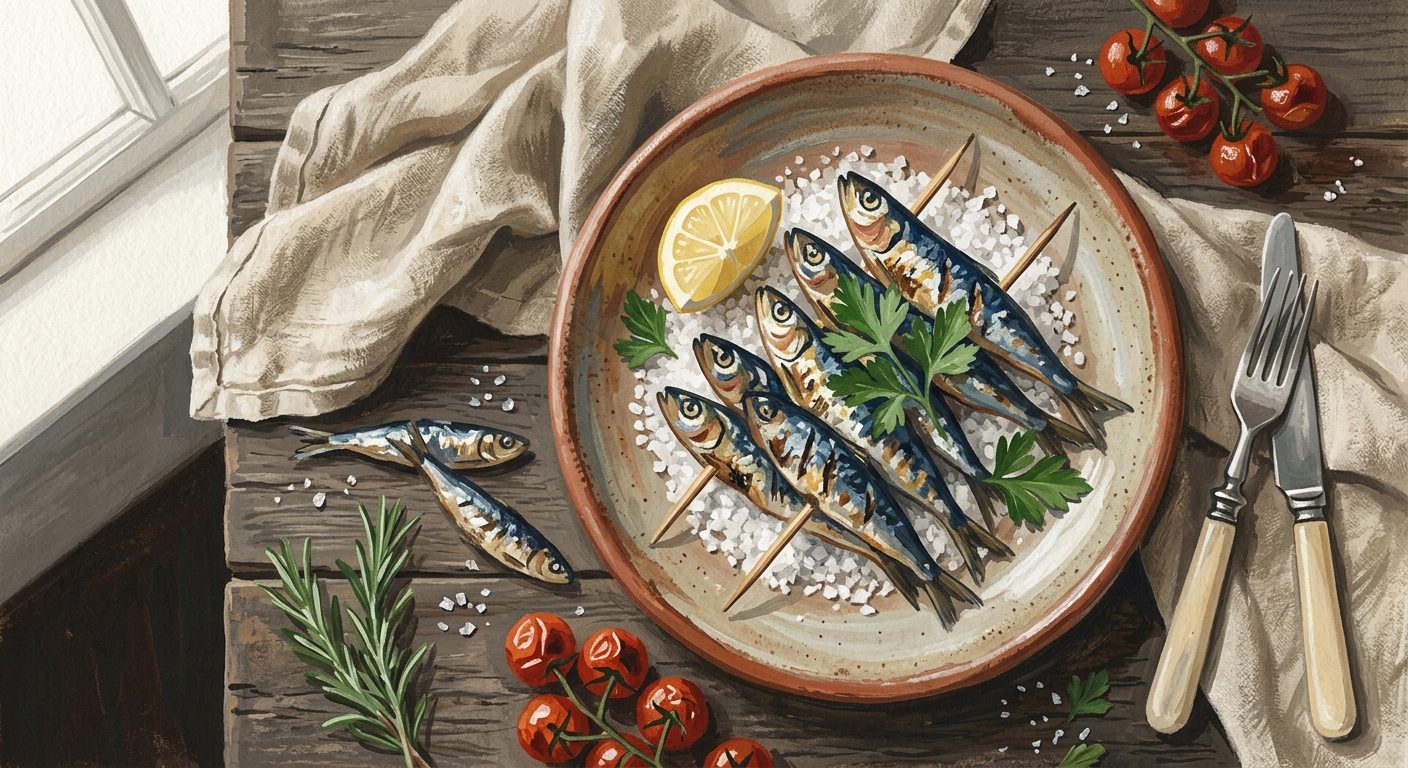
Traditional Espetos de Sardinas: The Taste of Málaga
Discover how to prepare authentic Espetos de Sardinas, the iconic grilled skewers from the beaches of Málaga, using traditional Andalucían techniques.
4 min read
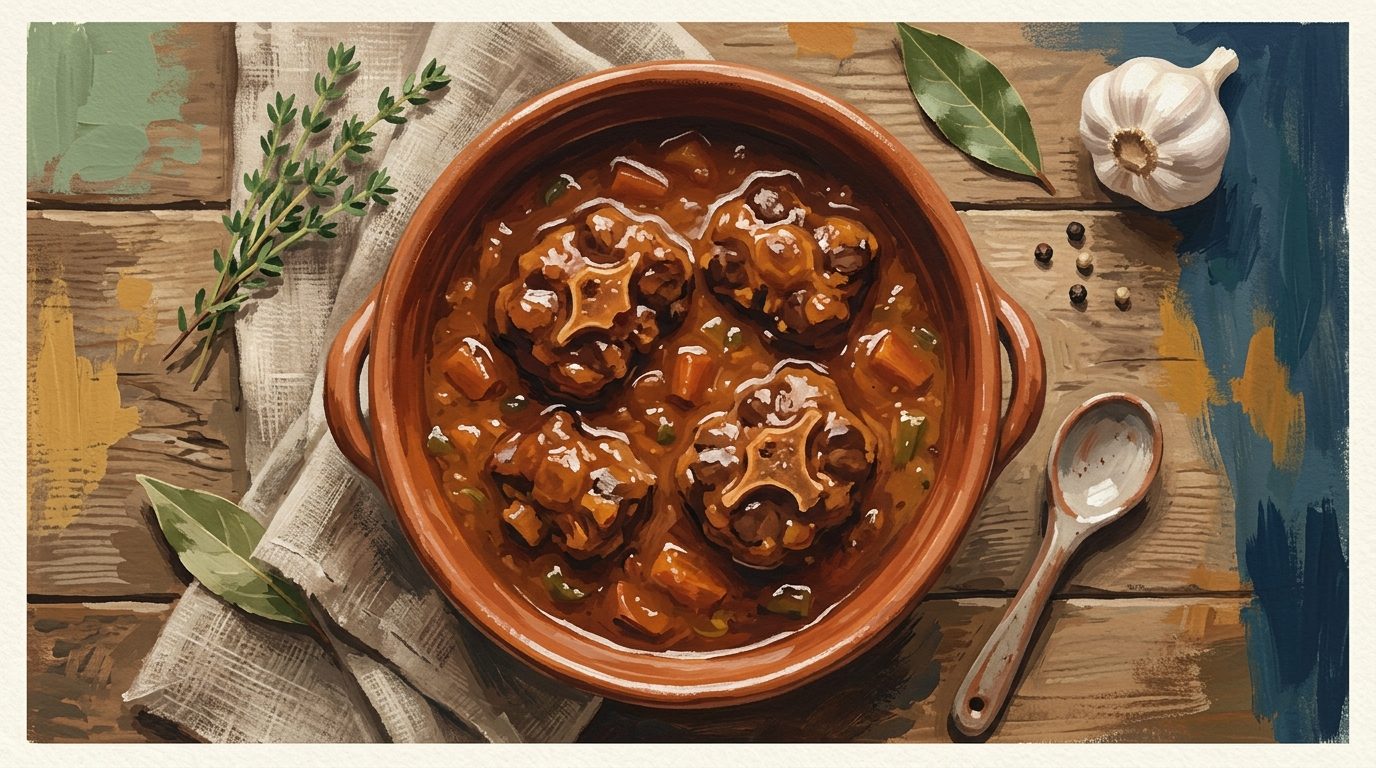
Slow-Cooked Rabo de Toro: An Andalucían Oxtail Stew
This traditional Andalucían oxtail stew is a masterclass in slow cooking, resulting in meat that falls away from the bone in a rich, silken sauce.
3 min read
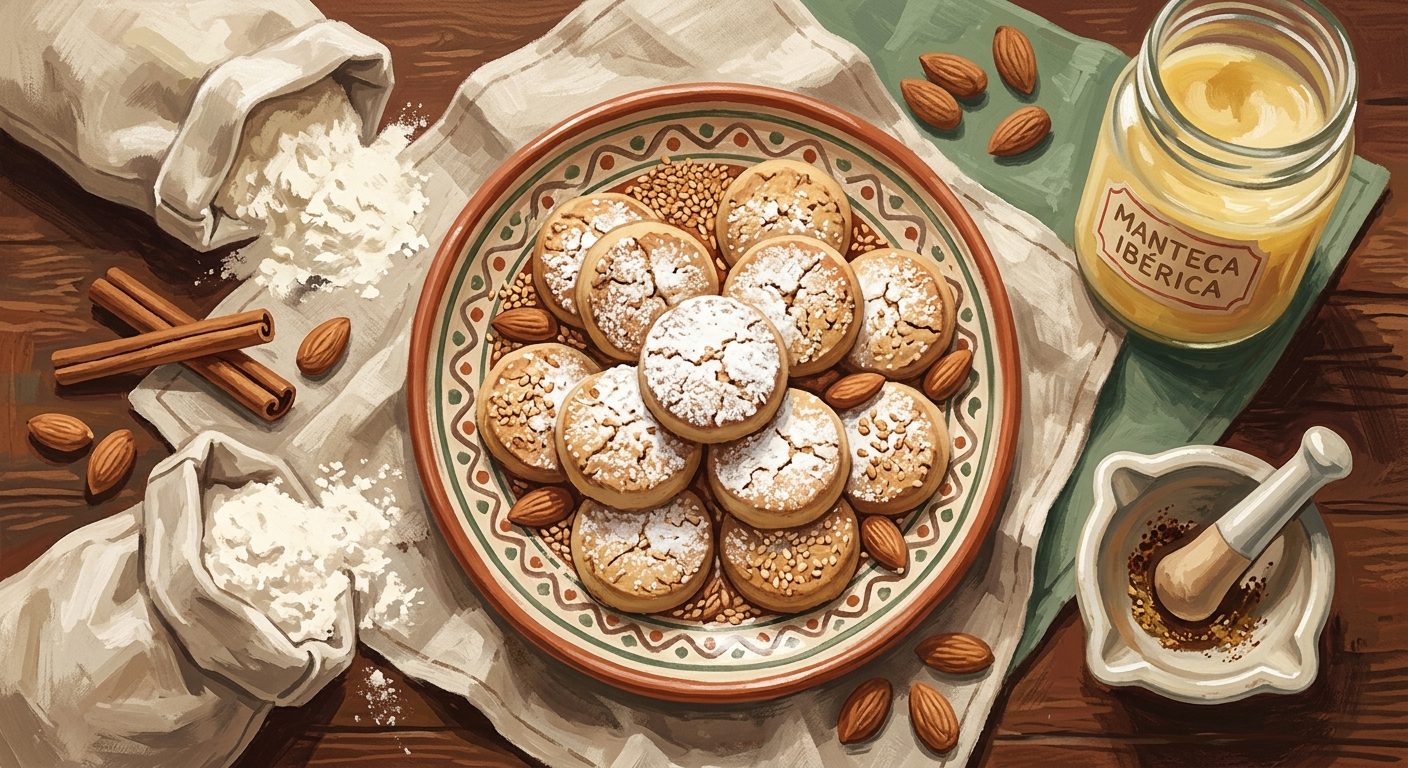
Traditional Mantecados: The Iconic Andalucían Christmas Biscuit
These crumbly, toasted-flour biscuits are a festive staple in Andalucía. Learn how to achieve the perfect sandy texture using traditional methods from Estepa and Antequera.
4 min read

Torrijas: The Essential Holy Week Treat of Andalucía
A humble sweet treat transformed into a decadent delight, torrijas are the cornerstone of Easter celebrations across the region. These honey-soaked bread slices offer a comforting taste of Andalucían tradition in every bite.
3 min read
Newsletter
More stories from Andalucía
Weekly notes, seasonal picks, and the next guides worth bookmarking.