
Recipe
Torrijas: The Essential Holy Week Treat of Andalucía
A humble sweet treat transformed into a decadent delight, torrijas are the cornerstone of Easter celebrations across the region. These honey-soaked bread slices offer a comforting taste of Andalucían tradition in every bite.
By Dan · Updated 24 June 2026 · 3 min read
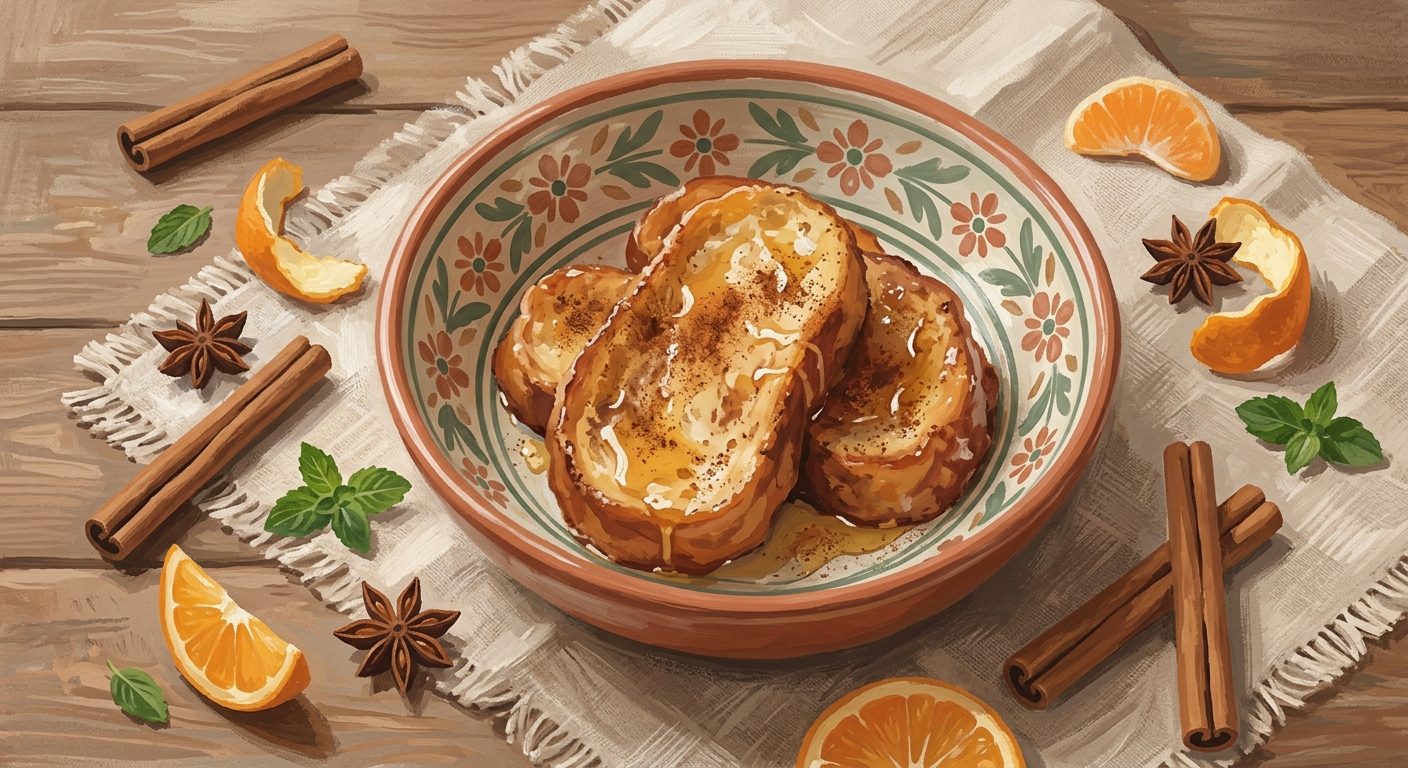
A humble sweet treat transformed into a decadent delight, torrijas are the cornerstone of Easter celebrations across the region. These honey-soaked bread slices offer a comforting taste of Andalucían tradition in every bite.
While often compared to French toast or bread pudding, the Andalucían torrija is a distinct creation defined by its texture and the aromatic syrups used for soaking. Traditionally associated with Semana Santa (Holy Week), these sweets were originally a way to use up stale bread and provide a calorie-dense boost during periods of fasting or religious penance. Today, they are enjoyed in homes and bakeries from Sevilla to Almería throughout the spring, though some specialist pastelerías in cities like Sevilla serve them year-round.
The secret to a perfect torrija lies in the soaking process. The bread must be saturated enough to become custard-like in the centre, yet firm enough to withstand frying. In Andalucía, you will find two primary versions: those soaked in honey syrup (miel) and those coated in cinnamon and sugar. Both versions start with a bread base infused with citrus and cinnamon-scented milk, though some regional variations use a sweet local wine instead of milk.
Serves: 6 to 8 people · Prep: 20 min · Cook: 30 min
Ingredients
- 1 loaf of stale white bread, preferably a dense, close-textured loaf (approx 400g or 14oz)
- 750ml whole milk (approx. 1.3 pints)
- 100g caster sugar (3.5oz)
- 1 cinnamon stick
- 1 large strip of lemon peel (yellow part only)
- 3 large eggs
- Mild olive oil or sunflower oil for frying
- 200g honey (7oz)
- 50ml water (2 fl oz)
Method
- Place the milk, caster sugar, cinnamon stick, and lemon peel in a medium saucepan over a medium heat.
- Bring the milk just to the boil, then remove from the heat and allow it to infuse and cool to room temperature.
- Slice the bread into thick rounds or rectangles, approximately 2cm (0.8 inches) thick.
- Arrange the bread slices in a single layer in a wide, shallow dish and pour the strained, cooled milk over them.
- Leave the bread to soak for at least 15 minutes, carefully turning the slices once to ensure they are fully saturated but not falling apart.
- Beat the eggs in a separate shallow bowl until well combined.
- Heat about 2cm (0.8 inches) of oil in a large frying pan over a medium-high heat.
- Gently lift each slice of soaked bread, dip it into the beaten egg to coat both sides, and carefully place it in the hot oil.
- Fry the slices in batches for 2 to 3 minutes per side until they are golden brown and slightly crisp.
- Drain the fried torrijas on kitchen paper to remove excess oil.
- In a small clean pan, heat the honey and water together until the mixture becomes a thin, warm syrup.
- Dip each fried slice into the warm honey syrup for a few seconds, then arrange on a serving platter to cool.
Tips & variations
- For a modern shortcut, many supermarkets in Andalucía sell pre-sliced "pan para torrijas" which is extra sturdy. In the UK, a slightly stale brioche or a dense sourdough works exceptionally well.
- If you prefer the sugar-coated version, skip the honey step and roll the warm, fried bread in a mixture of caster sugar and ground cinnamon.
- To make "Torrijas de Vino", replace the milk with a mixture of sweet Moscatel wine and water, following the same infusion method with sugar and spices.
- Always ensure the milk has cooled before soaking the bread, as hot milk can cause the bread to disintegrate too quickly.
What to serve it with
Torrijas are traditionally served at room temperature or slightly chilled. They are perfect on their own as an afternoon snack (merienda) with a strong coffee. For a truly Andalucían experience, serve them alongside a glass of chilled Pedro Ximénez sherry, as the dark, raisiny notes of the wine complement the honey and cinnamon perfectly.
Last reviewed: 21 June 2026 · Editorial policy
Related guides
Traditional Andalucían Pestiños Recipe
Crispy, honey-glazed, and scented with aniseed, pestiños are the essential taste of Easter in Andalucía. These golden fritters reflect centuries of tradition, combining simple pantry staples into a sophisticated, sticky treat.
4 min read
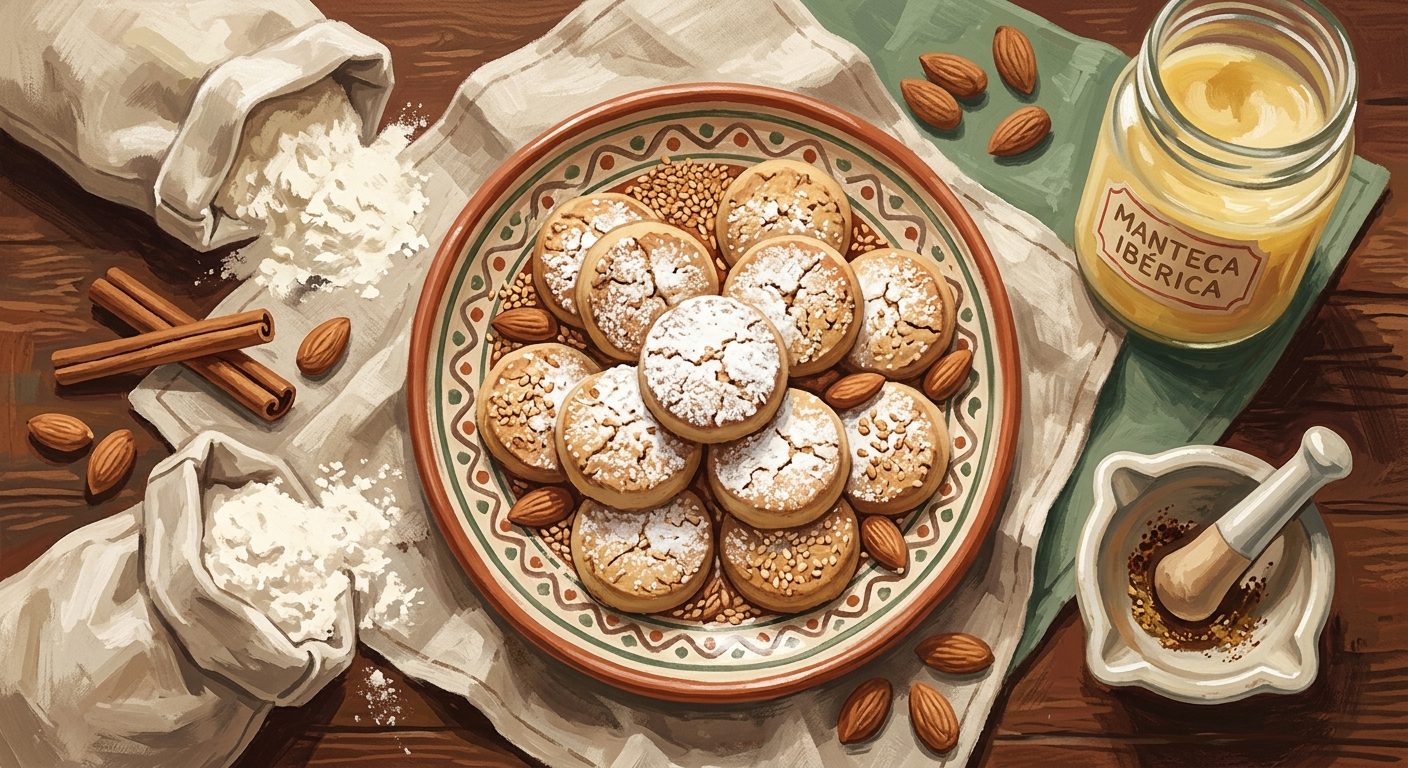
Traditional Mantecados: The Iconic Andalucían Christmas Biscuit
These crumbly, toasted-flour biscuits are a festive staple in Andalucía. Learn how to achieve the perfect sandy texture using traditional methods from Estepa and Antequera.
4 min read

Semana Santa Guide: Decoding Andalucía's Most Intense Week
Holy Week in Andalucía is a profound sensory experience of heavy incense, brass bands, and thousands of shuffling feet. This guide decodes the intricate schedules, unwritten rules, and distinct regional styles of Spain’s most intense cultural phenomenon.
9 min read
A Calendar of Flavour: The Best Food Festivals in Andalucía
From the smoky beach fires of Málaga to the prestigious ham auctions in Huelva, Andalucía’s food festivals offer a seat at the table of the region’s most authentic traditions.
7 min read

Feria de Abril Complete Guide: Surviving and Thriving in Sevilla's Greatest Week
Sevilla’s Feria de Abril is notoriously impenetrable for outsiders, a closed-doors celebration of Andalucían high society and endless rebujito. These insights strip away the confusion, detailing exactly how to navigate the public casetas, master the unforgiving dress code, and survive a week on the sand of Los Remedios.
10 min read

The Wit of the Atlantic: A Guide to the Cádiz Carnival and Local Traditions
Every February, the narrow alleys of Cádiz transform into an open-air theatre where biting satire and local wit take centre stage. This is a celebration that prioritises the power of the word, making it the most intellectual and hilarious festival in Spain.
6 min read
More guides
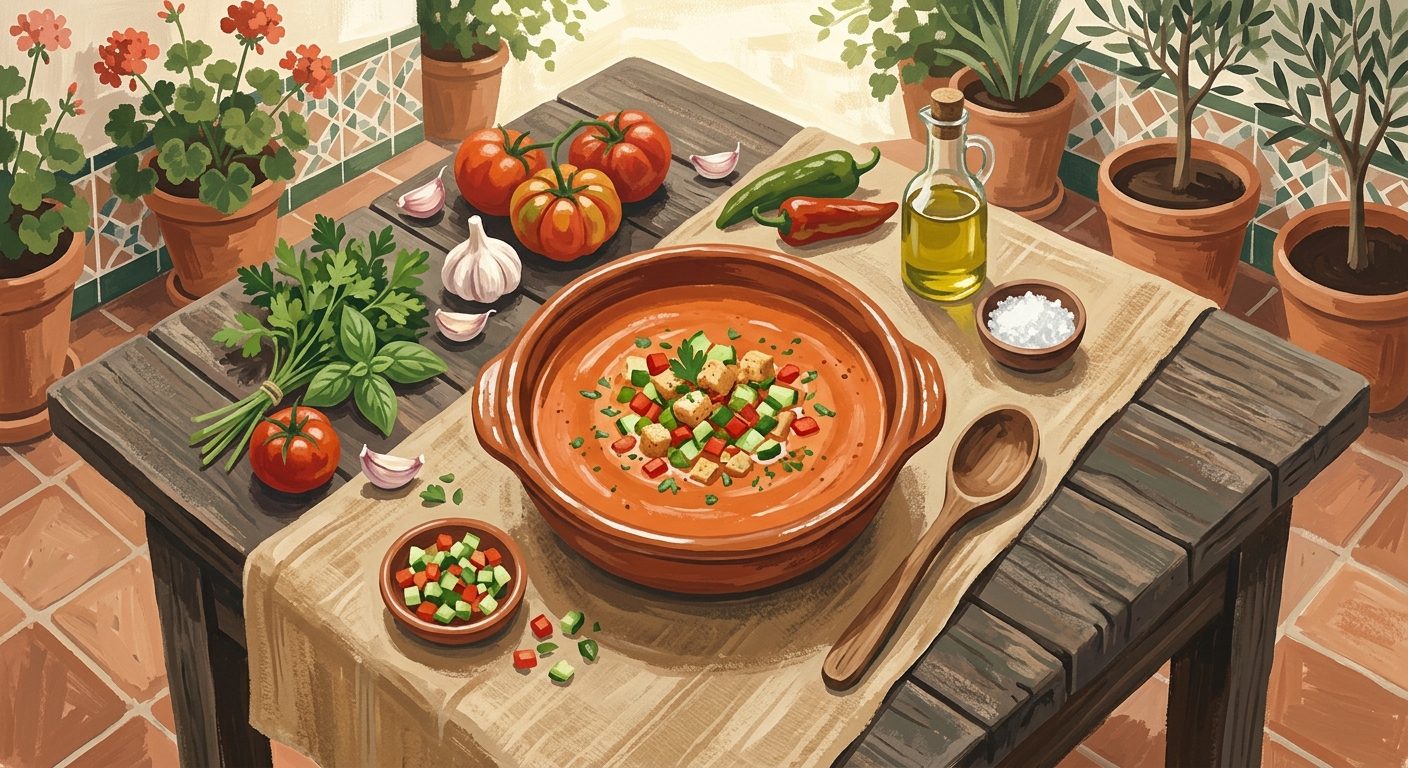
Authentic Gazpacho Andaluz Recipe
A refreshing liquid salad that defines summer in Southern Spain. This traditional chilled soup relies on quality olive oil and ripe tomatoes for its signature flavour.
3 min read
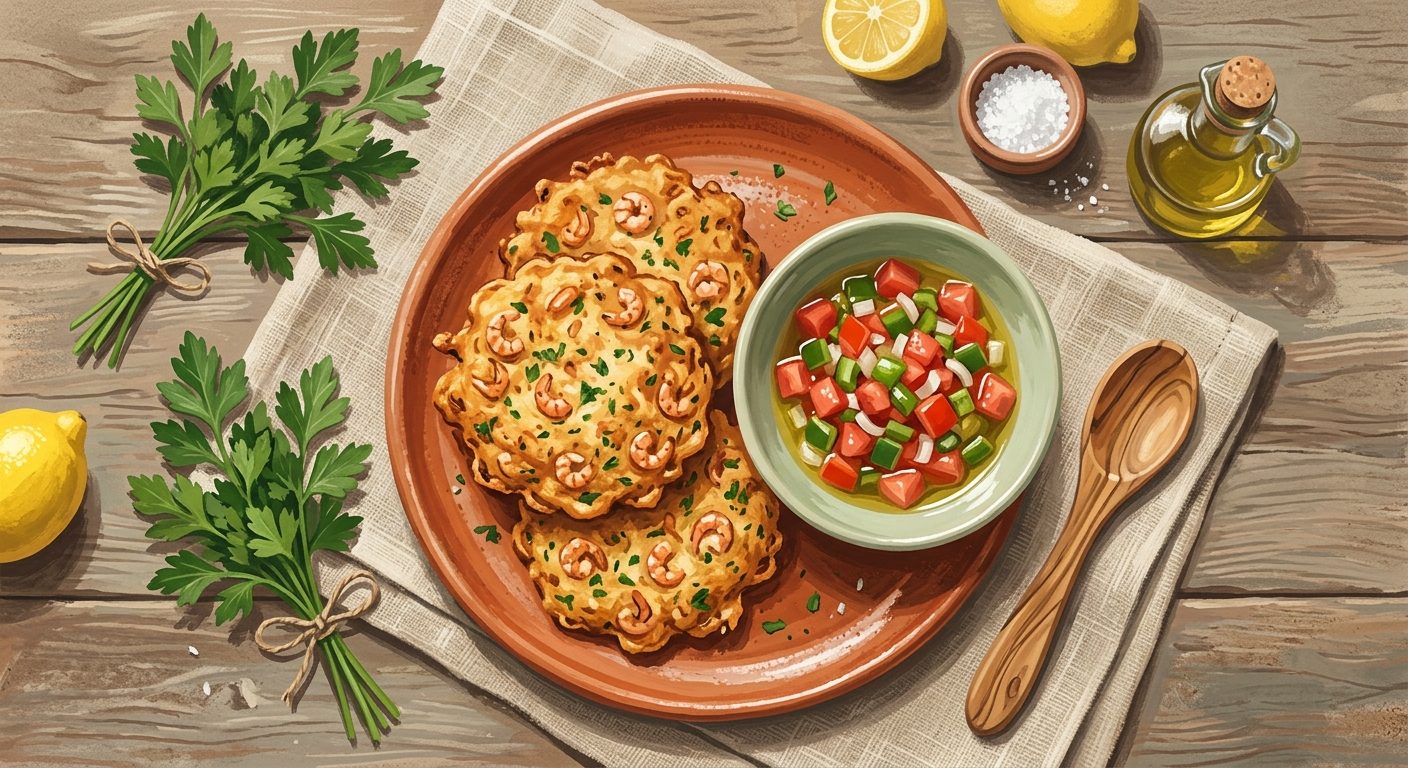
Authentic Tortillitas de Camarones Recipe
These lacy, golden shrimp fritters are the signature snack of the Bay of Cádiz, offering a crunch that defines the coast of Andalucía.
4 min read
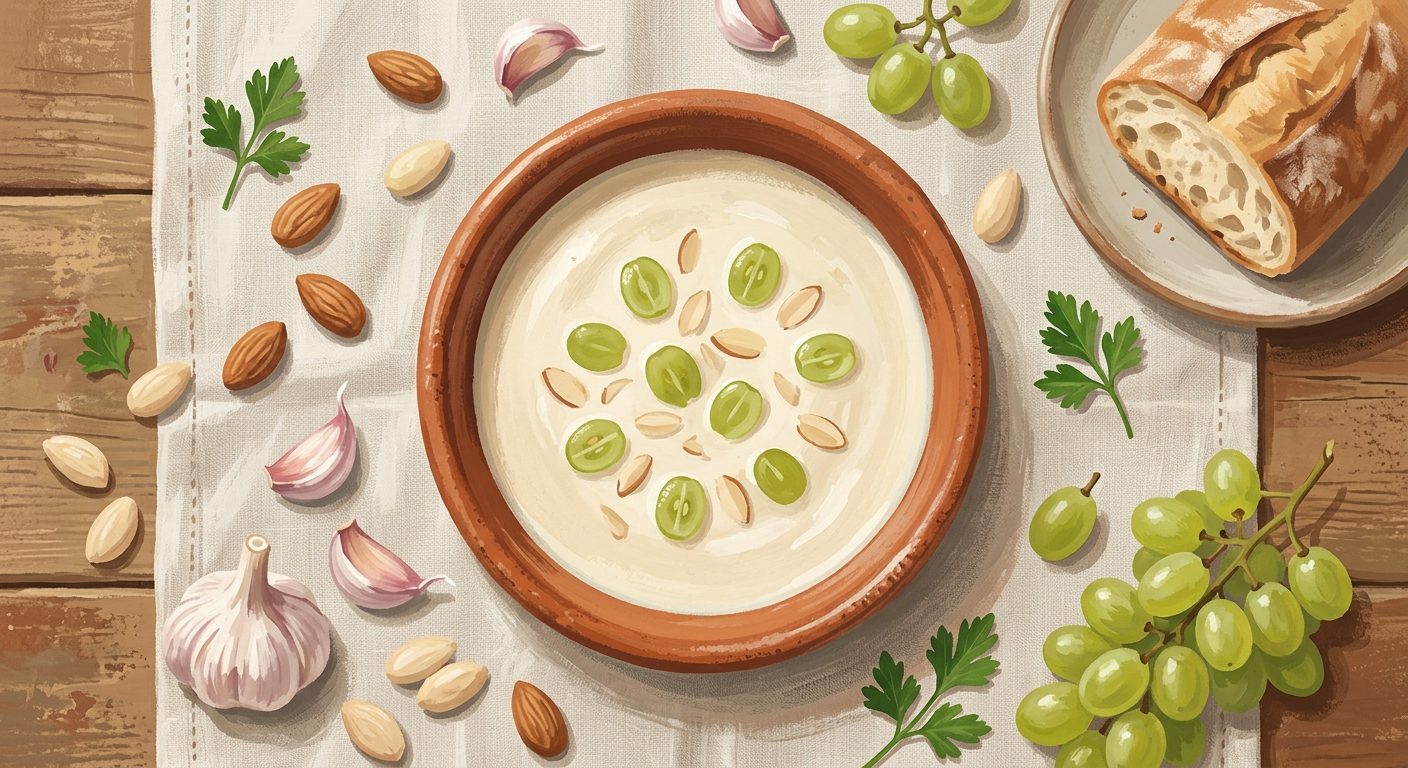
Ajoblanco Malagueño: The Original Cold Almond Soup of Málaga
Often called the white gazpacho, this chilled almond and garlic soup is a refreshing staple of Málaga. It remains one of the most elegant dishes in the Andalucían repertoire.
3 min read
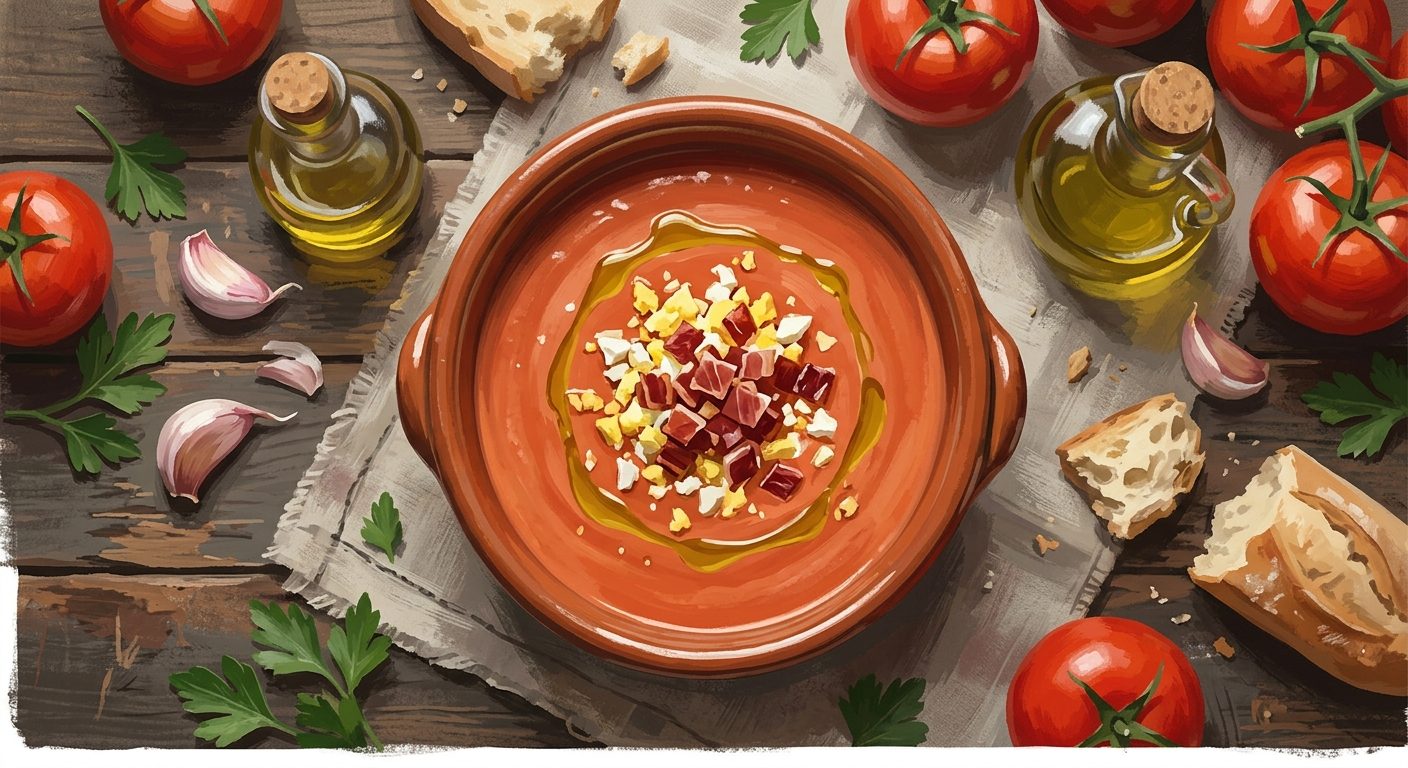
Traditional Salmorejo Cordobés Recipe
A thick, velvety cold tomato soup from Córdoba that relies on high-quality olive oil and sun-ripened tomatoes. This staple of Andalucía provides a cooling, nutritious meal.
3 min read
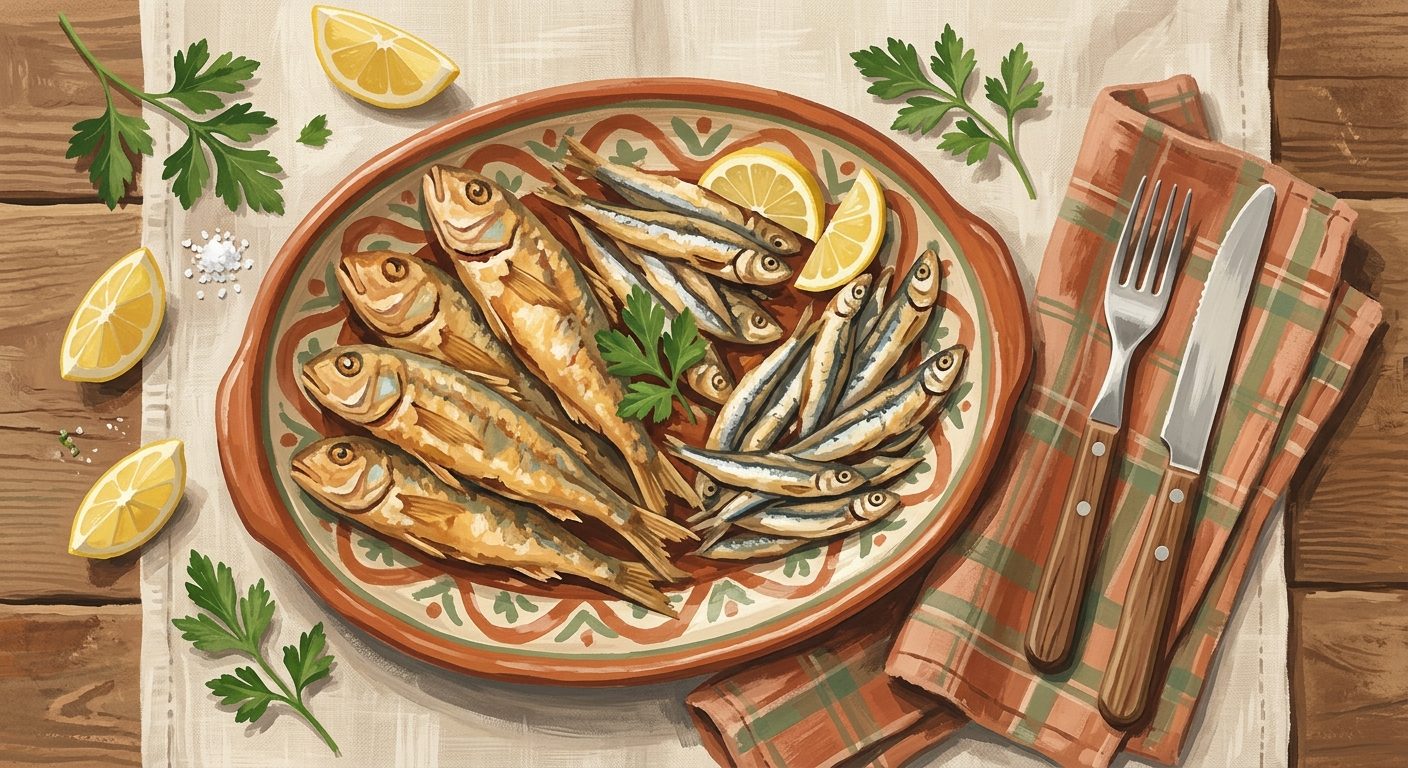
Authentic Pescaíto Frito: The Secret to Perfect Andalucían Fried Fish
A staple of the Andalucían coastline, Pescaíto Frito relies on extremely fresh fish and a light, crisp coating. This technique ensures the seafood remains tender while the exterior provides a satisfying crunch.
3 min read
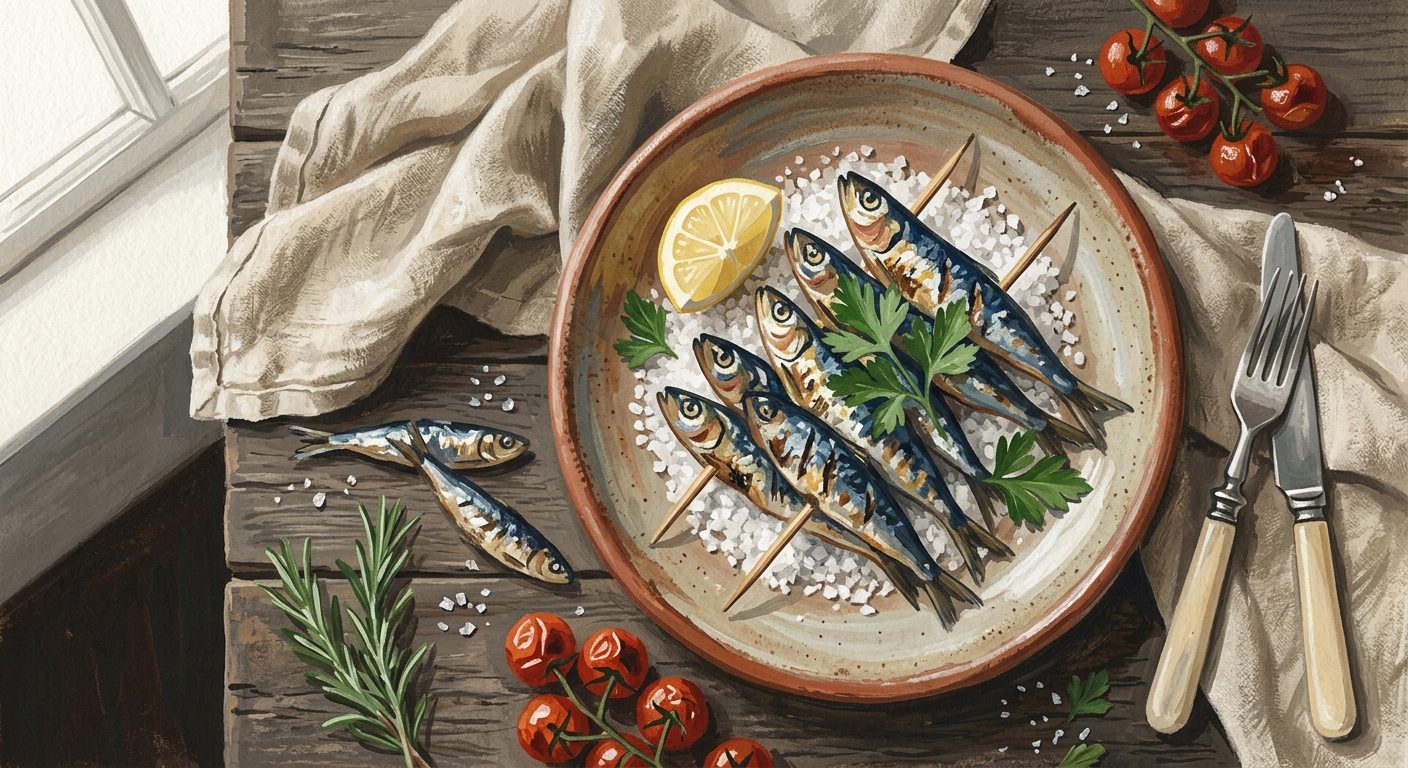
Traditional Espetos de Sardinas: The Taste of Málaga
Discover how to prepare authentic Espetos de Sardinas, the iconic grilled skewers from the beaches of Málaga, using traditional Andalucían techniques.
4 min read
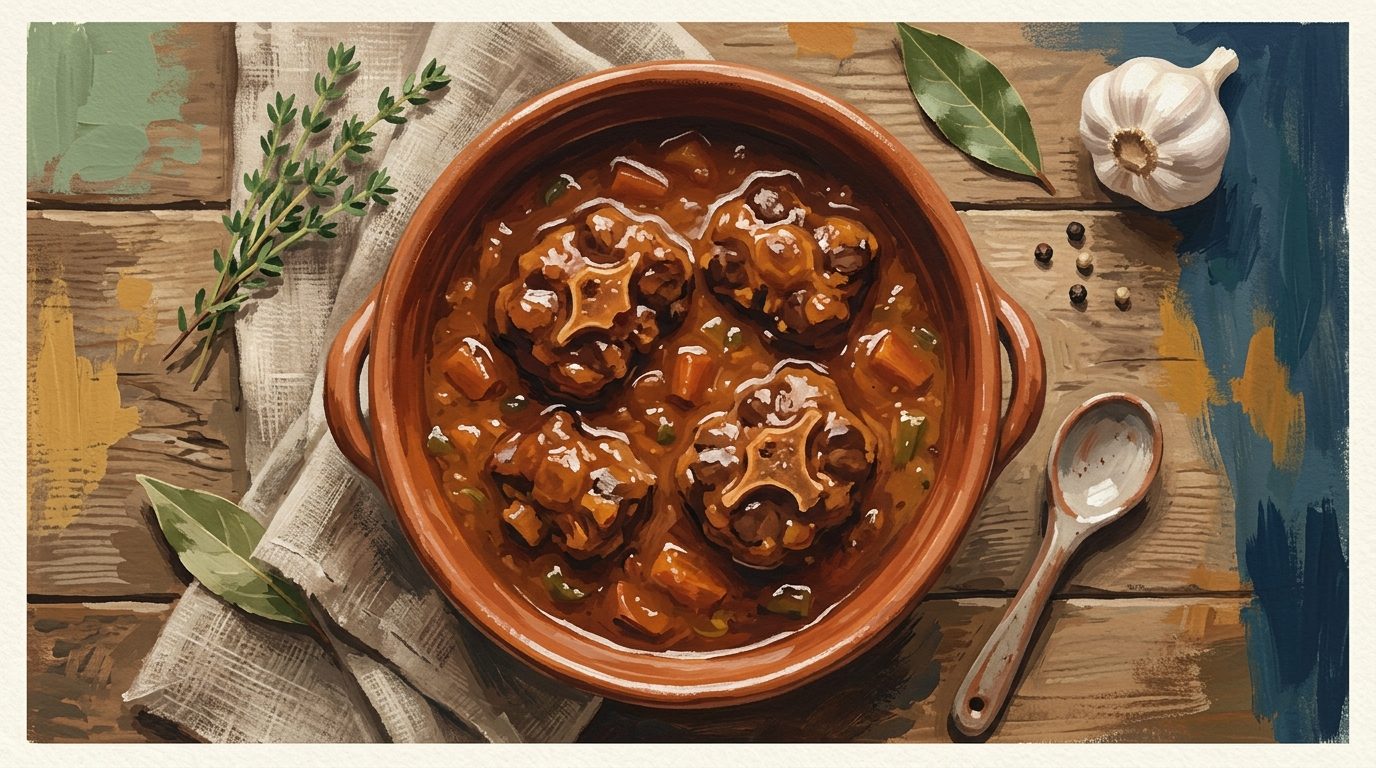
Slow-Cooked Rabo de Toro: An Andalucían Oxtail Stew
This traditional Andalucían oxtail stew is a masterclass in slow cooking, resulting in meat that falls away from the bone in a rich, silken sauce.
3 min read
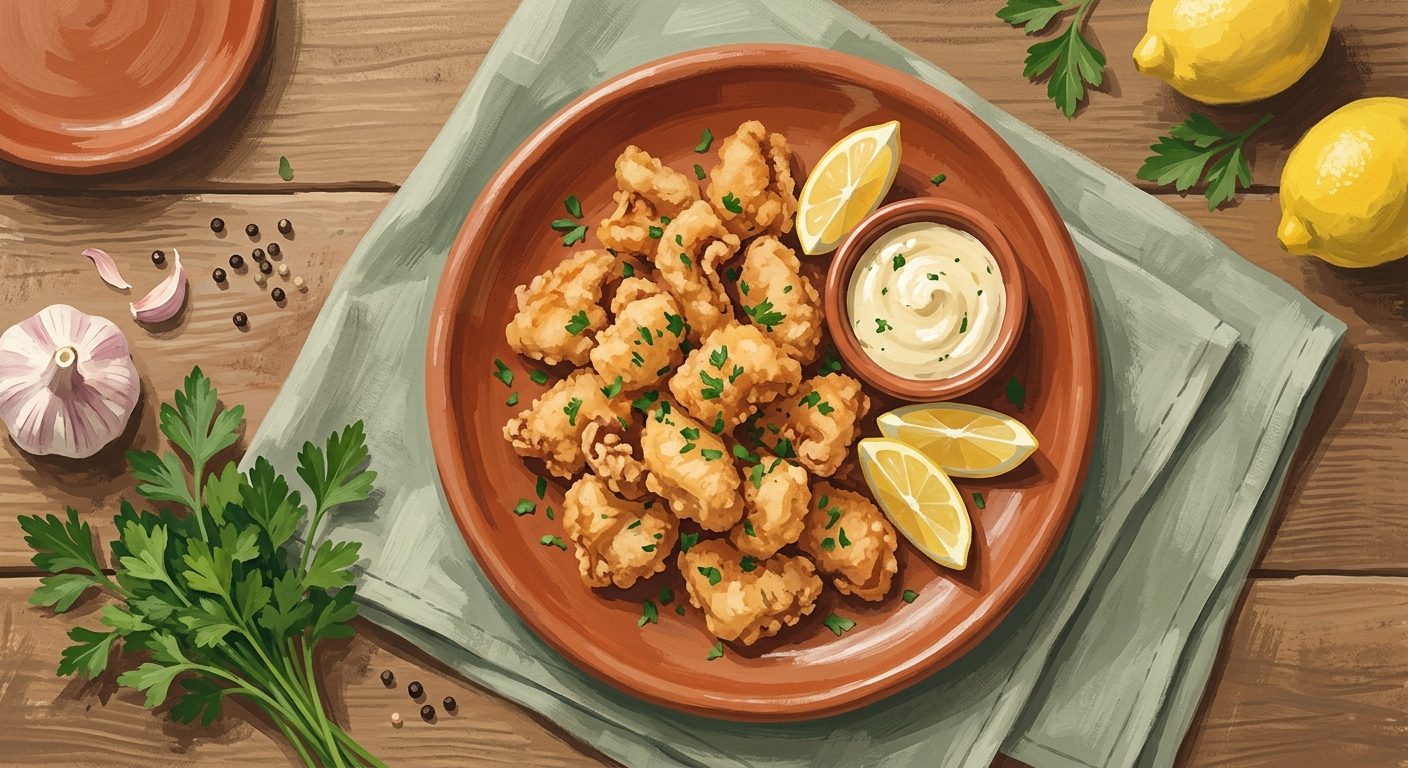
Traditional Andalucían Choco Frito Recipe
A crispy, golden staple of the Huelva and Cádiz coastlines, this fried cuttlefish dish relies on high-quality olive oil and a specific flour blend for its signature crunch.
3 min read
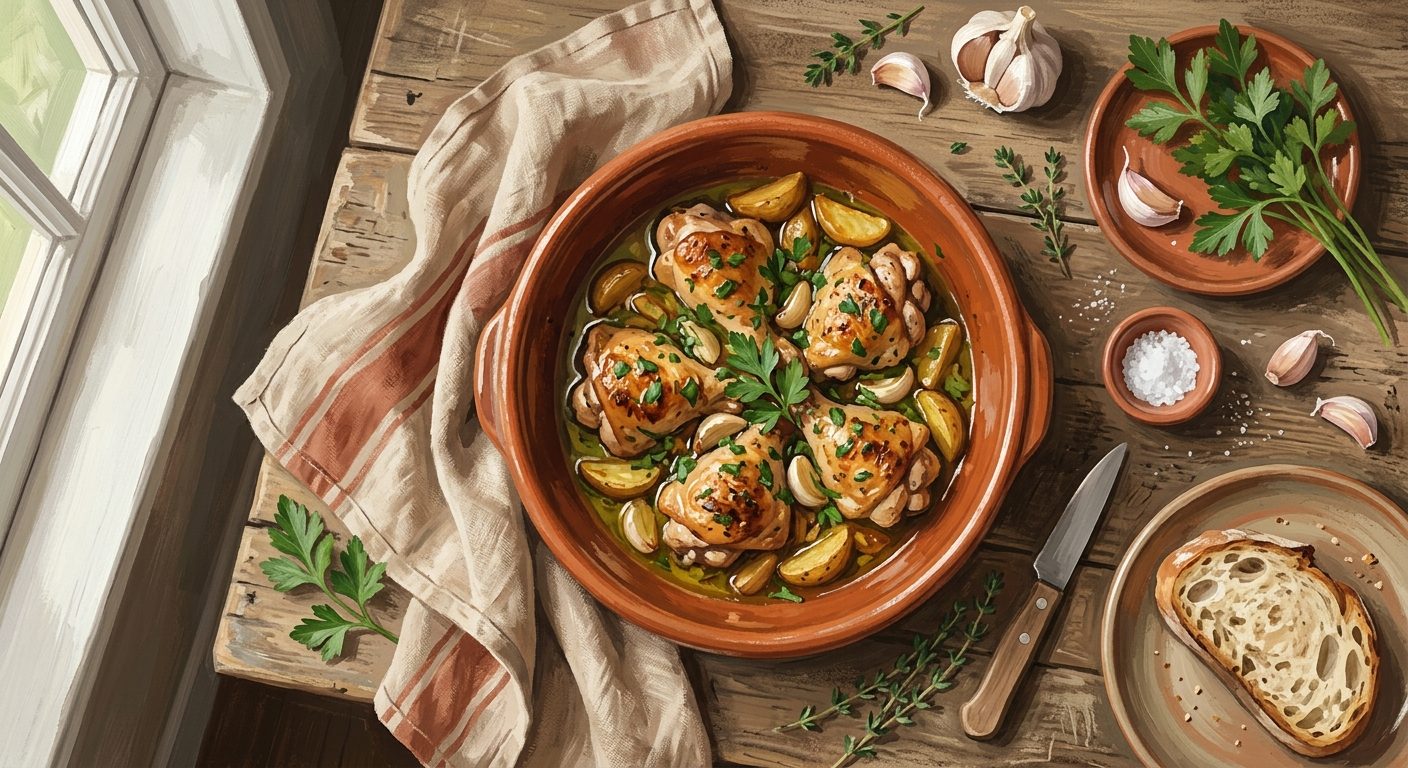
Pollo al Ajillo: The Ultimate Andalucían Garlic Chicken Recipe
A humble but spectacular dish of golden chicken fried with an abundance of garlic and dry white wine. This recipe captures the rustic essence of the Andalucían countryside in under fifty minutes.
3 min read
Newsletter
More stories from Andalucía
Weekly notes, seasonal picks, and the next guides worth bookmarking.