
Recipe
Traditional Andalucían Choco Frito Recipe
A crispy, golden staple of the Huelva and Cádiz coastlines, this fried cuttlefish dish relies on high-quality olive oil and a specific flour blend for its signature crunch.
By Dan · Updated 10 May 2026 · 3 min read
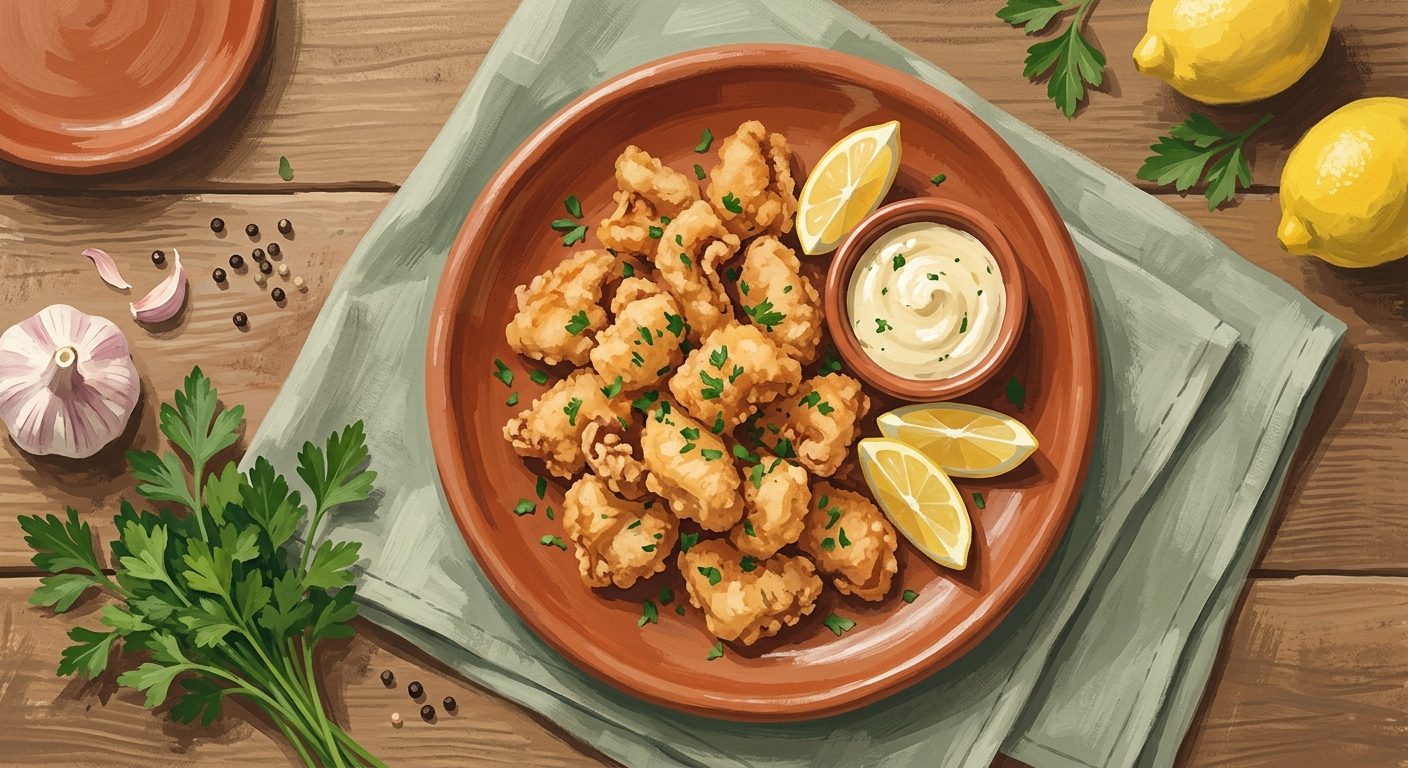
Choco frito is the quintessential taste of the Huelva and Cádiz coastlines, where cuttlefish is prized for its meaty texture and sweet flavour. This recipe delivers a perfectly crisp, golden coating that protects the tender seafood inside without becoming greasy.
In the province of Huelva, residents are affectionately known as choqueros (a regional identity celebrated by the official Andalucía tourism board) because of their historical devotion to this cephalopod. While you might find similar fried seafood dishes across the Spanish coast, the Andalucían version is defined by the use of harina de fritura, a coarser wheat flour that creates a superior, lasting crunch compared to standard plain flour.
Modern Andalucían cooks often prefer using frozen cuttlefish for this dish. The freezing process naturally breaks down the tough muscle fibres, resulting in a much more tender bite than fresh cuttlefish, which can be difficult to soften. If you are buying fresh from a fishmonger, ensure it is cleaned thoroughly, but do not be afraid to use high-quality frozen packs from the supermarket for a more consistent result.
Serves: 4 · Prep: 20 min · Cook: 15 min
Ingredients
- 1 kg (2.2 lb) large cuttlefish, cleaned and patted very dry
- 250 g (9 oz) harina de fritura (or a 50/50 mix of plain flour and fine semolina)
- 1 teaspoon fine sea salt, plus extra for finishing
- 500 ml (17 fl oz) refined olive oil (specifically for high-temperature frying) or high-quality sunflower oil
- 2 fresh lemons, cut into wedges
Method
- Prepare the cuttlefish by removing any remaining skin or cartilage, then cut the body into bite-sized cubes or thick strips roughly 2cm wide.
- Dry the cuttlefish pieces thoroughly using kitchen paper, as any surface moisture will cause the oil to spit and prevent the flour from sticking correctly.
- Place the flour and salt into a large bowl or a clean plastic bag and toss the cuttlefish pieces inside until they are evenly coated.
- Transfer the floured cuttlefish to a fine-mesh sieve and shake vigorously to remove every bit of excess flour: the coating should be a thin, dusty veil rather than a thick paste.
- Pour the oil into a deep, heavy-bottomed frying pan or a wide saucepan and heat to 180C (350F).
- Fry the cuttlefish in small batches to ensure the oil temperature does not drop, which would result in a soggy coating.
- Cook each batch for 2 to 3 minutes until the coating is a pale golden colour and feels crisp to the touch.
- Remove with a slotted spoon and drain on kitchen paper for a few seconds before transferring to a warmed serving platter.
- Sprinkle with a final pinch of sea salt and serve immediately while the coating is at its maximum crunch.
Tips & variations
- If you cannot find specific Spanish frying flour, mixing plain flour with fine durum wheat semolina is the best way to replicate that authentic Andalucían texture.
- Never cover the fried cuttlefish with a lid or foil while waiting to serve, as the steam will immediately soften the crispy exterior.
- For a more intense flavour, some local cooks in Cádiz add a pinch of garlic powder to the flour mix, though purists usually stick to salt.
- Ensure the oil is deep enough so the pieces can float; shallow frying will lead to uneven browning and a tougher texture.
What to serve it with
Choco frito is best enjoyed with nothing more than a generous squeeze of fresh lemon juice and a side of picos (small, crunchy breadsticks) or crusty white bread. For a drink pairing, look no further than a chilled glass of Manzanilla or Fino sherry. The bone-dry, salty notes of the sherry cut through the richness of the fried seafood perfectly. Alternatively, a very cold, light lager is the standard local choice for a relaxed lunch by the beach.
Last reviewed: 21 June 2026 · Editorial policy
Related guides
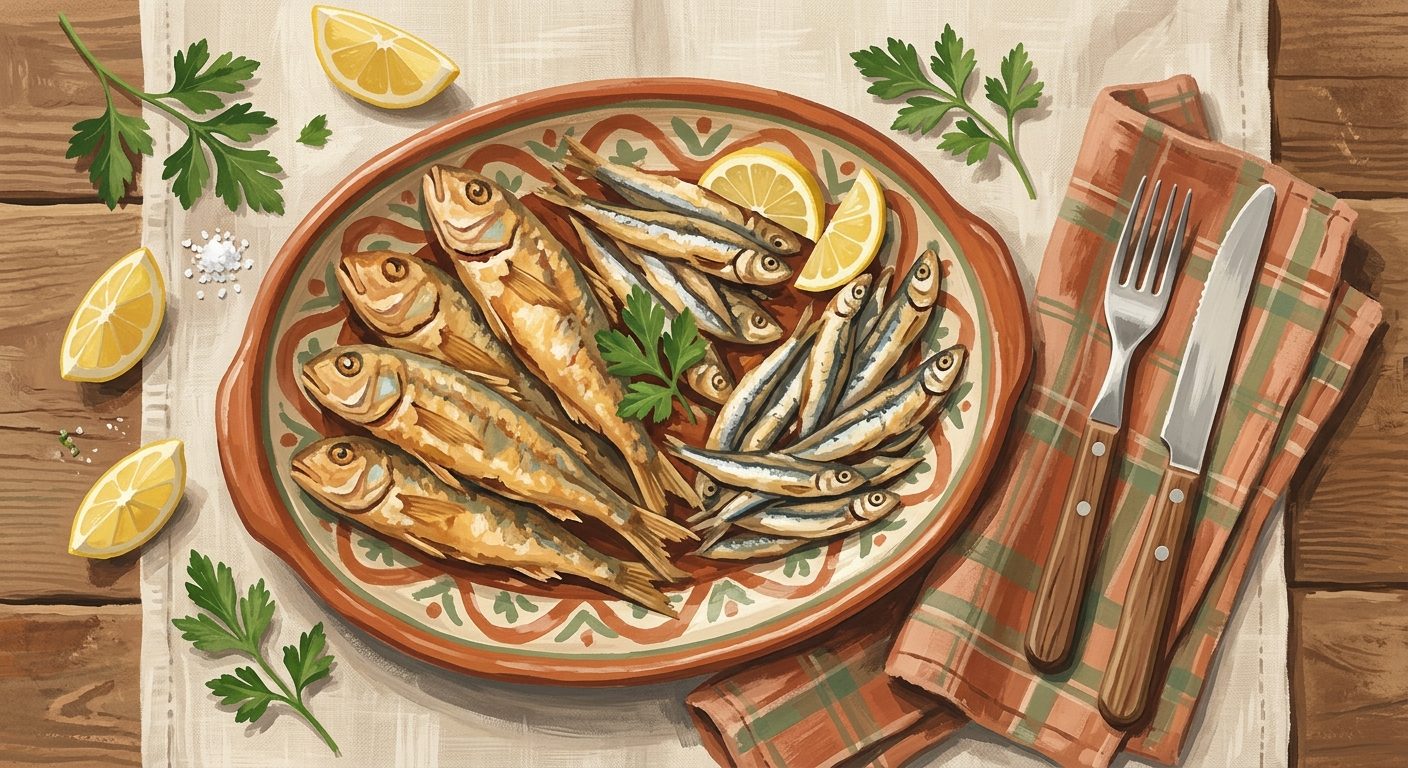
Authentic Pescaíto Frito: The Secret to Perfect Andalucían Fried Fish
A staple of the Andalucían coastline, Pescaíto Frito relies on extremely fresh fish and a light, crisp coating. This technique ensures the seafood remains tender while the exterior provides a satisfying crunch.
3 min read
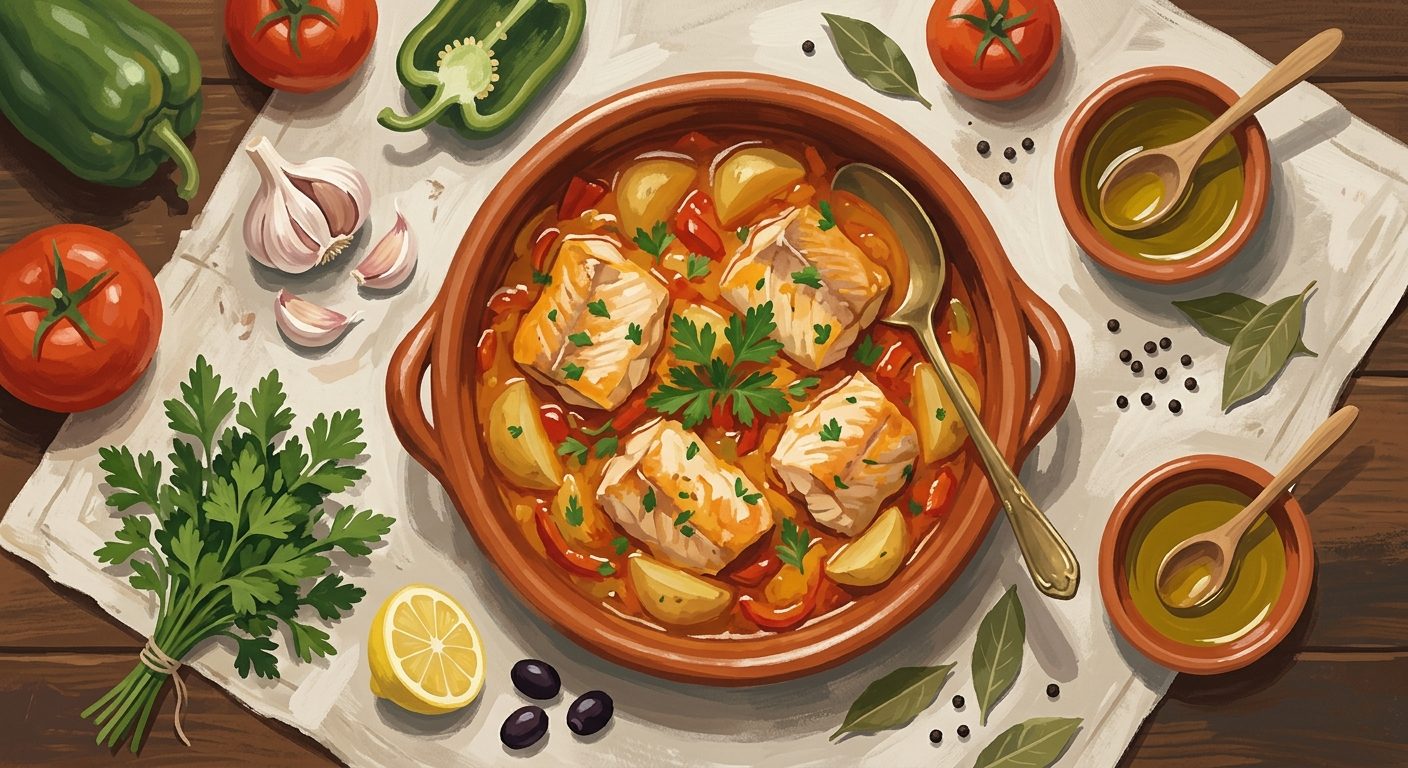
Urta a la Roteña: A Traditional Coastal Fish Stew from Cádiz
A signature dish from the town of Rota, this slow-cooked fish recipe combines firm white fish with a sweet, concentrated sauce of peppers, onions, and tomatoes.
4 min read
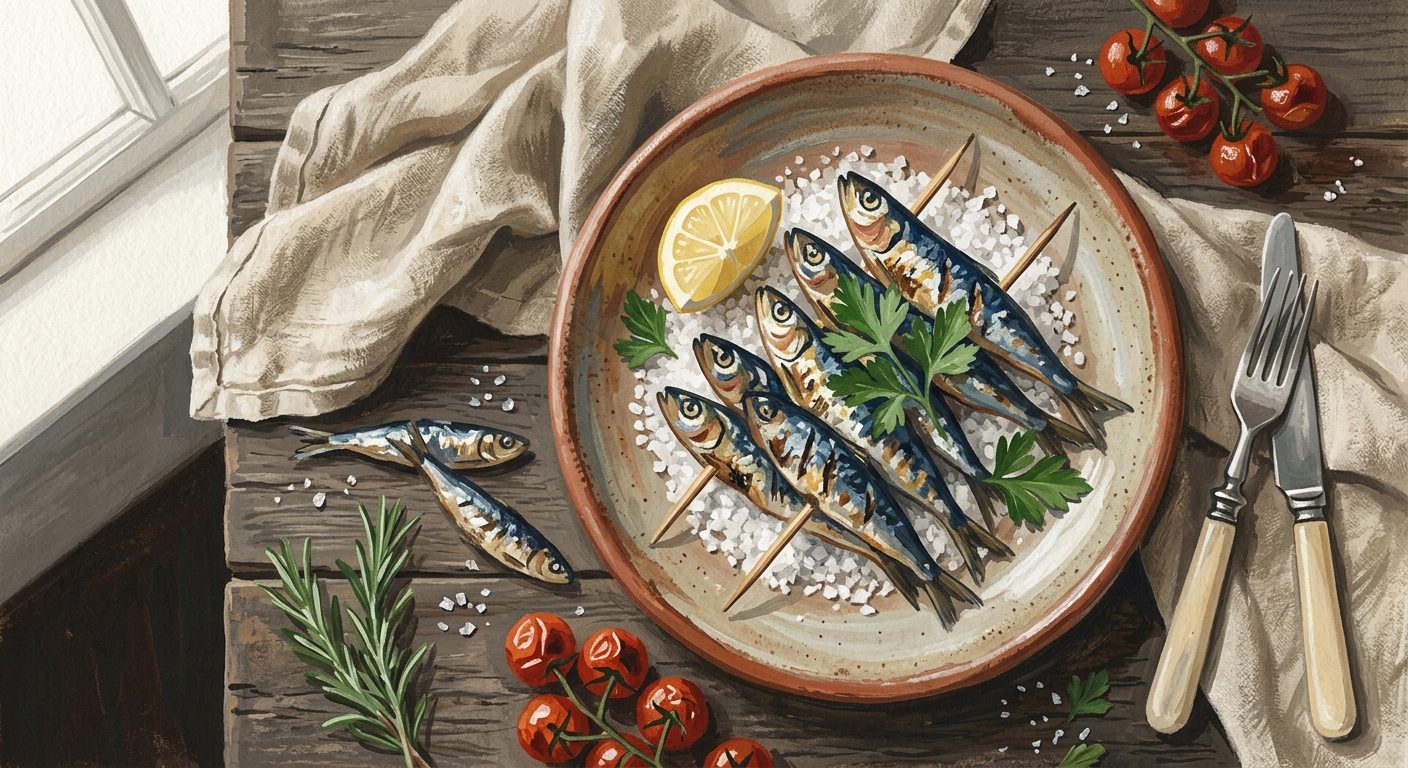
Traditional Espetos de Sardinas: The Taste of Málaga
Discover how to prepare authentic Espetos de Sardinas, the iconic grilled skewers from the beaches of Málaga, using traditional Andalucían techniques.
4 min read
Where to Eat in Nerja: A Food Lover’s Guide to the Axarquía Coast
From wood-fired paella on the sands of Burriana to the crowded tapas bars of the old quarter, Nerja offers an authentic taste of the Málaga coastline.
6 min read

Beyond the Border: Exploring the Industrial Heart and Strait-Side Life of Campo de Gibraltar
Often overlooked by those racing for the ferry or the Rock, the Campo de Gibraltar offers a gritty, authentic look at life where the Atlantic meets the Mediterranean.
7 min read

Carboneras: An Authentic Maritime Gateway to Cabo de Gata
Carboneras offers an authentic look at Almería's fishing traditions and serves as a gateway to the spectacular Playa de los Muertos.
5 min read
More guides
Authentic Gazpacho Andaluz Recipe
A refreshing liquid salad that defines summer in Southern Spain. This traditional chilled soup relies on quality olive oil and ripe tomatoes for its signature flavour.
3 min read
Authentic Tortillitas de Camarones Recipe
These lacy, golden shrimp fritters are the signature snack of the Bay of Cádiz, offering a crunch that defines the coast of Andalucía.
4 min read
Ajoblanco Malagueño: The Original Cold Almond Soup of Málaga
Often called the white gazpacho, this chilled almond and garlic soup is a refreshing staple of Málaga. It remains one of the most elegant dishes in the Andalucían repertoire.
3 min read
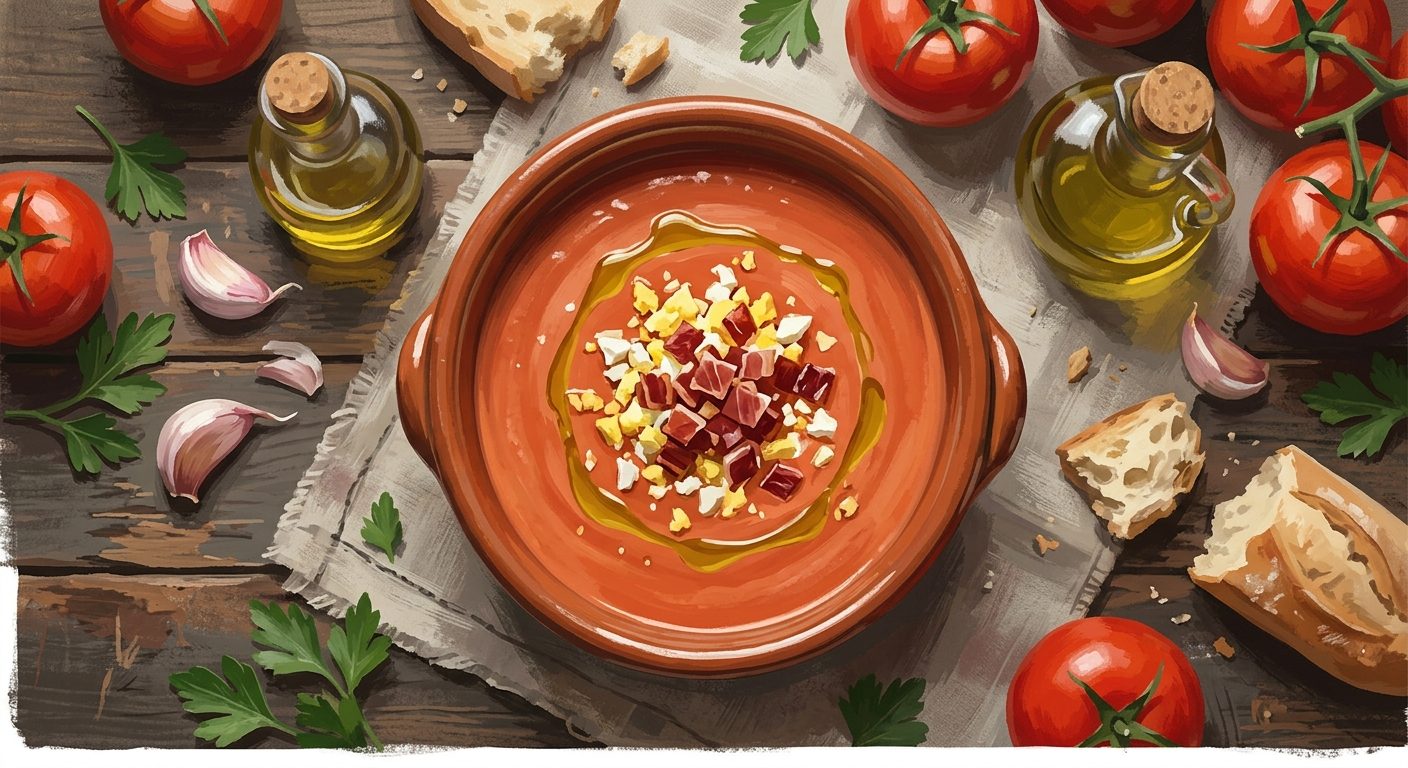
Traditional Salmorejo Cordobés Recipe
A thick, velvety cold tomato soup from Córdoba that relies on high-quality olive oil and sun-ripened tomatoes. This staple of Andalucía provides a cooling, nutritious meal.
3 min read
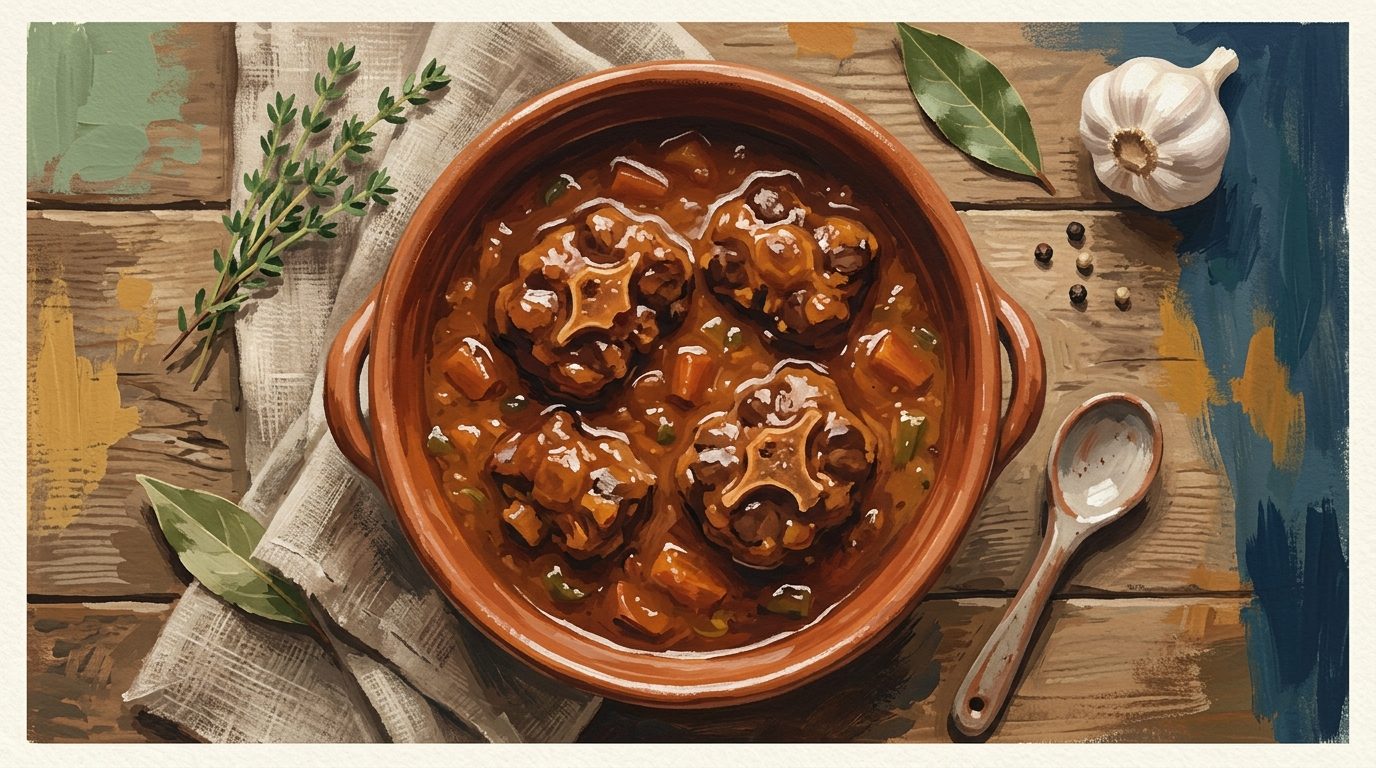
Slow-Cooked Rabo de Toro: An Andalucían Oxtail Stew
This traditional Andalucían oxtail stew is a masterclass in slow cooking, resulting in meat that falls away from the bone in a rich, silken sauce.
3 min read
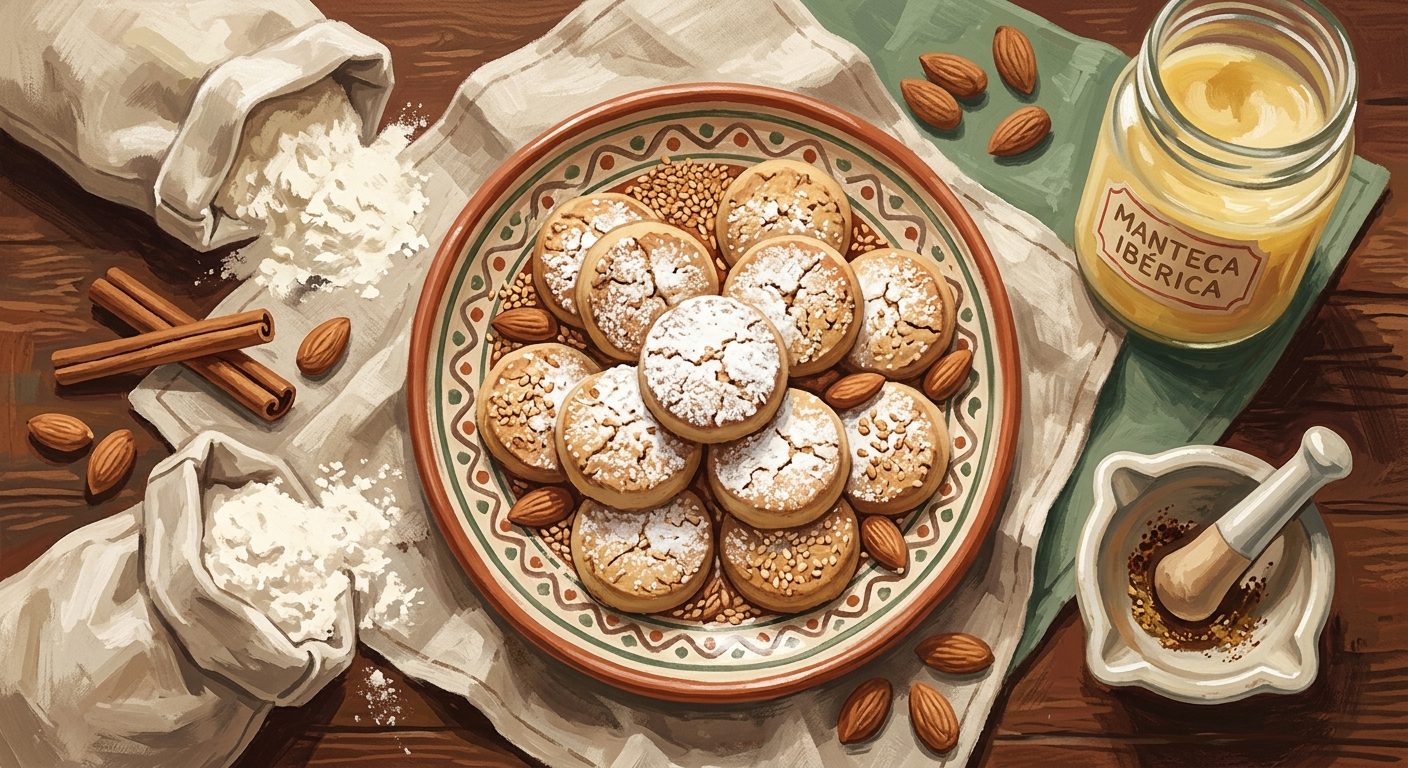
Traditional Mantecados: The Iconic Andalucían Christmas Biscuit
These crumbly, toasted-flour biscuits are a festive staple in Andalucía. Learn how to achieve the perfect sandy texture using traditional methods from Estepa and Antequera.
4 min read
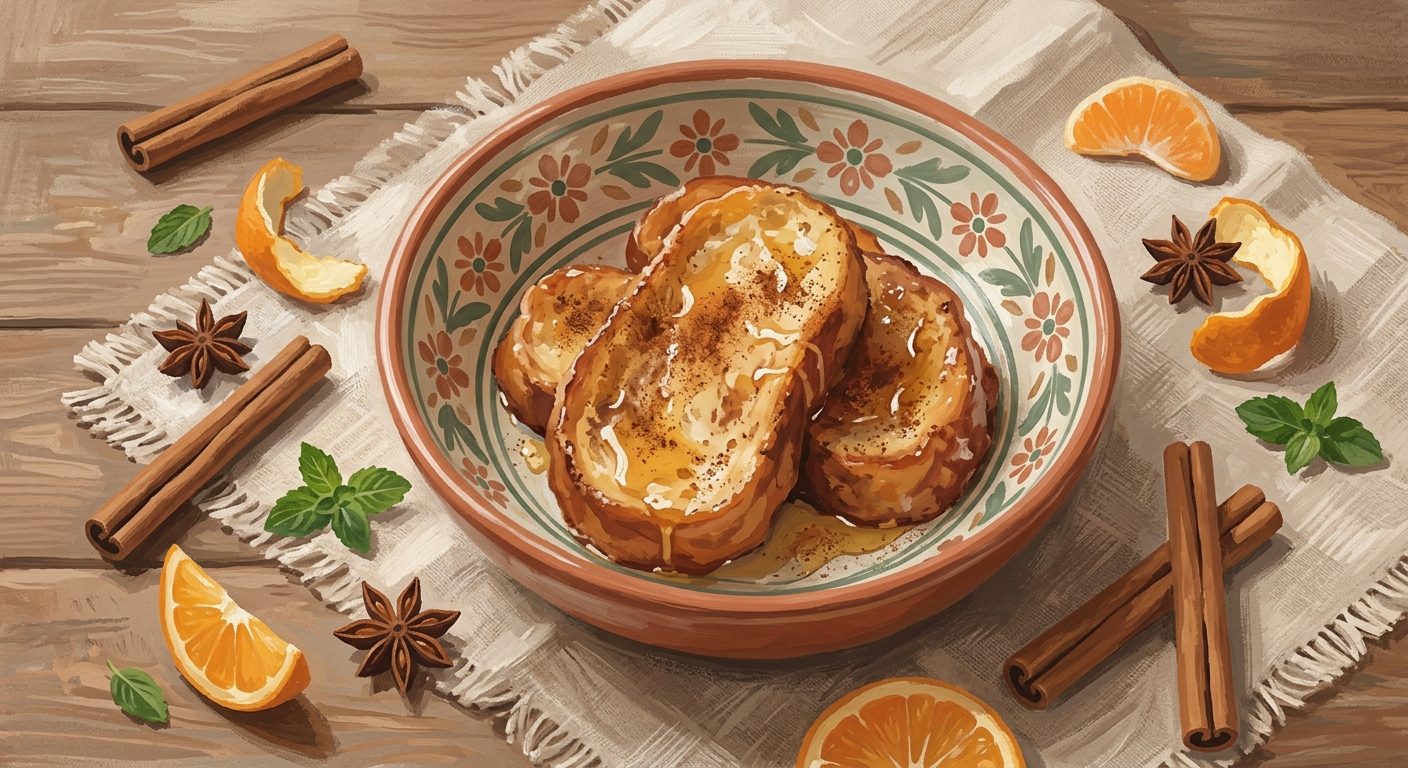
Torrijas: The Essential Holy Week Treat of Andalucía
A humble sweet treat transformed into a decadent delight, torrijas are the cornerstone of Easter celebrations across the region. These honey-soaked bread slices offer a comforting taste of Andalucían tradition in every bite.
3 min read
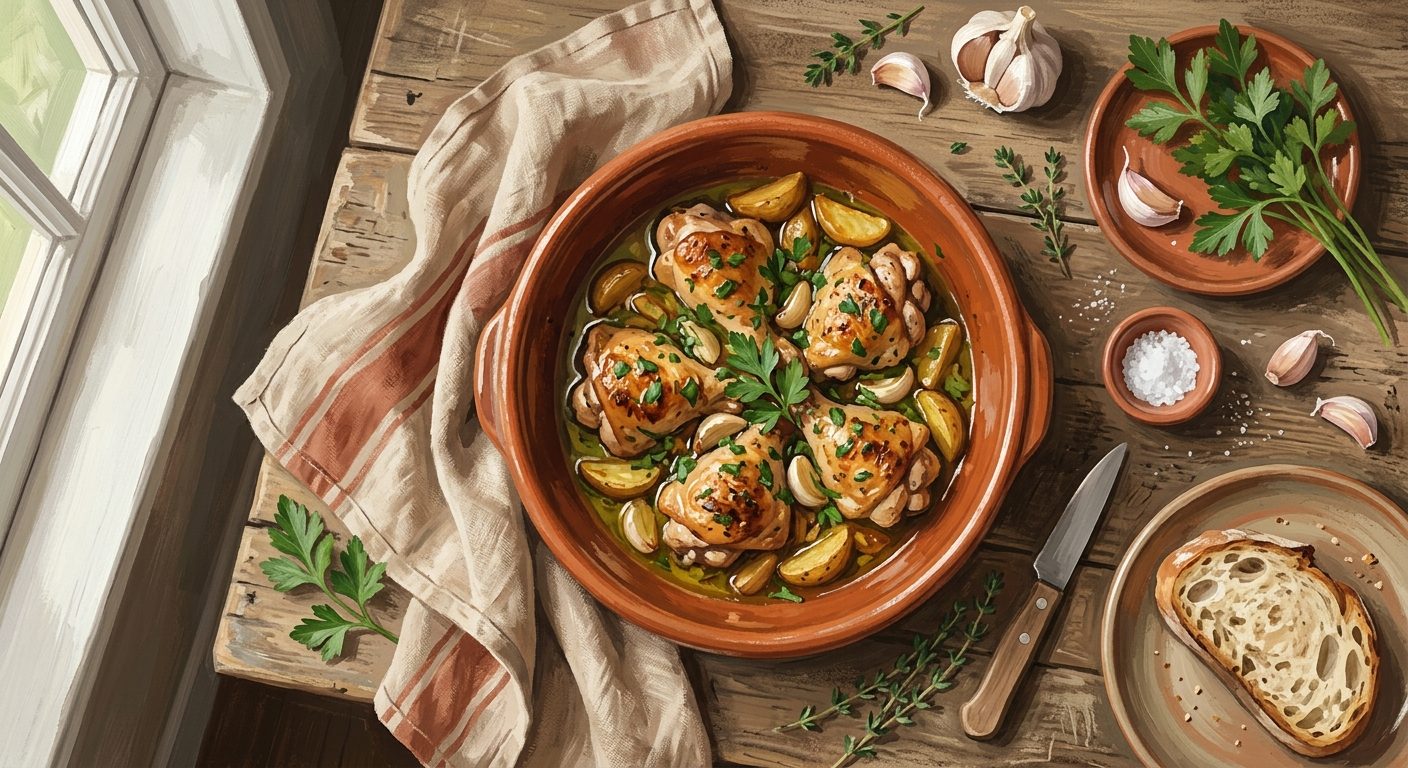
Pollo al Ajillo: The Ultimate Andalucían Garlic Chicken Recipe
A humble but spectacular dish of golden chicken fried with an abundance of garlic and dry white wine. This recipe captures the rustic essence of the Andalucían countryside in under fifty minutes.
3 min read
Tinto de Verano: The Authentic Andalucían Summer Cooler
A refreshing blend of red wine and lemon soda, Tinto de Verano is the authentic drink of the Andalucían summer. Easier to prepare than Sangria, it provides a cooling balance to the heat of a southern afternoon.
3 min read
Newsletter
More stories from Andalucía
Weekly notes, seasonal picks, and the next guides worth bookmarking.