
Recipe
Authentic Gazpacho Andaluz Recipe
A refreshing liquid salad that defines summer in Southern Spain. This traditional chilled soup relies on quality olive oil and ripe tomatoes for its signature flavour.
By Dan · Updated 24 June 2026 · 3 min read
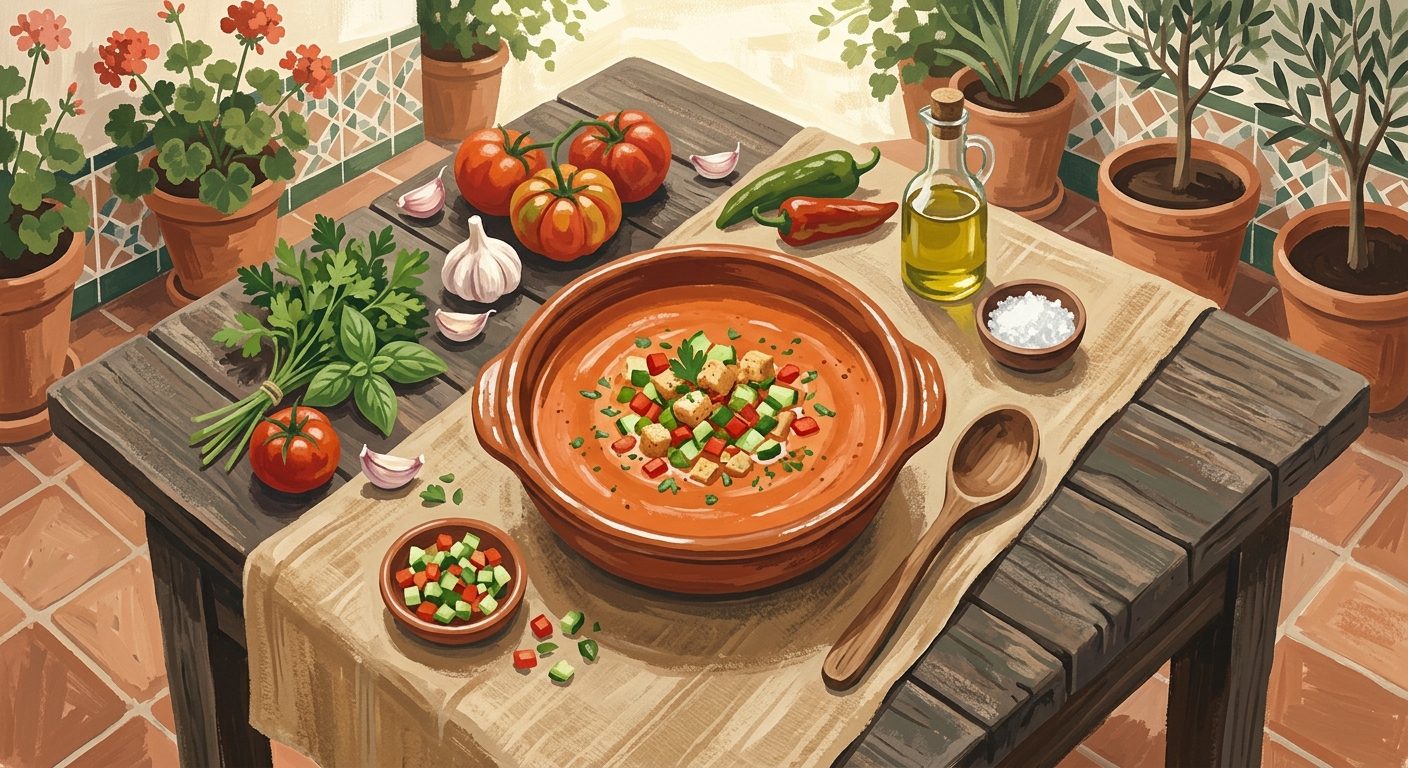
A refreshing liquid salad that defines summer in Southern Spain. This traditional chilled soup relies on quality olive oil and ripe tomatoes for its signature flavour.
Gazpacho is the cornerstone of the Andalucían summer diet. Originally a humble meal for field workers made with bread, water, olive oil, and garlic, the addition of tomatoes and peppers became standard after the 16th century. In the intense heat of July and August, it serves as both a cooling tonic and a nutritious snack, often kept in a jug in the fridge to be poured into glasses throughout the day.
While every family across the eight provinces of Andalucía has a preferred ratio, the classic version focuses on emulsification to achieve a bright orange hue rather than a deep red. Modern Andalucían cooks almost always use a high-speed blender rather than the traditional mortar and pestle. Many now choose to strain the mixture to achieve a silky texture, though a more rustic, thick version is still popular in rural areas.
Serves: 4 to 6 · Prep: 20 min · Cook: 0 min (plus chilling time)
Ingredients
- 1kg (2.2 lbs) very ripe vine tomatoes, roughly chopped
- 1 small green bell pepper, preferably the long Italian variety, deseeded and chopped
- 1 small cucumber, peeled and chopped
- 1 small clove of garlic, peeled with the central germ removed
- 100ml (3.5 fl oz) extra virgin olive oil, plus extra for drizzling
- 2 tablespoons Sherry vinegar (Vinagre de Jerez DOP)
- 50g (1.7 oz) stale white crustless bread (contains gluten; for a gluten-free version, use GF bread or omit and increase the tomatoes), soaked in water for 5 minutes
- 1 teaspoon sea salt, plus more to taste
- 100ml (3.5 fl oz) chilled water, if needed for consistency
Method
- Squeeze the excess water from the soaked bread and set it aside.
- Place the chopped tomatoes, green pepper, cucumber, and garlic into a high-speed blender.
- Add the soaked bread, Sherry vinegar, and sea salt to the blender.
- Process on the highest setting for several minutes until the mixture is completely liquid.
- With the motor running on a lower speed, slowly drizzle in the extra virgin olive oil to create a stable emulsion.
- Taste the mixture and add more salt or vinegar if the flavours do not yet pop.
- Pass the soup through a fine-mesh sieve into a large glass jug, using the back of a ladle to push through as much liquid as possible.
- Discard the remaining solids and stir in a little chilled water if the consistency is too thick for your preference.
- Refrigerate for at least 2 hours, as Gazpacho must be served ice cold to be authentic.
- Give the jug a quick stir before pouring into bowls or glasses.
Tips and variations
- Always use the best quality extra virgin olive oil you can find, such as one of the best olive oils of Jaén, as its flavour is prominent in the finished dish.
- If your tomatoes are not perfectly ripe, you can add a tiny pinch of sugar to balance the acidity.
- For a more substantial meal, serve with a garnish of finely diced hard-boiled egg and jamón serrano.
- In the city of Córdoba, a similar but much thicker version called Salmorejo is made by omitting the water and cucumber while increasing the bread content.
What to serve it with
Gazpacho is frequently served as a first course or as a snack on its own. If you are serving it as a light lunch, accompany it with crusty white bread and a plate of fat Gordal olives. For a drink pairing, a chilled glass of dry Manzanilla sherry from Sanlúcar de Barrameda is the traditional choice, as its salinity perfectly complements the vinegar and garlic profile of the soup.
Last reviewed: 21 June 2026 · Editorial policy
Related guides
Authentic Tortas de Aceite: The Andalucían Olive Oil Biscuit
Discover the secret to making Tortas de Aceite, the iconic crisp olive oil biscuits of Sevilla. These aromatic treats are perfect with coffee or a glass of sherry.
4 min read
Pollo al Ajillo: The Ultimate Andalucían Garlic Chicken Recipe
A humble but spectacular dish of golden chicken fried with an abundance of garlic and dry white wine. This recipe captures the rustic essence of the Andalucían countryside in under fifty minutes.
3 min read
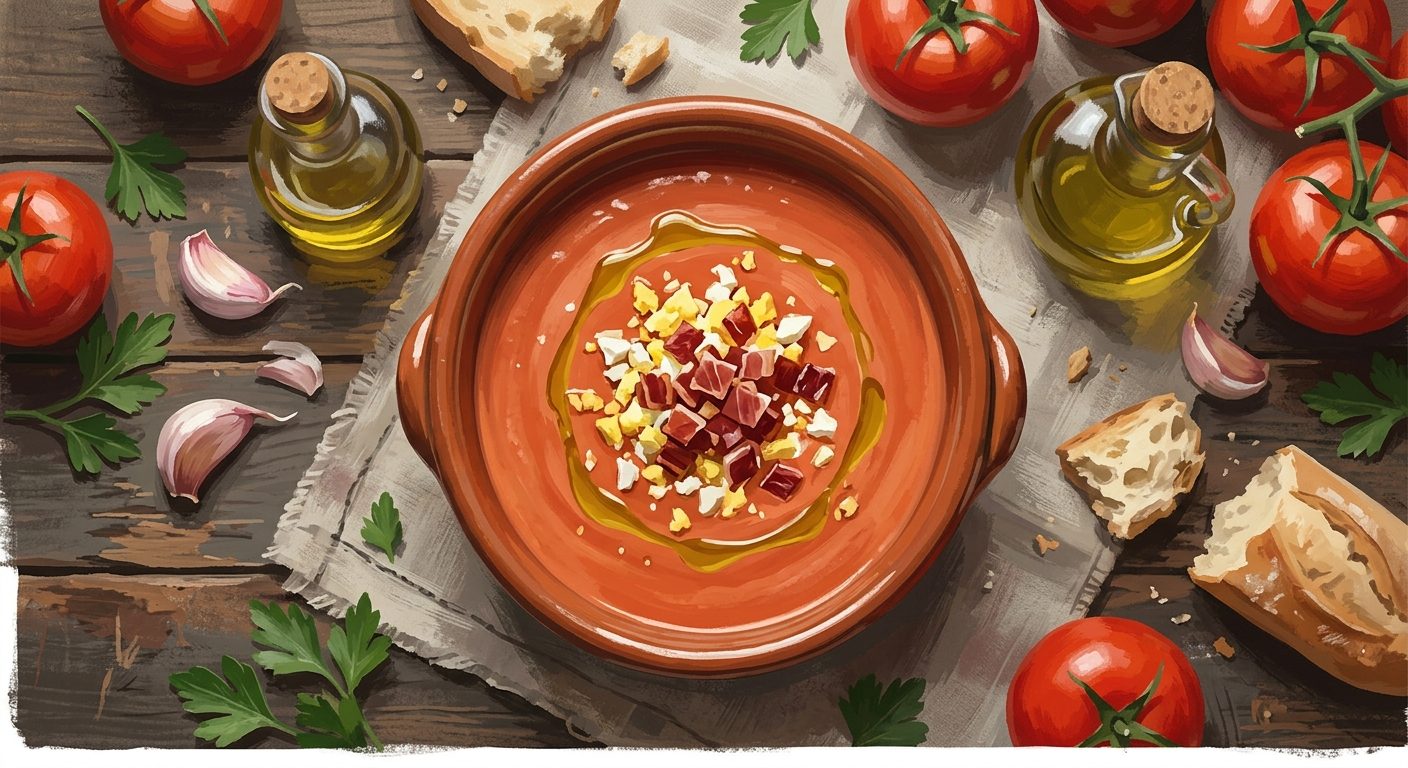
Traditional Salmorejo Cordobés Recipe
A thick, velvety cold tomato soup from Córdoba that relies on high-quality olive oil and sun-ripened tomatoes. This staple of Andalucía provides a cooling, nutritious meal.
3 min read

Discovering Liquid Gold: A Journey Along Andalucía's Olive Oil Routes
Embark on a golden journey through Andalucía's sun-drenched olive groves, exploring the ancient routes of liquid gold and discovering the region's unparalleled Extra Virgin Olive Oil heritage. Taste, learn, and immerse yourself in the heart of Spain's olive oil production.
7 min read

A Gastronomic Guide to Andalucía: From Sherry Bodegas to Olive Groves
Discover the authentic flavours of Southern Spain, from the sherry bodegas of Jerez to the ancient olive groves of Jaén and the world-renowned ham of Jabugo.
6 min read
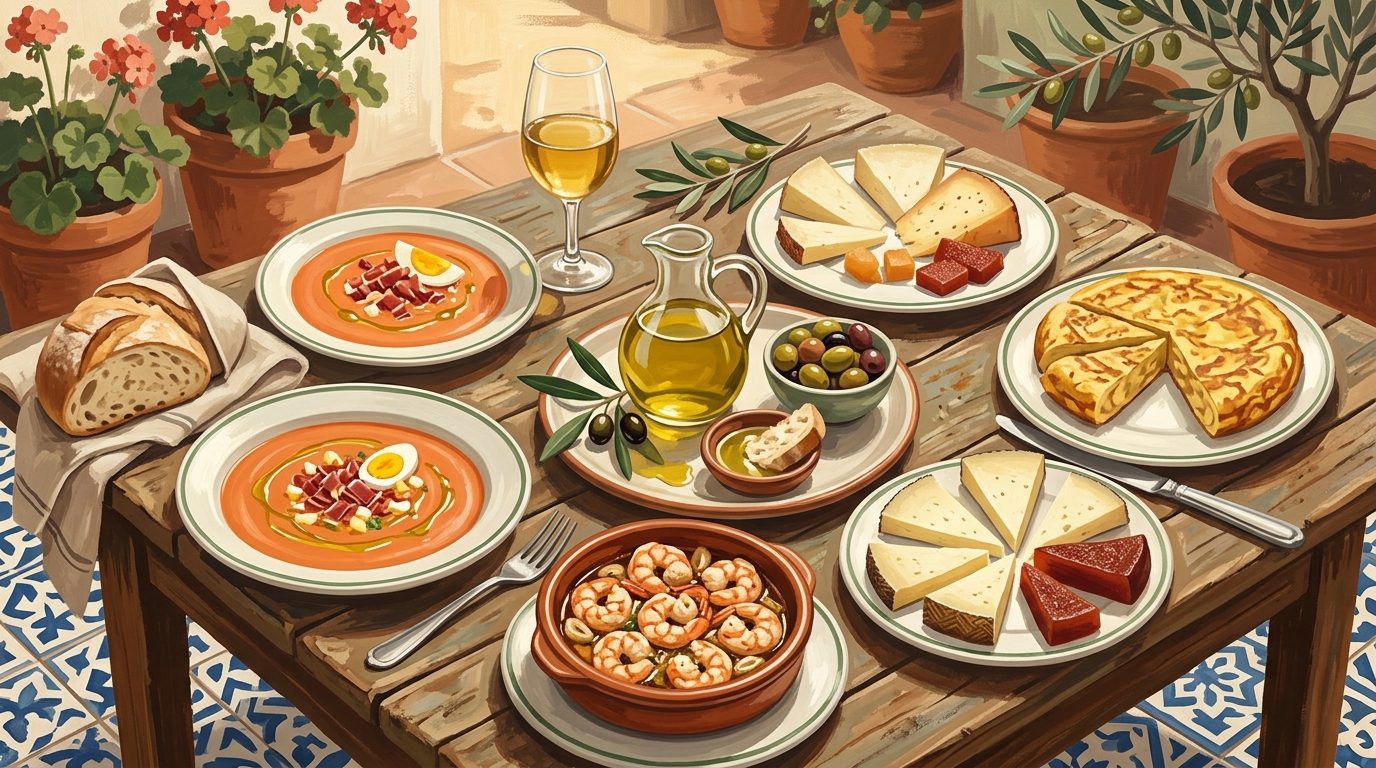
The Liquid Gold of Andalucía: A Deep Dive into the World’s Best Olive Oil
Discover the secrets of Andalucía's liquid gold, from the vast groves of Jaén to the art of the perfect breakfast tostada. This guide covers varieties, harvest secrets, and the best mills to visit.
6 min read
More guides
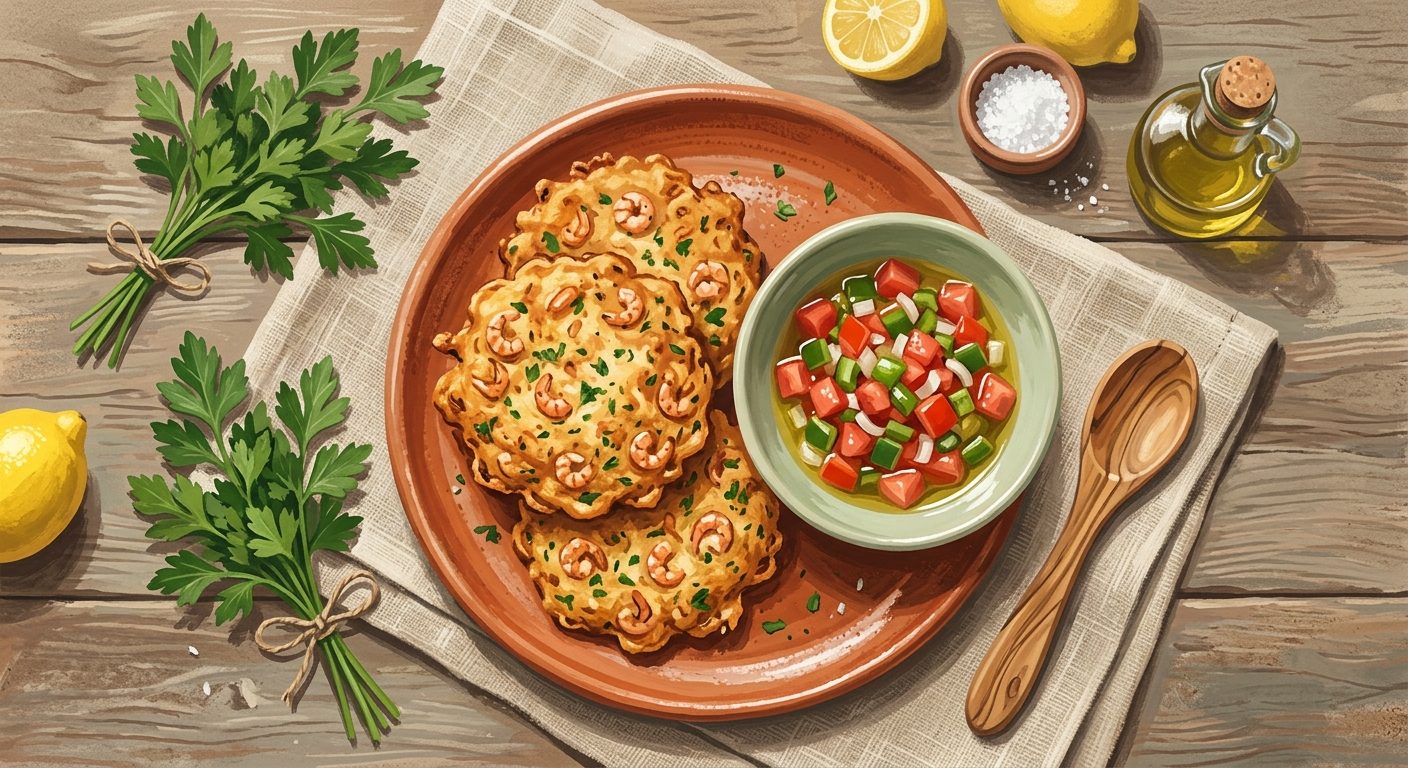
Authentic Tortillitas de Camarones Recipe
These lacy, golden shrimp fritters are the signature snack of the Bay of Cádiz, offering a crunch that defines the coast of Andalucía.
4 min read
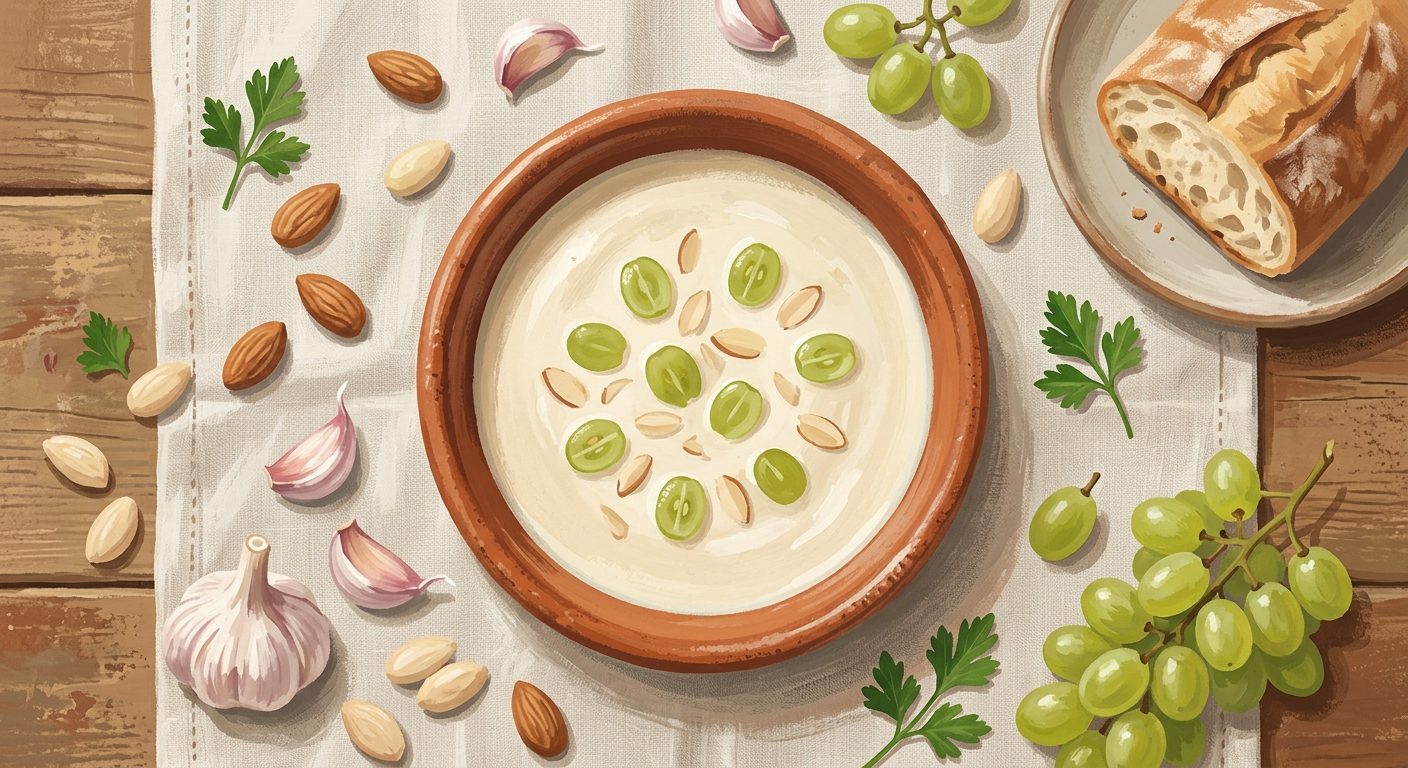
Ajoblanco Malagueño: The Original Cold Almond Soup of Málaga
Often called the white gazpacho, this chilled almond and garlic soup is a refreshing staple of Málaga. It remains one of the most elegant dishes in the Andalucían repertoire.
3 min read
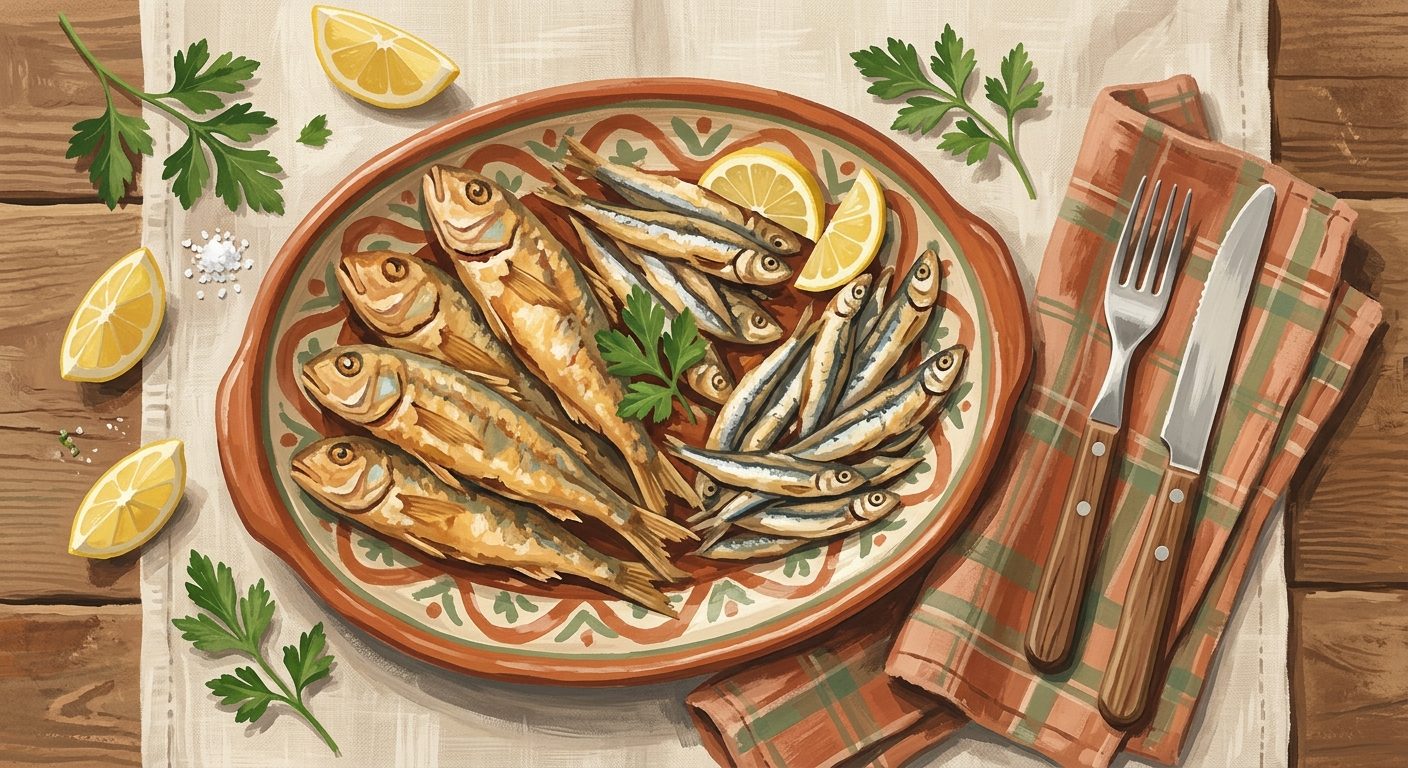
Authentic Pescaíto Frito: The Secret to Perfect Andalucían Fried Fish
A staple of the Andalucían coastline, Pescaíto Frito relies on extremely fresh fish and a light, crisp coating. This technique ensures the seafood remains tender while the exterior provides a satisfying crunch.
3 min read
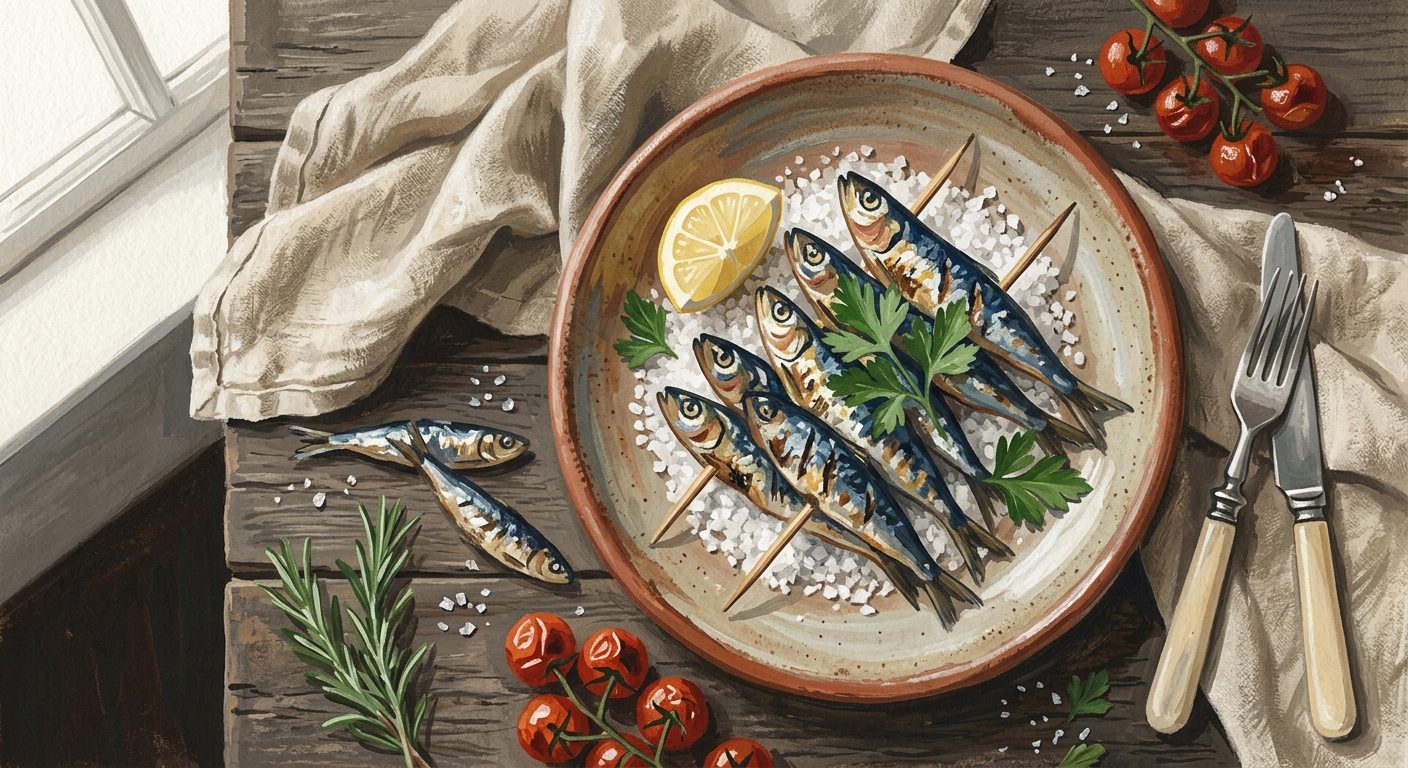
Traditional Espetos de Sardinas: The Taste of Málaga
Discover how to prepare authentic Espetos de Sardinas, the iconic grilled skewers from the beaches of Málaga, using traditional Andalucían techniques.
4 min read
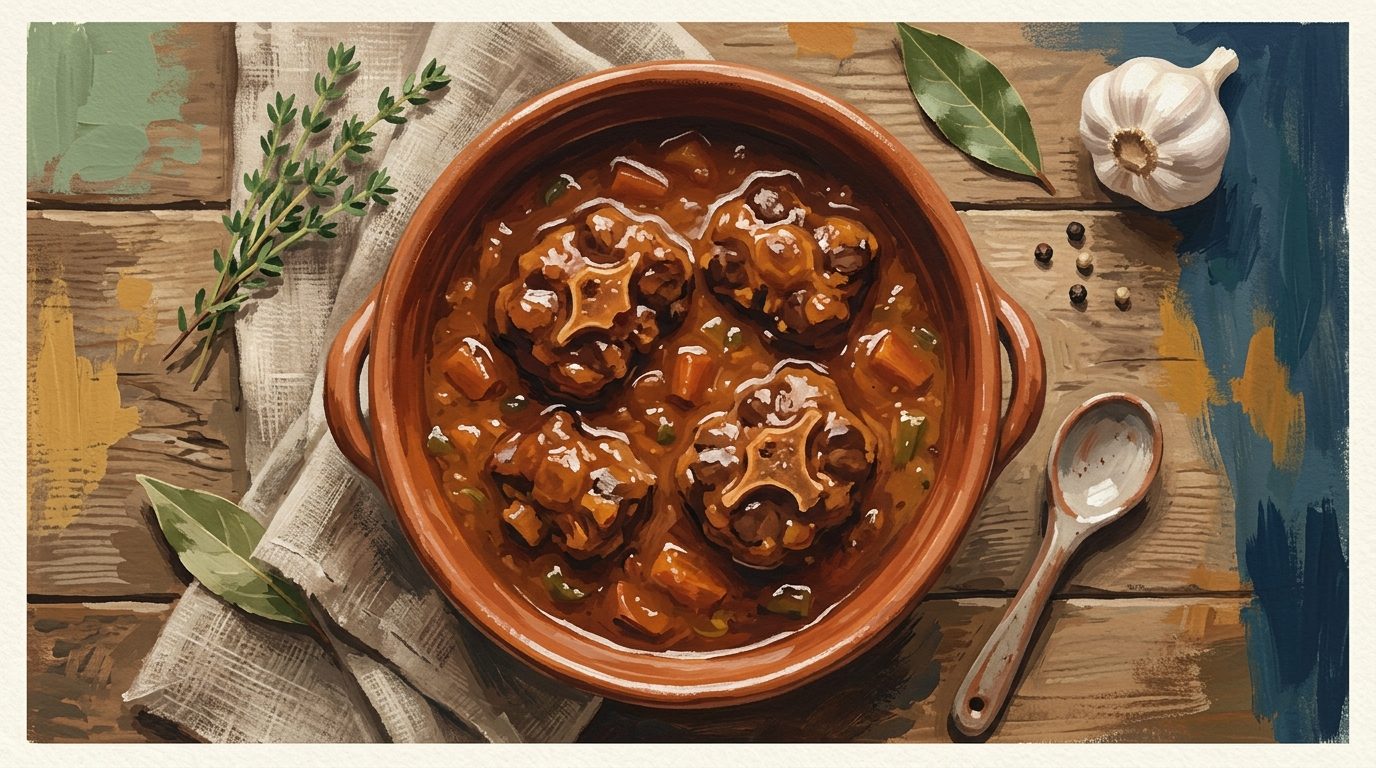
Slow-Cooked Rabo de Toro: An Andalucían Oxtail Stew
This traditional Andalucían oxtail stew is a masterclass in slow cooking, resulting in meat that falls away from the bone in a rich, silken sauce.
3 min read

Traditional Mantecados: The Iconic Andalucían Christmas Biscuit
These crumbly, toasted-flour biscuits are a festive staple in Andalucía. Learn how to achieve the perfect sandy texture using traditional methods from Estepa and Antequera.
4 min read

Torrijas: The Essential Holy Week Treat of Andalucía
A humble sweet treat transformed into a decadent delight, torrijas are the cornerstone of Easter celebrations across the region. These honey-soaked bread slices offer a comforting taste of Andalucían tradition in every bite.
3 min read
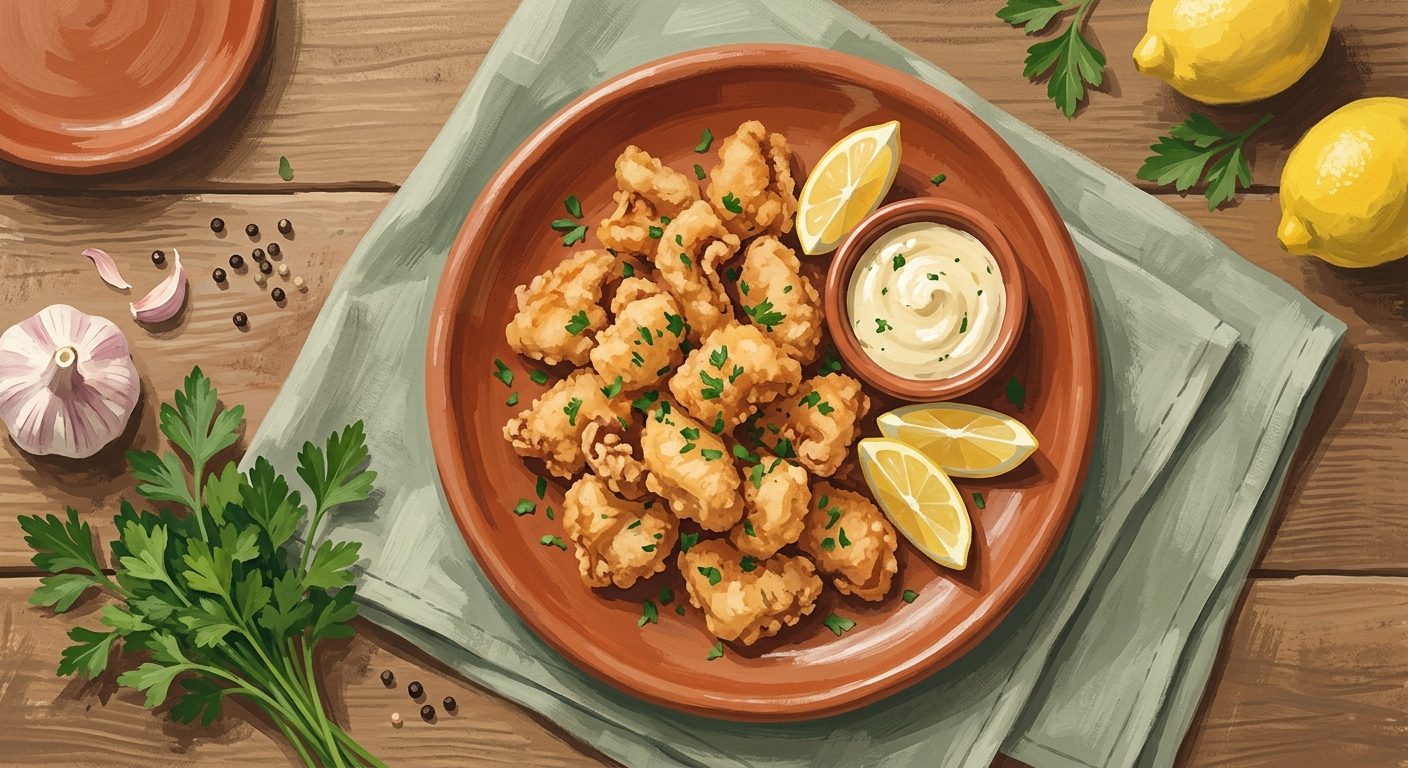
Traditional Andalucían Choco Frito Recipe
A crispy, golden staple of the Huelva and Cádiz coastlines, this fried cuttlefish dish relies on high-quality olive oil and a specific flour blend for its signature crunch.
3 min read
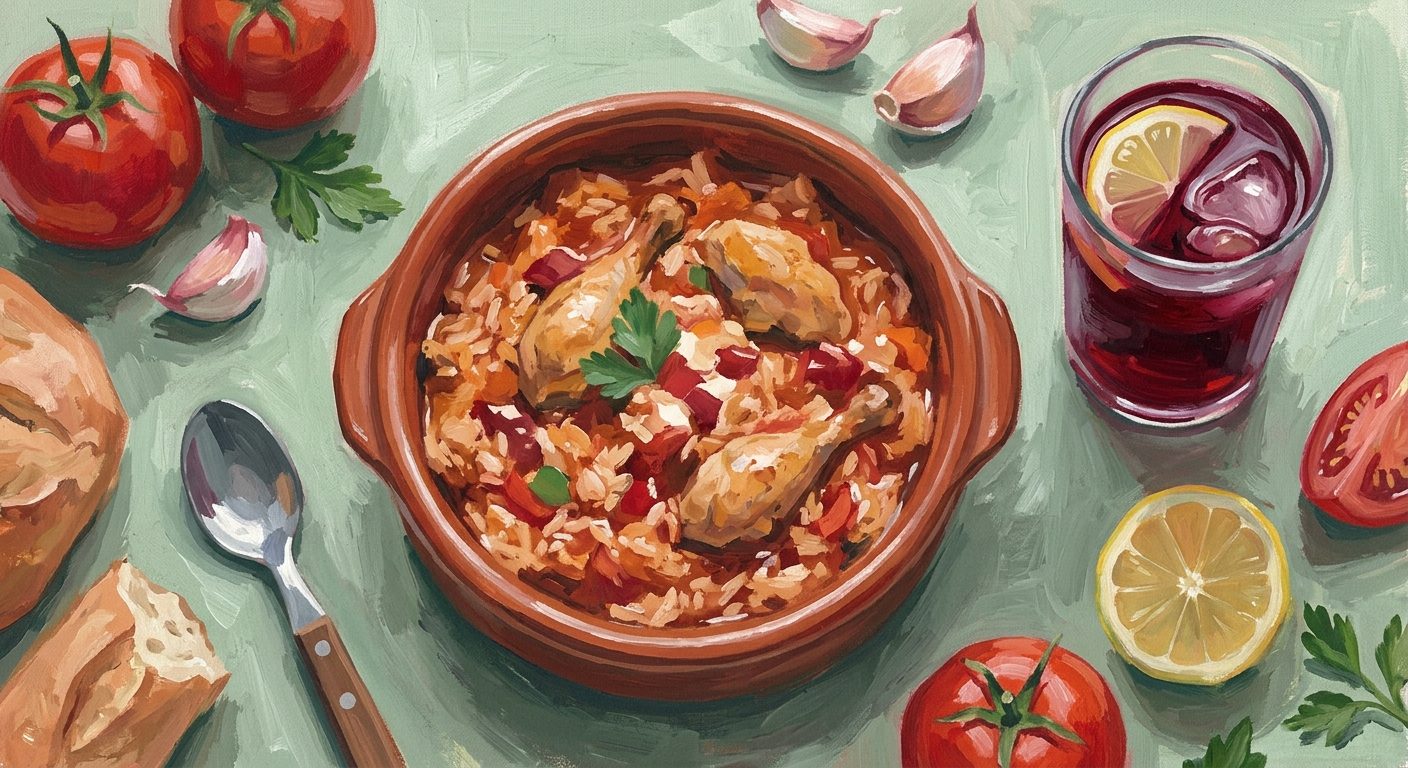
Tinto de Verano: The Authentic Andalucían Summer Cooler
A refreshing blend of red wine and lemon soda, Tinto de Verano is the authentic drink of the Andalucían summer. Easier to prepare than Sangria, it provides a cooling balance to the heat of a southern afternoon.
3 min read
Newsletter
More stories from Andalucía
Weekly notes, seasonal picks, and the next guides worth bookmarking.