
Hot Springs of Andalucía
Discover the ancient thermal traditions of Andalucía, where mineral-rich waters from the Sierra Nevada and beyond offer a timeless connection to the region's Roman and Moorish past.
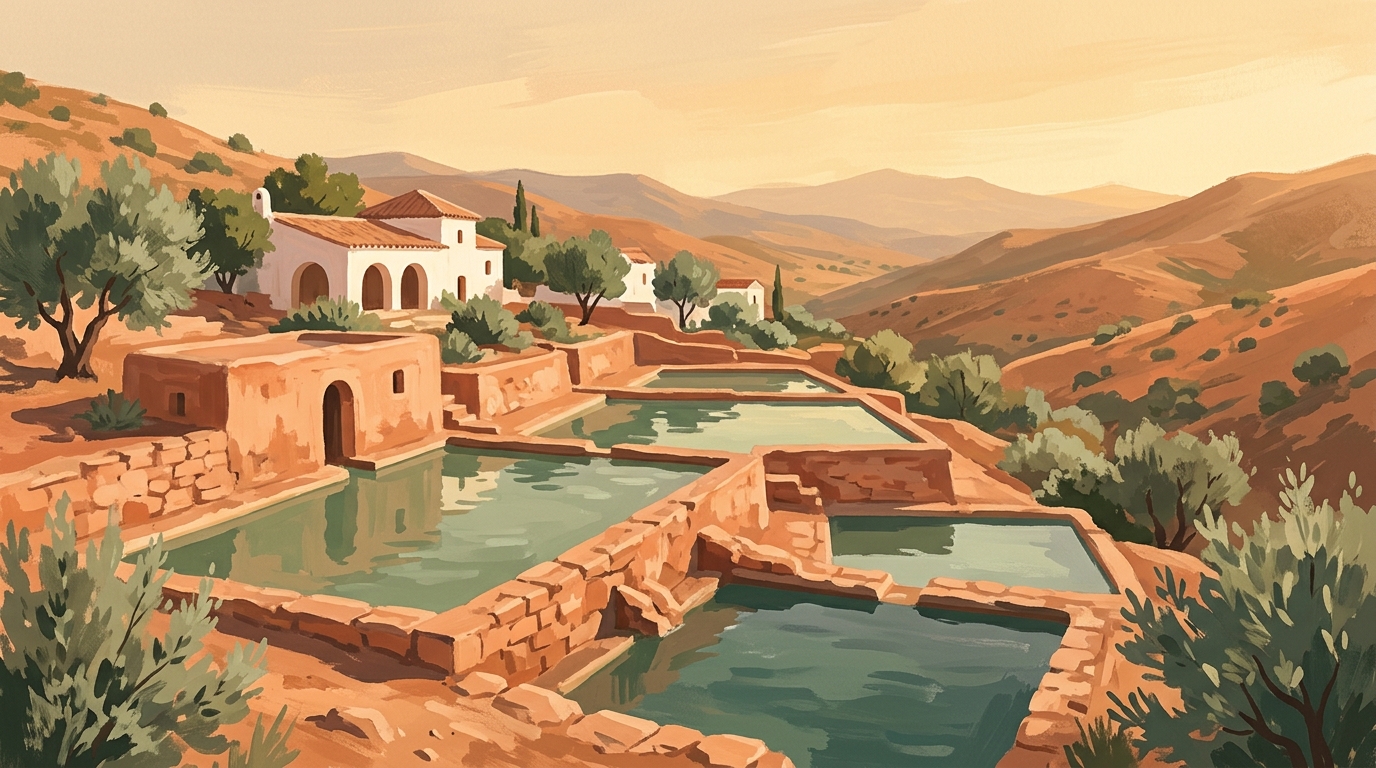
The subterranean heat of southern Spain surfaces in a series of natural springs that have provided solace for thousands of years. These thermal waters represent a geological legacy that has shaped local health traditions since the era of the Roman Empire.
The presence of thermal springs in Andalucía is closely tied to the complex tectonic activity of the Iberian Peninsula, particularly where the African and Eurasian plates meet. This geological friction allows groundwater to descend deep into the earth, heating and absorbing minerals before returning to the surface. For the traveller, these sites offer a direct link to the cultural layers of the region. The Romans first formalised the use of these waters, constructing elaborate stone baths that became centres of social and political life. Later, during the period of Al-Andalus, the Moorish population refined these practices, integrating thermal bathing into their hygiene and religious rituals. Today, the springs range from primitive, open-air pools in the middle of the countryside to sophisticated spa hotels that maintain nineteenth-century architectural elegance. Engaging with these waters is not merely a leisure activity; it is an immersion into a heritage of wellness that has survived across civilisations, offering a quiet perspective on the landscape that differs from the typical coastal experience.
How they cluster
The thermal landscape of Andalucía is primarily concentrated in the eastern provinces, where the dramatic peaks of the Sierra Nevada and the surrounding ranges create the necessary pressure and heat for mineral springs to emerge. Granada is undoubtedly the epicentre of this activity. In Granada, iconic sites like Alhama de Granada, Graena, Alicún de las Torres, and the spa town of Lanjarón epitomise this tradition. Here, the springs often cluster around the edge of the mountains, particularly in the Lecrín Valley and the Alpujarra region. These waters are frequently high in bicarbonates and sulphates, known locally for their therapeutic properties.
Further east, Almería offers a different character of thermal experience. In this more arid landscape, the springs often appear as surprising oases. The waters here are influenced by the volcanic history of the Cabo de Gata-Níjar Natural Park and the Sierra Alhamilla. The Balneario de Sierra Alhamilla, which retains its 18th-century structure built on Roman foundations, is a key example of this arid-zone thermalism. These sites tend to be more isolated, providing a sense of seclusion that is rare in the more developed parts of the coastline. To the north, Jaén provides a third distinct cluster. While famous for its vast olive groves, the province also contains significant thermal vents, notably at the Balneario de San Andrés in Canena and the thermal springs of Arbuniel near Sierra Mágina. These springs are often connected to the traditional agricultural life of the province, sometimes serving as the focal point for small mountain villages that have remained largely unchanged for decades.
In what order to visit
For those planning a comprehensive journey through the thermal waters of the region, starting in the city of Granada provides a logical foundation. After exploring the urban hammams that replicate the historic Andalucían bathing experience, one should head south into the Sierra Nevada foothills. This allows for a transition from managed, commercial environments to more natural, outdoor settings. A route following the southern edge of the mountains towards the Alpujarras provides several opportunities to stop at traditional balnearios, which are the formal spa hotels often built over original Roman foundations.
From the high mountains of Granada, the route should continue eastwards into Almería. This leg of the journey takes you from the lush, irrigated valleys into a starker, more dramatic landscape. The change in scenery is matched by the change in water composition, with Almerían springs often feeling hotter and more mineral-heavy. This sequence provides a sensory progression from the cool mountain air to the dry heat of the interior. The final stage of a thermal tour should loop north into the province of Jaén. This provides a refreshing conclusion to the trip, as the landscape returns to a sea of green olive trees and rugged limestone peaks. Ending the journey here allows for a slower pace, visiting smaller community-run baths that offer a more intimate look at how local residents interact with their natural resources.
When to go
While many consider southern Spain to be a summer destination, the thermal springs are perhaps best enjoyed during the cooler months. From late October through to April, the contrast between the crisp air and the steaming water creates a far more atmospheric experience. In the high altitudes of the Sierra Nevada, it is not uncommon to bathe in naturally hot water while snow remains on the surrounding slopes, a phenomenon that highlights the unique geography of the region.
Spring is also an exceptional time for a visit, particularly for the open-air pools located in the countryside. The surrounding meadows are in bloom, and the river levels are often higher, adding to the beauty of the locations. As we enter the summer months, thermal bathing in the hotter parts of Almería and Jaén can be challenging, as the ambient temperature can make a hot soak feel less than refreshing. However, many of the established spa hotels in the mountains remain pleasant year-round due to the lower evening temperatures found at higher elevations.
Practical notes
Alert: Access to 'wild' natural springs, particularly the pools at Santa Fe, is highly volatile. These sites are frequently closed by the Guardia Civil or local council due to environmental degradation and illegal camping. Always check real-time status before you travel via the 'Aguas Termales' section on the Santa Fe Town Hall website or their official social media channels. Similar restrictions often apply to the pools of Alhama de Granada; verify current access policies with the Alhama de Granada tourism office before visiting.
When visiting the hot springs of Andalucía, it is important to distinguish between free, natural pools and formal balnearios. The natural springs, such as the free-to-access pools at Santa Fe (note: please check current local bylaws before travelling, as these are subject to frequent closures for environmental protection), usually have no facilities such as changing rooms or lockers. Visitors should come prepared with their own towels and appropriate footwear, as the ground around these sites can be rocky or slippery. It is also vital to respect the local environment; these are fragile ecosystems, and the use of soaps or shampoos in natural pools is strictly prohibited to prevent contamination of the water table.
For the formal spa hotels and balnearios, booking in advance is highly recommended, especially during weekends and public holidays. For a comprehensive directory of recognised thermal stations, you can consult the Asociación Nacional de Balnearios (ANBAL) and the official Andalucía tourism portal for the 'Ruta de los Balnearios'. Many of these establishments require a medical consultation if you are staying for an extended period of therapeutic treatment, though they also offer day passes for casual visitors. Opening hours can vary significantly between the seasons, with some of the more remote mountain spas closing during the height of winter or for a brief period in summer. Accessibility is generally good at the modernised spa hotels, but natural springs may require a short hike over uneven terrain, making them less suitable for those with limited mobility.
3 guides in this collection
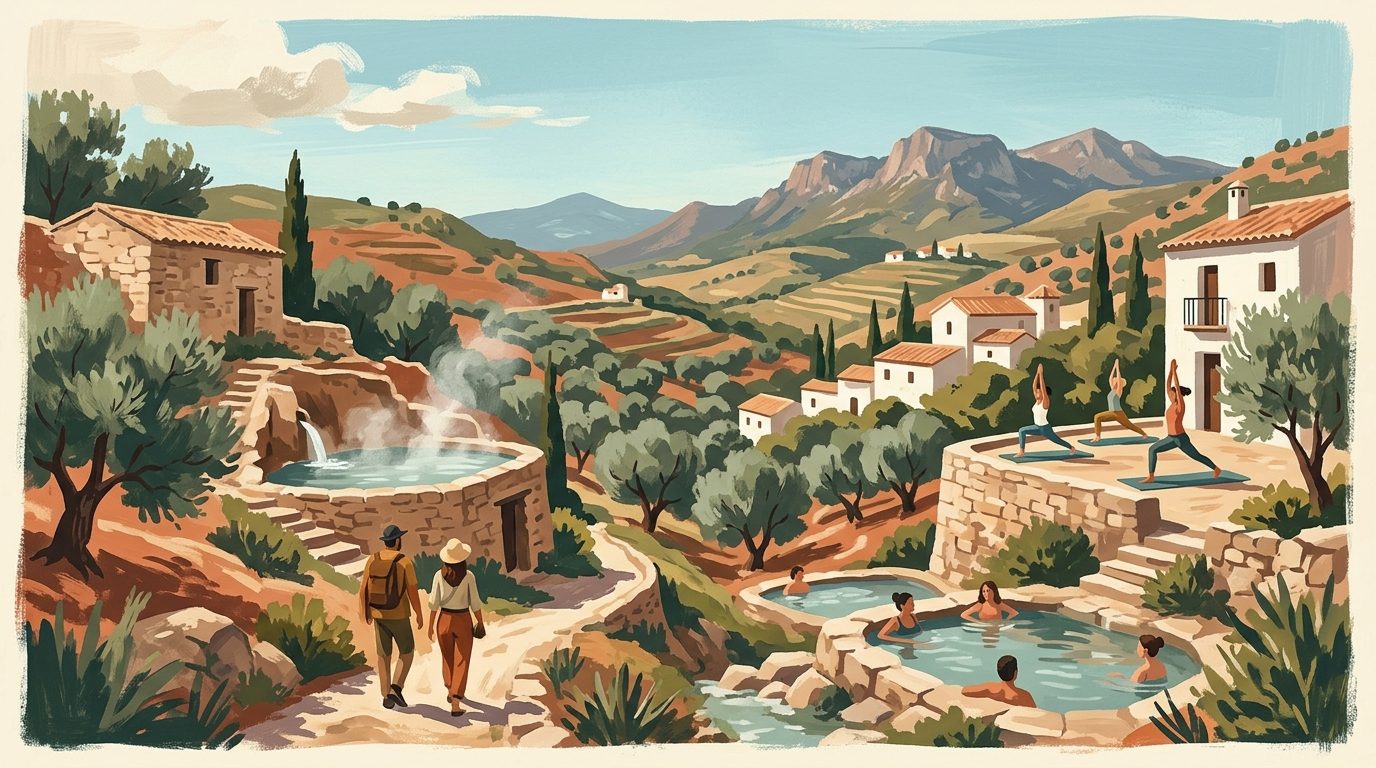
Restorative Andalucía: A Guide to Thermal Springs, Yoga, and Natural Wellness
Discover the restorative power of Southern Spain, from the ancient Arab baths of Granada to the healing mineral springs of the Alpujarra mountains.
7 min read
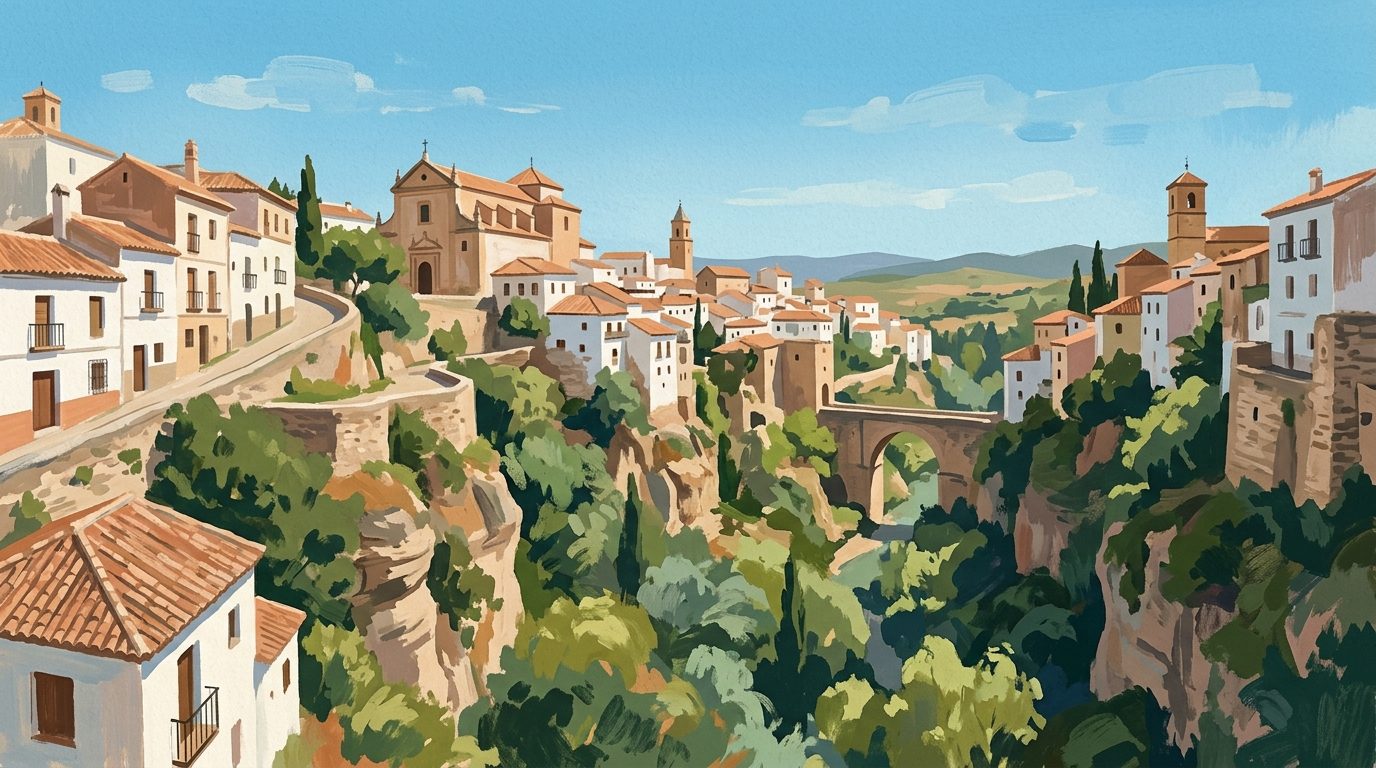
A Guide to Alhama de Granada: Thermal Waters and Gaping Chasms
Discover Alhama de Granada, a historic spa town perched on the edge of a dramatic limestone gorge, famous for its ancient Moorish baths and hot springs.
6 min read
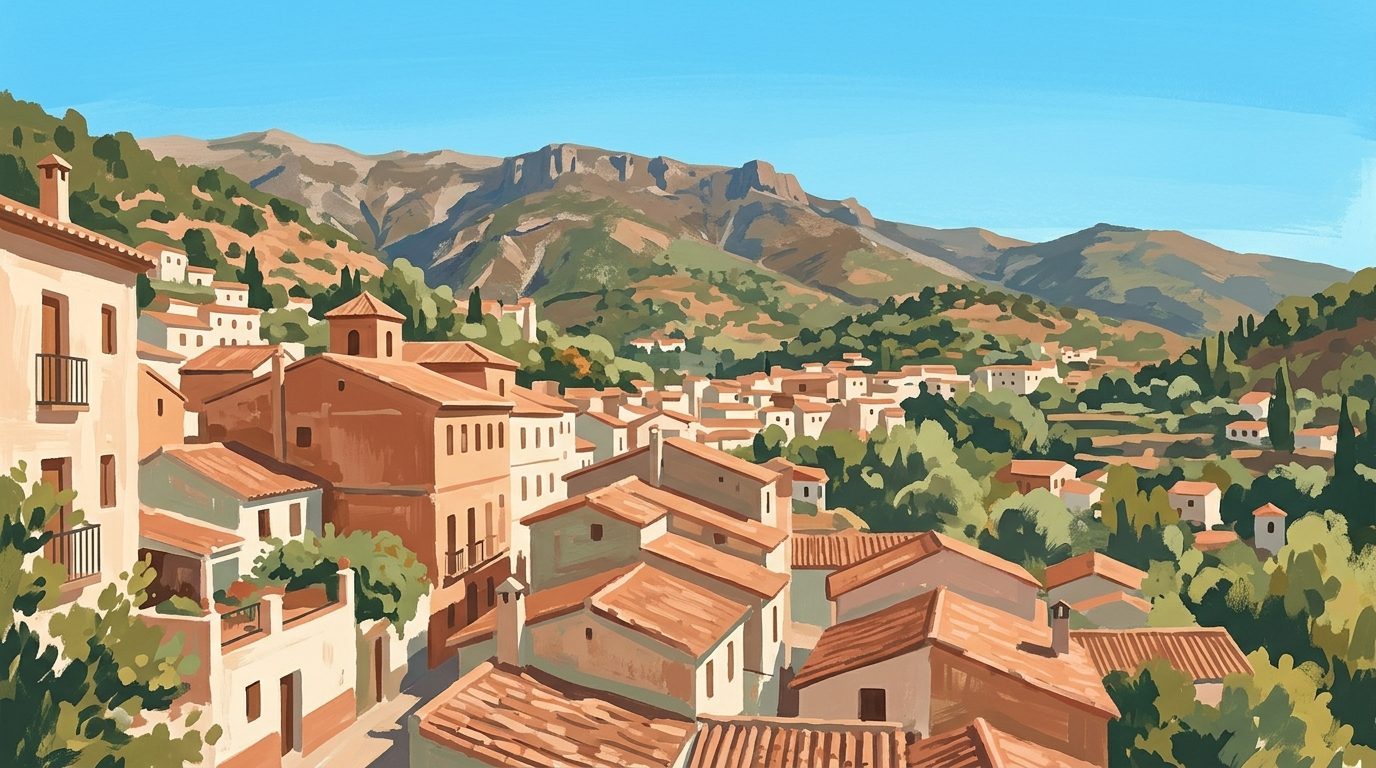
Lanjarón: The Gateway to the Alpujarras and Town of Eternal Springs
Discover Lanjarón, the famous spa town of the Alpujarras known for its curative waters, historic thermal baths, and the lively San Juan water festival.
5 min read