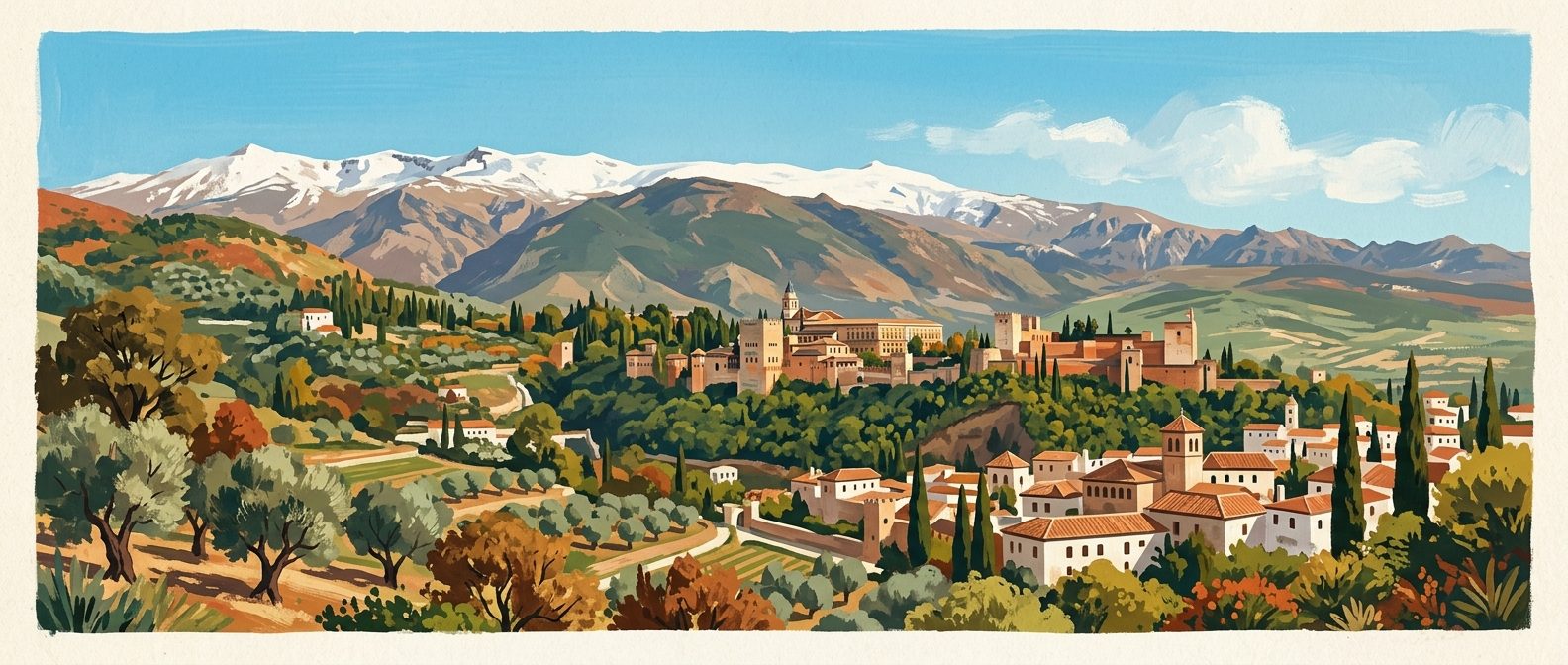
Beyond the sun-drenched coast of Andalucía lies the Sierra Nevada, a high-altitude wilderness where the highest road in Europe snakes towards the clouds. It is a place of dramatic scale, where you can carve through fresh powder in the morning and be back in the city for tapas by sunset.
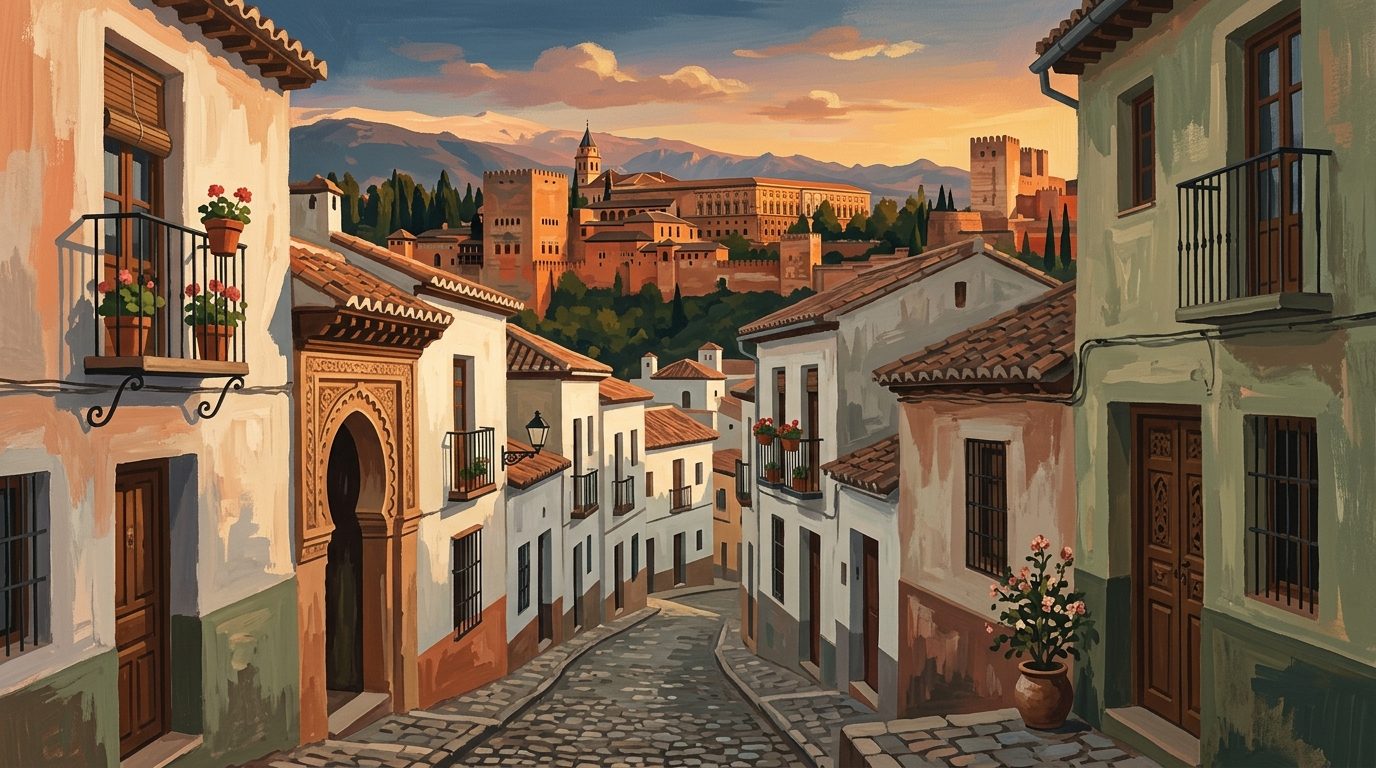
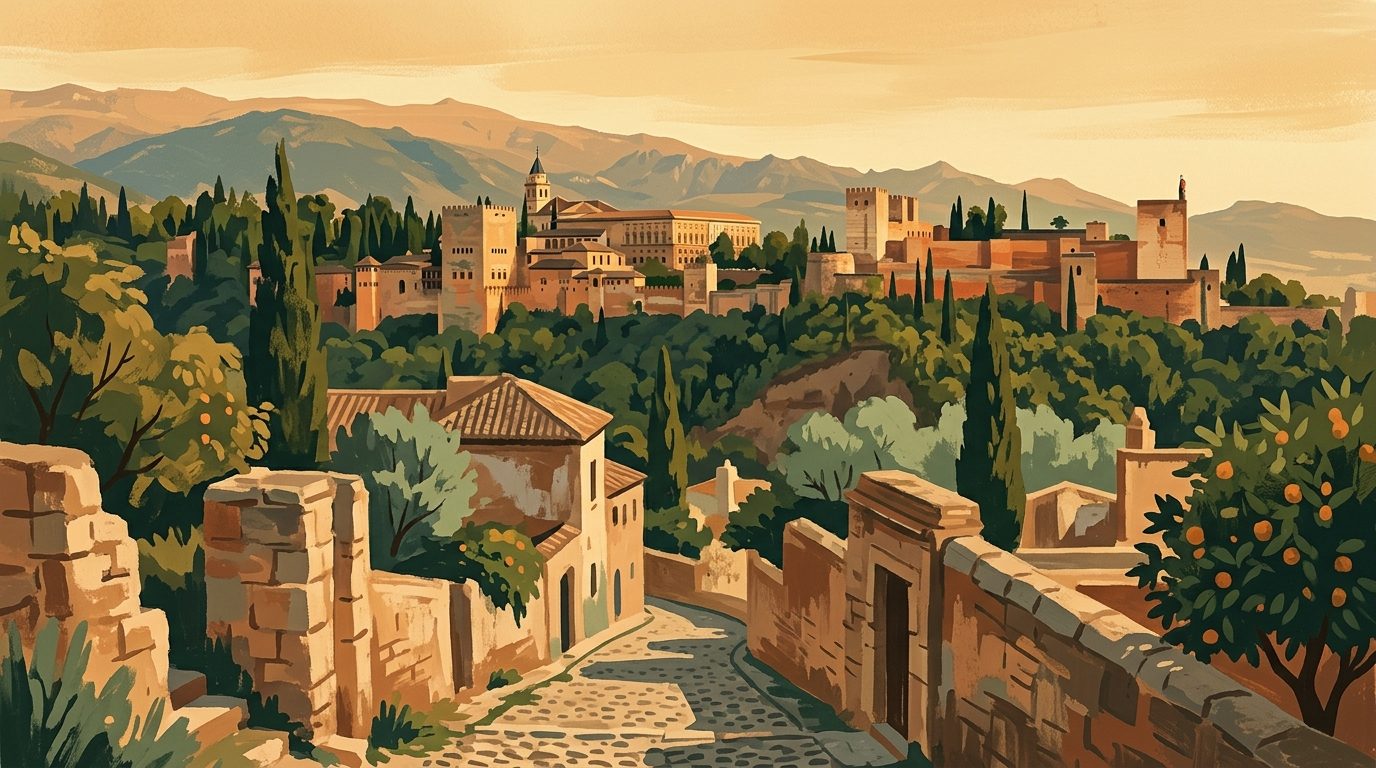
Most visitors to Granada gaze up at the snow-capped peaks from the Alhambra’s ramparts, but the true character of the Sierra Nevada is only found once you leave the city limits behind. This massif, a UNESCO Biosphere Reserve, contains sixteen peaks over 3,000 metres, including Mulhacén, the highest point in the Iberian Peninsula. It is not merely a playground for skiers; it is a complex landscape of glacial lakes, deep river gorges, and ancient acequias (irrigation channels) that have sustained life here since the Moorish era.
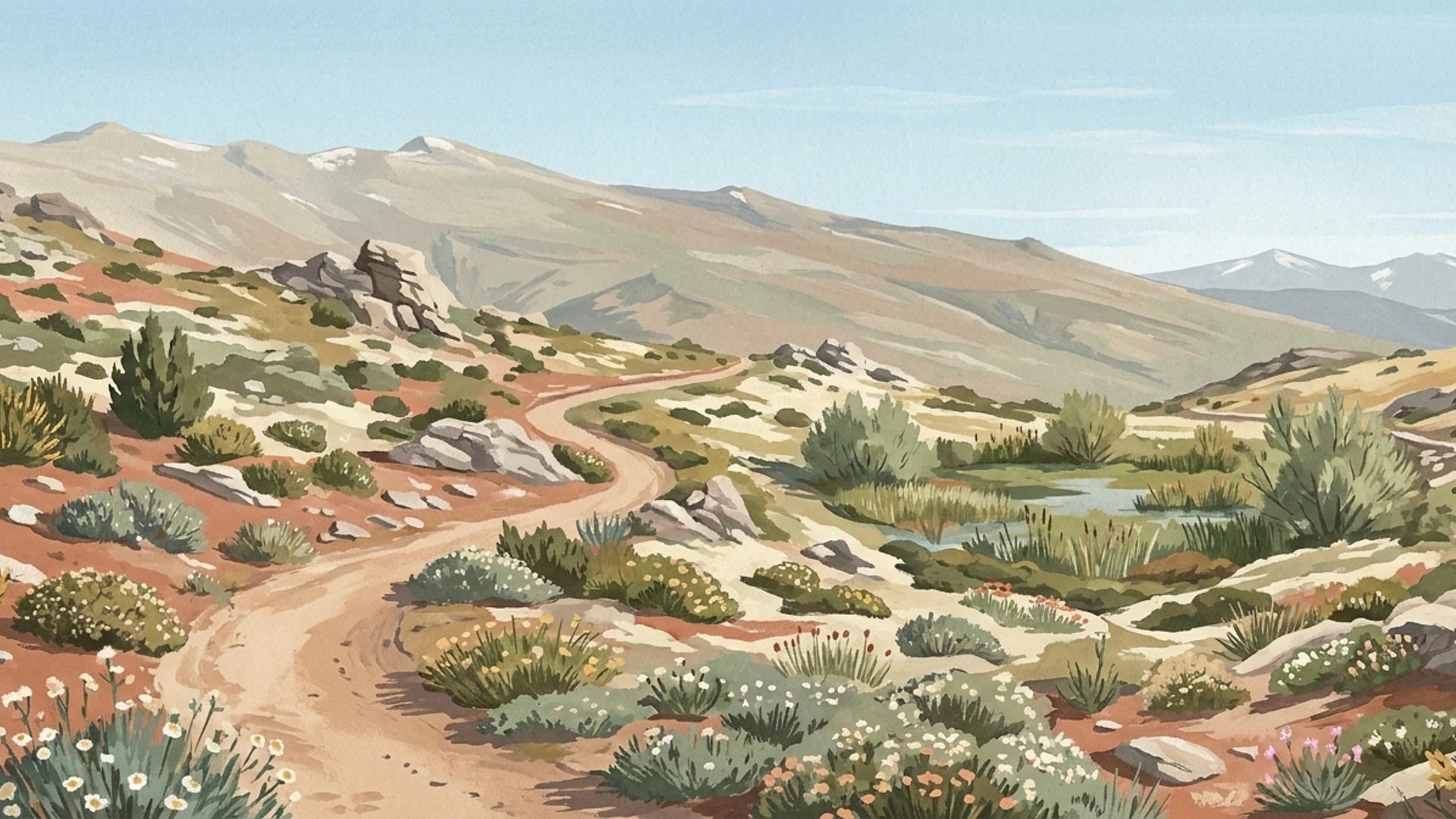
As you ascend from the fertile plains of Granada, the air sharpens and the vegetation shifts from olive groves to hardy scrub and high-altitude pines. The range is divided between the protected National Park and the wider Natural Park, offering a refuge for the cabra montés (Iberian ibex) and rare endemic flora like the Sierra Nevada violet. For anyone navigating the white-out conditions of mid-winter or walking the high-altitude trails in the height of summer, the Sierra Nevada demands respect and rewarded curiosity.
Places to Explore in the Sierra Nevada
Pradollano (Ski Resort)
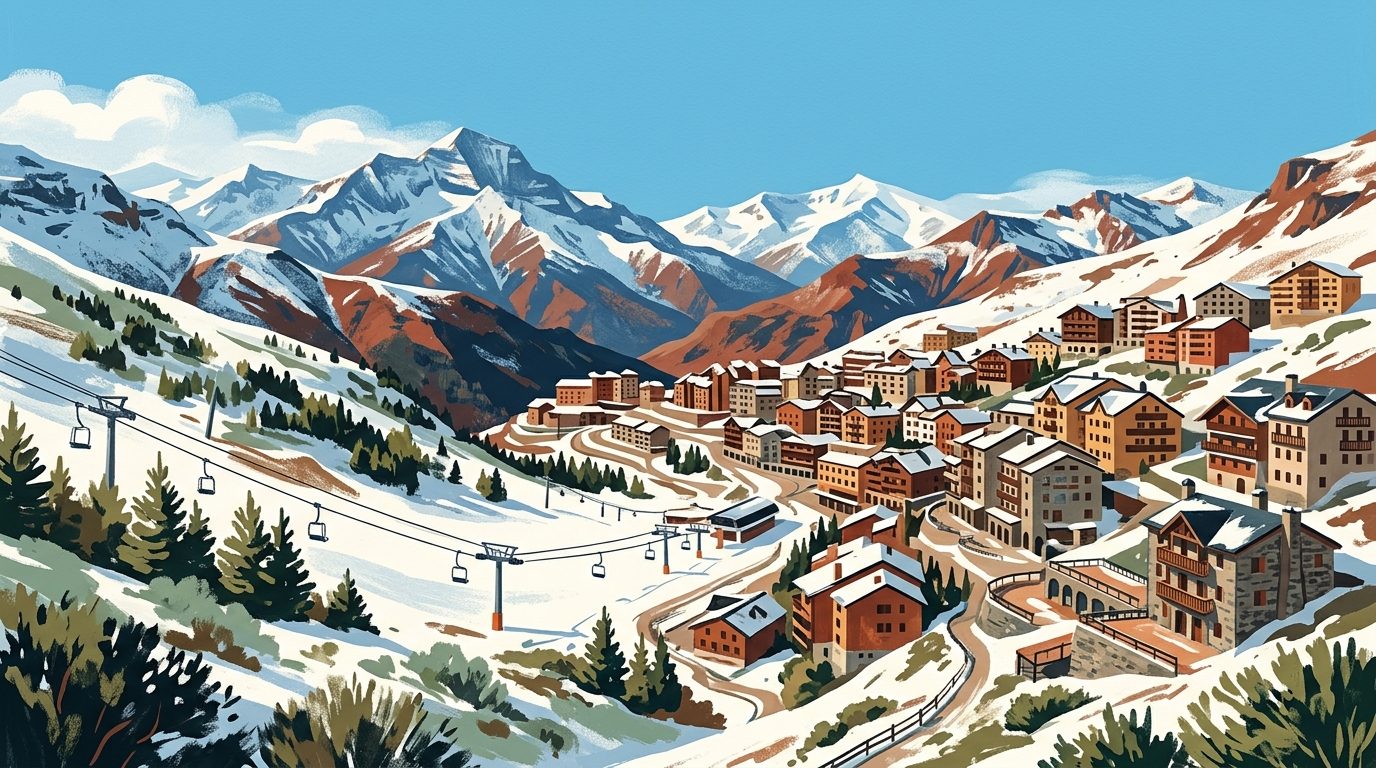
Pradollano is the heart of Europe’s southernmost ski resort, sitting at 2,100 metres and rising to just below the summit of Veleta. Because of its southern latitude, the resort is famous for its bluebird days; it is entirely possible to ski in a light jacket under a blazing sun while looking out across the Mediterranean towards the Rif Mountains of Morocco. The resort offers over 100 kilometres of runs, but the experience is about more than just the piste. The village itself is a series of tiered squares connected by staircases and chairlifts, filled with a spirited après-ski culture that stays lively long after the lifts close.
For those who find the main Borreguiles area too crowded, I recommend heading over to the Loma de Dílar. This sector feels more open and offers some of the best intermediate cruising runs, such as Villaviciosa. If you are an expert, the Fuente del Tesoro run provides a steep, technical challenge that often stays quieter than the arterial El Río run back to the village. Even if you don't ski, taking the gondola up to watch the sunset over the Mar de Nubes (sea of clouds) is an essential mountain experience. The village is well-equipped with rental shops like N’ice and ski schools, making it accessible even for those who arrive without gear.
Read the full Pradollano (Ski Resort) guide →
Güéjar Sierra
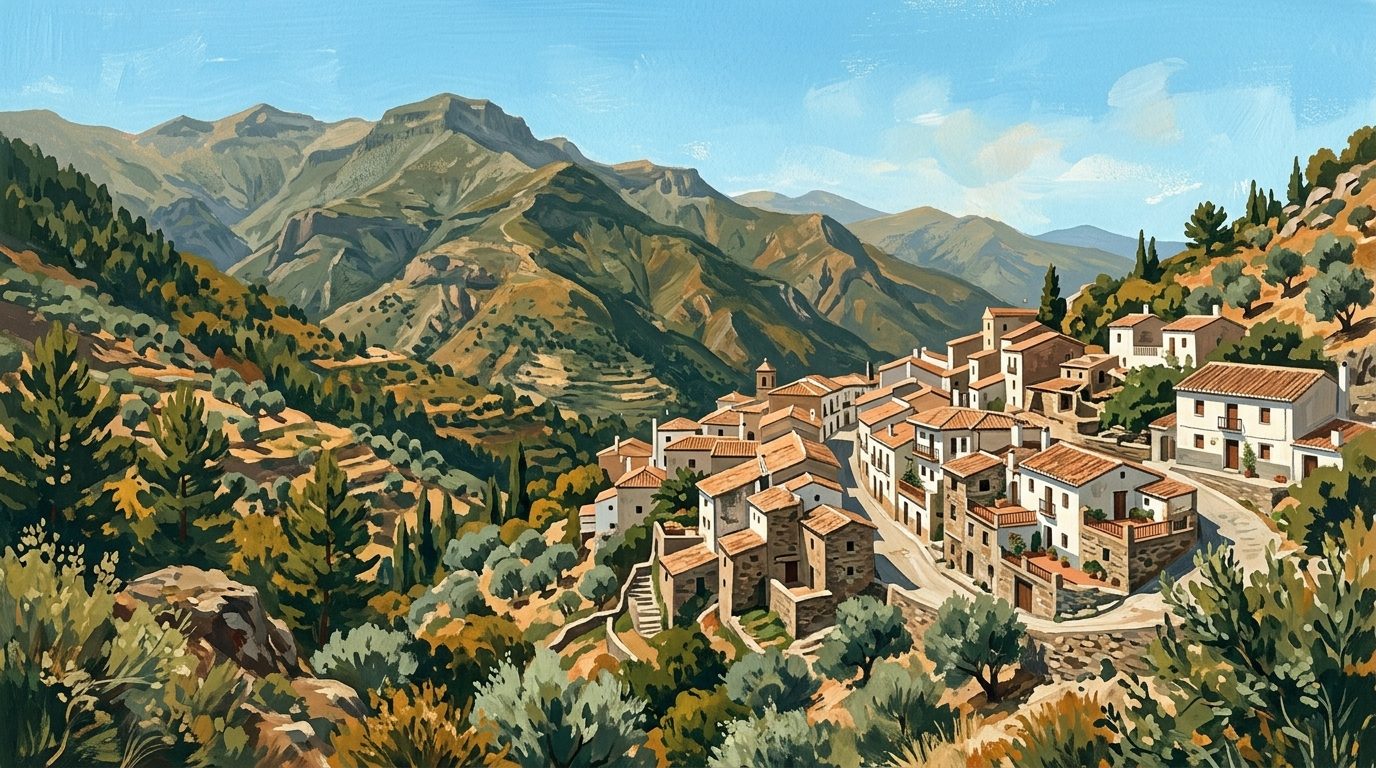
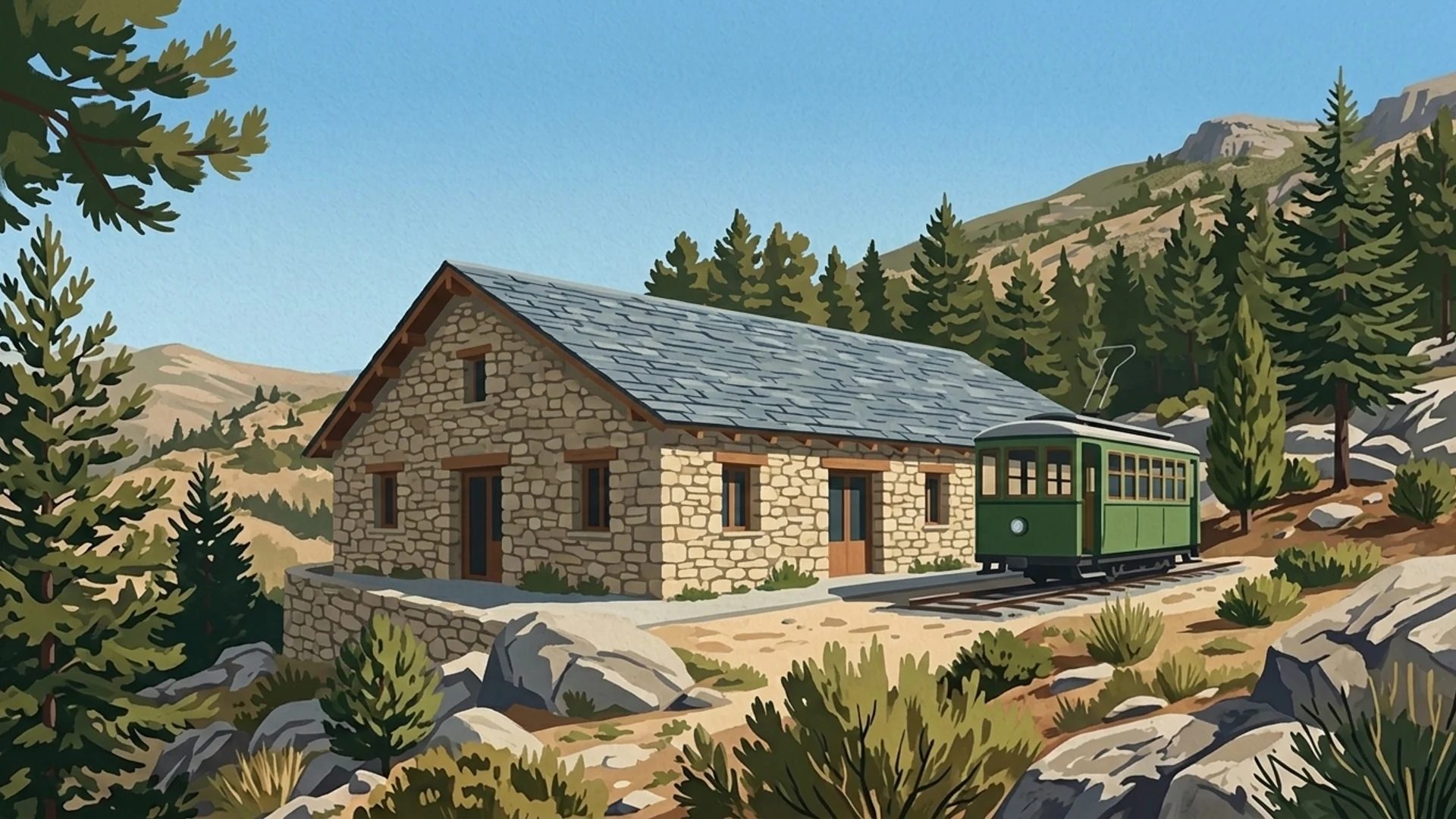
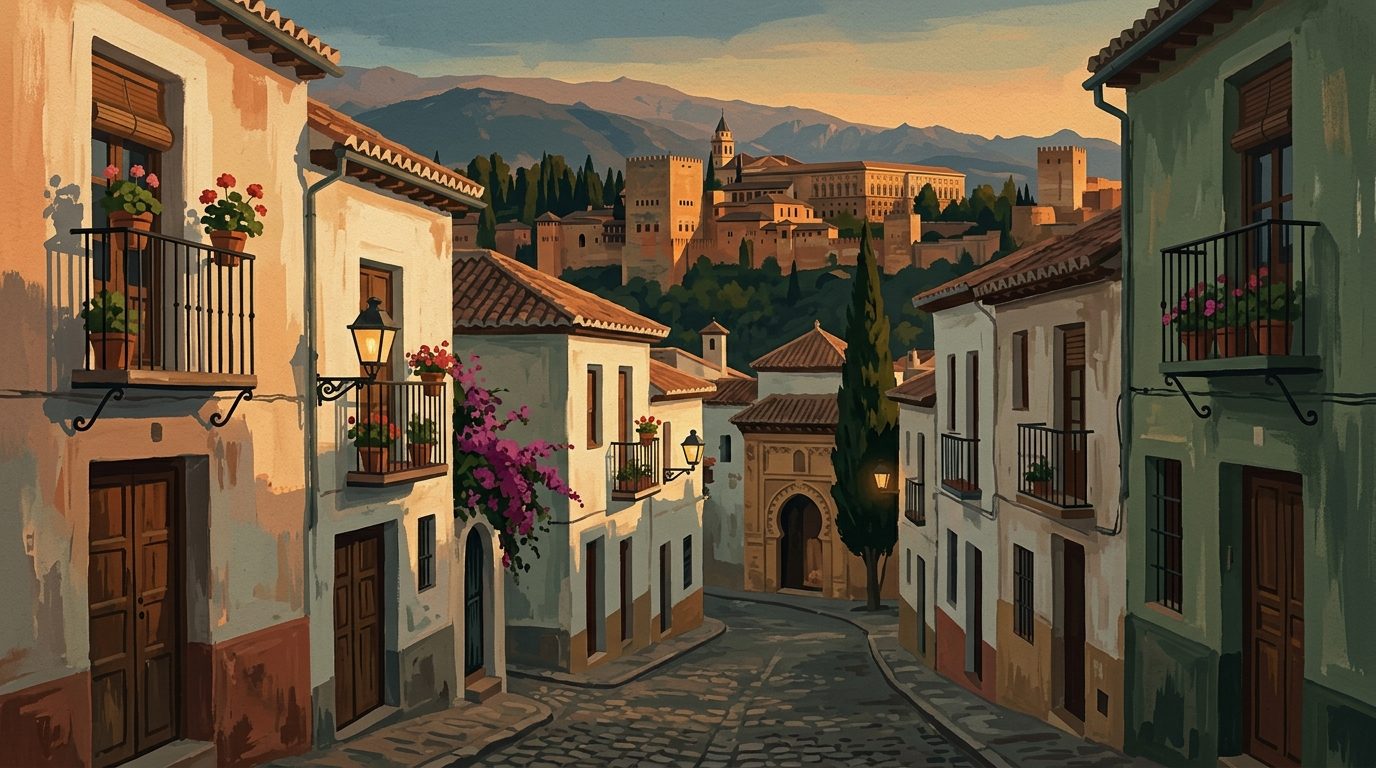
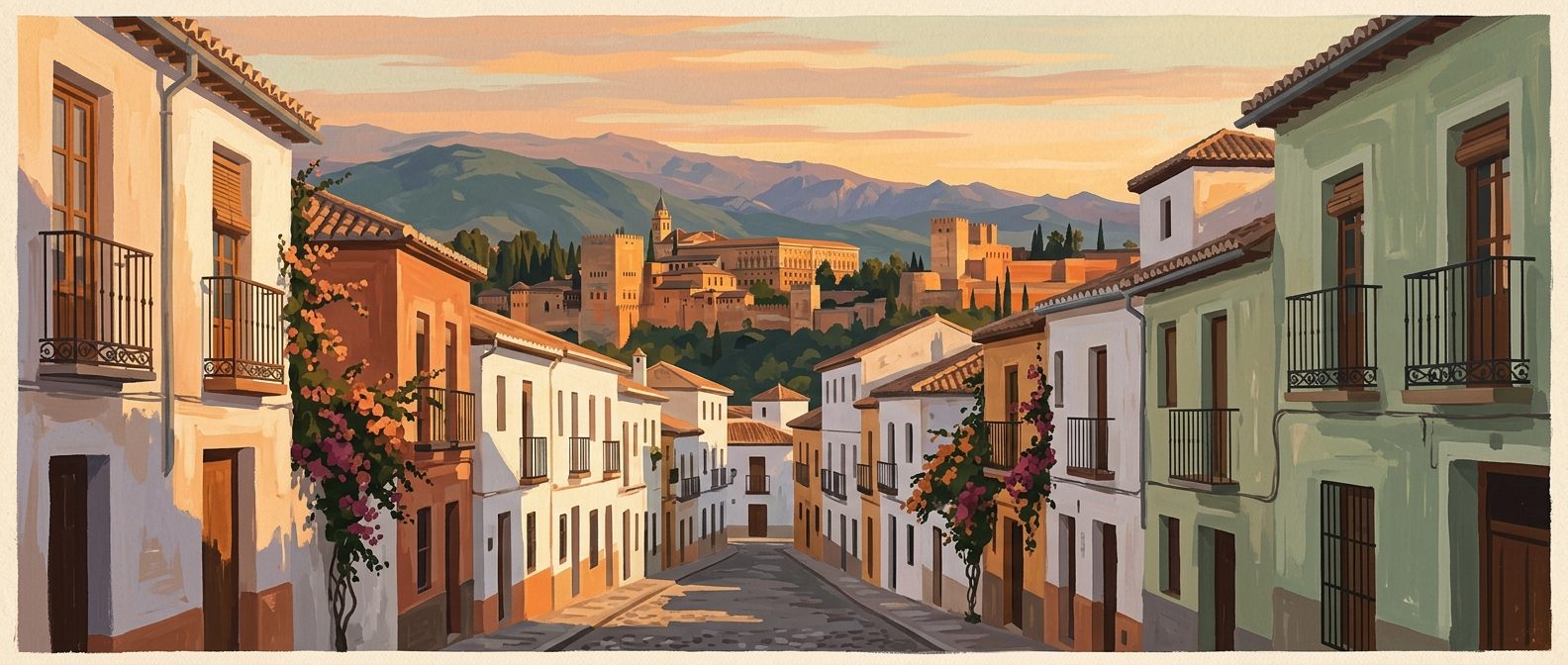
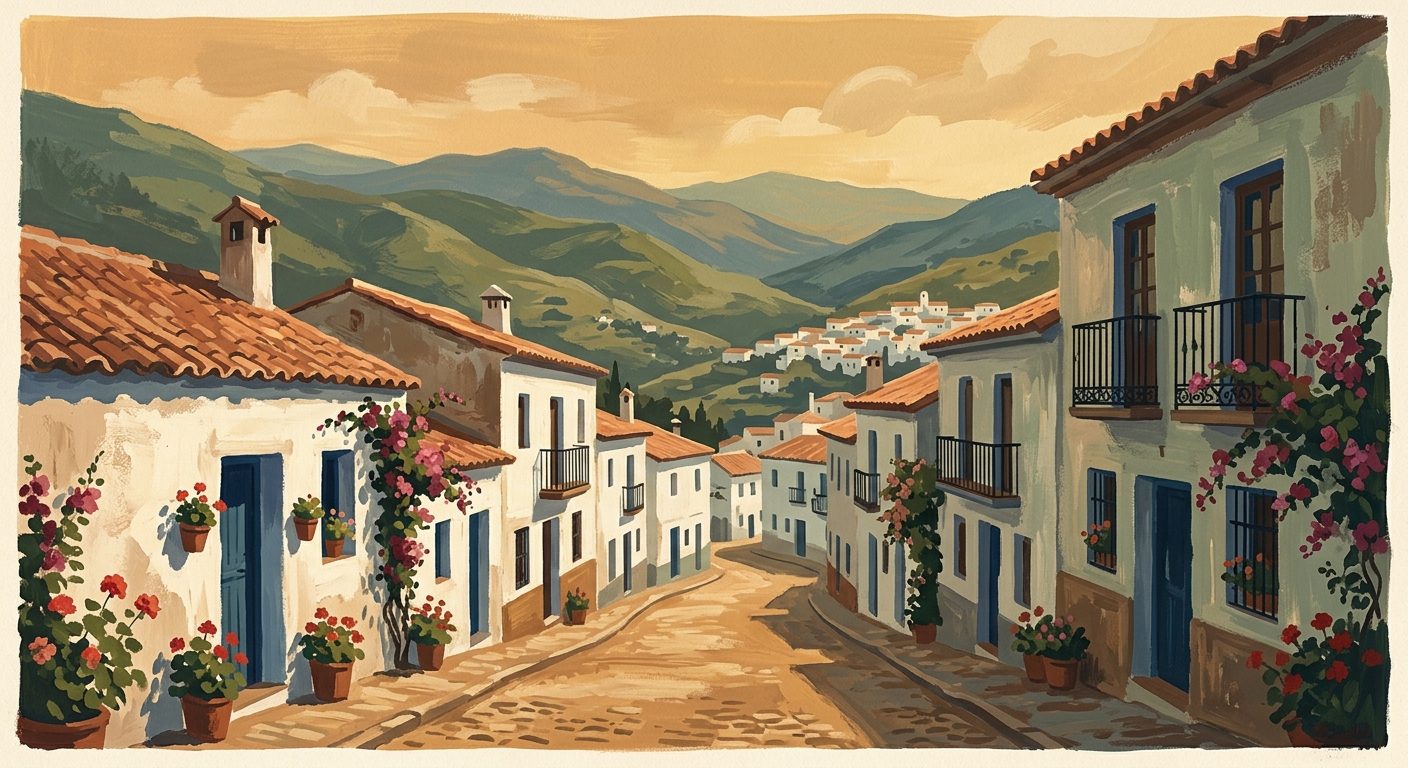
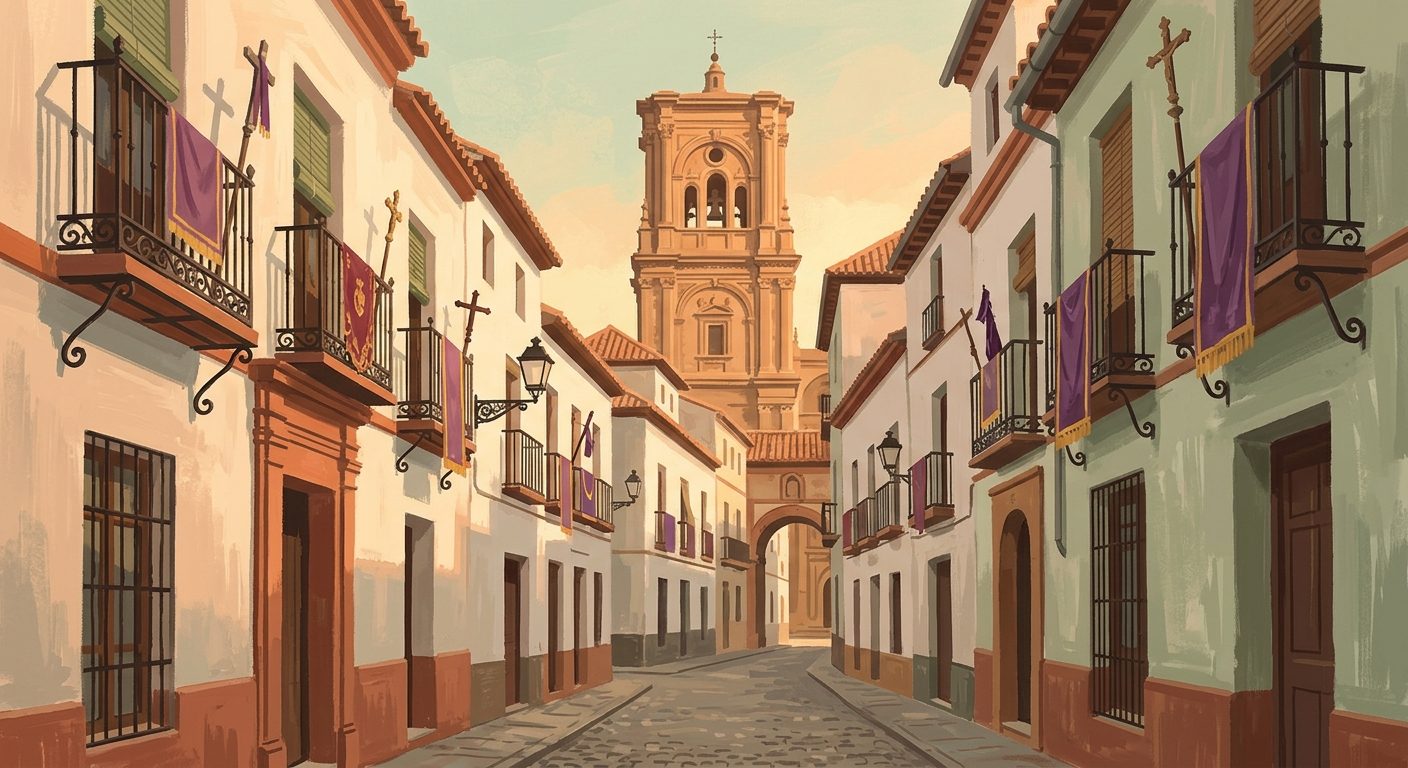
While Pradollano is built for the snow, Güéjar Sierra is a village that belongs to the mountains. Tucked into the north-western slopes of the range, this is a traditional mountain settlement of steep, cobbled streets and white-washed houses. It served as the gateway for the historic Tranvía de la Sierra, a tramway that once carried tourists and miners deep into the Genil valley. Today, you can still see the old tunnels and station buildings, which have been repurposed into atmospheric restaurants and walking paths.
Güéjar is the starting point for the Verea de la Estrella, arguably the most famous hiking trail in the province. This path follows the river Genil and provides a spectacular perspective of the north faces of Mulhacén and Alcazaba. The village is also famous for its agriculture; in spring, the valley is white with cherry blossoms, and the local cherries are prized across Spain. Unlike the resort town above, Güéjar feels lived-in and authentic, where the local embutidos (cured meats) are still made using traditional methods and the plaza remains the focal point of daily life. It is the perfect base for those who want to experience the Sierra Nevada without the commercial polish of a ski resort.
Read the full Güéjar Sierra guide →
Eating & Drinking in The Sierra Nevada
Dining in these mountains ranges from quick slope-side snacks to hearty, traditional stews designed to combat the high-altitude chill. In Pradollano, skip the fast-food outlets at the main gondola station and seek out La Antorcha. This spot is a local favourite for its steaks cooked on hot stones and its ceiling draped with hanging jamones (cured hams). For something more refined, La Carigüela offers traditional mountain fare with a view that is hard to beat, particularly their plato alpujarreño (a calorie-dense combination of fried eggs, potatoes, chorizo, and loin of pork).
Down in Güéjar Sierra, the culinary scene is even more grounded. Restaurante Las Olivillas is a standout, particularly for its views over the Canales reservoir. Here, you should try the choto al ajillo (kid goat with garlic), a staple of the Granada mountains. Another excellent choice is La Cantina de Güéjar (located in the historic station building), which serves seasonal dishes using ingredients sourced directly from the surrounding valley. Don't leave without trying the local almendras fritas (fried almonds) and a glass of local wine from the nearby Contraviesa region.
Where to Stay
For those looking for a luxury retreat in the snow, El Lodge in Pradollano is the standout choice. This Finnish log cabin-style hotel offers ski-in/ski-out access and an outdoor heated pool that feels particularly indulgent when the snow is falling. If you prefer something more traditional, Hotel Kenia Nevada provides a classic alpine atmosphere with plenty of wood panelling and a reliable spa to soothe aching muscles after a day on the slopes.
In Güéjar Sierra, the accommodation is more intimate and rural. Hotel Juan Francisco is a family-run establishment that offers warm hospitality and a great local restaurant. For those who want more independence, there are several casas rurales (country houses) tucked into the cherry orchards surrounding the village, such as La Argumosa, which provides a quiet escape with easy access to the main hiking trailheads.
Getting There & Around
Accessing the Sierra Nevada is remarkably straightforward from Granada city. The A-395 is a well-maintained, wide road that leads directly from the city centre to Pradollano in about 45 minutes. During the ski season, a regular bus service runs from the Granada bus station, which is an excellent way to avoid the often-expensive parking fees at the resort. To reach Güéjar Sierra, you take the GR-3200, a winding road that offers spectacular views of the Canales reservoir. Within Pradollano, a shuttle bus and a local chairlift help visitors move between the lower and upper parts of the village. For exploring the wider National Park, a car is essential, though be prepared for narrow, winding roads that require confident driving.
Best Time to Visit
The best time to visit depends entirely on your intentions. For skiing, the season typically runs from late November to early May (check official dates and live lift status at sierranevada.es as closing dates vary by snow cover; as of June 2026, the ski season has concluded and summer activities are underway). March offers the best combination of reliable snow depth and longer, sunnier days. For hikers and mountain bikers, the window between June and September is ideal, as the high-altitude trails are clear of snow and the temperatures are significantly cooler than the sweltering heat of the plains below. If you want to see the cherry blossoms in Güéjar Sierra, aim for late March or early April, depending on the year's rainfall and temperature.