Known across Spain for its mineral water, Lanjarón serves as the refreshing gateway to the high Alpujarras. This spa town combines therapeutic traditions with a maze of floral backstreets and ancient castle ruins.
As you climb the winding roads from the city of Granada towards the southern slopes of the Sierra Nevada, the air cools and the sound of rushing water becomes a constant companion. Lanjarón is the first major settlement of the Alpujarra Granadina, and it is a place defined entirely by its relationship with the peaks above. While many visitors treat it as a quick refreshment stop before heading higher into the white villages of the Poqueira Gorge, Lanjarón rewards those who linger. It is a town of health, longevity, and greenery, where the snowmelt from the Mulhacén is bottled and distributed to every corner of the Iberian Peninsula.
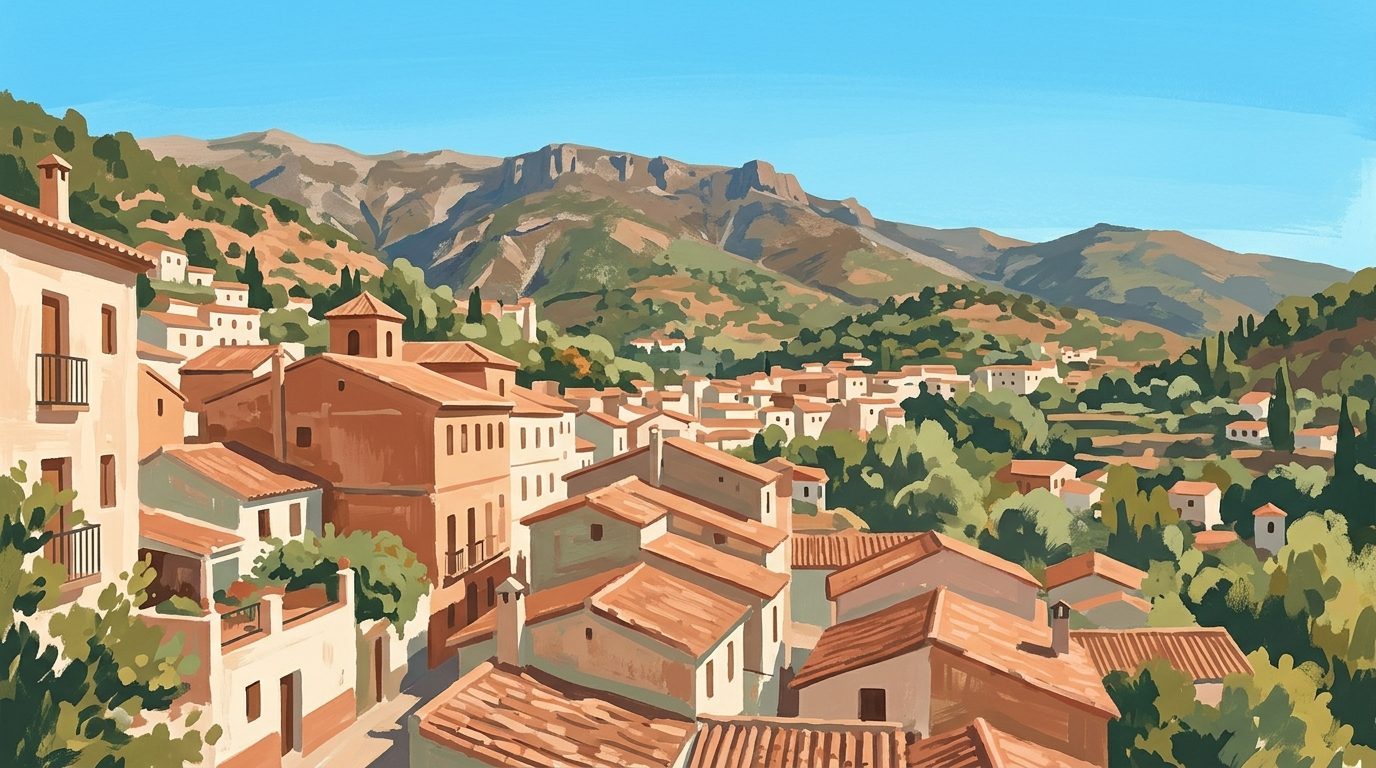
The town sits at an altitude of 650 metres, positioned on a narrow ledge between the mountains and the valley. This location creates a unique microclimate that allows Mediterranean flora like lemons and oranges to grow alongside Alpine chestnuts and oaks. For centuries, people have travelled here specifically for the curative properties of the local springs. Today, the town maintains a relaxed, slightly old-fashioned atmosphere, where the pace of life slows down to match the trickling of the dozens of fountains that line its main thoroughfare.
What to See & Do
The Balneario de Lanjarón
The centrepiece of the town is its grand spa complex, the Balneario. The current Neo-Mudéjar building dates back to the early 20th century, though the springs have been used for medicinal purposes since the 1700s. It is one of Spain’s most prestigious hydrotherapy centres. Visitors can book traditional thermal circuits, massages, or specific treatments using water from six different springs, each with a different mineral composition. Even if you aren't there for a treatment, the gardens surrounding the spa are a peaceful place for a walk, filled with tall palms and manicured hedges.
The Route of the Fountains
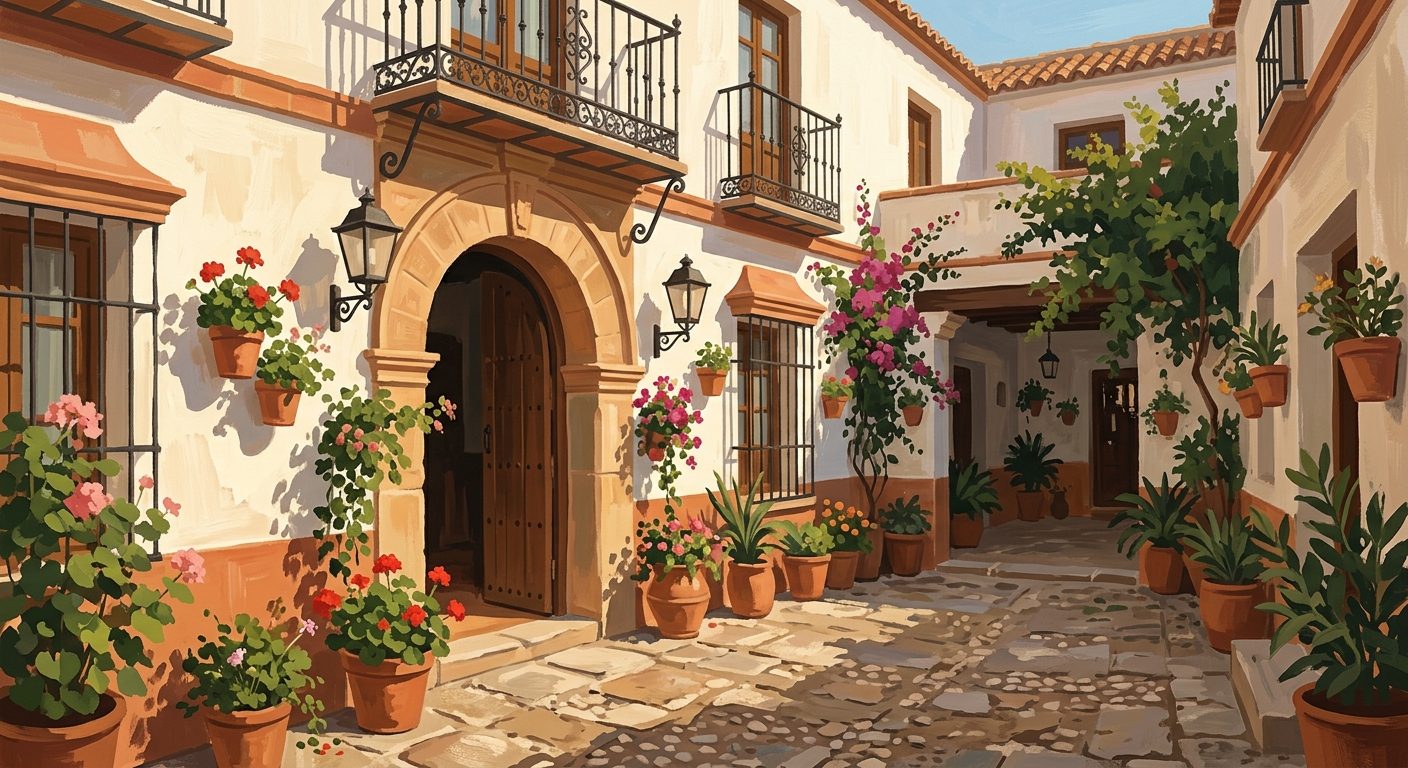
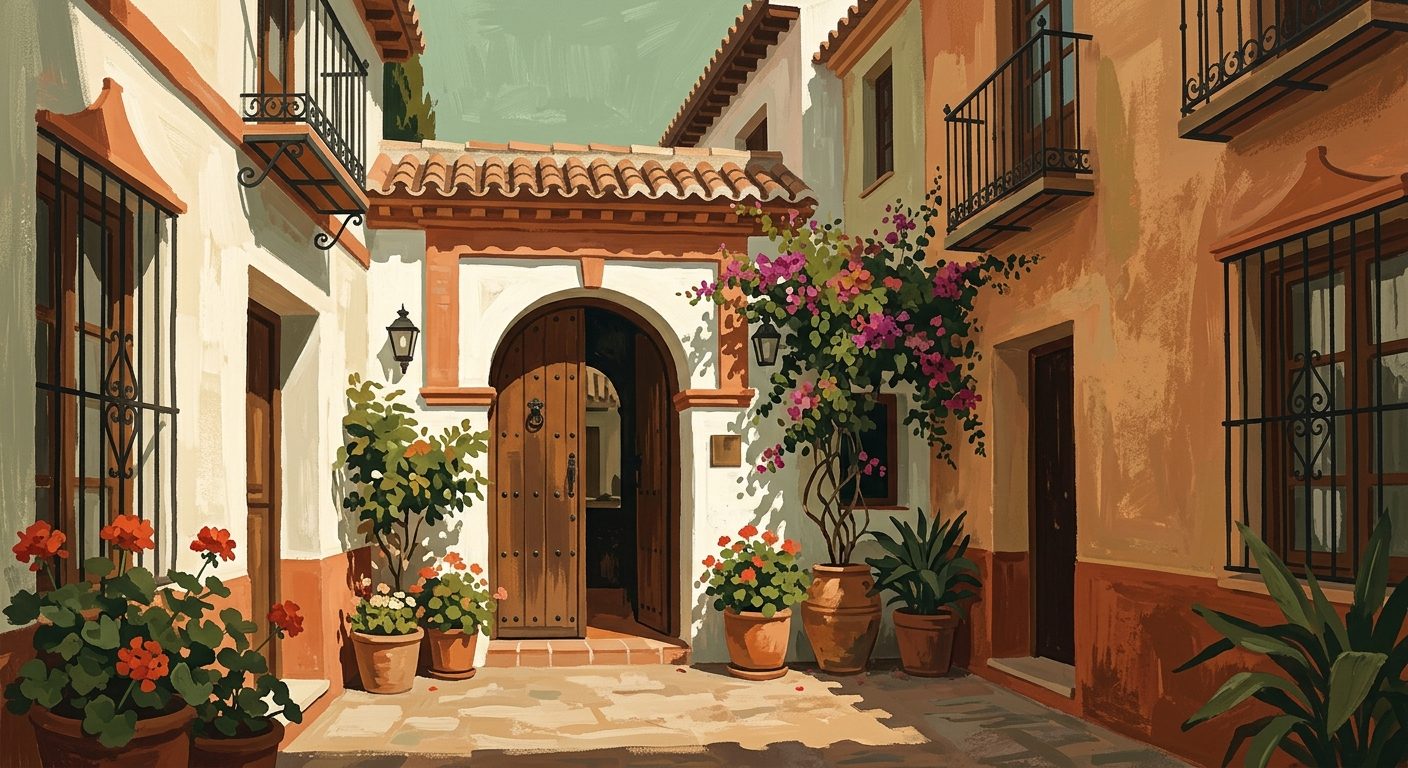
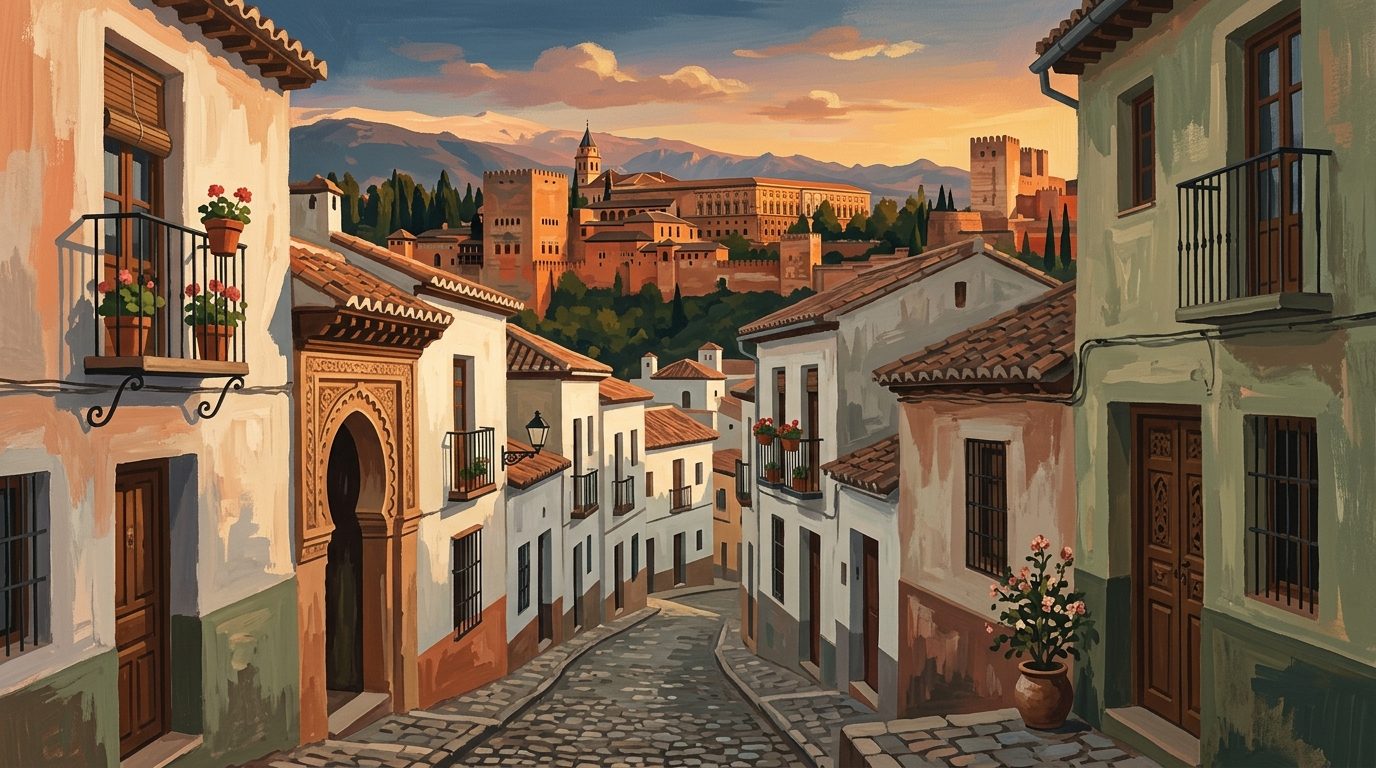
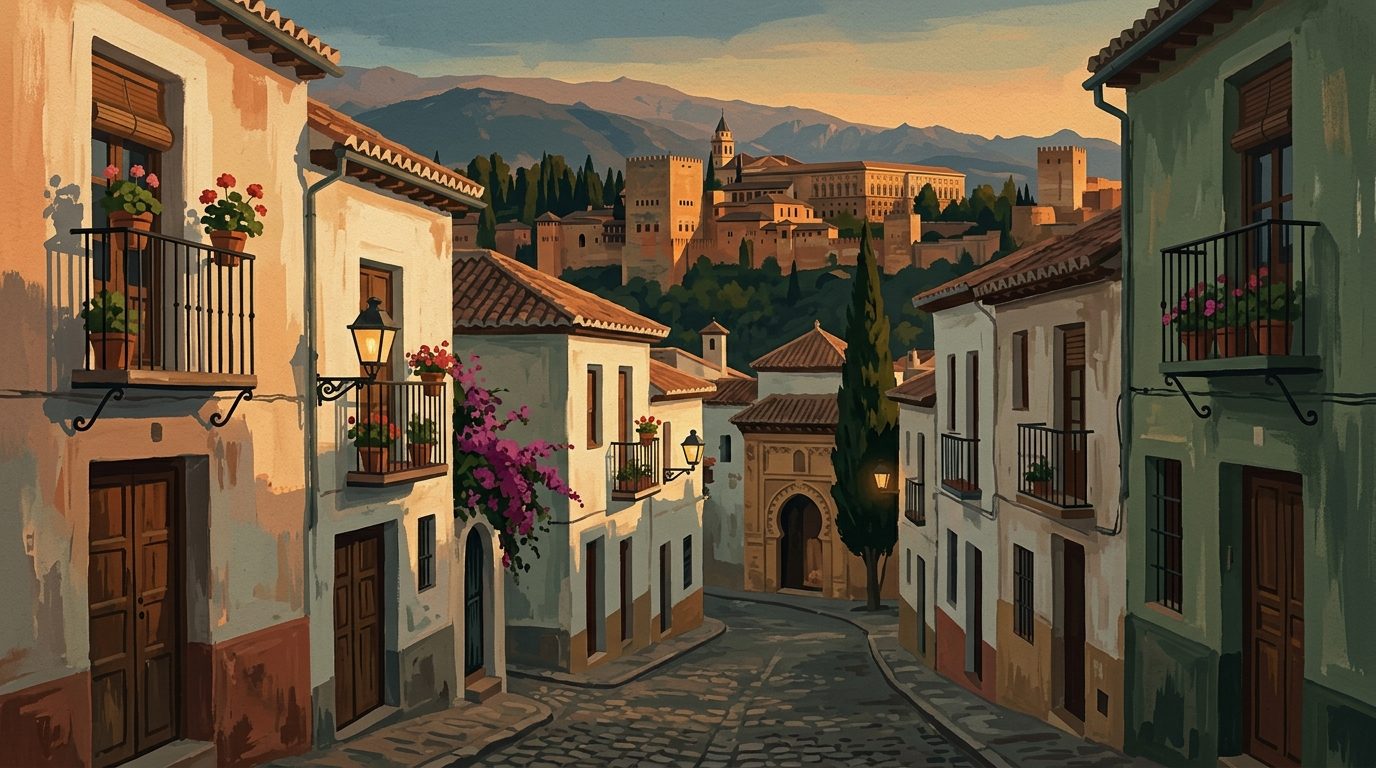
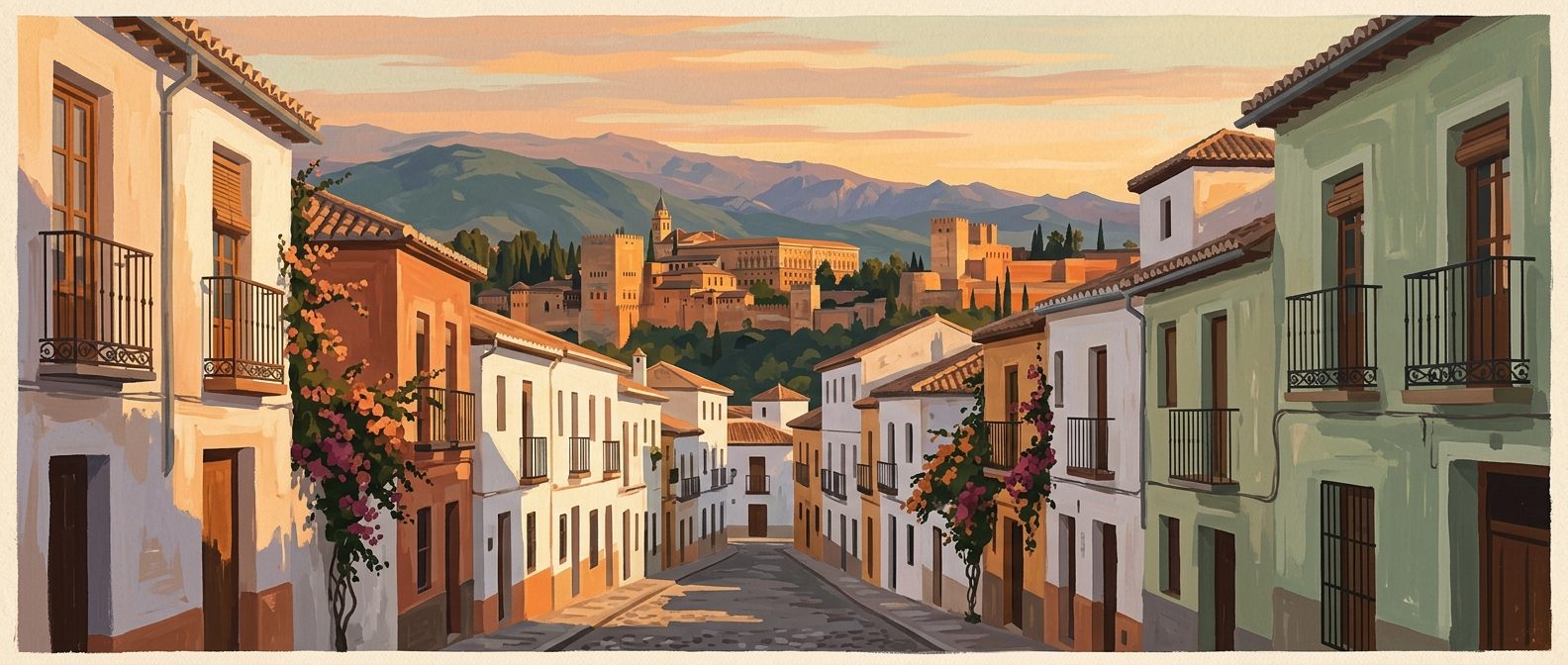
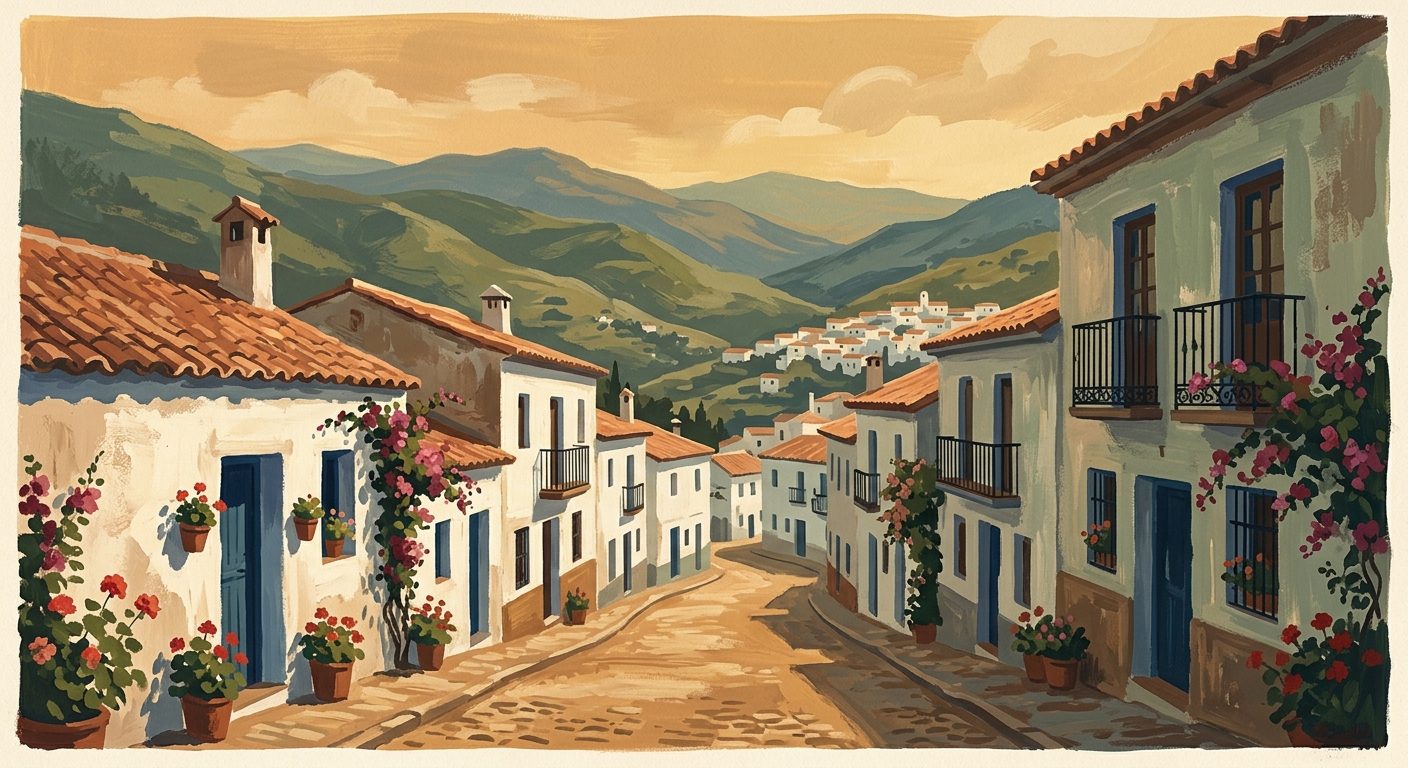
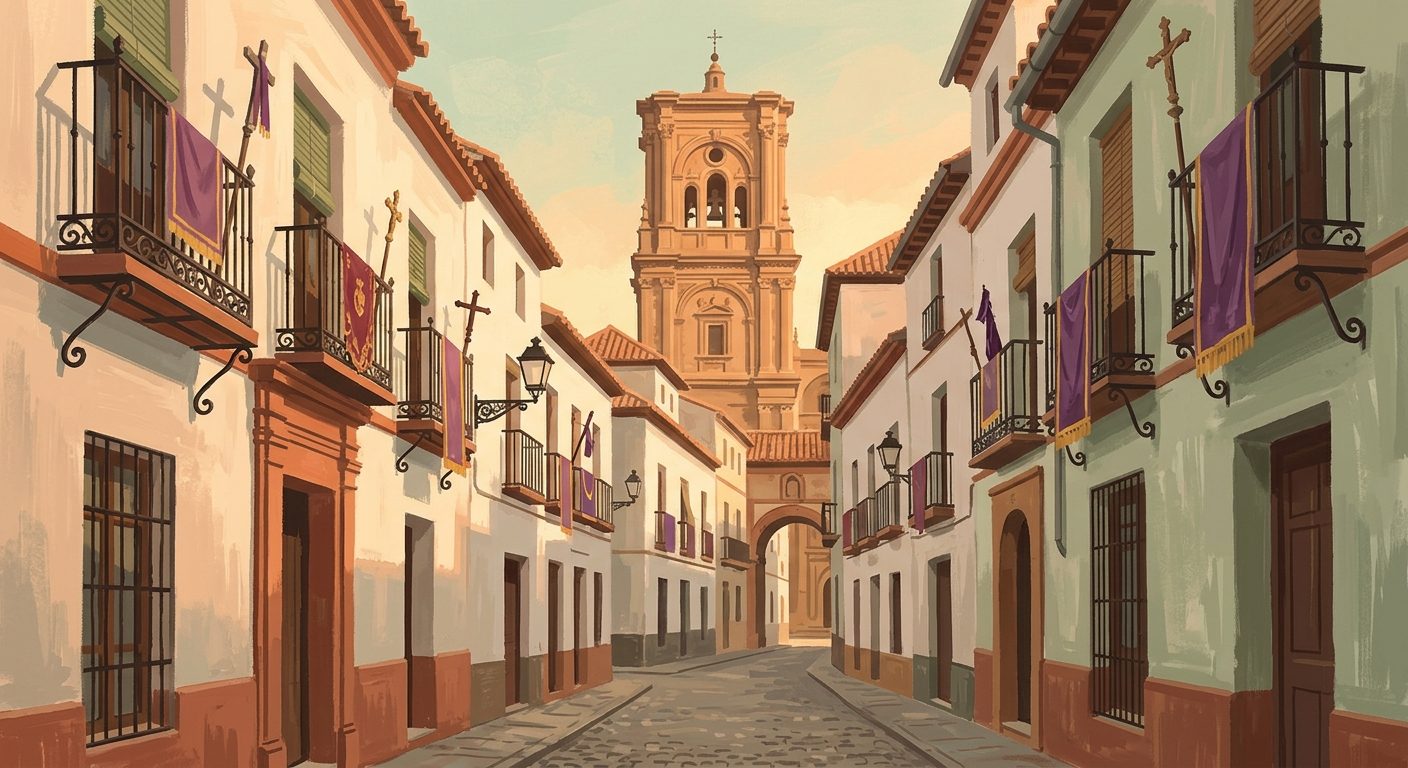
Water is the soul of Lanjarón, and the town celebrates this through more than 20 public fountains (pilarillos). Each fountain is unique, often decorated with colourful tiles and inscribed with short poems or verses, many of which were written by Federico García Lorca, who spent summers in the town. Walking the 'Ruta de los Pilares' is an excellent way to explore the steep, narrow streets of the Barrio Hondillo, the oldest part of town. Here, you will find the classic Alpujarran architecture: flat clay roofs, 'tinaos' (sheltered passages), and balconies overflowing with geraniums.
Castillo de Lanjarón
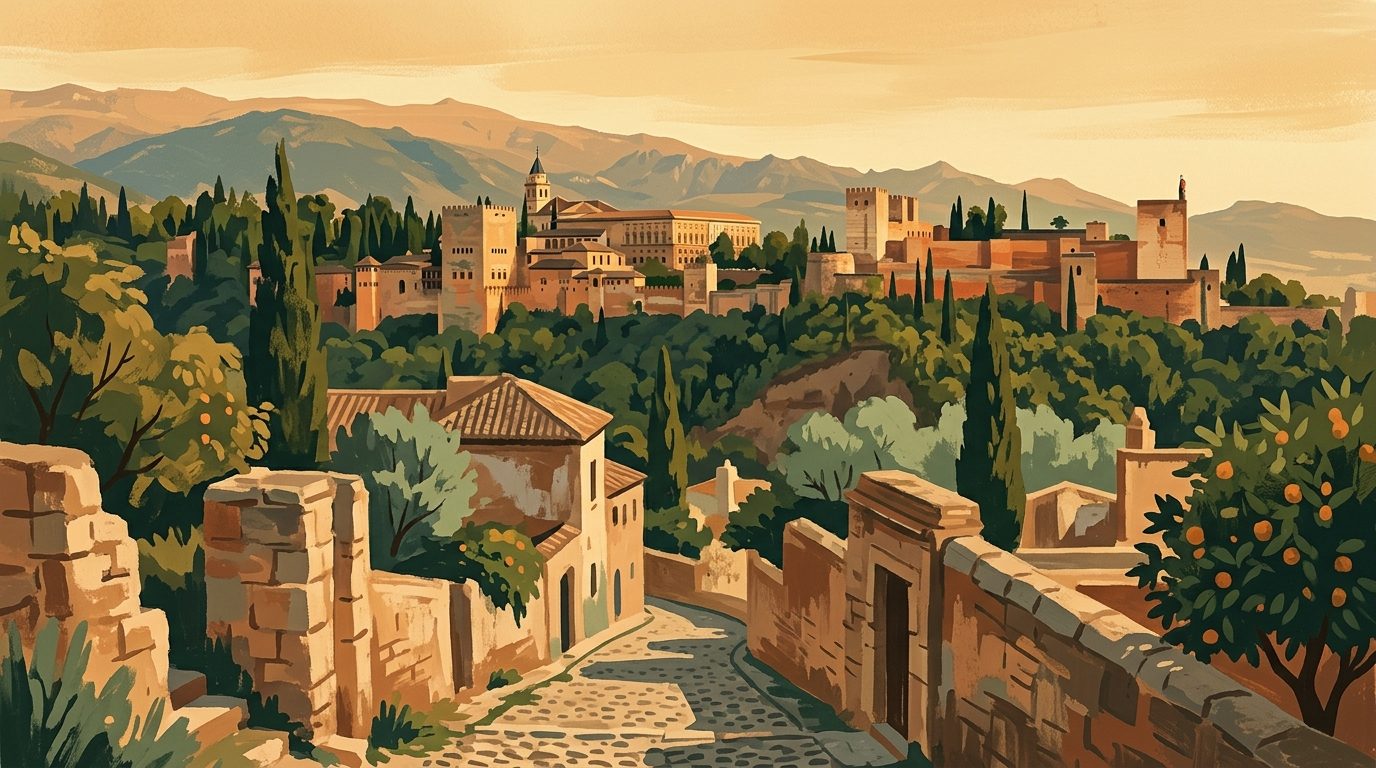
Perched on a rocky outcrop south of the town, the ruins of the Castillo de Lanjarón (also known as the Castle of the Moors) offer some of the best views in the region. Built during the Nasrid period and later reinforced after the Christian reconquest, the fortress served as a vital defensive point guarding the entrance to the mountains. The walk to the castle takes about 20 minutes from the town centre. While only parts of the external walls and the keep remain, the site provides a clear perspective of how the town controlled the valley below.
The Honey Museum (Museo de la Miel)
The Alpujarras are famous for high-quality honey, and Lanjarón is the hub of this industry. The Museo de la Miel is located on the edge of town and offers an educational look at the life of bees and the traditional methods of beekeeping in the Sierra Nevada. It features a live observation hive and a collection of historical tools. The museum is part of the 'Centro de Interpretación de la Apicultura', which also manages several hectares of gardens dedicated to the flora that bees pollinate in the region.
Fiesta del Agua y del Jamón
If you visit on the night of 23rd June, prepare to get soaked. The Fiesta del Agua (Water Festival) takes place during the San Juan celebrations. At the stroke of midnight, thousands of people take to the streets for a massive water fight using buckets, hoses, and water pistols. It is a loud, chaotic, and joyful celebration of the town's most famous resource. Once the sun comes up, the focus shifts to the other local speciality: Alpujarran ham (Jamón), with tastings held throughout the town.
Practical Information
Opening Times:
- Balneario de Lanjarón: Generally open from March to December. Thermal circuits usually run from 10:00 to 14:00 and 16:00 to 20:00. Pre-booking is essential for treatments.
- Honey Museum: Open Tuesday to Sunday, 10:00 to 14:00. Afternoon hours vary by season, usually 16:00 to 18:00 in winter.
- Castillo de Lanjarón: The site is open-access and free to visit at any time during daylight hours.
Ticket Prices:
- Balneario: A basic 90-minute thermal circuit costs approximately €35. Individual massages start around €45.
- Honey Museum: Adult entry is €3, which includes a small honey tasting.
- Castillo: Free.
How to Get There:
Lanjarón is approximately 45 kilometres from Granada city. By car, take the A-44 motorway south towards Motril and exit at junction 164 for the A-348. The drive takes approximately 45 minutes, though traffic entering the town can be heavy during summer weekends. ALSA operates a regular bus service from Granada's main bus station to Lanjarón, with several departures daily; the journey takes roughly 1 hour and 15 minutes.
Parking:
Parking on the main street (Avenida de Madrid) is very limited and often restricted to 30 minutes. There is a large public car park near the entrance of the town (near the tourist office) and another smaller one near the Balneario. It is advisable to park in these designated areas and explore the town on foot, as the interior streets are too narrow for cars.
Where to Eat Nearby
For a traditional experience, Bodega González on the main street is a local institution. It is a fantastic spot for tapas, particularly their locally cured jamón and artisan cheeses. If you are looking for a more substantial meal, Restaurante Asador Parque specialises in meats grilled over olive wood. Their 'Plato Alpujarreño', a hearty combination of potatoes, fried eggs, chorizo, black pudding, and loin, is the definitive taste of the region. For something slightly more refined, the restaurant at Hotel Alcadima offers creative takes on local recipes, using seasonal vegetables from their own garden and honey-based sauces.
Where to Stay
The Hotel Balneario de Lanjarón is the most iconic choice, offering direct access to the thermal springs and a historic, grand-hotel feel. For a more intimate, rustic stay, Hotel Alcadima is highly recommended; it is built in the traditional Alpujarran style with wooden beams and stone walls, featuring a beautiful pool and views across the valley. There are also several smaller guesthouses (pensiones) scattered through the old quarter for those on a tighter budget.