
Feature · Córdoba
Semana Santa in Córdoba: The Definitive Guide
During Semana Santa in Córdoba, the air smells of orange blossom and incense as penitential floats pass beneath the candy-striped arches of the Mezquita.
By Dan · Updated 29 June 2026 · 8 min read
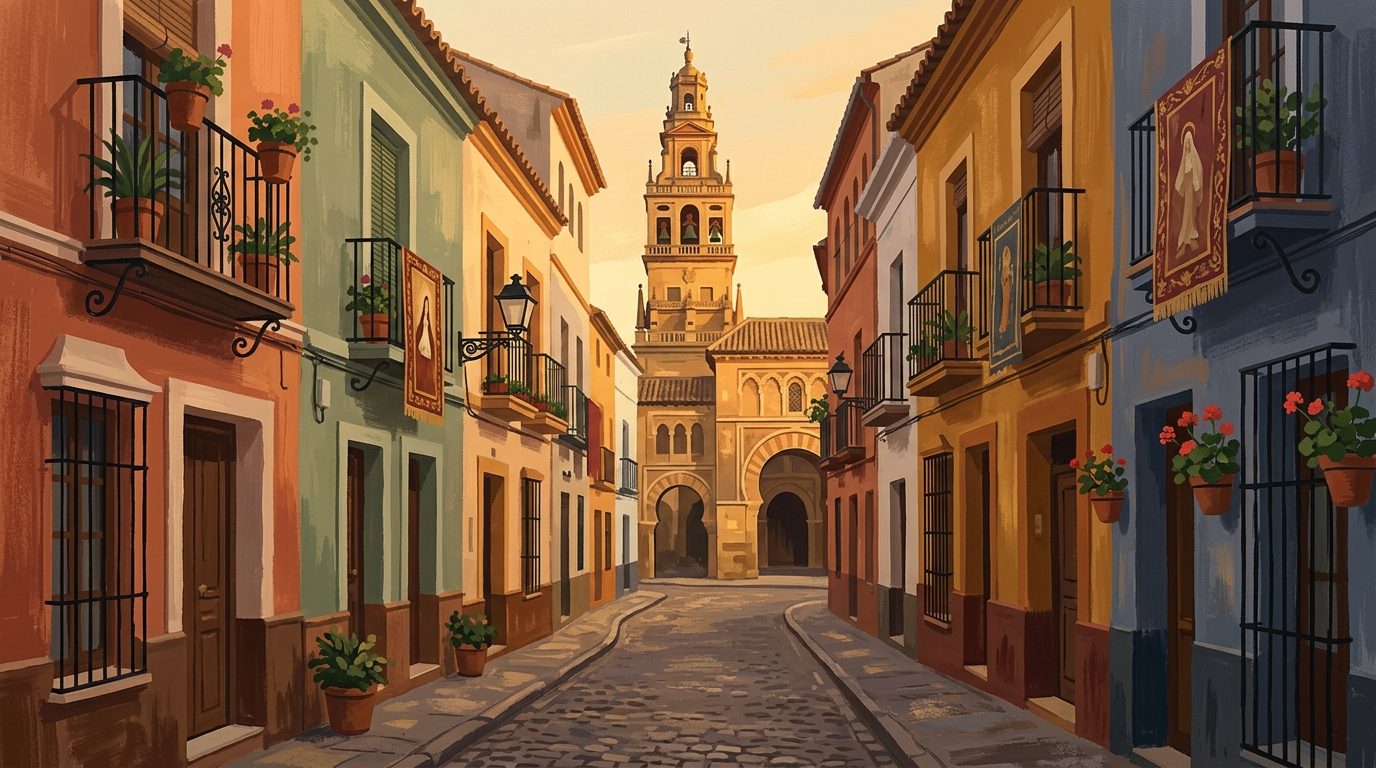
During Semana Santa in Córdoba, the air smells of orange blossom and incense as penitential floats pass beneath the candy-striped arches of the Mezquita. It is a spectacle of deep devotion where Andalucían tradition meets centuries of complex religious heritage.
Semana Santa in Córdoba is a profound expression of faith, art, and civic identity. While other Andalucían cities command larger international crowds, Córdoba offers an experience defined by its entirely unique architectural footprint. Since 2017, the city has routed its Carrera Oficial (the official route every brotherhood must complete) directly through the monumental Mezquita-Catedral. This creates a spectacle unlike anything else in the world. Enormous wooden floats, bearing weeping Virgins and crucified Christs, are carefully manoeuvred through the Islamic horseshoe arches of the former mosque. The aesthetic contrast of Catholic penitential tradition passing through one of the greatest monuments of the Islamic golden age encapsulates the complex past of the region.
The narrow lanes of the historic centre dictate the size and movement of the processions. The atmosphere is intimate and heavily perfumed by the orange trees that line the streets and courtyards. Locals treat this week with intense reverence, turning the entire historical district into an open-air theatre of mourning, reflection, and eventual celebration. Understanding how the city breathes during this week is essential for any visitor hoping to witness the true character of Córdoba.
What to expect
The sensory experience of Semana Santa here is overwhelming but grounded. You will smell a heavy blend of burning frankincense and fresh orange blossom, locally known as azahar. The streets echo with the sound of cornet and drum bands, or in the case of the silent brotherhoods, the rhythmic shuffling of esparto grass sandals and the dull thud of a ceremonial staff striking the cobblestones.
Crowds are dense but generally orderly. Locals treat this as a deeply spiritual and communal occasion, not a tourist attraction. You will see thousands of nazarenos wearing the traditional capirote (pointed hood), a garment that predates the Spanish Inquisition and guarantees the anonymity of the penitent. Some walk barefoot, carrying heavy wooden crosses. The tronos (floats) are carried by costaleros, hidden beneath the platform, who lift the massive structures on their necks and shoulders. In Córdoba, the streets of the Jewish Quarter are so narrow that the costaleros must rely entirely on the shouted instructions of the capataz (foreman) to avoid striking the whitewashed walls.
When it happens
Dates shift annually with the lunar calendar. Following the 2026 celebrations, the next Semana Santa will take place from 21 March (Palm Sunday) to 28 March (Easter Sunday) 2027. The atmosphere begins to build weeks in advance during Lent, but the main events officially commence on Palm Sunday and conclude on Easter Sunday. Each day holds a different emotional weight.
Sunday is celebratory, marking the arrival in Jerusalem, with children carrying palm fronds and a generally lighter mood. Monday and Tuesday see an increase in solemnity. Wednesday introduces some of the most complex manoeuvres as brotherhoods navigate particularly tight corners. Maundy Thursday brings the climax of devotion, bleeding into the early hours of Good Friday. The midnight processions are the most austere, marked by total silence, extinguished streetlights, and a collective sense of mourning. Easter Sunday breaks the tension with bright morning light, white robes, and joyous musical compositions celebrating the resurrection.
The processions and the action
There are nearly forty brotherhoods (hermandades) traversing the city over the week. If you must choose specific moments to witness, the Hermandad del Remedio de Ánimas on Holy Monday is extraordinary. They do not use a brass band. Instead, a choir sings the Miserere, a polyphonic medieval chant that echoes off the stone walls, creating a genuinely haunting atmosphere.
On Wednesday, look out for the Hermandad de la Paz, known for its pristine white robes and a procession that feels endless, winding its way down from the Capuchinos neighbourhood. Thursday night belongs to the Hermandad de la Buena Muerte. As the clock strikes midnight, they exit the Real Colegiata de San Hipólito in complete silence, their dark tunics blending into the night, lit only by large wax candles.
Friday brings the procession of Nuestra Señora de los Dolores. Known affectionately as the Lady of Córdoba, this image commands immense local devotion. Her float is completely covered in black velvet and silver, followed by thousands of penitents and local women dressed in traditional mourning attire. The route from her sanctuary into the historical centre is an emotional focal point for the entire city. Finally, the Hermandad del Resucitado on Easter Sunday marks the joyous conclusion of the week, though the Hermandad del Rescatado on Palm Sunday remains one of the most popular processions for local penitents.
Where to watch and where to be
The Carrera Oficial begins at the Puerta del Puente, crosses the monumental area around the Triunfo de San Rafael, enters the Patio de los Naranjos, and passes inside the Mezquita-Catedral itself. Access to the seating along the Carrera Oficial requires a paid ticket, which locals purchase months in advance (check the Agrupación de Cofradías website as the booking window for 2027 typically opens early in the year). However, standing along the approaches is completely free. The Patio de los Naranjos is open to the public during the processions and offers a stunning, spacious area to watch the floats enter the cathedral.
For iconic photographs, position yourself at the Cuesta del Bailío. Watching the heavy floats being carried up this steep, stepped street is a masterclass in coordination and endurance. The Plaza de Capuchinos, home to the famous Cristo de los Faroles monument, is another spectacular location, particularly at night when the stone cross is illuminated by eight wrought-iron lanterns.
Alternatively, find a spot on Calle Deanes or Calle Judíos. These streets are so narrow that onlookers have to press their backs flat against the whitewashed walls as the floats scrape past with only millimetres to spare. Be aware that once you commit to watching in these narrow streets, you will be unable to leave until the entire procession has passed.
What to wear and cultural sensitivities
Semana Santa is not a carnival. It is a period of mourning and religious observance. Andalucían locals dress smartly for the occasion. You will see men in tailored suits and women in elegant dresses. On Maundy Thursday and Good Friday, it is a strict tradition for local women to wear the mantilla, a black lace veil worn over a high comb, accompanied by an entirely black outfit.
As a visitor, you are not expected to wear a mantilla, but you should dress respectfully. Avoid shorts, sportswear, or beach attire. Dark, muted colours are appreciated towards the end of the week. Behavioural expectations are equally strict. Do not cross through a line of nazarenos under any circumstances. If you need to cross the street, wait for a natural break between sections of the procession and ask a steward for permission.
When a silent procession passes, you must remain completely quiet. Keep your voice down, do not eat or drink loudly on the pavement, and absolutely do not use a camera flash. A sudden burst of light can momentarily blind the costaleros who are already navigating difficult corners with extremely heavy loads in near darkness.
Where to eat and drink
Finding a table during Holy Week requires patience. The streets are packed, and many traditional taverns do not accept reservations during peak procession hours. You will need to embrace the local habit of eating late and standing at the bar. Food during Lent adheres to Catholic traditions of abstaining from meat on Fridays. You will find menus heavily featuring bacalao (salted cod), particularly in potaje de vigilia, a thick stew made with chickpeas, spinach, and cod.
Sweet treats are essential for maintaining energy levels. Bakery window displays are filled with pestiños (honey-glazed, deep-fried pastry) and torrijas (thick slices of bread soaked in milk or wine, fried, and coated in cinnamon sugar). For authentic local dining, head to Taberna San Miguel (often known locally as El Pisto), which serves excellent salmorejo and rabo de toro, though perhaps skip the meat on Good Friday. Bodegas Mezquita offers several locations near the cathedral, providing reliable tapas and local Montilla-Moriles wines. If you want to escape the densest crowds, Taberna Salinas near the Plaza de la Corredera offers exceptional traditional fare in a classic courtyard setting.
Where to stay and booking advice
Accommodation during Semana Santa is expensive and books up entirely. You must secure your hotel or apartment at least six to nine months in advance. Choosing your neighbourhood is a matter of deciding what kind of experience you want.
Staying deep in the Judería places you right in the heart of the action. You will step out of your door into the processions, but you must accept that you will frequently be blocked from moving around the city. The noise of marching bands will also continue late into the night. If you prefer to dip in and out of the festivities, look for accommodation around the Plaza de la Corredera, the Santa Marina neighbourhood, or the San Lorenzo district. These areas have a highly local feel, host their own neighbourhood brotherhoods, but allow easier navigation.
For complete peace and easy access to transport, the modern Vial Norte area provides contemporary hotels a fifteen-minute walk from the historical centre, allowing you to sleep without the interruption of midnight drums.
Practical notes
Travelling to Córdoba is incredibly straightforward thanks to the AVE high-speed train network. The journey takes roughly forty-five minutes from Sevilla or just under two hours from Madrid. Do not attempt to drive into the city centre. Extensive road closures are implemented daily from early afternoon until the early hours of the morning. The historical centre becomes entirely pedestrianised, and even local bus routes are severely diverted.
Your best option is to arrive by train, walk or take a taxi to the edge of the pedestrian zone, and rely on your feet for the rest of the week. Wear highly comfortable, broken-in shoes, as you will spend hours standing on uneven cobblestones waiting for processions to pass. Pick up a printed itinerary from a local kiosk, the official tourist office, or your hotel reception. These booklets detail the precise route and timetable for every brotherhood, allowing you to plan your viewing points and avoid getting trapped on the wrong side of a procession route.
Last reviewed: 21 June 2026 · Editorial policy
Related guides
Corpus Christi in Granada: The Definitive Guide
In Granada, Corpus Christi is far more than a solemn religious observance. It is the city's largest annual festival, combining the scent of fresh rosemary crushed underfoot during the sacred Thursday procession with the unapologetic joy of the week-long public feria in Almanjáyar.
10 min read
Semana Santa in Sevilla: A First-Timer's Guide
Semana Santa in Sevilla is an intense expression of faith, art and civic identity. Unlike other cities, the spectacular wooden floats are carried from below by hidden costaleros, moving to the slow beat of mourning marches or absolute silence.
8 min read
Semana Santa Guide: Decoding Andalucía's Most Intense Week
Holy Week in Andalucía is a profound sensory experience of heavy incense, brass bands, and thousands of shuffling feet. This guide decodes the intricate schedules, unwritten rules, and distinct regional styles of Spain’s most intense cultural phenomenon.
9 min read
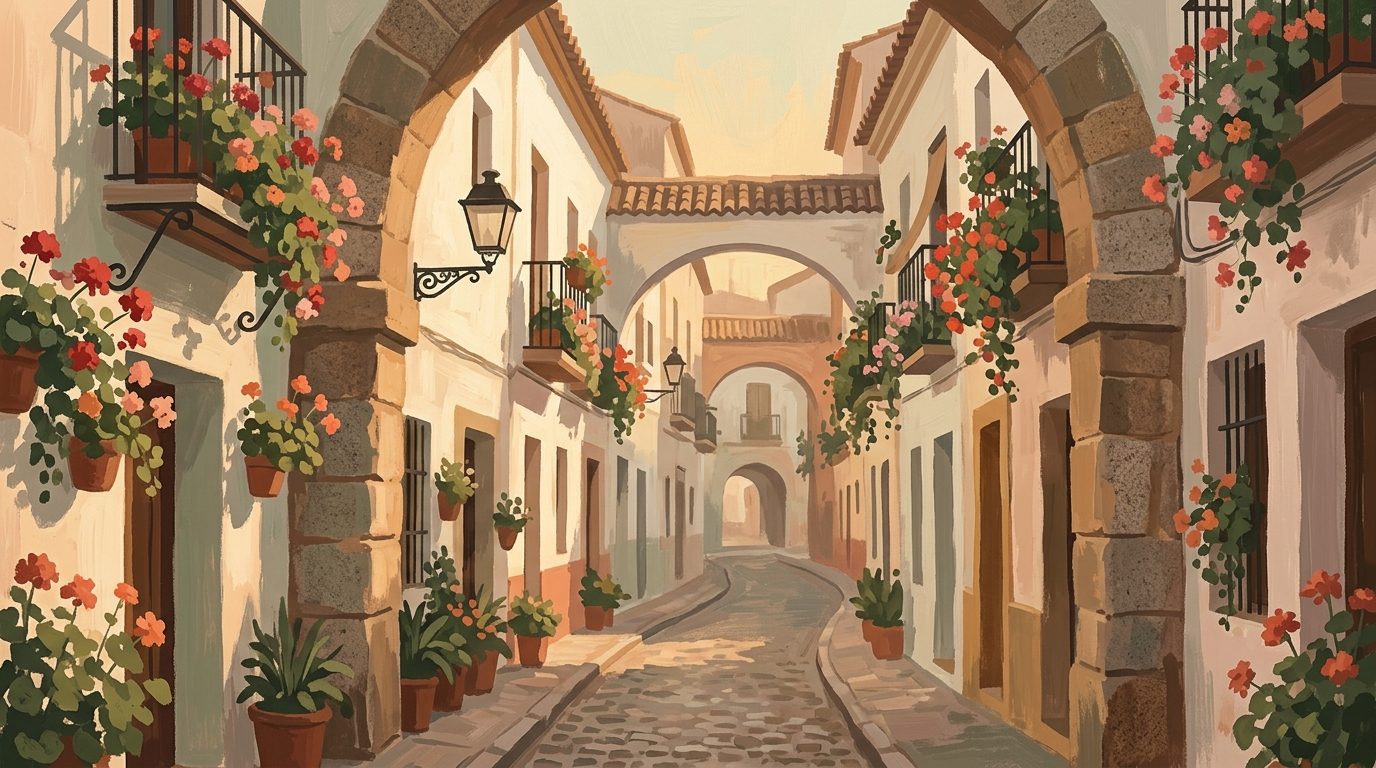
The Granite and the Geranium: The Fragile Geometry of Córdoba’s May
For two weeks in May, Córdoba’s residents throw open the doors of their private courtyards, turning a city of stone into a living, breathing laboratory of botanical obsession.
6 min read
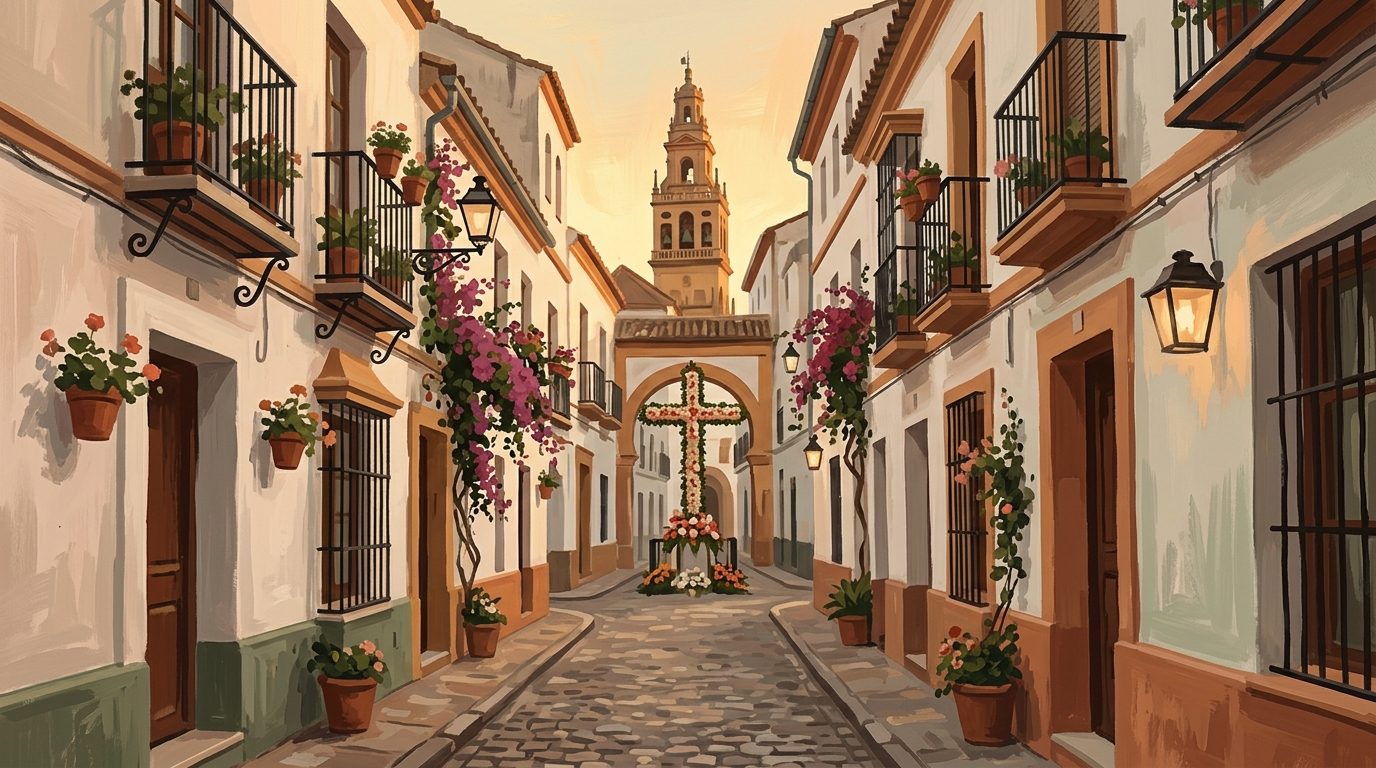
A Guide to the Cruces de Mayo Festival in Córdoba
Discover how Córdoba transforms its historic plazas into flower-draped street parties to celebrate the Cruces de Mayo festival.
8 min read
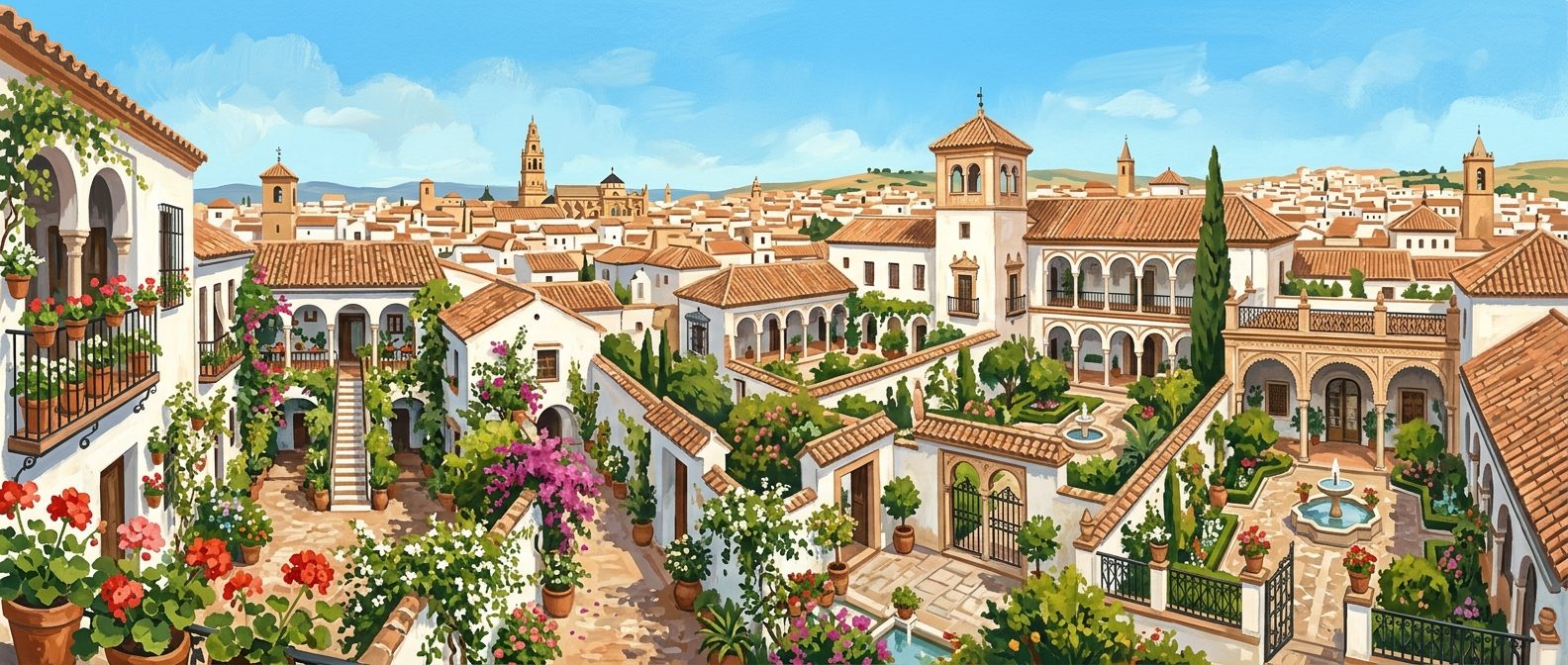
The Floral Courtyards of Córdoba: A Guide to the Patios and Palacio de Viana
Discover the flower-filled courtyards of Córdoba, from the twelve aristocratic patios of the Palacio de Viana to the UNESCO-listed private homes that open their doors during the May Patio Festival.
6 min read
More from Córdoba
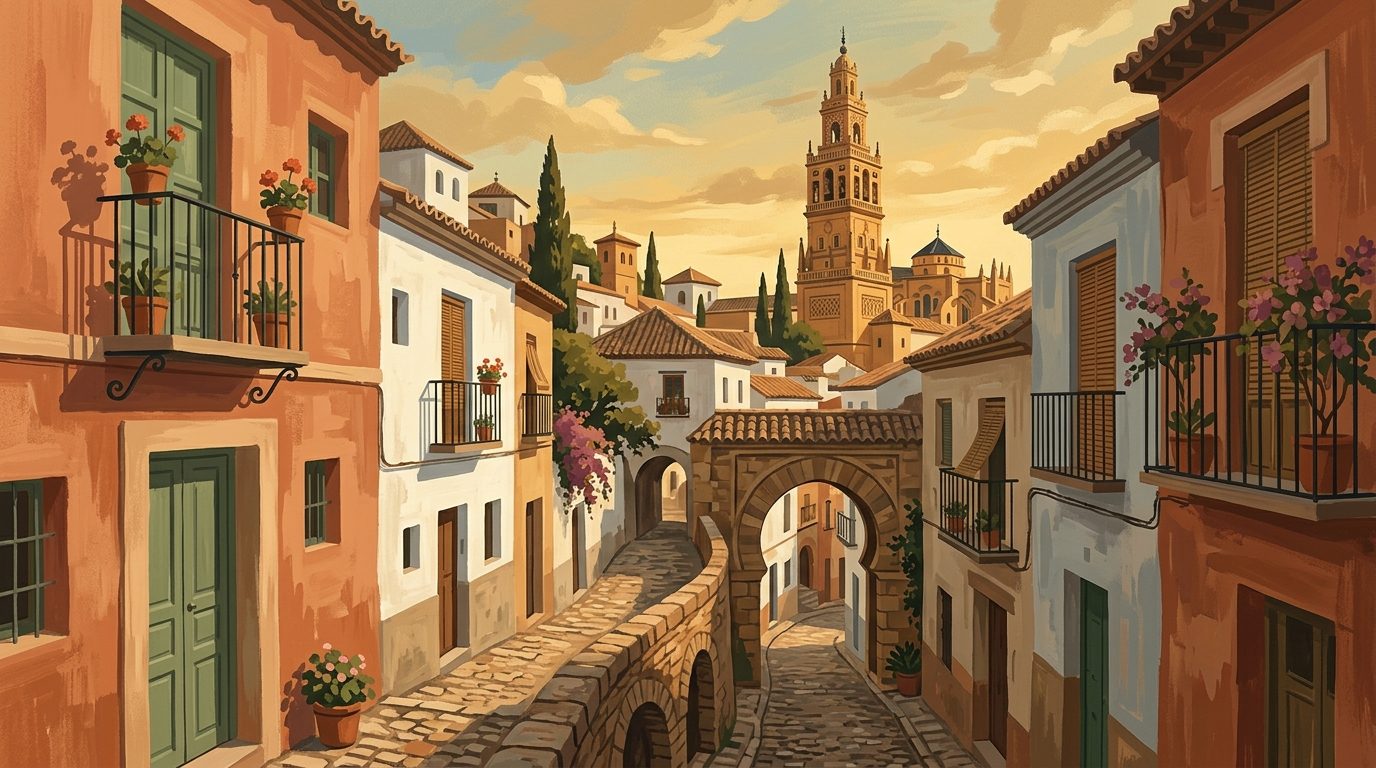
The Caliphate of Córdoba
In 929, Abd al-Rahman III declared himself Caliph, breaking religious ties with the Middle East and launching an era of unparalleled architectural and intellectual achievement.
8 min read
The Fall of Córdoba, 1236
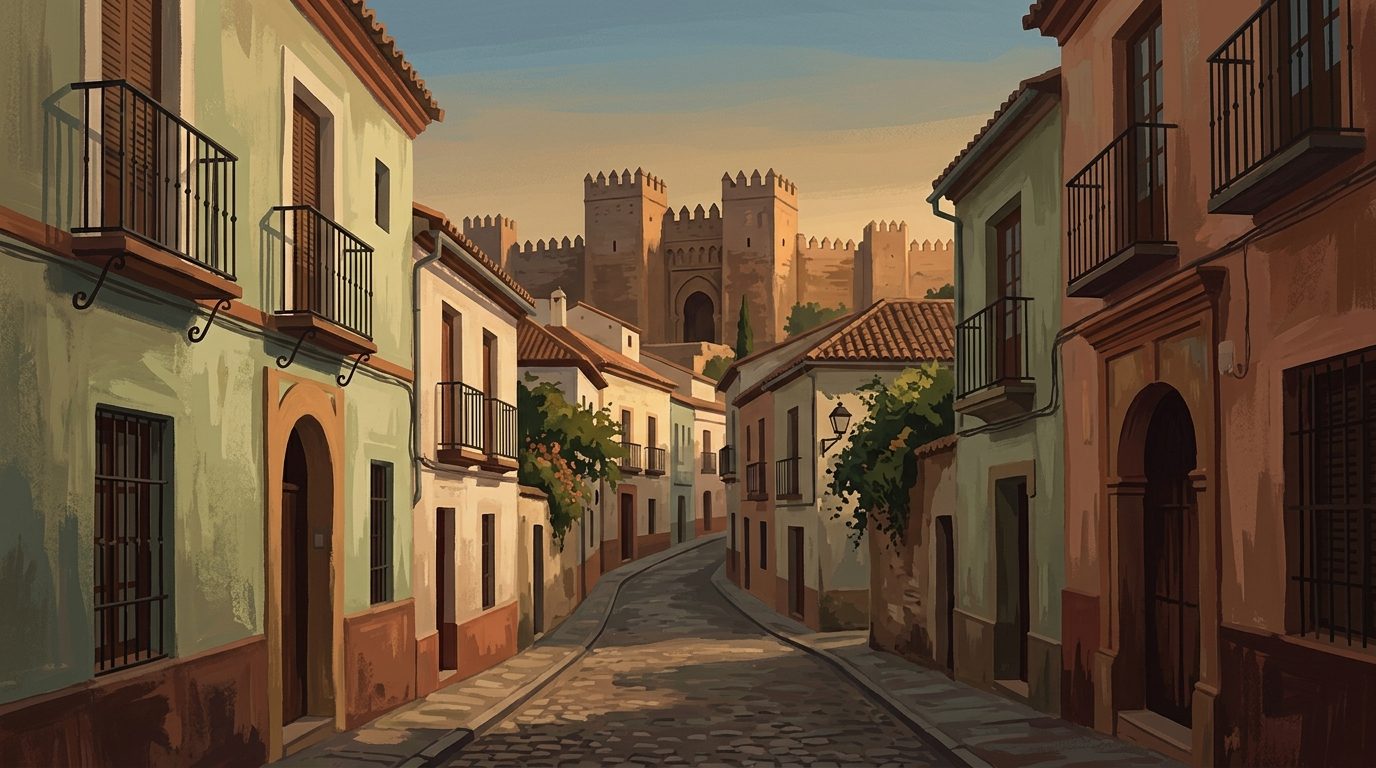
In 1236, a daring winter raid by Castilian frontiersmen escalated into a full siege of the former Umayyad capital. The subsequent surrender of Córdoba marked a decisive turning point in the medieval history of the Iberian Peninsula.
8 min read
A Guide to the Patios de Córdoba
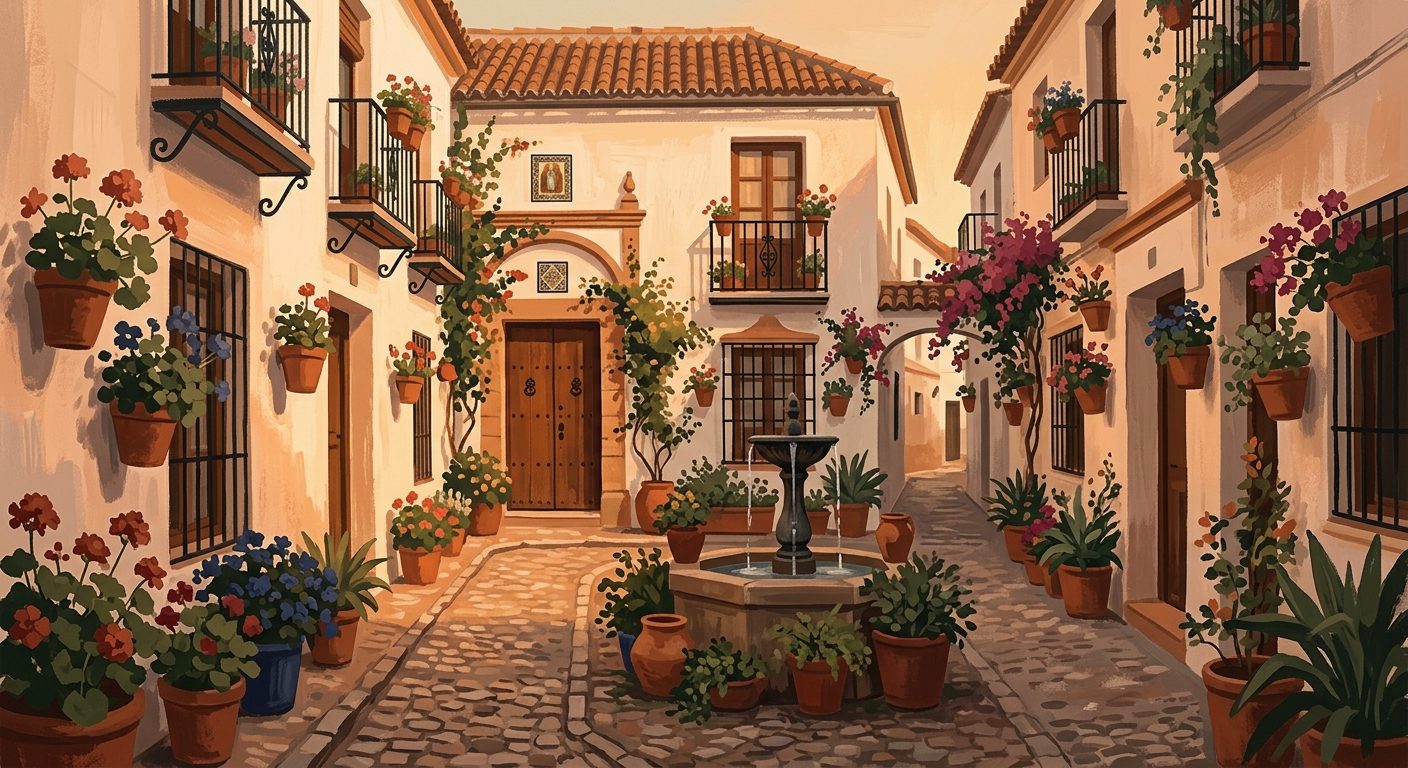
While other Andalucían festivals celebrate grand public spectacles, the Patios de Córdoba invite you into the most intimate of domestic spaces: the floral courtyards of private family homes.
10 min read
Newsletter
More stories from Andalucía
Weekly notes, seasonal picks, and the next guides worth bookmarking.